标签: Asia

亚洲

  • Japan’s Takaichi calls Feb 8 snap election

    Japan’s Takaichi calls Feb 8 snap election

    TOKYO – Japanese Prime Minister Sanae Takaichi has declared her intention to dissolve the House of Representatives this Friday, setting the stage for an unexpected general election scheduled for February 8, 2026. The announcement, made during a Monday evening press conference, marks a significant political maneuver that will test Takaichi’s leadership just months after assuming office.

    The electoral process will follow Japan’s established system where voters will select representatives from 289 single-member constituencies alongside 176 proportional representation seats. Media reports indicate the official campaign period will commence on January 27, creating a condensed two-week window for political mobilization.

    This snap election arrives despite the current parliamentary term having approximately two years remaining. Japan’s constitution permits such dissolution of the lower house before the completion of the standard four-year legislative term, providing sitting prime ministers with strategic flexibility.

    The political landscape has shifted notably since Takaichi’s October 21 inauguration. In response to the conservative ruling coalition, the Constitutional Democratic Party of Japan has joined forces with Komeito, previously a long-standing ally of the ruling Liberal Democratic Party (LDP). This newly formed Centrist Reform Alliance positions itself as the primary opposition force challenging the established power structure.

    Takaichi’s decision follows her consultation with senior LDP members and coalition partners last week, indicating a calculated political strategy to capitalize on current circumstances. The February election will serve as the first national referendum on Takaichi’s administration and could significantly reshape Japan’s political alignment.

  • Guangzhou hospitals expand use of cell, gene therapies

    Guangzhou hospitals expand use of cell, gene therapies

    Medical institutions across Guangzhou are accelerating the clinical implementation of cutting-edge cell and gene therapies, demonstrating promising outcomes for patients battling chronic and degenerative conditions. This strategic expansion positions the southern Chinese metropolis at the forefront of regenerative medicine innovation.

    At Nansha Hospital of Guangzhou First People’s Hospital, physicians have pioneered novel therapeutic applications targeting three distinct medical challenges: acute-on-chronic liver failure, ischemic stroke, and knee osteoarthritis. The orthopedic department, under the direction of Chief Physician Wang Jianwei, has achieved breakthrough results using cell therapy injections administered directly to affected knee joints. This innovative approach modifies the local immune environment and facilitates cartilage regeneration. Clinical follow-ups conducted one month post-treatment revealed substantial symptom alleviation and enhanced quality of life for participating patients.

    Concurrently, the Guangzhou Institute of Biomedicine and Health, operating under the Chinese Academy of Sciences, is advancing stem cell research for oncological and neurological disorders. Senior Researcher Pan Guangjin explained their dual-focused initiative: “We’re engineering stem cells to generate specialized anti-tumor immune cells for cancer immunotherapy, while simultaneously developing stem cell-derived neural cells to combat Parkinson’s disease through clinical trials.” The researcher emphasized that Parkinson’s treatment via neuronal replacement therapy represents one of the most clinically advanced applications in the field.

    The transition from experimental research to practical medical application remains a priority for the scientific community. Sun Fei, Vice-President of the Guangzhou Institute of Biomedicine and Health, noted: “The entire biomedical sector has recognized cell therapy’s transformative potential. Recent years have witnessed unprecedented research activity and industrial development in this domain.” The institute’s commitment to quality assurance is demonstrated through its accredited standardized cell testing laboratory, established in 2019 and certified by the China National Accreditation Service for Conformity Assessment.

  • Look: Shaban 1447 AH crescent photographed in Abu Dhabi

    Look: Shaban 1447 AH crescent photographed in Abu Dhabi

    Abu Dhabi’s astronomical community has achieved another significant milestone with the successful photographic documentation of the crescent moon marking the commencement of Shaban 1447 AH. The Al Khatim Astronomical Observatory, operating under the International Astronomy Center, captured the celestial phenomenon at precisely 11:00 AM UAE time on Monday, January 19th, 2026.

    The observation team, consisting of Osama Ghannam, Anas Muhammad, Khalafan Al-Naimi, and Muhammad Awda, documented the moon positioned 6.7 degrees from the sun, providing exceptional clarity for astronomical records. This achievement follows their previous success in photographing the concluding crescent of Rajab on January 18th from the same facility.

    In coordination with these scientific observations, the UAE Fatwa Council officially confirmed Monday as the final day of Rajab 1447 AH, with Shaban commencing on Tuesday, January 20th. The Council’s declaration followed comprehensive review of astronomical data collected by the nation’s specialized celestial authorities.

    These crescent sightings carry profound religious significance for Muslim communities worldwide, as they determine the Islamic lunar calendar’s progression. The current documentation of Shaban’s beginning directly influences the anticipated timing of Ramadan 2026, which astronomical projections suggest will likely commence on Thursday, February 19th, though traditional moon-sighting committees will make the final determination on the 29th of Shaban.

    The conclusion of Ramadan will initiate Eid Al Fitr celebrations, marking the UAE’s first extended weekend of 2026 and concluding the holy month of fasting.

  • What is Trump’s ‘Board of Peace’ and who will govern Gaza?

    What is Trump’s ‘Board of Peace’ and who will govern Gaza?

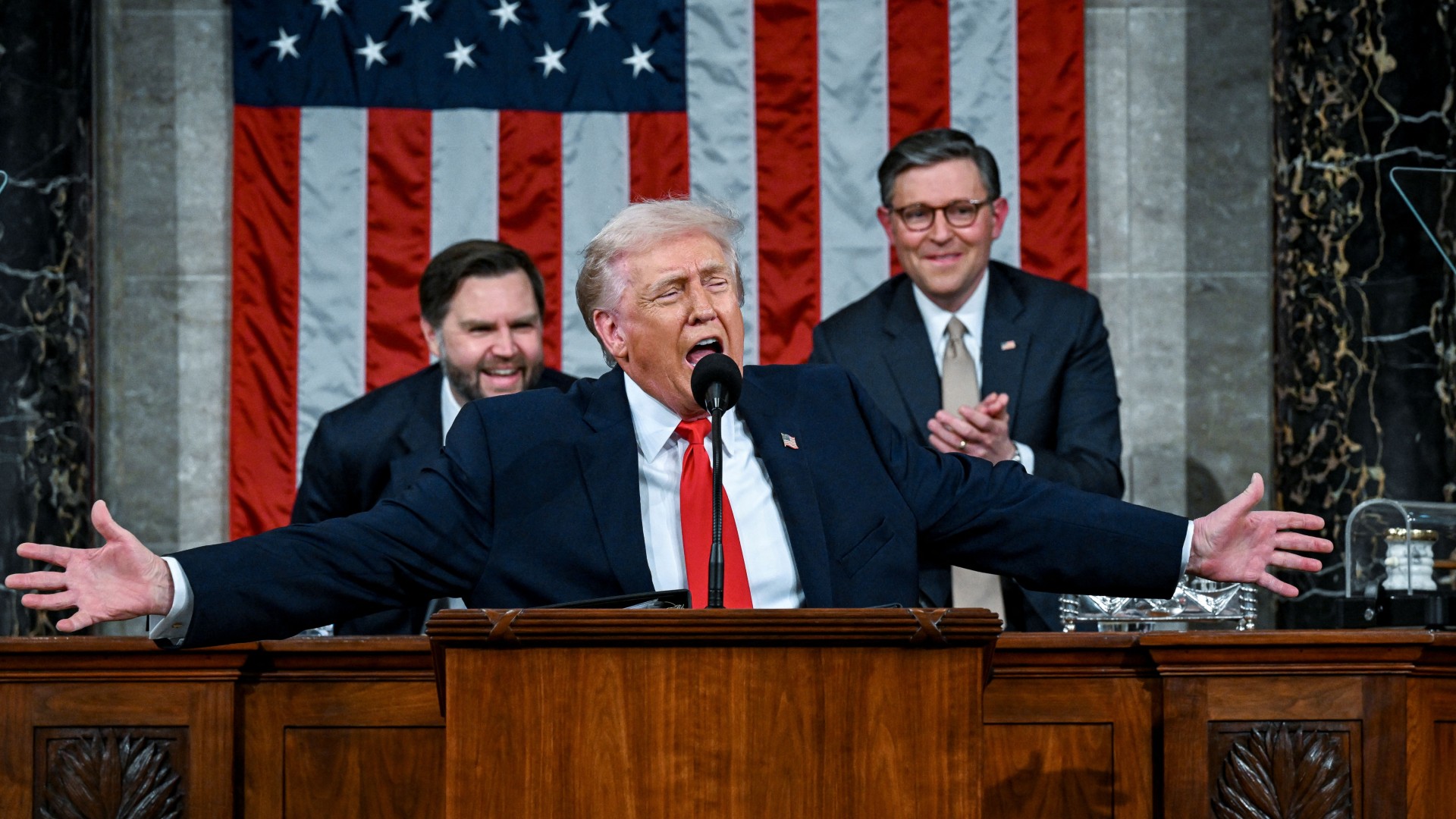
    A newly revealed charter for former President Donald Trump’s proposed ‘Board of Peace’ outlines an ambitious international organization with potential to rival the United Nations in conflict mediation. Originally conceived as part of Trump’s post-war governance framework for Gaza following Israel’s two-year military campaign, the initiative appears to have expanded into a broader peace-building entity with global aspirations.

    The charter, obtained by Middle East Eye, describes the Board as seeking to ‘promote stability, restore dependable and lawful governance, and secure enduring peace in areas affected or threatened by conflict.’ It explicitly calls for a ‘more nimble and effective international peace-building body’ than existing institutions, suggesting a fundamental challenge to current diplomatic frameworks.

    The document grants Trump extensive authority as chair, including unilateral power to appoint and remove member states—a decision reversible only by a two-thirds majority vote. Membership terms reveal a financial threshold for extended participation: countries serving three-year terms unless contributing over $1 billion within the first year of operations.

    Simultaneously, the White House unveiled a hierarchical structure beneath the Board featuring a ‘founding executive board’ specifically for Gaza stabilization. This seven-member body includes prominent figures such as Secretary of State Marco Rubio, former presidential adviser Jared Kushner, billionaire real estate developer Steve Witkoff, former UK Prime Minister Tony Blair, World Bank President Ajay Banga, and Apollo Global Management CEO Marc Rowan.

    The appointments have drawn immediate criticism from Palestinian analysts and rights groups who note the absence of Palestinian representation in senior roles. Islamic Jihad, Gaza’s second-largest militant group, condemned the board’s composition as aligning with ‘Israeli specifications.’

    The complex governance architecture extends to include a High Representative for Gaza (former UN envoy Nikolay Mladenov), an 11-member Gaza Executive Board with regional representatives, and a technocratic National Committee for the Administration of Gaza led by former Palestinian deputy minister Ali Shaath.

    This sweeping initiative represents Trump’s most ambitious attempt to reshape international conflict resolution mechanisms, though its implementation faces significant geopolitical challenges and widespread skepticism from affected communities.

  • Dubai-Manila flights: Emirates to add four more weekly services from April 2

    Dubai-Manila flights: Emirates to add four more weekly services from April 2

    Emirates Airlines has announced a significant expansion of its Southeast Asian operations with the introduction of four additional weekly flights between Dubai and Manila, effective April 2nd. The enhanced schedule will operate on Mondays, Wednesdays, Thursdays, and Saturdays, increasing the airline’s total weekly service to the Philippines from 28 to 34 flights.

    The new flight EK330 will depart Dubai International Airport at 12:45 PM local time, arriving at Ninoy Aquino International Airport at 1:25 AM the following day. The return service, EK331, will depart Manila at 3:25 AM and touch down in Dubai at 8:25 AM local time. This strategic scheduling provides optimized connectivity for travelers transiting through Emirates’ Dubai hub.

    The expansion delivers substantial benefits for multi-segment travelers, particularly those connecting to and from North American destinations including Canada and the United States. The schedule also aligns seamlessly with European morning departures to key cities such as London, Milan, Budapest, and Athens.

    Operated using Boeing 777-300ER aircraft, these flights feature Emirates’ signature three-class configuration with eight First Class suites, 42 Business Class lie-flat seats, and 304 Economy Class seats. Passengers will experience the carrier’s renowned service offerings including regionally-inspired culinary options, complimentary beverages, and the industry-leading ice in-flight entertainment system featuring over 6,500 channels of content in more than 40 languages, including Tagalog programming.

    This network enhancement coincides with the recently ratified Comprehensive Economic Partnership Agreement (CEPA) between the UAE and Philippines, positioning Emirates to facilitate growing trade and economic cooperation. The additional wide-body aircraft will substantially increase cargo capacity, with each flight capable of transporting up to 20 tonnes of freight alongside passenger luggage, strengthening supply chains between Manila, Dubai, and key markets in Europe, the United States, and the Indian subcontinent.

    Tickets for the expanded service are now available through Emirates’ digital platforms, authorized travel agents, and retail stores worldwide.

  • Building on record momentum: BMW Group Middle East delivers strong growth in 2025

    Building on record momentum: BMW Group Middle East delivers strong growth in 2025

    BMW Group Middle East has concluded 2025 with exceptional financial results, demonstrating sustained growth across its BMW, MINI, and BMW Motorrad divisions. Building upon the remarkable achievements of 2024, the regional market has solidified its position as a crucial growth hub for the German automaker, driven by robust consumer demand for innovative and high-performance vehicles.

    The BMW brand recorded a substantial 10% year-on-year sales increase, while the luxury 7 Series maintained its upward trajectory with a 1.3% growth. The performance segment achieved unprecedented success, with BMW M High Performance vehicles experiencing an extraordinary 38% sales surge—an all-time regional record attributed to expanding product offerings and growing customer enthusiasm.

    MINI brand sales reached historic heights in the Middle East with a 16% increase, propelled by strong demand for John Cooper Works models and rising popularity of battery electric vehicles. Corporate Sales for BMW and MINI achieved their highest-ever performance with a remarkable 28% year-year growth, reflecting strengthened collaboration between BMW Group Middle East and its regional importer partners.

    The fourth quarter of 2025 witnessed significant momentum for electrified vehicles, establishing a solid foundation for 2026. The anticipated introduction of the ‘Neue Klasse’ BMW iX3 later in 2026 is expected to mark a transformative phase in BMW’s electric vehicle strategy for the region.

    Beyond vehicle sales, Customer Support Services grew by 8.2% compared to 2024, demonstrating sustained customer confidence in BMW’s authorized service network. The Group has enhanced ownership experiences through innovative initiatives including the ConnectedDrive platform, BMW and MINI Proactive Care, and the ‘Relax. We Care’ program.

    BMW Motorrad delivered its highest-ever recorded sales in the Middle East, achieving a 9% increase in private customer sales and strengthening its position in the premium motorcycle segment.

    This outstanding performance is supported by the ongoing transformation of BMW Group Middle East’s Retail Network through the ‘Retail.Next’ initiative—a customer-centric concept creating open, flexible environments that deliver engaging customer experiences. Throughout 2025, several Retail.Next facilities were inaugurated across the region, combining state-of-the-art infrastructure with regional character while serving as hubs for developing local talent.

    Karim-Christian Haririan, Managing Director of BMW Group Middle East, attributed the success to strategic vision, portfolio breadth, and invaluable partnerships with importer networks. Looking toward 2026, the Group remains focused on luxury, high-performance, and electrified vehicles while planning further regional expansion, including entry into the Syrian market with official importer details to be announced subsequently.

  • India agrees to boost trade and strategic ties with UAE amid regional tensions

    India agrees to boost trade and strategic ties with UAE amid regional tensions

    NEW DELHI — In a significant diplomatic engagement, Indian Prime Minister Narendra Modi hosted United Arab Emirates President Sheikh Mohamed bin Zayed Al Nahyan in New Delhi on Monday, culminating in a comprehensive set of agreements designed to substantially enhance bilateral cooperation. The high-level discussions yielded ambitious economic targets and strategic alignments against the backdrop of escalating regional instability in West Asia.

    The centerpiece of the renewed partnership is a commitment to double bilateral trade to $200 billion by 2032, building upon the remarkable momentum established since the implementation of the Comprehensive Economic Partnership Agreement in February 2022. This foundational pact has already propelled trade volumes beyond the $100 billion threshold through tariff reductions and expanded market access.

    Beyond commercial expansion, the nations finalized several pivotal arrangements including a decade-long liquefied natural gas contract committing India to import 500,000 metric tons annually beginning in 2028. The defense sector received substantial attention with both parties agreeing to establish a strategic framework agreement, while additional collaborations were announced in space exploration and food security initiatives.

    The UAE further demonstrated its investment confidence through commitments to develop specialized economic zones in Gujarat, Modi’s home state, featuring advanced infrastructure including modern ports, airports, and smart urban developments.

    This strengthened partnership assumes heightened geopolitical significance amid escalating tensions throughout West Asia, particularly involving Iran, Yemen, and the ongoing crisis in Gaza. Analysts observe that both nations are strategically positioning themselves as stabilizing forces during this period of regional uncertainty and global realignment.

    Harsh Pant of the Observer Research Foundation noted: ‘The India-UAE relationship continues to evolve across multiple dimensions. Current regional turmoil creates both challenges and opportunities for these partners to coordinate their approaches to maintaining stability.’

    India maintains substantial economic interests and diaspora connections throughout West Asia, making continued engagement with key regional partners like the UAE essential to navigating the complex geopolitical landscape.

  • State Council to supervise probe into factory explosion in North China’s Inner Mongolia

    State Council to supervise probe into factory explosion in North China’s Inner Mongolia

    The State Council Work Safety Commission has announced it will directly supervise the investigation into a catastrophic industrial explosion at a steel plant in China’s Inner Mongolia Autonomous Region. The blast occurred at approximately 3:00 PM on Sunday at a production facility operated by Baogang United Steel located in western Baotou City.

    According to the Ministry of Emergency Management, the incident has resulted in a significant casualty count with two confirmed fatalities and eight individuals remaining unaccounted for as of 6:00 AM Monday. Additionally, 84 people have been hospitalized with injuries of varying severity following the industrial accident.

    The ministry has issued directives emphasizing the critical importance of implementing scientifically sound search and rescue protocols to prevent secondary disasters while maximizing efforts to locate missing personnel. Emergency response teams have been instructed to provide comprehensive medical care to all injured victims with the objective of minimizing further loss of life.

    Authorities have stressed the urgency of determining the precise cause of the explosion through thorough investigation. The ministry further emphasized the necessity of deriving substantive lessons from this tragedy to enhance safety protocols and prevent similar industrial accidents from occurring in the future.

    Specialized rescue units from the Ministry of Emergency Management have been deployed to the incident site to assist local emergency response teams with the ongoing operations.

  • Chinese courts see surge in foreign-related cases

    Chinese courts see surge in foreign-related cases

    China’s judicial authorities reported a substantial increase in international legal disputes during 2025, with approximately 40,000 first-instance civil and commercial cases involving foreign parties processed throughout the year. This represents a remarkable 50 percent surge compared to previous year’s figures, according to official data released by the Supreme People’s Court on January 19, 2026.

    The dramatic rise in cross-border litigation reflects China’s expanding global economic engagement and the judicial system’s evolving capacity to handle complex international legal matters. The Supreme People’s Court emphasized that these developments demonstrate the nation’s continued commitment to enhancing foreign-related adjudication capabilities while ensuring equal protection for both domestic and international litigants.

    Beyond international cases, Chinese courts managed an overwhelming volume of over 20 million first-instance civil and commercial disputes nationwide, marking an 11 percent annual increase. Intellectual property litigation showed significant growth with more than 470,000 cases processed, representing a five percent year-on-year increase that underscores China’s evolving innovation landscape.

    Environmental justice also saw substantial developments, with courts processing over 160,000 first-instance civil environmental cases—an 11 percent increase that demonstrates strengthened judicial support for ecological protection initiatives.

    In criminal justice, authorities intensified efforts against criminal offenses, processing more than 1 million first-instance criminal cases while sentencing over 1.4 million defendants. Notably, both case numbers and conviction rates demonstrated a year-on-year decline, suggesting potential improvements in crime prevention strategies.

    The comprehensive judicial data reveals a nation undergoing rapid legal transformation across multiple domains, with particular significance for international businesses and investors engaged with China’s expanding economy.

  • TEPCO to postpone restart of Kashiwazaki-Kariwa nuclear plant over safety concerns

    TEPCO to postpone restart of Kashiwazaki-Kariwa nuclear plant over safety concerns

    Tokyo Electric Power Company Holdings (TEPCO) has indefinitely delayed the planned restart of its Kashiwazaki-Kariwa nuclear facility’s No. 6 reactor after a critical safety system malfunction during preliminary testing. The decision came after alarm systems for control rods—essential components for regulating nuclear fission reactions—failed to activate during operational checks conducted on Saturday.

    The reactor, part of a seven-unit complex located approximately 220 kilometers northwest of Tokyo, was originally scheduled to resume operations on Tuesday. This marks another setback for Japan’s nuclear energy sector, which has faced intense scrutiny since the 2011 Fukushima Daiichi disaster. The Kashiwazaki-Kariwa plant was among 54 reactors idled following the catastrophic meltdowns at TEPCO’s tsunami-damaged facility.

    The postponement occurs despite December’s controversial approval by the Niigata Prefectural Assembly for partial reactivation of the plant. The facility’s restart has drawn significant public concern and criticism from nuclear safety advocates who question the adequacy of post-Fukushima safety enhancements. TEPCO officials stated they are conducting comprehensive investigations to determine the root cause of the control rod alarm failure and cannot provide a revised timeline for operations until complete system verification is achieved.