标签: Asia

亚洲

  • Turkey tightens military-transit rules to stop illicit arms trade

    Turkey tightens military-transit rules to stop illicit arms trade

    Ankara has significantly enhanced regulatory oversight of military equipment and defense-related goods transiting through Turkish territory under a newly enacted regulation. The framework, formally published in the Official Gazette on Monday, establishes comprehensive inspection protocols for defense industry products and components moving through Turkish transit routes or being re-exported by Turkish entities under transit trade arrangements.

    The cornerstone of the new regulation mandates that shippers must obtain a formal letter of conformity from the Ministry of Trade before moving controlled items through Turkish territory. The ministry will conduct thorough assessments of each application in consultation with relevant institutions and organizations. Shipments lacking this mandatory documentation will be prohibited from transiting through Turkey.

    Notably, the regulation extends beyond conventional military hardware, granting authorities inspection rights over products not typically classified as military components. The Ministry of Trade reserves the right to initiate conformity procedures when there is suspicion of potential military application, identified risks to national or international security, possible human rights violations, or concerns regarding adverse consequences for international relations.

    Turkish officials familiar with the matter clarified that the primary objective is to strengthen oversight of re-export activities rather than facilitate weapons transit. One official emphasized Ankara’s determination to prevent Turkey from becoming a hub for illicit arms trading, enabling more effective monitoring of cargo origins, contents, and final destinations.

    Defense industry experts speaking anonymously revealed that the regulation specifically targets attempts by arms dealers to utilize Turkish routes for channeling weapons from Eastern Europe and the Balkans into conflict zones. Particular concerns have been raised about weapons destined for Libya and Sudan, with suppliers allegedly using Turkish ports and borders as transit points due to direct shipment restrictions.

    The timing of the implementation has generated discussion on social media platforms, with some commentators questioning potential implications for NATO weapon transfers and Iran’s military imports given Turkey’s extensive border with Iran. However, official sources maintain the regulation is exclusively focused on preventing unauthorized arms trafficking through Turkish territory.

  • Sky News ‘to end ties with UAE-based Sky News Arabia’ over Sudan war

    Sky News ‘to end ties with UAE-based Sky News Arabia’ over Sudan war

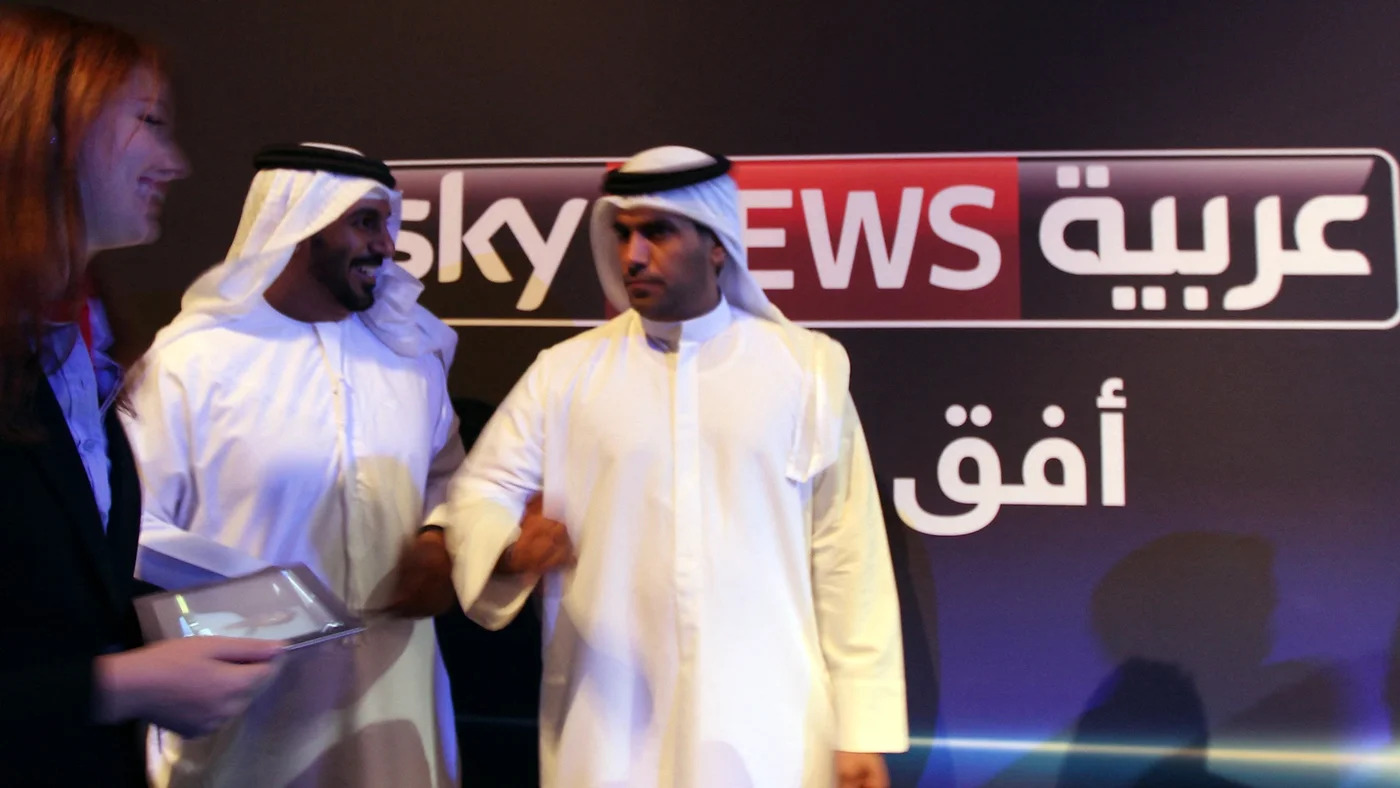
    Sky News is preparing to terminate its licensing agreement with Sky News Arabia following mounting evidence of the UAE-based channel’s systematic whitewashing of human rights atrocities committed by Sudanese paramilitary forces. According to The Daily Telegraph, the British broadcaster will withdraw its brand licensing rights from the Abu Dhabi-operated network in 2025 after investigations revealed profoundly compromised editorial standards regarding Sudan’s civil conflict.

    The decision follows extensive documentation of Sky News Arabia’s coverage that consistently minimized the Rapid Support Forces’ (RSF) campaign of violence in Darfur. A groundbreaking Yale Humanitarian Research Lab study utilizing NASA satellite data exposed how RSF fighters systematically destroyed agricultural communities around el-Fasher, creating man-made famine conditions. The report documented 41 farming villages attacked between March and June 2024, with subsequent imagery showing two-thirds of these communities exhibiting ‘no visible pattern of life’ and agricultural land reduction exceeding 80%.

    Internal sources revealed to The Telegraph that an editorial oversight board established to maintain journalistic standards possessed ‘no real power’ due to the channel’s ownership structure under Sheikh Mansour bin Zayed, UAE vice-president. The situation reached critical levels in February when Sky News Arabia deployed reporter Tsabih Mubarak Khatir—married to a senior RSF official—to el-Fasher. Footage showed the journalist embracing a female RSF commander previously recorded encouraging sexual violence against Darfuri women while declaring ‘we are with you.’

    Khatir’s subsequent reports denied documented atrocities, claiming satellite evidence of devastation was fabricated. This coverage aligned with UAE’s geopolitical stance despite overwhelming evidence from flight logs, weapon serial numbers, and satellite imagery demonstrating Emirati support for the RSF.

    The Sudanese conflict, ongoing since April 2023, has displaced over 11 million people and created complex international alliances. While UAE, Ethiopia, Kenya, Chad and Libyan general Khalifa Haftar support the RSF, the Sudanese Armed Forces receive backing from Egypt, Turkey, and increasingly Saudi Arabia—marking a significant rift between the Gulf neighbors.

    Although Sky executives notified UAE’s state media company IMI of their decision in late 2024, negotiations continue regarding potential partnership salvage operations. The separation highlights growing tensions between international news standards and state-influenced media operations in conflict zones.

  • ‘Act of domination’: Top Tory MP criticised for attack on Muslims praying in Trafalgar Square

    ‘Act of domination’: Top Tory MP criticised for attack on Muslims praying in Trafalgar Square

    A prominent Conservative MP has sparked widespread condemnation across Britain’s political spectrum after characterizing Muslim prayers at a public Ramadan event as an “act of domination.” Nick Timothy, former Downing Street chief of staff and current shadow justice secretary, faced bipartisan criticism for his remarks about the “Open Iftar” gathering in London’s Trafalgar Square that attracted multi-faith participants including Mayor Sadiq Khan.

    Timothy took to social media platform X on Monday to share footage of the prayer session, asserting that “mass ritual prayer in public places is an act of domination” and specifically targeting the adhan (Islamic call to prayer) as “a declaration of domination.” His comments ignited immediate backlash from parliamentary colleagues who defended Britain’s tradition of religious expression in public spaces.

    Independent MP Adnan Hussain responded by sharing historical images of Hindu, Jewish, and Sikh religious events held in the same landmark square, directly challenging Timothy: “Do you object when Sikhs, Hindus or Jews gather in Trafalgar Square? Or is it only Muslims you smear with talk of ‘domination’?”

    The criticism extended across party lines with former Conservative Attorney General Dominic Grieve noting that Trafalgar Square has historically hosted Christian and other religious events with official permission. Grieve warned that Timothy’s position either advocated for French-style secularism contrary to British tradition or represented outright discrimination against Muslims.

    Senior Labour figures intensified the rebuke, with Deputy Prime Minister David Lammy accusing Timothy of “fanning the flames of division” and Deputy Labour Leader Lucy Powell labeling his reaction “extreme” and reflective of “desperate hatred.”

    In contrast, Reform UK MPs Richard Tice and Sarah Pochin supported Timothy’s position, with Pochin traveling to the square to film a condemnation of what she termed a “domineering show of religious authority.” The event organizers, Ramadan Tent Project, emphasized their mission to “bring communities together and spread the spirit of Ramadan” through events open to all, including vulnerable and homeless individuals.

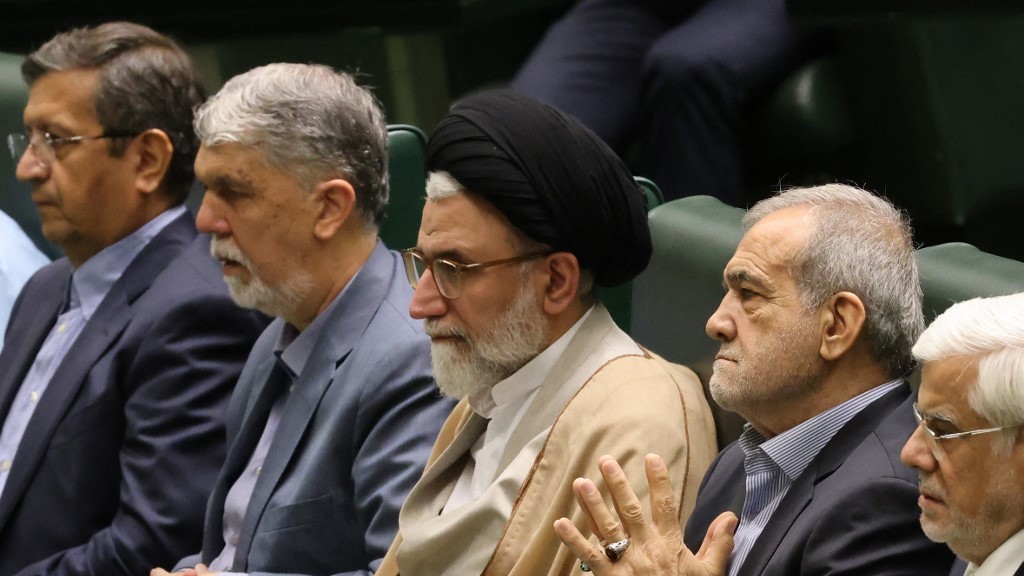
  • Israel claims it killed Iran’s intelligence minister

    Israel claims it killed Iran’s intelligence minister

    Israeli Defense Minister Israel Katz declared on Wednesday that Israeli forces had eliminated Iranian Intelligence Minister Esmail Khatib, signaling a significant escalation in hostilities against Iran and its regional allies. During a high-level military briefing, Katz warned of impending “significant surprises across all arenas” in the ongoing conflict with Iran and Hezbollah in Lebanon.

    Katz revealed that the intensity of Israeli operations within Iranian territory is intensifying, with Khatib representing the latest high-profile casualty. The Defense Minister further disclosed that Prime Minister Benjamin Netanyahu had jointly authorized the Israeli military to target senior Iranian officials without requiring additional clearance for each operation, indicating a broadened mandate for targeted assassinations.

    This development continues a pattern of strikes against Iranian leadership that began on February 28th with the killing of Supreme Leader Ali Khamenei. Earlier this week, Israel also eliminated security chief Ali Larijani and Basij paramilitary commander Gholamreza Soleimani. Larijani, who had emerged as a de facto leader following Khamenei’s death, was reportedly seen participating in Tehran’s Al-Quds Day rallies just days before his assassination.

    The United States has concurrently intensified pressure on Iranian leadership, offering bounties of up to $10 million for information on senior figures associated with the Islamic Revolutionary Guard Corps. This coordinated approach between Washington and Tel Aviv represents a significant escalation in the ongoing confrontation with Iran’s political and military establishment, with implications for regional stability across the Middle East.

  • Chinese and UK experts debate AI in Shanghai

    Chinese and UK experts debate AI in Shanghai

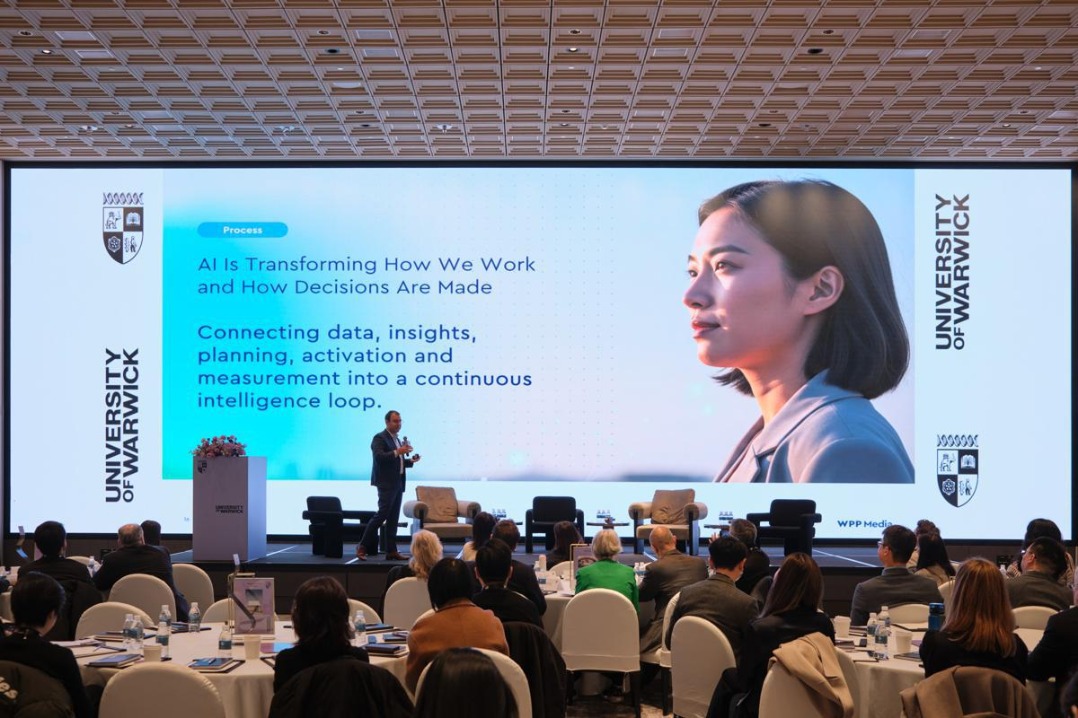
    Shanghai served as the international nexus for artificial intelligence discourse this week as Chinese and British academics convened for a high-level symposium on AI’s expanding role in global sustainability initiatives. The collaborative forum, jointly organized by the University of Warwick and the British Chamber of Commerce Shanghai, brought together leading researchers, corporate innovators, and policy experts to explore cutting-edge applications of artificial intelligence in addressing pressing environmental challenges.

    Caroline Meyer, Provost of the University of Warwick, framed the discussion by noting that ‘AI and sustainability have become fundamental questions of competitiveness, opportunity and resilience for every organization.’ Her remarks underscored the critical intersection of technological innovation and environmental stewardship that defined the day’s proceedings.

    Throughout the conference, speakers highlighted China’s distinctive position in the global sustainability landscape, emphasizing the nation’s unprecedented scale, rapid implementation capabilities, and growing innovation capacity. The event showcased several ongoing collaborative research initiatives between Warwick and prestigious Chinese institutions including Shanghai Jiao Tong University and Fudan University, demonstrating how transnational academic partnerships are generating insights with far-reaching practical applications.

    Technical sessions led by scholars from both nations examined AI’s evolving capacity to redesign complete systems for enhanced sustainability. Presenters illustrated concrete examples of AI-driven breakthroughs across multiple disciplines, including accelerated discovery of low-carbon materials, improved climate resilience modeling, and optimization of smart energy networks.

    Dr. Gu Sai, Deputy Pro-Vice-Chancellor (East and Southeast Asia) of the University of Warwick, presented compelling evidence regarding AI’s potential to dramatically reduce both time and financial resources required for materials science research. ‘This computational efficiency,’ Gu noted, ‘could unlock essential breakthroughs for transitioning to cleaner energy systems and sustainable manufacturing processes.’

    The commercial implications of AI transformation received significant attention through a keynote address by Austin Winters, President of Choreograph China and WPP Tech China. Winters detailed how AI-powered marketing platforms are revolutionizing brand engagement through sophisticated integration of data analytics, technological infrastructure, and creative strategy.

    Beyond immediate applications, discussions also addressed the evolving nature of organizational leadership and talent development in the AI era. Participants noted the gradual shift from traditional specialized departmental structures toward more integrated, diamond-shaped organizational models that combine creativity, data science, and technological capabilities within cohesive operational frameworks.

  • Study reveals endophytic fungi fermentation enhances coffee flavor

    Study reveals endophytic fungi fermentation enhances coffee flavor

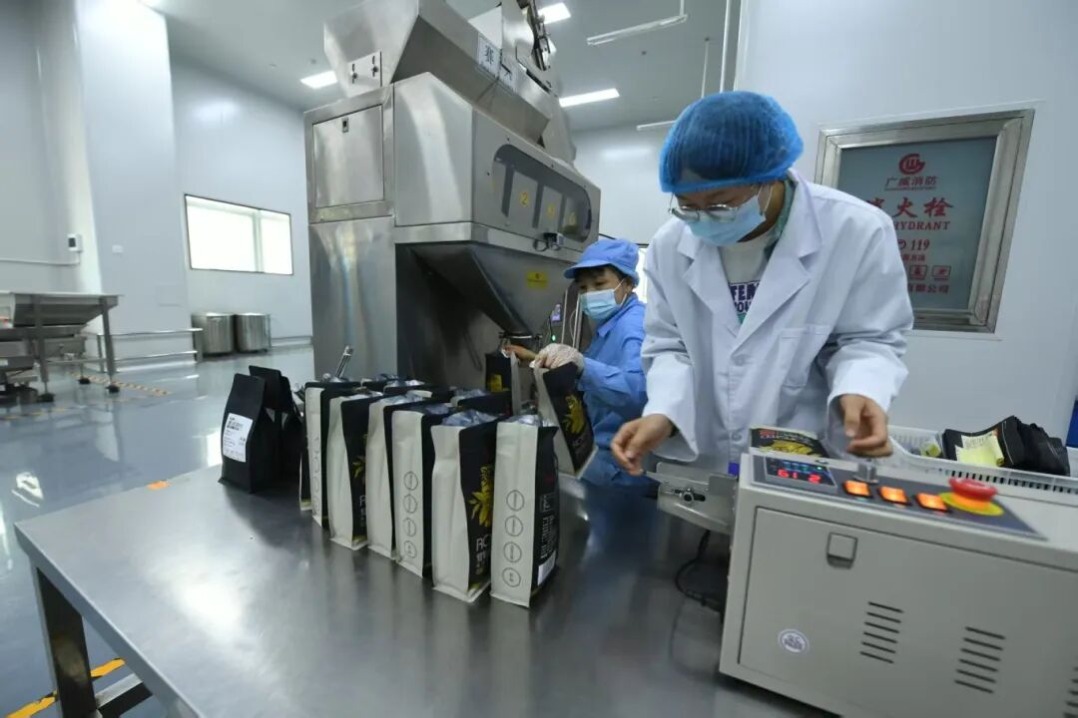
    Groundbreaking research from the Kunming Institute of Botany under the Chinese Academy of Sciences has unveiled a revolutionary biological approach to transforming ordinary coffee beans into premium specialty products through fungal fermentation. The scientific breakthrough demonstrates how specific endophytic fungi can fundamentally enhance coffee’s flavor profile and chemical composition.

    Under the leadership of researcher Qiu Minghua, the scientific team established an extensive microbial repository containing 655 distinct endophytic fungal strains. These were meticulously collected from five different Yunnan Arabica coffee cultivars across three separate maturity stages. Through rigorous screening processes, researchers identified six particularly promising fungal strains capable of significantly improving coffee’s sensory qualities.

    The most remarkable performer, Talaromyces funiculosus strain KQ2, emerged as a fermentation agent capable of elevating coffee’s sensory evaluation score by 1.5 points—sufficient to cross the critical 80-point threshold that defines specialty coffee classification. This transformative fungal treatment imparts distinctive vanilla-cinnamon aromatic notes while substantially improving the bean’s chemical profile. Comprehensive metabolomic analysis revealed a striking 17.11 percent increase in sucrose content following fungal treatment.

    Unlike externally introduced microbial strains, these naturally occurring endophytic fungi function as innate ‘bioprocessing facilities’ within coffee cherries. They demonstrate superior pectinase and cellulase enzymatic activities and possess unique secondary metabolic pathways that efficiently degrade complex pectin polysaccharides. This biological process significantly enriches the diversity and concentration of flavor precursors that ultimately determine coffee’s taste characteristics.

    The research findings, recently published in the prestigious journal Food Chemistry, carry substantial implications for Yunnan’s coffee industry. As China’s largest Arabica coffee producing region, Yunnan has been progressively transitioning from supplying low-cost raw materials to establishing itself as a serious contender in the premium specialty coffee market. This fungal fermentation technology provides a scientific foundation for maintaining consistent, high-quality flavor profiles essential for the industry’s sustainable development and market competitiveness.

  • Xi meets National Leader of the Turkmen People and Chairman of the Halk Maslahaty of Turkmenistan

    Xi meets National Leader of the Turkmen People and Chairman of the Halk Maslahaty of Turkmenistan

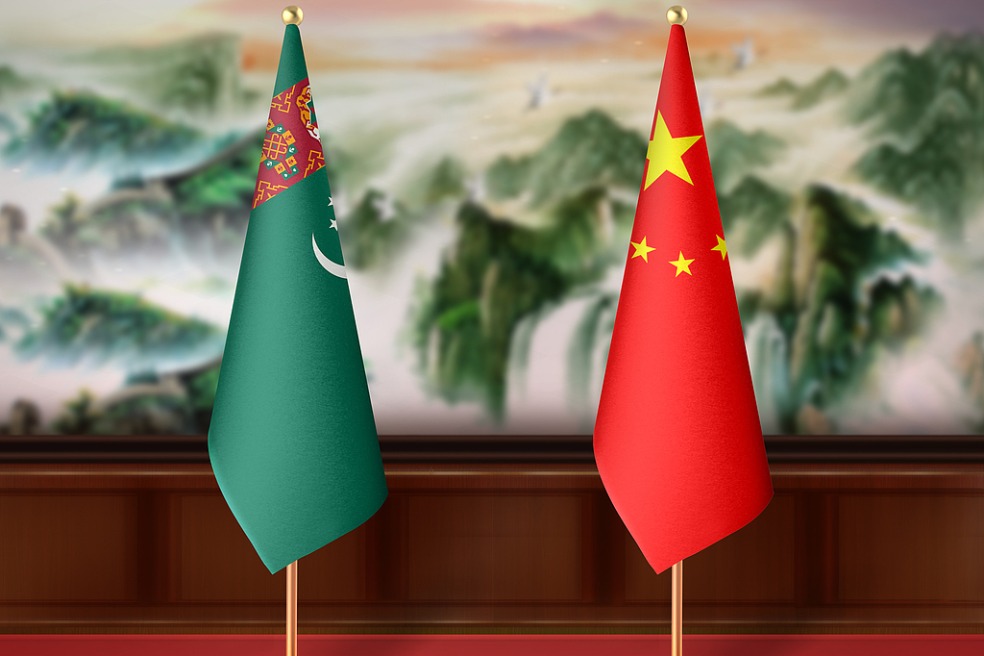
    Chinese President Xi Jinping held a significant diplomatic meeting with Gurbanguly Berdimuhamedov, National Leader of the Turkmen People and Chairman of the Halk Maslahaty of Turkmenistan, in Beijing on Wednesday. The high-level talks marked a substantial step in deepening the comprehensive strategic partnership between the two nations.

    The meeting focused on enhancing bilateral cooperation across multiple sectors, with particular emphasis on energy infrastructure development and regional security coordination. Both leaders exchanged views on implementing previously established agreements while exploring new avenues for economic and technological collaboration.

    President Xi emphasized China’s commitment to the Belt and Road Initiative framework, highlighting Turkmenistan’s crucial role as a key energy partner in Central Asia. The discussions also covered international affairs of mutual concern, with both parties expressing alignment on maintaining regional stability and promoting economic development.

    The engagement represents continued diplomatic momentum following previous high-level exchanges between the two countries. Observers note that strengthened China-Turkmenistan relations contribute to greater economic integration across Central Asia and demonstrate China’s growing diplomatic engagement in the region.

  • China injects stability into turbulent world, experts say

    China injects stability into turbulent world, experts say

    Amid escalating geopolitical tensions and accelerating economic fragmentation, China is systematically providing stability to a volatile global landscape, according to leading experts. The assessment emerged during the Beijing launch of two comprehensive reports compiled by the Institute of World Economics and Politics at the Chinese Academy of Social Sciences on March 17.

    The Annual Report on International Politics and Security (2026) identifies the global shift toward multipolarity as not merely an inevitable trend but an established reality. The report analyzes that current US foreign policy approaches have effectively accelerated this historic transformation. However, researchers caution that multipolarity doesn’t automatically guarantee an equitable international order, noting concerning returns to unilateralism and power politics that threaten global stability.

    Research Fellow Xiao He emphasized China’s growing role in addressing global governance challenges. As traditional international systems face unprecedented pressure, China has demonstrated responsible leadership through initiatives like the Global Governance Initiative, which provides substantive solutions to contemporary governance dilemmas.

    The parallel World Economy Analysis and Forecast (2026) examines serious challenges stemming from geopolitical conflicts and rapid restructuring of global industrial chains. The report identifies artificial intelligence and other revolutionary technologies as dual-edged forces—fostering new growth industries while simultaneously transforming global labor markets and international regulatory frameworks.

    Fellow researcher Gao Lingyun projected global economic growth to slow to 3 percent in 2026 due to combined short-term challenges and profound structural transformations. Within this context, China’s economy is expected to maintain stable expansion, thereby providing crucial stability to worldwide economic recovery efforts.

    Both publications represent systematic analyses of current international dynamics, highlighting China’s increasingly central role in shaping global responses to contemporary challenges through coordinated policy approaches and economic stability.

  • Herdsmen in Inner Mongolia busy with lamb breeding

    Herdsmen in Inner Mongolia busy with lamb breeding

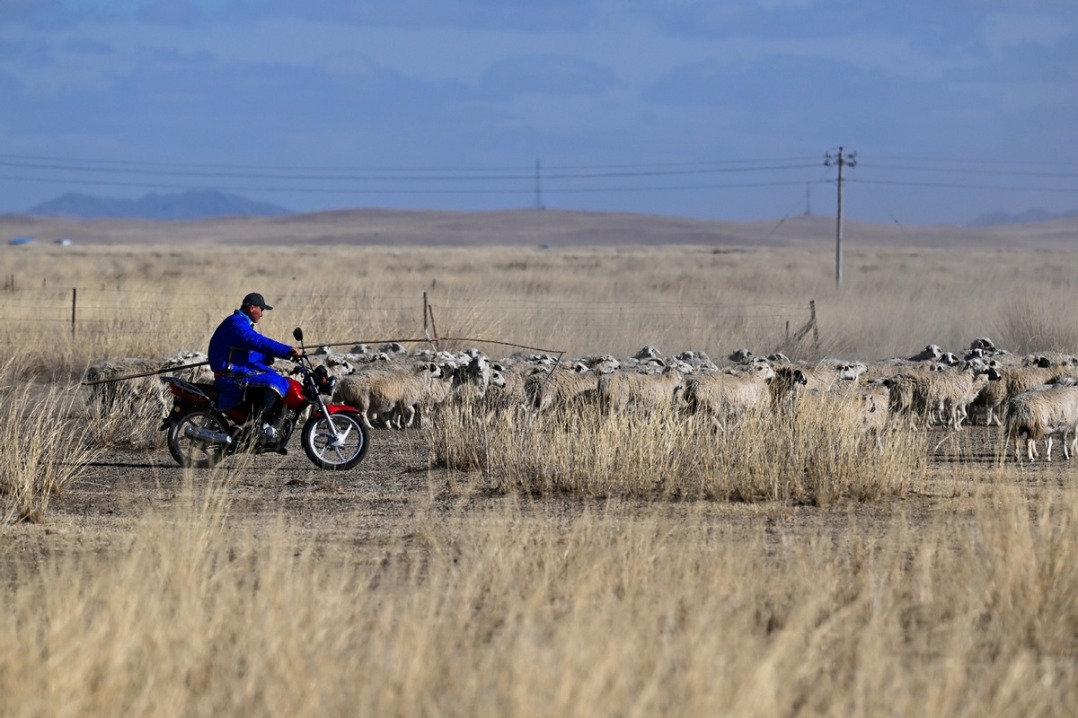
    Across the vast grasslands of Xiliin Gol League in China’s Inner Mongolia Autonomous Region, herdsmen are actively engaged in the critical spring lambing season. This annual period of heightened agricultural activity marks a vital phase in the region’s traditional livestock husbandry practices.

    The current lamb breeding operations coincide with optimal seasonal conditions for animal births in this northern territory. Local pastoral communities are dedicating extended hours to monitoring pregnant ewes, assisting with difficult deliveries when necessary, and ensuring newborn lambs receive proper nutrition and protection from the elements.

    Photographic documentation from East Ujimqin Banner reveals healthy lambs thriving under the care of experienced herdspeople. The scenes represent both the continuation of centuries-old pastoral traditions and the modern economic foundation for many rural families in the region.

    This seasonal cycle demonstrates the ongoing significance of animal husbandry to Inner Mongolia’s cultural identity and economic landscape. The successful breeding season contributes to the sustainability of grassland ecosystems while supporting livelihoods connected to wool, meat, and dairy production.

    The coordinated efforts during this period reflect the deep understanding local herdsmen maintain regarding animal behavior, seasonal patterns, and sustainable grazing practices developed over generations.

  • Japanese politicians hype up China’s defense budget to justify Japan’s hidden military expansion ambitions, says PLA spokesman

    Japanese politicians hype up China’s defense budget to justify Japan’s hidden military expansion ambitions, says PLA spokesman

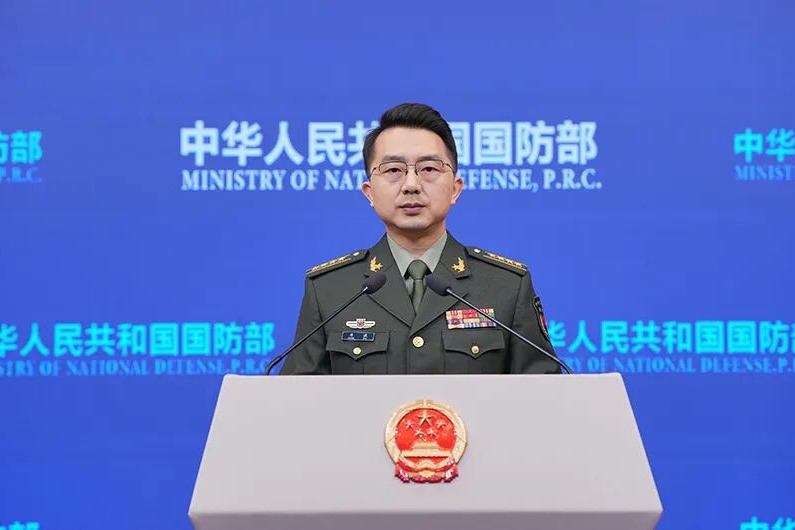
    China’s Ministry of National Defense has issued a sharp rebuke against Japanese political leaders, alleging they are deliberately exaggerating China’s military expenditures to conceal Japan’s own ambitions for military expansion. The statement came from PLA spokesman Jiang Bin, who characterized Japan’s rhetoric as a strategic diversion from its hidden militarization agenda.

    The defense spokesman’s remarks highlight growing tensions between the two Asian powers regarding military transparency and regional security dynamics. Jiang asserted that Japanese officials have consistently misrepresented China’s defense budget increases while simultaneously advancing their own military capabilities under the guise of regional security concerns.

    This diplomatic confrontation emerges against the backdrop of Japan’s recent moves to substantially increase its defense spending and reinterpret constitutional limitations on military operations. Chinese defense officials maintain that their country’s military development remains purely defensive in nature and proportional to its economic growth and security requirements.

    The exchange represents the latest chapter in the long-standing strategic competition between the two nations, with China characterizing Japan’s military modernization efforts as disproportionate to actual regional threats. The Chinese defense establishment has called for greater transparency from Tokyo regarding its military intentions and for cessation of what it describes as misleading narratives about China’s defense posture.