标签: Asia

亚洲

  • Fukushima nuclear plant operator to restart reactor at another plant, reviving safety concerns

    Fukushima nuclear plant operator to restart reactor at another plant, reviving safety concerns

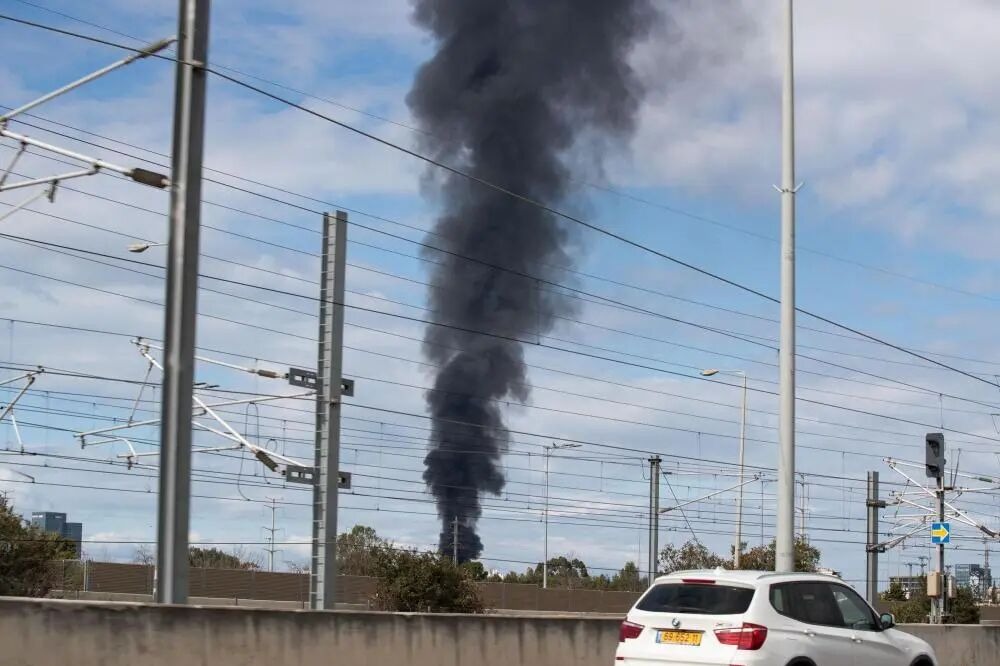
    Japan has initiated the restart process for the Kashiwazaki-Kariwa nuclear facility, the world’s largest nuclear power plant, marking Tokyo Electric Power Company Holdings’ (TEPCO) first return to atomic energy generation since the 2011 Fukushima disaster. The reactor No. 6 commencement represents a pivotal moment for Japan’s energy strategy as the nation confronts escalating electricity demands despite persistent public apprehension.

    The reactivation comes after years of regulatory scrutiny and safety upgrades, with TEPCO investing over 1 trillion yen ($6.33 billion) in protective measures including reinforced seawalls, earthquake-resistant command centers, and advanced filtered venting systems. The utility company remains under intense public scrutiny due to its management of the Fukushima Daiichi catastrophe, where meltdowns rendered surrounding areas uninhabitable and resulted in an estimated 22 trillion yen ($139 billion) cleanup cost.

    Local residents express conflicted sentiments, acknowledging potential economic benefits while voicing substantial concerns regarding evacuation feasibility in the earthquake-prone region. These worries intensified following the 2024 Noto Peninsula earthquake that caused significant infrastructure damage, demonstrating the potential impracticality of existing evacuation plans for the approximately 418,600 residents within the plant’s emergency zones.

    Japan’s policy reversal on nuclear energy reflects broader strategic calculations, including energy security needs following Russia’s invasion of Ukraine, rising fossil fuel costs, and increasing electricity demands from power-intensive AI data centers. The government now aims to nuclear power to constitute 20% of Japan’s energy mix by 2040, more than doubling its current contribution.

    The Kashiwazaki-Kariwa reactor will undergo phased activation, reaching 50% capacity within approximately one week before temporary shutdown for comprehensive inspection. Full commercial operation is anticipated by late February, representing a significant milestone in Japan’s reembrace of nuclear technology despite its complex legacy.

  • Commercial, reusable Chinese rocket PALLAS-2 completes engine system test

    Commercial, reusable Chinese rocket PALLAS-2 completes engine system test

    In a significant advancement for China’s commercial space sector, Beijing-based Galactic Energy has successfully completed a comprehensive system test for the engine powering its reusable PALLAS-2 rocket. The breakthrough test, conducted recently, marks a pivotal step toward the development of China’s indigenous reusable launch vehicle technology.

    The CQ-90 liquid oxygen-kerosene engine, an upgraded variant of the company’s earlier CQ-50 model, demonstrated exceptional performance during the rigorous testing phase. According to official reports, the engine achieved smooth ignition, maintained stable operation throughout the test duration with highly visible flame characteristics, and executed a flawless shutdown sequence.

    Performance data confirmed all parameters met or exceeded design specifications, with combustion efficiency reaching an impressive 96 percent threshold. The CQ-90 engine features advanced capabilities including bidirectional swing functionality of up to 6 degrees, multiple ignition capacity, and wide-range thrust variability – essential characteristics for reusable rocket operations.

    The PALLAS-2 rocket, measuring 4.5 meters in diameter, will be available in two configurations. The baseline version will possess a lift-off mass of 757 tonnes, generating 910 tonnes of thrust with capacity to deliver 20 tonnes to low Earth orbit. An enhanced strap-on booster configuration will substantially increase capabilities to 1,950 tonnes lift-off mass, 2,730 tonnes of thrust, and 58 tonnes to low Earth orbit.

    This technological achievement positions Galactic Energy as a competitive player in the global commercial space market and demonstrates China’s growing capabilities in reusable launch vehicle development, potentially reducing space access costs and increasing launch frequency capabilities.

  • IS group claims attack on Kabul restaurant, killing 7

    IS group claims attack on Kabul restaurant, killing 7

    In a devastating security breach, the Islamic State militant group has officially claimed responsibility for a suicide bombing that ripped through a restaurant in Kabul’s high-security Shahr-e-Naw district on Monday. The attack resulted in seven fatalities, including one Chinese national, and left multiple others wounded.

    The explosion occurred in an area renowned for housing diplomatic missions, commercial offices, and shopping complexes—previously considered among the capital’s safest neighborhoods. Afghan police spokesman Khalid Zadran confirmed the blast originated near the restaurant’s kitchen, claiming the lives of six Afghan citizens and a Chinese individual identified only as Ayub. Among the injured were five Chinese nationals.

    China’s Foreign Ministry responded forcefully on Tuesday, with spokesman Guo Jiakun announcing that Beijing has lodged urgent diplomatic representations with Afghan authorities. The Chinese government demanded comprehensive medical care for the wounded, a thorough investigation into the incident, and punishment for those responsible. “China strongly condemns and firmly opposes terrorism in any form,” Guo stated, adding that Beijing supports regional cooperation against terrorist violence.

    The ministry issued renewed travel advisories, explicitly warning Chinese citizens against non-essential travel to Afghanistan and urging Chinese entities already in the country to enhance security measures and evacuate from high-risk areas promptly.

    Humanitarian organizations reported receiving numerous casualties, with Dejan Panic, Afghanistan director of a relief group, confirming his hospital treated 20 victims, including seven dead on arrival. The wounded included four women and a child.

    This attack underscores the persistent security challenges facing Afghanistan since the Taliban’s 2021 takeover, despite their promises to restore stability. The local Islamic State branch remains the primary source of ongoing bomb attacks targeting both civilians and international presence in the region.

  • University to aid training for disasters

    University to aid training for disasters

    China has inaugurated its first specialized institution for emergency management education, the University of Emergency Management, marking a significant advancement in the nation’s disaster response capabilities. The establishment ceremony in Langfang, Hebei Province, featured Vice-Premier Zhang Guoqing emphasizing the institution’s crucial role in modernizing China’s emergency management systems through specialized talent development.

    The university emerges from the strategic merger of the North China Institute of Science and Technology and the Institute of Disaster Prevention, both with established backgrounds in safety training and seismic monitoring. This consolidation creates a comprehensive educational institution featuring 15 specialized schools covering critical areas including emergency technology, mine safety, chemical safety, and emergency equipment management.

    Vice-Premier Zhang outlined the university’s mandate to develop innovative ’emergency management plus’ training models that integrate cutting-edge technologies such as artificial intelligence, big data analytics, and equipment engineering into practical disaster response scenarios. The curriculum will emphasize hands-on operational readiness through realistic drills and simulations, addressing a identified gap in traditional emergency management programs.

    Professor Yang Saini, a disaster reduction expert at Beijing Normal University, explained that contemporary emergency scenarios require interdisciplinary professionals capable of navigating complex, interconnected disaster chains. ‘A single weather event can trigger multiple cascading emergencies—from flash floods to landslides, industrial accidents to infrastructure failures—demanding coordinated response across sectors,’ Yang noted.

    The institution addresses a substantial workforce shortage identified in the 2025 Safety and Emergency Management Blue Paper, which documented a national deficit of approximately 5.5 million professionals despite existing workforce of 10.5 million. The university will focus on developing professionals who combine technical expertise with practical response capabilities, systemic thinking, and cross-departmental coordination skills essential for modern disaster management.

    With China’s earthquake monitoring system already drawing 70-80% of its frontline personnel from the predecessor institutions, the new university represents a strategic investment in national resilience through advanced education and research in emergency preparedness.

  • Medical expert’s concern about AI sparks discussion

    Medical expert’s concern about AI sparks discussion

    A significant debate is unfolding within China’s medical community as the nation accelerates its artificial intelligence integration in healthcare. Dr. Zhang Wenhong, a renowned infectious disease expert from Fudan University who gained national prominence during the COVID-19 pandemic, has publicly expressed reservations about incorporating AI into critical medical systems.

    At a Hong Kong forum on January 10, Dr. Zhang stated his firm opposition to implementing AI in hospital medical record systems, emphasizing concerns about how machine-generated outputs might compromise clinical judgment. While acknowledging AI’s potential utility, the prominent physician insisted that human expertise must remain central to medical practice. “I can tell where AI is wrong,” Zhang asserted. “I won’t be misled by it.”

    The expert’s primary concern centers on medical education and training. He warned that if AI-generated conclusions become default “standard answers” in diagnosis and treatment, young physicians might never develop essential critical evaluation skills. “Without systematic training, doctors will lose the ability to judge whether AI’s conclusions are correct,” Zhang explained, advocating that future physicians must master assessing AI reliability and managing complex cases beyond algorithmic capabilities.

    Despite these concerns, AI adoption continues to expand across Chinese hospitals. At Ningbo University’s Affiliated People’s Hospital, an oncology tool called PANDA analyzes CT scans to identify pancreatic cancer risks, having already reviewed over 180,000 scans and detected more than 20 initially overlooked cancer cases. According to Dr. Zhu Kelei, director of hepatobiliary and pancreatic surgery, “AI entirely saved their lives in these cases.”

    Primary-level hospitals with physician shortages are particularly enthusiastic about AI assistance. At Beijing’s Chuiyangliu Hospital affiliated with Tsinghua University, the Agent Hospital system is undergoing testing to help doctors track medical histories, locate treatments, and receive clinical suggestions more efficiently.

    The global AI healthcare market, valued under $30 billion in 2024, is projected to reach $500 billion by 2033. In China, central and local governments are rolling out “AI+” initiatives, with over 100 medical device projects currently underway nationwide. Implementation typically begins in departments with standardized data, high workloads, and relatively low risks, with medical imaging, electrocardiography, and laboratory testing identified as priority areas.

    However, skepticism persists within the medical establishment. Dr. Gao Wen of Capital Medical University noted, “Not every medical problem requires AI. Some technologies appear advanced but offer limited real benefit to healthcare.” As AI systems penetrate deeper into diagnosis and treatment, regulatory challenges are becoming increasingly difficult to ignore, highlighting the ongoing tension between technological advancement and medical tradition.

  • Hydropower deal boosts grid integration in ASEAN

    Hydropower deal boosts grid integration in ASEAN

    Southeast Asian nations are advancing regional energy integration through a renewed multilateral agreement facilitating hydropower transmission from Laos to Singapore via Thailand and Malaysia. The landmark deal, signed on January 14, represents a strategic step in the Association of Southeast Asian Nations’ (ASEAN) broader initiative to create an interconnected power framework across the region.

    While the initial capacity of 100 megawatts may appear modest, energy experts emphasize the arrangement’s significance lies in establishing a replicable commercial model rather than immediate volume. Christina Ng, Managing Director at the Energy Shift Institute, described the capacity as ‘inconsequential’ but highlighted the framework’s importance: ‘It’s what ASEAN needs right now—a repeatable, bankable commercial framework that markets can scale.’

    The agreement forms part of the ASEAN Power Grid (APG) initiative, first conceptualized through a 2007 memorandum of understanding and implemented in 2009. The Laos-Thailand-Malaysia-Singapore Power Integration Project, operational since 2018, represents the first multilateral cross-border electricity trade project within ASEAN. The current renewal follows successful pilot operations from 2022 to 2024 where Laos transmitted hydropower to Singapore using existing interconnections, with Thailand and Malaysia serving as transmission intermediaries.

    Energy security experts note that cross-border renewable energy trade offers ASEAN nations a strategic tool to diversify energy risks without increasing dependence on volatile fossil fuels. ‘Energy security today is less about ‘owning fuel’,’ Ng explained. ‘It’s more about managing exposure to concentrated risks’—particularly relevant as geopolitical tensions threaten traditional shipping routes and fuel costs.

    According to Dinita Setyawati, Senior Analyst at global energy policy think tank Ember, the collaboration demonstrates ASEAN countries prioritizing economic growth and decarbonization goals over political differences. The region’s energy ministers reinforced this commitment in October 2025 by signing an enhanced memorandum understanding to strengthen electricity connectivity through multilateral power trade and renewable integration.

    Implementation challenges remain, however. David Broadstock, partner at Singapore-based consultancy The Lantau Group, noted that incomplete power grid infrastructure hinders regional connectivity, while Ng highlighted interoperability issues across eleven nations with differing technical standards. For land-constrained Singapore, which lacks sufficient wind resources, hydropower potential, and space for large-scale solar development, such cross-border arrangements represent essential pathways toward renewable energy adoption and energy security.

  • Energy prices lowered to warm rural consumers

    Energy prices lowered to warm rural consumers

    Multiple cities across northern China have implemented strategic reductions in natural gas pricing alongside targeted subsidies to alleviate financial pressures on rural households during the critical winter heating season. Major urban centers in Hebei province—including Baoding, Langfang, Handan, and Zhangjiakou—have witnessed energy providers slashing prices by approximately 0.2 yuan per cubic meter. ENN Energy’s Baoding division notably reduced rates for rural consumers to 2.98 yuan per cubic meter effective January 15, with simultaneous commitments from other suppliers to maintain affordability and ensure uninterrupted supply chains.

    This policy intervention addresses longstanding concerns within China’s coal-to-gas conversion initiative, launched in 2017 as a cornerstone effort to combat severe air pollution. While successful in improving regional air quality, the transition unexpectedly burdened rural residents with steep energy costs. Compounding these challenges, tiered pricing structures in provinces like Shanxi saw rates escalate beyond 3 yuan per cubic meter at higher consumption levels, rendering winter heating prohibitively expensive for many families.

    Structural complexities underlie these economic pressures. Professor Liu Mengdi of the University of International Business and Economics identifies key factors: “Rural areas present significantly higher operational expenditures for inspection, maintenance, and service due to dispersed housing and low population density.” These geographical realities inflate per-household infrastructure costs compared to urban environments.

    Further complicating the landscape, initial government subsidies that facilitated early adoption have gradually diminished, transferring financial responsibility to agricultural communities. Professor Pang Jun of Renmin University’s School of Ecology and Environment adds that county-level gas companies frequently lack leverage to negotiate favorable wholesale prices.

    Beyond pricing mechanisms, alternative heating solutions are gaining traction. In Yixian county’s mountainous Sanggang village, approximately 60% of households have adopted air-source heat pump technology. Residents Xie Guoqing and Zhao Guosheng reported substantial savings—approximately 2,300 yuan seasonal electricity costs versus previous coal expenditures exceeding 3,000 yuan—following investment in high-efficiency systems and home insulation.

    Experts advocate for this diversified approach to clean heating, emphasizing solutions calibrated to local resources, economic conditions, and living habits rather than uniform natural gas dependency. While natural gas remains a reasonable primary option, the evolving strategy recognizes the necessity of adaptable, region-specific implementations across northern China’s varied rural landscapes.

  • Viral hiking trail shaped like a horse closed off

    Viral hiking trail shaped like a horse closed off

    Authorities in Guangzhou’s Panyu district have permanently closed an unregulated hiking trail that gained viral popularity for tracing the shape of a horse on digital maps. The decision follows mounting safety concerns after over 1,000 adventure seekers attempted the challenging 14.08-kilometer path through Dafu Mountain Forest Park.

    The phenomenon of ‘drawing a horse’ hiking routes emerged as a national trend among outdoor enthusiasts, with similar patterned trails appearing in Beijing’s Olympic Forest Park, Chengdu’s Longquan Mountain, and Guangzhou’s Baiyun Mountain. The Panyu route, first mapped by a hiker in late November, required approximately nine hours to complete and had been downloaded over 3,800 times from hiking applications.

    Park management officials emphasized that the trail was never an authorized path, noting numerous hazardous conditions including near-vertical 80-degree slopes, unstable terrain, falling rocks, and multiple sections requiring fence scaling. The undeveloped area also presented ecological concerns, with hiking activities damaging local vegetation and disturbing wildlife habitats including venomous snakes and insects.

    Rescue operations would be particularly challenging in these areas due to poor mobile signal coverage and complex topography, the park administration warned. The closure announcement came alongside reports of multiple injuries among attempted hikers, some suffering falls on steep, slippery surfaces.

    In response to public interest, park authorities have collaborated with professional surveyors to design an alternative 16.95-kilometer official route that similarly traces a horse silhouette. Cultural and tourism officials are currently soliciting public feedback to refine the trail’s equine shape before its formal inauguration.

    The incident reflects broader national safety concerns regarding unregulated outdoor activities. China’s General Administration of Sport recently issued regulations prohibiting unauthorized hiking and crossing activities, urging local authorities to identify and monitor popular online-famous routes. This policy follows several tragic incidents, including the recent closure of Shenzhen’s Wanglanggui area after multiple fatal accidents involving hikers in late 2025.

  • Saddling up for success

    Saddling up for success

    In the outskirts of Yihuang county, Jiangxi province, an innovative educational initiative is transforming the lives of young students through equestrian training. Tanlun Equestrian Town has emerged as a premier institution where adolescents pursue their passion for horsemanship alongside academic studies.

    Each day begins before dawn for dedicated participants like Wu Tianhao, a first-year high school student. His morning routine involves comprehensive horse care duties including grooming, exercising the animals, and maintaining stable cleanliness. This disciplined approach blends practical horsemanship skills with character development.

    The facility represents China’s growing interest in equestrian sports beyond traditional urban centers. Established as a specialized training center, it provides structured programs that combine athletic development with educational advancement. Students receive professional instruction in riding techniques, animal husbandry, and competitive equestrian disciplines.

    Photographic documentation from December 23 captures students actively engaged in training sessions, demonstrating the program’s hands-on methodology. The center’s infrastructure includes modern stables, training arenas, and educational facilities designed to nurture comprehensive equestrian expertise.

    This initiative reflects broader trends in Chinese education that increasingly value specialized skill development alongside conventional academics. By providing access to equestrian training in a region not traditionally associated with the sport, the program demonstrates how specialized athletic education is expanding across China’s diverse geographic and economic landscape.

    The equestrian town’s establishment contributes to local economic development while creating unique educational opportunities for Jiangxi’s youth. It represents how niche sporting programs can provide alternative career pathways and personal development opportunities outside mainstream athletic and educational systems.

  • Prepaid fees for elderly care secured

    Prepaid fees for elderly care secured

    China has enacted groundbreaking financial safeguards for the rapidly expanding elderly care sector, introducing mandatory third-party custodianship for all advance payments made to private nursing homes. The new regulatory framework, jointly issued by the Ministry of Civil Affairs and the National Financial Regulatory Administration, establishes comprehensive protections for seniors’ financial resources amid growing concerns about fund mismanagement and fraud.

    The cornerstone of the regulations requires all privately operated care facilities to deposit prepaid fees exclusively into designated custodial accounts at commercial banks. These funds are strictly isolated from institutional accounts, with withdrawals permitted only upon formal application demonstrating legitimate purposes supported by documentation. Banking institutions bear responsibility for monitoring transactions, refusing suspicious activities, and alerting regulatory authorities immediately.

    Financial institutions must develop integrated systems enabling real-time fund flow monitoring by civil affairs departments and process refund requests within one business day. The regulations explicitly prohibit online banking for these accounts, requiring all transactions to occur through counter services or dedicated platforms that maintain safety margins.

    Dang Junwu, former deputy director of the China Research Center on Aging, characterized the system as “installing a dedicated safe for these fees,” emphasizing three fundamental protections: account isolation, quota control, and purpose review. These measures directly address vulnerabilities exposed by China’s aging demographic transition, with projections indicating the population over 60 will reach 400 million by 2035, representing 30% of the total population.

    The regulatory intervention responds to substantial market growth that saw 41,700 elderly care institutions operating by end-2025, employing 722,000 personnel—a 12.2% annual increase. Private providers dominate the sector, constituting 52.2% of standalone facilities and 71.9% when including publicly built but privately managed operations.

    Despite sector expansion encouraged by national policies welcoming diverse investment, including foreign participation, financial practices have raised concerns. Industry surveys reveal over 90% of institutional care consumers encountered problems, particularly regarding substantial advance payments that sometimes enabled illegal fundraising, financial mismanagement, and refund obstacles.

    Legal experts acknowledge the prepaid model as an inevitable market response to demographic pressures but warn of risks when commercial tactics promise unrealistic returns. Liu Ruini, senior partner at Shaanxi Bingrui Law Firm, noted that promotional gimmicks featuring high returns or substantial discounts could lead to civil and criminal liabilities if capital chains fracture.

    The case of Shanghai resident Wu illustrates persistent vulnerabilities, experiencing a 500-day wait for refund settlement after her mother’s passing, despite contractual agreements. Such instances highlight the necessity of both regulatory frameworks and consumer diligence, including careful contract scrutiny, institution qualification verification, and documentation preservation.

    Industry representatives recognize these safeguards as essential for market development. Li Yong, president of the Shanghai Elderly Care Service and Silver Industry Association, emphasized that enhanced supervision enables older adults to feel more secure about investments, transforming demographic challenges into opportunities for social innovation and industrial upgrading.