标签: Asia

亚洲

  • Workers don hanfu, thrill air passengers

    Workers don hanfu, thrill air passengers

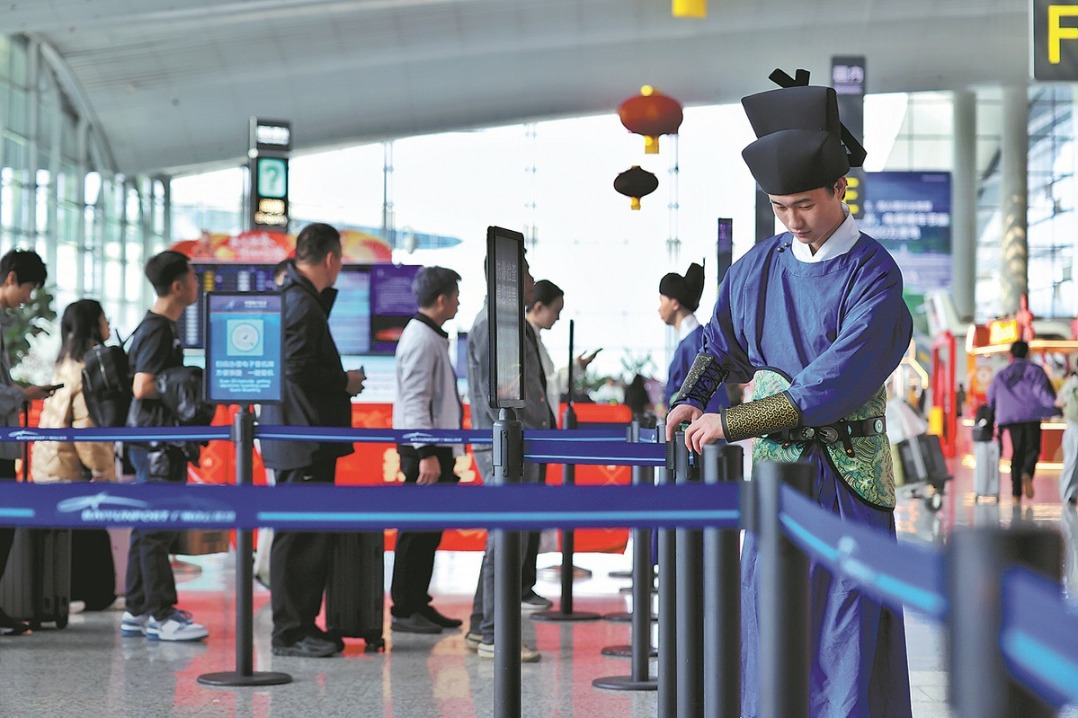
    A remarkable cultural phenomenon unfolded at Guangzhou Baiyun International Airport during the recent Spring Festival period, where airport personnel exchanged their standard uniforms for exquisite Song Dynasty-era hanfu costumes. This innovative approach to cultural presentation created an unexpected immersive experience for travelers passing through one of China’s busiest transportation hubs.

    The transformation extended beyond mere costume changes, with security staff adopting historically accurate warrior outfits complete with armor for male personnel and delicate pink peony hairpins adorning the hats of female employees. The initiative formed part of a broader cultural program that included traditional lion dances and Cantonese opera performances, transforming the typically utilitarian airport environment into a vibrant celebration of Chinese heritage.

    Travelers responded with enthusiasm and appreciation for the unexpected cultural display. Gu Ziqi, a 20-year-old university student from Nanjing, described the events as effectively bridging the gap between contemporary society and traditional culture. ‘These interactive experiences allow people to see, experience, and understand traditional culture in accessible ways,’ she noted, highlighting how such initiatives reduce cultural estrangement.

    The Guangzhou airport initiative represents part of a larger trend across China’s tourism and hospitality sectors. In Xitang ancient town, Zhejiang Province, performers staged traditional boat weddings in hanfu attire, while Xi’an’s Huaqing Palace presented spectacular Tang Dynasty-style performances featuring historical figures like Emperor Xuanzong and Consort Yang Yuhuan on the first day of the Lunar New Year.

    Industry experts recognize both cultural and commercial value in these developments. Qi Chunguang, vice-president of travel portal Tuniu, observed that ‘hanfu perfectly suits the festive mood of the Spring Festival,’ while researcher Zhang Jinshan from Beijing Union University noted the effectiveness of such measures in attracting domestic and international tourist interest. The growing market for hanfu, projected to reach approximately 24.2 billion yuan by 2027 according to iiMedia Research, underscores the economic potential of cultural revitalization efforts.
  • Japanese protest bid to revise constitution

    Japanese protest bid to revise constitution

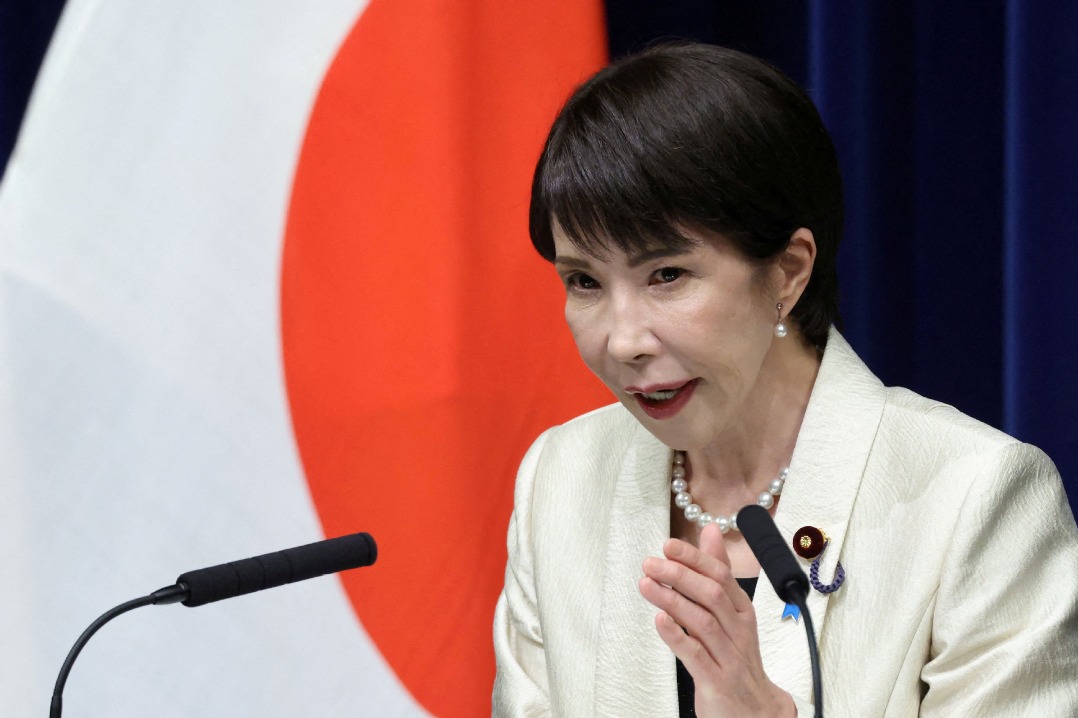
    TOKYO — In a significant display of public dissent, approximately one thousand Japanese citizens converged outside the Prime Minister’s official residence on Friday evening. The demonstration targeted Prime Minister Sanae Takaichi’s controversial initiative to amend Japan’s renowned pacifist Constitution, marking a critical moment of opposition against her administration’s policy direction.

    Protesters brandished placards with messages including ‘Oppose war, defend the Constitution’ and ‘No war, no Takaichi,’ while chanting slogans such as ‘No constitutional revision’ and ‘Protect peace.’ The organized rally represents growing societal apprehension regarding potential changes to Article 9, the constitutional provision that has formally renounced war and prohibited military aggression since Japan’s post-war Constitution took effect in 1947.

    The political climate has intensified since Takaichi assumed office in February 2026 and reaffirmed her commitment to constitutional reform. Simultaneously, the Prime Minister faces mounting criticism on multiple fronts, including her recent rejection of opposition demands for parliamentary approval regarding arms export decisions. Takaichi maintains that such determinations fall within the government’s executive authority following National Security Council deliberations.

    Further complicating matters, the ruling Liberal Democratic Party has proposed easing restrictions under Japan’s Three Principles on Transfer of Defense Equipment and Technology. This policy shift could enable exports of jointly developed defense equipment to third countries, potentially bypassing formal Diet voting procedures and raising democratic accountability concerns.

    Adding to the administration’s challenges, Takaichi faces allegations of potential violations of Japan’s Political Funds Control Act after distributing congratulatory gifts valued at approximately 30,000 yen ($192) per person to over 300 ruling party lawmakers. The gifts were funded through a local party chapter under her leadership, drawing scrutiny from opposition lawmakers and legal experts.

    Political analysts suggest these converging controversies may adversely affect deliberations on the fiscal 2026 budget and further diminish public confidence. Observers warn that sustained political disputes could substantially undermine governmental stability and the administration’s capacity to implement its agenda.

  • Afghan, Pakistani forces trade air, artillery strikes

    Afghan, Pakistani forces trade air, artillery strikes

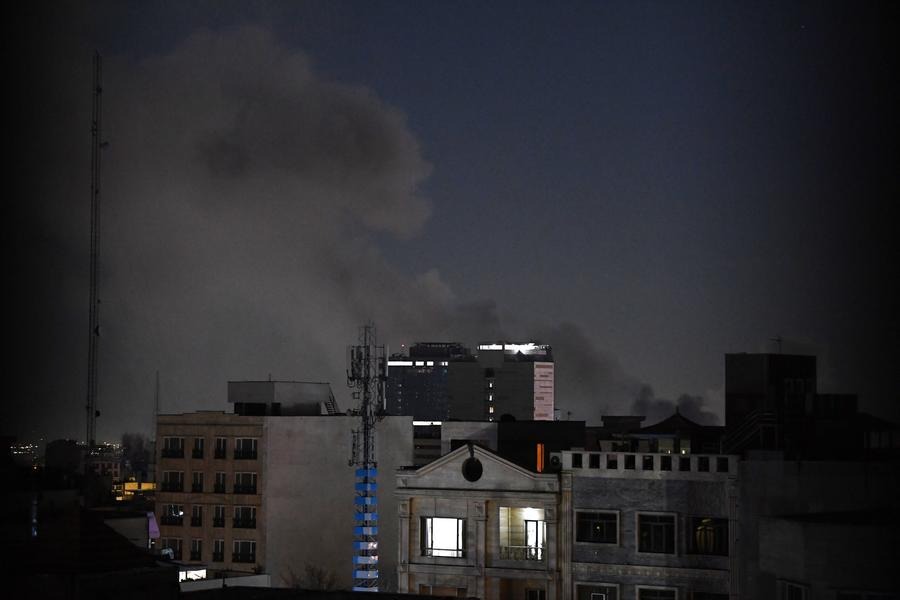
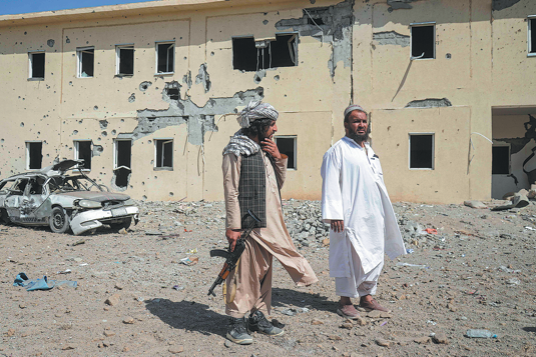
    The volatile Afghanistan-Pakistan border has descended into open warfare as military forces from both nations engaged in intense aerial and artillery exchanges extending into Sunday. The conflict represents the most severe escalation of violence since October, with fighting now entering its fourth consecutive day along the 2,600-kilometer shared frontier.

    Kabul residents reported explosions reverberating through the capital before dawn, followed by sustained gunfire. Afghan authorities confirmed Pakistani aircraft conducted strikes near the city around 5:40 AM local time, triggering approximately twenty minutes of defensive anti-aircraft fire from Afghan forces. Government spokesman Zabihullah Mujahid assured citizens that defensive measures were underway while urging calm.

    North of Kabul, additional airstrikes targeted the former US air base at Bagram, though provincial officials reported no casualties or significant damage from the attempted bombardment. The latest hostilities follow Pakistan’s intensified military campaign against what it identifies as militant infrastructure and military installations within Afghan territory.

    Islamabad maintains its operations specifically target the outlawed Tehreek-e-Taliban Pakistan (TTP), which it accuses Afghan authorities of sheltering—an allegation Kabul vehemently denies. Afghanistan has condemned the cross-border strikes as violations of its sovereignty and launched retaliatory operations against Pakistani military bases in Miranshah and Spin Wam.

    The rhetoric from both sides has intensified dramatically. Pakistani Defense Minister Khawaja Muhammad Asif declared that “our patience has now run out. Now it is open war between us,” while Afghan Interior Minister Sirajuddin Haqqani warned the conflict would prove “very costly” for both nations.

    Casualty figures remain heavily disputed, with Pakistani officials claiming over 330 Afghan forces killed and dozens of posts destroyed. Afghan authorities rejected these figures as inaccurate, acknowledging only 13 military deaths while asserting their forces inflicted substantial losses on Pakistani troops.

    Civilian areas in multiple provinces including Paktika, Khost, Kunar, Nangarhar and Kandahar have reportedly been affected, with Afghan officials alleging dozens of civilian casualties, including women and children. Pakistan maintains it exclusively targets military installations.

    The Torkham border crossing, a critical transit point for Afghans returning from Pakistan, has become an active conflict zone, prompting hundreds of residents to flee the area.

    International diplomatic efforts have intensified with Saudi Arabia, Russia, China, the European Union, and United Nations all urging restraint and advocating for dialogue. Chinese Foreign Ministry spokeswoman Mao Ning confirmed Beijing has been mediating through backchannel communications to facilitate de-escalation between the neighboring nations.

  • Evolution key to food security, new drug discoveries

    Evolution key to food security, new drug discoveries

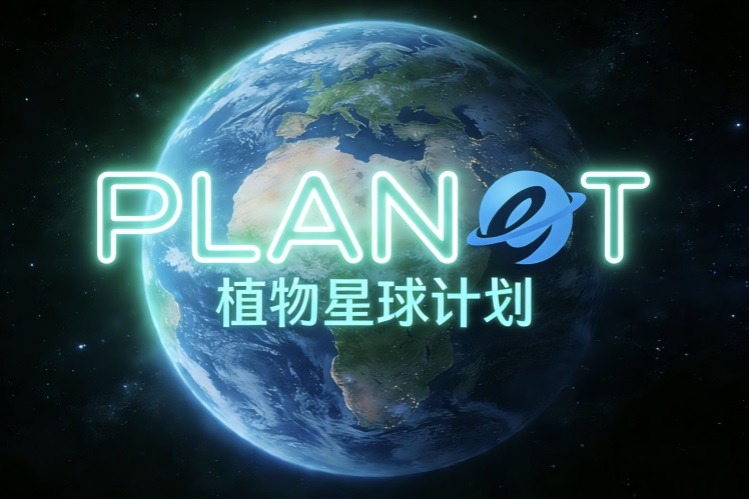
    A groundbreaking international scientific collaboration has been launched to map the evolutionary history of land plants, aiming to address critical challenges in biodiversity conservation, food security, and pharmaceutical development. The PLANeT initiative, involving over 40 research institutions worldwide including China’s Botanical Society, Peking University, and the Agricultural Genomics Institute at Shenzhen, represents one of the most comprehensive plant genomics projects ever undertaken.

    According to Dr. Wang Li, a leading researcher at the Shenzhen genomics institute, the project addresses a fundamental knowledge gap: despite hundreds of millions of years of plant evolution, scientists still lack a clear understanding of how major plant groups are related. More than 99% of land plant species currently lack high-quality reference genomes, significantly limiting evolutionary and genetic studies.

    The ambitious initiative will systematically sample plant groups at key taxonomic levels that currently lack reference genomes. Using advanced phylogenomic methods that combine evolutionary biology with genomics, researchers plan to construct a high-resolution phylogenetic tree of land plants. This framework will help scientists trace critical evolutionary nodes and understand both shared genetic traits and unique characteristics across plant species.

    To manage the massive volume of genomic data, the project will integrate artificial intelligence into its research framework. Dr. Wang explains the innovative approach: “Just as language models learn grammar and meaning from large amounts of text, genomic language models can learn the ‘common language’ of plants.” By analyzing tens of thousands of plant genomes, AI systems will be trained to recognize conserved DNA sequence patterns, regulatory networks, and functional modules embedded in DNA sequences.

    The project has already completed genome assemblies for representative species from all orders of angiosperms (flowering plants). Its ambitious goals include identifying 1,000 bioactive natural products for drug discovery, discovering 100 potential new economic crops, and establishing what researchers term “a common language of land plants.”

    Beyond biodiversity conservation, the genomic data is expected to revolutionize crop improvement strategies in response to climate change. By identifying genes crucial for disease resistance, drought tolerance, and salt tolerance, researchers hope to accelerate the development of climate-resilient crops and strengthen global food security.

    The initiative also promises to transform conservation efforts. While traditional conservation has been constrained by limited field observations, genomic information will enable scientists to identify species experiencing genetic erosion more efficiently, allowing for better-informed protection strategies and more accurate extinction risk assessments.

    Professor Chong Kang, president of China’s Botanical Society and an academician of the Chinese Academy of Sciences, emphasized the project’s far-reaching implications: “We can foresee that the project will greatly drive research across a broad spectrum of fields—from fundamental studies and biodiversity conservation to crop improvement and natural product-inspired drug discovery.”

    The PLANeT initiative represents a significant step toward unlocking the genetic potential of Earth’s plant diversity, with applications spanning medicine, agriculture, and environmental conservation.

  • Will robots cut need for surgeons?

    Will robots cut need for surgeons?

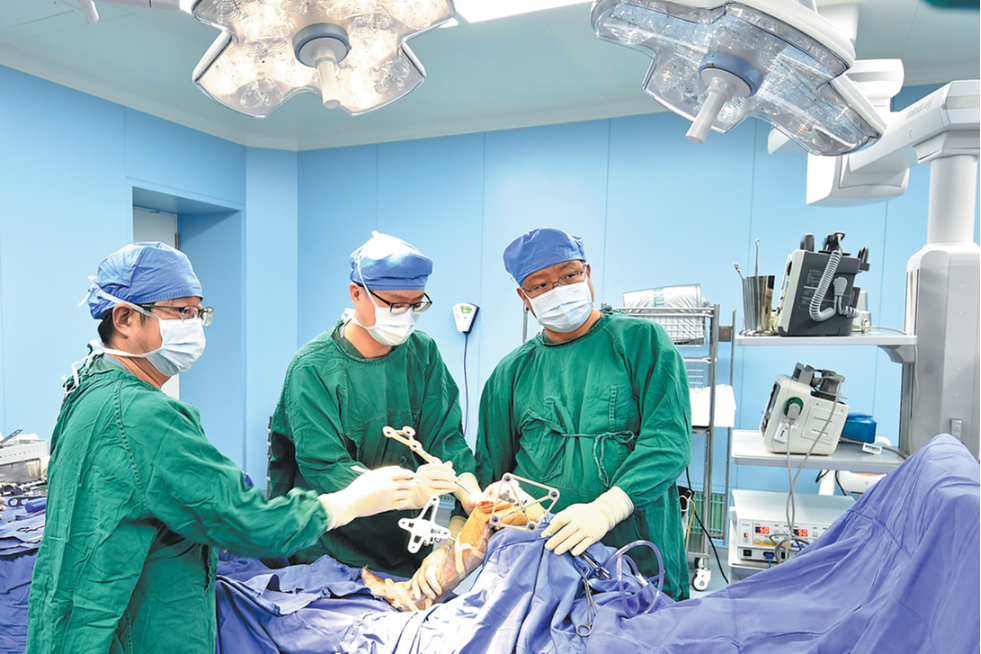
    The global medical community continues to debate Elon Musk’s provocative prediction that Tesla’s humanoid robot Optimus will surpass world-class surgeons within three years. While this bold forecast generates both excitement and skepticism, China’s healthcare system demonstrates a more nuanced reality where robotic assistance complements rather than replaces surgical expertise.

    China has emerged as a significant testing ground for medical robotics and artificial intelligence integration. According to recent data, laparoscopic surgical robots have already facilitated nearly 12,000 procedures nationwide by early 2025, including over 800 remote operations conducted through 5G-enabled systems. This technological advancement enables specialists in major metropolitan centers like Beijing and Shanghai to perform complex surgeries on patients located thousands of kilometers away.

    The adoption of surgical robotics represents just one facet of China’s broader embrace of medical technology. The AI Application in Healthcare Industry White Paper 2025 reveals that China had registered 101 approved AI models and algorithms for medical services by the end of 2024. These innovations span clinical decision support, telemedicine consultations, pharmaceutical research, and hospital management systems.

    Market projections underscore this rapid expansion. While the global AI medical services market currently values approximately $30 billion, analysts project growth to $500 billion by 2033. Hu Guodong, deputy head of the China Center for Information Industry Development, identifies AI-powered medicine as a crucial growth engine that could overcome limitations in space medicine and remote care delivery.

    In operating rooms across China, robotic systems have transitioned from novelty to necessity for complex procedures in urology, gynecology, and gastrointestinal surgery. Dr. Zhang Kai, urology director at United Family Healthcare in Beijing, emphasizes that robot-assisted surgery provides superior precision with minimized trauma. “These systems offer high-definition, magnified three-dimensional visualization and instruments capable of 360-degree rotation—far exceeding natural human wrist mobility,” he explains.

    The technological lineage traces back to American innovation, with Intuitive Surgical’s da Vinci system first developed in 1999. Now in its fifth generation, this platform has been installed in over 10,000 hospitals across 71 countries, treating more than 18 million patients worldwide. Since entering the Chinese market in 2006, more than 500 installations now operate nationwide.

    Crucially, current systems remain entirely surgeon-controlled despite frequent discussions about autonomous operations. An industry insider clarifies: “The robot functions as an extension of the surgeon’s hands—the physician remains the decision-maker and commander.” Advanced consoles translate a surgeon’s hand movements into ultra-stable mechanical actions while filtering natural tremors, enabling previously impossible delicate procedures.

    Artificial intelligence increasingly enhances these systems through preoperative planning tools that generate detailed anatomical reconstructions in approximately 15 minutes. These AI applications identify lesions, critical structures, and risk zones before surgery begins, creating more controllable and predictable procedures.

    Patient benefits prove substantial compared to traditional methods. Robotic-assisted surgery demonstrates significantly reduced postoperative pain, shorter hospital stays, and accelerated recovery times. One patient surnamed Wang reported returning to normal life within one to three days following robot-assisted prostate surgery. His surgeon highlighted the procedure’s nerve-sparing capabilities that preserved urinary control and sexual function—outcomes dramatically affecting quality of life.

    Despite these advancements, medical professionals emphasize that human oversight remains irreplaceable. As Wang’s physician noted: “At this stage, these surgeries still cannot happen without doctors overseeing everything.” This balanced approach characterizes China’s measured integration of technology into healthcare—enhancing surgical precision while preserving the essential human element in medical decision-making.

  • India and Canada agree to boost economic partnership in a move to reset ties

    India and Canada agree to boost economic partnership in a move to reset ties

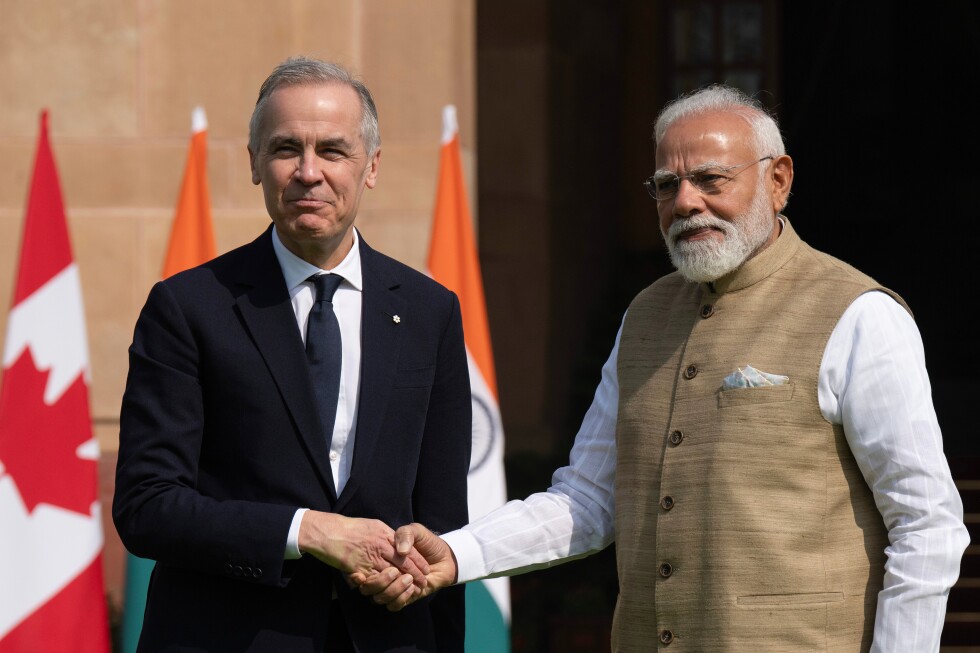
    In a significant diplomatic development, India and Canada have committed to reinvigorating their economic relations following a period of substantial strain. The breakthrough emerged during high-level talks between Indian Prime Minister Narendra Modi and his Canadian counterpart Mark Carney in New Delhi on Monday.

    The two leaders announced ambitious plans to finalize a comprehensive economic partnership agreement by year’s end, setting a bilateral trade target of $50 billion by 2030. This initiative represents a substantial escalation in economic cooperation between the two nations, who had previously experienced diplomatic friction over allegations of Indian involvement in the killing of a Canadian Sikh activist near Vancouver in June 2023.

    The diplomatic rift had resulted in reciprocal expulsions of senior diplomats and suspension of certain visa services. Relations began improving when Carney extended an invitation to Modi for the G7 summit in Alberta last June, signaling a desire to rebuild diplomatic channels.

    Beyond trade, the nations signed a nuclear agreement facilitating Canadian uranium exports to India. Additional memoranda of understanding covered critical minerals, energy security, defense industry collaboration, maritime domain awareness, and cultural cooperation.

    Carney’s visit to India forms part of his broader strategy to diversify Canadian trade relationships beyond the United States. The Canadian leader has articulated ambitions to double non-U.S. exports within the next decade, citing American tariff policies as creating investment uncertainty. Following his India visit, Carney is scheduled to continue his trade diversification mission with stops in Australia and Japan.

  • Guangzhou to bring back horse racing after 27 years

    Guangzhou to bring back horse racing after 27 years

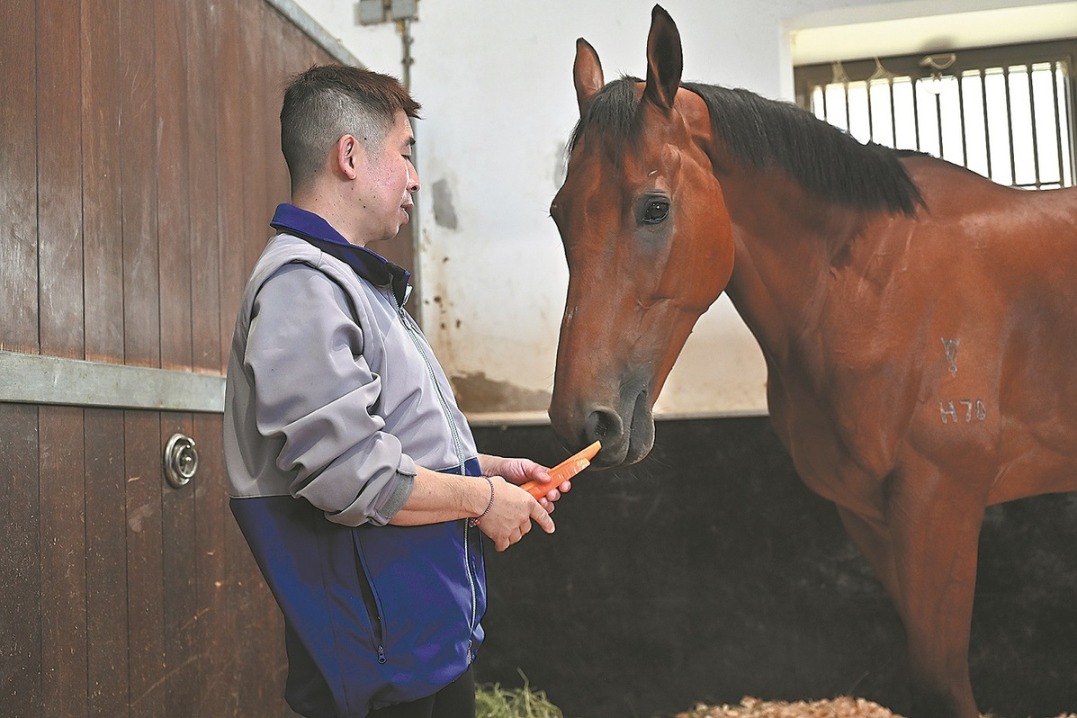
    Guangzhou is poised to resurrect international thoroughbred horse racing this October following a 27-year suspension, marking a significant milestone in the Guangdong-Hong Kong-Macao Greater Bay Area’s integrated development strategy. The Conghua Racecourse will host this landmark event, organized under the operational standards of the Hong Kong Jockey Club and governed by international racing regulations.

    Unlike previous iterations discontinued due to gambling associations, the upcoming event is explicitly positioned as a demonstration race without betting facilities. The competition will feature world-class trainers, elite international jockeys, and thoroughbreds competing under standardized international racing protocols. Concurrently, authorities will inaugurate a horse racing experience center to enhance public engagement.

    This revival forms part of a broader strategic cooperation framework between Guangzhou and Hong Kong’s equine industries. Wu Sa, Party chief of Guangzhou’s development and reform commission, confirmed during February legislative meetings that the city would pursue new equine industry agreements with Hong Kong, emphasizing the integration of horse racing with cultural tourism initiatives.

    The Conghua district, leveraging its ecological advantages and historical equestrian culture, is developing a specialized cooperation zone for the Guangzhou-Hong Kong horse industry. The region will host horse-themed cultural events, specialized tourism routes, and high-end industrial development forums to capitalize on this initiative.

    Infrastructure development underscores this ambition: The Hong Kong Jockey Club-built Conghua Racecourse—inaugurated in 2018 with four tracks, 12 stables, veterinary facilities, and a horse swimming pool—can simultaneously accommodate over 1,100 racehorses. Its recently completed second-phase expansion features a grandstand with 9,500 spectator capacity, making it mainland China’s largest racing facility.

    The economic impact is already measurable: Guangzhou Customs reported supervising 5,927 horse entries/exits in early 2025, a 28.6% year-on-year increase. Local businesses like Chen Daqing’s grocery store near Conghua’s hot spring scenic spot have noted increased tourist retention since the racecourse’s opening.

    Professor Lin Jiang of Sun Yat-sen University highlighted the capital-intensive nature of horse racing’s extended value chain, suggesting Conghua could evolve into South China’s premier hub for horse breeding, auctions, and import-export operations. This development aligns with the Greater Bay Area’s 2019 outline plan encouraging Guangdong-Hong Kong collaboration in equestrian sports and streamlined horse quarantine procedures.

  • Trump says US strikes Iran ‘in full force’, predicting more US casualties

    Trump says US strikes Iran ‘in full force’, predicting more US casualties

    President Donald Trump has declared that United States military operations against Iran are proceeding “in full force” and are expected to continue indefinitely until American objectives are met. The announcement came amid escalating hostilities that have resulted in significant casualties on both sides.

    In a six-minute video address delivered via Truth Social on Sunday afternoon, Trump confirmed the ongoing combat operations but declined to specify precise strategic goals. “Combat operations continue at this time, in full force, and they will continue until all of our objectives are achieved. We have very strong objectives,” the President stated without elaboration.

    The commander-in-chief somberly acknowledged the likelihood of additional American casualties as hostilities persist. “Sadly there will likely be more before it ends,” Trump remarked, adding that “that’s the way it is” in reference to the anticipated human cost.

    Trump reiterated his demand for members of the Iranian Islamic Revolutionary Guard Corps to surrender their weapons in exchange for “full immunity,” though he provided no details about how such a process would be implemented.

    The conflict escalated dramatically when the United States and Israel initiated large-scale airstrikes against Iranian targets on Saturday morning. These attacks prompted immediate retaliation from Tehran, which launched waves of missile and drone assaults against Israeli territory and American military installations throughout the Gulf region.

    In a separate interview with Fox News, Trump claimed that 48 senior Iranian officials had been killed during the offensive. Iranian authorities subsequently confirmed that Supreme Leader Ayatollah Ali Khamenei perished in the joint U.S.-Israeli operations conducted the previous day.

    Iranian Foreign Minister Seyed Abbas Araghchi responded defiantly to Trump’s statements during an appearance on ABC News. Araghchi asserted that no world leader possesses the authority to dictate Iran’s response to ongoing military actions, emphasizing his nation’s inherent right to self-defense. The Foreign Minister maintained that Iranian forces remain “capable enough to defend our country” despite the sustained attacks.

  • Deepfake attack: ‘Many people could have been cheated’

    Deepfake attack: ‘Many people could have been cheated’

    The corporate world faces an unprecedented threat from sophisticated deepfake technology, with reported cases surging by approximately 3,000% over the past two years according to cybersecurity experts. The alarming trend has impacted major organizations worldwide, from financial institutions to engineering firms, demonstrating the rapidly evolving capabilities of AI-powered fraud.

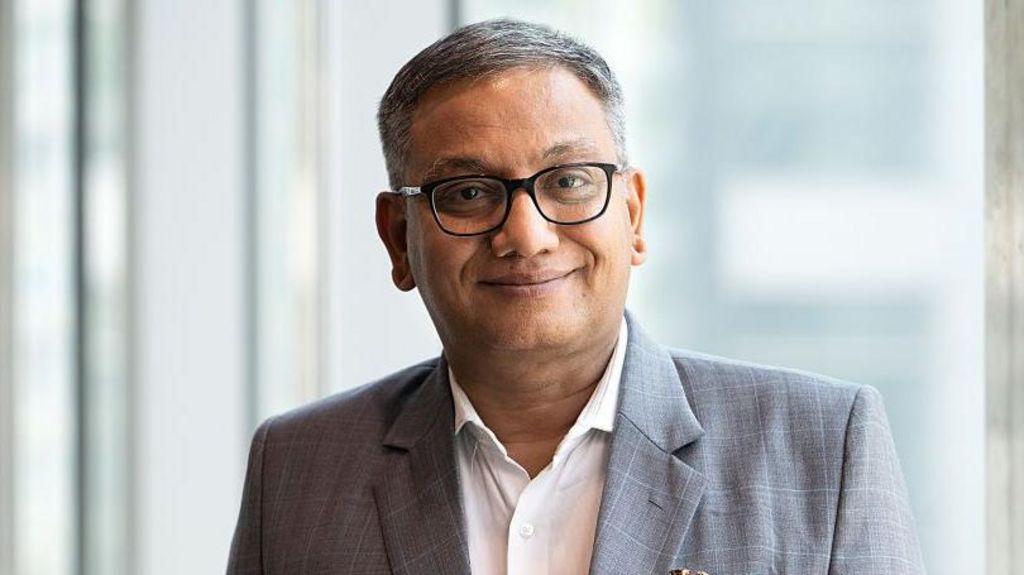
    In a prominent case from early this year, a fabricated video featuring Bombay Stock Exchange CEO Sundararaman Ramamurthy circulated across Indian social media platforms. The convincing deepfake portrayed Ramamurthy providing specific stock investment advice and promising substantial returns to viewers. The executive confirmed the video was completely artificial, created using advanced AI technology without his knowledge or consent.

    “When such incidents occur, we immediately file complaints and work with platforms like Instagram to remove the content,” Ramamurthy stated. “We regularly issue market warnings about these fraudulent videos, though it’s impossible to determine how many people may have been influenced or suffered financial losses.”

    The problem extends far beyond India’s financial sector. LastPass CEO Karim Toubba experienced a similar attempt in 2024 when an employee received suspicious audio and text messages allegedly from him requesting urgent assistance. Fortunately, the employee recognized several red flags—including the use of WhatsApp instead of sanctioned communication channels—and reported the incident to cybersecurity teams before any damage occurred.

    Not all organizations were as fortunate. British engineering firm Arup fell victim to one of the most sophisticated corporate deepfake attacks recorded in 2024. Hong Kong police reported that an employee transferred $25 million to five different bank accounts after participating in a video call with what appeared to be the company’s CFO and other staff members—all of whom were later revealed to be AI-generated deepfakes.

    According to cybersecurity experts, the barrier to creating convincing deepfakes has dropped dramatically. Matt Lovell, CEO of UK-based CloudGuard, explains that generating high-quality audio and video deepfakes now takes mere minutes, with costs ranging from $500 for simple attacks to $10,000 for more sophisticated operations using largely free tools.

    While detection technology is advancing—including verification software that analyzes facial expressions, head movements, and even blood flow patterns beneath the skin—experts warn that defense mechanisms struggle to keep pace with rapidly evolving attack vectors. The situation has created a high-stakes technological arms race between fraudsters and security professionals.

    Tech researcher Stephanie Hare notes that the proliferation of deepfake attacks has exacerbated the existing global shortage of cybersecurity professionals. She observes that companies are gradually recognizing the urgency of securing their operations against these emerging threats, with executives increasingly collaborating with chief information security officers to develop comprehensive protection strategies.

  • Rap star ex-mayor hopes to unseat  former PM in Nepal’s Gen Z election

    Rap star ex-mayor hopes to unseat former PM in Nepal’s Gen Z election

    CHITWAN, Nepal – The thunderous beat of an AI-generated campaign anthem echoes across the rally grounds as thousands chant “Balen” in unison. Thirty-five-year-old Balendra Shah, the rapper-turned-mayor now vying for Nepal’s prime ministership, has become the symbol of a generational uprising against the country’s entrenched political elite.

    Shah’s Rastriya Swatantra Party (RSP), which surprisingly secured fourth place in the 2022 general elections, now challenges Nepal’s longstanding political dynasties. His campaign directly confronts former Prime Minister KP Sharma Oli in Jhapa-5, a constituency traditionally considered Oli’s safe seat.

    The political upheaval follows September’s deadly anti-corruption protests that forced Oli’s resignation after police fatally shot 77 demonstrators, mostly young activists. The movement began as opposition to social media restrictions but evolved into a widespread demand for accountability and opportunities in a nation grappling with 20.6% youth unemployment – among South Asia’s highest rates.

    At Shah’s rallies, first-time voters like 18-year-old Nandav Yadav express unwavering support: “We want to fight for the young people who died in the Gen-Z movement. Our former prime minister could have stopped it, but he didn’t.”

    Meanwhile, Oli maintains his innocence regarding the protest violence, telling reporters his party “wants to understand the feelings of the new generation” while promising to restore “sovereignty, peace and democracy.” His supporters, including 82-year-old Narad Prashad Luitel, believe he should “finish the work he started on the country’s roads and infrastructure.”

    Political analyst Nischal Pandey notes the historic significance: “None of our governments have survived their full terms in decades. These are historic elections. People are tired of the same old faces.”

    With over 915,000 first-time voters among nearly 19 million eligible citizens, Thursday’s election represents a potential watershed moment. A victory for Shah could mark Nepal’s first government in years without communist participation, potentially ending decades of political instability and coalition bargaining among the same political families.

    The election mirrors recent regional movements, following weeks after similar youth-led anti-corruption protests in Bangladesh, signaling a broader generational shift in South Asian politics.