标签: Asia

亚洲

  • Omega-3 pork launched to fortify nation’s nutrition

    Omega-3 pork launched to fortify nation’s nutrition

    China has marked a new intersection of public health policy and agricultural innovation with the launch of its first domestically developed omega-3 polyunsaturated fatty acid-enriched pork, a breakthrough that addresses long-standing dietary imbalances while reshaping the country’s $200-billion-plus pork industry. The rollout, unveiled Friday, arrives alongside a landmark new national agricultural standard set to take effect May 1, which requires all fortified pork products to maintain omega-3 levels accounting for more than 2% of total fatty acids — creating the first official regulatory framework for this emerging product category.

    For decades, public health experts have flagged a critical nutritional shortfall across China’s population: the average daily intake of omega-3 fatty acids sits at just 49 milligrams, less than one-fifth of the globally recommended daily allowance. Compounding this issue is a broader imbalance in the national diet, where Chinese consumers typically consume high volumes of dietary fat, but lack adequate proportions of the heart-healthy polyunsaturated varieties that support long-term wellness.

    Omega-3 fatty acids are widely recognized by nutrition researchers for their multifaceted health benefits: they regulate blood lipid levels, reduce cardiovascular disease risk, support healthy inflammatory function, and are critical for fetal and childhood brain development. Experts across agriculture and public health sectors say the new fortified pork product offers a practical, accessible solution to close the country’s omega-3 gap, by integrating nutritional improvement into a food that is already the staple protein source for most Chinese households.

    “Developing nutritionally fortified pork products delivers a dual win: it lifts public dietary health outcomes while adding significant value to China’s pig industry,” noted Wang Xiaohong, deputy director of the Institute of Food and Nutrition Development at the Ministry of Agriculture and Rural Affairs. Wang added that the new national standard does more than set a benchmark for omega-3 content: it establishes clear quality requirements across every link of the production and supply chain, laying a foundation for consistent, standardized growth for the niche nutritional pork segment.

    Ding Gangqiang, lead nutrition expert at the Chinese Center for Disease Control and Prevention, emphasized that adjusting the fatty acid composition of the national diet through accessible fortified food sources is an urgent public health priority. Unlike less accessible omega-3 sources such as fatty fish or specialized supplements, omega-3-enriched pork fits seamlessly into existing consumer dietary habits, making it easy for everyday households to increase their intake of this essential nutrient, he explained.

    The innovation also comes as China’s centuries-old indigenous black pig sector undergoes a major structural transformation. Wang Lixian, chief scientist of the pig genetic breeding innovation team at the Chinese Academy of Agricultural Sciences, explained that the industry has shifted its core focus from simply expanding breed populations and preservation to prioritizing end-product quality and nutritional density. “Nutritional enhancement will become a defining competitive advantage for pork producers moving forward,” he said.

    The new product also addresses a pressing challenge facing China’s pork industry today: the market is currently in a prolonged low-price cycle, with live hog and retail pork prices falling to multi-year lows in most regions. Developing high-value, nutritionally differentiated products gives pork producers an alternative pathway for growth, helping them escape the intense price competition that plagues the commodity pork market, Wang added.

    The omega-3-enriched pork being launched is developed by Qinglian Food using the indigenous Taihu black pig breed, a variety that has been continuously raised in Jiaxing, Zhejiang Province, for more than 7,000 years. To achieve the natural omega-3 enrichment, producers integrated established breeding techniques for nutritional enhancement and developed custom feed formulas that add natural, omega-3-rich ingredients such as flaxseed. This dietary adjustment allows omega-3 fatty acids to deposit naturally into the pork tissue, rather than relying on artificial fortification after processing.

    “Just as human diets require balanced nutrition to support good health, pigs need balanced nutrition to produce healthier food for consumers,” said Miao Yu, head of Qinglian Food’s Taihu black pig brand division. With the new national standard now in place and the first commercial product hitting the market, stakeholders say the launch paves the way for a new wave of value-added agricultural innovation that aligns industry growth with national public health goals.

  • Novel ‘firewall’ boosts battery safety

    Novel ‘firewall’ boosts battery safety

    Battery safety has long been a critical pain point for the global energy storage and consumer electronics industries, and a team of Chinese researchers has now delivered a transformative solution that upends decades of conventional industry thinking. In a newly published study in *Nature Energy*, the team introduced an innovative liquid electrolyte that activates instantly when a battery overheats, forming a protective ‘firewall’ that stops catastrophic thermal runaway before it can begin. This work also marks the first time researchers have demonstrated full thermal runaway prevention in commercial-scale sodium-ion batteries, a milestone that could reshape the future of energy storage.

  • Scientists tackle pain relief with fewer risks

    Scientists tackle pain relief with fewer risks

    For millions of people living with persistent chronic pain worldwide, the search for an effective pain management solution free from dangerous dependency and tolerance has remained one of modern medicine’s most pressing unmet needs. Now, a research team from Zhejiang University in Hangzhou, China, has announced a groundbreaking advance that could transform this landscape: two newly engineered chemical compounds that retain cannabis’s proven pain-relieving properties while fully eliminating the side effects of addiction, cognitive impairment, and tolerance that have long restricted the drug’s medicinal use. Published in the peer-reviewed journal Cell on April 13, 2026, the study marks a potential turning point for patients seeking safer alternatives to opioids, a class of painkillers that drives a global public health crisis of overdose and addiction.

    Cannabis has been used for therapeutic purposes for millennia, from ancient Roman healing practices to contemporary clinical settings. Despite this long history, legal and medical regulators have strictly limited its widespread medical adoption, due to the core challenge researchers call “dissociating toxicity from efficacy,” according to Li Xiaoming, lead researcher and vice-president of Zhejiang University. Put simply, the scientific community has struggled for decades to separate cannabis’s therapeutic pain-relieving effects from its harmful side effects, which include addiction, altered cognitive function, and the development of drug tolerance that reduces effectiveness over time.

    The team’s breakthrough centers on a better understanding of cannabinoid receptor 1 (CB1), a specialized protein found on the surface of brain nerve cells. In biological terms, receptors act as molecular “locks” on cell surfaces: when a matching chemical “key” — such as the active compounds found in cannabis — binds to the lock, it triggers a signal cascade inside the cell that alters brain function. Li’s team uncovered a previously unclarified structural detail of the CB1 receptor: it acts like a molecular fork in the road, capable of sending signals down two entirely separate cellular pathways. One pathway produces the desired therapeutic effect of pain relief, while the second is responsible for triggering all of the unwanted side effects, from addiction to tolerance.

    Traditional cannabis-based medications act as non-specific molecular keys that unlock both pathways at once, leading to unavoidable side effects. To overcome this limitation, the research team leveraged artificial intelligence models to design so-called “biased” chemical compounds, precision-engineered to bind to CB1 in a configuration that only activates the pain-relief pathway. Li characterized this cutting-edge development as a form of highly precise “chemical surgery,” where molecules are tailored at the atomic level to avoid the problematic side-effect mechanism entirely.

    The newly developed compounds underwent rigorous preclinical laboratory testing, where they demonstrated significant effectiveness against two major types of persistent pain: inflammatory pain caused by injury or tissue swelling, and neuropathic pain, a debilitating chronic condition triggered by nerve damage. Most critically, test subjects showed no evidence of addictive behavior, no reduction in the drugs’ pain-relieving effectiveness over extended testing periods, and fewer negative impacts on motor function and body temperature compared to traditional cannabis-derived pain treatments.

    This advance builds on the team’s foundational 2023 discovery, when they first mapped the full atomic structure of CB1 bound to the signaling protein responsible for triggering side effects. By decoding the exact molecular mechanism of the harmful pathway, the team was able to design compounds that avoid interacting with that mechanism entirely. Currently, the researchers are refining the molecular structure of the two lead compounds and conducting additional preclinical safety validation, in preparation for human clinical trials. Li emphasized that the team’s ultimate goal is to translate this basic scientific discovery into a widely accessible new class of pain medications that can meaningfully improve quality of life for millions of chronic pain patients around the globe.

  • Mine scars healed with green technology

    Mine scars healed with green technology

    For decades, the sky over Songwan Village, tucked in the industrial heart of Daye, central China’s Hubei Province, was often choked by a thick, gritty dust that blew from the region’s hundreds of active mines. 57-year-old Zuo Zijian, who has lived in the village his entire life, recalls the grim reality of life in a mining community: on clear, windy days, the mineral dust was so dense it burned residents’ eyes and left them gasping for air, while heavy rain turned unpaved roads into muddy swamps that were nearly impassable.

    Daye’s rich mineral deposits fueled China’s rapid industrial expansion for more than a century, building the foundation of the nation’s heavy industry while leaving a legacy of environmental devastation. Decades of intensive extraction stripped the landscape bare, drained local ecosystems, and left thousands of acres of abandoned mining pits scarring the countryside. By 2008, the city’s mineral reserves had been depleted to the point that China’s State Council officially designated Daye a “resource-depleted city,” forcing local leaders and residents to make a fateful choice: allow the city to fade into industrial decline, or reimagine the very mining pits that built the city as a launching pad for a new, sustainable future.

    Today, that choice has delivered a remarkable transformation. The air over Songwan Village is now crisp and clear, and the once-barren hillsides that were stripped of vegetation by mining activity are now covered in dense, thriving green forest. The turning point for the village came when the large, abandoned Baoshan mining pit on its outskirts was redeveloped into a cutting-edge production facility for Lyuye Hydrogen Energy Co, turning a long-standing environmental hazard into a high-value asset for China’s fast-growing green economy.

    Daye’s strategic pivot from a historic “mining capital” to a leading green energy hub aligns perfectly with the priorities laid out in China’s newly released 15th Five-Year Plan (2026-2030), which centers on accelerating the transition to a low-carbon economy and meeting national carbon reduction targets. As the central government has set a binding goal of cutting carbon intensity by 17 percent by 2030, former resource-dependent cities like Daye are stepping forward to turn their industrial legacies into assets for the nation’s clean energy transition. What was once a landscape of ecological damage is now becoming a core part of China’s rapidly expanding green hydrogen sector, turning century-old mining scars into economic opportunity.

    For a city that anchored China’s mining industry for generations, the ecological restoration and economic reinvention of Daye delivers three layers of critical benefits: it heals longstanding damage to the natural environment, creates high-quality new jobs for former mining workers, and builds a sustainable, forward-looking economic base that aligns with global efforts to combat climate change. The transformation of Daye stands as a working model for resource-depleted cities across the world, showing how industrial history can be reimagined to deliver both environmental and economic prosperity.

  • Japan issues an advisory for northern coastal areas for a slightly increased risk of a mega-quake

    Japan issues an advisory for northern coastal areas for a slightly increased risk of a mega-quake

    On Monday, a 7.5 magnitude preliminary earthquake shook the seabed off northern Japan’s Sanriku coast, triggering immediate tsunami warnings, mass evacuations, and a rare official advisory warning of an elevated risk of a subsequent massive quake over the coming week.

    According to Japan’s Cabinet Office and the Japan Meteorological Agency (JMA), the shallow tremor — which struck at roughly 0753 GMT at a depth of just 10 kilometers near the Chishima Trench — has left a 1% probability of a catastrophic mega-quake striking the region within the next seven days. Officials emphasized that the advisory, only the second such notice issued in the past four months, is not a formal earthquake prediction, but urged local residents to prioritize emergency preparedness, including checking stockpiles of non-perishable food and updating emergency go-bags, while continuing regular daily activities.

    Within an hour of the initial quake, JMA detected an 80-centimeter tsunami at Kuji Port in Iwate Prefecture, followed by a smaller 40-centimeter surge at a second port in the same region. Immediately after the tremor, JMA issued a full tsunami alert warning of potential waves reaching up to 3 meters, ordering coastal and riverside residents to evacuate to higher ground immediately. By contrast, the U.S.-based Pacific Tsunami Warning Center later confirmed that the overall tsunami threat from the event had fully passed.

    Local disaster management authorities issued non-binding evacuation orders covering more than 128,000 residents across Iwate and three other northern prefectures. Public broadcaster NHK footage showed crowds of residents driving to elevated parks and safe shelters, with many leaving work and school abruptly to reach higher ground. In Tomakomai, a Hokkaido town, one resident told reporters he picked his child up from cram school directly and drove to a hilltop park, where he planned to remain until official alerts were lifted.

    As of the latest updates, no significant structural damage, injuries, or casualties have been recorded across the affected region. Japan’s Nuclear Regulation Authority confirmed that all nuclear power facilities in northern Japan remained fully operational with no abnormalities detected, and the Fire and Disaster Management Agency said assessments of critical infrastructure including power grids are still ongoing, with no harm reported so far.

    This latest seismic event comes on the heels of another 7.5 magnitude quake that struck the same broader region in December 2023, which injured dozens of people and prompted an identical mega-quake advisory that ultimately proved unnecessary when no major subsequent quake occurred.

    Monday’s advisory also arrives amid a somber national milestone: 2026 marks 15 years since the catastrophic 9.0 magnitude 2011 Tohoku earthquake and tsunami that devastated northern Japan. That disaster killed more than 22,000 people, displaced nearly 500,000 residents, and triggered a catastrophic meltdown at the Fukushima Daiichi Nuclear Power Plant. Roughly 160,000 people fled Fukushima Prefecture in the wake of the disaster due to radiation contamination, and more than a decade later, around 26,000 of those displaced have never returned to their hometowns, having resettled elsewhere, facing continued exclusion from contaminated areas, or holding long-term concerns over residual radiation exposure.

    JMA officials have additionally warned local residents to remain vigilant for strong aftershocks across the region throughout the coming week.

  • Iran-US peace talks hang in the balance

    Iran-US peace talks hang in the balance

    As a fragile ceasefire between Iran and the United States enters its final week, tentative diplomatic progress has failed to resolve escalating tensions in the strategically critical Strait of Hormuz, leaving upcoming peace talks hanging in the balance and global energy markets bracing for fresh volatility.

    Both sides have acknowledged limited momentum in indirect negotiations mediated by third parties over recent days, but neither has offered guarantees that hostilities will end immediately once the current ceasefire expires. The latest standoff erupted Saturday, just days ahead of the ceasefire deadline, after Iranian military officials reasserted full armed control over the waterway that carries roughly one-fifth of the world’s daily oil shipments, bringing commercial shipping traffic to a near-standstill.

    The clash over access to the strait follows conflicting moves from both capitals. On Friday, Iranian Foreign Minister Abbas Araghchi announced in an X post that the Strait of Hormuz would remain fully open to all commercial vessels along a pre-coordinated route for the remainder of the ceasefire, in alignment with the existing truce agreement covering Lebanon. That post remains public as of publication.

    But days after Iran agreed to allow managed passage for a limited number of commercial and oil vessels as a goodwill gesture tied to ongoing negotiations, Ebrahim Zolfaghari, spokesperson for Iran’s Khatam al-Anbiya Central Headquarters, confirmed Saturday that full control of the strait had been restored to Iranian armed forces. Zolfaghari accused Washington of repeated violations of the negotiated terms, labeling the ongoing U.S. naval blockade of Iranian ports an act of state-sponsored piracy and maritime theft.

    Iran’s top parliamentary speaker Mohammad Baqer Qalibaf reinforced Tehran’s dual approach in a Saturday national televised address, confirming that while diplomatic talks remain active, the country’s military is fully prepared for any escalation of hostilities. Qalibaf emphasized that Iran harbors no trust in U.S. commitments, framing the country’s current strategy as a “diplomacy of power” that has left Iran victorious on both the battlefield and at the negotiating table. He dismissed the U.S. naval blockade as a misguided move from an aggressor that failed to achieve its goals through military pressure, noting that Tehran’s resolve has only strengthened since the ceasefire took effect. Proposals for a long-term agreement, he added, have been relayed via third countries including Pakistan and have already undergone full review by Iran’s Supreme National Security Council, 36 days into the open conflict.

    U.S. President Donald Trump, for his part, struck a combative tone Saturday while confirming that indirect talks were showing early signs of progress. Trump insisted the U.S. would not be blackmailed by Tehran, lambasting Iran’s military capacity and suggesting the ongoing conflict amounted to an enforced regime change. “They have no navy, they have no air force, they have no leaders. They have nothing. Actually … it is regime change,” Trump said, adding that Washington would maintain a tough negotiating position.

    According to maritime intelligence provider Lloyd’s List, reported by Al Jazeera, commercial traffic through the strait came to a complete halt Saturday after Iranian forces opened fire on multiple vessels attempting to transit the waterway. While a small number of ships moved through earlier in the day, warnings via radio that the strait was back under “strict management and control by the (Iranian) armed forces” pushed all traffic back to a standstill by Saturday evening. Audio of one incident, shared widely by international media, captures the panicked crew of the oil tanker Sanmar Diego alerting Iranian naval forces that they had received official clearance to proceed moments after coming under fire from Iranian gunboats. On Sunday, Iranian forces turned away two additional oil tankers flying the flags of Botswana and Angola, which Tasnim News Agency reported had attempted to cross the strait “illegally.”

    The next round of indirect peace talks is set to get underway this week in Islamabad, Pakistan. Trump announced Sunday on Truth Social that U.S. negotiating delegates would arrive in the Pakistani capital Monday night, and two anonymous Pakistani security sources confirmed to Al Jazeera that talks are expected to convene before Friday. The sources also noted two U.S. C-17 Globemaster cargo aircraft have already landed at Rawalpindi’s Noor Khan Airbase, and major roads connecting the airbase to Islamabad’s secure Red Zone have been temporarily closed to accommodate heightened security arrangements for the negotiations.

    Now in its eighth week, the Iran-U.S. conflict has already triggered the single largest shock to global energy supplies in modern history. The de facto closure of the strait sent crude oil prices soaring in the early weeks of fighting, and while prices fell roughly 10 percent last Friday and global stock markets rose on hopes that commercial traffic would resume, the latest disruption has left hundreds of vessels and an estimated 20,000 seafarers stranded in the Persian Gulf, waiting for clearance to transit the strategic waterway, according to shipping industry sources.

  • Ticktock, ticktock, how to stop the aging clock?

    Ticktock, ticktock, how to stop the aging clock?

    Against a backdrop of rising life expectancy and growing public focus on proactive health maintenance, a new wave of specialized longevity clinics has emerged across China, meeting surging consumer demand for preventive and personalized anti-aging healthcare services.

    One of the earliest success stories of this emerging sector comes from Shanghai’s SinoUnited Health, where Zhu Jie, the clinic’s first registered client, recently completed his three-month personalized program with transformative health outcomes. The 44-year-old entrepreneur, who grappled with chronic stress from his daily work, saw dramatic improvements in weight management and four critical metabolic health markers: blood pressure, blood glucose, blood lipids, and uric acid. Beyond measurable biomarker improvements, Zhu reported a complete restoration of daily energy levels that had declined amid years of high-pressure work. Since enrolling in August, he has adopted sustainable, long-term changes to his diet, sleep routine and exercise habits, shifts that have already produced visible results. “I can finally fit into shirts I haven’t worn in more than 10 years,” Zhu said. “At my recent class reunion, everyone told me I look younger than I did years ago. That positive feedback has motivated me to stick to these healthy habits and build a solid foundation for healthy aging down the line.”

    Zhu’s experience is just one example of a rapidly expanding national trend. Over the past three years, roughly 50 medical institutions across China — including more than 10 leading public hospitals — have launched dedicated longevity or anti-aging clinics. The most recent opening came in March 2026, when Beijing Geriatric Hospital launched a new center focused on proactive health management and anti-aging medicine.

    Unlike traditional reactive medical care that treats existing illnesses, these new clinics operate on a preventive, multidisciplinary model focused on pre-symptomatic health. Providers use cutting-edge tools including biological aging markers and artificial intelligence models to conduct comprehensive aging assessments, then develop fully customized intervention plans for generally healthy patients. The core goal is early intervention to slow aging-related decline, prevent the onset of chronic diseases, and help people maintain vitality as they age. Clinicians note that most patients seeking these services are already proactive about their long-term health, driving the sector’s organic growth.

    Industry expansion has also received formal policy support. In early 2024, the General Office of the State Council released a national framework for developing the silver economy and improving elderly well-being, which marked the first time the central government explicitly supported development of the anti-aging industry. The policy guidance encourages the integration of advanced biotechnologies — including genetic testing and molecular diagnostics — into efforts to delay age-related diseases, and calls for expanded development of early screening products and services for aging-associated health conditions. Industry analysts say this policy endorsement has accelerated the adoption of comprehensive preventive longevity care among public hospital systems, opening a new chapter for evidence-based anti-aging health services in China.

  • US and allied forces kick off combat drills with Philippines despite Washington’s focus on Iran

    US and allied forces kick off combat drills with Philippines despite Washington’s focus on Iran

    MANILA, Philippines – The United States and the Philippines officially launched one of the largest joint military exercises in their alliance’s history on Monday, rolling out an annual show of coordinated military capability designed to strengthen deterrence against regional aggression, even as Washington remains heavily engaged in ongoing conflict in the Middle East.

    This year’s drills mark a significant expansion, with the Philippine military confirming that troops from several extra nations – including Japan, France, and Canada, all of which have existing visiting forces agreements with Manila – will join the exercises for the first time. Known as Balikatan – a Tagalog term meaning “shoulder-to-shoulder” – the drills bring together more than 17,000 military personnel from the US and Philippines alone, with roughly 10,000 of those being American service members. The 18-day exercise will include simulated battle scenarios and live-fire training drills across multiple locations, including Philippine provinces adjacent to the contested South China Sea and the Taiwan Strait.

    The large American deployment comes even as the US faces heightened tensions in the Middle East, a point US military leaders emphasized to underscore Washington’s unwavering focus on the Indo-Pacific region. “Regardless of the challenges elsewhere in the world, the United States focus on the Indo-Pacific and our ironclad commitment to the Philippines remains unwavering,” Marine Lieutenant General Christian Wortman stated during the official opening ceremony of the drills.

    General Romeo Brawner, chief of staff of the Armed Forces of the Philippines, framed the multinational drills as a critical step to build collective deterrence and resilience against destabilizing actions in the region. While Brawner did not name any specific country in his opening address, he has previously issued strong public criticism of China’s increasingly assertive military and maritime operations against Philippine navy and coast guard assets in the South China Sea. Beijing claims nearly the entire strategic waterway as its sovereign territory, a claim rejected by multiple other regional governments including the Philippines, Vietnam, Malaysia, Brunei, and Taiwan. The waterway is one of the world’s most critical shipping lanes, carrying roughly one-third of global maritime trade, and territorial standoffs between Chinese and Filipino forces have grown more frequent and intense in recent years.

    China has repeatedly voiced opposition to the joint US-Philippine exercises, arguing that they are part of a broader Western strategy to contain China’s growing global influence. Philippine military officials have pushed back on this framing, insisting that Balikatan is not targeted at any single nation, and that the drills also include training for rapid humanitarian response to natural disasters, a frequent need across the typhoon-prone Philippine archipelago.

    The US has repeatedly reaffirmed its long-standing mutual defense treaty with the Philippines, its oldest Asian ally, warning that it is legally obligated to come to the Philippines’ defense if Philippine forces come under armed attack in disputed regional waters. “We remain guided by a shared commitment to uphold international law, to respect sovereignty and to contribute to a free and open Indo-Pacific where nations can thrive without coercion,” Brawner added.

    In one of the most high-profile drills planned, Philippine marine colonel Dennis Hernandez confirmed to the Associated Press that Japanese forces will conduct a live missile strike from coastal areas of Ilocos Norte, a northwestern Philippine province, to sink a decommissioned ship acting as a mock enemy target approximately 40 kilometers off the coast in the outer areas of the South China Sea. US marine units will follow up the strike by using an explosive-laden drone to conduct additional bombardment of the target, Hernandez said.

    During a 2025 visit to Manila, US Defense Secretary Pete Hegseth told Philippine officials that the current US administration would work closely with regional allies to ramp up deterrence against global threats, specifically highlighting Chinese aggression in the South China Sea. “Friends need to stand shoulder to shoulder to deter conflict, to ensure that there is free navigation whether you call it the South China Sea or the West Philippine Sea,” Hegseth told Philippine President Ferdinand Marcos Jr. during the meeting.

    This report was compiled with contributions from AP writers Joeal Calupitan and Aaron Favila in Manila, Philippines.

  • At least 25 killed in firecracker factory blast in India

    At least 25 killed in firecracker factory blast in India

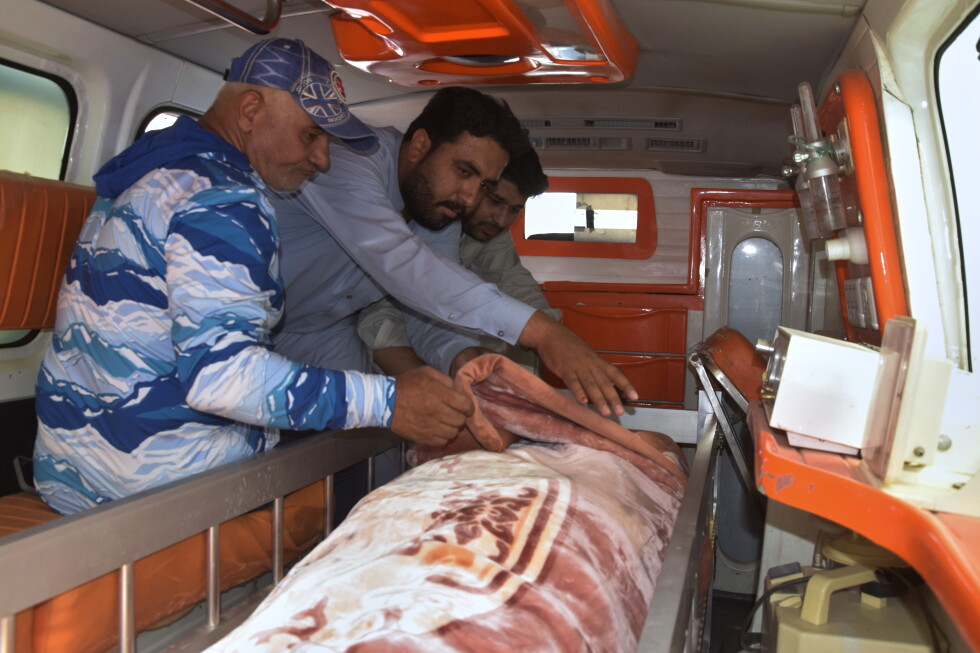
    A devastating explosion at an unauthorised operating firecracker factory in Virudhunagar district, Tamil Nadu, southern India, has claimed at least 25 lives and left 17 others injured, local authorities confirmed. The incident unfolded on Sunday evening at Vanaja Fireworks Industry, a licensed facility that was supposed to be closed for the day, but found roughly 50 workers on site when the first blast hit.

    Rescue teams had barely arrived at the scene when a secondary explosion struck, wounding 13 first responders and civilian rescuers. District Collector NO Sukhaputra told ANI, India’s national news agency, that none of those hurt in the follow-up blast suffered serious burns. Even after the secondary explosion, stray firecrackers continued to detonate inside the damaged factory complex for hours, drastically slowing recovery efforts. Rescue operations have since been wrapped up, authorities confirmed Monday.

    An injured eyewitness, currently receiving medical treatment, told BBC Tamil that around 25 workers were gathered on the veranda outside the main production building when the fire broke out. The blast destroyed at least three rooms and reduced large sections of the factory structure to piles of rubble. Many bodies were left charred beyond recognition by the intense heat from the explosion and subsequent fire, local reports say. As of Monday morning, district officials had successfully identified 22 of the 25 deceased, noting that a majority of the victims are women from nearby rural communities.

    Police have filed formal criminal charges against the factory’s owner and foreman, both of whom have fled the area since the tragedy. Four special investigation teams have been deployed to track down and arrest the two fugitives, law enforcement representatives confirmed. The root cause of the initial explosion remains undetermined, with a full official investigation ongoing.

    Factory safety violations have already emerged as a key focus of the probe. District Collector Sukhaputra told reporters that operating on Sunday was the first confirmed infraction, noting that the factory did hold a valid operating licence at the time of the blast. Inspections into other potential safety breaches, including unapproved working conditions and overcrowding, are still underway.

    Industrial accidents at firecracker production facilities are a recurring issue across India. The sector, which supplies pyrotechnics for weddings, religious festivals and major cultural events across the country, has faced repeated public and regulatory scrutiny for decades over persistent lax safety standards. This latest tragedy has reignited public debate about the enforcement of safety rules in the industry.

    Political leaders across India have responded quickly to the disaster, offering condolences to grieving families. Prime Minister Narendra Modi called the incident deeply distressing in a public statement, extending his sympathies to all those affected. Tamil Nadu Chief Minister MK Stalin said the loss of life had caused immense sorrow across the state, and confirmed he had instructed local administration officials to provide full financial and logistical support to the families of the victims and injured workers.

  • Iran says it won’t negotiate with ‘erratic’ Trump

    Iran says it won’t negotiate with ‘erratic’ Trump

    A rapidly unfolding crisis in the Persian Gulf’s strategic Strait of Hormuz has sent global shockwaves, after a series of escalatory moves from both the United States and Iran have pushed regional security and global energy supplies to the breaking point. What began with incendiary rhetoric from US President Donald Trump has now devolved into armed confrontation at sea and a complete breakdown of planned diplomatic negotiations, raising grave fears of a broader regional war.

    On Sunday, Trump opened the week with an extreme public threat against Iran: if Tehran refused to sign a new US-brokered deal, he warned, “the whole country is going to get blown up.” Minutes later, conflicting claims emerged over a maritime confrontation in the Gulf of Oman. According to Trump’s account, US forces opened fire on an Iranian-flagged vessel, which he claimed ignored repeated warnings before being seized and disabled during operations to enforce a US naval blockade on Iranian ports. Iran’s account directly contradicts this narrative: state media affiliated with the Islamic Revolutionary Guard Corps (IRGC) says IRGC forces repelled US troops and forced them to retreat from Hormuz waters following the clash.

    The maritime incident is the latest flashpoint in a crisis that erupted after Trump unilaterally announced plans for a new round of talks set to take place Monday in Islamabad, Pakistan, saying the US delegation would be led by Vice President JD Vance, senior advisor Jared Kushner, and Middle East envoy Steve Witkoff. Iran’s official government news agency IRNA swiftly refuted the announcement, calling the claim of planned talks “not true” and dismissing it as “a media game and part of the blame game to pressure Iran.”

    Iran’s position has long been clear: it will not enter negotiations with the US while the naval blockade of its ports remains in place, a measure Tehran considers a direct violation of the temporary ceasefire agreed between the two nations earlier this month. When Trump confirmed the blockade would continue, Iran acted Saturday to close all shipping traffic through the Strait of Hormuz, just one day after reopening the route following a ceasefire between Lebanon and Israel.

    An anonymous senior Iranian official familiar with Tehran’s internal decision-making told Drop Site News that the collapse of talks stems from what Iranian leaders see as Washington’s unworkable approach to diplomacy. “Washington’s excessive demands, unrealistic expectations, constant shifts in stance, repeated contradictions, and the ongoing naval blockade” have convinced Iran to pull back its negotiating team, the official explained. While Iran remains open to a future agreement that would secure its right to enrich uranium, deliver meaningful sanctions relief, and establish a long-term non-aggression pact, Trump’s erratic leadership and maximalist demands – including the full surrender of all Iranian enriched uranium – have destroyed any trust that he could be a reliable negotiating partner.

    “Our assessment is that Trump effectively lacks both a coherent plan and the capacity to secure even a temporary agreement,” the official said, adding that Trump’s decisions are consistently shaped by daily Israeli security and political input. The official also noted that during the first round of Islamabad talks that produced the earlier two-week ceasefire, Iran explicitly warned the US delegation that public threats to destroy “Iranian civilization” would not be tolerated. Even before Sunday’s new threat, Iran had refused to commit to another round of talks.

    Should Trump choose to continue military escalation rather than pursue good-faith diplomacy, the official warned, Iran will suspend all diplomatic channels indefinitely and prepare to impose far greater costs on US interests across the region. “Tehran is prepared for a long war,” the official added.

    Tehran-based political analyst Mohammed Sani confirmed that Iran has used the two-week ceasefire to dramatically upgrade its military readiness. “The Americans have been bringing in more troops and equipment to prepare to attack, but the Iranians have also not been resting during these two weeks of ceasefire,” Sani told Drop Site News. “They have been preparing, repairing the underground missile cities, bringing in new air defenses, missiles, and drones. Iran is at a high standard of readiness right now. If there is another round of negotiations sometime later in the future, after another round of American attacks against Iran fail, the Iranian conditions for peace will be much tougher.”

    Foreign policy experts say Trump’s reliance on coercive threats is self-defeating, pushing Iran further from the negotiating table even as the president claims he wants an exit from the conflict that has already triggered economic upheaval and dragged down his already low approval ratings. Trita Parsi, executive vice president of the Quincy Institute for Responsible Statecraft, noted that Trump has prioritized public optics of victory over tangible diplomatic progress. “Due to poor discipline, Trump ends up prioritizing the optics of victory over actually getting a deal,” Parsi said Sunday. “Instead of using deescalatory signals from Iran to get closer to a deal, he declares victory and seeks Iran’s humiliation, and by that, he undermines his own diplomacy.”

    Global attention is now fixed on the Strait of Hormuz, one of the world’s most critical chokepoints for global energy supplies, with market and diplomatic observers bracing for further escalation as both sides maintain hardline positions.