标签: Asia

亚洲

  • Hebei enhances rule of law to boost business environment

    Hebei enhances rule of law to boost business environment

    Hebei Province has achieved remarkable progress in enhancing its commercial landscape through comprehensive judicial reforms, now positioning its rule of law environment among China’s top ten regions. The provincial justice department’s innovative approach combines regulatory streamlining with technological integration to create a more predictable and business-friendly legal framework.

    At a recent press briefing in Shijiazhuang, Deputy Director Peng Jingjie of the Hebei Provincial Department of Justice detailed the transformative measures implemented to establish a robust law-based business climate. These initiatives have yielded substantial results, with Hebei scoring 86.28 points in the 2025 national evaluation conducted by the All-China Federation of Industry and Commerce – securing eighth position nationwide.

    The department’s campaign against excessive regulatory oversight has produced significant outcomes: a 33.38% reduction in administrative inspections targeting enterprises and a 12.46% decrease in administrative penalty revenues. These measures have collectively returned approximately 420 million yuan ($61 million) to businesses through reduced compliance burdens and financial recoveries.

    Technological innovation represents a cornerstone of Hebei’s reformed oversight system. Director Sun Guang of the administrative law enforcement coordination division introduced a pioneering code-scanning application that revolutionizes inspection protocols. Enforcement personnel must now utilize this software to document inspection particulars before entering business premises. The system generates a color-coded authorization mechanism – green indicating permitted inspections, yellow signaling approach to maximum frequency, and red prohibiting further checks – effectively eliminating arbitrary examinations.

    Concurrently, the province is enhancing legal service accessibility through streamlined procedures and specialized support channels. Director Zhang Yi of the public legal service management division outlined initiatives including expedited intellectual property arbitration pathways and targeted talent development programs designed to bolster key industrial sectors.

    Looking forward, Deputy Director Peng emphasized the department’s commitment to further refining enforcement standards and expanding legal services to support Hebei’s continued high-quality economic development throughout the coming year.
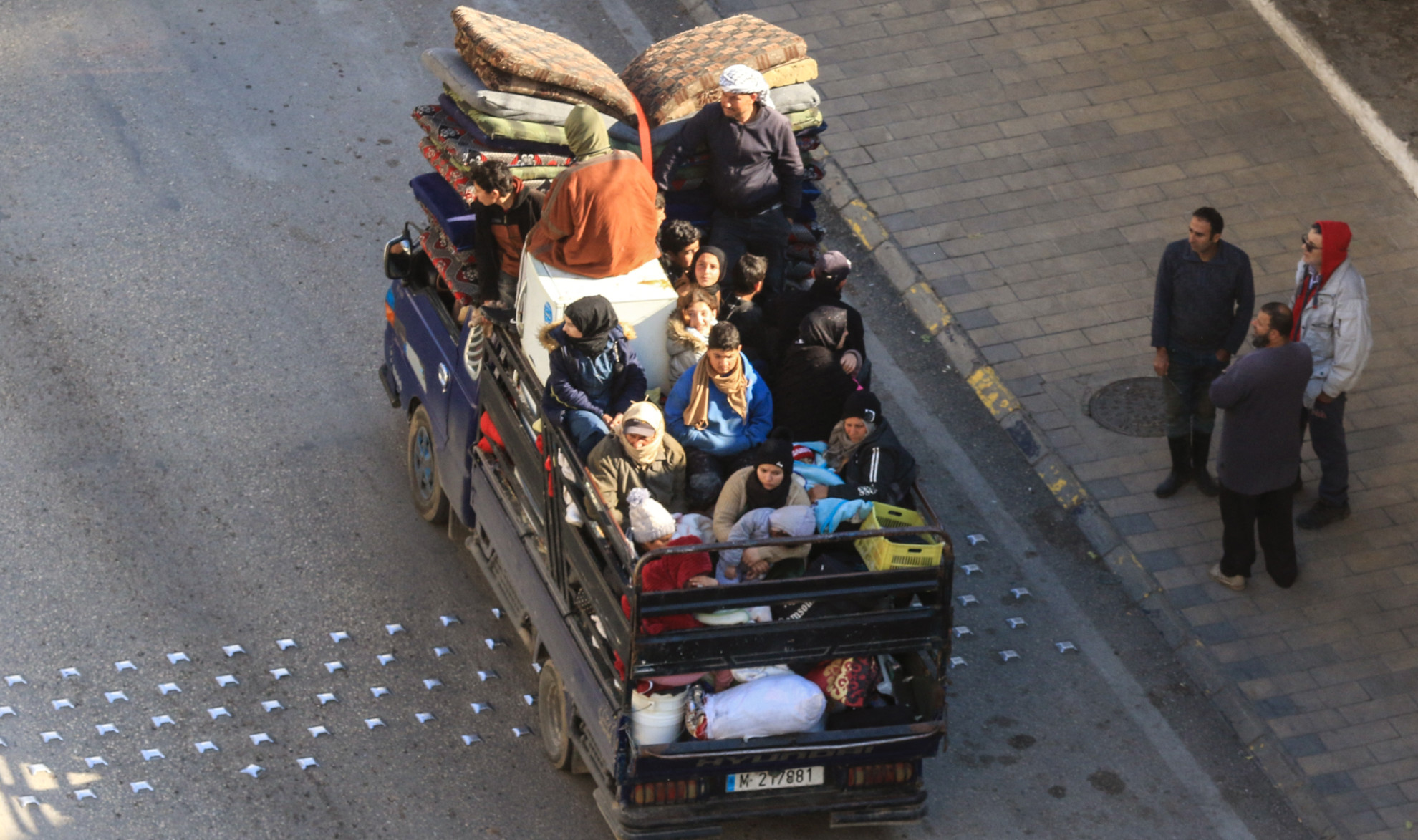

  • Israel kills 31 in Lebanon after Hezbollah launches attack to avenge Khamenei

    Israel kills 31 in Lebanon after Hezbollah launches attack to avenge Khamenei

    A severe escalation of violence has erupted along the Israel-Lebanon border, resulting in significant casualties and mass displacement. Israeli military operations conducted overnight struck multiple regions across Lebanon, including the southern suburbs of Beirut (Dahiyeh), numerous villages in the south, and the eastern Beqaa Valley. The Lebanese health ministry confirmed a provisional death toll of 31 individuals, with an additional 149 wounded.

    The Israeli offensive was characterized as a direct response to a major rocket and drone attack launched by the Lebanese militant group Hezbollah. The group stated its assault was executed ‘in revenge for the blood’ of Iran’s supreme leader, Ali Khamenei, who was reportedly killed in a joint U.S.-Israeli operation in Tehran just days prior.

    In the aftermath of the initial bombardments, the Israeli military issued urgent evacuation warnings to residents in over 50 towns and villages across southern and eastern Lebanon. Official communications, disseminated via social media, instructed civilians to immediately abandon their homes and relocate at least 1,000 meters away from their villages into open areas for their safety.

    This directive triggered a widespread humanitarian crisis, with highways out of Beirut’s suburbs becoming gridlocked by a mass exodus of vehicles and pedestrians fleeing the conflict zones. Dozens of schools were hastily repurposed as emergency shelters for the displaced. Lebanese media reported scenes of families with no alternatives seeking refuge on the streets of central Beirut and along the seafront.

    Israeli Defence Minister Israel Katz issued a stern warning, declaring that Hezbollah ‘will pay dearly for its attacks on Israel’ and explicitly naming the group’s secretary-general, Naim Qassem, as ‘a target to be eliminated.’

    This recent flare-up marks the first instance since a 2024 ceasefire that Hezbollah has publicly claimed responsibility for an attack on Israel. The group stated it targeted an Israeli army site south of Haifa using advanced missiles and drone swarms. The Israeli military, however, reported that the projectiles landed in open areas without causing immediate damage or injuries.

    The Lebanese government, which has been actively attempting to prevent Hezbollah’s involvement in a broader regional conflict, condemned the rocket fire. Prime Minister Nawaf Salam described the provocation as ‘irresponsible’ and pledged to ‘stop the perpetrators and protect the Lebanese people.’ Meanwhile, Israel has reinforced its military presence along the northern border but stated there are no immediate plans for a ground invasion into Lebanon.

  • Dragon dance illuminates Huangshan ancient town

    Dragon dance illuminates Huangshan ancient town

    The historic town of Xiuning in Huangshan, Anhui province, came alive on February 28th as the annual Dragon Dance Festival transformed the streets into a vibrant tapestry of cultural celebration. Thousands of locals and visitors gathered to witness the magnificent spectacle that has been cherished for centuries.

    Five traditional Huizhou Bench Dragon Dance teams, each moving in synchronized precision to powerful drum rhythms, processed from different directions across the county. The colorful procession created a dynamic visual display as the teams eventually converged at Zhuangyuan Square, a significant landmark honoring Huangshan’s rich academic heritage and scholarly traditions.

    The Huizhou Bench Dragon Dance, recognized as a national intangible cultural heritage, originated in Xiuning and represents one of China’s most treasured folk art forms. With a documented history spanning more than five centuries, this cultural practice has been meticulously preserved through generations. The dance involves performers carrying connected wooden benches that form the body of an undulating dragon, creating a mesmerizing movement that symbolizes prosperity, good fortune, and communal harmony.

    The festival not only serves as a tourist attraction but also plays a vital role in cultural preservation, allowing younger generations to connect with traditional art forms while strengthening community bonds among participants and spectators alike.

  • Amazon cloud services disrupted after ‘objects’ strike UAE data centre

    Amazon cloud services disrupted after ‘objects’ strike UAE data centre

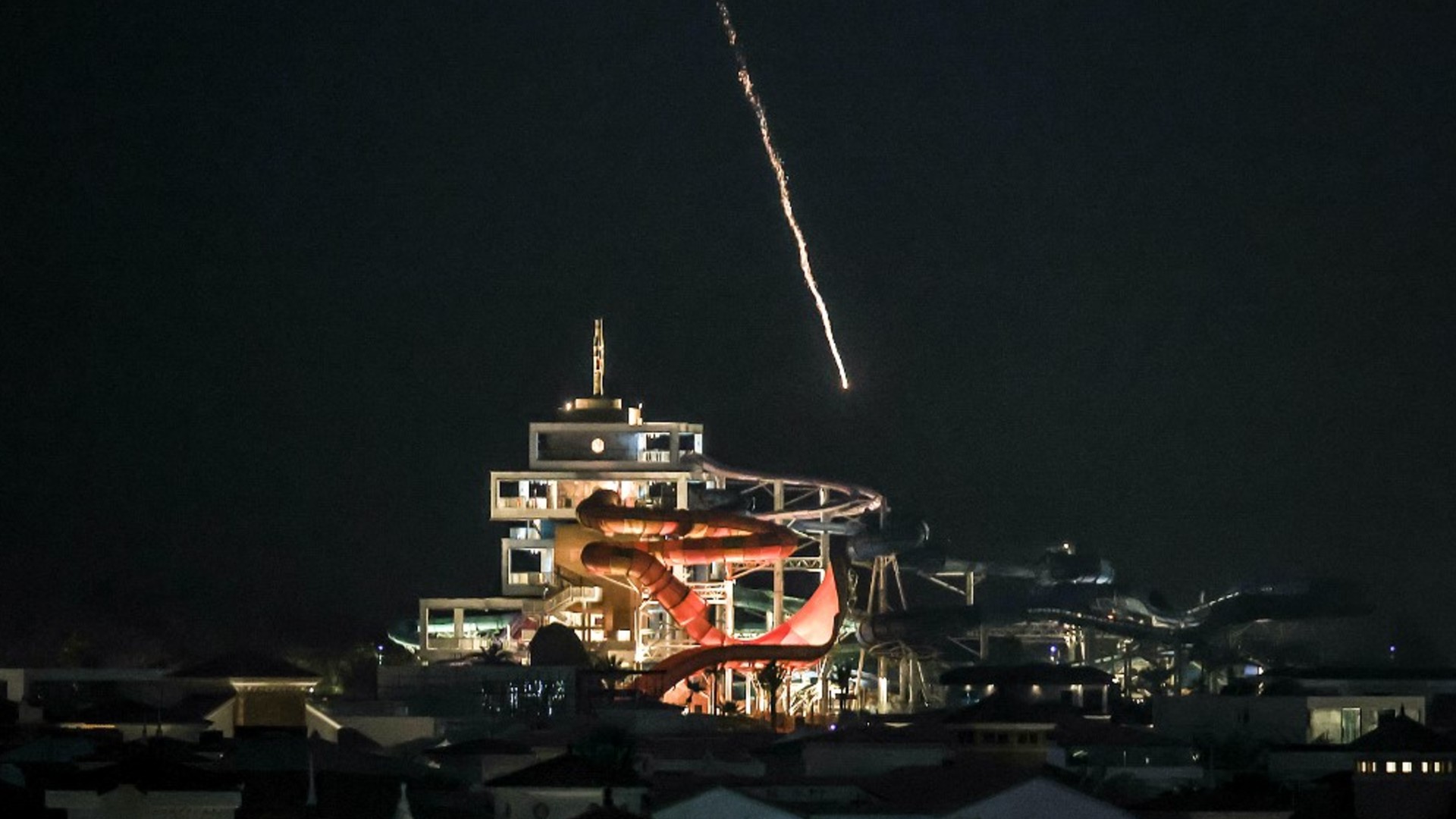
    Amazon Web Services (AWS) experienced a significant service disruption in the Middle East after its data center in the United Arab Emirates was struck by unidentified objects, resulting in a fire. The incident occurred at approximately 4:30 PM Dubai time on Sunday, prompting the temporary shutdown of an entire “availability zone”—a cluster of data centers designed to provide redundant capacity.

    According to official statements from AWS, emergency response teams cut power to the facility while firefighters worked to contain the blaze. The company also reported investigating connectivity and power irregularities affecting services in Bahrain. By Monday morning, a separate zone within the region was impaired due to what AWS described as a “localized power issue.”

    Reuters cited a data center operator indicating that full restoration of services would require several hours, though other zones in the region remained operational. The incident coincides with a period of heightened military activity across the region, including Iranian retaliatory strikes targeting the UAE and other Arab states. These attacks came in response to earlier U.S. and Israeli operations that resulted in significant Iranian casualties, including the death of Supreme Leader Ayatollah Ali Khamenei and the tragic bombing of a school in southern Iran that killed around 180 schoolgirls.

    While the exact cause of the data center impact remains unclear, the timing raises questions about potential links to ongoing regional conflict. Iran has launched hundreds of missiles and drones toward Israeli and U.S. military assets located in several Gulf countries, including the UAE, Qatar, Kuwait, and Saudi Arabia.

  • Chinese judges on the rise

    Chinese judges on the rise

    China’s judicial professionals are increasingly assuming significant roles within the international legal arena, demonstrating remarkable progress in global judicial cooperation. These legal experts are actively promoting fundamental legal principles while maintaining exceptional professional standards across international platforms.

    A distinctive aspect of their global contribution involves sharing China’s sophisticated mediation techniques with worldwide legal communities. This knowledge transfer represents more than mere technical exchange—it signifies a deepening engagement with international legal frameworks and institutions.

    Their expanding influence reflects a deliberate strategy to strengthen global judicial connectivity while enhancing cross-border legal cooperation. This development illustrates how national judicial expertise can contribute to the evolution of international legal practices without compromising domestic legal traditions.

    The growing presence of Chinese judges internationally coincides with China’s broader engagement with global governance systems. This trend demonstrates how specialized national expertise can both benefit from and contribute to the development of transnational legal standards and practices.

  • China-Russia winter sports series opens on frozen Heilongjiang River

    China-Russia winter sports series opens on frozen Heilongjiang River

    The frozen expanse of the Heilongjiang River transformed into a vibrant arena of international camaraderie as the 2026 China-Russia International Winter Sports Series commenced this past Saturday. Spanning the natural border between Heihe in China’s Heilongjiang province and Russia’s Blagoveshchensk, the two-day spectacle showcased an impressive array of winter athletic competitions and cultural performances that drew participants and spectators from both nations.

    The opening ceremony featured mesmerizing displays of athletic artistry, with young Chinese figure skaters executing graceful routines on the natural ice surface. Russian dance troupes complemented these performances with vibrant cultural presentations, creating a symphony of cross-border artistic exchange. The event, forming part of the broader Heilongjiang Ice and Snow Sports Super League, immediately transitioned to competitive action with a fiercely contested friendship ice hockey match between Chinese and Russian athletes.

    Beyond traditional winter sports, the festival introduced adrenaline-fueled innovations including an International Ice and Snow Auto Race that saw modified vehicles executing precision drifts on specially prepared frozen tracks. The roaring engines and spectacular maneuvers created a striking contrast against the serene winter landscape. Winter swimming enthusiasts braved the frigid waters while artists demonstrated ice painting techniques, transforming the river into a dynamic canvas of human achievement and creativity.

    Heihe, strategically positioned as a border city, has consistently leveraged sports diplomacy to strengthen Sino-Russian relations. This event continues a tradition of cross-border initiatives that previously included the China-Russia Cultural Fair, swimming crossings of the Heilongjiang River, and international marathon events. The frozen river, typically a symbol of geographical separation, temporarily became a platform for mutual understanding and shared passion for winter sports, demonstrating how athletic competition can transcend political and cultural boundaries.

  • 80th anniversary of Party’s first aviation school celebrated

    80th anniversary of Party’s first aviation school celebrated

    Changchun witnessed a significant historical commemoration on Sunday as hundreds assembled at the Aviation Culture Exhibition Center in Jilin province to honor the 80th anniversary of the Northeast Democratic Alliance Aviation School’s establishment. This institution, originally founded in Tonghua on March 1, 1946, holds the distinguished position as the Communist Party of China’s inaugural aviation training academy, widely recognized as the foundational cradle of China’s contemporary aviation industry.

    The gathering brought together aviation enthusiasts, historical preservationists, and representatives from China’s aerospace sector to reflect upon the institution’s profound legacy. The ceremony highlighted the school’s pioneering role during its operational years between 1946 and 1949, when it cultivated China’s first generation of aviators and technical personnel under challenging circumstances.

    Historical records indicate the academy operated during the Chinese Civil War period, initially established in Tonghua before relocating multiple times due to security concerns. Despite limited resources and turbulent conditions, the institution managed to train approximately 560 aviation professionals, including 126 pilots, whose expertise would later prove instrumental in developing both military and civilian aviation capabilities.

    The anniversary event featured photographic exhibitions, historical artifacts, and educational presentations documenting the school’s operational history and its graduates’ subsequent contributions to Chinese aviation development. Current aviation industry leaders emphasized how the school’s spirit of perseverance and innovation established foundational principles that continue to influence China’s aerospace ambitions today.

  • Israel shuts Al-Aqsa Mosque and bans Ramadan prayer for third consecutive day

    Israel shuts Al-Aqsa Mosque and bans Ramadan prayer for third consecutive day

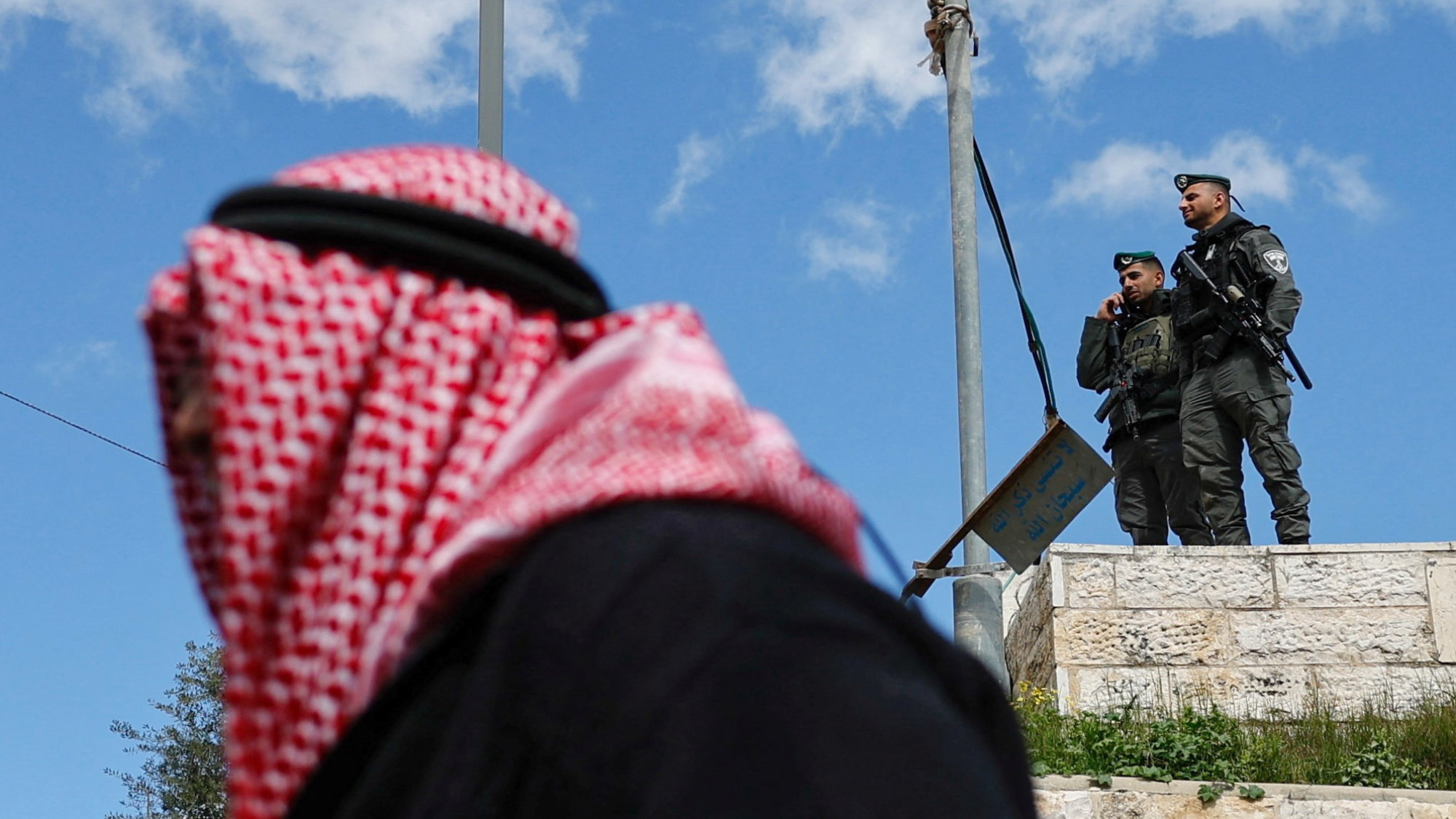
    For an unprecedented third consecutive day, Israeli authorities have maintained the complete closure of Jerusalem’s Al-Aqsa Mosque during the holy month of Ramadan, preventing Palestinian Muslims from accessing one of Islam’s most sacred sites. This extraordinary measure, implemented under what Israel describes as a security emergency following its military engagement with Iran, represents the first such closure during Ramadan in recent history.

    The Islamic Waqf, the Jordanian-appointed religious endowment responsible for managing the mosque complex, reports that only essential personnel are permitted limited access, with even basic provisions for guards being restricted. Sheikh Ikrima Sabri, former Grand Mufti of Jerusalem, condemned the decision as an unjustified violation of religious freedom that effectively transfers control from Islamic authorities to Israeli security forces.

    Historical context reveals the exceptional nature of this closure. While brief shutdowns occurred in 2014 and 2017 during periods of heightened tension, and during COVID-19 for public health reasons, no prolonged closure has been recorded since Israel’s occupation of East Jerusalem in 1967. The current shutdown affects what would normally be hundreds of thousands of worshippers during Ramadan.

    Parallel restrictions have been implemented at the Ibrahimi Mosque in Hebron, another significant religious site, where all prayers have been suspended indefinitely. Palestinian religious authorities report approximately 1,000 Jerusalem residents, including senior imams and Waqf employees, have received orders banning them from the Al-Aqsa site.

    Academic and Islamic Waqf Council member Dr. Mustafa Abu Sway characterizes these developments as the materialization of long-feared Israeli changes to the status quo at Islamic holy sites. The measures coincide with recent Israeli governance changes in the West Bank that critics describe as de facto annexation, raising concerns about permanent alterations to the administration of religious sites in occupied territories.

  • Drone strike targets Aramco oil refinery in Saudi Arabia

    Drone strike targets Aramco oil refinery in Saudi Arabia

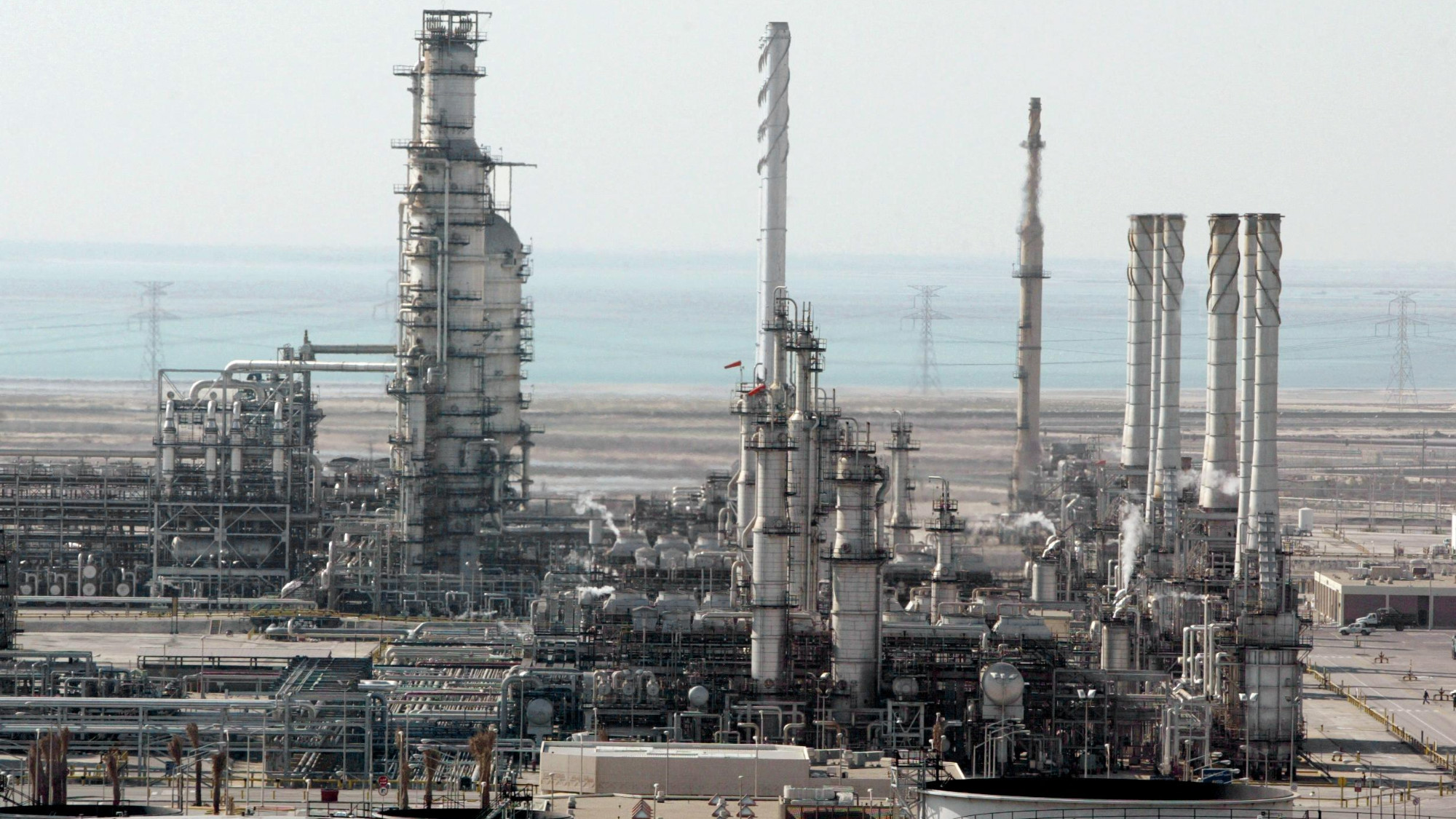
    Saudi Arabian and Kuwaiti energy infrastructure came under attack on Monday, raising regional security concerns and triggering significant volatility in global oil markets. According to the Saudi defense ministry, two drones targeted the critical Aramco refinery complex in Ras Tanura. Ministry spokesperson Turki al-Maliki confirmed to Al Arabiya that both unmanned aerial threats were successfully intercepted by defense systems. The ministry attributed a subsequent limited fire at the facility to falling debris from the intercepted drones, emphasizing that no civilian casualties resulted from the incident. Saudi Arabia’s energy ministry quickly assured markets that the fire was contained and confirmed the attack caused no disruption to oil supply chains, though the refinery was temporarily shut down as a precautionary measure. The Ras Tanura complex represents one of the Middle East’s most significant energy hubs, boasting refining capacity of 550,000 barrels per day and serving as one of the world’s largest oil export terminals. Simultaneously, Kuwait experienced security incidents as witnesses reported smoke rising above a power plant in the country’s northern region. The Kuwait National Petroleum Company confirmed that debris fell on the Mina Al-Ahmadi refinery—another major processing facility—resulting in injuries to two workers while maintaining that operations continued uninterrupted. These coordinated events immediately impacted global energy markets, with Reuters reporting oil prices surging approximately 9% amid investor concerns that escalating regional tensions could disrupt Middle Eastern supply flows.

  • New semester kicks off for primary, secondary schools in many parts of China

    New semester kicks off for primary, secondary schools in many parts of China

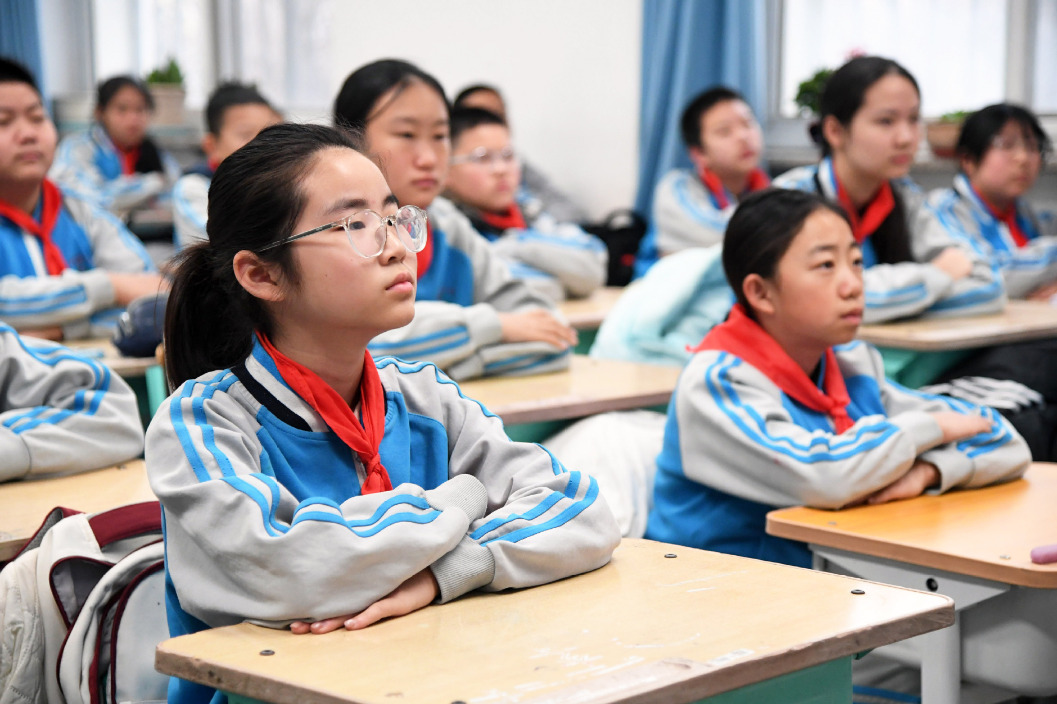
    Educational institutions across China marked the commencement of the 2026 spring semester on March 2nd, with primary and secondary schools reopening their gates to millions of students. The academic resurgence witnessed coordinated operations from Beijing to various provincial districts, signaling the return to structured learning environments following winter breaks.

    In Beijing’s Pinggu District, educational facilities demonstrated meticulous preparedness as students engaged in inaugural classroom sessions. Photographic documentation captured the vibrant atmosphere of scholastic renewal, showing learners actively participating in educational activities designed to stimulate intellectual curiosity and academic engagement.

    This nationwide educational reactivation represents more than mere administrative scheduling—it embodies China’s sustained commitment to maintaining educational continuity and pedagogical development. The synchronized reopening across multiple regions reflects the comprehensive infrastructure supporting China’s academic calendar, ensuring uniform educational standards while accommodating regional variations where necessary.

    Educational authorities have implemented comprehensive measures to guarantee smooth transitional phases, incorporating both academic readiness and psychological adjustment protocols. The semester inauguration follows established patterns of China’s educational system organization, which emphasizes balanced development between academic rigor and student well-being.