标签: Asia

亚洲

  • Why Iran isn’t attacking America’s bases in Turkey

    Why Iran isn’t attacking America’s bases in Turkey

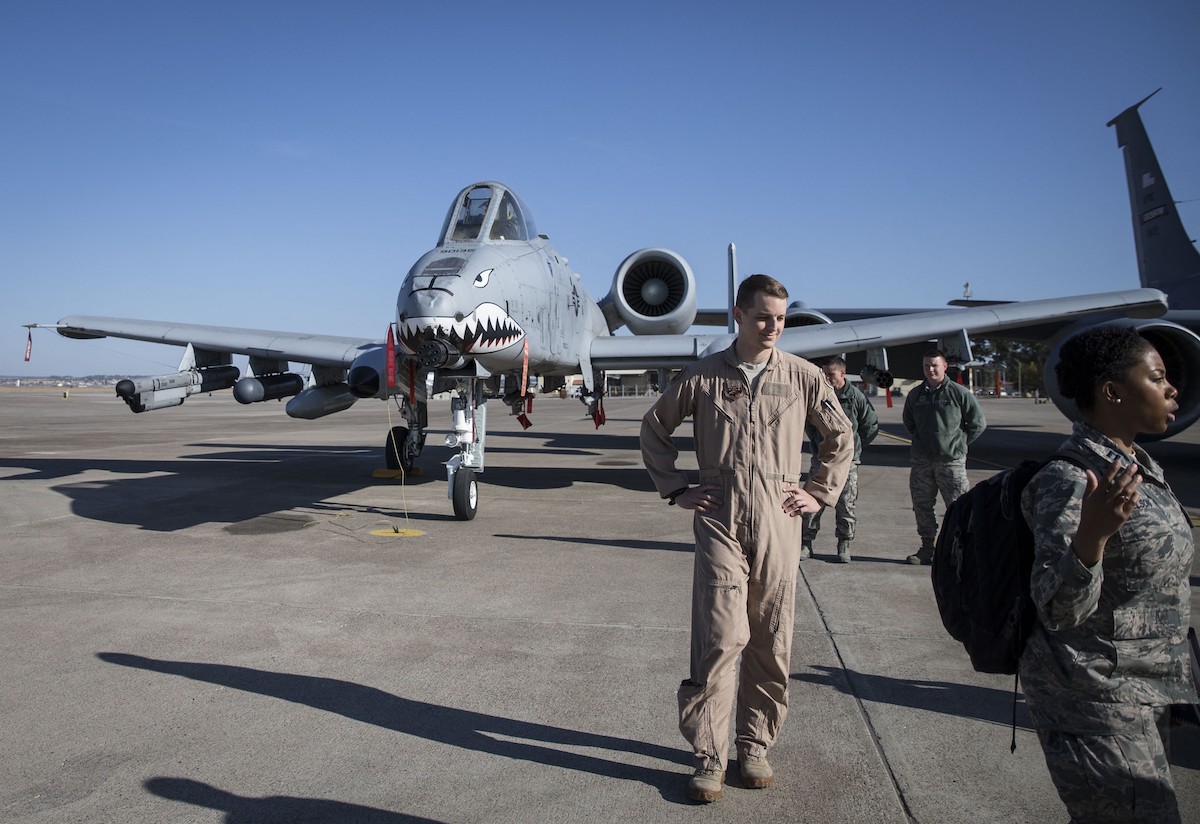
    In a calculated escalation of regional tensions, Iran has launched attacks against US military installations across Gulf states, citing their operational role in joint US-Israeli operations against Iranian interests. This development highlights Tehran’s selective targeting strategy, particularly notable for its exclusion of two strategically significant US bases in Turkey: Incirlik Air Base and Kurecik Radar Station.

    Geographic proximity alone would suggest Turkey-based facilities represent more immediate targets, sharing a direct border with Iran unlike the distant Gulf monarchies. Analysis reveals three fundamental reasons behind Iran’s deliberate avoidance of Turkish targets:

    1. Differential Risk Assessment: Iranian strategists perceive Gulf states as vulnerable targets with limited retaliatory capabilities. Their economies demonstrate fragility against drone warfare, while military inexperience—with limited exception of engagements against Houthi forces—reduces perceived escalation risks. Furthermore, historical sectarian tensions between Shiite-majority Iran and Sunni-led Gulf kingdoms create stronger animosity than exists with Turkey.

    2. Turkish Military Deterrence: Turkey’s armed forces have demonstrated formidable capability through sustained combat operations against Syrian Kurdish forces, intervention in Libya, and demonstrated proficiency in drone warfare during the 2020 Nagorno-Karabakh conflict. This proven operational effectiveness creates substantial deterrence, as Iran recognizes potential Turkish ground invasion capabilities that could compound existing pressure from US-Israeli aerial campaigns.

    3. Alliance Architecture: Turkey’s NATO membership introduces Article 5 considerations that could transform regional conflict into transatlantic confrontation. Additionally, Turkey’s strategic alliance with Azerbaijan presents second-front vulnerabilities, given northern Iran’s substantial ethnic Azeri population. Potential Azerbaijani intervention or NATO involvement through Turkish channels represents escalation Iran cannot presently afford.

    The strategic calculus indicates Iran perceives Gulf states as collectively weaker than solitary Turkey, with greater susceptibility to destabilization through limited strikes. This assessment, combined with respect for Turkish military capabilities and fear of alliance-triggered escalation, explains Tehran’s selective targeting despite all hosting US military assets.

  • China says no country should dictate others’ destiny

    China says no country should dictate others’ destiny

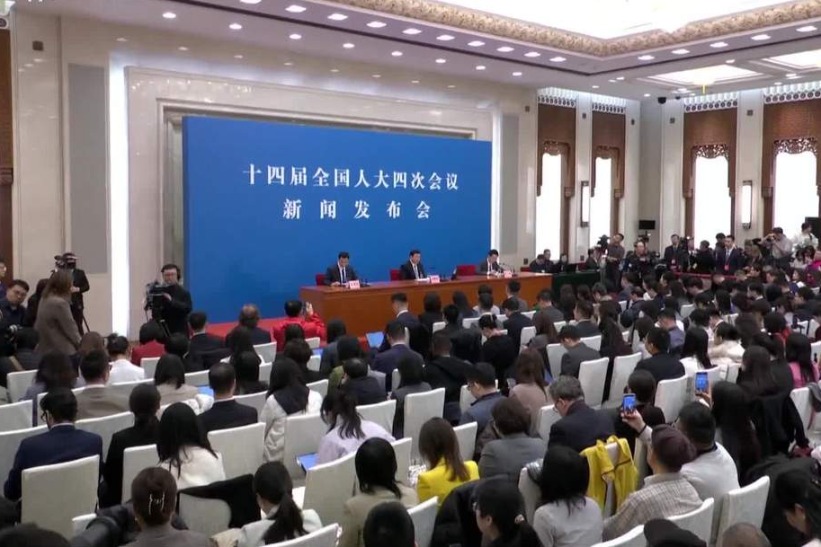
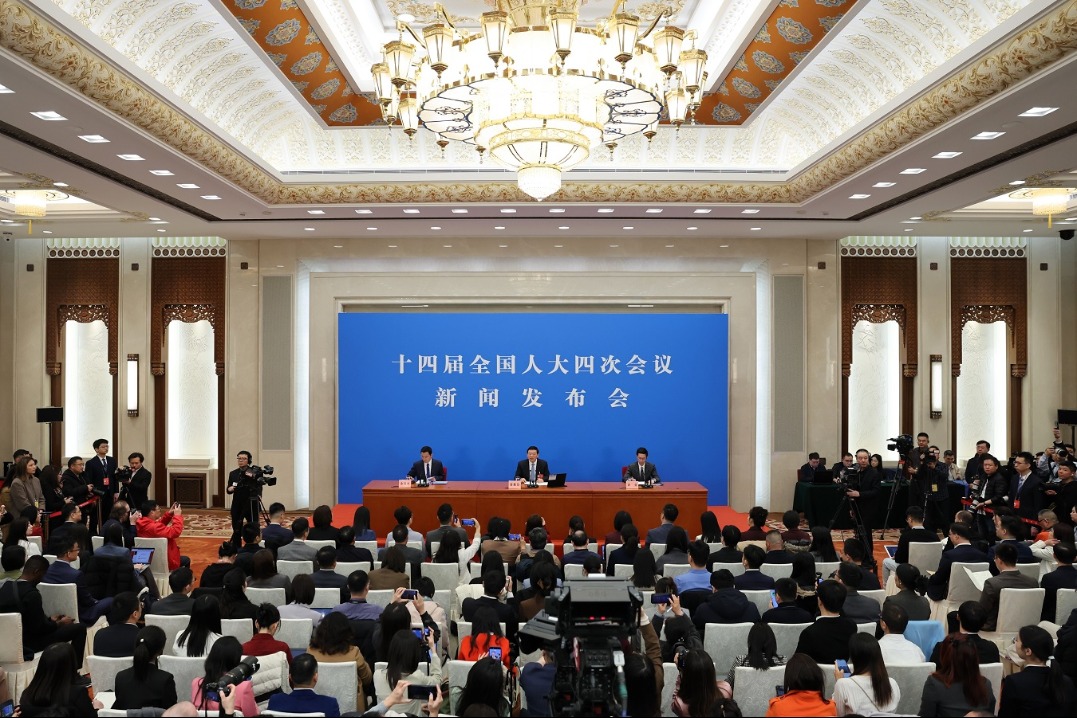
    China has emphatically declared that no nation possesses the authority to dominate international affairs or determine the destinies of other countries. The statement came from Lou Qinjian, spokesperson for the fourth session of the 14th National People’s Congress, during a press conference preceding the annual legislative gathering.

    Addressing growing international concerns about the erosion of global governance systems and the diminishing role of the United Nations, Lou articulated China’s firm position against unilateralism and the increasing use of force in international relations. The spokesman specifically referenced the situation in Iran, emphasizing that the nation’s sovereignty, security, and territorial integrity must be fully respected.

    China urgently called for the immediate cessation of military operations against Iran, advocating instead for diplomatic dialogue and negotiations to prevent further escalation of tensions in the Middle East. Lou affirmed China’s commitment to functioning as a responsible global power in facilitating peaceful resolutions.

    The spokesperson outlined China’s Global Governance Initiative, which champions sovereign equality, adherence to international rule of law, genuine multilateralism, people-centered approaches, and concrete actions. This framework represents China’s proposed solution for creating a more just and equitable global governance system.

    As a permanent member of the UN Security Council and a major world power, China pledged to collaborate with all nations to uphold the authority and status of the United Nations, maintain the principles of the UN Charter, practice authentic multilateralism, and contribute significantly to global governance reform efforts aimed at building a shared future for humanity.

  • Bridging culture and technology to craft unique travel experiences

    Bridging culture and technology to craft unique travel experiences

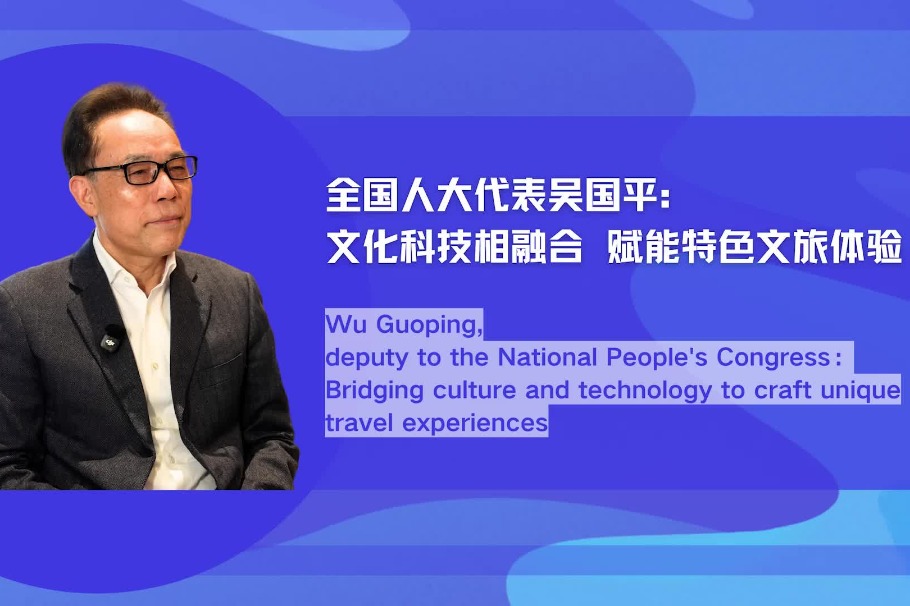
    During the ongoing National People’s Congress sessions, delegate Wu Guoping presented a visionary framework for transforming China’s tourism sector through the strategic integration of cultural heritage and technological innovation. In an exclusive dialogue with China Daily, the legislator articulated that the future of travel experiences lies not in ephemeral social media attractions but in creating profound spiritual destinations that command repeated visitation.

    The proposal emphasizes moving beyond superficial tourism trends to develop deeply immersive experiences that resonate on cultural and emotional levels. By leveraging cutting-edge technologies alongside authentic cultural elements, destinations can evolve into meaningful places that visitors feel compelled to revisit throughout their lives.

    This approach represents a significant shift from traditional tourism models, focusing instead on creating lasting emotional connections between travelers and destinations. The integration aims to preserve cultural authenticity while enhancing accessibility and engagement through appropriate technological applications.

    Wu’s initiative comes at a pivotal moment as China’s tourism sector seeks sustainable development models that balance economic growth with cultural preservation and innovation. The proposal has garnered attention from industry experts who see potential applications across China’s diverse cultural landscapes and historical sites.

  • Sri Lanka says an Iranian warship has sunk off its coast in the Indian Ocean

    Sri Lanka says an Iranian warship has sunk off its coast in the Indian Ocean

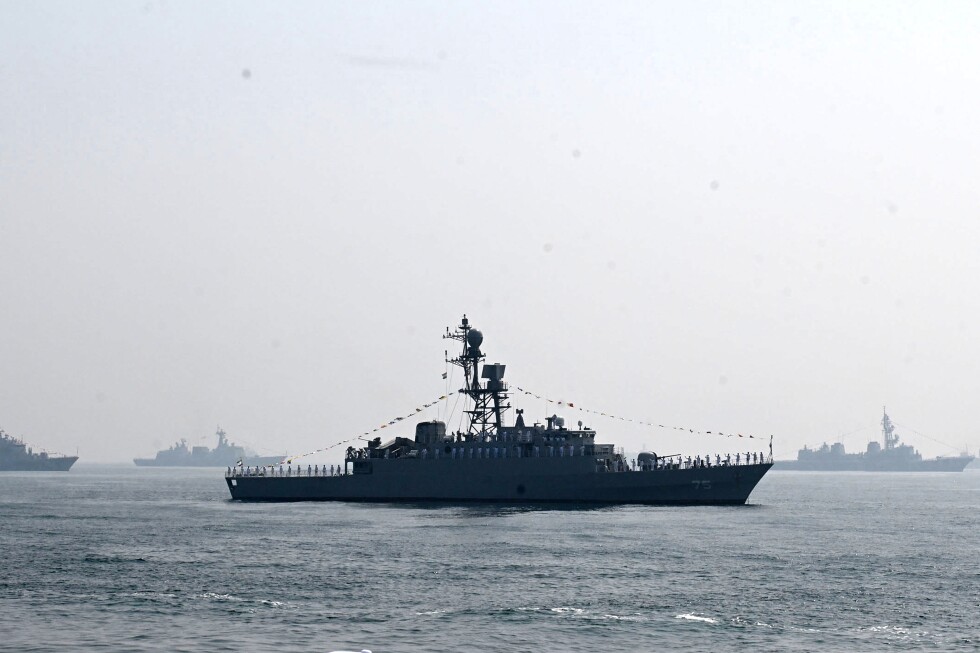
    COLOMBO, Sri Lanka — A significant naval confrontation unfolded in international waters off the coast of Sri Lanka this week, resulting in the sinking of a major Iranian warship by a U.S. submarine. The incident triggered a multinational rescue operation led by the Sri Lankan Navy, which successfully recovered 32 survivors from the stricken vessel.

    According to statements from U.S. Defense Secretary Pete Hegseth, the Iranian frigate IRIS Dena was struck and sunk by a torpedo launched from an American submarine operating in international waters. The confirmation came as search and rescue missions continued in the area.

    Sri Lankan Foreign Minister Vijitha Herath informed Parliament that upon receiving distress signals indicating the Iranian vessel was sinking with 180 personnel aboard, the island nation immediately deployed naval ships and air force aircraft to assist. Navy Commander Buddhika Sampath described the challenging rescue conditions, noting that when Sri Lankan forces arrived at the coordinates, the warship had already disappeared beneath the waves. ‘There were only some oil patches and life rafts,’ Sampath reported. ‘We found people floating on the water.’

    The rescued personnel, admitted to a local hospital, sustained various injuries. Dr. Anil Jasinghe, a senior health ministry official, confirmed one individual remains in critical condition, seven require emergency treatment, and others are being treated for minor injuries. Commander Sampath acknowledged the presence of several fatalities in the water but declined to provide specific numbers as recovery operations continue.

    The IRIS Dena represents one of Iran’s most advanced naval assets—a Moudge-class frigate equipped with heavy guns, surface-to-air missiles, anti-ship missiles, torpedoes, and helicopter capabilities. The vessel recently completed an international tour in 2023, visiting ports in South Africa and Brazil alongside support ship IRIS Makran.

    This incident occurs within the broader context of ongoing naval conflicts involving Iranian forces. U.S. Admiral Brad Cooper, leader of American military’s Central Command, revealed that at least 17 Iranian naval vessels have been destroyed during continuing hostilities, starkly stating, ‘We are also sinking the Iranian navy—the entire navy.’

    Both the IRIS Dena and its support ship had been previously sanctioned by the U.S. Treasury Department in February 2023, along with executives of an Iranian drone manufacturer accused of supplying weapons to Russia for use against civilian targets in Ukraine.

  • Heihe celebrates Lantern Festival with large-scale yangko performance

    Heihe celebrates Lantern Festival with large-scale yangko performance

    The border city of Heihe erupted in vibrant celebration on Tuesday as it hosted a massive yangko performance to mark the 2026 Lantern Festival. This city-wide cultural extravaganza featured ten distinct yangko troupes accompanied by thematic floats, collectively showcasing the diverse regional characteristics and artistic heritage of the northeastern Chinese city.

    The performance gained particular attention for its international dimension, with Russian performers from Aihui district’s yangko teams delivering a striking visual contrast with their blonde hair and blue eyes. These foreign participants demonstrated remarkable proficiency in the traditional Northeast Chinese folk dance, capturing the essential stylistic elements with authenticity and enthusiasm.

    The event served as both a cultural preservation initiative and a cross-border cultural exchange platform, highlighting Heihe’s unique position as a Sino-Russian border city. The elaborate floats and coordinated dance routines transformed the urban landscape into a dynamic tapestry of movement and color, attracting substantial local participation and viewership. This celebration not only honored traditional Chinese festival customs but also demonstrated the evolving nature of cultural expressions in China’s border regions, where international influences creatively merge with local traditions.

  • Crossing Tongji Bridge – Foshan’s time-honored festival tradition

    Crossing Tongji Bridge – Foshan’s time-honored festival tradition

    For over four centuries, the ancient city of Foshan in Guangdong province has maintained a remarkable Lantern Festival tradition centered around Tongji Bridge. This annual ritual, occurring on the 15th and 16th days of the first lunar month, draws entire families who participate in a symbolic procession across the historic structure while carrying traditional tokens of fortune.

    Participants clutch windmills representing good luck and lettuce symbolizing wealth as they traverse the bridge from north to south, chanting the traditional phrase: ‘Crossing Tongji Bridge, troubles go away.’ This practice has evolved into one of South China’s most enduring cultural celebrations, blending folk beliefs with community bonding.

    The tradition continues to thrive in modern times, with this year’s events scheduled from March 2-4 incorporating both traditional elements and contemporary attractions. The festival now features charitable parades, dynamic lion dance performances, and vibrant night markets that create a bridge between Foshan’s rich heritage and its modern urban identity.

    Tongji Bridge itself stands as more than mere infrastructure—it serves as a cultural touchstone connecting generations of Foshan residents. The ritual represents one of many regional variations in how Chinese communities celebrate the Lantern Festival, which marks the final day of traditional Spring Festival observances.

    The preservation of this custom demonstrates how ancient traditions adapt to contemporary urban life while maintaining their core cultural significance. As families continue to gather annually for this ritual, they reinforce community bonds and ensure the transmission of cultural values to younger generations.

  • China won’t allow external interference in its affairs: NPC spokesman

    China won’t allow external interference in its affairs: NPC spokesman

    Beijing has issued a firm declaration against external involvement in its domestic matters, emphasizing its unwavering commitment to protect national sovereignty, unity, and territorial integrity. The statement came from National People’s Congress spokesman Lou Qinjian during a Wednesday press conference preceding the fourth session of the 14th NPC.

    Lou articulated that protecting China’s sovereign rights, security, and development interests constitutes the fundamental principle guiding the nation’s foreign engagements. His comments addressed inquiries regarding China’s diplomatic strategy toward neighboring nations amid evolving regional dynamics and specific challenges in Sino-Japanese relations.

    Regarding Taiwan, Lou characterized the matter as exclusively China’s internal affair, representing a core national interest. He explicitly condemned recent statements by Japanese leadership concerning Taiwan, labeling them as inappropriate and counterproductive to bilateral relations.

    The spokesman emphasized China’s enduring diplomatic priority toward neighboring countries, noting their geographical permanence as adjacent nations. He detailed China’s dedication to fostering regional peace, stability, and mutual prosperity through enhanced strategic cooperation and multifaceted exchanges, facilitated by head-of-state diplomatic leadership.

    Lou further confirmed the NPC’s intention to strengthen legislative cooperation with neighboring nations through both bilateral and multilateral frameworks. This collaborative approach aims to support China’s modernization objectives while promoting synergistic development across the region.

  • New Zealand wins toss, elects to field against South Africa in Twenty20 World Cup semifinals

    New Zealand wins toss, elects to field against South Africa in Twenty20 World Cup semifinals

    KOLKATA, India — The highly anticipated first semifinal of the Twenty20 World Cup commenced Wednesday with New Zealand winning the crucial toss and electing to field against tournament powerhouse South Africa.

    South Africa enters the knockout stage with formidable momentum, boasting an unbroken seven-match winning streak throughout the competition, which includes a previous group-stage victory over the same New Zealand squad. The New Zealanders, finalists in the 2021 tournament, experienced an anxious path to the semifinals, ultimately securing their position through superior net run-rate calculations after Pakistan’s narrow victory over co-host Sri Lanka in the final Super Eight match.

    New Zealand captain Mitchell Santner acknowledged the inherent pressure of knockout cricket while revealing strategic lineup changes. Allrounder James Neesham returned to the playing XI, slotting into the batting order at number eight, while legspinner Ish Sodhi was omitted from the final selection.

    South African skipper Aiden Markram emphasized the critical importance of establishing a strong batting foundation early in the match, particularly considering the anticipated dew factor that typically makes bowling considerably more challenging during the second innings.

    The Proteas fielded a full-strength lineup with the return of key players Kagiso Rabada, Marco Jansen, and Keshav Maharaj, all of whom were rested during their final Super Eight encounter against Zimbabwe.

    The winner of this semifinal clash will advance to face the victor of Thursday’s second semifinal between tournament co-host India and defending champions England in Mumbai.

  • Partner of Labour MP arrested on suspicion of spying for China, BBC told

    Partner of Labour MP arrested on suspicion of spying for China, BBC told

    British authorities have detained three individuals, including the partner of a sitting Labour MP, on allegations of espionage activities benefiting China. The suspects, aged 39, 43 and 68, were apprehended in coordinated operations across London and Wales under the National Security Act of 2023.

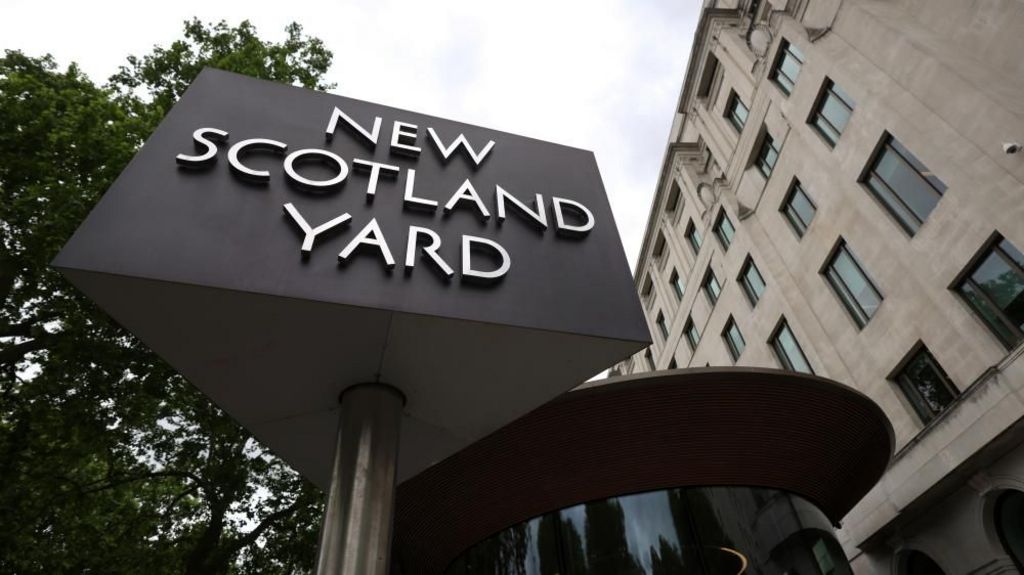
    The Metropolitan Police confirmed the arrests were conducted by counter-terrorism units investigating suspected foreign intelligence operations. While emphasizing there was no “imminent or direct threat to the public,” authorities maintained all three individuals remain in custody pending further investigation.

    Security Minister Dan Jarvis addressed Parliament following the operations, declaring the UK would not compromise national security for economic considerations. “This government stands resolute in our resolve to counter foreign interference activity targeting the UK from any state actor,” Jarvis stated, warning of “severe consequences” should Chinese interference in UK sovereign affairs be substantiated.

    The investigation involved simultaneous searches at multiple locations in London, East Kilbride and Cardiff. Suspects face charges under Section 3 of the National Security Act, which criminalizes providing material assistance to foreign intelligence services operating against UK interests.

    Commander Helen Flanagan, head of Counter Terrorism Policing London, noted a “significant increase” in national security cases in recent years, emphasizing ongoing efforts to “disrupt malign activity where we suspect it.

    The arrests occur amidst delicate diplomatic relations, following Sir Keir Starmer’s recent Beijing visit and government efforts to cautiously reset UK-China economic ties. Jarvis acknowledged the complexity, stating it would be “naive” to suggest the UK shouldn’t maintain “a functional working relationship with China.”

    Opposition response came from shadow cabinet office minister Alex Burghart, who warned unless the UK stands firm against such threats, the country “will continue to be treated with disdain.” Burghart referenced previous collapsed spy cases involving China and concerns over Beijing’s newly approved mega-embassy in central London, which opponents fear could serve as an espionage base.

    British officials have formally notified Chinese counterparts in both London and Beijing regarding the allegations.

  • Annual session of China’s national legislature to review key legislative items

    Annual session of China’s national legislature to review key legislative items

    Beijing prepares to host the annual conclave of China’s paramount legislative authority, the National People’s Congress (NPC), commencing March 5th through March 12th. Official spokesperson Lou Qinjian confirmed the schedule during Wednesday’s press briefing, outlining an ambitious agenda for the fourth session of the 14th NPC.

    The eight-day parliamentary gathering will prioritize deliberation of three foundational legislative drafts: a comprehensive environmental code, legislation promoting ethnic unity and progress, and a framework law governing national development planning. The most anticipated discussion centers on formulating China’s 15th Five-Year Plan (2026-2030), the blueprint guiding national economic and social development strategies.

    Beyond these landmark items, the assembly will conduct mandatory reviews of annual work reports from key government branches including the State Council, NPC Standing Committee, Supreme People’s Court, and Supreme People’s Procuratorate. Legislators will examine implementation reports for the 2025 economic plan alongside draft proposals for 2026 national development and budgetary frameworks covering both central and local administrations.

    The session will further address the NPC Standing Committee’s report on legislative overhaul progress and proposed handling of existing laws. To enhance transparency, three thematic press conferences will illuminate economic policies, public welfare initiatives, and foreign affairs perspectives. Ministers will elaborate on sectoral advancements while NPC deputies share insights from their governance experiences.