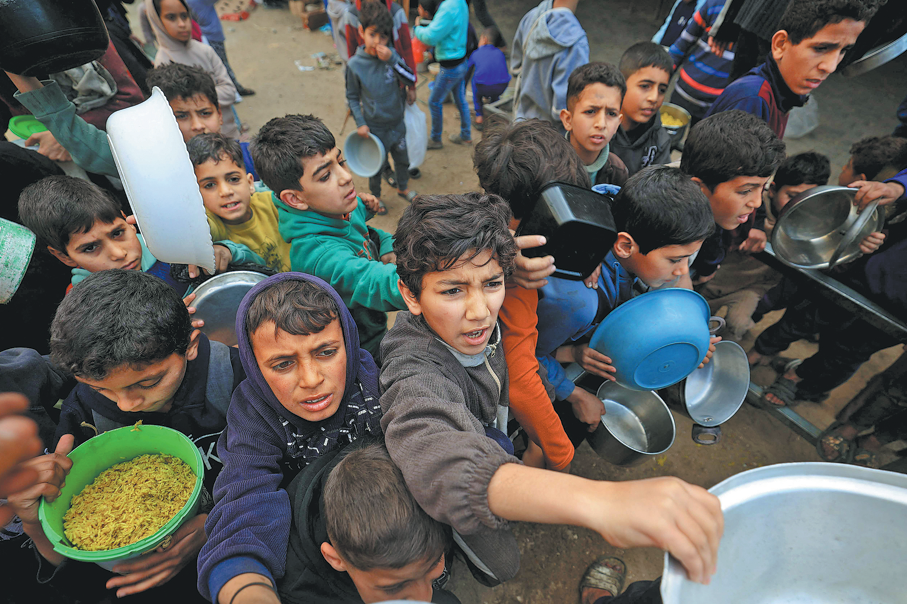
The United Nations has issued a dire warning that the ongoing Middle East conflict could trigger a catastrophic global hunger crisis, potentially pushing an additional 45 million people into acute food insecurity by mid-year. This alarming projection comes as humanitarian agencies report escalating violence across multiple fronts.
According to Farhan Haq, Deputy Spokesman for the UN Secretary-General, new analysis from the World Food Programme indicates that severe food insecurity could reach unprecedented levels if the conflict persists and oil prices remain above $100 per barrel. The economic destabilization caused by the crisis is creating a perfect storm for global food systems.
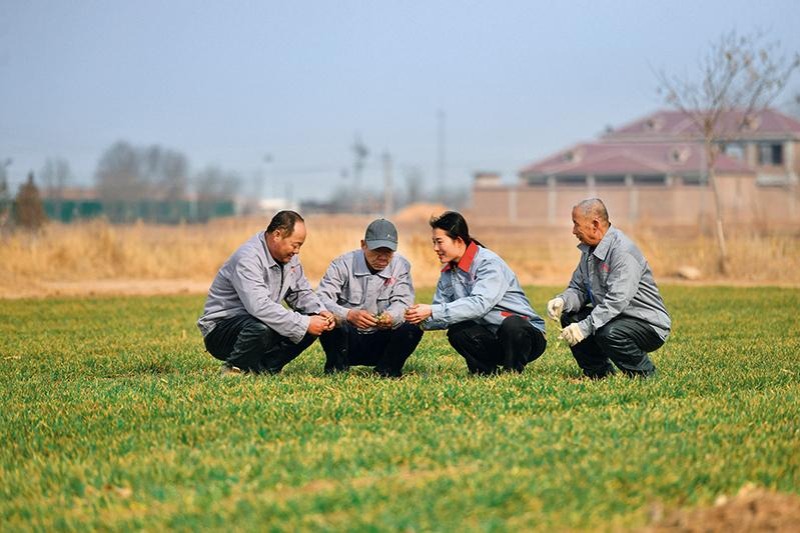
The strategic throttling of the Strait of Hormuz has emerged as a critical concern, disrupting not only oil flows but also shipments of essential fertilizers crucial for agricultural production worldwide. This dual impact threatens to exacerbate food shortages across vulnerable regions.
Humanitarian operations face immense challenges as the UN Office for the Coordination of Humanitarian Affairs (OCHA) scales up assistance. The organization reports that more than 1 million people have registered as displaced following evacuation orders, including nearly 300,000 children. Most displaced families are not in formal shelters, complicating aid delivery.
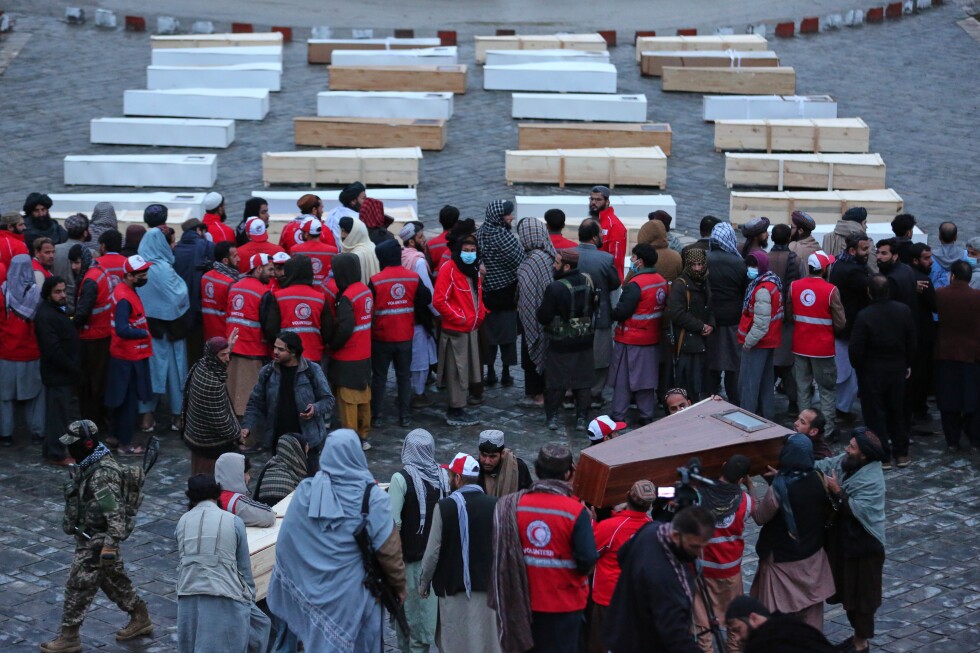
The crisis has particularly devastated healthcare infrastructure. OCHA expressed grave concern over attacks on medical facilities and personnel, noting that at least three paramedics were killed in recent Israeli strikes across Nabatieh and Tyre districts. These attacks are straining Lebanon’s health system and endangering medical workers providing critical care.
In Iran, authorities reported 17 medical personnel killed and over 100 injured, with more than 240 health facilities damaged. The conflict has also destroyed tens of thousands of homes and hundreds of water infrastructure sites, creating a secondary public health crisis.
Gulf region governments reported at least 15 civilian deaths and numerous injuries linked to the hostilities. OCHA emphasized that all parties must uphold international humanitarian law and protect civilians, including health workers and humanitarian personnel.
The situation in Gaza remains particularly desperate, with aid deliveries reduced to a ‘trickle’ due to crossing restrictions. Continued Israeli strikes in residential areas are heightening risks for civilians already facing severe shortages of food, water, and medical supplies.