标签: Asia

亚洲

  • UK: Piers Morgan says pro-Israel lawyer suing him for defamation

    UK: Piers Morgan says pro-Israel lawyer suing him for defamation

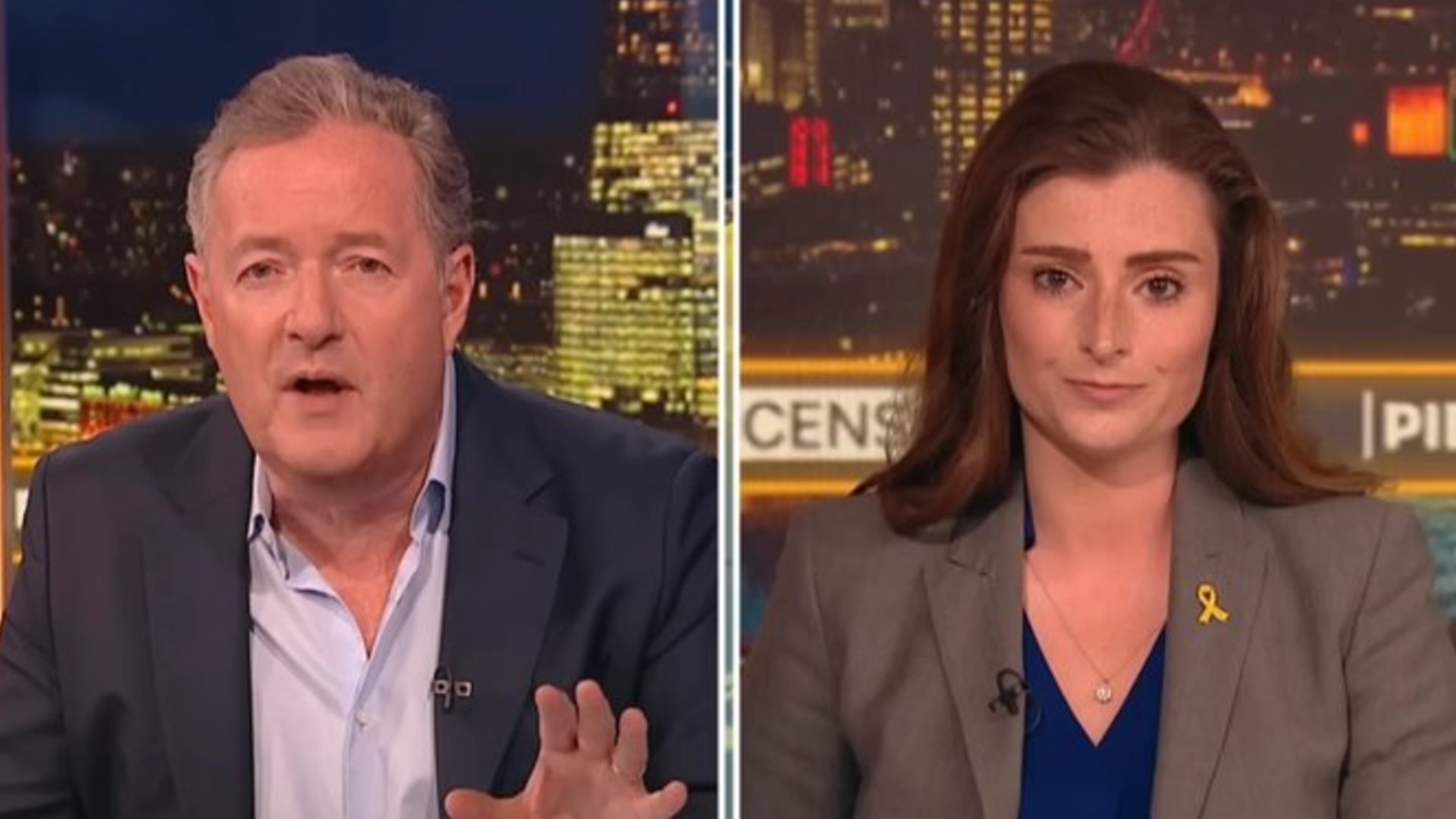
    British television host Piers Morgan faces a defamation lawsuit from pro-Israel attorney Natasha Hausdorff following a heated exchange on his YouTube program ‘Piers Morgan Uncensored’ in June 2025. The legal action stems from Morgan’s confrontational interview with Hausdorff, who serves as legal director for UK Lawyers for Israel, during which he openly challenged her characterization of Hamas infrastructure in Rafah.

    The contentious moment occurred when Hausdorff asserted that ‘every second house’ encountered by Israeli forces in Rafah constituted Hamas ‘terror infrastructure.’ Morgan responded dismissively, stating, ‘I certainly wouldn’t take your word for it; sounds like a lot of old bullshit again.’ This exchange has now become the central focus of the defamation claim.

    Morgan has publicly addressed the lawsuit through a statement on social media platform X, expressing his willingness to undergo ‘an open court test’ of Hausdorff’s defense of Israeli government claims regarding Gaza operations. He notably highlighted Israel’s continued restrictions on journalistic access to Gaza as context for the dispute.

    The lawsuit emerges against a complex backdrop of Morgan’s evolving coverage of the Israel-Palestine conflict. While the presenter maintains he has provided more platform space for pro-Palestine perspectives than any other mainstream Western media figure, he has simultaneously faced significant criticism for perceived pro-Israel bias following the October 7 attacks. Morgan initially declared support for Israel’s right to self-defense immediately after the Hamas-led offensive, but his position has demonstrated notable evolution as the conflict progressed.

    Last May, Morgan engaged in a particularly confrontational exchange with Israeli Ambassador to the UK Tzipi Hotovely, during which he asserted: ‘Don’t treat us like idiots. Your government has something to hide in Gaza.’ This shift in tone reflects the broader complexity of media coverage surrounding the ongoing conflict and the challenges faced by journalists navigating highly polarized narratives.
  • Miao communities celebrate Lantern Festival with fireworks

    Miao communities celebrate Lantern Festival with fireworks

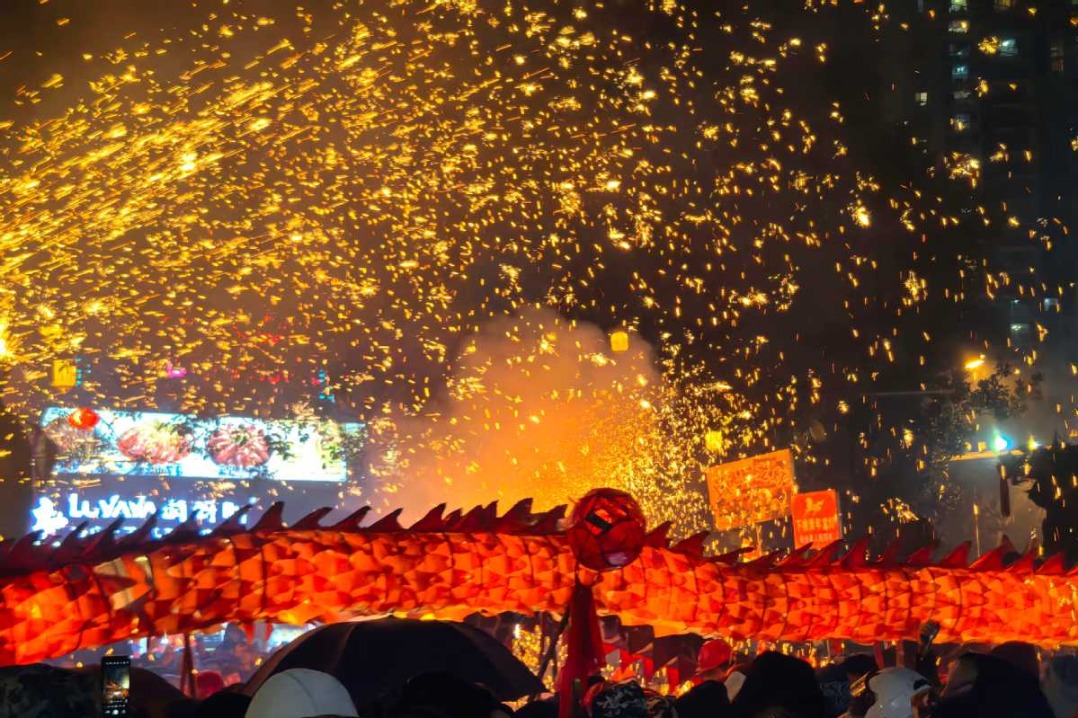
    The ancient town of Taijiang in Guizhou Province transformed into a spectacular arena of light and sound on Tuesday as Miao ethnic communities celebrated the Lantern Festival with their traditional fiery dragon dances. Against the night sky, more than sixty brilliantly crafted dragons weaved through narrow streets and bustling alleys, each massive creation carried by teams of 50 to 100 participants.

    The celebration reached its crescendo as spectators actively participated by igniting handheld fireworks, creating cascading showers of sparks that engulfed the procession in a luminous embrace. This interactive tradition holds deep cultural significance among the Miao people, who believe that the intensity of firecrackers directly correlates with the abundance of good fortune in the coming year.

    The Lantern Festival, marking the final day of the Chinese New Year celebrations, typically features tranquil lantern displays and sweet rice ball consumption. However, Taijiang’s Miao communities have preserved this distinctive tradition that combines artistic dragon craftsmanship with pyrotechnic spectacle. The event demonstrates how ethnic minority groups maintain their unique cultural identities while participating in broader national celebrations.

    Local authorities reported record participation this year, with the thunderous celebrations drawing visitors from across the province. The preservation of such traditions offers valuable insights into China’s diverse ethnic tapestry and the ways in which traditional practices continue to thrive in modern society.

  • Greens, Your Party and Labour backbenchers build anti-war alliance in parliament

    Greens, Your Party and Labour backbenchers build anti-war alliance in parliament

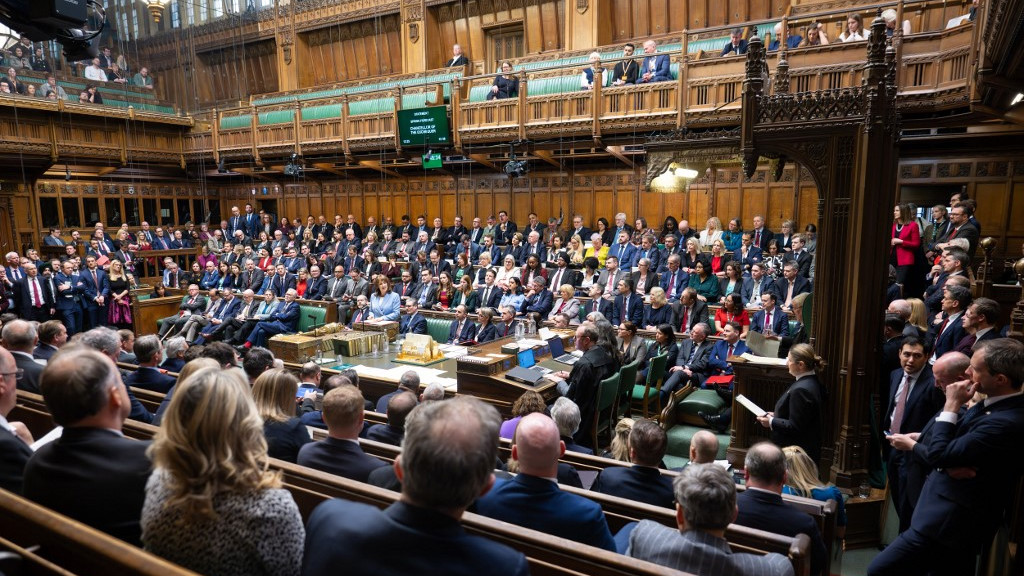
    A significant cross-party alliance is emerging within the UK Parliament, mobilizing to counter potential British entanglement in US-Israeli military operations against Iran. This coalition unites the resurgent Green Party, the newly formed left-wing Your Party led by Jeremy Corbyn, the parliamentary Independent Alliance, and dissenting Labour backbenchers.

    The movement gained concrete form when Corbyn, the former Labour leader, introduced the Military Action Bill on Thursday. This legislation, garnering support across party lines, would mandate parliamentary approval for any foreign military use of British bases. The bill directly challenges Prime Minister Keir Starmer’s recent decision to permit US forces to utilize UK installations for targeting Iranian missile sites.

    Co-sponsorship of the bill includes Green MPs Ellie Chowns and Hannah Spencer—fresh from her landmark by-election victory in Gorton and Denton—alongside Independent Alliance MPs Adnan Hussain and Ayoub Khan. They are joined by prominent Labour rebels including Diane Abbott, John McDonnell, and Richard Burgon.

    While the bill’s passage remains unlikely, it signifies growing political pressure on the government from both flanks. Starmer faces simultaneous criticism from Reform UK and the Conservative Party, who advocate for stronger support of US-Israeli actions and unrestricted base access.

    The proposed legislation would establish stringent requirements for parliamentary authorization of British military deployments and equipment use in armed conflicts. Crucially, it would force the withdrawal of permission if such approval is not granted.

    This parliamentary maneuver coincides with notable shifts in Britain’s political landscape. The Greens have surged to second place in national polls following Spencer’s electoral breakthrough, while Corbyn’s Your Party has established its leadership structure with him as parliamentary leader.

    Both Corbyn and Green co-leader Zack Polanski have spearheaded opposition to UK involvement, with Polanski condemning Starmer’s ‘utter inability to stand up to Donald Trump’ and warning against ‘another illegal war in the Middle East.’ Corbyn accused the Prime Minister of appeasing Trump at the expense of international law.

    Their stance appears aligned with public sentiment. Recent YouGov polling indicates that 49% of Britons oppose US military action against Iran (versus 28% support), while exactly half disapprove of allowing US forces to use UK bases, with only 30% in favor. This suggests the left-wing bloc may better represent public opinion than the government’s conservative critics.

  • Mainland vows safety for Taiwan compatriots amid Middle East tensions, criticizes DPP’s political manipulation

    Mainland vows safety for Taiwan compatriots amid Middle East tensions, criticizes DPP’s political manipulation

    Amid escalating Middle Eastern hostilities, a Chinese mainland spokesperson has issued a firm commitment to safeguard Taiwan compatriots in the region, simultaneously condemning Taiwan’s ruling Democratic Progressive Party (DPP) for engaging in what it termed ‘political manipulation’ during a critical humanitarian situation.

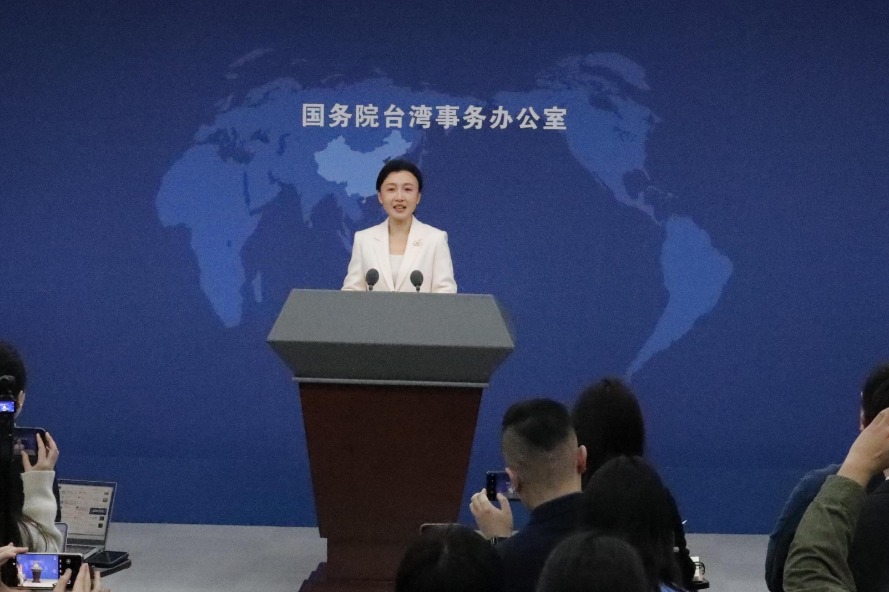
    Zhang Han, spokeswoman for the State Council Taiwan Affairs Office, addressed the media during a regular press conference on Wednesday, emphasizing that all Chinese citizens—including those from Taiwan—would receive comprehensive protection measures. The statement came in response to recent military operations conducted by the United States and Israel against Iran.

    ‘Taiwan compatriots are Chinese citizens and our own flesh and blood,’ Zhang declared. ‘Regardless of their location or circumstances, the great motherland will always serve as their steadfast support system.’

    The spokesperson outlined practical assistance measures, noting that Taiwanese nationals requiring evacuation support could contact Chinese diplomatic missions abroad or utilize the 12308 consular protection hotline. This offer follows official advisories from China’s Ministry of Foreign Affairs urging all citizens—explicitly including Taiwan compatriots—to evacuate conflict zones promptly.

    However, the DPP administration reportedly cautioned Taiwan residents against accepting mainland evacuation assistance, characterizing such cooperation as ‘risky.’ Zhang condemned this position as demonstrating ‘coldness and selfishness’ that prioritizes political agendas over human safety.

    ‘At this crucial juncture concerning the welfare of Taiwan compatriots, the DPP authorities persist in political manipulation, fully exposing their lack of conscience and humanity,’ Zhang stated. ‘Their greatest fear remains the natural kinship between strait residents becoming evident during adversity.’

    Addressing broader cross-strait relations, the spokeswoman reiterated China’s consistent position regarding Taiwan’s status as an internal matter. She emphasized that resolution timing and methods remain exclusively within China’s sovereign rights, warning against external interference or ‘Taiwan independence’ provocations.

    ‘Should separatist forces dare to cross established red lines through reckless actions,’ Zhang affirmed, ‘we will implement resolute measures and deliver firm counterstrikes.’

  • Zhengding Folk Art Performance draws 30 troupes for Lantern Festival

    Zhengding Folk Art Performance draws 30 troupes for Lantern Festival

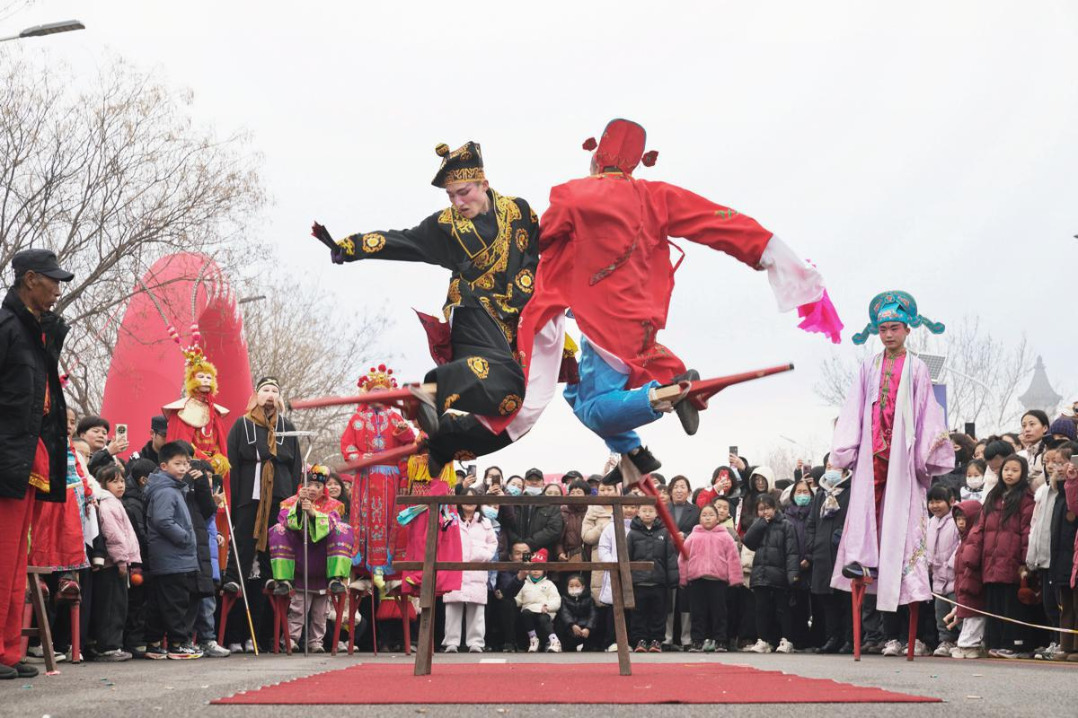
    The historic city of Zhengding in Hebei province transformed into a vibrant cultural stage on Tuesday as the 17th annual Zhengding Folk Art Performance commenced, marking Lantern Festival celebrations with extraordinary fanfare. More than thirty specialized folk art troupes from across the region converged on Shijiazhuang’s ancient county, creating an immersive tapestry of traditional Chinese performing arts.

    This year’s spectacular event formed an integral component of the expansive “Celebrate the New Year in Ancient Zhengding” initiative, designed to showcase and preserve the region’s rich intangible cultural heritage. The festival grounds buzzed with energy as performers adorned in elaborate traditional costumes demonstrated a diverse array of folk art forms that have been passed down through generations.

    Among the standout performances was the nationally recognized intangible cultural heritage practice of Changshan war drums, whose thunderous rhythms echoed through the ancient streets. The program further featured mesmerizing dragon and lion dances that snaked through captivated crowds, alongside the cheerful and rhythmic movements of yangge folk dancing that had spectators clapping along.

    The convergence of these dynamic artistic expressions served to animate Zhengding’s profound cultural legacy, creating a bridge between historical tradition and contemporary celebration. Both local residents and visiting tourists found themselves enthralled by the colorful pageantry and skilled demonstrations that transformed the ancient city into a living museum of Chinese folk art traditions during this important cultural festival.

  • China advances in quantum technology, sets global records with new innovations: national political adviser

    China advances in quantum technology, sets global records with new innovations: national political adviser

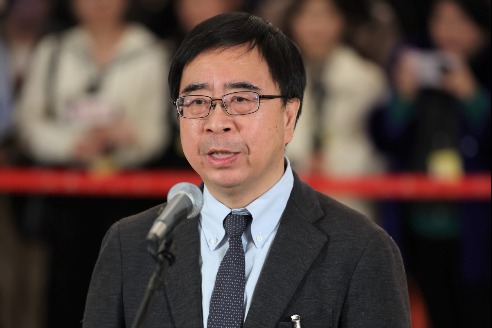
    China has solidified its global leadership in quantum technology through groundbreaking achievements that redefine technological boundaries, according to Pan Jianwei, a prominent national political adviser and quantum physicist. Speaking ahead of the 14th CPPCC National Committee session, Pan revealed how China has transformed technological constraints into strategic advantages during the 14th Five-Year Plan period (2021-25).

    The nation has maintained unparalleled dominance in quantum communication while securing first-tier global positioning in quantum computing capabilities. Most remarkably, China has achieved international prominence across multiple domains of quantum precision measurement through revolutionary innovations.

    Among the most significant breakthroughs is the Jinan-1 micro-nano satellite, described by Pan as a ‘cosmic messenger.’ This compact, cost-effective satellite has enabled quantum-secured communication spanning over 10,000 kilometers between China and South Africa—setting an unprecedented global record for secure quantum transmission distance.

    Concurrently, Chinese scientists have developed the strontium atomic optical lattice clock with unimaginable precision, operating with less than one second of error across 30 billion years. This redefinition of temporal measurement provides ‘Chinese time’ to the world while ensuring strategic security and economic operational independence.

    Perhaps most impressively, China overcame comprehensive international embargoes on dilution refrigerators—critical components for quantum computing—by independently developing large-capacity systems meeting rigorous global standards. These domestically produced refrigerators now support the advanced processors powering the Zuchongzhi quantum computer, demonstrating China’s remarkable capacity to mobilize national resources and convert technological bottlenecks into growth opportunities.

    Pan emphasized the emergence of a younger, more interdisciplinary research team capable of both frontier exploration and engineering breakthroughs. Looking toward the 15th Five-Year Plan period (2026-30), China plans to intensify original innovation, accelerate industry-academia-research integration, and transform scientific achievements into practical applications. Quantum technology is poised to become a fundamental driver of new-quality productive forces, ultimately empowering high-quality economic and social development nationwide.

  • Who is Mojtaba Khamenei, possible successor to his father as Iran’s supreme leader?

    Who is Mojtaba Khamenei, possible successor to his father as Iran’s supreme leader?

    Iran faces a pivotal leadership transition following the death of Supreme Leader Ali Khamenei, with intense speculation surrounding potential successors. The Assembly of Experts has reportedly convened under extraordinary circumstances—amid ongoing US-Israeli attacks on government buildings—to determine the nation’s next ruler.

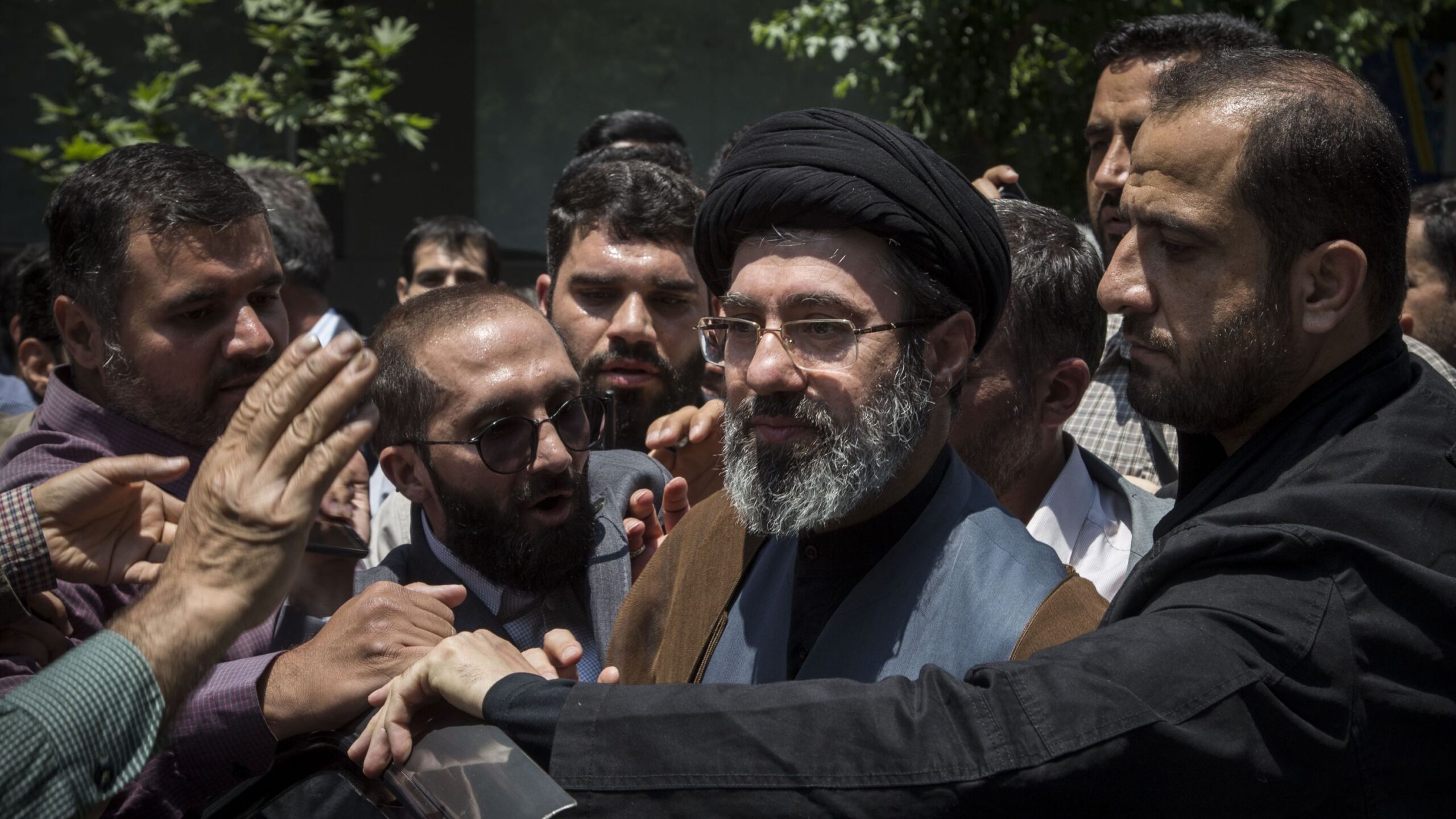
    Mojtaba Khamenei, the 56-year-old son of the late leader, has emerged as a prominent candidate. Widely perceived as a hardline figure within Iranian politics, opposition media outlet Iran International claims he is being championed for the position by the Islamic Revolutionary Guard Corps (IRGC). His potential appointment during sustained foreign attacks could be interpreted as a defiant response to both his father’s killing and international pressure for compromise.

    Born in Mashhad in 1969 during the Shah’s regime, Mojtaba came of age during the devastating Iran-Iraq war that claimed nearly one million Iranian lives. His service with the IRGC during the conflict’s final years proved formative, particularly within the Habib Ibn Mazahir Battalion where he established connections with future intelligence leaders including Hossein Taeb, who would later head the IRGC’s Intelligence Organisation.

    Despite maintaining a public profile as a theology teacher in Qom and avoiding official government positions, Mojtaba allegedly wielded significant behind-the-scenes influence. During Mahmoud Ahmadinejad’s presidency, he was accused of orchestrating the disputed 2009 election results and subsequent crackdowns on protesters. At the time, an Iranian politician told The Guardian that “Mojtaba is the commander of this coup d’état,” noting widespread anger among conservative clerics and political establishments over his covert influence.

    Further controversy surrounds Mojtaba’s substantial international wealth. A Bloomberg investigation revealed he owns luxury UK properties valued over $138 million through shell companies, including multiple residences on London’s exclusive ‘Billionaire’s Row,’ alongside investments in Tehran, Dubai, and Frankfurt.

    His potential succession faces multiple objections: as the previous leader’s son, many view appointment as contradicting republican principles in a system that overthrew monarchy; his lack of public office experience presents another complication; and a Tehran Times article from January 2025 cited Ali Khamenei himself as “resolutely opposed” to hereditary succession, characterizing Western narratives of dynastic transition as attempts to discredit Iran’s institutions.

    With Iran’s political environment increasingly volatile, predicting long-term leadership remains exceptionally uncertain.

  • Adrian Cheng: HK needs to build platforms for international and local talent exchange

    Adrian Cheng: HK needs to build platforms for international and local talent exchange

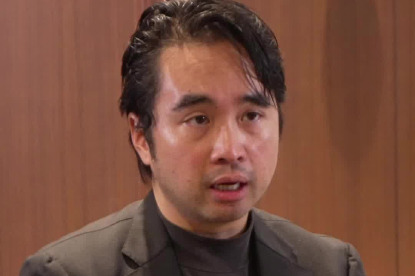
    Adrian Cheng Chi-kong, a prominent member of the 14th National Committee of the Chinese People’s Political Consultative Conference (CPPCC), has called for the establishment of specialized platforms to facilitate knowledge exchange and collaboration between international professionals and local talent in Hong Kong. In an exclusive interview with China Daily, Cheng emphasized that this strategic initiative aligns perfectly with the commencement of China’s 15th Five-Year Plan period, which is anticipated to attract substantial innovative industry talent to the special administrative region.

    The business leader and philanthropist articulated that these proposed platforms would serve as crucial hubs for cross-pollination of ideas, mutual learning, and professional integration across diverse sectors. Cheng further highlighted Hong Kong’s unique position as a global intermediary, suggesting the city should intensify its efforts as a cultural superconnector to introduce authentic Chinese culture to international audiences.

    This dual approach of talent integration and cultural diplomacy, Cheng believes, would significantly enhance global understanding of China’s development and values while strengthening Hong Kong’s competitive edge as an international hub. The proposal comes at a pivotal moment as Hong Kong continues to reinvent its role within China’s national development strategy while maintaining its distinctive global character.

  • Why Yemen’s Houthis are hesitating to join Iran war, for now

    Why Yemen’s Houthis are hesitating to join Iran war, for now

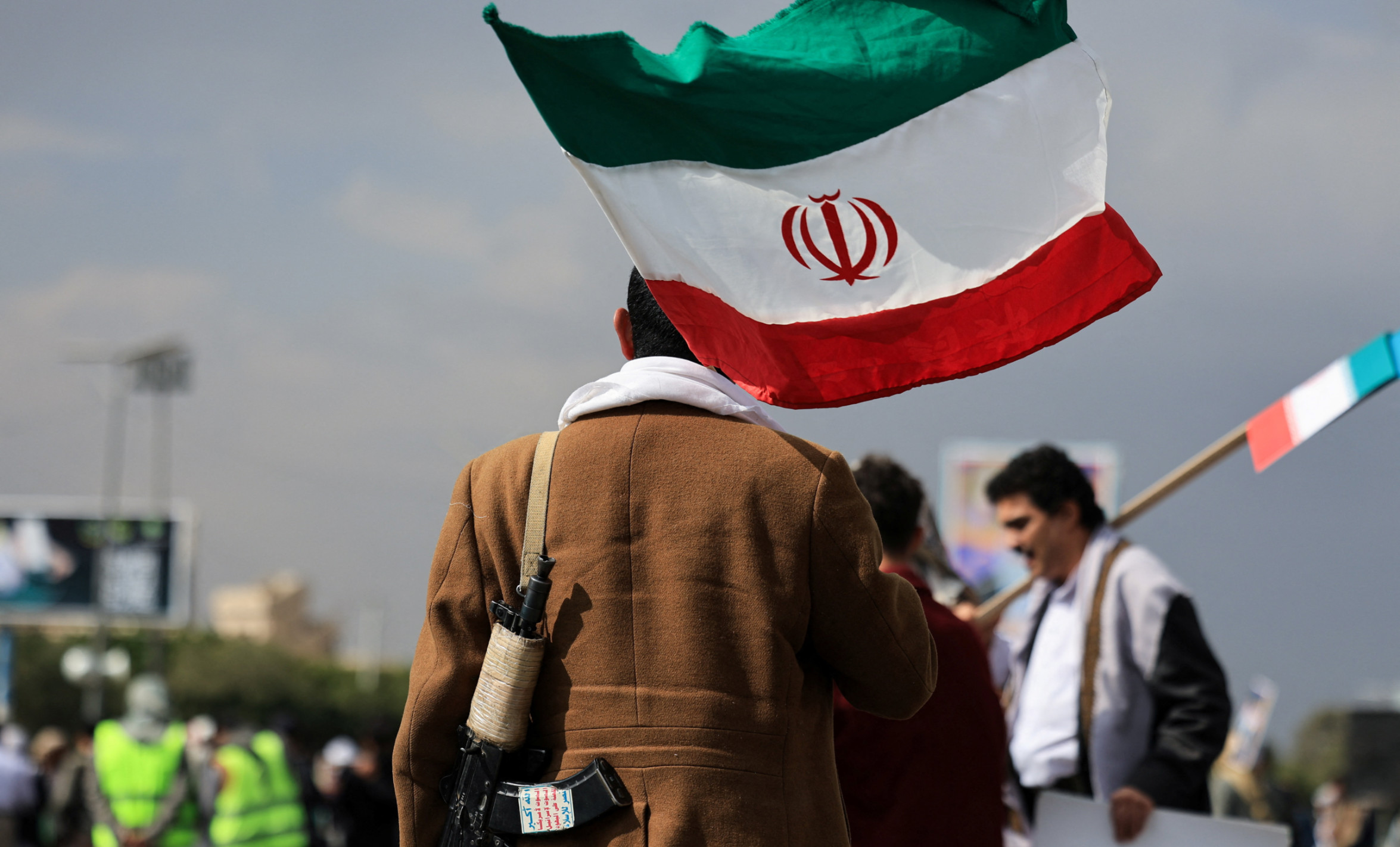
    Yemen’s Houthi movement faces critical strategic decisions as regional tensions escalate between Iran and the U.S.-Israel alliance, with analysts suggesting their eventual intervention remains probable but carefully calibrated. According to regional experts, the Iran-aligned group is conducting thorough assessments of geopolitical developments before committing to military action.

    Fatehi bin Lazreq, editor of Aden al-Ghad newspaper, indicates the Houthis are evaluating the severity of threats facing Tehran. “If they determine that the threat to the Iranian regime is existential, they will decide to fully engage in the war,” Lazreq told Middle East Eye. This cautious approach contrasts with the group’s immediate mobilization during the 2023 Gaza conflict, when they rapidly initiated attacks on Red Sea shipping lanes.

    The movement’s leadership has demonstrated uncharacteristic restraint in recent communications. Abdul Malik al-Houthi’s post-strike address avoided explicit military commitments despite expressing solidarity with Tehran, while his subsequent speech following Supreme Leader Ali Khamenei’s assassination offered condolences without promising armed retaliation.

    Internal divisions appear to be influencing the group’s response strategy. Yemeni political analyst Saleh al-Baydani identifies “sharp” disagreements between hardliners advocating immediate military involvement and factions urging restraint. Conflicting statements regarding Red Sea operations—first promising resumed attacks then quickly denying them—suggest significant internal debate about appropriate escalation levels.

    The Houthis recognize their strategic dependency on Iranian support. As Lazreq notes, “The Houthis believe that if the Iranian regime falls, they would become exposed, as the supply of drones and missiles—a key element of their strength in recent years—would cease.” This arms pipeline has substantially enhanced their capabilities against domestic rivals and international adversaries.

    Military calculations also factor heavily in their deliberation. Research fellow Farea al-Muslimi of Chatham House indicates the group remains conscious of recent losses, including the August 2023 Israeli strike that eliminated the Houthi-run administration’s prime minister and multiple ministers. Additional strikes damaged critical infrastructure including Hodeidah port, oil facilities, and power stations.

    Despite these concerns, analysts acknowledge the Houthis’ history of defying expectations. Having operated in conflict environments for over two decades, the group has consistently used warfare to maintain internal mobilization and delay political settlements. Their eventual intervention would likely follow either direct military provocation or initiatives from Iranian or Hezbollah leadership.

    The movement’s approach represents what Muslimi describes as “calculated escalation,” with any potential action framed as self-defense rather than outright solidarity with Tehran. This positioning allows them to balance domestic Yemeni interests with international alliance obligations while minimizing exposure to retaliatory strikes.

  • Khamenei’s killing is neocolonialism’s final gambit

    Khamenei’s killing is neocolonialism’s final gambit

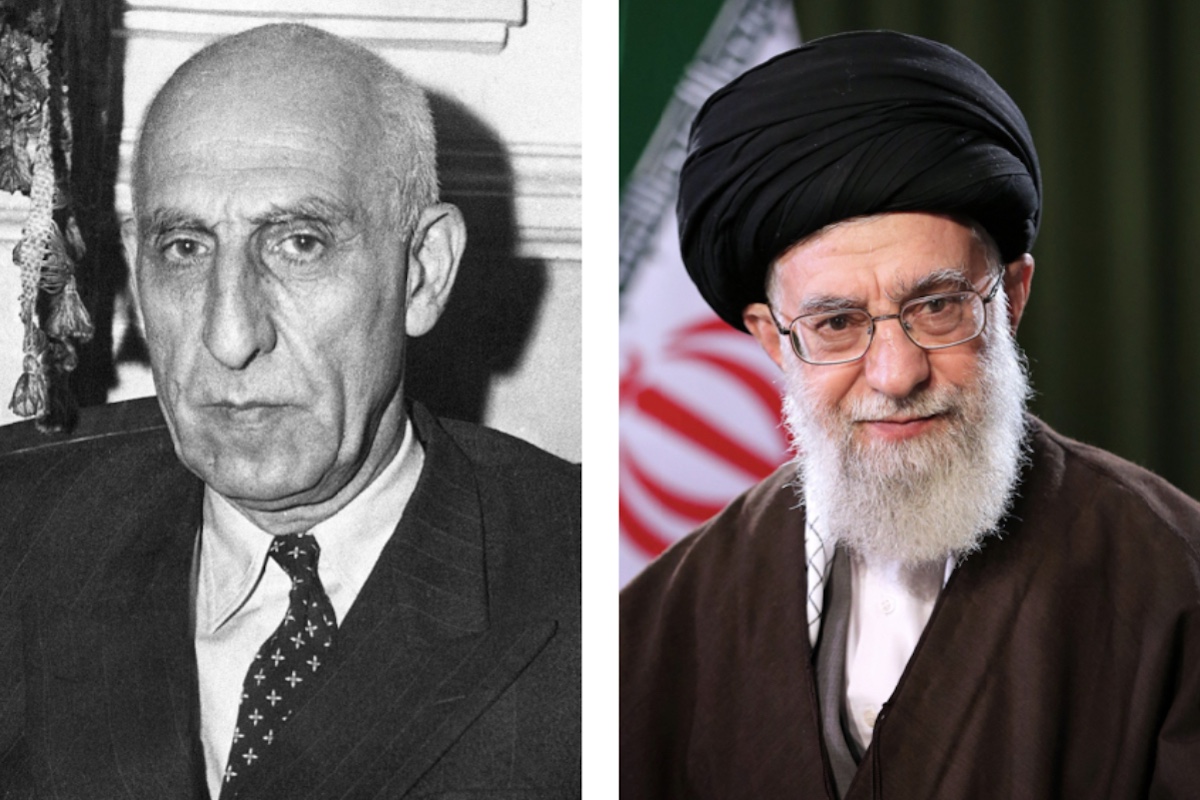
    The recent targeted killing of Iran’s spiritual leader Ayatollah Ali Khamenei by US-Israeli forces represents a dramatic escalation in international relations that may inadvertently accelerate the collapse of the petrodollar system—the foundational mechanism of American economic dominance since the 1970s. This event eerily echoes the 1953 Anglo-American coup that overthrew Iran’s first democratically elected Prime Minister Mohammad Mossadegh, establishing a pattern of foreign intervention primarily motivated by control over energy resources.

    The petrodollar system emerged from a 1974 agreement with Saudi Arabia that mandated oil transactions exclusively in US dollars, creating perpetual global demand for American currency and effectively forcing nations to subsidize US economic supremacy. This arrangement exemplifies what Ghanaian President Kwame Nkrumah termed ‘neocolonialism’—where nations maintain the appearance of sovereignty while being economically directed from external powers.

    Iran has consistently challenged this dollar-dominated architecture, trading oil in euros, yuan, and rupees while encouraging partners to abandon dollar transactions. The assassination has unified broad sections of the Muslim world in indignation and revealed the moral bankruptcy of the international order, with European leaders offering only tepid calls for restraint while remaining dependent on the petrodollar system.

    The official justification centered on Iran’s nuclear program collapses under scrutiny, as multiple intelligence assessments confirm Iran suspended organized weapons development in 2003. The real threat appears to be Iran’s progress toward energy independence through peaceful nuclear technology, which would allow greater oil exports in alternative currencies.

    As China trades oil in yuan, Russia abandons dollar transactions, and BRICS nations develop alternatives, the petrodollar system faces existential challenges. Saudi Arabia now accepts renminbi for oil sales to China, while India and Iran have operationalized rupee-rial payment mechanisms. Each non-dollar transaction builds infrastructure for a post-dollar world.

    The assassination, occurring during active diplomatic negotiations, demonstrates that US commitment to diplomacy remains contingent on dictating terms. This overreach has exposed American desperation rather than strength, potentially hastening the very neocolonial order’s collapse it intended to preserve. The question remains what system will emerge from the petrodollar’s ruins and whether Global South nations can ensure genuine sovereignty rather than simply substituting one master for another.