标签: Asia

亚洲

  • KT must-reads: A community garden we can feel good about

    KT must-reads: A community garden we can feel good about

    In an era dominated by negative news cycles and attention-seeking media tactics, a heartwarming initiative in the United Arab Emirates demonstrates the power of community-focused storytelling. Emirati national Mohammed Al Hashemi has transformed his personal home farm into a thriving community garden that serves as both food source and educational hub for his neighborhood.

    Beginning his project in 2000, Al Hashemi gradually converted his property into an organic agricultural haven that now provides fresh vegetables, herbs, and essential produce to neighbors and those in need. The garden operates as an open pantry where community members, including domestic helpers, can freely harvest fresh cilantro, basil, peppers, parsley, and other crops.

    What makes this initiative particularly noteworthy is its sustainable approach. Al Hashemi deliberately avoids chemical fertilizers, relying instead on manure and occasional fish-based organic supplements to maintain soil health. His methods have proven so successful that he now conducts gardening workshops and shares his expertise through social media channels, reaching thousands of interested learners.

    The project gained significant attention after being featured in Khaleej Times, with journalist Ruqayya Al Qaydi documenting both the operational details and visual evidence of the garden’s bounty. The positive response to this story highlights audience appreciation for constructive, community-oriented journalism that focuses on solutions rather than problems.

    This initiative represents a growing trend in media organizations prioritizing meaningful content that reflects the authentic experiences of UAE residents—both Emiratis and expatriates. Rather than employing fear-based or anger-driven tactics to capture audience attention, this approach demonstrates how media can highlight inspirational stories that strengthen community bonds and promote sustainable living practices.

  • China Coast Guard rescues 13 Filipino sailors in the South China Sea

    China Coast Guard rescues 13 Filipino sailors in the South China Sea

    In a demonstration of maritime cooperation, China Coast Guard personnel conducted a successful rescue operation early Friday morning, saving all 13 Filipino crew members from a capsized cargo vessel in the South China Sea waters.

    The emergency response was initiated following distress signals received from the Philippine-flagged commercial ship that encountered severe weather conditions approximately 120 nautical miles from the nearest coastline. Chinese maritime authorities immediately deployed rescue vessels and aircraft to coordinate the complex operation amid challenging sea states.

    According to official statements released by China’s maritime safety administration, the rescue team reached the incident location within three hours of receiving the initial alert. Using advanced search-and-rescue equipment and employing specialized maritime rescue protocols, all 13 sailors were safely extracted from the water without serious injuries reported.

    Medical personnel provided immediate first aid and thorough health assessments aboard the rescue vessels before transferring the Filipino mariners to proper medical facilities on Hainan Island for further observation. Philippine diplomatic representatives have been notified and are coordinating with Chinese authorities regarding the repatriation process.

    This incident marks another instance of regional maritime cooperation in emergency situations, highlighting the importance of international maritime safety protocols and joint rescue capabilities in strategically significant waterways. Both Chinese and Philippine authorities have expressed mutual appreciation for the professional execution of the rescue operation and the preservation of human life at sea.

  • Xi holds phone talks with Lula

    Xi holds phone talks with Lula

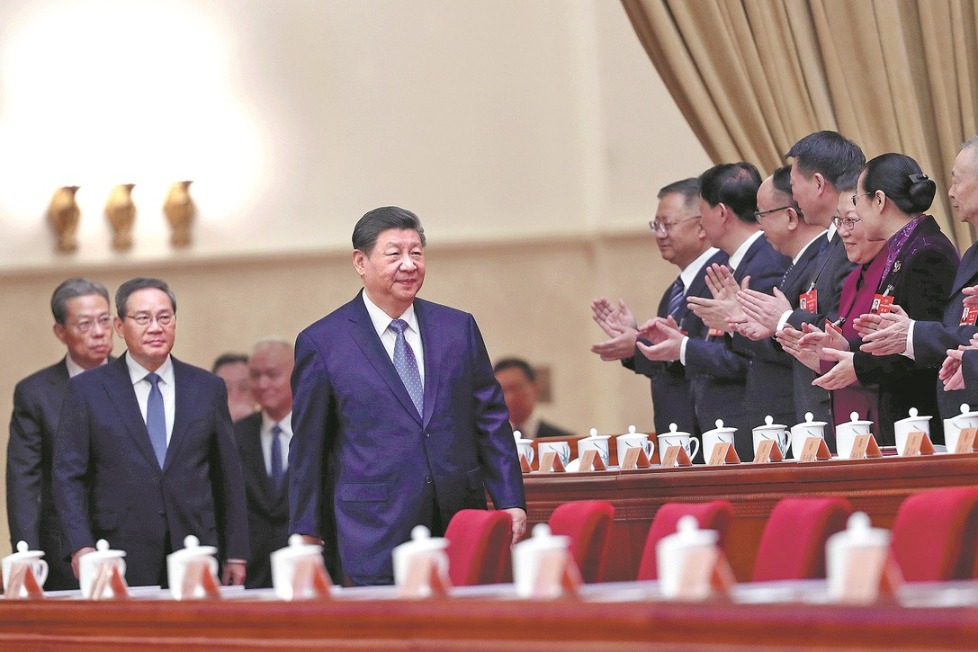
    In a significant diplomatic engagement, Chinese President Xi Jinping and Brazilian President Luiz Inácio Lula da Silva conducted comprehensive phone talks on Friday, reinforcing the strategic partnership between their nations. President Xi emphasized that China’s commitment to high-quality development through extensive opening-up policies would generate substantial cooperative opportunities for both countries.

    During their conversation, President Xi highlighted the crucial role China and Brazil play as constructive forces in maintaining global peace and enhancing international governance systems. He urged both nations to align with historical trends and strengthen their collaboration in safeguarding the collective interests of the Global South.

    The leaders affirmed their joint commitment to preserving the United Nations’ central role in global affairs and promoting international fairness and justice. This dialogue occurs amid growing South-South cooperation and increasing coordination between major emerging economies on the world stage. The discussion covered broad aspects of bilateral relations, with both leaders expressing satisfaction with the current trajectory of Sino-Brazilian cooperation across trade, investment, and strategic areas.

    The phone conversation represents the continuation of longstanding diplomatic exchanges between the two BRICS nations, underscoring their mutual dedication to multipolar world order and sustainable development principles.

  • Chinese mainland reaches 5.32m invention patents, trademarks close to 50m

    Chinese mainland reaches 5.32m invention patents, trademarks close to 50m

    China has solidified its position as a global innovation leader with intellectual property holdings reaching unprecedented levels by the end of 2025. According to the China National Intellectual Property Administration, the mainland now holds 5.32 million valid invention patents, representing one of the world’s largest portfolios of protected intellectual innovations.

    The administration’s year-end report revealed remarkable progress across multiple metrics. Throughout 2025, Chinese authorities granted 972,000 new invention patents while significantly streamlining application processing times to just 15 months. This efficiency improvement demonstrates China’s commitment to fostering an innovation-friendly regulatory environment.

    Per capita measurements further underscore the nation’s technological advancement. The average ownership of high-value invention patents reached 16 patents per 10,000 people, indicating widespread innovation activity across Chinese society.

    The trademark landscape similarly experienced explosive growth, with over 4.2 million trademarks registered in 2025 alone. The cumulative total of effectively registered trademarks approached the 50 million milestone, reaching 49.87 million by year’s end.

    China’s brand value achievement places the nation firmly among global leaders. With Chinese brands accounting for $1.81 trillion in value among the world’s top 5,000 brands, China now ranks second globally in brand valuation, reflecting the international market’s recognition of Chinese products and services.

    These developments occur amid China’s broader push toward technological self-reliance and innovation-driven growth, positioning intellectual property rights as a cornerstone of the nation’s economic strategy.

  • Chongqing railway attendants undergo training ahead of travel rush

    Chongqing railway attendants undergo training ahead of travel rush

    In preparation for the massive passenger influx expected during the 2026 Spring Festival travel period, railway attendants from the Chongqing Passenger Transport Section have commenced comprehensive professional training programs. These intensive sessions, organized by China Railway Chengdu Group, focus on elevating service standards through refined etiquette protocols and enhanced passenger interaction techniques.

    The training curriculum encompasses multiple dimensions of customer service excellence, including standardized communication procedures, emergency response protocols, and cultural sensitivity awareness. Participants engage in practical simulations replicating high-pressure scenarios commonly encountered during peak travel seasons, ensuring readiness for the anticipated surge in passenger volume.

    Visual documentation from the January 22nd training session reveals attendants practicing precise movement coordination, formal greeting ceremonies, and efficient baggage assistance techniques. The program emphasizes both technical proficiency and emotional intelligence development, recognizing that quality service during China’s largest annual human migration event requires exceptional interpersonal skills alongside operational expertise.

    Railway authorities indicate this preparatory initiative reflects China’s ongoing modernization of transportation services, particularly crucial for the Chongqing hub which serves as critical infrastructure connecting southwestern China. With Spring Festival travel representing both operational challenge and cultural tradition, these training measures aim to transform necessary transportation into comfortable travel experiences for millions of journeying citizens.

  • Pakistan mall fire death toll jumps to 67

    Pakistan mall fire death toll jumps to 67

    A devastating fire that erupted at Gul Plaza shopping center in Karachi has resulted in a catastrophic death toll of 67 confirmed fatalities, with rescue operations continuing amid the complex’s smoldering ruins. The inferno, which began on Saturday evening in Pakistan’s largest metropolitan center, required more than 24 hours of intensive firefighting efforts before being fully extinguished.

    The scale of destruction has significantly hampered rescue operations across the 6,500-square-meter commercial complex. Authorities report that 77 individuals remain officially missing according to family submissions, while the identification process proceeds painstakingly slowly with only 15 victims formally identified thus far. The deputy commissioner of police confirmed the fatality count was based on the recovery of 67 skulls, with many remains too fragmented for immediate recognition.

    Gul Plaza, housing approximately 1,200 retail establishments across multiple levels, was experiencing peak seasonal activity due to concurrent wedding celebrations and festival preparations. Witness accounts reveal that nearly all of the center’s 16 emergency exits were secured when the blaze initiated, with only three access points remaining operational during the evening incident. Shop proprietor Rehan Faisal described the rapid escalation, noting the entire complex became engulfed within ‘five to seven minutes’ as flames consumed the structure before horrified onlookers.

    While the specific ignition source remains under investigation, preliminary reports indicate that non-functional fire safety systems, excessive occupant density, and obstructed egress routes dramatically amplified the tragedy. The shopping center was preparing for nightly closure when the fire broke out, resulting in most security gates being already locked. Emergency response teams continue sifting through the debris as Pakistan mourns one of its worst commercial fire disasters in recent history.

  • China’s railway gears up for Spring Festival travel rush

    China’s railway gears up for Spring Festival travel rush

    China’s extensive railway network is making comprehensive preparations for the upcoming Spring Festival travel period, known as Chunyun, which represents the world’s largest annual human migration. The 2026 travel rush is scheduled to commence on February 2 and conclude on March 13, spanning a total of 40 days of intensified transportation activity.

    In anticipation of the massive passenger flow, railway maintenance crews across the country are implementing rigorous safety protocols. At the Taiyuan Electric Multiple Unit Depot in Shanxi province, mechanics conducted thorough inspections on EMU trains during the evening of January 22. These meticulous examinations ensure that all rolling stock meets the highest safety standards for the demanding travel period ahead.

    The Spring Festival tradition, deeply rooted in Chinese culture, sees hundreds of millions of citizens journeying to reunite with family members for Lunar New Year celebrations. This mass migration presents extraordinary logistical challenges for transportation authorities, who must coordinate additional services while maintaining regular operations.

    Railway authorities have developed sophisticated contingency plans to manage the anticipated surge in passenger numbers. These measures include deploying reserve trains, optimizing scheduling efficiency, and enhancing station management procedures. Technological advancements in ticketing systems and real-time monitoring will further support the smooth operation of transportation networks during this critical period.

    The preparation efforts extend beyond mechanical maintenance to encompass comprehensive staff training, emergency response drills, and coordinated planning with local authorities to ensure passenger safety and comfort throughout the travel rush.

  • South Korea imposes travel bans on 3 civilians over alleged drone flights into North Korea

    South Korea imposes travel bans on 3 civilians over alleged drone flights into North Korea

    South Korean authorities have implemented overseas travel restrictions on three civilians as part of an ongoing investigation into unauthorized drone operations over North Korean territory, escalating tensions between the neighboring nations. The joint military-police investigative unit announced the measures Friday amid North Korea’s threats of retaliation against alleged surveillance drone incursions in September and January.

    The primary individual under investigation, identified only by his surname Oh, reportedly admitted to South Korean media that he deployed drones to monitor radiation levels at a North Korean uranium facility. While the investigation team confirmed Oh’s inclusion among those banned from international travel, they declined to provide identifying details about the two other civilians under scrutiny, confirming only that one had been summoned for questioning within the past week.

    According to domestic media reports, the three individuals previously collaborated at a drone manufacturing company, with Oh and another suspect having served as contract employees within former conservative President Yoon Suk Yeol’s administration in 2022. The investigation team has not verified these employment connections.

    The escalating situation threatens diplomatic efforts by South Korea’s current liberal government to revive stalled negotiations with North Korea. President Lee Jae Myung, who assumed office in June following Yoon’s dismissal over controversial martial law impositions, has called for comprehensive investigation, warning that unnecessary tensions could adversely affect the national economy.

    Analysts suggest North Korea’s drone allegations may represent a strategic effort to intensify anti-South Korean sentiment ahead of an anticipated Workers’ Party congress in late January or February. This gathering, the first in five years, could potentially see leader Kim Jong Un formally declare a hostile “two-state” system on the Korean Peninsula.

    The Korean neighbors have maintained no public dialogue since 2019, with drone incursions representing a persistent source of conflict. North Korea previously accused South Korea of deploying propaganda-dropping drones over Pyongyang in October 2024, while South Korea has documented numerous North Korean drone crossings throughout the past decade. In December 2022, South Korea responded to alleged North Korean drone incursions with warning shots, fighter jet deployments, and surveillance drone flights over border areas.

  • Japan’s cabinet approves decision to dissolve lower house

    Japan’s cabinet approves decision to dissolve lower house

    In a landmark political maneuver, Japanese Prime Minister Sanae Takaichi’s cabinet has formally approved the dissolution of the country’s 465-seat House of Representatives. This decisive action, ratified on Friday, January 23, 2026, marks a significant departure from conventional parliamentary procedures.

    The dissolution, though constitutionally within the prime minister’s authority, represents the first instance in six decades where such action has been initiated at the commencement of a regular Diet session. This unconventional timing underscores the strategic nature of the political calculus behind the move.

    According to national broadcaster NHK, the formal disbandment of the lower house will occur later today during the opening of the ordinary Diet session, with lawmakers in attendance. Following this procedural milestone, the cabinet is scheduled to reconvene to establish the official timetable for the impending general election.

    Prime Minister Takaichi, who assumed office in October, had previously announced her intention to dissolve the lower chamber on Monday, citing February 8 as the projected date for the snap election. This strategic timing appears designed to leverage her administration’s currently robust approval ratings.

    The upcoming electoral contest will also serve as the inaugural political battlefield for candidates representing the newly established opposition coalition, the Centrist Reform Alliance. This political bloc emerged from an unprecedented alliance between the Constitutional Democratic Party of Japan and Komeito—the latter having previously maintained a 26-year coalition partnership with the ruling Liberal Democratic Party.

    This political development follows the previous House of Representatives election held in October 2024, setting the stage for a potentially transformative political realignment in Japanese politics.

  • Indian state investigates killings of hundreds of stray dogs

    Indian state investigates killings of hundreds of stray dogs

    A widespread and systematic culling of stray dogs across multiple villages in India’s southern state of Telangana has triggered criminal investigations and national debate about animal welfare practices. Police authorities have confirmed at least 354 canine deaths through poisoning or lethal injections since late December, resulting in nine arrests including village council officials.

    The killings, which occurred across six villages in three districts, appear connected to political promises made during recent local elections to remove stray animals. While villagers cite legitimate concerns about rabies, traffic accidents, and crop damage from stray animals, the scale and methods of these killings have drawn condemnation from animal rights groups and government officials alike.

    Telangana State Minister Danasari Anasuya Seethakka characterized the actions as ‘illegal and inhumane,’ vowing strict consequences for those responsible. The controversy emerges amid ongoing Supreme Court deliberations regarding India’s stray animal management, particularly in urban areas like Delhi where removal programs have faced legal challenges and public protests.

    Forensic analysis remains ongoing to determine exact causes of death, with activists alleging the actual death toll significantly exceeds official numbers. The incident highlights India’s complex relationship with stray animals—seen both as community companions and public nuisances—while exposing deficiencies in sterilization programs, waste management, and animal protection laws.

    Simultaneously, reports of similar treatment toward monkeys in Kamareddy district suggest broader patterns of unauthorized animal control measures, despite Telangana recording no rabies deaths among its 122,000 documented dog bite cases in 2024.