
The autumn hiking season in the Himalayas, once characterized by clear skies and breathtaking views of snow-draped peaks, is now increasingly marred by extreme weather events. Meteorologists report that the monsoon season, traditionally ending by mid-September, now extends into October, bringing with it dangerous conditions. Last weekend, a sudden blizzard stranded hundreds of tourists near the eastern face of Mount Everest at an altitude of over 4,900 meters. Despite a well-coordinated rescue effort that saved nearly 600 trekkers, one person succumbed to hypothermia and altitude sickness. Similar incidents occurred on the Nepal side, where a South Korean mountaineer died on Mera Peak. Communication lines were severely disrupted by torrential rains and heavy snowfall, delaying the dissemination of information. Landslides and flash floods in Nepal have claimed around 60 lives in the past week. Riten Jangbu Sherpa, a mountain guide, noted that such extreme weather is highly unusual for October, a month typically known for clear skies. Archana Shrestha, deputy director general at Nepal’s department of hydrology and meteorology, highlighted that the past decade has seen monsoons lasting until the second week of October, a significant shift from historical patterns. The interaction between the monsoon and westerly disturbances, which bring cold air from the Mediterranean, is exacerbating these conditions. Scientists warn that this trend is likely to continue, making flexible scheduling and experienced leadership crucial for safe Himalayan expeditions.
标签: Asia
亚洲
-
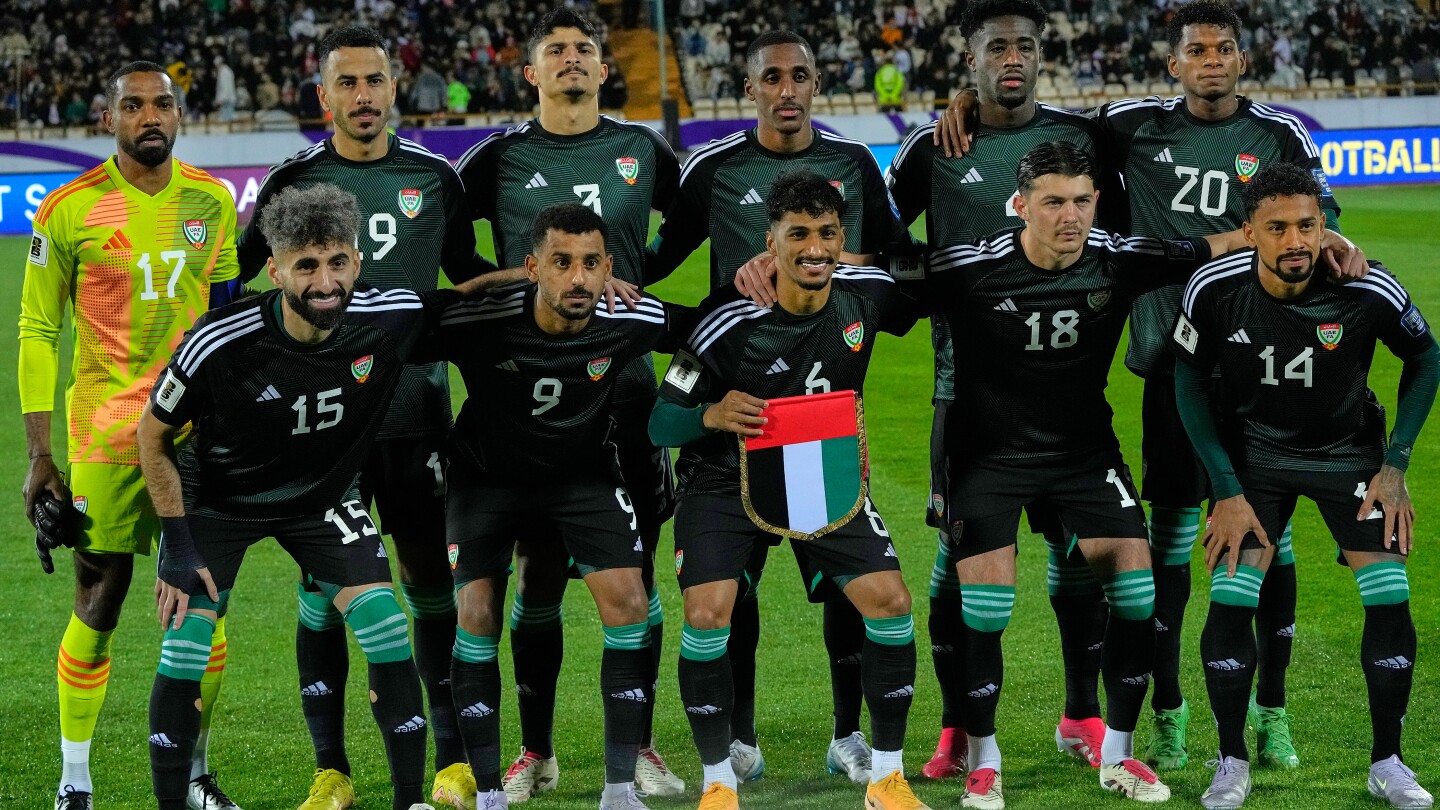
Victory puts UAE on brink of qualifying for first World Cup finals since 1990
In a thrilling encounter at the Jassim Bin Hamad Stadium in Doha, the United Arab Emirates (UAE) secured a crucial 2-1 victory against Oman in the fourth round of Asian qualifying for the 2026 FIFA World Cup. This win places the UAE in a favorable position to qualify for the World Cup for the first time since 1990, needing only a draw against host Qatar in their upcoming match on Tuesday. Oman, who had taken an early lead in the 12th minute through a deflected shot by Amjad Al Harthi, saw their hopes of automatic qualification dashed as the UAE staged a comeback. Marcus Meloni equalized in the 76th minute with a header from Ali Saleh’s cross, and Caio Lucas sealed the victory seven minutes later with a decisive goal that sent the 5,000 traveling UAE fans into jubilation. Despite the loss, Oman still has a chance to finish second in Group A and advance to the next qualifying round. In Group B, Iraq kept their World Cup dreams alive with a 1-0 victory over Indonesia, thanks to a 76th-minute goal by former Manchester United youth player Zidane Iqbal. Iraq must now defeat group leaders Saudi Arabia in Jeddah on Tuesday to secure their first World Cup appearance since 1986. Indonesia, on the other hand, has been eliminated from contention following two consecutive losses.
-

Oman authorities issue warning, advisory ahead of weather conditions
Authorities in Oman have issued a stern warning to residents as the nation braces for severe weather conditions expected to bring heavy rainfall and potential flash floods. The Meteorological Department of Oman has forecasted intense convective rain across several northern governorates, including Al Batinah North and South, Al Dhahirah, Al Dakhiliyah, and Al Buraimi, from 2 PM to 10 PM on Saturday, October 11, 2025. Rainfall is predicted to range between 20–60 mm, with the possibility of thunderstorms and strong winds reaching speeds of 15–35 knots (28–64 km/h).
The advisory, disseminated by Oman Police, urges residents to exercise extreme caution. Key recommendations include avoiding the crossing of wadi streams, maintaining safe driving distances, reducing vehicle speed, and using windshield wipers for clear visibility. The Civil Aviation Authority has also emphasized the importance of staying away from low-lying areas and valleys to mitigate the risk of flash floods.
In addition to the northern regions, light to moderate rain of 5–10 mm is expected in some coastal areas of Muscat, accompanied by active winds that may reduce horizontal visibility. The weather system is also anticipated to impact the northern parts of Al Sharqiyah North and South, as well as Al Wusta governorates, particularly around the Wilayat of Masirah, with rainfall amounts between 10–30 mm.
Residents are advised to stay updated on weather developments and adhere to safety guidelines to ensure their well-being during this period of adverse weather conditions.
-
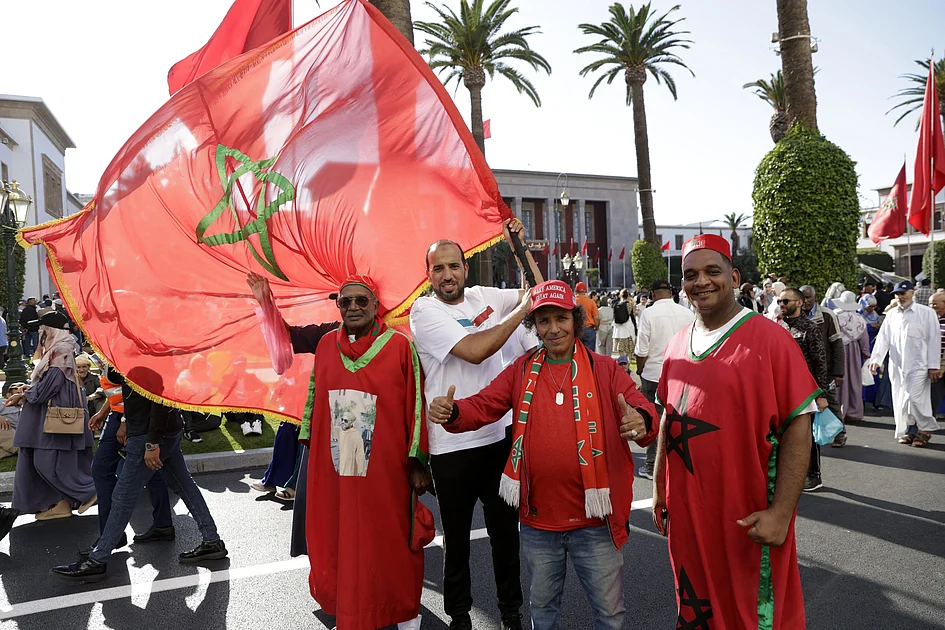
Morocco’s GenZ 212 says suspending protests temporarily
Morocco’s youth-led collective, GenZ 212, announced on Saturday a temporary suspension of its ongoing protests, which have spanned two weeks and demanded significant reforms in the nation’s health and education sectors. The group described the pause as a strategic move to enhance organizational coordination, ensuring that the next phase of their movement is more impactful and effective. In a statement, GenZ 212 reiterated its core demands, emphasizing the need for accountability for corruption and government responsibility for the deteriorating social and economic conditions. The collective, which has garnered a substantial online following with over 200,000 members on Discord, plans to announce a new mobilization effort later Saturday, targeting the government and those obstructing the aspirations of the Moroccan people. The protests were initially sparked by public outrage over the deaths of eight pregnant women during Caesarean sections at a public hospital in Agadir, highlighting systemic issues in the healthcare sector. GenZ 212 has directly appealed to King Mohammed VI for reforms. In a recent speech, the monarch urged the government to accelerate development in education and health, though he did not directly address the protests. He emphasized Morocco’s commitment to social and territorial justice, particularly in its poorest regions.
-
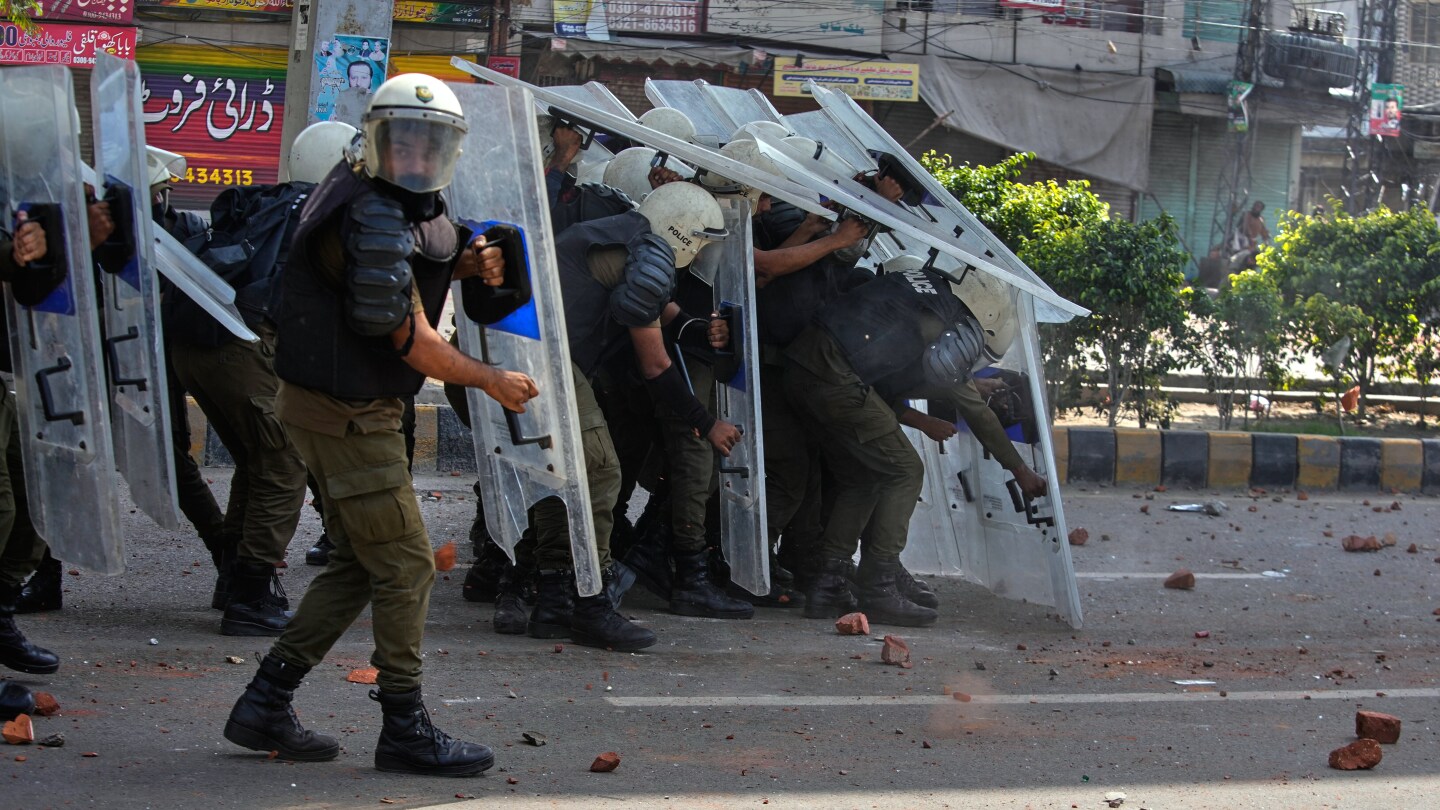
Arrests at pro-Palestinian protest after violence flares in Pakistan’s eastern city of Lahore
LAHORE, Pakistan — Pakistani authorities have arrested over 100 individuals following violent clashes in Lahore, as supporters of the radical Islamist party Tehreek-e-Labbaik Pakistan (TLP) attempted to march to Islamabad in solidarity with Palestinians. The TLP, known for its staunch defense of Pakistan’s blasphemy laws, organized the protest despite lacking official permission to demonstrate in the capital.
-
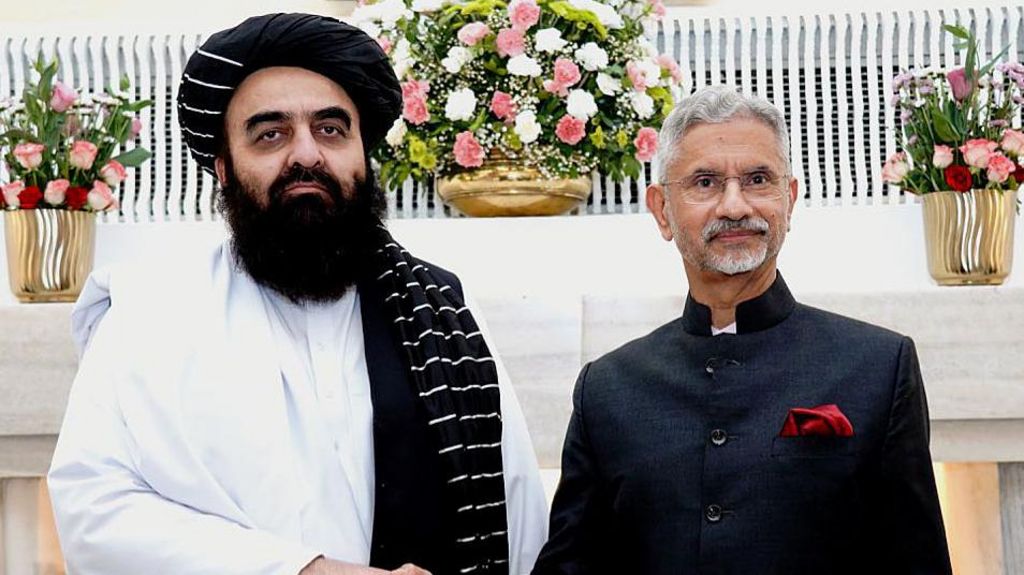
Anger after female journalists excluded from Afghan embassy event in India
The Indian government has come under fire from opposition leaders and public figures following the exclusion of female journalists from a press event with Afghan Taliban Foreign Minister Amir Khan Muttaqi in New Delhi. The incident occurred during a forum held at the Afghanistan embassy, where approximately 16 male reporters were selected to attend, while women and foreign media were reportedly turned away. The event has sparked widespread criticism, with opposition leader Rahul Gandhi accusing Prime Minister Narendra Modi of failing to stand up for Indian women. Gandhi stated, ‘By allowing this event to proceed, Modi is telling every woman in India that you are too weak to stand up for them.’
The Indian Ministry of External Affairs clarified that it ‘had no involvement in the press interaction’ at the Afghan embassy. Meanwhile, the Taliban government acknowledged that women had not been invited, citing ‘lack of proper coordination’ as the reason. A Taliban source indicated that female journalists would be invited to future conferences if held in Delhi. Muttaqi is currently in India for high-level talks, during which he met with Indian Foreign Minister S Jaishankar. Jaishankar announced that India would reopen its embassy in Kabul, which had been closed since the Taliban regained power in 2021.
Since the Taliban’s return to power, the regime has imposed numerous restrictions based on their interpretation of Islamic Sharia law, severely curtailing the rights of Afghan women and girls. The exclusion of female journalists from the press event has reignited debates about gender equality in India. Indian politician Priyanka Gandhi Vadra called on Modi to clarify his stance on the matter, questioning how ‘this insult to some of India’s most competent women’ was allowed in ‘a country whose women are its backbone and its pride.’ Others expressed outrage, with politician Mahua Moitra criticizing the male journalists who attended the event for not walking out in solidarity with their female colleagues. She labeled the government’s actions as ‘shameful’ and accused it of dishonoring Indian women.
-
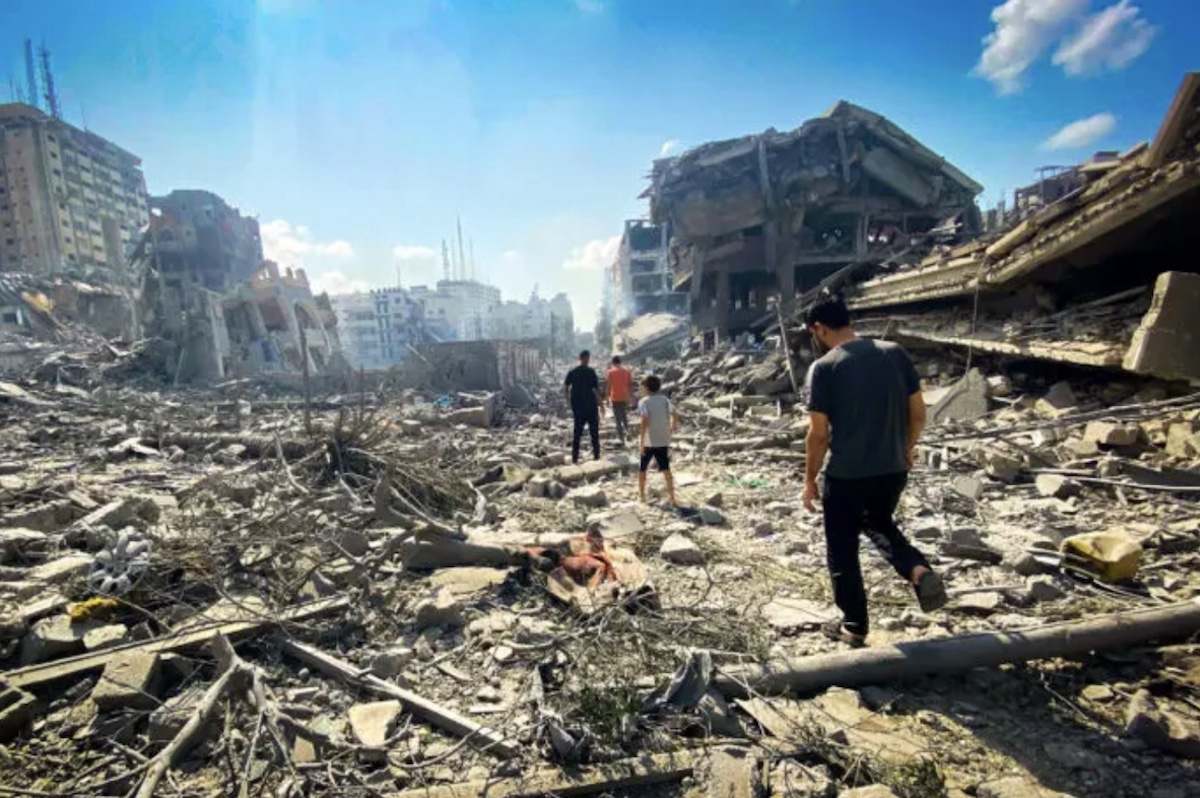
The first day after the Gaza war
The ceasefire agreement between Israel and Hamas, initiated on October 10, marks a pivotal moment in the quest for lasting peace and security in the region. Central to this first phase is the structured release of hostages and a prisoner exchange, underpinned by an unwavering military ceasefire and a phased withdrawal plan. Without these foundational measures, no other initiatives could have been effectively implemented, even temporarily. The cessation of military operations and the retreat of forces to a line granting Israel control over 53% of the Gaza Strip – the initial stage of President Donald Trump’s three-phase plan – will facilitate the delivery of large-scale humanitarian aid to Palestinian civilians. The release of Israeli hostages, both living and deceased, will commence, followed by Israel’s release of Palestinian prisoners, including those serving life sentences and detainees from Gaza. Trump’s peace plan, which integrates elements of previous efforts, aligns with Phase 1 of United Nations Security Council Resolution 2735, adopted on June 14, 2024. Phase 2 envisions a permanent end to hostilities in exchange for the release of all remaining hostages and a full withdrawal, while Phase 3 proposes a comprehensive, multi-year reconstruction plan. Despite potential disagreements over specifics, Trump’s 20 principles have garnered widespread support from regional and global stakeholders. The agreement mandates strict adherence to the ceasefire on land, sea, and air, with both Israel and Hamas refraining from military actions immediately upon signing. To support the process, Israel has initiated operational preparations, and the US is deploying up to 200 troops to establish a civil-military coordination center in Israel, potentially including forces from Egypt, Qatar, and Turkey. Once the ceasefire is secured and the hostage and prisoner exchange completed, the establishment of a temporary International Stabilization Force and international civil administrators is intended, though consensus is yet to be reached. Historical precedents, such as the UN Emergency Force (UNEF 1) and the UN Transitional Administration in Cambodia (UNTAC), offer valuable lessons for monitoring and stabilizing the region. The proposed ceasefire observation force in Gaza would focus on maintaining the ceasefire, ensuring compliance, and operating in accordance with local laws without obstructing civil or humanitarian efforts. While challenges remain, including the disarmament of Hamas and the absence of a long-term political solution, Trump’s peace plan represents a critical opportunity to improve the lives of Palestinians in Gaza and prevent further chaos.
-
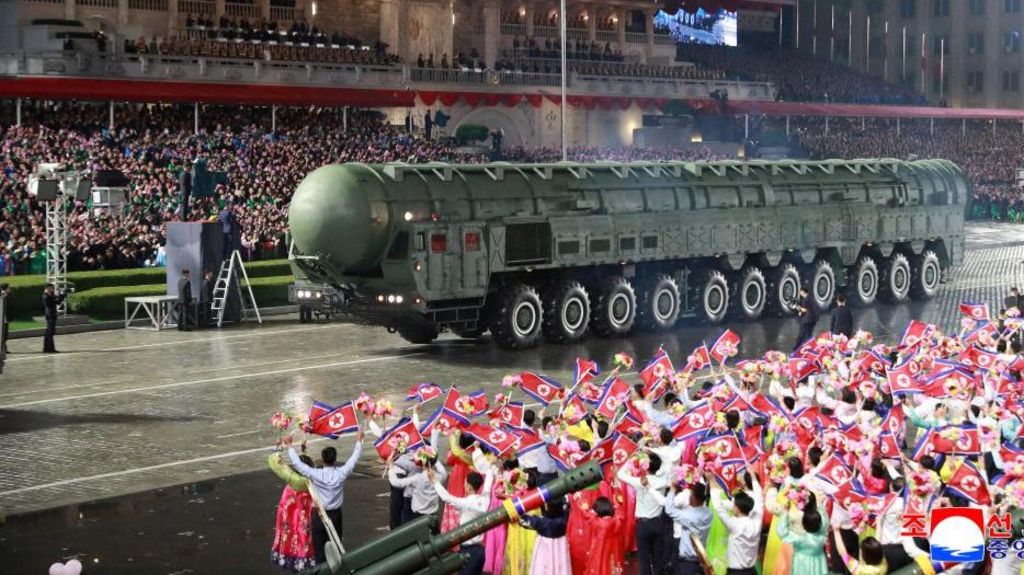
Watch: North Korea shows off huge missile at military parade
In a striking display of military might, North Korea showcased its colossal Hwasong-20 missile during a recent military parade. The event, which took place in Pyongyang, highlighted the regime’s continued focus on advancing its strategic weapons capabilities. The Hwasong-20, with its imposing size, is believed to possess the capacity to carry multiple nuclear warheads, signaling a significant escalation in North Korea’s nuclear ambitions. Analysts suggest that this development could have profound implications for regional security and international relations, particularly in the context of ongoing tensions with the United States and its allies. The parade, attended by high-ranking officials and military personnel, underscored North Korea’s commitment to bolstering its defense systems despite widespread economic sanctions and diplomatic pressures. The unveiling of the Hwasong-20 serves as a stark reminder of the challenges posed by North Korea’s persistent pursuit of advanced military technology.
-
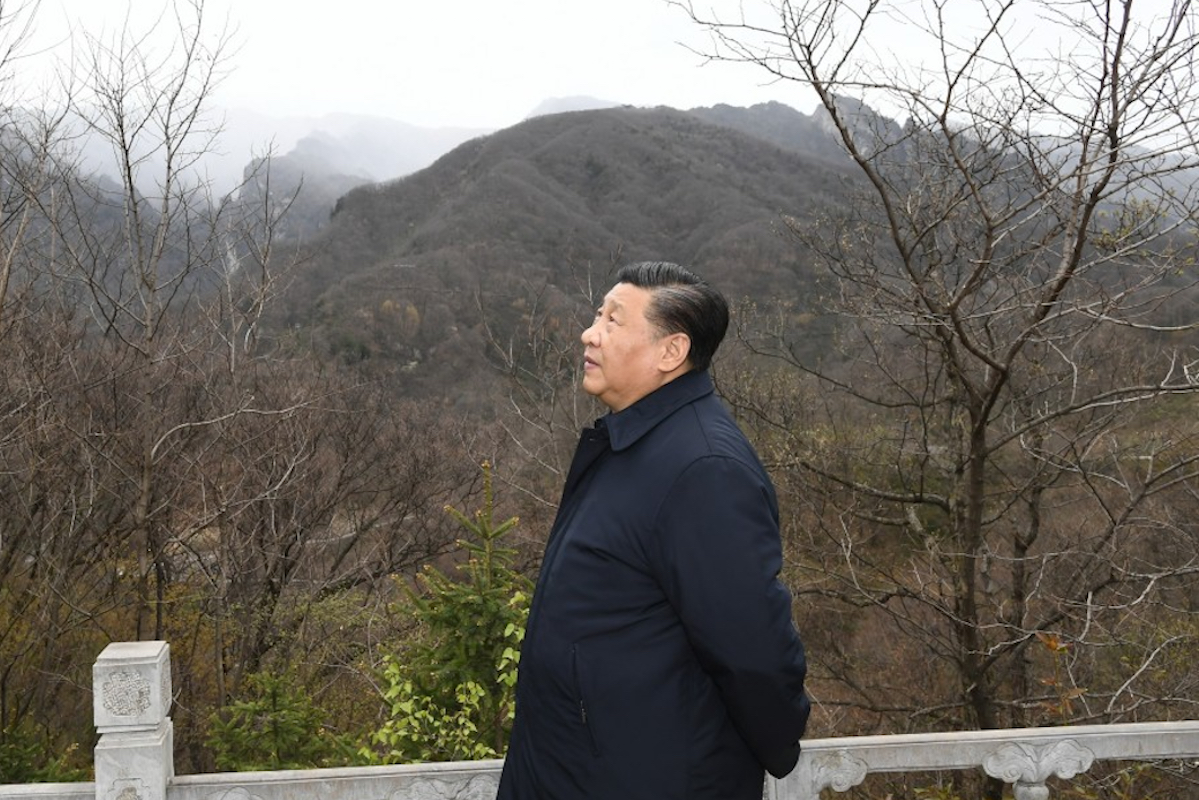
Can anything knock China off its mountain?
The geopolitical landscape has undergone significant shifts in recent years, with the once-anticipated battle for global hegemony between the United States and China now appearing less likely. This change is largely attributed to America’s own strategic missteps, particularly under the Trump administration, which has alienated key allies essential for countering China’s growing influence. Tariffs imposed by the U.S. have further weakened its already struggling manufacturing sector, leaving the nation isolated against a China that is four times its size. Meanwhile, China has continued to assert its dominance in trade negotiations, effectively positioning itself as the world’s preeminent power by default. This has led to speculation that the 21st century may indeed become the ‘Chinese century,’ though it will likely differ from the ‘American century’ in how China wields its power and influence. However, history reminds us that rising powers often squander their potential, as seen with Germany, Japan, and Russia in the 20th century. While China’s demographic challenges and macroeconomic issues pose significant threats, its sheer size and strategic investments in technology and manufacturing suggest that it may still maintain its dominance for decades to come. Internal dissent and potential political instability remain the most plausible threats to China’s rise, but if these are managed effectively, the world may continue to witness the unfolding of the ‘Chinese century.’
-
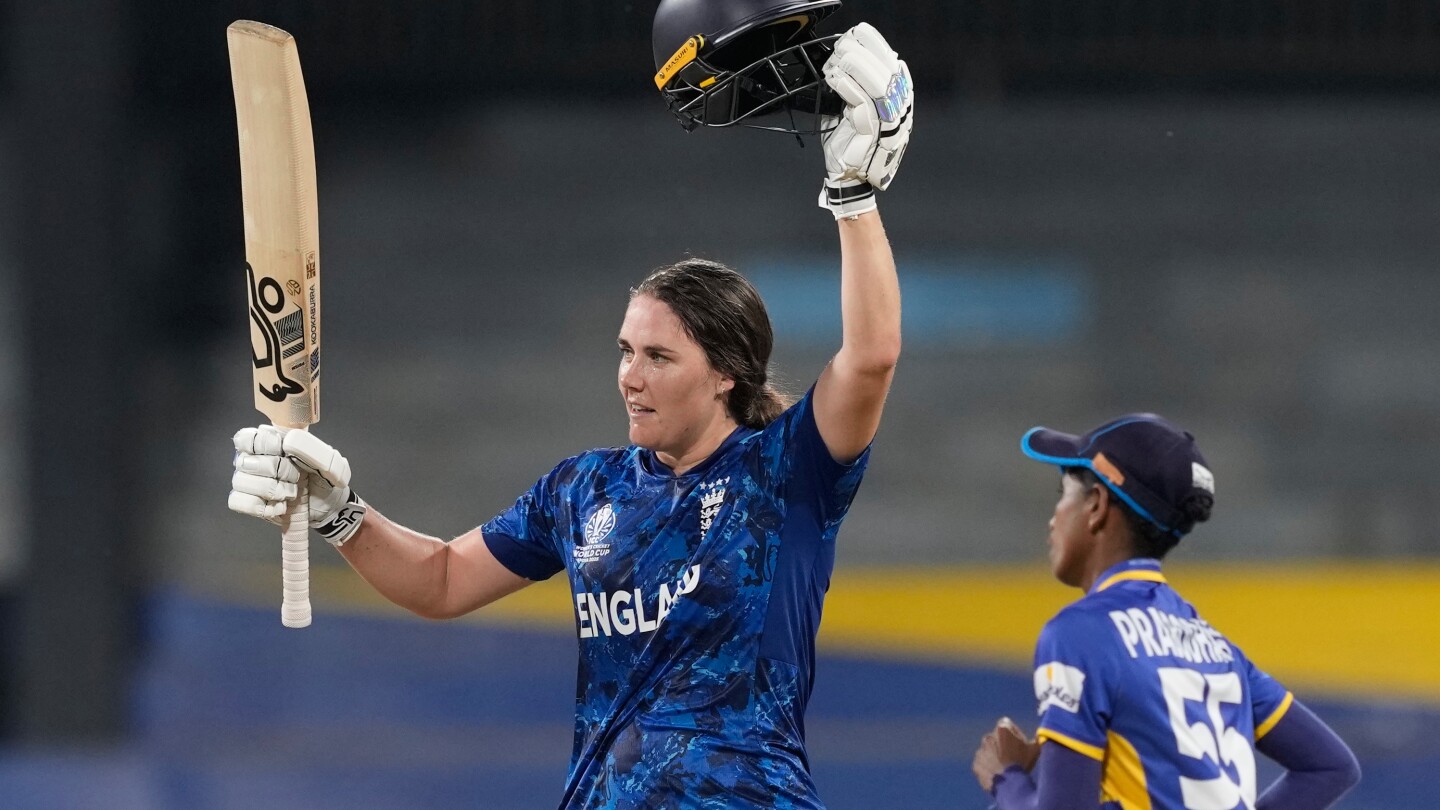
Sciver-Brunt hits 117 as England reaches 253-9 vs. Sri Lanka at Women’s Cricket World Cup
In a thrilling Women’s Cricket World Cup match held in Colombo, Sri Lanka, England’s captain Nat Sciver-Brunt delivered a masterclass performance, scoring a magnificent century to guide her team to a competitive total of 253-9 in 50 overs. Despite losing the toss and being sent in to bat by Sri Lanka, England showcased resilience and skill, largely due to Sciver-Brunt’s exceptional innings. Her 117 runs off 117 balls marked her 10th century in one-day internationals, solidifying her status as one of the game’s elite players. England’s innings began steadily, but early dismissals of Amy Jones (11) and Tammy Beaumont (32) put pressure on the middle order. However, Sciver-Brunt formed crucial partnerships, including a 60-run stand with Heather Knight and a 40-run collaboration with Sophia Dunkley. Despite a mid-innings collapse triggered by Sri Lanka’s Inoka Ranaweera, who took 3-33, Sciver-Brunt’s composure and aggressive strokeplay, including a six to reach her century, ensured England posted a defendable total. Sri Lanka’s bowlers, including Udeshika Prabodhani and Sugandika Kumari, claimed two wickets each but couldn’t contain the English captain’s dominance. With this victory, England strengthened its position in the tournament standings, holding four points from wins over South Africa and Bangladesh. Sri Lanka, meanwhile, languishes near the bottom after a loss to India and a rain-abandoned match against Australia.