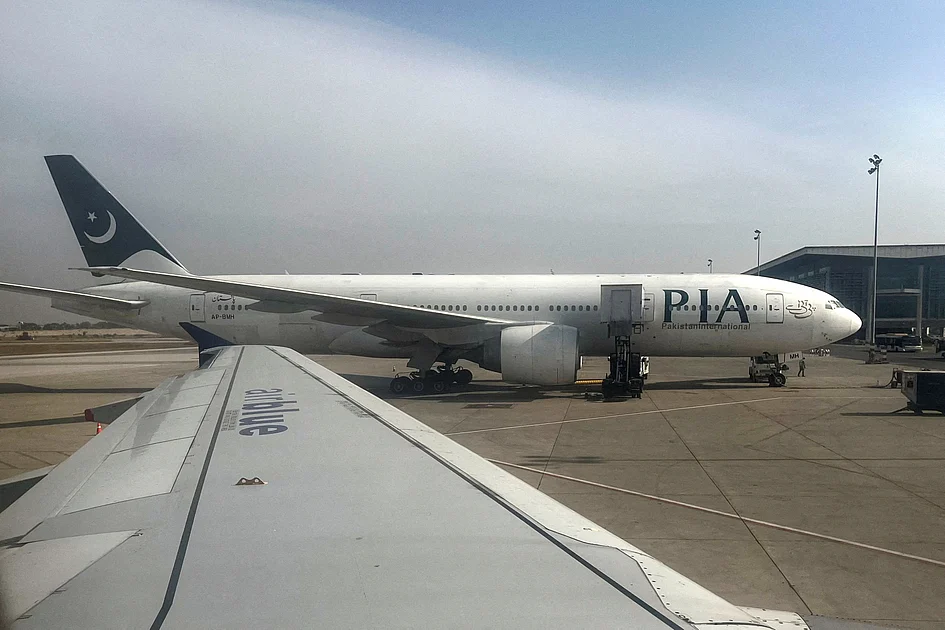
A Pakistan International Airlines (PIA) aircraft operating as Flight PK860 from Jeddah to Lahore was compelled to execute an emergency diversion to King Fahd International Airport in Dammam on Friday, December 19th, following the emergence of a significant technical malfunction during its journey. The incident, which occurred while the Airbus A320 was traversing Saudi airspace, prompted the cockpit crew to declare a general emergency, signaled by setting the transponder to code 7700. This critical alert triggered the automatic deployment of passenger oxygen masks throughout the cabin, according to multiple Pakistani media outlets. A spokesperson for the national carrier confirmed that the aircraft, carrying 381 individuals including numerous Umrah pilgrims, landed safely without injury to any passengers or crew. PIA subsequently coordinated a rescue flight dispatched from Pakistan to transport the stranded travelers to their original destination in Lahore. Aviation authorities have initiated a comprehensive investigation to determine the precise nature of the technical fault that led to the emergency protocol.
标签: Asia
亚洲
-

Rajab crescent not spotted in Oman, ministry says
Oman’s Ministry of Endowments and Religious Affairs confirmed on Saturday, December 20, 2025, that astronomical observers failed to sight the Rajab crescent moon after sunset, officially delaying the commencement of Rajab 1447 AH to Monday. This announcement creates a divergence in Islamic lunar calendar observance across the region, as neighboring United Arab Emirates confirmed successful crescent sighting earlier the same day.
The lunar observation holds profound religious significance as it initiates the three-month spiritual preparation period culminating in Ramadan—Islam’s holiest month characterized by fasting, prayer, and devotion. Oman’s methodology strictly adheres to traditional moon sighting protocols rather than astronomical calculations, maintaining the practice that Islamic months begin only upon visual confirmation of the new crescent.
This calendrical discrepancy demonstrates the variability inherent in moon-based timekeeping systems, where atmospheric conditions, geographical location, and observational methodologies can yield different outcomes across Muslim communities. The progression from Rajab to Shaban and ultimately Ramadan remains contingent upon successive lunar observations, typically spanning approximately two lunar cycles from Rajab’s commencement.
The ministry’s official statement emphasized that Saturday marked the 29th of Jumada al-Akhirah 1447 AH, and with no crescent sighting, the current month will complete its thirty-day cycle before Rajab officially begins. This approach reflects Oman’s conservative interpretation of lunar month commencement, contrasting with some Muslim nations that employ astronomical calculations to predict Islamic calendar dates.
-

UAE: New rules to regulate veterinary work, fines for unlicensed activity
Abu Dhabi has enacted sweeping regulatory measures to standardize veterinary medicine and enhance animal health protections throughout the emirate. The Abu Dhabi Agriculture and Food Safety Authority (ADAFSA) has formally issued a comprehensive resolution establishing stringent licensing requirements for all veterinary facilities and practitioners.
The new framework mandates that veterinary establishments must secure official ADAFSA authorization before employing any veterinary professionals or allied staff. Furthermore, all facilities must obtain operational licenses prior to conducting any veterinary activities within Abu Dhabi. The resolution introduces a system of administrative penalties for violations, with fines subject to doubling for repeat offenses occurring within one year of initial infractions.
This regulatory initiative aims to achieve multiple objectives: elevating the efficiency of veterinary services, ensuring proper professional qualifications, regulating the veterinary workforce, and ultimately strengthening biosecurity measures across the emirate. By implementing these standards, authorities seek to build greater confidence among livestock breeders and the general public in the quality and safety of animal healthcare services.
ADAFSA will complement these enforcement measures with an extensive awareness campaign targeting veterinary clinics, their personnel, livestock owners, and the broader community. This educational initiative is designed to promote thorough understanding of and compliance with the new regulations, facilitating a smooth transition to the enhanced regulatory environment.
-

This billionaire tested China’s limits. It cost him his freedom
Hong Kong’s High Court has delivered a landmark verdict in the national security case against Jimmy Lai, the 78-year-old British citizen and founder of the now-defunct Apple Daily newspaper. The court found Lai guilty on all charges, including collusion with foreign forces, which carries a maximum penalty of life imprisonment.
The ruling concluded that Lai harbored “a rabid hatred” of the Chinese Communist Party and pursued an “obsession to change the Party’s values to those of the Western world.” The court determined that Lai had actively worked to oust the Party or remove its leader Xi Jinping from power through his media operations and political activities.
Lai’s journey from a Chinese refugee to a Hong Kong business magnate forms the backdrop to this case. Arriving in Hong Kong in 1959 at age 12, Lai built a commercial empire that included the Giordano clothing chain before venturing into media with the establishment of Apple Daily in 1995. The newspaper revolutionized Hong Kong’s media landscape with its innovative layout and controversial content mix that ranged from investigative journalism to adult entertainment guides.
The prosecution built its case around Lai’s use of Apple Daily as a platform for anti-government sentiment during the 2019 protests. Evidence presented during the 156-day trial included testimony from former associates indicating Lai instructed editorial staff to “urge people to take to the streets.” The court particularly noted Lai’s meetings with U.S. officials, including then-Vice President Mike Pence, and his campaign urging readers to write to President Donald Trump to “save Hong Kong” as evidence of colluding with foreign forces.
Hong Kong Chief Executive John Lee welcomed the verdict, stating that Lai had used his newspaper to “wantonly create social conflicts” and “glorify violence.” Lee emphasized that the national security law does not permit anyone to harm the country “under the guise of human rights, democracy and freedom.”
The case has drawn international attention as a bellwether for Hong Kong’s legal environment under the national security law imposed by Beijing in 2020. Supporters of Lai, including family members and former colleagues, maintain that he was merely advocating for Hong Kong’s traditional values of rule of law and freedom of expression.
Lai’s defense argued throughout the trial that his actions constituted legitimate political expression rather than criminal activity. The media tycoon testified that he had only advocated for what he believed were Hong Kong’s core values: “rule of law, freedom, pursuit of democracy, freedom of speech, freedom of religion, freedom of assembly.”
The verdict comes amid broader changes in Hong Kong’s political landscape, with authorities stating the city has moved from “chaos to governance” while critics point to an exodus of residents and diminished freedoms. The case represents one of the highest-profile applications of the national security law that Beijing says was necessary to restore stability after prolonged protests.
-

Dubai issues warnings to winter camps against using drones, subleasing sites
Dubai Municipality has launched enhanced inspection operations and public awareness initiatives targeting temporary winter camps throughout the city. This comprehensive safety campaign addresses multiple violations that could compromise public safety during the popular winter camping season.
Recent enforcement actions have resulted in official warnings being issued for several infractions. Authorities documented three separate violations for illegal tent subleasing operations, one case involving unauthorized drone usage, and three additional warnings for creating public disturbances within camp premises.
Beyond enforcement, the municipality maintains an ongoing educational program for camp owners, providing essential guidance on proper setup procedures and regulatory compliance. The safety initiative involves coordinated efforts with multiple government entities including Civil Defense teams conducting field awareness campaigns, Dubai Ambulance services providing 24/7 emergency medical support, and Dubai Police implementing compliance verification operations.
Additional measures include targeted operations against unauthorized street vendors, particularly those selling hookah products, to ensure optimal safety and comfort for camp residents and visitors. These multi-agency efforts represent a proactive approach to maintaining Dubai’s high safety standards while preserving the enjoyable winter camping experience that attracts both residents and tourists to the region.
-

China launches new communication technology test satellite
China has successfully deployed an advanced communication technology test satellite from the Wenchang Space Launch Center in Hainan province. The launch occurred at 8:30 PM Beijing Time on Saturday, utilizing a Long March-5 carrier rocket to transport the satellite into its predetermined orbit.
This newly deployed satellite represents a significant step forward in China’s space communication infrastructure development. The primary mission objective involves conducting comprehensive validation tests for multi-band, high-speed communication technologies that could potentially enhance future space-based communication systems.
This launch constitutes the 618th mission in the Long March rocket program’s extensive history, demonstrating China’s continuing commitment to expanding its space capabilities. The successful deployment underscores the technical proficiency of China’s aerospace industry and represents another milestone in the nation’s ambitious space exploration agenda.
The Wenchang Space Launch Site, strategically located on Hainan Island, has become increasingly important for China’s space missions due to its favorable equatorial position, which provides additional launch capacity for heavy payload missions requiring precise orbital insertion.
-

Taiwan Affairs spokesperson warns against aggression toward mainland fisherman
China’s Taiwan Affairs Office has issued a firm rebuttal against Taiwan’s maritime jurisdiction claims while warning against continued aggression toward mainland fishermen. Spokesperson Chen Binhua stated unequivocally that no “prohibited or restricted waters” exist in the sea area between Xiamen and Jinmen, emphasizing that these traditional fishing grounds have long been shared by fishermen from both sides of the Taiwan Strait.
During a Saturday briefing, Chen reinforced China’s territorial sovereignty, asserting that Taiwan along with its surrounding islands of Penghu, Jinmen, and Matsu are inseparable parts of Chinese territory. The spokesperson highlighted the historical context of these waters serving as common fishing grounds for decades, facilitating the livelihoods of fishing communities across the strait.
Chen defended the Chinese coast guard’s routine patrols as essential measures for maintaining maritime order and ensuring the safety of all fishermen operating in the area. The spokesperson called on Taiwan’s Democratic Progressive Party authorities to respect the established historical and factual realities of these shared fishing zones.
The warning came with a serious diplomatic message: Taiwan’s DPP administration must immediately cease what Beijing characterizes as unjustified detentions and aggressive actions against mainland fishermen. Chen concluded with a stern admonition that the DPP authorities would bear full responsibility for any consequences resulting from continued provocative measures in the contested waters.
-
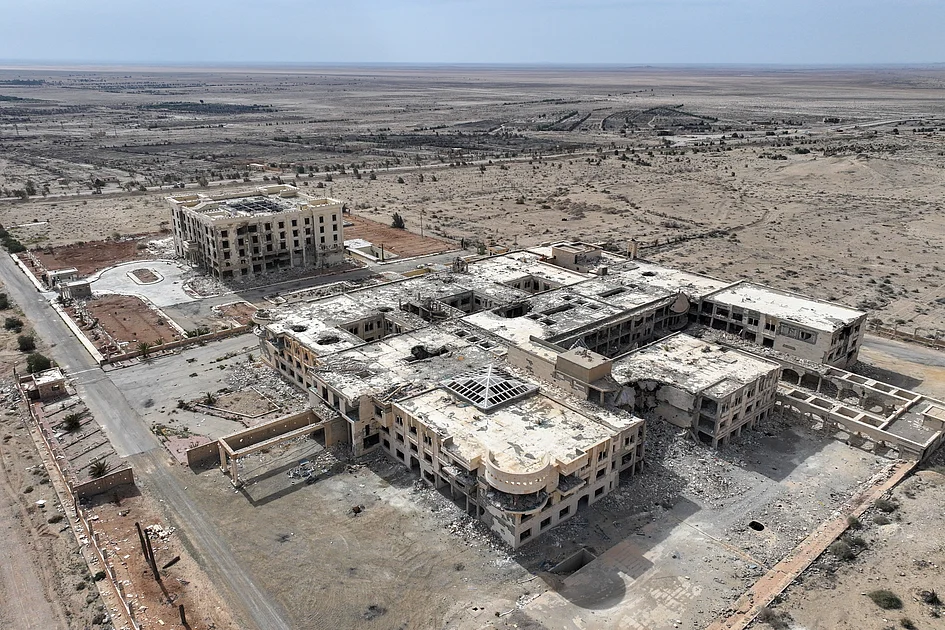
Syria monitor says at least five IS members killed in US’ retaliatory strikes
In a landmark development for ophthalmic medicine in the Middle East, the prestigious Bascom Palmer Eye Institute has entered into a strategic partnership with the Emirates Society of Ophthalmology. The agreement, formalized in Abu Dhabi, establishes a collaborative framework aimed at elevating eye care standards, advancing clinical research, and enhancing medical education throughout the region.
The partnership brings together one of the world’s top-ranked ophthalmology institutions with the UAE’s leading professional organization for eye care specialists. This alliance will facilitate knowledge exchange programs, joint research initiatives on region-specific eye diseases, and the development of specialized training programs for ophthalmologists and medical staff.
Key components of the agreement include establishing fellowship exchange programs, creating standardized treatment protocols for prevalent regional conditions such as diabetic retinopathy and glaucoma, and organizing annual ophthalmology conferences that will attract international experts to Abu Dhabi. The collaboration also aims to implement advanced telemedicine capabilities to extend specialist care to underserved areas.
This initiative aligns with Abu Dhabi’s broader healthcare strategy to position itself as a medical hub for specialized care. By leveraging Bascom Palmer’s expertise in complex eye conditions and research capabilities, combined with the Emirates Society’s regional insights and network, the partnership seeks to significantly reduce preventable blindness and visual impairment across the UAE and neighboring countries.
The timing of this collaboration is particularly significant given the increasing prevalence of diabetes-related eye diseases in the Gulf region and the growing demand for specialized ophthalmology services. Both organizations have committed to measuring the partnership’s impact through improved patient outcomes, increased research publications, and enhanced professional training metrics over the coming years.
-

Lhasa wetland reserve recognized as world’s highest altitude wetland
The Lhalu Wetland National Nature Reserve in Lhasa, Tibet Autonomous Region, has achieved international distinction after being formally certified by the World Record Certification Agency (WRCA) as the planet’s highest-altitude urban natural wetland. The official announcement was made during a ceremony held in Lhasa on Saturday, December 20, 2025.
This ecological treasure, frequently described as “Lhasa’s Lungs,” spans an impressive 12.2 square kilometers and sits at an average elevation of 3,649 meters above sea level. The wetland represents an extraordinary urban ecological asset and provides crucial habitat for numerous wildlife species, contributing significantly to regional biodiversity.
The WRCA certification underscores China’s remarkable accomplishments in high-altitude wetland conservation and positions Lhalu Wetland as an exemplary model of sustainable environmental protection practices worldwide. This recognition highlights the successful balance between urban development and ecological preservation in challenging high-altitude environments.
The wetland reserve serves multiple ecological functions, including water purification, climate regulation, and providing natural flood control for the urban area. Its designation as a national nature reserve has enabled the implementation of comprehensive conservation measures that have maintained the wetland’s ecological integrity despite its proximity to urban development.
Local authorities emphasized that this international acknowledgment reinforces the global significance of Tibet’s unique ecosystems and demonstrates the effectiveness of coordinated conservation efforts in protecting fragile high-altitude environments for future generations.
-

Indian agency confirms asset seizures in probe linked to YouTuber’s Dubai cruise wedding
India’s Enforcement Directorate has executed significant asset seizures and confirmed money laundering allegations against social media influencer Anurag Dwivedi, whose extravagant Dubai cruise wedding earlier this month triggered financial scrutiny. The agency’s official statement reveals comprehensive searches across ten premises in Lucknow, Unnao, and Delhi as part of an ongoing investigation into illicit online betting operations under the Prevention of Money Laundering Act (PMLA).
The probe, initiated following a formal complaint lodged by West Bengal Police, centers on Dwivedi’s alleged promotion of illegal betting platforms through his YouTube channels and social media presence. According to investigative findings, the influencer reportedly received criminal proceeds from unauthorized betting applications via hawala networks, subsequently channeling these funds into personal, family, and corporate accounts without legitimate commercial justification.
Enforcement authorities have confirmed the seizure of four luxury vehicles, including a Lamborghini Urus, alongside substantial cash reserves and incriminating documentary evidence. The agency has additionally frozen bank accounts, fixed deposits, and insurance-linked assets valued at approximately Rs 3 crore (DH1.23 million), while provisionally attaching movable properties worth an estimated DH10 million.
Investigators disclosed that Dwivedi acquired significant real estate holdings outside India, particularly within Dubai, utilizing allegedly illicit funds generated through his promotion of unauthorized betting websites. The subject has since departed Indian territory, with multiple official summons remaining unanswered according to enforcement officials. The case highlights increasing regulatory scrutiny over social media influencers’ financial activities and cross-border money laundering networks.