标签: Asia

亚洲

  • UAE weather: Orange alert issued for ‘thunder rain’; dusty conditions expected

    UAE weather: Orange alert issued for ‘thunder rain’; dusty conditions expected

    The United Arab Emirates’ meteorological authority has elevated weather warnings to an orange alert level as the nation braces for a period of severe atmospheric conditions. Forecasters predict the development of convective cloud formations that will likely generate thunderous precipitation and powerful winds capable of stirring significant dust and sand particles across affected regions.

    Meteorological projections indicate partly to fully overcast skies throughout Friday and Saturday, with precipitation expected particularly across northern and eastern territories. Accompanying these conditions will be moderate to fresh northwesterly and southwesterly winds maintaining velocities between 15-30 km/h, with potential gusts reaching intense speeds of 45 km/h.

    The combination of precipitation and strong winds will create challenging environmental conditions, including reduced visibility due to blowing dust and sand. Maritime advisories have been issued warning of turbulent seas in both the Arabian Gulf and Oman Sea, posing potential hazards to marine operations.

    Temperature readings are forecast to show notable variations, with minimums dropping to 13°C in Abu Dhabi and Sharjah, and 14°C in Dubai. Maximum temperatures will reach more moderate levels of 21°C in Abu Dhabi, 22°C in Sharjah, and 23°C in Dubai.

    This weather event follows two consecutive days of substantial rainfall that resulted in temporary closures of public parks, tourist attractions, and the implementation of remote work protocols. Emergency services and municipal authorities have been operating continuously to mitigate disruptions and restore normalcy as conditions gradually improve.

    Residents are advised to monitor official weather channels for updates and exercise caution during travel, particularly in areas experiencing reduced visibility due to dust conditions.


  • Everything you need to know about Christmas, and how it has evolved into a global holiday

    Everything you need to know about Christmas, and how it has evolved into a global holiday

    While Christmas stands as the Christian commemoration of Jesus Christ’s nativity, its historical journey reveals a complex tapestry of cultural adaptation and transformation. Contrary to modern assumptions, the earliest Christian communities did not annually observe Jesus’ birth, focusing instead on Easter resurrection celebrations, according to Dr. Christine Shepardson, University of Tennessee professor specializing in early Christianity.

    The selection of December 25th as the official celebration date emerged only in the fourth century during Emperor Constantine’s reign, coinciding with existing pagan winter solstice festivals like the Roman Sol Invictus observance. This period marked Christianity’s institutionalization through church gatherings rather than private home meetings.

    Medieval Christmas celebrations bore little resemblance to modern observances, characterized instead by raucous street festivities featuring excessive feasting and drinking. Professor Thomas Ruys Smith of the University of East Anglia notes that Christmas gained respectability only in the 19th century, transforming into the domestic, family-oriented celebration recognized today.

    The modern Christmas tradition owes much to German customs, with Christmas trees and gift-giving practices spreading to Britain and America in the late 19th century. Literary works like Charles Dickens’ “A Christmas Carol” (1843) and Washington Irving’s writings further popularized the holiday’s contemporary form.

    Santa Claus’ origins trace back to fourth-century Christian bishop St. Nicholas of Myra (modern-day Turkey), whose legendary generosity inspired the secular figure. After the Protestant Reformation diminished St. Nicholas devotion, Dutch settlers in New York preserved the tradition as Sinterklaas, which eventually evolved into America’s Santa Claus.

    Global variations abound: Italy celebrates with St. Lucy or Befana the witch, Iceland enjoys mischievous Yule Lads, while Japan has developed the unique tradition of Kentucky Fried Chicken Christmas dinners since 1974. This practice originated when a foreign customer in Tokyo remarked about substituting turkey with KFC, leading to an annual phenomenon requiring months-ahead orders.

    Christmas greenery traditions—holly, ivy, and evergreen trees—carry mixed heritage, with Professor Maria Kennedy of Rutgers University noting connections to both Christian symbolism (eternal life) and ancient Druid practices. Similarly, mistletoe represented immortality in pre-Christian traditions.

    Contemporary Christmas continues evolving, with public Nativity scenes sparking legal debates about church-state separation in the U.S., while caroling traditions maintain their community-building origins from European winter customs.

  • Indian court fines Heera Group CEO record Dh2 million as UAE investors await property auction

    Indian court fines Heera Group CEO record Dh2 million as UAE investors await property auction

    In a landmark ruling, the Telangana High Court has imposed a substantial fine of Dh2 million (Rs5 crore) on Nowhera Shaikh, founder of the defunct Heera Group, while dismissing her petition to halt the auction of properties connected to a massive investment scandal. The court’s decision, delivered on Thursday, clears the path for India’s Enforcement Directorate to proceed with its scheduled auction of 59 attached properties on December 26th.

    Justice Nagesh Bheemapaka characterized Shaikh’s last-minute legal challenge as a blatant misuse of judicial processes, particularly noting that the Supreme Court had already provided final authorization for the asset sales. The court ordered Shaikh to deposit the penalty into India’s Prime Minister’s National Relief Fund within an eight-week timeframe—a sanction that legal experts recognize as one of the highest court-imposed costs in recent Indian judicial history.

    The ruling represents a significant development in a multi-year investigation into Heera Group’s operations, which allegedly defrauded investors of approximately Dh2 billion through sham investment schemes marketed as Shariah-compliant opportunities. The group specifically targeted expatriate communities in the UAE, promising unusually high returns through what they described as “interest-free” investment products.

    The collapse of Heera Group in 2018 triggered cross-border investigations after the company abruptly ceased operations and payments to investors. The upcoming auction represents recovery efforts targeting an estimated Dh78 million in attached assets, though victim advocacy groups maintain that actual investor losses substantially exceed this figure. Court documents suggest more than 175,000 investors may have collectively invested over Dh1 billion, with significant contributions from UAE-based participants.

    Shahbaz Ahmad Khan, president of the All India Heera Group Victims Association, welcomed the court’s decisive action against what he characterized as delay tactics, expressing hope that affected investors might finally see some restitution through the auction process.

  • Malayalam cinema legend Sreenivasan dies: Indian media reports

    Malayalam cinema legend Sreenivasan dies: Indian media reports

    The Indian film industry is in mourning following the passing of Sreenivasan, a towering figure in Malayalam cinema who died at age 69 according to multiple media reports confirmed on December 20, 2025. The multifaceted artist leaves behind an extraordinary legacy spanning acting, directing, and screenwriting that profoundly shaped Indian regional cinema for decades.

    Sreenivasan’s career exemplified creative versatility, with his filmography encompassing more than 200 acting credits alongside numerous writing and directing projects. He earned particular acclaim for his sharp social commentaries woven throughout his work, addressing contemporary issues with both intelligence and accessibility. His screenwriting resonated across generations, capturing the nuances of everyday life while offering thoughtful critique of societal structures.

    The cultural impact of his filmography extends beyond mere entertainment, with many of his works now considered essential viewing for understanding the evolution of Malayalam cinema. His unique ability to balance humor with substantive social observation created a distinctive style that influenced countless contemporary filmmakers and performers.

    Tributes from colleagues, critics, and admirers have highlighted his exceptional contribution to Indian regional cinema, noting how his work consistently elevated the artistic standards of the industry. His passing represents not just the loss of a beloved performer but the departure of a visionary creative force whose work documented and shaped cultural conversations across multiple decades.

    The film community anticipates commemorations of his life and work will emerge in coming days as fans and industry professionals alike reflect on the enduring significance of his artistic legacy.

  • Future of UAE property: Flexible workspaces, green construction and premium home trends

    Future of UAE property: Flexible workspaces, green construction and premium home trends

    The United Arab Emirates real estate sector is undergoing a profound metamorphosis, moving beyond traditional construction metrics to embrace human-centered design principles, environmental sustainability, and technological integration. This evolution reflects changing lifestyles where workplaces serve as collaborative ecosystems, homes transform into personalized sanctuaries, and retail spaces become experiential destinations.

    Workplace architecture has fundamentally shifted toward hybrid-adaptive models that prioritize employee wellbeing. Industry leaders like Spacewell Interiors now design environments featuring biophilic elements, optimized natural lighting, and versatile zones that accommodate both collaborative work and focused individual tasks. This departure from conventional office layouts responds to post-pandemic work patterns while enhancing productivity through environmental psychology.

    Sustainability has transitioned from peripheral consideration to core construction mandate. Forward-thinking manufacturers like Emirates Extrusion Factory have developed revolutionary curtainwall systems that achieve 35% energy savings while eliminating on-site fabrication waste. These systems meet rigorous international certifications including LEED and Estidama, demonstrating how ecological responsibility converges with economic efficiency through reduced labor requirements and long-term operational savings.

    The residential interior market simultaneously experiences unprecedented growth, with Dubai’s real estate transactions surging 40% to Dh326.6 billion in early 2025. Global wellness company GMG capitalizes on this trend through its new luxury brand Modora, targeting a market projected to exceed $5.7 million by 2033. This expansion signifies the maturation of UAE’s design economy while supporting local artisans and suppliers.

    Specialized firms like The Makers elevate this transformation through narrative-driven design approaches that blend engineering precision with artistic vision. Their multidisciplinary methodology ensures spaces resonate emotionally while fulfilling functional requirements across residential, hospitality, and commercial sectors.

    This comprehensive market evolution positions the UAE at the forefront of sustainable urban development, where intelligent spaces adapt to human needs while minimizing environmental impact. The convergence of wellness-focused design, green construction technologies, and experiential interiors defines a new paradigm in real estate development that balances economic growth with ecological and social responsibility.

  • Bangladesh mourns slain activist as tensions rise ahead of elections

    Bangladesh mourns slain activist as tensions rise ahead of elections

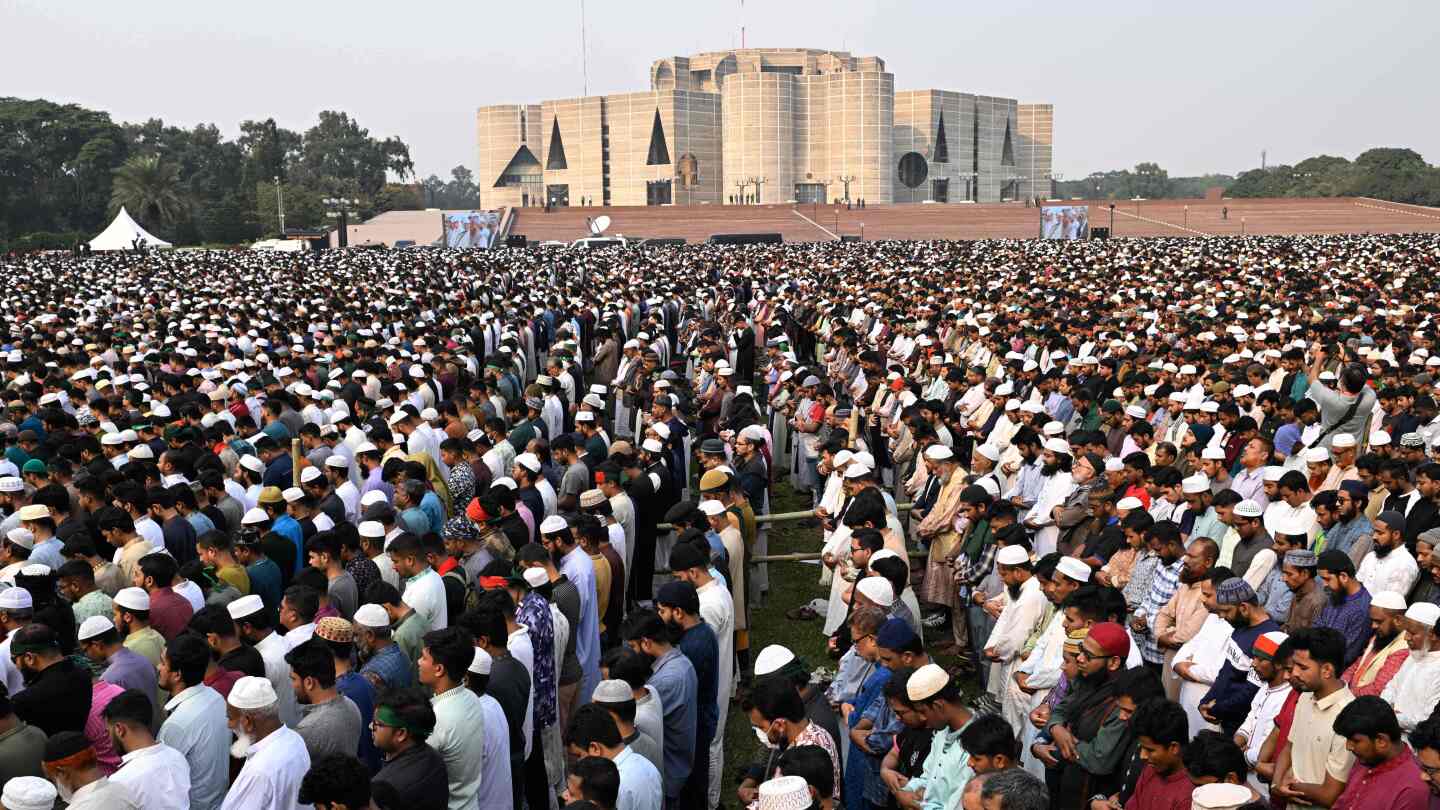
    DHAKA, Bangladesh — Bangladesh witnessed massive funeral processions on Saturday for prominent political activist Sharif Osman Hadi, whose death has intensified the nation’s political instability ahead of crucial February elections. Hundreds of thousands of mourners gathered in Dhaka under tight security measures as the country observed a national day of mourning.

    Hadi, a key figure in the 2024 political uprising that ended former Prime Minister Sheikh Hasina’s 15-year administration, succumbed to gunshot wounds on Thursday in a Singapore hospital. The initial attack occurred on December 12 in Dhaka, with police indicating the primary suspect has likely fled to India—a development that has sparked diplomatic tensions between the neighboring nations.

    The funeral proceedings took place outside Bangladesh’s Parliament complex, where mourners carried national flags and chanted slogans vowing to continue Hadi’s political legacy. As spokesperson for the Inqilab Moncho cultural organization, Hadi will be laid to rest at Dhaka University campus beside national poet Kazi Nazrul Islam.

    The activist’s death has triggered violent responses, with protesters attacking and setting fire to offices of two major national newspapers. Interim leader and Nobel Peace laureate Muhammad Yunus has appealed for calm amid the escalating tensions.

    Hadi, known for his criticism of both India and the exiled former leader Hasina, had planned to run as an independent candidate in Dhaka during the upcoming elections. Bangladesh currently navigates a delicate political transition under Yunus’s interim government, with the absence of Hasina’s Awami League party creating a complex power dynamic.

    The political landscape now features Hasina’s rival Bangladesh Nationalist Party led by former Prime Minister Khaleda Zia, alongside the Jamaat-e-Islami party—the country’s largest Islamist organization—which seeks expanded political influence following Hasina’s departure. India has remained unresponsive to Bangladesh’s requests for extraditing Hasina, who faces death sentencing for crimes against humanity.

  • Imran Khan and wife given further jail terms after state gift fraud case

    Imran Khan and wife given further jail terms after state gift fraud case

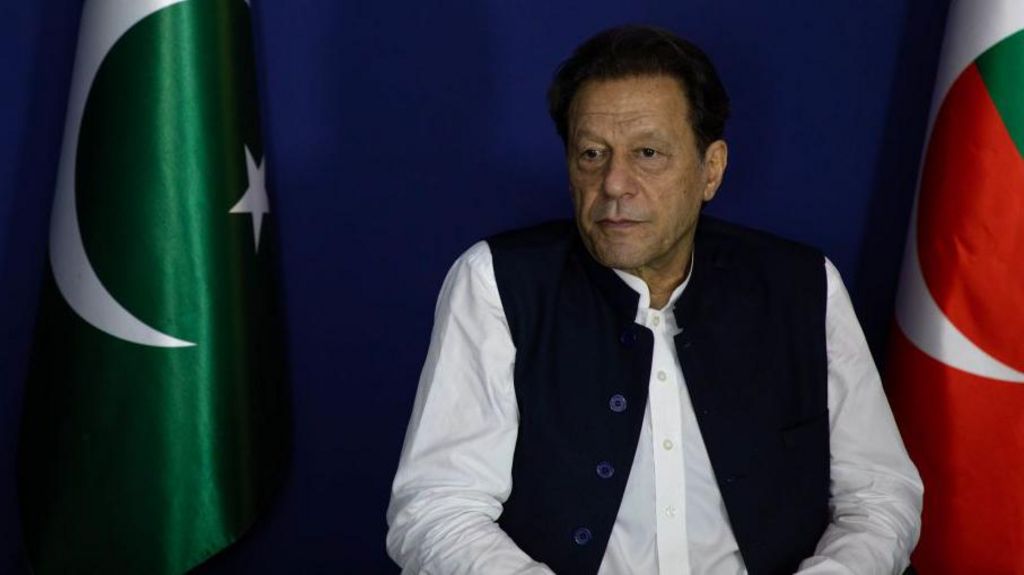
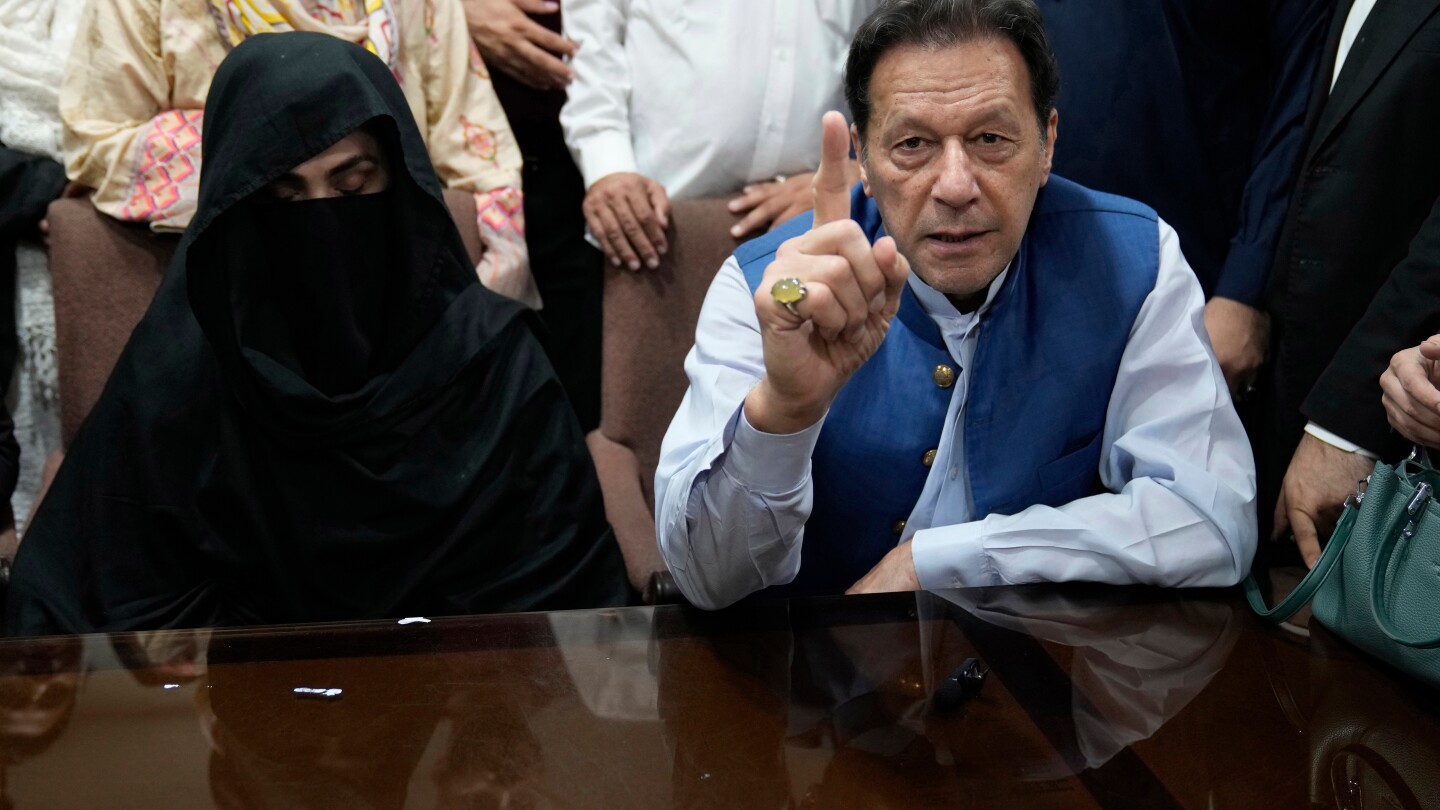
    In a significant legal development, Pakistan’s former Prime Minister Imran Khan and his spouse Bushra Bibi have been handed additional prison sentences in a high-profile fraud case concerning state gifts. The conviction centers on a luxury Bulgari jewelry set received from Saudi Crown Prince Mohammed bin Salman during an official 2021 visit.

    The Islamabad court delivered sentences of 10 years for criminal breach of trust and 7 years for criminal misconduct, accompanied by a fine exceeding 16 million Pakistani rupees (£42,600). These terms will run concurrently with their existing prison sentences. Notably, the defendants were absent during sentencing, with their legal team receiving notification after standard court hours concluded.

    This case, colloquially termed ‘Toshakhana 2’ in Pakistani media, alleges that Khan orchestrated the undervaluation of the jewelry through a private firm before repurchasing it at a substantially reduced price—a direct violation of Pakistan’s regulations requiring state gifts to be deposited with the Toshakhana treasury.

    Khan’s defense team, led by attorney Salman Safdar, has characterized the charges as politically motivated and plans to appeal the verdict in Pakistan’s high court. This judgment represents the latest in over 100 legal cases brought against the former cricket icon since his removal from office via no-confidence vote in April 2022.

    The sentencing occurs against a backdrop of heightened political tensions. Khan’s social media channels continue to operate despite his incarceration, posting content sharply critical of current military leadership. Recent months have seen restricted visitation rights, with family access severely limited following controversial posts attributed to Khan.

    Correctional authorities confirmed both defendants were present during the verdict announcement, though media observation was prohibited. The court documentation notably referenced leniency in sentencing due to Khan’s ‘advanced age.’

  • Pakistani court sentences former Prime Minister Imran Khan and wife to 17 years in graft case

    Pakistani court sentences former Prime Minister Imran Khan and wife to 17 years in graft case

    A Pakistani court has delivered a significant verdict against imprisoned former Prime Minister Imran Khan and his spouse Bushra Bibi, sentencing both to 17 years imprisonment for illicitly retaining and selling state gifts. The ruling, announced Saturday at Adiala prison in Rawalpindi, marks another legal setback for the ousted leader.

    The conviction centers on allegations that the couple substantially undervalued precious gifts received from foreign dignitaries—including jewelry from Saudi Arabia’s government—during Khan’s premiership. Prosecutors demonstrated that Khan and Bibi declared the gifts’ worth at slightly over $10,000, enabling their purchase at reduced prices, despite their actual market valuation exceeding $285,000.

    Pakistani legislation explicitly mandates that government officials must acquire gifts from foreign dignitaries at fair market value if they wish to retain them, with any subsequent sales proceeds requiring declaration. The court found the couple violated these regulations through systematic undervaluation.

    Khan’s political party, Pakistan Tehreek-e-Insaf, immediately condemned the decision as “a black chapter in history,” while his spokesperson Zulfiquar Bukhari criticized the verdict for imposing “criminal liability without proof of intent, gain, or loss.” Bukhari further alleged the judgment relied on “retrospective reinterpretation of rules” and raised concerns about judicial impartiality.

    The sentencing adds to multiple corruption convictions Khan has accumulated since his 2022 ouster via parliamentary no-confidence vote. The former cricket superstar maintains that all charges against him constitute politically motivated attempts to derail his continuing influence and potential return to power.

  • Children at kindergarten in N China learn to make dumplings ahead of Winter Solstice

    Children at kindergarten in N China learn to make dumplings ahead of Winter Solstice

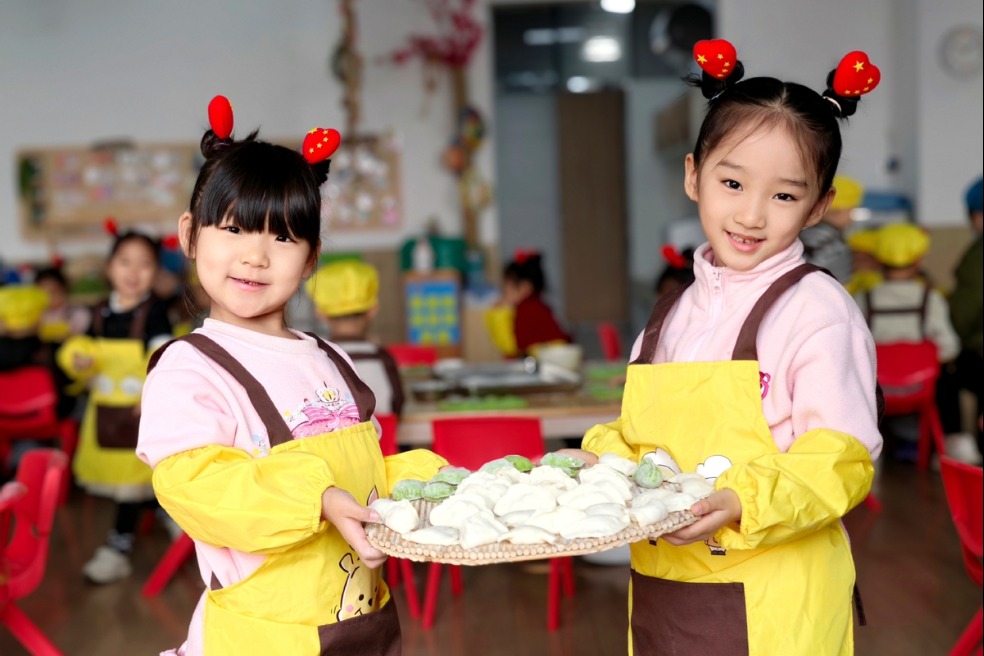
    In anticipation of the upcoming Winter Solstice, young students at a kindergarten in Jiyuan city, Shandong province, engaged in a hands-on cultural activity by learning to make traditional Chinese dumplings on December 19, 2025.

    The event, captured in photographs distributed by Xinhua News Agency, shows children proudly presenting their handmade dumplings while learning about this significant seasonal festival. Winter Solstice, occurring this year on December 21st, represents the shortest day of the year and historically marked the beginning of deep winter in traditional Chinese agricultural society.

    This educational initiative connects the younger generation with China’s rich cultural heritage surrounding the solar term. The tradition of consuming specific foods during Winter Solstice varies regionally across China, with northern provinces maintaining the custom of eating dumplings, while southern regions typically enjoy tangyuan (sweet glutinous rice balls).

    The kindergarten’s curriculum-integrated activity demonstrates how educational institutions are preserving cultural traditions through experiential learning. Children not only developed culinary skills but also gained understanding of seasonal changes and their significance in Chinese agricultural history and contemporary practices.

  • Museum’s donated painting in spotlight

    Museum’s donated painting in spotlight

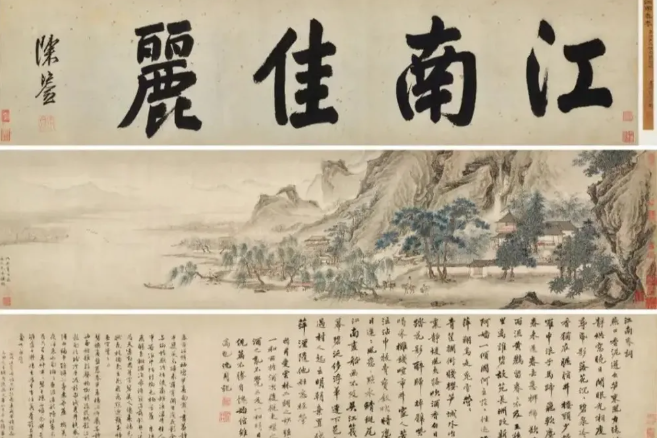
    Nanjing Museum has produced archival documents claiming a disputed 16th-century landscape painting at the center of a major donation controversy was officially classified as forged decades ago. The revelation comes amid escalating legal battles with the descendants of renowned collector Pang Laichen (1864-1949), who donated 137 artifacts to the institution in 1959.

    The conflict emerged when family members discovered ‘Jiangnan Spring’ – attributed to Ming Dynasty master Qiu Ying – was scheduled for auction in Beijing with an ¥88 million ($12.5 million) price tag. The painting was abruptly withdrawn after the Pangs protested, prompting investigations that revealed five artworks from their donation were missing from museum records.

    According to documents presented by the museum, a 1961 expert panel determined ‘Jiangnan Spring’ was duplicated, with a second panel confirming its forged status in 1964. Records indicate the painting was subsequently transferred to Jiangsu Cultural Relics Store in the 1990s under then-prevailing collection management regulations, with a 2001 invoice showing its eventual sale for merely ¥6,800 as ‘A Copy of Qiu Ying’s Jiangnan Spring’.

    Pang Shuling, the collector’s great-granddaughter, has filed a court enforcement application demanding full transparency regarding the transferred artifacts. ‘The donation made by my father to Nanjing Museum in 1959 are all precious works, they are not forged,’ she asserted.

    The museum maintains it acted within historical guidelines, with attorney Zhang Han noting ownership transferred completely upon donation. However, family attorney Yin Zhijun argues donors retain right-to-know privileges regarding their contributions’ preservation.

    Museology professor Pan Shouyong of Shanghai University contextualized the dispute: ‘People’s understanding of what a ‘cultural relic’ is has been constantly growing. It’s unfair to always use today’s guiding mindset to judge past deeds, but neither can we conceal a past blemish if we want to achieve more.’

    The case highlights evolving standards in China’s cultural heritage management, particularly since the National Cultural Heritage Administration’s 2018 interim measures requiring donor consultation for deaccessioning procedures.