标签: Asia

亚洲

  • Investigation finds US-sanctioned Kinahan cartel leaders ‘living openly’ in Dubai

    Investigation finds US-sanctioned Kinahan cartel leaders ‘living openly’ in Dubai

    An investigative collaboration between The Sunday Times and open-source outlet Bellingcat has revealed that Irish crime syndicate leaders Christy Kinahan and his son Daniel continue to reside openly in Dubai despite international arrest warrants and multimillion-dollar bounties on their heads. The investigation, utilizing advanced digital forensics and AI-powered facial recognition, captured photographic and video evidence of the duo attending a mixed martial arts event at Dubai’s Coca-Cola Arena before an audience of 6,000 spectators.

    The Kinahan Organised Crime Group, valued at approximately $1.1 billion, represents one of Europe’s most formidable transnational criminal networks. According to Irish law enforcement authorities, the cartel dominates narcotics trafficking from mainland Europe to the United Kingdom, establishing itself as a primary supplier of illicit substances to British markets.

    Notably, Christy Kinahan was observed occupying premium VIP seating without apparent concern for his conspicuous status as a globally wanted fugitive. The report documented both men appearing remarkably relaxed and making minimal efforts to conceal their identities during the public gathering.

    United States authorities had previously designated the Kinahan organization as a significant criminal threat, announcing sanctions against family members and offering rewards up to $5 million for information leading to the network’s dismantlement. Multiple nations accuse the cartel of orchestrating large-scale drug trafficking operations, weapons smuggling, and sophisticated money laundering schemes.

    Recent developments have exposed the cartel’s expanding global reach. A September incident involving a light aircraft carrying 200kg of ‘SpaceX-branded’ cocaine that crashed in Brazil revealed connections to the group’s African and European operations. Furthermore, U.S. court records obtained by The Sunday Times indicate the Drug Enforcement Administration successfully infiltrated a narcotics operation linked to the family, providing concrete evidence of their direct involvement in North American drug markets, including methamphetamine and fentanyl trafficking.


  • Action pledged to build healthy China

    Action pledged to build healthy China

    National political advisers have committed to accelerating China’s healthcare modernization following a pivotal meeting with President Xi Jinping in Beijing. The engagement, which occurred during a joint group meeting of the Chinese People’s Political Consultative Conference (CPPCC), has ignited renewed determination among health experts and policymakers to achieve the ambitious ‘Healthy China 2035’ vision.

    President Xi emphasized that the forthcoming 15th Five-Year Plan period (2026-2030) represents a critical phase for establishing decisive progress toward nationwide health objectives. His address to advisers from the medical, health, welfare, and social security sectors highlighted the strategic importance of coordinated planning and rapid implementation.

    Professor Jiang Jiandong, a CPPCC member and pharmaceutical sciences expert at the Chinese Academy of Medical Sciences, described the meeting as both inspirational and demanding. “President Xi’s profound concern for public health left a deep impression,” Jiang stated, outlining his commitment to developing a comprehensive pharmaceutical innovation ecosystem spanning from foundational research to clinical applications and commercial distribution.

    The convergence of artificial intelligence with medical science emerged as a recurring theme. Jiang advocated for combining AI capabilities with biological intelligence to enhance drug design and data analysis while mitigating algorithmic limitations. This dual approach aims to advance treatments for cancer, metabolic diseases, and central nervous system disorders.

    CPPCC member Wang Lu highlighted practical measures to bridge urban-rural health disparities, noting China’s current average life expectancy of 79.2 years and the target of reaching 80 years by 2030. Wang proposed expanding AI-assisted diagnostic platforms to empower rural clinics, potentially increasing their treatment capacity from several hundred to over 2,000 conditions while improving accuracy.

    Innovative solutions for grassroots healthcare received significant attention. Ma Xiuzhen, a political advisory leader from Ningxia, proposed providing every resident with an AI-powered ‘intelligent family doctor’ at an estimated annual cost of less than 50 yuan per person. This digital solution would handle routine consultations, facilitate disease screening, and alleviate pressure on overworked community physicians.

    The National Health Commission reported encouraging progress in primary care, with grassroots institutions handling 52.6% of all medical visits in 2025—a steadily increasing share that reflects improvements in tiered diagnosis systems.

    The meeting also featured specialized contributions, including altitude sickness research from Xizang autonomous region expert Pasang Drolma, who reported successful prevention of altitude-related fatalities among workers on major infrastructure projects like the Qinghai-Xizang Railway. She expressed particular motivation from Xi’s emphasis on integrating traditional Chinese medicine with modern medical science.

  • Deepening cross-Strait relations emphasized

    Deepening cross-Strait relations emphasized

    Senior Chinese officials emphasized the nation’s unwavering stance on Taiwan and regional development strategies during deliberations at the ongoing National People’s Congress session in Beijing.

    Wang Huning, Chairman of the Chinese People’s Political Consultative Conference National Committee, articulated China’s firm position against Taiwan independence separatist activities and external interference while participating in discussions with Taiwan delegation representatives. He stressed the critical importance of upholding the one-China principle and the 1992 Consensus as fundamental to cross-Strait relations. Wang advocated for implementing the Party’s comprehensive strategy for Taiwan question resolution in the new era, enhancing confidence in eventual reunification, and fostering the inevitable trend toward national unity through peaceful development of cross-Strait relations.

    Emphasizing the familial bond between mainland China and Taiwan, Wang called for intensified cross-Strait exchanges and cooperation, promoting integrated development, and jointly creating sustainable wellbeing for the Chinese nation.

    Concurrently, other senior leaders engaged in policy deliberations with provincial delegations. Cai Qi, member of the CPC Central Committee Secretariat, discussed Qinghai’s development strategy, emphasizing the need for maintaining strategic focus and leveraging comparative advantages for differentiated development aligned with local conditions. He encouraged exploring innovative pathways for ecological conservation and green development coordination while improving livelihoods and preventing large-scale poverty recurrence. Cai further highlighted strengthening ethnic unity and fostering a robust sense of community among all Chinese ethnic groups.

    Vice-Premier Ding Xuexiang met with delegations from Hong Kong and Macao special administrative regions, noting the remarkable progress in implementing the ‘one country, two systems’ framework over the past five years. He urged both regions to actively align with China’s 15th Five-Year Plan (2026-30), better integrate into national development frameworks, and contribute significantly to Chinese modernization. For Hong Kong, Ding emphasized consolidating its international financial, shipping, and trade center status while fully leveraging educational, scientific, and talent advantages. For Macao, he stressed advancing economic diversification and accelerating construction of the Guangdong-Macao In-Depth Cooperation Zone in Hengqin.

  • Legal protection of vulnerable groups given priority

    Legal protection of vulnerable groups given priority

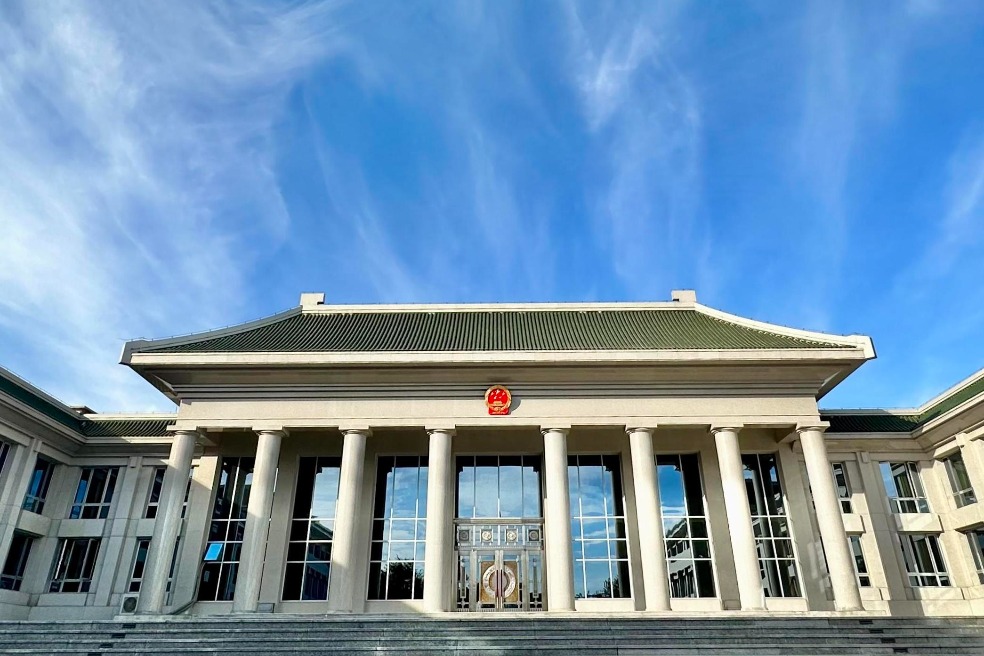
    China’s judicial system is demonstrating unprecedented commitment to protecting vulnerable populations through innovative public interest litigation mechanisms, according to Supreme People’s Procuratorate Prosecutor-General Ying Yong. The system specifically addresses protection gaps affecting elderly citizens, minors, women, and persons with disabilities who often lack resources or capacity to pursue legal remedies independently.

    National procuratorial authorities have significantly expanded their role as public interest representatives since the system’s conceptualization in 2014. This institutional innovation, regarded as a practical implementation of Xi Jinping Thought on the Rule of Law, has evolved through systematic legislative development. A milestone occurred in October 2025 when the National People’s Congress Standing Committee conducted its first review of dedicated legislation governing procuratorial public interest litigation.

    The system operates through multidimensional protection strategies. For elderly populations, prosecutors have addressed critical issues including medication safety, resulting in over 2,000 cases since 2023. One landmark intervention involved requiring pharmaceutical companies to provide accessible medication instructions through large-print and audio formats—a measure subsequently incorporated into China’s Barrier-Free Environment Development Law enacted in 2023.

    Minor protection efforts have generated approximately 45,000 cases addressing issues ranging from tobacco and alcohol sales to minors to regulating emerging sectors like e-sports hotels and mystery game venues. Prosecutors employ a comprehensive approach considering minors’ rights to development and social participation alongside fundamental health and safety concerns.

    Women’s rights protection has manifested through over 5,300 cases combating employment discrimination and dignity violations. Regional prosecutors in Shanghai, Jiangsu, and Shandong have successfully challenged unlawful practices including pregnancy-related dismissals and reduced maternity leave entitlements.

    Disability-focused litigation primarily targets barrier-free environment improvements, with 8,000+ cases pursued since relevant legislation took effect. Achievements include enhanced transportation accessibility, voice-assisted public service software, and text-based emergency systems.

    Internationally, China showcased these advancements at the United Nations Human Rights Council’s 59th session in June 2025, receiving global attention for its inclusive governance model. Domestically, the Supreme People’s Procuratorate has strengthened collaborative mechanisms with civil affairs departments, women’s federations, and disability organizations to create synergistic protection networks.

    Ying emphasized that beyond case-specific resolutions, the system focuses on addressing systemic regulatory gaps through coordinated governance improvements, ensuring sustainable protection for vulnerable groups across Chinese society.

  • 12 years on, renewed hunt for missing Flight MH370 comes up empty as families press for answers

    12 years on, renewed hunt for missing Flight MH370 comes up empty as families press for answers

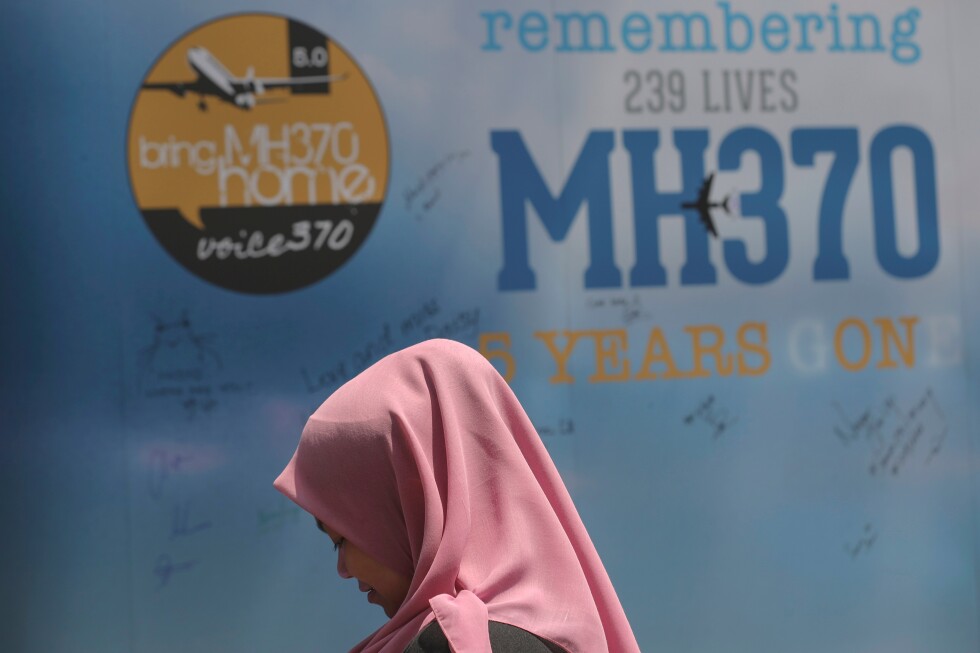
    Malaysian authorities have confirmed the unsuccessful conclusion of the latest deep-sea search operation for Malaysia Airlines Flight MH370, which disappeared twelve years ago with 239 passengers and crew aboard. The Air Accident Investigation Bureau reported Sunday that Ocean Infinity, a Texas-based marine robotics company, completed an extensive survey of the southern Indian Ocean seabed without locating the aircraft wreckage.

    Operating under a unique “no-find, no-fee” agreement that would have earned the company $70 million upon successful discovery, Ocean Infinity conducted search operations across 7,571 square kilometers (2,923 square miles) of ocean floor. The mission, executed in two phases between March 2025 and January 2026, faced periodic weather disruptions that hampered progress. The search focused on a newly identified 15,000-square-kilometer zone where the aircraft is believed to have crashed based on satellite trajectory data.

    The Boeing 777 vanished from radar on March 8, 2014, during its scheduled flight from Kuala Lumpur to Beijing. Most passengers were Chinese nationals. Previous multinational search efforts and a 2018 private search by Ocean Infinity similarly failed to locate the main wreckage, though debris fragments later washed ashore along African coastlines and Indian Ocean islands.

    Voice 370, representing families of the victims, has urgently appealed to the Malaysian government to extend Ocean Infinity’s contract and consider engaging other deep-sea exploration companies under similar performance-based arrangements. The group emphasized that the current contract remains valid until June but noted that Ocean Infinity’s vessel has been redeployed for other projects. With approaching winter months likely to worsen sea conditions, the window for immediate continuation appears limited.

    The families’ organization declared their unwavering commitment to pursuing answers, stating: “We will continue the fight for answers. We will never give up!” Malaysian authorities have not provided specifics regarding when or if the search operations might resume.

  • Japan rallies late to beat Australia 4-3 behind Masataka Yoshida’s home run, Taiwan tops South Korea

    Japan rallies late to beat Australia 4-3 behind Masataka Yoshida’s home run, Taiwan tops South Korea

    In a spectacular display of resilience, defending champion Japan mounted a dramatic comeback to defeat Australia 4-3 in a Pool C showdown at the World Baseball Classic on Sunday. The game reached its climax in the seventh inning when Masataka Yoshida launched a two-run homer with two outs, completely shifting the momentum in Japan’s favor.

    The Japanese team, which had been largely contained by Australia’s pitching arsenal throughout the evening, broke through against Jon Kennedy, Australia’s fifth pitcher of the night. Yoshida’s powerful swing sent the ball soaring to right field, electrifying the Tokyo crowd and putting Japan ahead for the first time in the contest.

    Japan bolstered their lead in the eighth inning with two additional runs. Ukyo Shuto crossed home plate on Teruaki Sato’s timely double, while Sosuke Genda capitalized on Ky Hampton’s bases-loaded walk. These insurance runs proved crucial as Australia mounted a fierce ninth-inning rally with back-to-back home runs from Alex Hall and Rixon Wingrove, narrowing the gap to a single run before Japan ultimately secured the victory.

    The win ensures Japan finishes atop Pool C, having already secured advancement to the quarterfinals. Chihiro Sumida earned the pitching victory while Taisei Ota recorded the save for the Japanese squad.

    In earlier tournament action, Taiwan delivered an extra-innings victory over South Korea, winning 5-4 in ten innings. The game-winning run was scored by Chieh-Hsien Chen, who advanced on Kun-Yu Chiang’s sacrifice bunt. Taiwan’s victory was powered by three home runs, including Stuart Fairchild’s two-run shot in the eighth inning. Fairchild, playing for Taiwan through his maternal heritage, described the contest as “one of the most fun games I’ve ever played in my life.”

    The tournament continues with critical matchups that will determine the final quarterfinal berth from Pool C, as Australia faces South Korea on Monday with advancement implications on the line.

  • Nation ramps up efforts to attract visitors

    Nation ramps up efforts to attract visitors

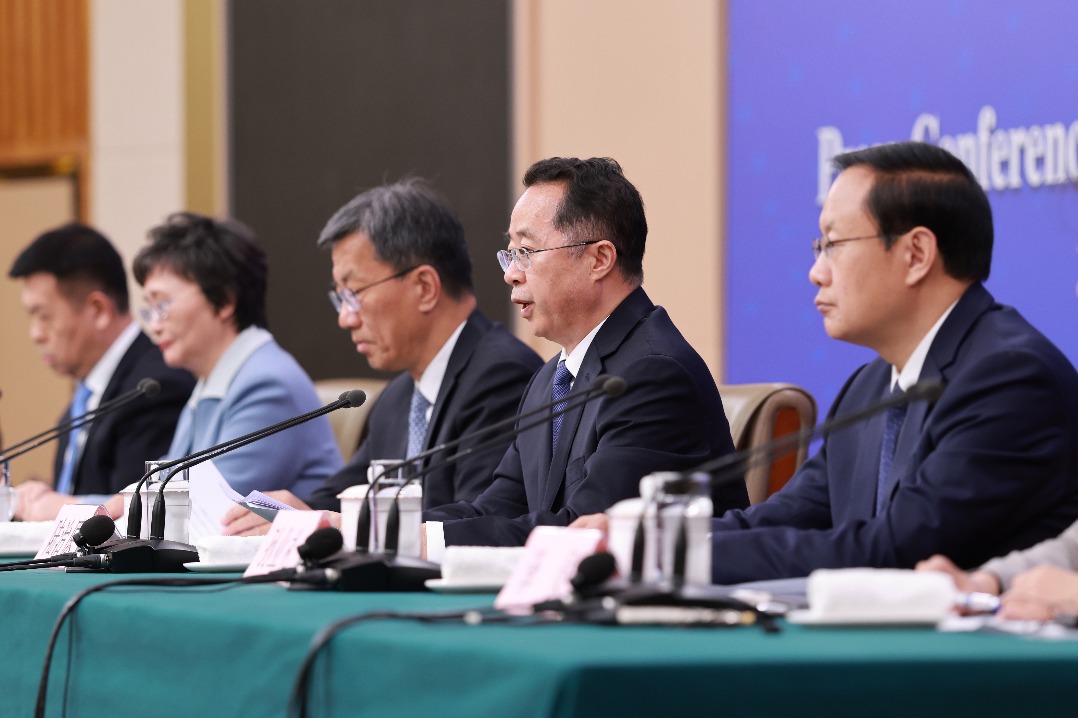
    China is aggressively enhancing its global tourism appeal through a comprehensive strategy integrating cultural promotion with streamlined travel services, according to Minister of Culture and Tourism Sun Yeli. The announcement came during a pivotal press conference on民生 (people’s livelihood) held alongside the fourth session of the 14th National People’s Congress.

  • She strives, she thrives

    She strives, she thrives

    On International Women’s Day, March 8, China Daily highlights three extraordinary women who are transforming their respective fields through innovation, cultural preservation, and community service. These pioneers demonstrate the expanding influence of women in contemporary society.

    From the cultural landscapes of Xinjiang to technological laboratories in Tianjin and neighborhood initiatives, these women represent diverse sectors where female leadership is making substantial impact. One cultural ambassador utilizes digital platforms to showcase the rich heritage of China’s Xinjiang Uygur Autonomous Region, creating content that bridges cultural divides and promotes understanding.

    In the realm of technological innovation, a Tianjin University researcher is breaking new ground in brain-computer interface development. Her work focuses on practical applications that could revolutionize healthcare and human-computer interaction, demonstrating women’s growing presence in STEM fields traditionally dominated by men.

    Completing this triad of influence is a community volunteer whose grassroots efforts strengthen social fabric at the local level. Her dedication to public service exemplifies how women are driving change from the ground up, addressing community needs through personal commitment and organizational skills.

    Their collective stories illustrate a broader narrative of female empowerment across Chinese society, where women are increasingly visible in positions of influence and innovation. These profiles challenge traditional gender roles while highlighting the unique perspectives women bring to their professions.

    The accompanying video documentary provides firsthand accounts of their journeys, offering insights into the challenges they’ve overcome and the aspirations that drive their remarkable achievements.

  • A new Nepali party, led by an ex-rapper, is set for a landslide win in parliamentary election

    A new Nepali party, led by an ex-rapper, is set for a landslide win in parliamentary election

    KATHMANDU, Nepal — Nepal’s political landscape has undergone a seismic transformation as the Rastriya Swatantra Party (RSP), led by former rapper Balendra Shah, achieved a decisive victory in the nation’s first parliamentary elections since youth-led protests toppled the established government. The Election Commission’s Sunday results revealed the nascent political movement had secured 103 of 165 directly elected parliamentary seats while leading in 21 additional constituencies.

    The remarkable electoral performance represents a dramatic repudiation of Nepal’s traditional political dynasties that have dominated governance for decades. The Nepali Congress and Communist Party of Nepal (Unified Marxist–Leninist), which have alternated power through successive administrations, were comprehensively defeated by the four-year-old reformist party.

    Balendra Shah, the charismatic rapper-turned-politician who previously won Kathmandu’s mayoral race in 2022, emerged as the central figure during the 2025 popular uprising that unseated former Prime Minister Khadga Prasad Oli. Shah is now positioned to become Nepal’s next prime minister as his party demonstrates overwhelming electoral support.

    Beyond the directly elected seats, the RSP also commands approximately 51% of the proportional representation votes that will determine the allocation of 110 additional parliamentary seats. This dual dominance virtually ensures the party will comfortably exceed the 138-seat threshold required to form a government in the 275-member House of Representatives.

    National newspapers heralded the political upheaval as historic, with The Himalayan Times declaring “RSP set for a landslide victory” and Annapurna Post describing the outcome as a “People’s ballot revolt; shift in political paradigm.”

    Despite the euphoria among supporters, who have celebrated with traditional flower garlands and vermilion powder ceremonies, party officials have called for restrained celebrations in remembrance of those killed during last year’s protests. The youth-led movement began as opposition to social media restrictions before escalating into widespread demonstrations against systemic corruption and governance failures that resulted in dozens of fatalities when security forces clashed with protesters.

    The electoral system permits voters two ballots: one for constituency representatives and another for party preference. The RSP’s commanding performance across both voting mechanisms signals a fundamental realignment in Nepali politics toward reform and accountability.

  • The heartwarming tale of a father, a daughter, and a wedding band wowing India

    The heartwarming tale of a father, a daughter, and a wedding band wowing India

    A groundbreaking short film from India is sparking national conversation about domestic violence and patriarchal traditions through the emotionally charged story of a father’s defiant act of love. ‘Band Baaja Bitiya’ (Wedding Band and Daughter), produced by Unicorn Films, has captivated millions with its powerful reimagining of parental responsibility in abusive marriages.

    The three-and-a-half minute cinematic piece features veteran Bollywood actor Gajraj Rao as a father who receives a distressing call from his married daughter Surabhi, revealing ongoing domestic abuse. Contrary to the conventional advice from relatives suggesting she ‘adjust’ to her circumstances, the father makes a radical decision: he arrives at her marital home accompanied by a full wedding band, symbolically celebrating her liberation from an abusive marriage with the same fanfare that marked her departure.

    Director Prosit Roy, self-described as ‘a girl dad,’ created the film to confront what he calls ‘old ideas and archaic values’ that perpetuate domestic violence. ‘Parents don’t intervene because they worry what will people say,’ Roy explains. ‘We tell our daughters to adjust and sometimes it’s too late. I’m showing a mirror to society.’

    The film’s impact resonates against alarming statistical realities: official data indicates approximately one in three Indian women experience domestic violence, with over 6,150 dowry-related deaths and 133,676 cases of spousal cruelty reported in 2023 alone. Activists note that many women remain trapped in abusive relationships due to lack of parental support.

    Social media response has been overwhelmingly positive, with viewers calling it ‘the best ad film of 2026’ and ‘a revolutionary idea whose time has finally come.’ Many shared personal stories of parental support, while fathers expressed renewed commitment to their daughters’ safety.

    The narrative finds grounding in real-life precedents, notably businessman Prem Gupta who in October 2023 employed a wedding band to retrieve his daughter Sakshi from an unhappy marriage. ‘I did it to see my daughter smile,’ Gupta stated, noting that several fathers have since emulated his approach.

    Rao acknowledges the film represents ‘a drop in the ocean’ of needed social change but hopes it provides ‘a guiding light for families’ to support their daughters. The production team aims to mainstream their message that daughters deserve permanent sanctuary and the right to escape violence, challenging the traditional notion that marital homes represent lifelong commitments regardless of circumstances.