标签: Asia

亚洲

  • Yangtze belt sees GDP, green growth

    Yangtze belt sees GDP, green growth

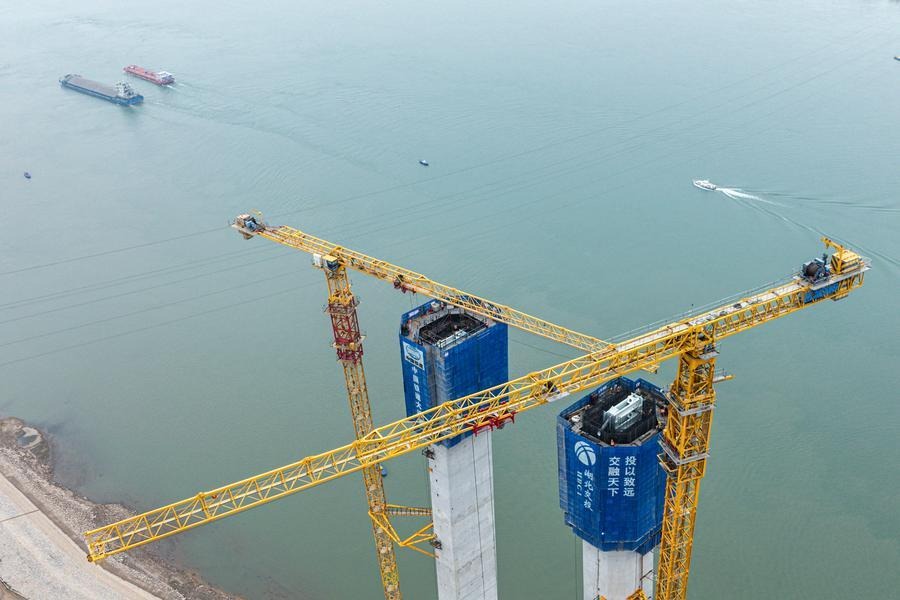
    China’s Yangtze River Economic Belt has demonstrated remarkable progress in balancing economic expansion with environmental restoration over the past decade, according to senior government officials. The region has achieved a dual triumph of economic advancement and ecological rehabilitation, with water quality standards showing dramatic improvement alongside substantial GDP growth.

    At a State Council Information Office briefing commemorating the 10th anniversary of President Xi Jinping’s pivotal symposium on Yangtze development, National Development and Reform Commission Deputy Director Wang Changlin revealed striking statistics. The proportion of river sections achieving ‘fairly good’ or superior water quality ratings surged from 67% in 2015 to an impressive 96.5% by 2025, while the region’s economic output more than doubled during the same period.

    The economic significance of the Yangtze belt within China’s national framework has substantially increased, with its contribution to the national GDP expanding from 42.2% to 47.3% over the ten-year span. This growth occurred alongside the implementation of President Xi’s directive prioritizing ecological restoration over large-scale development, establishing environmental protection as the region’s guiding principle.

    Significant environmental milestones include the virtual elimination of black and odorous water bodies in prefecture-level cities along the Yangtze, achieved through comprehensive pollution control measures targeting industrial, agricultural, and shipping sources. The mainstream Yangtze has been transformed from containing Grade V quality sections to maintaining consistent Grade II standards throughout its entire course.

    Biodiversity conservation has shown particularly encouraging results since the implementation of a comprehensive 10-year fishing ban effective January 1, 2021. Monitoring data from 2021-2024 documented 344 indigenous fish species in the Yangtze basin, representing an increase of 36 species compared to pre-ban levels.

    Despite these achievements, challenges persist. Jiang Kaiyong, Director of the Yangtze Basin Fishery Supervision Administration, noted that 99 historically recorded fish species remain undetected, with flagship species like the Chinese sturgeon continuing to face critical endangerment. Occasional illegal fishing incidents further complicate conservation efforts.

    The Ministry of Agriculture and Rural Affairs has committed to strengthening interdepartmental cooperation with local authorities to enhance law enforcement coordination and improve biodiversity conservation capabilities, ensuring the continued protection of the Yangtze’s ecological resources while supporting high-quality regional development.
  • Trump administration’s capture of Maduro raises unease about the international legal framework

    Trump administration’s capture of Maduro raises unease about the international legal framework

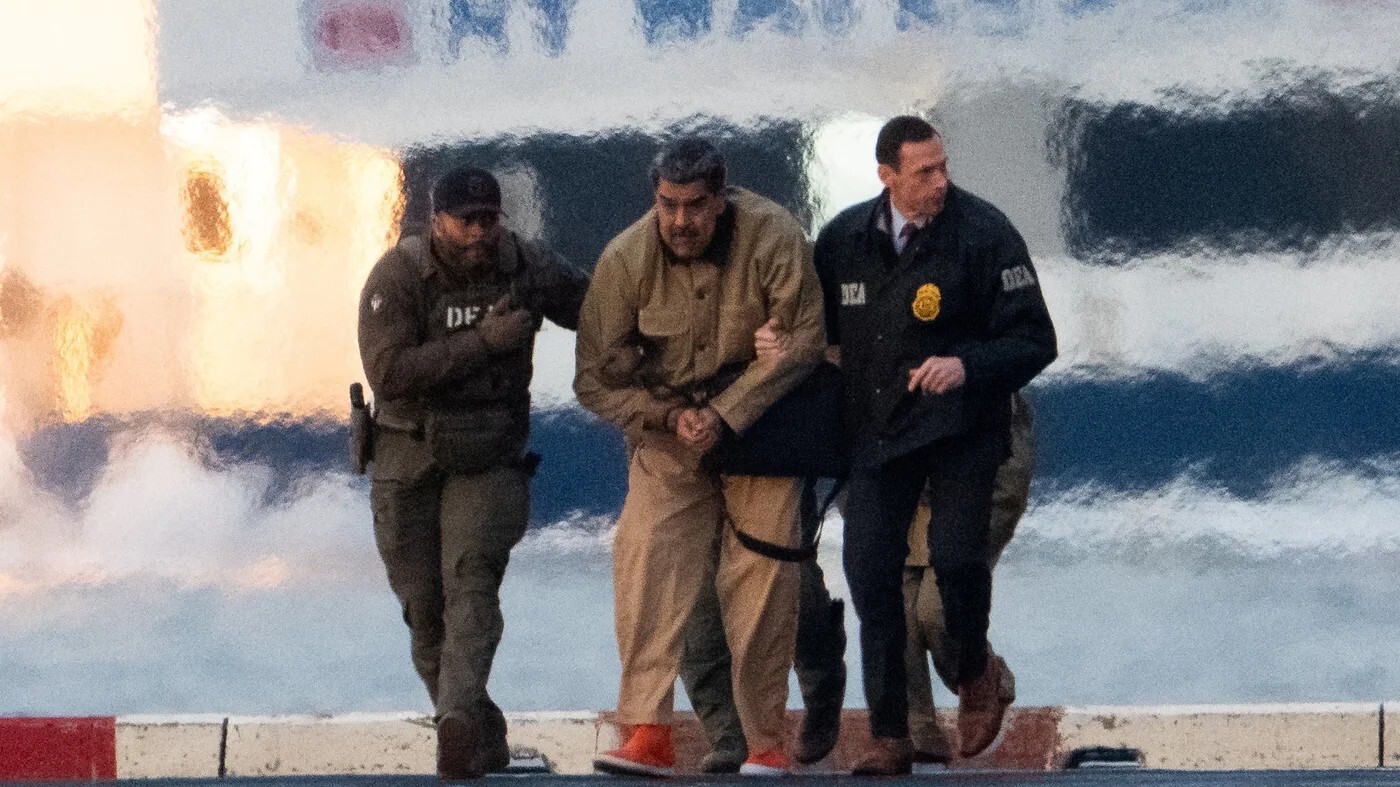
    THE HAGUE, Netherlands (AP) — The fragile architecture of global governance, painstakingly constructed from the ashes of two world wars, now faces unprecedented strain following the military extraction of Venezuelan leader Nicolás Maduro. This operation, characterized by U.S. officials as a “surgical law enforcement operation” against narco-terrorism, has triggered profound concerns about the resurgence of power politics overriding international legal frameworks.

    U.N. Undersecretary-General Rosemary A. DiCarlo urgently addressed the Security Council, emphasizing that international peace hinges on member states’ adherence to the U.N. Charter. The Trump administration justifies its actions under a controversial doctrine designating Venezuelan drug cartels as “unlawful combatants” with whom the U.S. is in an “armed conflict.”

    The operation aligns with Washington’s recently published National Security Strategy prioritizing restoration of “American preeminence in the Western Hemisphere.” This approach has drawn condemnation from global leaders and analysts who fear it establishes dangerous precedents. French Foreign Minister Jean-Noël Barrot warned that violations of the non-use of force principle by Security Council permanent members will have “serious consequences for global security.”

    The geopolitical ramifications extend far beyond Venezuela. Russian Ambassador Vasily Nebenzya condemned the action as a return to “lawlessness,” while analysts note parallels with Russia’s aggression in Ukraine. China criticized the operation as a “blatant use of force against a sovereign state,” though experts suggest Beijing is unlikely to replicate such tactics against Taiwan, preferring gradual pressure campaigns.

    European nations face particular dilemma, balancing traditional alliances with concerns over eroding international norms. The EU statement acknowledged Maduro’s lack of political legitimacy while insisting U.N. Charter principles must be upheld. Meanwhile, Trump’s speculative comments about Greenland’s strategic importance and confrontational stance toward Iran further complicate transatlantic relations.

    Hungarian Prime Minister Viktor Orbán encapsulated the emerging philosophy, dismissing international rules as irrelevant to great powers’ decisions. As nations worldwide assess these developments, the fundamental question remains whether the post-war international order can withstand the accelerating shift toward power-based diplomacy.

  • Guangdong encouraged to lead innovation

    Guangdong encouraged to lead innovation

    During an intensive inspection tour of Guangdong from January 3-5, 2026, Premier Li Qiang delivered a strategic mandate for the southern province to accelerate its innovation-driven development and reinforce its historic role as China’s reform pioneer. The Premier emphasized Guangdong’s critical position within national development strategies, urging provincial leadership to harness its distinctive advantages in technological advancement and open-market policies.

    Premier Li’s itinerary featured multiple innovation hotspots, including the Hetao Shenzhen-Hong Kong Science and Technology Innovation Cooperation Zone, where he stressed enhancing corporate innovation capabilities through improved policy frameworks, financial mechanisms, and talent acquisition. He further examined Shenzhen’s Robot Valley and low-altitude economy infrastructure, advocating for stronger industrial ecosystems and practical application scenarios to accelerate technological iteration.

    The inspection extended to major infrastructure projects, including the Shenzhen-Zhongshan Link, where Li highlighted the necessity of advanced management systems for ensuring operational safety and regional connectivity. In Foshan, the Premier called for accelerated R&D cycles and high-quality production to stimulate demand-supply synergy. At Foshan International Land Port, he emphasized integrating infrastructure ‘hard connectivity’ with regulatory ‘soft connectivity’ to expand digital and green trade initiatives.

    With Guangdong’s GDP having exceeded 14 trillion yuan ($2 trillion) in 2024—maintaining its status as China’s economic powerhouse—the province is now positioned to drive the nation’s 15th Five-Year Plan (2026-2030) through strategic innovation partnerships and deepened reform policies.

  • Astronauts complete first cave training

    Astronauts complete first cave training

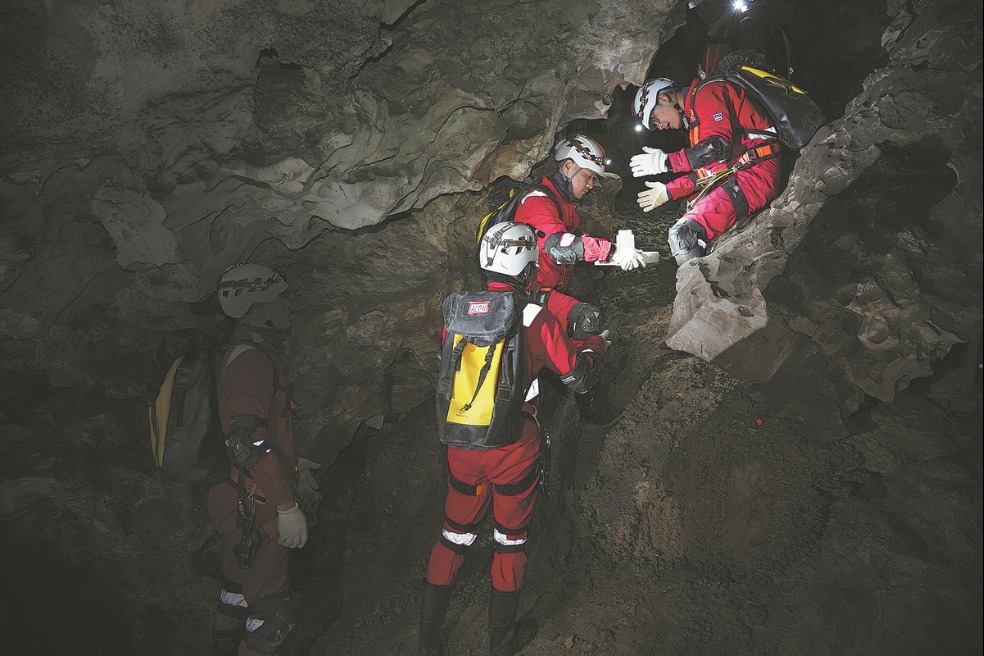
    In a groundbreaking initiative for space preparedness, China has successfully concluded its inaugural cave survival training program for astronauts in Chongqing’s Wulong district. The month-long intensive exercise, organized by the Astronaut Center of China, involved twenty-eight participants facing extreme subterranean conditions to simulate the challenges of deep space exploration.

    The astronauts endured six days and five nights in natural caves with temperatures averaging 8°C and humidity reaching 99%. The training regimen included navigating narrow passages, cliff rappelling, environmental monitoring, cave mapping, and simulated communications with mission control. Beyond physical endurance, the program specifically addressed psychological challenges including sensory deprivation, darkness adaptation, and isolation management.

    According to project leader Wu Bin, the training aimed to enhance multiple critical competencies: “This comprehensive program tested risk response capabilities, self-reliance, teamwork, emergency decision-making, and overall operational readiness in extreme environments.”

    Psychological resilience emerged as a central focus, with astronaut instructor Jiang Yuan emphasizing that “caves represent typical examples of extreme confinement and isolation, providing valuable scientific insights for supporting astronauts’ mental health during prolonged space missions.”

    Veteran astronaut Ye Guangfu, who previously participated in similar European Space Agency training, noted the program’s significance for future long-duration space station operations and crewed lunar exploration. Participants reported the experience effectively simulated the loneliness and unknowns of deep-space exploration while strengthening emergency response capabilities and team cohesion.

    The China Manned Space Agency confirms these rigorous training programs will continue for both new recruits and experienced astronauts, reflecting China’s systematic approach to preparing spacefarers for unpredictable scenarios and potential emergency landings in hostile terrestrial environments.

  • Israeli media and US lawmakers signal Iran intervention after Venezuela attack

    Israeli media and US lawmakers signal Iran intervention after Venezuela attack

    Recent developments suggest a significant shift in U.S. foreign intervention policy under President Donald Trump, with the operation against Venezuelan President Nicolas Maduro potentially serving as a blueprint for future actions. Following the high-risk abduction of Maduro from Caracas, which involved U.S. special forces and airstrikes on military installations, attention has turned toward Iran as a possible next target.

    Israeli media outlets, including The Jerusalem Post, have reported that Washington is actively considering intervention options regarding Iran’s ongoing domestic protests. The publication suggested that the Venezuela operation demonstrates a new American threshold for military engagement, a development closely monitored by Israeli security analysts.

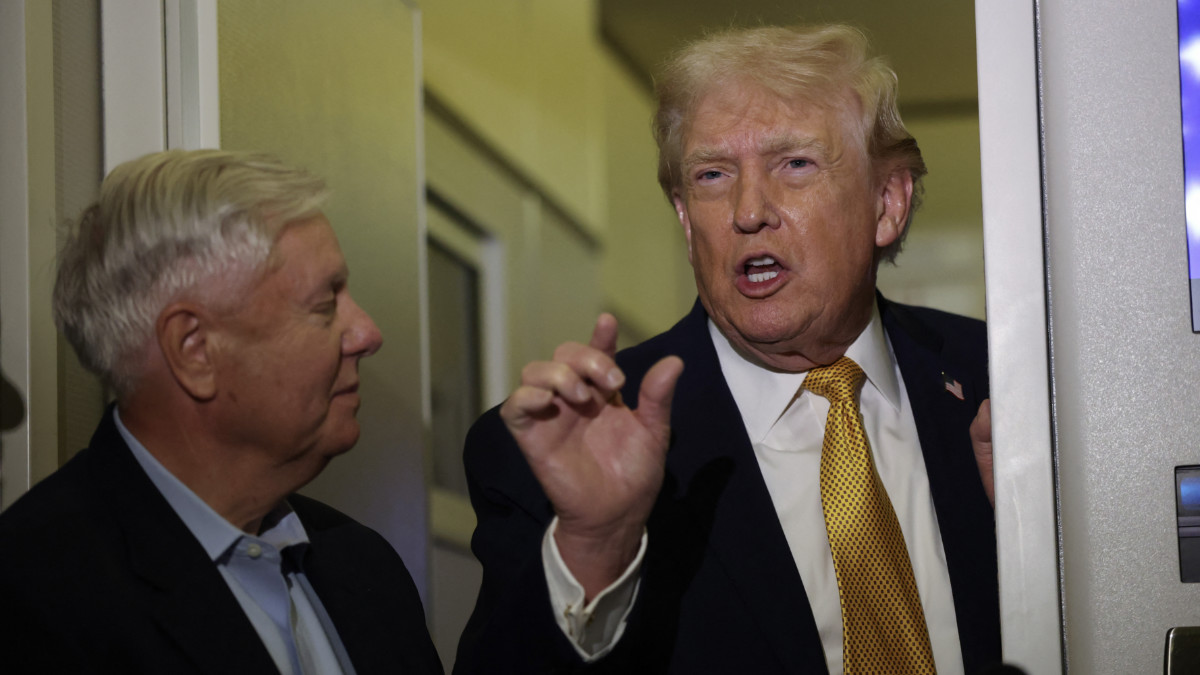
    This perspective gained traction when Republican Senator Lindsey Graham appeared on Fox News wearing a ‘Make Iran Great Again’ cap, explicitly expressing hope that 2026 would mark Iran’s transformation under American influence. The symbolism echoed Trump’s own social media threat that the U.S. stands ‘locked and loaded’ to ‘rescue’ Iranian protesters if their government responds violently to demonstrations.

    The Iranian protests, triggered by a severe cost-of-living crisis and the collapse of the national currency under U.S. sanctions, have already claimed at least sixteen lives. Former Secretary of State Mike Pompeo, a staunch Israel supporter, drew direct parallels between Maduro’s situation and Iran’s leadership, suggesting similar outcomes might await Iranian officials.

    The Venezuela operation has caused international concern, with indications that Cuba, Colombia, and Mexico might also be considered for future interventions. This apprehension was amplified when Katie Miller, spouse of White House deputy chief of staff Stephen Miller, shared an image of Greenland covered by an American flag with the caption ‘SOON.’

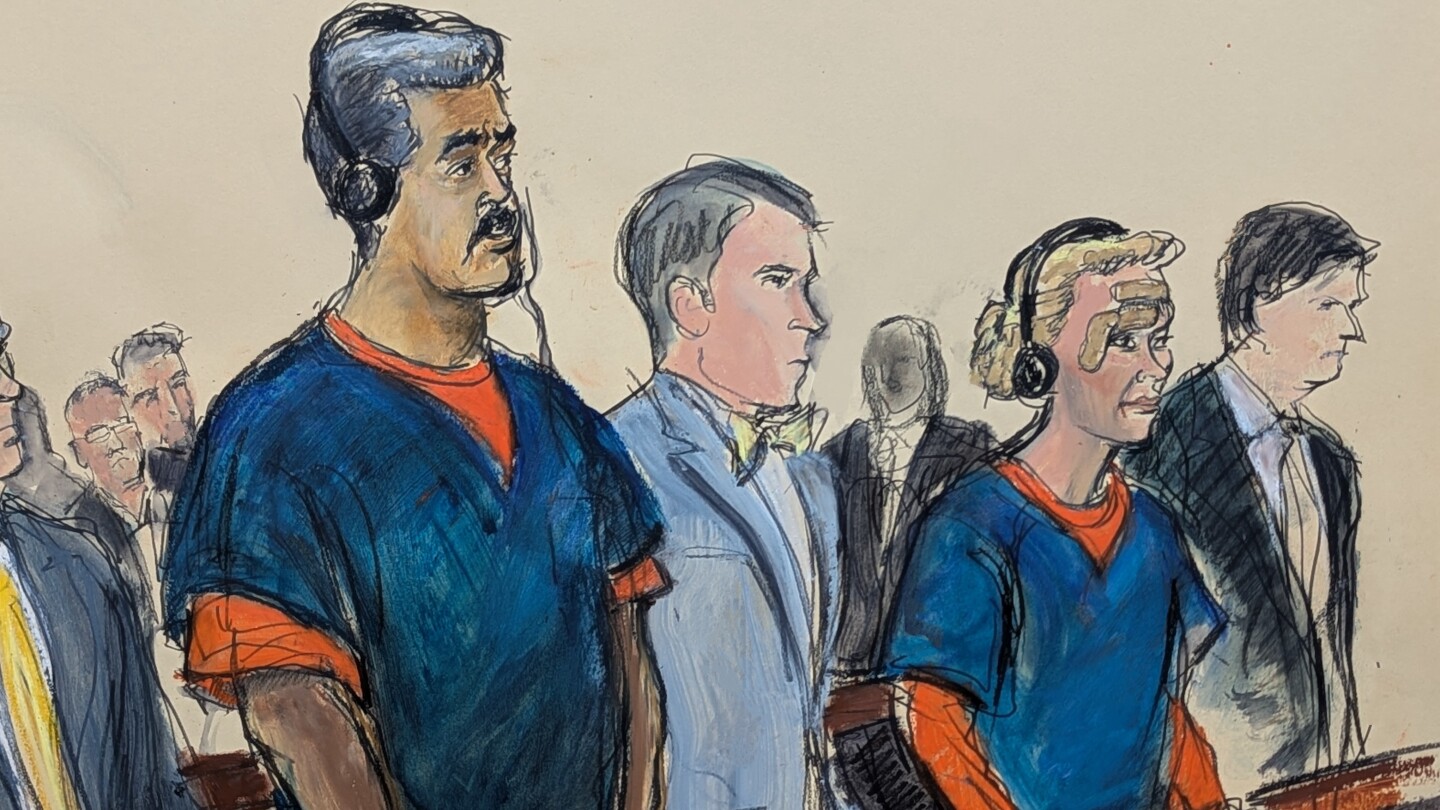
    Meanwhile, Maduro appeared in a U.S. court facing charges including narco-terrorism and drug trafficking, maintaining his innocence while identifying as a ‘decent man’ and legitimate president. Venezuelan officials reported the death toll from the U.S. operation has reached 80, including civilians and security personnel, with numbers potentially rising.

    Israeli Prime Minister Benjamin Netanyahu, who was visiting Trump in Florida prior to the Venezuela operation, expressed solidarity with Iranian protesters, stating: ‘We identify with the struggle of the Iranian people, with their aspirations for freedom, liberty and justice. It is quite possible that we are at a moment when the Iranian people are taking their fate into their own hands.’

  • Netflix pulls Chinese drama after Vietnam’s outcry over disputed map

    Netflix pulls Chinese drama after Vietnam’s outcry over disputed map

    Netflix has complied with Vietnamese government demands to remove the popular Chinese romantic drama ‘Shine On Me’ from its streaming platform in Vietnam. The action follows official objections to the show’s depiction of China’s controversial nine-dash line territorial claims in the South China Sea, which Hanoi considers a violation of its national sovereignty.

    The dispute centers on episode 25 of the series, which features several appearances of a Chinese map displaying the nine-dash line during a scene about solar power potential. The contentious demarcation appears projected on an auditorium screen during a lecture attended by the show’s main characters.

    Vietnam’s Ministry of Culture issued a formal removal order on January 3, giving Netflix 24 hours to comply with the demand. By Tuesday, the series was no longer accessible to Vietnamese subscribers, despite previously ranking among Netflix’s Top 10 shows in several Asian territories including Singapore, Taiwan, and Vietnam itself.

    This incident represents the latest chapter in ongoing tensions between China and Vietnam over maritime sovereignty. Beijing maintains historical claims to approximately 90% of the South China Sea based on the U-shaped nine-dash line, while Vietnam asserts its own historical jurisdiction over the Paracel and Spratly island chains dating back to the 17th century.

    The controversy extends beyond Chinese productions. Vietnam has previously banned other media content featuring the nine-dash line, including Warner Bros’ ‘Barbie’ in 2023 and DreamWorks’ ‘Abominable’ in 2019. In 2023, another Chinese drama, ‘Flight to You,’ faced similar removal from Netflix’s Vietnamese platform.

    China’s state-run Global Times responded to the latest ban by urging Vietnam to ‘separate cultural exchanges from the South China Sea issue,’ though Beijing has not issued an official government statement on the matter. The situation highlights how cultural products increasingly become entangled in complex geopolitical disputes, with streaming platforms caught between competing national interests and censorship demands.

  • Nvidia unveils ‘reasoning’ AI technology for self-driving cars

    Nvidia unveils ‘reasoning’ AI technology for self-driving cars

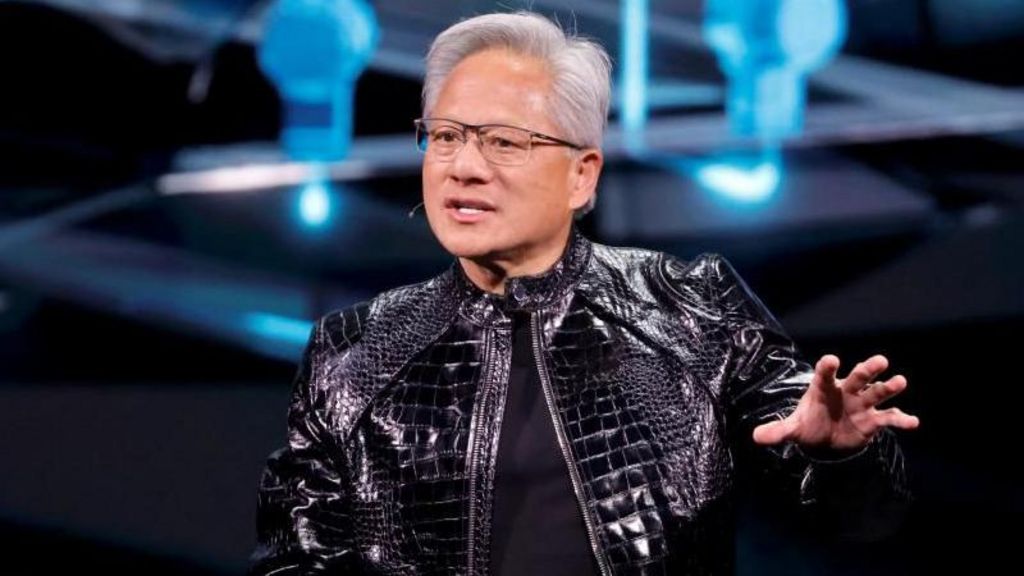
    Nvidia CEO Jensen Huang unveiled a groundbreaking artificial intelligence platform named Alpamayo during his keynote address at the CES technology conference in Las Vegas on Monday. The revolutionary system represents a significant advancement in autonomous vehicle technology by enabling self-driving cars to engage in human-like reasoning processes when navigating complex scenarios.

    The platform’s sophisticated architecture allows vehicles to analyze rare driving situations, operate safely in challenging environments, and provide detailed explanations for their driving decisions. Huang, wearing his characteristic black leather jacket, demonstrated the technology’s capabilities to hundreds of conference attendees through a video showing an AI-powered Mercedes-Benz CLA navigating San Francisco streets with a passenger whose hands remained in their lap throughout the journey.

    In a major industry development, Nvidia announced it has commenced production of its first driverless vehicle in partnership with Mercedes-Benz. The collaborative effort will initially launch the autonomous CLA model in United States markets within coming months, followed by sequential releases across European and Asian markets. Huang emphasized that this project has provided Nvidia with invaluable insights into developing robotic systems for automotive partners.

    Industry analysts immediately recognized the strategic significance of the announcement. Paolo Pescatore of PP Foresight noted from Las Vegas that “NVIDIA’s pivot toward AI at scale and AI systems as differentiators will help keep it way ahead of rivals.” This sentiment was reflected in market response as Nvidia shares experienced a slight increase during after-hours trading following the presentation.

    In a move that could disrupt the autonomous vehicle sector, Huang revealed that Alpamayo will be available as an open-source AI model with underlying code accessible through machine learning platform Hugging Face. This approach allows autonomous vehicle researchers worldwide to freely access, modify, and retrain the model, potentially accelerating industry-wide development.

    The announcement drew a pointed response from Tesla CEO Elon Musk, whose company develops the Autopilot driver assistance system. Musk commented on social media that “Well that’s just exactly what Tesla is doing,” while cautioning about the challenges in achieving full autonomy beyond 99% capability.

    Nvidia, currently the world’s most valuable publicly traded company with a market capitalization exceeding $4.5 trillion, also provided updates on its Rubin AI chips currently in manufacturing. The new hardware promises enhanced computational efficiency with reduced energy consumption compared to current AI chips, potentially lowering development costs for AI technologies across multiple industries.

  • Enemies not allowed to control large oil reserves, US ambassador to UN says

    Enemies not allowed to control large oil reserves, US ambassador to UN says

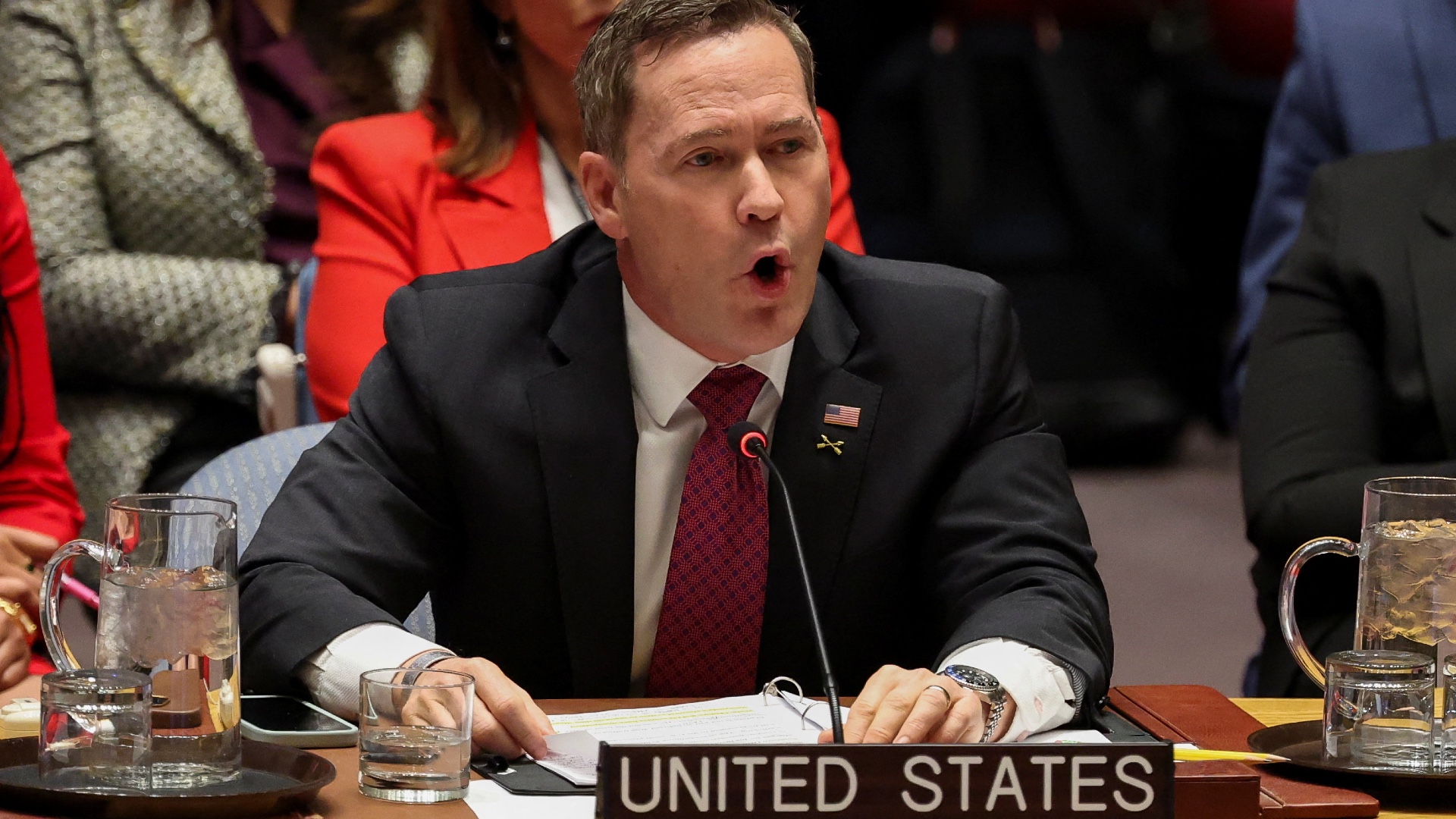
    In a tense address to the United Nations Security Council, U.S. Ambassador Mike Waltz articulated a firm stance against adversarial control of global energy reserves, specifically targeting the Venezuelan government of Nicolás Maduro. The diplomatic confrontation unfolded just hours before Maduro and his wife, Cilia Flores, entered not guilty pleas in a New York federal court to a series of severe charges.

    Ambassador Waltz emphasized that the Western Hemisphere must not serve as an operational base for nations adversarial to the United States. He explicitly condemned the control of Venezuela’s vast oil reserves—the world’s largest—by what he termed ‘illegitimate leaders,’ asserting that this situation neither benefits the Venezuelan people nor aligns with U.S. national security interests. However, he was quick to clarify the nature of the intervention, stating, ‘There is no war against Venezuela or its people. We are not occupying a country,’ directly countering claims of a military occupation.

    The legal basis for the operation stems from a 2020 indictment, unsealed from the Trump administration era, which charges Maduro with Narco-Terrorism Conspiracy, Cocique Importation Conspiracy, and weapons-related violations. A separate, recently unsealed indictment also implicates First Lady Cilia Flores and the couple’s son in drug trafficking, with additional accusations of ordering kidnappings, murders, and accepting bribes leveled against Flores.

    The dramatic abduction of President Maduro from Caracas by U.S. special forces, supported by aerial strikes on military targets, has triggered significant international backlash. Permanent UNSC members Russia and China have condemned the act, while UN Secretary-General António Guterres, through political affairs chief Rosemary DiCarlo, expressed ‘deep concern’ over a potential violation of international law and the dangerous precedent set by forcibly removing a head of state from a sovereign nation. The UN charter explicitly mandates member states to ‘refrain from the threat or use of force against the territorial integrity or political independence of any state.’

    Venezuela’s UN Ambassador, Samuel Moncada, denounced the operation as ‘an illegitimate armed attack lacking any legal justification.’ The human cost of the intervention is reportedly severe, with a senior Venezuelan official citing a death toll of 80, a figure expected to rise, encompassing both civilians and security personnel. With the U.S. holding a veto power on the Security Council, prospects for formal UN accountability appear dim. In the interim, Venezuela’s Supreme Court has appointed former Vice President Delcy Rodríguez, who decried the seizure as having ‘Zionist undertones,’ to lead the country.

  • Hyundai says it will deploy humanoid robots at US factory

    Hyundai says it will deploy humanoid robots at US factory

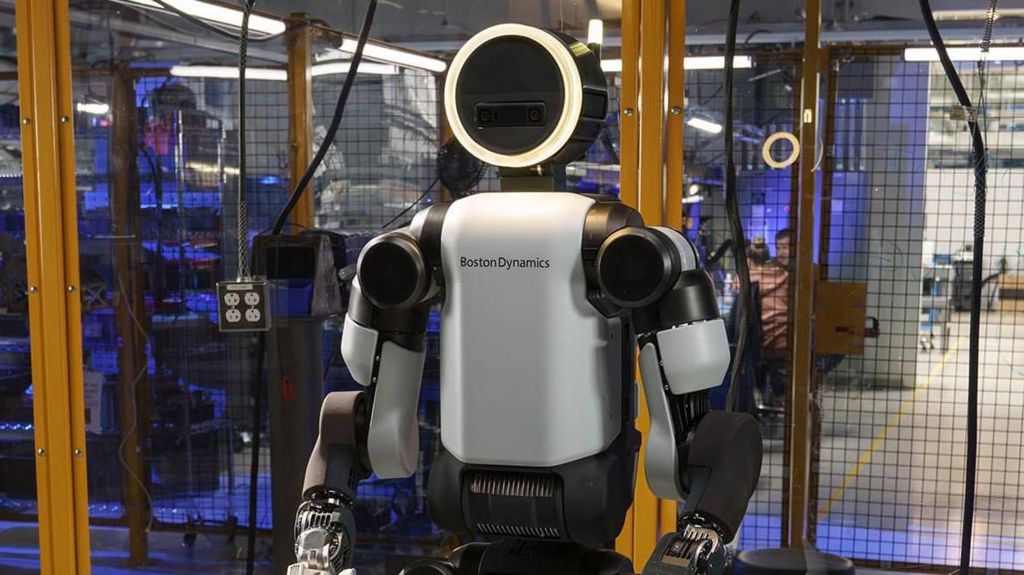
    In a significant advancement for industrial automation, Hyundai Motor Group has announced plans to deploy humanoid robots at its manufacturing facility in Georgia, United States. The revelation came during Monday’s Consumer Electronics Show (CES) in Las Vegas, where the South Korean conglomerate showcased Atlas—a bipedal robot engineered by Boston Dynamics, in which Hyundai holds a controlling interest.

    This strategic move positions Hyundai alongside industry pioneers including Amazon, Tesla, and Chinese automotive titan BYD, all actively integrating humanoid robotics into their manufacturing ecosystems. The Atlas robots are scheduled to commence operations in 2028, with a phased implementation approach designed to gradually expand their operational capabilities within the production environment.

    Engineered for versatile industrial applications, Atlas represents the next generation of collaborative robots designed to operate synergistically with human workers while autonomously managing machinery. Hyundai emphasizes that these robotic systems will mitigate physical strain on employees, undertake high-risk tasks, and accelerate the broader adoption of advanced automation technologies.

    Hyundai’s announcement carries particular significance given the Georgia plant’s history. In September 2025, the facility became the center of a substantial immigration enforcement operation resulting in hundreds of detainments, including approximately 300 South Korean nationals. The incident provoked diplomatic tensions and raised concerns about foreign investment climate in the United States.

    The robotics initiative aligns with Hyundai’s substantial $20 billion investment strategy in the U.S. market, announced in 2025, which supports domestic manufacturing expansion while advancing autonomous driving and artificial intelligence capabilities. Company executives, including Vice Chair Jaehoon Chang, have acknowledged workforce automation concerns while emphasizing the continued need for human expertise in robot training and supervision.

    While Hyundai has not disclosed specific financial details or initial deployment quantities, this development marks a pivotal moment in industrial robotics, potentially establishing new benchmarks for manufacturing efficiency and human-robot collaboration in post-pandemic industrial landscapes.

  • ‘No credible basis’: Experts say US law doesn’t justify Venezuela attack

    ‘No credible basis’: Experts say US law doesn’t justify Venezuela attack

    A recent military operation conducted by the United States against Venezuela has ignited a fierce legal debate among constitutional and international law scholars. United Nations experts have declared the attack a clear breach of international law, while the Trump administration defends its actions under US statutory provisions. The operation involved airstrikes and the extraordinary rendition of Venezuelan President Nicolas Maduro and his wife, Cilia Flores, to face narcotics trafficking charges in New York.

    Legal authorities present contrasting interpretations of the operation’s legitimacy. J Wells Dixon, Senior Staff Attorney at the Center for Constitutional Rights, asserts the invasion lacked any credible foundation in US law, emphasizing that congressional authorization was neither sought nor obtained. ‘There’s no authority to do that,’ Dixon stated, noting that Venezuela had not launched an armed attack against the US that would justify military response under self-defense doctrines.

    Eugene R Fidell, Military Law expert at Yale Law School, concurred, characterizing the operation as unconstitutional absent a congressional declaration of war. ‘Drug smuggling is not an invasion,’ Fidell remarked. ‘This was not an act of self-defense.’

    Conversely, Ingrid Brunk of Vanderbilt Law School offered a divergent perspective, framing the operation through a law enforcement rather than military lens. Brunk cited historical precedent of presidential actions without congressional approval, particularly regarding targeted strikes and apprehensions. She referenced President Obama’s 2011 Libya strikes as comparable executive action.

    The extraordinary abduction of Maduro and Flores raises additional legal complexities. While the US and Venezuela maintain an extradition treaty dating to 1922, officials confirm no consent was obtained from Caracas. Nevertheless, Brunk notes US courts typically disregard irregularities in defendant apprehension, citing the precedent established in Israel’s prosecution of Adolf Eichmann.

    The impending trial faces potential challenges regarding head of state immunity, with experts referencing the Manuel Noriega case as possible precedent. The administration’s revival of the Monroe Doctrine as justification has drawn particular criticism from legal scholars, including Yale’s Oona Hathaway, who warns this stance effectively rejects UN Charter principles and threatens global security architecture.