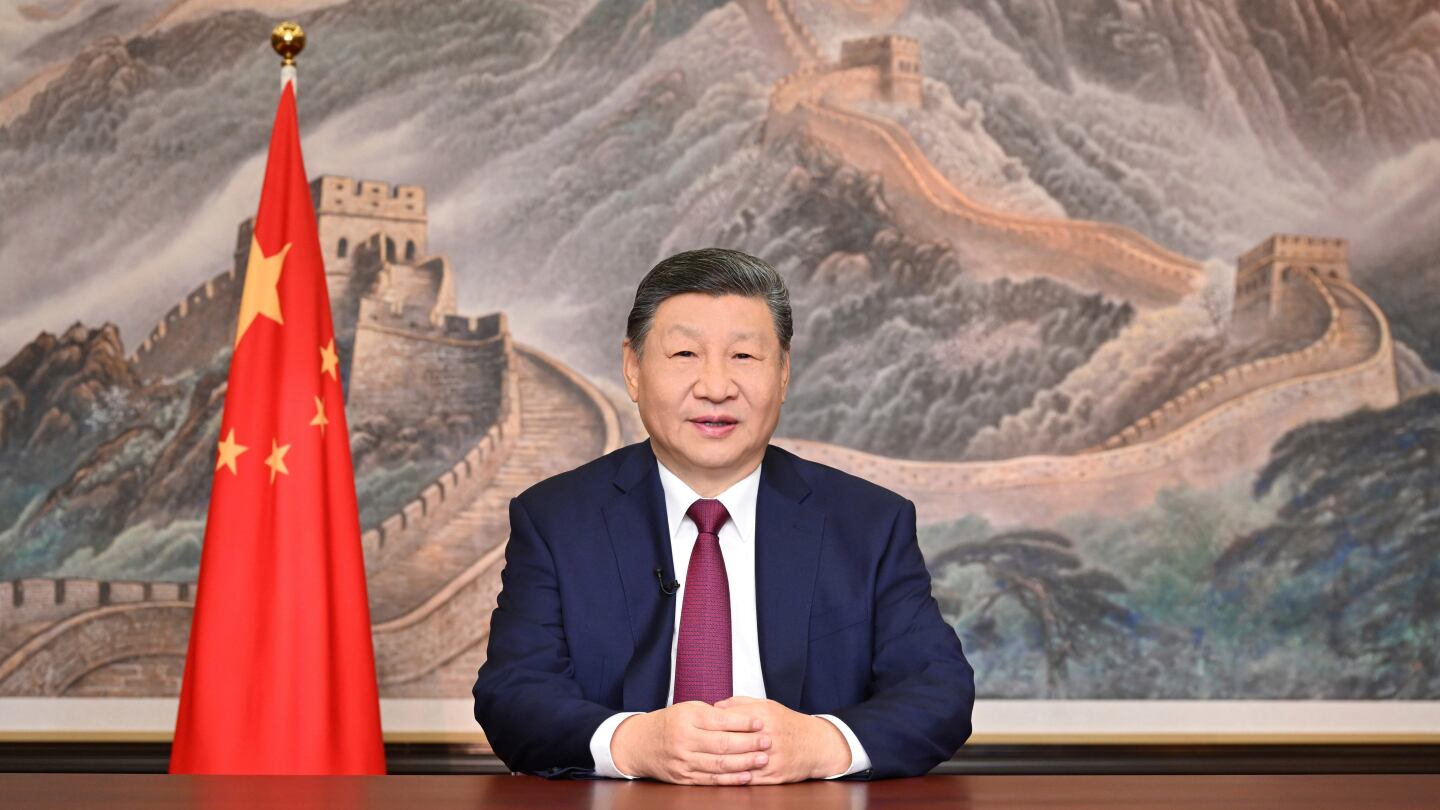
In early December 2025, the Chinese and Russian militaries executed their third collaborative anti-missile exercise on Russian territory, as officially confirmed by China’s Ministry of National Defense on December 6th. The defense ministry emphasized through an official statement that this joint military operation was not directed toward any third-party nation and maintains no connection to the prevailing international and regional geopolitical climate. This latest drill represents a continuation of the growing strategic defense cooperation between the two nations, who have increasingly aligned in military matters over recent years. The exercise focused on enhancing interoperability between Chinese and Russian missile defense systems, reflecting a shared commitment to strengthening collective security capabilities. While the statement deliberately avoided specifying the exact location within Russia or the precise systems tested, the timing coincides with ongoing global tensions surrounding missile proliferation and defense technologies. The bilateral cooperation demonstrates a concerted effort to advance technical military proficiency while presenting a unified front in defensive preparedness. This marks another significant milestone in the deepening military partnership between Moscow and Beijing, which has expanded to include joint naval exercises, aerial patrols, and now repeated anti-missile collaborations.
标签: Asia
亚洲
-

Villa stun leaders Arsenal, Man City close gap to two points, Liverpool held by Leeds
A seismic shift occurred in the Premier League title race on Saturday as Aston Villa delivered a stunning blow to league leaders Arsenal with a dramatic 2-1 victory in stoppage time. The electrifying finish at Villa Park, capped by substitute Emiliano Buendia’s winner in the 95th minute, ended Arsenal’s 19-match unbeaten streak across all competitions and threw the championship battle wide open.
The victory propelled Unai Emery’s resurgent Villa to within three points of the summit, while simultaneously enabling defending champions Manchester City to close the gap to just two points following their comprehensive 3-0 dismantling of surprise package Sunderland. City’s dominance was highlighted by Ruben Dias’ spectacular long-range strike that set the tone for their routine victory.
Liverpool’s title aspirations suffered another setback as they squandered multiple leads to draw 3-3 with Leeds United at Elland Road. Despite establishing 2-0 and 3-1 advantages through Hugo Ekitike’s quickfire double, the champions conceded late to Ao Tanaka’s equalizer, leaving them ten points adrift of the top.
In other Saturday fixtures, Chelsea’s offensive struggles continued with a goalless draw at Bournemouth, while Everton surged to fifth position with an impressive 3-0 victory over Nottingham Forest. Tottenham Hotspur secured only their second home league win this season, overcoming Brentford 2-0 thanks to Xavi Simons’ magnificent solo effort and an assist for Richarlison’s opener.
The dramatic developments mark a remarkable turnaround for Villa, who began the campaign with just three points from their first five matches without scoring in their initial four games. Their ninth win in ten league matches has unexpectedly positioned them as genuine title contenders, though manager Emery remains cautiously optimistic, noting ‘This is a race for 38 matches.’
For Arsenal manager Mikel Arteta, the defeat carried painful echoes of last season’s title collapse, acknowledging both the difficulty of the last-minute loss and Villa’s credentials as championship contenders. Meanwhile, Manchester City’s Pep Guardiola praised his team’s performance against Sunderland as ‘one of our best of the season,’ highlighting their clinical efficiency compared to Tuesday’s 5-4 thriller against Fulham.
-

Death toll from devastating Indonesia floods passes 900
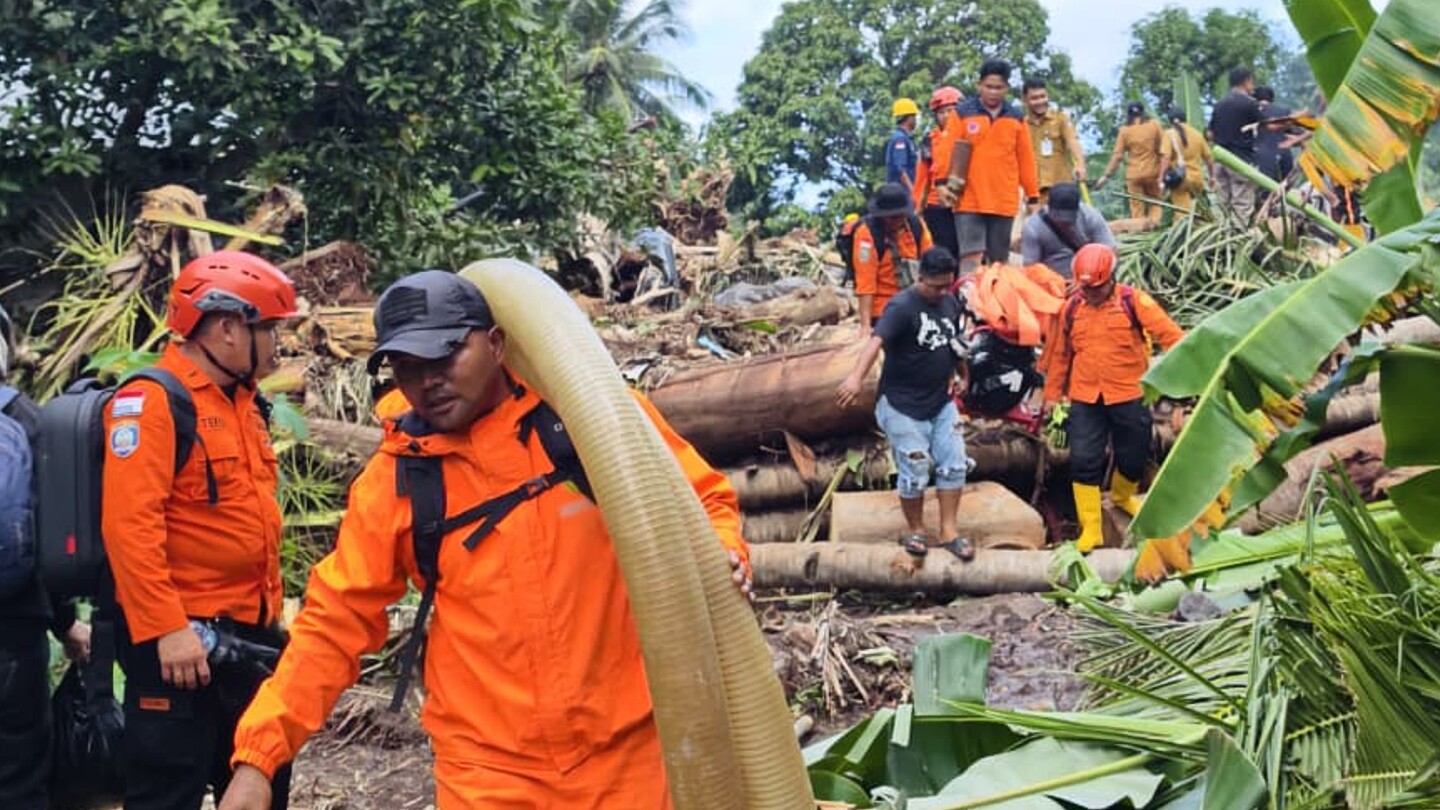
Indonesia faces a mounting humanitarian catastrophe as official figures confirm over 900 fatalities from devastating floods triggered by an unprecedented cyclone. The disaster, which struck with ferocious intensity last week, has left hundreds more missing and completely obliterated more than 100,000 residential structures across the archipelago nation.
The calamity originated when a rare cyclonic system developed over the Malacca Strait, unleashing torrential rainfall that precipitated massive landslides and catastrophic flooding throughout vulnerable regions. Rescue operations continue to face tremendous challenges, with remote areas remaining completely isolated and accessible only through complex airdrop missions delivering essential supplies.
In Aceh Tamiang, among the most severely affected regions, entire villages have been erased by powerful floodwaters. Survivors recount harrowing tales of survival against impossible odds. Fitriana, a resident of Lintang Bawah Village, described how neighbors endured three days without food or water while stranded on rooftops with young children. Preliminary assessments indicate approximately 90% of structures in her community suffered total destruction, displacing some 300 families.
Another survivor detailed a dramatic double evacuation—first by boat when waters inundated his home’s second floor, then subsequently fleeing to higher ground as flooding pursued them to neighboring Gampoeng Dalam Village. ‘Water suddenly soaked the mattresses while we slept,’ he recalled. ‘We couldn’t go anywhere else because there was no higher ground. Luckily, my daughter-in-law’s house had two levels.’
The regional governor reported recovery teams are now wading through waist-deep mud searching for victims, while warning that starvation poses a greater immediate threat than the floodwaters themselves. ‘Many people need basic necessities,’ he stated. ‘Many remote areas of Aceh remain untouched. People are not dying from the flood, but from starvation.’
The crisis has triggered extraordinary measures including the emergency release of inmates from a threatened prison facility, while isolated reports emerge of supermarket looting in desperate communities. Critical land routes to Sibolga City and Central Tapanuli remain severed, requiring ongoing sea and air supply operations.
This tragedy forms part of a broader pattern of extreme weather events sweeping across Asia, with cumulative fatalities from recent disasters in Sri Lanka, Thailand, Malaysia and Vietnam nearing 2,000 casualties, highlighting the region’s increasing vulnerability to climate-related catastrophes.
-

A fire at a popular nightclub in India’s Goa state kills at least 25, officials say
A devastating fire erupted at a popular nightclub in North Goa’s Arpora district just after midnight Sunday, resulting in at least 25 fatalities and multiple injuries. According to Goa Chief Minister Pramod Sawant, the majority of victims were kitchen staff, with three to four tourists among the deceased. Six injured individuals are currently receiving medical treatment in stable condition.
Preliminary investigations by local police, cited by the Press Trust of India, indicate the blaze originated from a gas cylinder explosion that rapidly engulfed the establishment. The tragedy unfolded during peak hours with approximately 100 patrons on the dance floor. Chaos ensued as the fire spread, with several attendees and staff becoming trapped in the kitchen area beneath the main hall.
Critical structural deficiencies severely hampered rescue operations. Firefighting crews faced significant obstacles due to the venue’s narrow entry points, forcing emergency vehicles to park approximately 400 meters from the scene. This constrained access delayed containment efforts substantially.
Adding to the gravity of the situation, local officials revealed the nightclub had been operating without proper construction permits. Roshan Redkar, a village council official, confirmed authorities had previously issued a demolition notice that was subsequently revoked by higher-level administrators.
The Goa state government has initiated a formal inquiry to determine the exact cause of the incident and assess compliance with fire safety protocols and building regulations. Prime Minister Narendra Modi expressed profound sorrow regarding the tragedy, confirming he has coordinated with state leadership to ensure comprehensive support for affected families.
This incident highlights persistent regulatory enforcement challenges in India’s public venues, where safety standards are frequently compromised. Gas-related accidents remain particularly prevalent across the country, underscoring urgent needs for enhanced safety measures in commercial establishments.
-

Japan protests after a Chinese military aircraft locks its radar on Japanese jets
TOKYO — Japan has issued a formal diplomatic protest to China following a significant military incident involving advanced fighter aircraft near the southern Okinawa islands. The confrontation occurred Saturday when a J-15 fighter operating from China’s Liaoning aircraft carrier activated targeting radar against Japanese F-15 jets on two separate occasions.
According to Japan’s Defense Ministry, the initial radar lock persisted for approximately three minutes during late afternoon hours, followed by a more prolonged thirty-minute engagement in the evening. Japanese officials confirmed that multiple F-15s dispatched to monitor potential airspace violations detected the radar targeting from the Chinese aircraft.
Defense Minister Shinjiro Koizumi characterized the incident during early Sunday briefings as “a dangerous act that exceeded the scope necessary for safe aircraft operations.” He emphasized that Japan had conveyed strong objections to Chinese authorities while demanding immediate preventive measures to avoid future occurrences.
The incident represents the latest escalation in deteriorating Sino-Japanese relations, exacerbated recently by Prime Minister Sanae Takaichi’s November statements regarding potential Japanese military involvement should China take action against Taiwan. The Liaoning carrier group was conducting flight operations in the Pacific, transiting between Okinawa’s main island and nearby Miyako island during the exercises.
Japanese authorities confirmed no actual breach of airspace occurred and reported no injuries or damage resulting from the encounter. This marks the first documented instance of radar locking between Chinese and Japanese military aircraft, though a similar naval incident occurred in 2013 when a Chinese vessel targeted a Japanese destroyer with fire control radar.
-

India aviation watchdog sends notice to IndiGo, demands explanation in 24 hours
India’s aviation authority has issued a stringent 24-hour ultimatum to budget carrier IndiGo, demanding comprehensive explanations for widespread operational failures that triggered massive flight cancellations affecting thousands of passengers. The Directorate General of Civil Aviation (DGCA) escalated regulatory pressure by establishing a specialized four-member investigative committee to conduct urgent review proceedings.
The newly formed committee will scrutinize multiple operational aspects including crew management protocols, systemic preparedness, and adherence to recently implemented Flight Duty Time Limitations (FDTL) regulations. This regulatory intervention follows the Indian Civil Aviation Ministry’s earlier announcement initiating high-level inquiries into the airline’s service collapse.
Government authorities emphasized the investigation will pinpoint operational deficiencies, establish accountability structures, and implement preventive mechanisms to safeguard against future disruptions. The ministry’s statement highlighted passenger protection as paramount, vowing to ensure travelers avoid similar operational hardships moving forward.
The aviation crisis represents one of India’s most significant domestic airline operational failures in recent years, drawing intensified scrutiny toward the country’s largest carrier by market share. Industry analysts note the developments underscore growing regulatory concerns regarding operational reliability in India’s rapidly expanding aviation sector.
-

Japan is facing a dementia crisis – can technology help?
Japan is confronting its escalating dementia crisis through technological innovation as the nation grapples with the challenges of being the world’s oldest society. With approximately seven million citizens affected by dementia, the country faces unprecedented strain on its care systems and workforce.
Recent police data reveals a disturbing trend: over 18,000 elderly individuals with dementia wandered from their homes last year, resulting in nearly 500 fatalities. This represents a doubling of cases since 2012, highlighting the urgent need for intervention strategies.
The government has declared dementia a top policy priority, projecting that related healthcare costs will surge to 14 trillion yen ($90 billion) by 2030, up from 9 trillion yen in 2025. This financial burden coincides with a shrinking domestic workforce and restrictive immigration policies that limit foreign care workers.
In response, Japan is pioneering multiple technological solutions. GPS tracking systems have been widely adopted across communities, with some municipalities providing wearable tags that alert authorities when individuals stray beyond designated safe zones. Convenience stores in certain towns participate in real-time notification networks, creating community safety nets that can locate missing persons within hours.
Beyond tracking, Japanese companies are developing advanced diagnostic tools. Fujitsu’s aiGait system employs artificial intelligence to analyze walking patterns and posture, detecting early dementia indicators such as shuffling gait, slower turns, or difficulty standing. The technology generates skeletal outlines for clinical review during routine examinations.
‘Early detection of age-related diseases is crucial,’ explains Hidenori Fujiwara, Fujitsu spokesperson. ‘Motion-capture data enables earlier medical intervention, helping people maintain activity levels longer.’
Robotic caregiving represents another frontier. Researchers at Waseda University are developing AIREC, a 150kg humanoid robot capable of assisting with daily tasks including sock placement, egg preparation, and laundry folding. Future iterations aim to provide diaper changes and prevent bedsores.
Current robotic applications already serve in care facilities, where they lead exercises, provide musical entertainment, and monitor sleep patterns through mattress-embedded sensors. These technologies reduce nighttime human supervision requirements.
However, Assistant Professor Tamon Miyake cautions that fully functional humanoid caregivers remain approximately five years from safe human interaction. ‘Achieving necessary precision requires full-body sensing and adaptive understanding of individual needs and situations,’ he notes.
Emotional support technology also advances through devices like Sharp’s 12cm Poketomo robot. This portable companion provides medication reminders, weather preparation advice, and conversational interaction to combat social isolation.
‘We’re focusing on social issues and applying new technology to solve them,’ says Miho Kagei, Sharp’s development manager.
Despite technological progress, experts emphasize that human connection remains irreplaceable. The Restaurant of Mistaken Orders in Tokyo exemplifies this balance, employing servers with dementia who use floral arrangements to remember orders. Founder Akiko Kanna established the venue after her father’s dementia experience, creating spaces where affected individuals maintain engagement and purpose.
For server Toshio Morita, the work provides meaningful social interaction his wife says helps maintain cognitive engagement. The establishment demonstrates how community support and human interaction complement technological solutions in comprehensive dementia care.
-

Hong Kong to vote in election as city mourns deadly fire
Hong Kong is conducting its Legislative Council (LegCo) elections under the shadow of the city’s most devastating fire in over seven decades, which claimed 159 lives in Tai Po last month. The electoral process represents the second poll since China’s comprehensive 2021 electoral reforms, which mandated that all candidates demonstrate loyalty to Beijing.
The government has deployed an extensive campaign to boost voter participation, distributing incentives including shopping vouchers, complimentary museum entries, and public pool access. These measures aim to create a festive atmosphere around the voting process, with Chief Secretary Eric Chan emphasizing the importance of citizen engagement.
Meanwhile, authorities are addressing the aftermath of the November 26 tragedy that engulfed Wang Fuk Court’s residential towers. Investigators have identified substandard flame-retardant scaffolding mesh as a key factor in the fire’s rapid spread. The government has established an independent investigative committee, arrested 13 individuals on suspicion of manslaughter, and ordered citywide removal of similar renovation materials.
The disaster has raised significant concerns about building safety standards in a city where many reside in aging high-rises. Authorities have simultaneously moved to suppress dissent, detaining several individuals including a former district councillor for suspected sedition related to petitions demanding an independent inquiry.
Political campaigning was briefly suspended following the fire, though government-organized forums resumed after several days. Chief Executive John Lee maintains that proceeding with elections is essential to ‘transform grief into strength,’ suggesting new legislators could expedite reconstruction efforts.
With 161 candidates competing for 90 seats, approximately one-quarter of incumbent lawmakers are stepping down amid reports of Beijing’s unofficial age limitations. The election occurs against a backdrop of historically low voter turnout, with the 2021 election recording merely 30% participation following the electoral overhaul that effectively barred opposition candidates.
-

Indian, US investigators to meet next week on Ahmedabad Air India crash: Report
Indian aviation investigators are scheduled to convene with their American counterparts at the National Transportation Safety Board (NTSB) headquarters in Washington D.C. next week to advance the investigation into June’s catastrophic Air India flight crash. According to a Bloomberg News report, the high-stakes meeting will include representatives from multiple parties, including aircraft manufacturer Boeing.
The technical delegation from India’s Aircraft Accident Investigation Bureau (AAIB) plans to present comprehensive findings extracted from the crashed aircraft’s cockpit voice recorder and flight data recorder. This collaborative session marks a significant development in determining the causative factors behind the tragedy that claimed 261 lives.
The ill-fated Boeing 787 Dreamliner, operating as Flight AI-314 from Ahmedabad to London, experienced sudden thrust failure and rapid altitude loss shortly after departure. The aviation disaster resulted in 242 passenger fatalities with only one survivor, plus 19 ground casualties when the aircraft crashed into a residential area.
Neither Boeing nor the involved regulatory agencies have issued official statements regarding the upcoming meeting. Boeing redirected inquiries to the AAIB when contacted by Reuters, while the NTSB and India’s Civil Aviation Ministry remained unavailable for immediate comment. The meeting represents a crucial step in the multinational investigation process, which typically involves manufacturer participation alongside regulatory authorities from both the operating and manufacturing countries.
-

Hong Kong votes in legislative election after deadly fire
Hong Kong conducted its second legislative election under a revamped political framework on Sunday, with voter participation rates emerging as a critical indicator of public sentiment. The electoral process unfolded against the somber backdrop of a catastrophic apartment fire that claimed 159 lives less than two weeks prior, raising substantial questions about governmental accountability and oversight mechanisms.
The electoral system, fundamentally restructured in 2021, has effectively marginalized pro-democracy opposition voices through stringent candidate vetting processes requiring demonstrated loyalty to Beijing. Of the Legislative Council’s 90 seats, only 20 are now directly elected by the general populace, while 40 are selected by a pro-Beijing election committee and 30 represent functional constituencies from major industries.
Chief Executive John Lee actively encouraged voter participation, framing the election as instrumental for advancing policy reforms and addressing the recent tragedy. Despite government efforts to boost turnout through extended voting hours, additional polling stations, and transportation subsidies, analysts projected continued voter apathy. The previous 2021 election saw participation plummet to approximately 30%, and many anticipated further suppression due to public discontent over the government’s handling of the fire incident.
Campaign activities remained suspended throughout the final days preceding the election as a mark of respect for fire victims. Authorities simultaneously pursued legal action against individuals accused of encouraging election boycotts or invalid voting. The devastating fire has exposed systemic deficiencies in building maintenance regulations and alleged bid-rigging practices, placing additional scrutiny on the government’s governance capabilities.
Political observers noted that depressed turnout could indicate dissatisfaction even among traditional government supporters, potentially reflecting broader concerns about accountability and institutional effectiveness within the territory’s political framework.