标签: Asia

亚洲

  • Dubai BlueChip scam estimated at Dh400 million; 10 bank accounts of owner frozen

    Dubai BlueChip scam estimated at Dh400 million; 10 bank accounts of owner frozen

    Authorities have significantly expanded their probe into the massive BlueChip investment fraud case, now estimated at approximately Dh400 million ($109 million), following the dramatic capture of its Dubai-based mastermind. Ravindra Nath Soni, the alleged architect of the sophisticated financial scheme, was apprehended in Dehradun on November 30th after an extensive 18-month manhunt, culminating when investigators tracked a food delivery order to his hideout.

    Indian police officials have confirmed the freezing of at least ten bank accounts linked to Soni across multiple cities, with the investigation now extending beyond traditional banking channels into complex cryptocurrency transactions and informal hawala networks. Kanpur Police Commissioner Raghubir Lal revealed that forensic accounting has uncovered transactions worth Rs970 crore layered through numerous accounts before being converted into digital currencies via international partners.

    The case has taken on transnational dimensions with the identification of twelve overseas associates, primarily based in Dubai, who allegedly facilitated the movement of illicit funds. Commissioner Lal emphasized that the operation’s scale far exceeds initial estimates and now presents potential national security concerns due to the anonymous, cross-border nature of the financial movements.

    Additional Deputy Commissioner of Police Anjali Vishwakarma indicated that India’s Enforcement Directorate, the country’s premier financial crimes agency, is poised to join the investigation once preliminary financial mapping is complete. The probe will incorporate advanced financial forensics and digital analysis to trace the complex money trail.

    The collapse of BlueChip in March 2024 left numerous investors across the UAE facing devastating losses, with many losing life savings after the company’s Bur Dubai office abruptly closed. Victims who were promised monthly returns of 3 percent found themselves with bounced checks and unanswered calls as the operation vanished overnight.

    Legal experts stress that recovering the misappropriated funds will require unprecedented international cooperation. Mumbai-based lawyer Dr. Sujay Kantawala emphasized the necessity of worldwide asset tracing and freezing measures, noting that given the sophisticated layering techniques employed, a coordinated multinational task force may be essential for any meaningful financial recovery for victims.

  • Jaiswal’s maiden ODI century completes India’s series win over South Africa

    Jaiswal’s maiden ODI century completes India’s series win over South Africa

    VISAKHAPATNAM, India — India secured a commanding nine-wicket victory against South Africa in the decisive third ODI on Saturday, clinching the series 2-1 behind Yashasvi Jaiswal’s spectacular maiden international century. The dominant performance came just days after India’s disappointing 2-0 loss in the test series against the same opponents.

    South Africa, having won the toss and elected to bat, posted 270 all out in 47.5 overs largely thanks to Quinton de Kock’s impressive 106 from 89 deliveries—his 23rd ODI century and seventh against India. Captain Temba Bavuma contributed 48 runs, while Matthew Breetzke added 24 before the Proteas’ innings unraveled.

    The turning point came through medium-pacer Prasidh Krishna, who delivered a remarkable spell of 3-9 after initially struggling in the series. Krishna’s breakthrough included the crucial wickets of Breetzke, Aiden Markram (1), and eventually de Kock, who had been threatening a much larger total. Spinner Kuldeep Yadav complemented this effort by cleaning up the tail with figures of 4-41.

    India’s chase proved exceptionally clinical as openers Jaiswal and Rohit Sharma established a formidable 155-run partnership from just 155 balls. Sharma departed for 75 off 73 deliveries after misjudging a sweep against spinner Keshav Maharaj, but the damage had already been done.

    Jaiswal remained unbeaten on 116, displaying remarkable composure throughout his innings, while Virat Kohli provided a explosive finish with 65 not out from just 45 balls—his 128th ODI half-century. The pair guided India to victory with 10.1 overs to spare, showcasing the team’s batting depth and strategic maturity.

    Kohli was awarded Player of the Series for accumulating 302 runs across the three matches, stating afterward: ‘Just playing the way I have this series has been the most satisfying for me. Feel really free in my mind, whole game is coming together nicely.’

    The teams will now transition to a five-match Twenty20 series beginning Tuesday in Cuttack.

  • Economic Watch: Takaichi’s bold fiscal push hard to resolve Japan’s economic woes

    Economic Watch: Takaichi’s bold fiscal push hard to resolve Japan’s economic woes

    Japanese Prime Minister Sanae Takaichi’s aggressive fiscal strategy is encountering intensified scrutiny as economic indicators signal persistent structural challenges. The Cabinet’s recent approval of an 18.3 trillion yen ($117 billion) supplementary budget for fiscal 2025, designed to fund extensive economic stimulus measures, has failed to alleviate concerns about the nation’s deepening economic vulnerabilities.

    Japan’s economic landscape continues to deteriorate with third-quarter 2025 data revealing an annualized contraction of 1.8 percent—the first negative growth in six quarters. This downturn coincides with mounting pressures from currency depreciation, with the yen sliding to approximately 157 against the U.S. dollar in November, representing its weakest valuation in ten months. Concurrently, inflationary pressures persist as October’s core consumer price index (excluding fresh food) climbed 3.0 percent year-on-year, exacerbating household financial strain.

    Analysts highlight the fundamental mismatch between Takaichi’s fiscal approach and current economic realities. While the Prime Minister advocates continuing the Abenomics framework of aggressive fiscal expansion and monetary easing, economists note that Japan’s economic environment has transformed significantly since the deflationary period that originally justified such policies. The Asahi Shimbun’s commentator Makoto Hara characterizes ‘Takaichinomics’ as ‘truly out of date’ in the current context of inflation and yen weakness.

    The stimulus package includes temporary relief measures such as gasoline tax elimination, expanded energy subsidies, child-focused cash transfers, and adjusted tax thresholds. However, critics argue these measures provide superficial relief without addressing underlying price dynamics, potentially exacerbating inflationary trends. Private research firm Teikoku Databank reports approximately 20,609 food items experienced price increases in 2025—a 65 percent surge from the previous year—with persistent inflation expected through 2026.

    Most alarmingly, Japan’s sovereign debt burden approaches 240 percent of GDP—the highest among advanced economies—with the new budget financing 11.7 trillion yen through additional bond issuance. This fiscal expansion has triggered bond market turbulence, with 10-year government bond yields reaching 1.95 percent on December 5, the highest level since July 2007. Market strategists predict further yield increases toward 2.0 percent, reflecting growing investor apprehension about fiscal sustainability.

    Financial experts warn that the administration’s reliance on debt financing creates vulnerability to interest rate fluctuations, while potentially triggering broader financial market instability. The continued decline in bond prices has already generated significant losses for institutional investors, underscoring the risks associated with the current fiscal trajectory.

  • UAE, Saudi Arabia reject Israel statements on one-way Rafah crossing

    UAE, Saudi Arabia reject Israel statements on one-way Rafah crossing

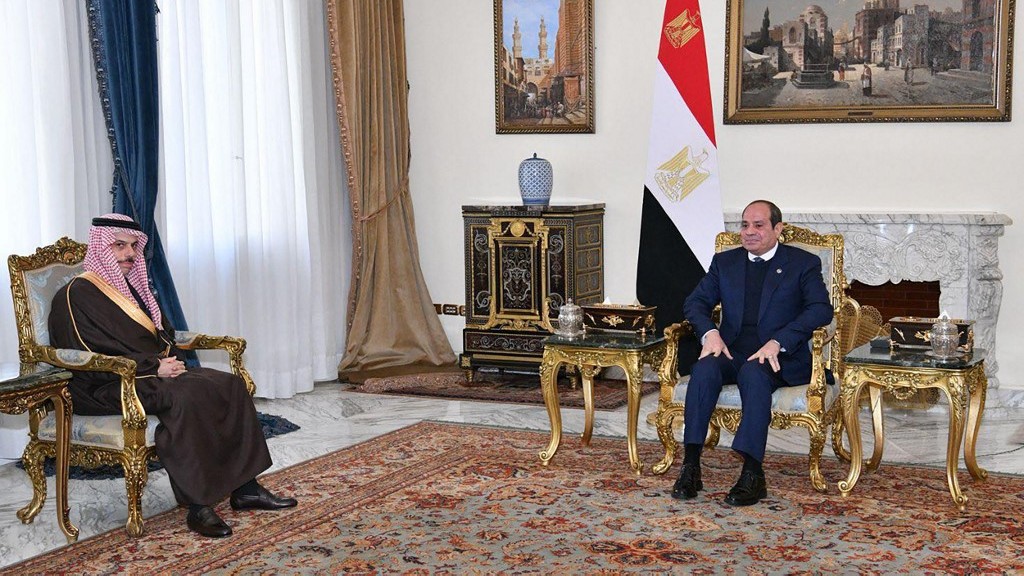
    In a significant diplomatic development, Saudi Arabia has spearheaded a coalition of Arab and Muslim-majority nations in formally rejecting Israel’s proposed one-way opening of the Rafah border crossing. The joint statement, issued on December 5th and endorsed by foreign ministers from Egypt, Jordan, the United Arab Emirates, Indonesia, Pakistan, Türkiye, and Qatar, represents a consolidated regional position against the potential displacement of Gaza residents.

    The coalition’s declaration emphasizes their ‘absolute rejection of any attempts to expel the Palestinian people from their land,’ while simultaneously expressing appreciation for President Donald Trump’s peace initiatives. The statement specifically calls for full adherence to the Trump administration’s proposed plan, which mandates keeping the Rafah crossing operational in both directions to ensure freedom of movement.

    Beyond border concerns, the multilateral agreement outlines a comprehensive vision for regional stability that includes maintaining ceasefire arrangements, facilitating uninterrupted humanitarian aid delivery to Gaza, and initiating reconstruction efforts. The coalition further stressed the necessity of creating conditions that would enable the Palestinian Authority to resume governance responsibilities across Palestinian territories.

    The participating nations concluded by reaffirming their commitment to continued coordination with the United States and international stakeholders to establish foundations for a just and sustainable peace. This diplomatic framework explicitly endorses the two-state solution based on pre-June 1967 borders, with East Jerusalem as the capital of a future Palestinian state encompassing both Gaza and the West Bank.

  • Hong Kong police arrest man for posts about deadly fire

    Hong Kong police arrest man for posts about deadly fire

    Hong Kong’s National Security Department has made its first publicly confirmed arrest in connection with social media commentary surrounding the catastrophic Wang Fuk Court housing complex fire that claimed 159 lives last month. The 71-year-old suspect was taken into custody on Saturday for allegedly publishing “information with seditious intention” targeting both Hong Kong and central Chinese governments.

    Chief Superintendent Steve Li of the National Security Department stated the individual stands accused of exploiting the November 26 tragedy to incite social unrest through inflammatory online content. “He pointed to the Hong Kong and the central governments as instigators of exploiting the tragedy to cause chaos and turmoil,” Li told reporters, characterizing such claims as “totally impossible.”

    The arrest represents the intersection of two parallel investigations: one examining the fire’s causes and another addressing perceived threats to national security. Authorities have additionally charged the man with improperly disclosing details from an ongoing national security investigation after he allegedly shared confidential information online despite explicit warnings.

    The devastating blaze has ignited complex debates about governmental accountability and building safety standards. Forensic analysis indicates substandard construction materials—particularly flammable green netting and foam board window installations—contributed to the fire’s rapid spread through seven of the complex’s eight towers. At least 21 individuals have been detained in connection with suspected corruption and negligence related to ongoing renovation work.

    This law enforcement action occurs against a politically charged backdrop, with officials warning against using the tragedy to undermine governmental authority. The arrest coincides with Hong Kong’s legislative elections, which feature no opposition candidates following political vetting processes implemented after the 2019 pro-democracy protests. Chief Executive John Lee has pledged decisive action against those attempting to “sabotage the commitment of society” through the exploitation of tragic events.

  • Jumeirah Thanda Island: Tanzania’s private escape, stay starts at $33,300 per night

    Jumeirah Thanda Island: Tanzania’s private escape, stay starts at $33,300 per night

    Nestled within Tanzania’s Shungimbili Island Marine Reserve, Jumeirah Thanda Island emerges as the crown jewel of luxury travel—an exclusive five-hectare sanctuary where guests don’t merely book accommodations but secure entire island sovereignty. Accessible via helicopter transfers, this circular paradise floats in the Indian Ocean’s azure waters, offering complete seclusion 30 kilometers from mainland Tanzania.

    The property redefines ultra-luxury with its architectural ensemble: a central villa featuring five oceanfront suites opening directly to infinity pools, complemented by two beachfront bandas providing four additional bedrooms. This configuration accommodates up to 18 guests who enjoy personalized services including Spanish Executive Chef Javi Puig’s bespoke culinary programs—from post-dive breakfasts to Swahili-inspired beach dinners—all crafted beyond standard buffet conventions.

    Beyond lavish amenities including ocean jacuzzis and premium water sports equipment, Thanda Island distinguishes itself through profound ecological and community integration. Marine biologist Rianne Laan spearheads comprehensive conservation initiatives, having established coral nurseries and partnered with organizations like Marine Megafauna Foundation for whale shark research and Sea Sense for turtle conservation. Guests participate directly in preservation activities, transplanting corals or documenting marine life for scientific cataloging.

    The human dimension proves equally remarkable. Operations Captain Maya de Villiers—a local who grew up on neighboring Mafia Island—navigates complex logistical challenges, occasionally dispatching helicopters to Dar es Salaam for urgent supplies. Staff from surrounding communities maintain deep ancestral connections to these waters, delivering service that blends professional excellence with authentic cultural warmth.

    With rates beginning at $33,300 nightly requiring multi-night commitments, this Jumeirah Privé collection pioneer represents luxury travel’s evolution: blending unmatched privacy with meaningful environmental stewardship and community engagement through educational programs on Mafia Island and youth empowerment initiatives across Tanzania.

  • Vice president of China’s PICC under probe

    Vice president of China’s PICC under probe

    China’s financial sector faces another integrity test as Yu Ze, vice president of state-owned insurance conglomerate People’s Insurance Company (Group) of China Limited (PICC), has been placed under formal investigation for suspected serious legal and disciplinary violations.

    The investigation, jointly conducted by the Communist Party of China Central Commission for Discipline Inspection and the National Commission of Supervision, was announced through an official statement released on Saturday, December 6, 2025. The probe targets alleged breaches of discipline regulations and laws, though specific details regarding the nature of the violations remain undisclosed.

    Yu’s investigation represents the latest development in China’s ongoing anti-corruption campaign that has consistently targeted high-ranking executives within state-owned enterprises. PICC, as one of China’s largest insurance providers with significant government backing, plays a crucial role in the country’s financial services ecosystem.

    The timing of this announcement coincides with increased regulatory scrutiny across China’s financial industry, where authorities have been emphasizing compliance and governance standards. Such investigations typically involve comprehensive reviews of the subject’s professional conduct, financial dealings, and adherence to party discipline requirements.

    This development may potentially impact investor confidence in Chinese financial institutions and could signal broader enforcement actions within the insurance sector. The case continues to unfold under the supervision of China’s top disciplinary bodies.

  • IndiGo cancels over 200 flights across Delhi, Mumbai as disruptions enter Day 5

    IndiGo cancels over 200 flights across Delhi, Mumbai as disruptions enter Day 5

    India’s aviation sector faces mounting operational challenges as IndiGo, the nation’s largest carrier, entered its fifth consecutive day of severe flight disruptions. Major aviation hubs including Delhi, Mumbai, and Hyderabad reported extensive cancellations totaling hundreds of flights, creating widespread travel chaos and passenger inconvenience.

    Delhi’s Indira Gandhi International Airport witnessed 106 cancelled IndiGo operations—comprising 54 departures and 52 arrivals—according to official advisories released early Saturday. Mumbai’s Chhatrapati Shivaji Maharaj International Airport reported even more significant disruptions, with 109 flights (51 arrivals and 58 departures) cancelled by 9:00 AM local time.

    The southern hub of Hyderabad experienced substantial ripple effects, with GMR Hyderabad International Airport confirming 69 IndiGo cancellations involving 26 incoming and 43 outgoing flights. This operational meltdown persists despite the airline’s earlier assurances that services were ‘steadily resuming’ following what industry analysts identify as an acute pilot shortage crisis.

    Aviation authorities have issued updated advisories urging passengers to verify flight statuses before proceeding to airports. While Delhi Airport officials noted that IndiGo’s operations are ‘getting back to normal,’ the continued scale of disruptions suggests deeper systemic challenges within the carrier’s operational framework. The situation highlights the fragile nature of airline operations and their vulnerability to staffing crises, affecting both domestic connectivity and potentially international travel circuits.

  • IndiGo passengers left in tears as massive flight cancellations cost some their jobs

    IndiGo passengers left in tears as massive flight cancellations cost some their jobs

    Ahmedabad’s Sardar Vallabhbhai Patel International Airport descended into chaos on December 6, 2025, as IndiGo’s nationwide operational collapse triggered emotional scenes among stranded passengers. The airline cancelled 19 flights between midnight and 6 AM alone, creating unprecedented congestion and despair among travelers facing irreversible professional consequences.

    The human impact became starkly evident through Mahrishi Jani’s devastating account. His six-member team, selected for the prestigious Smart India Hackathon 2025 after months of preparation, saw their opportunity vanish due to flight cancellations. ‘Our hard work of 6-7 months is now wasted,’ Jani lamented to reporters, highlighting the absence of alternative transportation to reach Guwahati in time for the competition.

    International traveler Ikhlaq Hussain echoed the frustration, stranded for two days despite having completed his journey from Jeddah. The crisis extended across multiple airports, with Bengaluru-bound passengers from Jodhpur reporting complete communication breakdowns with the airline. One distressed traveler noted, ‘No one from IndiGo is providing any answers. I have been standing here since morning.’

    The regulatory landscape complicated matters as India’s Directorate General of Civil Aviation (DGCA) suspended its Flight Duty Time Limitations (FDTL) orders indefinitely. This unprecedented move followed days of escalating disruptions within IndiGo’s operations.

    In response, the Ministry of Civil Aviation issued urgent directives mandating immediate stabilization measures. Airlines must now guarantee automatic refunds for cancelled flights, provide hotel accommodations for stranded passengers, and ensure special provisions for elderly travelers. A 24/7 government control room has been established to monitor the situation, with officials promising full normalization within coming days.

    The ministry emphasized that ‘the Central Government is fully alert to the woes of air passengers,’ implementing rule exemptions and constant stakeholder consultations to resolve the crisis.

  • IndiGo flights ‘steadily resuming’ after over 1,000 cancellations

    IndiGo flights ‘steadily resuming’ after over 1,000 cancellations

    Aviation operations for India’s largest carrier IndiGo are progressively returning to normalcy after experiencing one of its most severe operational crises in recent history. The airline confirmed Friday, December 5th, 2025, marked its worst disruption day with well over 1,000 flight cancellations, creating widespread travel chaos across Indian airports.

    Delhi International Airport issued an official advisory confirming that IndiGo’s services are ‘steadily resuming’ and ‘getting back to normal.’ The airport authority strongly recommended that passengers verify their flight status through official channels before proceeding to airport terminals. Real-time flight updates remain accessible via the airport’s website and direct communication with airlines.

    The unprecedented cancellations prompted intervention from India’s Civil Aviation Ministry, with Minister Ram Mohan Naidu identifying the root cause as IndiGo’s inadequate handling of crew scheduling during the implementation of new Flight Duty Time Limitations (FDTL) regulations. Notably, competing carriers including Air India and SpiceJet had successfully adapted to the revised aviation guidelines issued by the Directorate General of Civil Aviation (DGCA).

    In response to the crisis, IndiGo CEO Peter Elbers issued a video apology acknowledging the severe inconvenience caused to passengers. Elbers projected a full operational normalization timeline between December 10-15, indicating several more days of residual disruption might affect travel plans. The ministry has granted IndiGo temporary regulatory flexibility regarding FDTL compliance to facilitate smoother recovery operations.

    The massive disruption highlighted systemic vulnerabilities in airline crew management and regulatory adaptation processes, raising questions about operational preparedness within India’s rapidly expanding aviation sector.