标签: Asia

亚洲

  • Halliburton, hedge funds and Chevron: Big winners from Trump’s vow to ‘rule’ Venezuela

    Halliburton, hedge funds and Chevron: Big winners from Trump’s vow to ‘rule’ Venezuela

    Financial markets responded decisively to the weekend’s geopolitical developments in Venezuela, with US energy equities and specialized hedge funds recording substantial gains at Monday’s opening bell. The dramatic shift followed military operations that resulted in the detention of Venezuelan President Nicolas Maduro and the installation of a US-aligned interim leadership under Delcy Rodriguez.

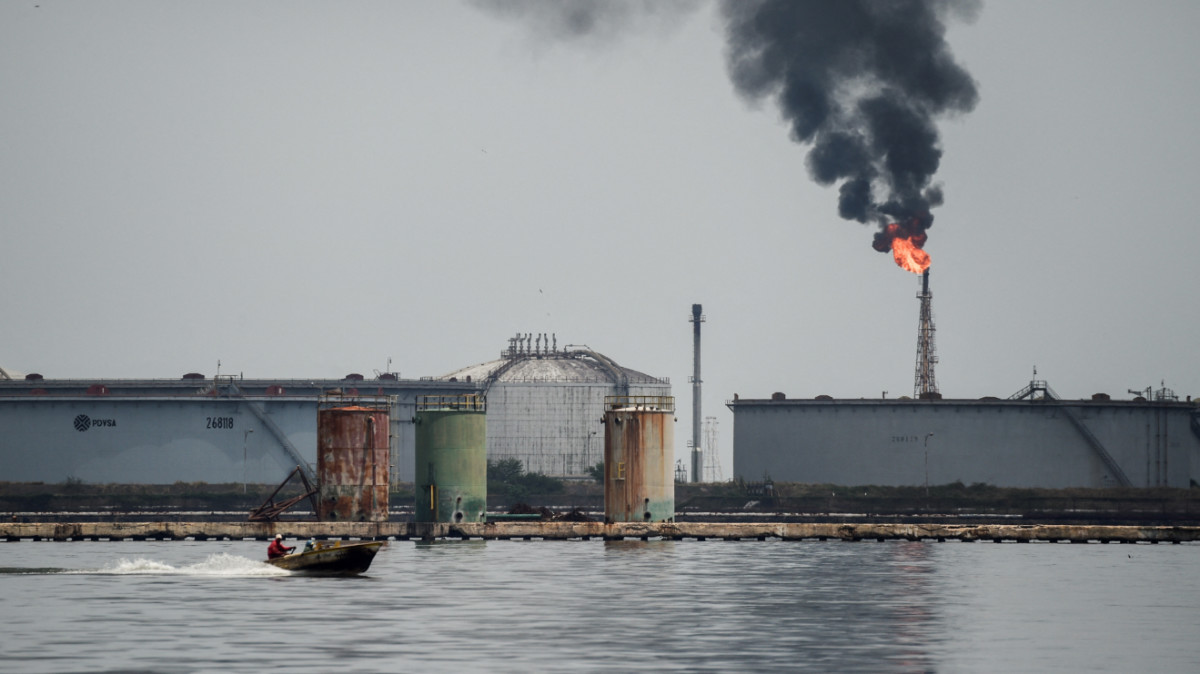
    The MSCI US Energy index demonstrated remarkable strength, climbing 2.8 percent and significantly outperforming both the broader S&P 500 and international energy benchmarks. This market movement reflects investor anticipation that American corporations and financial institutions will capitalize extensively on President Trump’s commitment to restructuring Venezuela’s energy sector—a nation possessing 17 percent of global crude reserves yet crippled by prolonged sanctions.

    Chevron emerged as the standout performer among oil producers, with shares surging approximately six percent. The company maintains unique operational privileges in Venezuela through special licensing arrangements established during the Trump administration. Other major beneficiaries included ConocoPhillips (up 3.3 percent), Exxon Mobil (up 2.4 percent), and Halliburton, which witnessed an extraordinary 10 percent leap due to its oilfield services expertise.

    The market enthusiasm extends beyond mere production advantages, signaling expectations of massive capital inflows toward American companies providing critical infrastructure support, maintenance, and technical services. This transition from sanction enforcement to resource exploitation marks a fundamental policy shift that could generate tens of billions in revenue for US corporations.

    This development reverses a decades-long absence of American energy dominance in Venezuela. US firms controlled the country’s oil industry until the 1998 election of Hugo Chavez, who initiated partial nationalization around 2007, compelling numerous American companies to abandon substantial investments while pursuing financial compensation ever since.

    The US energy rally contrasted sharply with muted performance among European counterparts. British multinationals BP and Shell recorded minimal movement (up and down 0.5 percent respectively), while Saudi Arabia’s Aramco experienced slight declines in domestic trading.

    Concurrently, Venezuelan debt instruments staged a remarkable recovery. Bonds that traded at 31 cents on the dollar before Maduro’s detention skyrocketed to 41 cents, continuing an upward trend from their 16-cent nadir as US military presence expanded in the Caribbean. This debt appreciation benefits specialized asset managers including London’s Broad Reach Investments, Germany’s Allianz Global Investors, and US-based Elliot Management—the latter having previously secured legal victory to control a PDVSA-owned refinery.

    Market analysts note Venezuela’s current production represents nearly one percent of global oil supply, with potential to triple if international investment resumes. This prospect introduces substantial competition for OPEC+ allies Russia and Saudi Arabia, according to MST Financial energy expert Saul Kavonic, who warned of market disruption balancing near-term instability against medium-term supply increases.

    The geopolitical transformation unfolded through rapid rhetorical shifts. After initially condemning US actions, interim leader Rodriguez adopted a conciliatory stance following presidential threats, ultimately inviting Washington to ‘work together on an agenda of cooperation’—effectively cementing US influence over Venezuela’s political and economic future.
  • Erdogan: Gaza stabilisation force lacks legitimacy without Turkey

    Erdogan: Gaza stabilisation force lacks legitimacy without Turkey

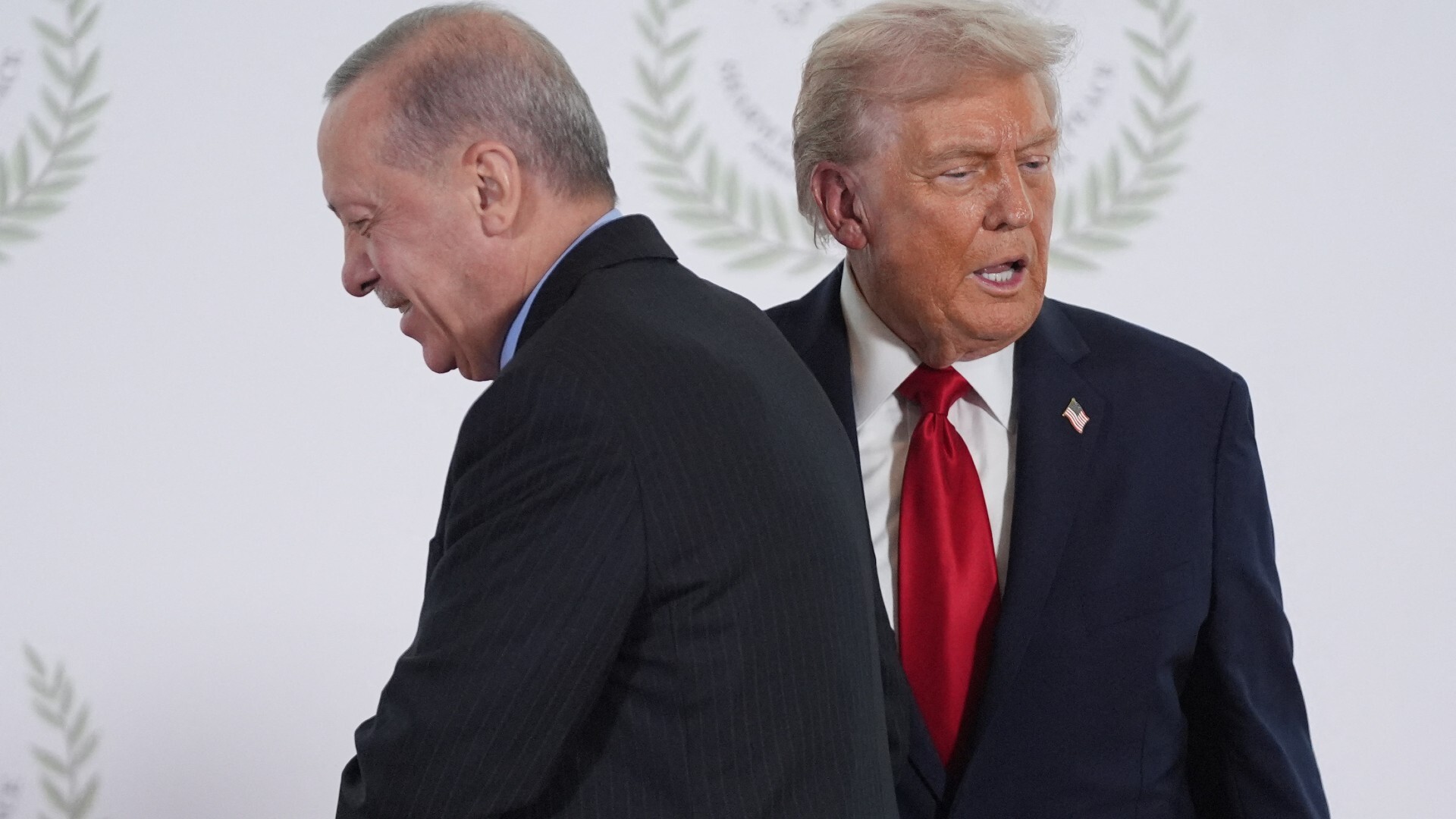
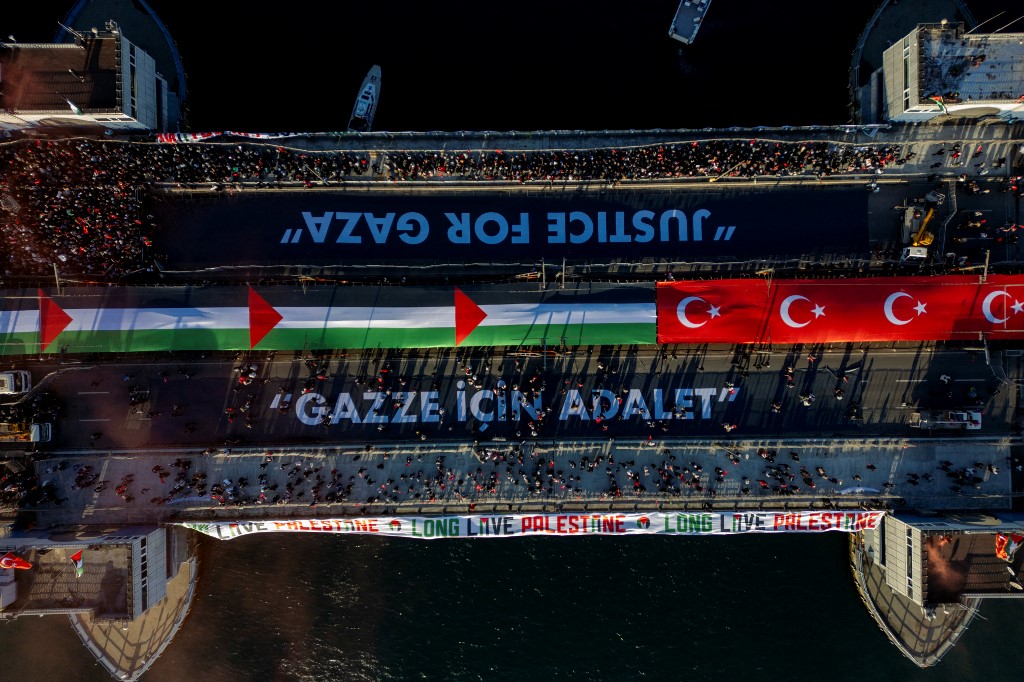
    Turkish President Recep Tayyip Erdogan has asserted that any international stabilization force deployed to Gaza would fail to gain Palestinian trust without Turkey’s direct participation. In a recent Bloomberg interview, Erdogan emphasized that legitimate on-the-ground actors must be included for such a mission to succeed, specifically referencing signatories to the Sharm El-Sheikh Declaration.

    Erdogan stated, ‘Countries party to the Sharm El-Sheikh Declaration, including Turkey, are the most legitimate actors in this process. It would be difficult for any mechanism without Turkey to gain the trust of the Palestinian people.’ This position comes despite Israeli Prime Minister Benjamin Netanyahu’s opposition to Turkish involvement, which has reportedly discouraged other potential contributors including Azerbaijan, Pakistan, Saudi Arabia, and Indonesia from providing troops.

    The proposed international force stems from the Trump-brokered peace deal envisioning international troops guarding Gaza and assuming control of Hamas-controlled areas. While Netanyahu has attempted to exclude Turkish participation, President Trump notably refused to rule out Ankara’s involvement, praising Turkey’s capabilities during a joint press conference.

    According to Turkish diplomatic sources, Ankara isn’t insisting on troop deployment but expresses concern about the potential collapse of agreements if Hamas distrusts the international force. Erdogan highlighted Turkey’s unique positioning for such a mission, citing ‘deep historical ties with the Palestinian side,’ maintained security channels with Israel, and regional influence as a NATO member.

    The political maneuvering occurs against a devastating humanitarian backdrop in Gaza. Reports indicate Israeli forces have violated the ceasefire nearly 1,000 times since early October, with over 71,271 Palestinians killed and 171,233 wounded in the ongoing conflict. Winter conditions have exacerbated the crisis, with children dying from cold weather and collapsing infrastructure due to storms.

    The Shelter Cluster reports more than 42,000 tents and makeshift shelters damaged in mid-December alone, affecting approximately 250,000 residents. Meanwhile, Israeli attacks continue across the enclave, with persistent shelling, gunfire, and airstrikes reported by local media.

    A growing coalition of nations and organizations has condemned Israel’s restrictions on humanitarian operations. Recently, 37 aid organizations including Doctors Without Borders faced potential bans from operating in Gaza and the West Bank. The organization warned that ‘hundreds of thousands of Palestinians would be cut off from essential care’ if access is lost, emphasizing that the decimated health system and destroyed infrastructure require more services, not fewer.

    The UN relief agency commissioner general cautioned that new Israeli restrictions on international NGOs are ‘further compromising the humanitarian operation in the Gaza Strip.’ In response, eight Arab and Islamic nations—Egypt, Qatar, Jordan, Saudi Arabia, UAE, Indonesia, Pakistan, and Turkey—issued a joint statement demanding Israel allow rights groups ‘sustainable, predictable and unrestricted’ access to territories, particularly during severe winter conditions.

  • ‘We aimed for first place’: How Sheikh Mohammed marked 20 years of change in UAE governance

    ‘We aimed for first place’: How Sheikh Mohammed marked 20 years of change in UAE governance

    ABU DHABI – The United Arab Emirates marked a significant milestone this week as the nation commemorated 20 years of transformative governance under the leadership of Sheikh Mohammed bin Rashid Al Maktoum, Vice President and Prime Minister of the UAE and Ruler of Dubai.

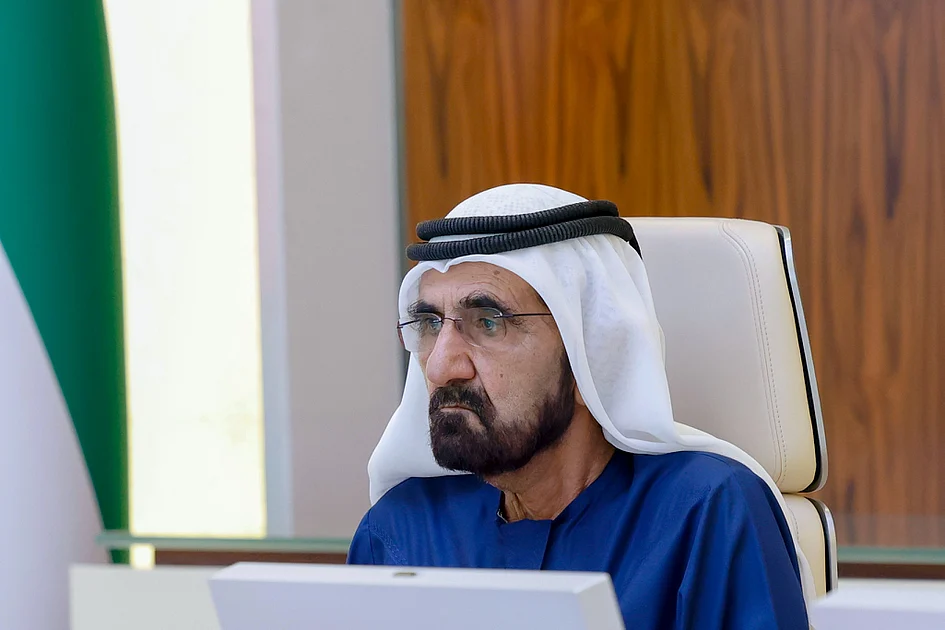
    During a landmark Cabinet meeting at Qasr Al Watan on Monday, Sheikh Mohammed reflected on the nation’s extraordinary journey since he assumed office in January 2006, revealing that the federal government had enacted over 16,000 resolutions and managed budgets exceeding Dh1.1 trillion to fundamentally redesign government operations.

    “Two decades ago, we set our sights on achieving first place globally,” Sheikh Mohammed stated. “While some expressed skepticism at the time, today—by God’s grace—the UAE has evolved into a developmental model that nations worldwide seek to emulate.”

    The comprehensive review highlighted how the UAE has emerged as a global benchmark across multiple sectors, currently ranking first in more than 280 international indicators spanning quality of life, education, healthcare, and housing. The nation has also strengthened its position as a crucial economic bridge between Eastern and Western markets, with particular dominance in trade, artificial intelligence, space industries, sovereign investments, and talent attraction.

    The governance transformation included several strategic pillars: streamlining public services, modernizing legislative frameworks, upgrading national infrastructure, and developing advanced digital systems. This systematic overhaul began with the UAE’s inaugural Comprehensive Strategy in 2007 and the implementation of a Government Performance System in 2008, which introduced data-driven planning and accountability mechanisms across all ministries.

    Six national strategic cycles have been successfully implemented, each meticulously aligned with federal budgets to ensure policy and financial resources moved in concert. Long-term planning became a defining characteristic of Emirati governance, exemplified by initiatives including UAE Vision 2021, the Centennial 2071 plan, and the more recent “We the UAE 2031” agenda.

    Innovation emerged as a central governance pillar, manifested through initiatives such as the World Governments Summit, regulatory laboratories, and government accelerators. The establishment of the world’s first Ministry of Artificial Intelligence in 2017 demonstrated the UAE’s commitment to technological leadership, while the UAE legislation platform—hosting over 2,500 laws and regulations—has become an essential digital resource attracting approximately one million monthly visits.

    The economic impact of these reforms has been substantial: real GDP surged 94 percent to exceed Dh1.77 trillion in 2024, while non-oil foreign trade expanded nearly sixfold to approximately Dh3 trillion. Non-oil exports witnessed extraordinary growth, multiplying more than eighteen times to reach Dh559 billion. The labor market experienced parallel expansion, with workforce numbers doubling and female participation rates more than doubling over the past twenty years.

    The Cabinet also approved several forward-looking initiatives, including a national strategy for registering additional UAE heritage elements on UNESCO lists between 2026 and 2036, updates to the Circular Economy Policy 2031, and a new healthcare framework designed to provide personalized, lifelong care for People of Determination. International cooperation agreements with Tajikistan and Slovakia were ratified, while negotiations were authorized for 21 additional international agreements and memoranda of understanding.

  • Erdogan conveys moderate criticism of Maduro abduction in Trump phone call

    Erdogan conveys moderate criticism of Maduro abduction in Trump phone call

    Turkish President Recep Tayyip Erdogan has delivered a measured critique of the operation leading to Venezuelan President Nicolas Maduro’s capture, emphasizing Ankara’s firm stance against violations of international law. Speaking after a cabinet meeting on Monday, Erdogan declared that Turkey “does not condone any action that violates international law,” characterizing such breaches of national sovereignty as “risky steps” with potential for severe global complications.

    The Turkish leadership had maintained a reserved posture over the weekend, limiting its response to a concise foreign ministry statement advocating for Venezuela’s stability. Erdogan himself avoided public commentary despite multiple opportunities, a silence that opposition leader Ozgur Ozel interpreted as apprehension toward angering U.S. President Donald Trump, with whom Erdogan has fostered a notably cordial relationship.

    Erdogan confirmed addressing the Venezuela situation directly during a Monday phone discussion with President Trump, stating he had “clearly conveyed our country’s sensitivities” and stressed that “Venezuela must not be driven into instability.” He described the event leading to Maduro’s capture as profoundly “saddening” and reaffirmed the strong bilateral ties between the nations, noting that “President Maduro and the Venezuelan people have repeatedly shown that they are friends of our nation.” He pledged Turkey’s continued support for Venezuela.

    This political drama unfolded alongside reports from The New York Times indicating a rising death toll from the associated military operations, now estimated at 80, including civilians and security personnel. U.S. special forces reportedly extracted Maduro from Caracas early Saturday amidst airstrikes on Venezuelan military sites.

    Venezuela’s newly appointed interim leader, Delcy Rodriguez, who previously served as vice president, has decried the operation, alleging it possesses “Zionist undertones” and has shocked governments worldwide. Meanwhile, Maduro has made an initial appearance in a U.S. court, pleading not guilty to a litany of charges including narco-terrorism conspiracy and weapons offenses. His wife, Cilia Flores, abducted with him, faces separate accusations related to kidnapping, murder, and corruption.

  • Strong earthquake hits western Japan but no risk of tsunami

    Strong earthquake hits western Japan but no risk of tsunami

    A substantial seismic event registering a preliminary magnitude of 6.2 rattled the Shimane prefecture in northwestern Japan on Tuesday, according to official reports from the Japan Meteorological Agency. The inland tremor, originating at a depth of approximately 10 kilometers (6.2 miles), prompted significant shaking across the region’s urban centers, most notably in the prefectural capital of Matsue and surrounding municipalities extending into adjacent Tottori prefecture.

    Authorities swiftly confirmed the absence of tsunami risk following the seismic activity, providing immediate reassurance to coastal communities. Initial assessments conducted by emergency response teams indicated no immediate reports of structural damage or injuries resulting from the earthquake.

    In a critical safety update, Japan’s Nuclear Regulation Authority verified that comprehensive monitoring systems detected no abnormalities at the Shimane nuclear power facility and its associated installations within the affected zone. This announcement came as particular relief given Japan’s heightened seismic awareness following previous nuclear incidents.

    The seismic occurrence highlights Japan’s ongoing vulnerability to tectonic activity as a nation situated along the seismically active Pacific Ring of Fire—a geographic zone renowned for concentrated volcanic and earthquake activity spanning the Pacific Ocean basin. Japan’s advanced early warning systems and robust infrastructure protocols were effectively demonstrated through this event, showcasing the nation’s preparedness for such geological phenomena.

  • ‘I am innocent’: Maduro makes first appearance in US court

    ‘I am innocent’: Maduro makes first appearance in US court

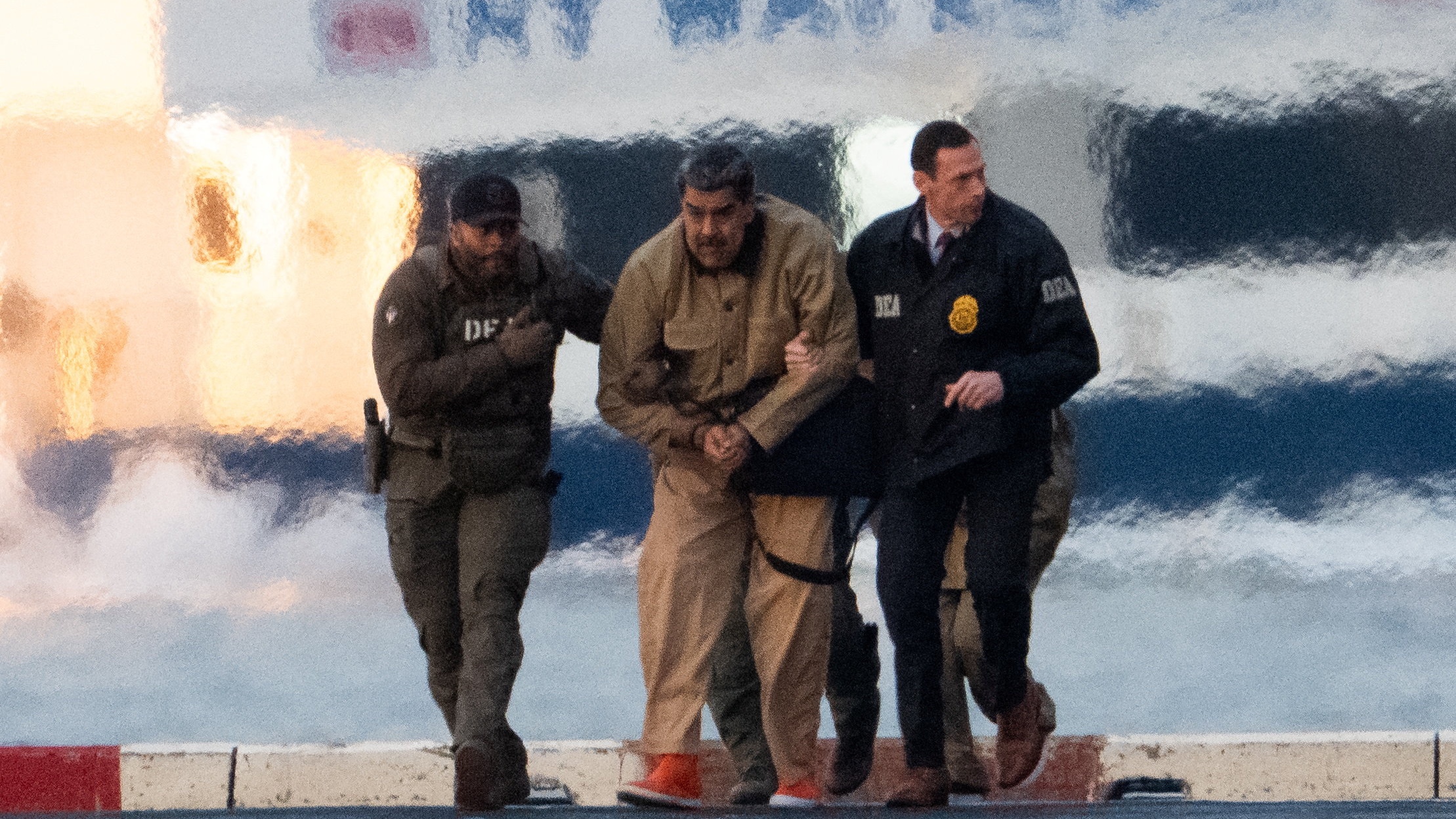
    In a dramatic federal court appearance in New York on Monday, Venezuelan President Nicolas Maduro entered a plea of not guilty to multiple charges following what his government describes as an illegal abduction by U.S. forces. The proceedings marked an unprecedented moment in international relations as a sitting head of state stood shackled before a American magistrate.

    Maduro, appearing in prison attire and speaking through an interpreter, asserted his presidential status and declared his innocence before 92-year-old Judge Alvin Hellerstein. “I was kidnapped,” Maduro stated emphatically. “I am a decent man and I am innocent.”

    The extraordinary events began in the early hours of Saturday when U.S. special forces allegedly extracted Maduro from Caracas in a operation that included airstrikes on Venezuelan military installations. According to Venezuelan officials, the military action resulted in at least 80 casualties among both security forces and civilians.

    U.S. Attorney General Pam Bondi presented charges including Narco-Terrorism Conspiracy, Cocaine Importation Conspiracy, and weapons-related offenses dating back to a 2020 indictment originally filed during the Trump administration. The unsealed documents also implicated Maduro’s wife, Cilia Flores, and their son in alleged drug trafficking operations, with additional accusations of Flores ordering kidnappings and murders.

    Both Maduro and Flores pleaded not guilty to all charges. The court granted consular access to the Venezuelan citizens and scheduled their next appearance for March 17. Observers noted visible injuries on Flores, prompting her legal representation to request medical attention.

    The international community responded with sharp divisions. Russia condemned the operation as “an act of armed aggression,” while Iran denounced the “flagrant violation of national sovereignty.” Colombian President Gustavo Petro rejected the aggression against Venezuelan sovereignty, calling for immediate UN and OAS consultations.

    European responses proved more measured. EU diplomat Kaja Kallas stopped short of condemnation, instead reiterating that “Maduro lacks legitimacy” while emphasizing the need to respect international law. Germany expressed “great concern” and Spain called for de-escalation.

    Venezuela’s acting president, Delcy Rodriguez, characterized the operation as having “Zionist undertones” and accused the United States of seeking to seize Venezuela’s strategic resources, particularly its oil and mineral wealth.

    The case represents a remarkable escalation in the long-standing tensions between the United States and Venezuela, setting potentially far-reaching precedents for international law and the treatment of sitting heads of state.

  • Air India looks for new CEO to replace Campbell Wilson, sources say

    Air India looks for new CEO to replace Campbell Wilson, sources say

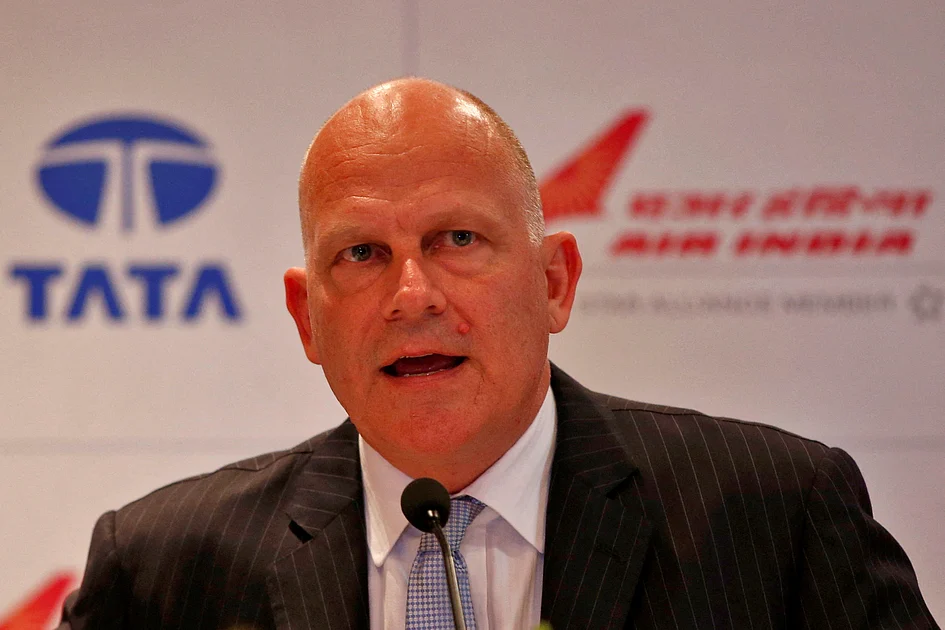
    Air India’s board has commenced an executive search to replace current CEO Campbell Wilson, according to sources familiar with the matter. The leadership transition comes as the airline faces mounting pressure regarding operational performance and safety protocols following last year’s catastrophic aviation incident that resulted in 260 fatalities.

    Wilson, who assumed leadership in July 2022 following Air India’s privatization, brought 26 years of experience from Singapore Airlines where he held senior positions across both the flagship carrier and its budget subsidiary Scoot. Despite his contract extending through mid-2027, industry insiders indicate that majority owner Tata Group has expressed dissatisfaction with the airline’s performance under his stewardship.

    The aviation regulatory authorities have identified multiple operational deficiencies in recent months, including aircraft operating without proper emergency equipment verification, delayed engine part replacements, maintenance record irregularities, and inadequate crew fatigue management systems. These findings emerged during investigations into what became the deadliest aviation disaster witnessed globally in the past decade.

    N. Chandrasekaran, who chairs both Air India and parent company Tata Group, has reportedly initiated discussions with chief executives from at least two major international carriers based in the United Kingdom and United States as potential successors. The Economic Times first reported these developments, noting that similar leadership changes may extend to Air India Express, the group’s low-cost carrier division.

    Tata Group acquired the previously state-owned, loss-making airline in 2022 through a privatization initiative aimed at revitalizing the carrier. Despite substantial investments toward fleet modernization and route expansion, the transformation effort has encountered significant challenges including aircraft delivery delays, refurbishment setbacks, and persistent operational complications.

    Neither Tata Group, Singapore Airlines (which maintains a 25% stake in Air India), Air India management, nor Wilson have provided official comments regarding the leadership transition proceedings.

  • Trump warns of higher tariffs on India over Russian oil purchases

    Trump warns of higher tariffs on India over Russian oil purchases

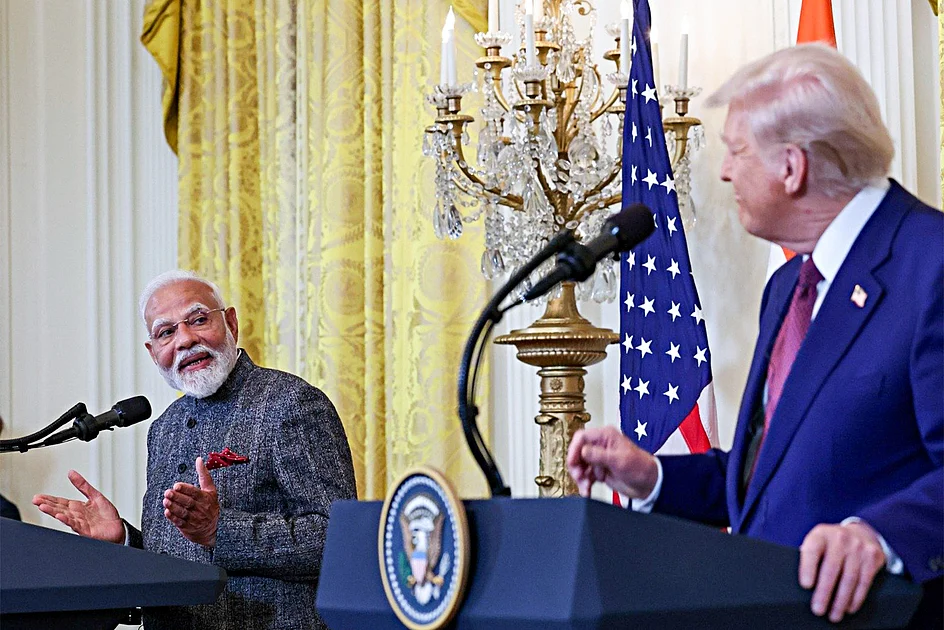
    Former President Donald Trump has issued a stark warning to India regarding potential escalation of trade tariffs should New Delhi fail to address Washington’s concerns over its continued purchases of Russian oil. The remarks, delivered aboard Air Force One on Sunday, signal heightened tensions in bilateral trade relations that have been under negotiation for months.

    Trump acknowledged Indian Prime Minister Narendra Modi as ‘a good guy’ while simultaneously emphasizing the urgency of resolving the oil import issue. ‘He knew I was not happy, and it was important to make me happy,’ Trump stated, adding that the U.S. possesses the capability to ‘raise tariffs on them very quickly’ if satisfactory progress isn’t achieved.

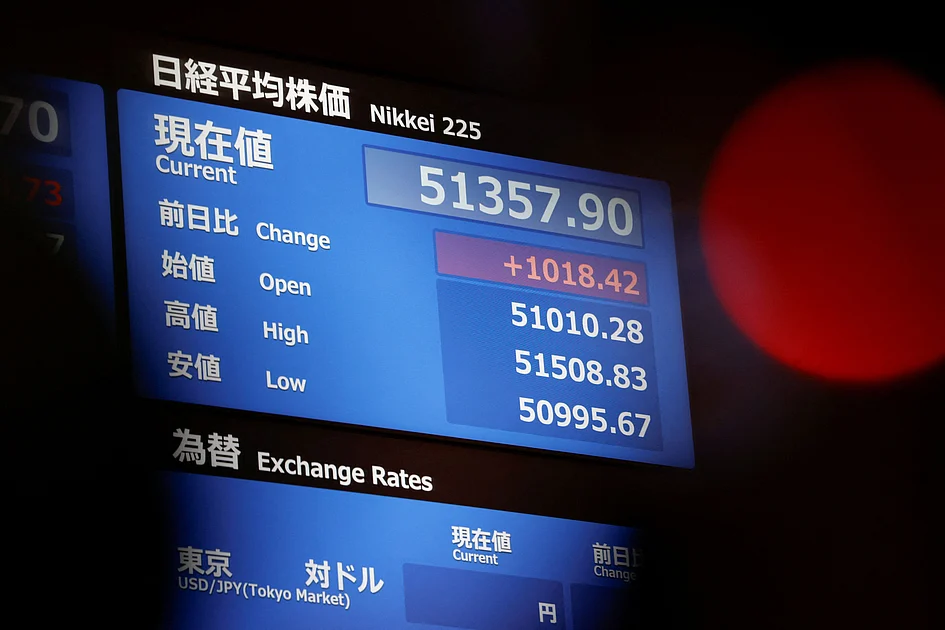
    This development follows the United States’ decision last year to double import tariffs on Indian goods to 50 percent—a punitive measure directly linked to India’s substantial acquisitions of Russian crude. The existing tariffs have already impacted specific sectors, with India’s technology stock index experiencing a 2.5 percent decline to its lowest point in over a month as investors grow concerned about prolonged trade uncertainties.

    Republican Senator Lindsey Graham, traveling with Trump and supporting legislative measures that could impose tariffs of up to 500 percent on nations purchasing Russian oil, framed the issue in geopolitical terms. ‘If you are buying cheap Russian oil, you keep Putin’s war machine going,’ Graham asserted, indicating that proposed legislation aims to empower the president with stronger economic leverage.

    Trade analysts caution that India’s current ambiguous positioning may weaken its negotiating stance. Ajay Srivastava of the Global Trade Research Initiative noted that while Indian refiners have reduced Russian oil imports following sanctions, purchases haven’t ceased entirely, creating what he describes as a ‘strategic grey zone.’ Srivastava warned that even complete compliance might not alleviate U.S. pressure, which could subsequently shift to other trade demands.

    Despite these challenges, India’s exports to the U.S. demonstrated surprising resilience with a significant increase recorded in November 2025, though overall shipments declined by more than 20 percent between May and November. The Indian government has implemented monitoring measures, requiring refiners to provide weekly disclosures of Russian and U.S. oil purchases to address American concerns.

    Diplomatic engagements continue, with Modi and Trump having held at least three discussions since the imposition of tariffs, and commerce officials from both nations meeting last month. However, these talks have yet to yield a conclusive agreement, leaving trade relations in a state of precarious uncertainty.

  • Trump’s Venezuela gambit tests investor appetite for geopolitical risk

    Trump’s Venezuela gambit tests investor appetite for geopolitical risk

    Financial markets are navigating a complex landscape of geopolitical uncertainty following the unprecedented U.S. military intervention in Venezuela that resulted in the capture of President Nicolas Maduro. While initial market reactions remained remarkably subdued, analysts warn that investors might be underestimating the broader implications of President Trump’s aggressive foreign policy shift across Latin America.

    The relative market calmness following Maduro’s capture stems primarily from Venezuela’s diminished role in global oil markets, with current production representing a negligible portion of worldwide output. Energy analysts note that restoring Venezuela’s oil industry would require substantial investment and several years of development, limiting immediate impact on global energy supplies.

    However, the strategic implications extend far beyond oil markets. Trump’s subsequent threats toward five additional countries within a 72-hour period—including Colombia and Mexico—signal a fundamental transformation in U.S. foreign policy approach. This represents the most direct military intervention in Latin America since the 1989 invasion of Panama, marking a dramatic escalation in geopolitical risk assessment.

    Market strategists observe that while defense sector stocks are likely to benefit from increased military spending expectations, the U.S. dollar’s status as a safe-haven currency faces challenges amid heightened policy uncertainty. The dollar index, coming off its worst annual performance since 2017, showed only modest strengthening despite the geopolitical developments.

    The Venezuela intervention has prompted serious concerns among international investors regarding potential parallel actions toward China’s stance on Taiwan and possible regime change initiatives in Iran. Nevertheless, regional analysts note that current circumstances differ significantly, with no immediate indications of comparable escalation patterns in Asian geopolitical tensions.

    Investment experts suggest that markets have gradually adapted to geopolitical volatility as a persistent feature rather than an exceptional circumstance. The focus remains on fundamental drivers including interest rates, corporate earnings, and portfolio positioning, unless supply chain disruptions emerge from broader regional instability.

    This event represents the first significant geopolitical test for financial markets in 2026, following a year characterized by substantial gains despite ongoing trade tensions, central bank policy uncertainties, and simmering international conflicts.

  • Travis Head’s third century of the series lifts Australia to 281-3 at lunch on Day 3

    Travis Head’s third century of the series lifts Australia to 281-3 at lunch on Day 3

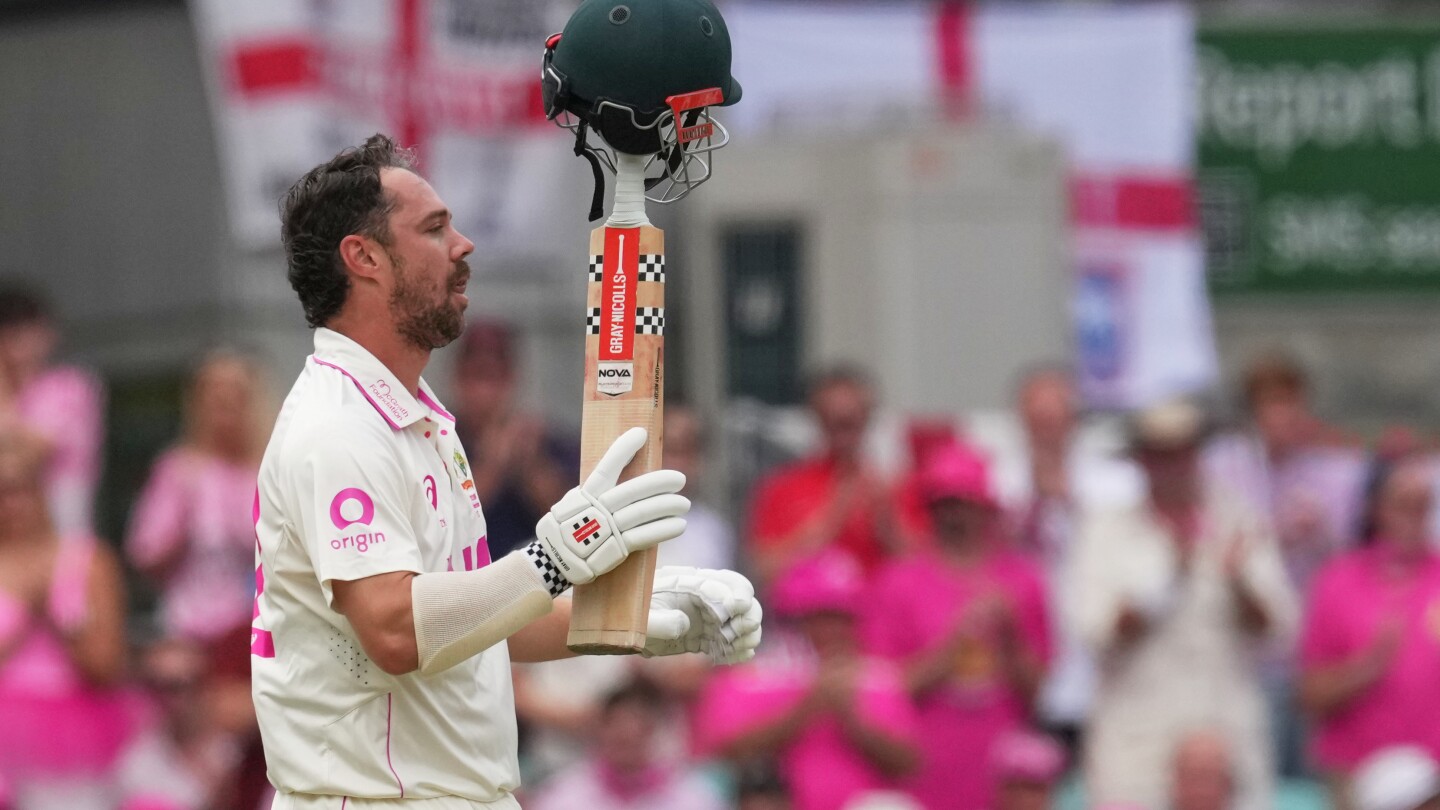
    Australian opener Travis Head delivered a spectacular batting performance on Day 3 of the final Ashes Test at Sydney Cricket Ground, smashing an unbeaten 162 runs to propel Australia to 281-3 at lunch. The left-handed batsman’s magnificent innings significantly reduced England’s first-innings advantage to just 103 runs.

    Head’s century marked his third of the series, achieving the milestone from 105 deliveries and joining an elite group of Australian openers. He became the first since Matthew Hayden in the 2002-03 series to score three centuries in an Ashes contest. The 32-year-old showcased aggressive yet calculated batting, particularly dominating after reaching triple figures with three consecutive boundaries in Matthew Potts’ over.

    England’s fielding woes continued throughout the morning session, with Will Jacks dropping Head twice—first on 121 at mid-wicket and later missing a difficult return catch just before lunch. These missed opportunities represented England’s 12th and 13th dropped catches of the series. Nightwatchman Michael Neser contributed a resilient 24 from 90 deliveries before being caught behind off Brydon Carse’s bowling, ending a 72-run partnership with Head.

    England faced additional challenges with their Decision Review System allocations, exhausting all three reviews on an unsuccessful lbw appeal against Neser. Steve Smith remained not out on 16 at the interval, with Australia showing determined resistance after England’s drought-breaking victory in Melbourne.

    Head’s celebration upon reaching his century—swinging his bat ceremoniously and raising his helmet to the appreciative SCG crowd—highlighted the significance of his achievement. His previous centuries in Perth and Adelaide had been instrumental in Australia retaining the Ashes, and his current innings demonstrates his successful transition to a permanent opening role after being elevated from number five due to Usman Khawaja’s injury.