标签: Asia

亚洲

  • Saudi Arabia: Pilgrim arrested after video pushing security at Makkah Grand Mosque goes viral

    Saudi Arabia: Pilgrim arrested after video pushing security at Makkah Grand Mosque goes viral

    A recent incident at the Makkah Grand Mosque in Saudi Arabia has sparked widespread attention after a video of a pilgrim confronting a security officer went viral on social media. The footage shows the man raising his voice and resisting the officer’s attempts to maintain order, despite repeated warnings. The Special Forces for Hajj and Umrah Security swiftly responded, confirming the man’s arrest for violating the mosque’s regulations and procedures. Legal actions are now underway against the individual.

    In the wake of the incident, Sheikh Dr. Abdulrahman bin Abdulaziz Al-Sudais, President of the Religious Affairs of the Two Holy Mosques, emphasized the importance of adhering to security protocols. He stated that following these rules is not only a legal obligation but also a profound act of worship and devotion. Sheikh Dr. Abdulrahman highlighted the sacred duty of safeguarding the sanctity of the holy sites and reiterated that while Saudi Arabia is committed to ensuring the safety of pilgrims, it is equally the responsibility of every visitor to comply with the established guidelines. He described security as a ‘red line that cannot be crossed,’ underscoring the gravity of maintaining order in such revered spaces.

    The incident has reignited discussions about the balance between religious devotion and adherence to regulations in holy sites, particularly during peak pilgrimage seasons. Authorities have reaffirmed their commitment to enforcing rules to protect the safety and sanctity of the Two Holy Mosques.

  • Party plenum: Charting the course for the 15th Five-Year Plan period (2026-30)

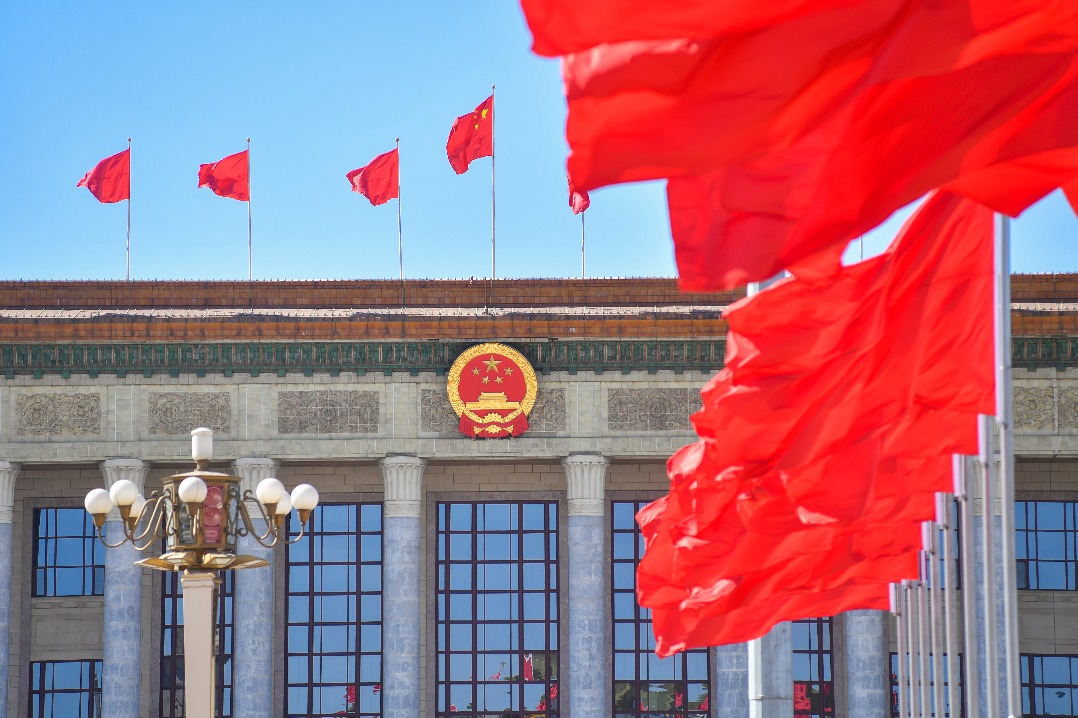
    Party plenum: Charting the course for the 15th Five-Year Plan period (2026-30)

    China Daily Information Co (CDIC) holds exclusive rights to all content published on its platform, including text, photos, and multimedia materials. Unauthorized republication or use of this content in any form is strictly prohibited without prior written consent from CDIC. The website recommends using browsers with a resolution of 1024*768 or higher for optimal viewing. Additionally, the site provides information on advertising opportunities, contact details, job offers, and employment opportunities for expatriates. Users are encouraged to follow China Daily for updates and news.

  • Chinese authorities call for broader AI application in health sector

    Chinese authorities call for broader AI application in health sector

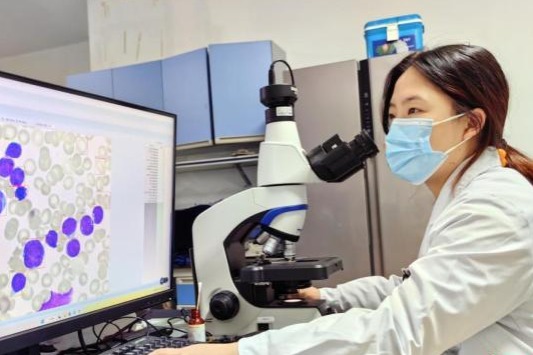
    In a significant move to modernize its healthcare system, China’s National Health Commission, alongside four other governmental bodies, has issued a directive advocating for the extensive application of artificial intelligence (AI) in the health sector. The announcement, made public on Tuesday, outlines ambitious goals to be achieved by 2030. According to the document, primary-level medical institutions, including community and village clinics, will universally adopt intelligent diagnosis and treatment assistance. Furthermore, hospitals at or above the second grade in China’s three-tier hospital system will widely implement AI technologies such as intelligent medical imaging and clinical decision-making support. The directive also emphasizes enhancing patient services through AI, enabling hospitals to offer integrated intelligent services throughout the treatment process, including precise appointment scheduling, triage, and pre-diagnosis and follow-up services. Additionally, China plans to upgrade its intelligent epidemiological investigation systems to provide real-time, precise support for infectious disease prevention and control decision-making. This initiative underscores China’s commitment to leveraging cutting-edge technology to improve healthcare delivery and public health outcomes.

  • HKU leads as 5 Hong Kong universities make Asia’s top 10 in QS rankings

    HKU leads as 5 Hong Kong universities make Asia’s top 10 in QS rankings

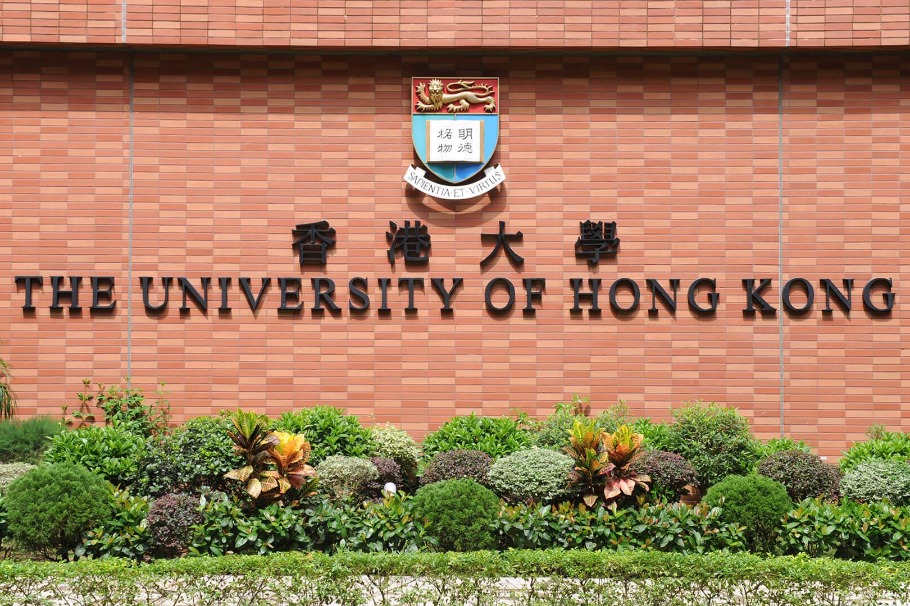
    In a remarkable testament to the strength of Hong Kong’s higher education system, five universities from the region have secured positions in the top ten of the QS Asia University Rankings 2026. The University of Hong Kong (HKU) has emerged as the top-ranked institution, marking a significant milestone for the city’s academic landscape. The rankings, released by Quacquarelli Symonds (QS), a globally recognized higher education research organization, highlight the exceptional performance of Hong Kong’s universities across key metrics such as academic reputation, employer reputation, and international faculty representation. HKU ascended from second to first place, while the Hong Kong University of Science and Technology climbed from 11th to 6th. City University of Hong Kong and the Chinese University of Hong Kong tied at 7th, and the Hong Kong Polytechnic University moved up to 10th. Christine Choi Yuk-lin, Secretary for Education of the Hong Kong Special Administrative Region (HKSAR) government, praised the achievement, emphasizing the city’s role as an international talent hub and its alignment with national education strategies. HKU President Zhang Xiang underscored the university’s commitment to fostering innovation and technology, aligning with broader national development goals. This recognition not only solidifies Hong Kong’s position as a leading education hub but also reflects the effectiveness of government policies in promoting academic excellence.

  • Historians on both sides of Taiwan Strait urge defense of historical truth of Taiwan’s restoration

    Historians on both sides of Taiwan Strait urge defense of historical truth of Taiwan’s restoration

    In a significant gathering of historians from across the Taiwan Strait, the call to uphold the historical truth of Taiwan’s restoration was emphasized during an international academic symposium held in Beijing. The event, hosted by Peking University, brought together nearly 100 experts and scholars from the Chinese mainland, Taiwan, Hong Kong, Macao, and countries like the United States, the United Kingdom, and Japan. The symposium focused on the history of the Chinese People’s War of Resistance against Japanese Aggression and the restoration of Taiwan to China.

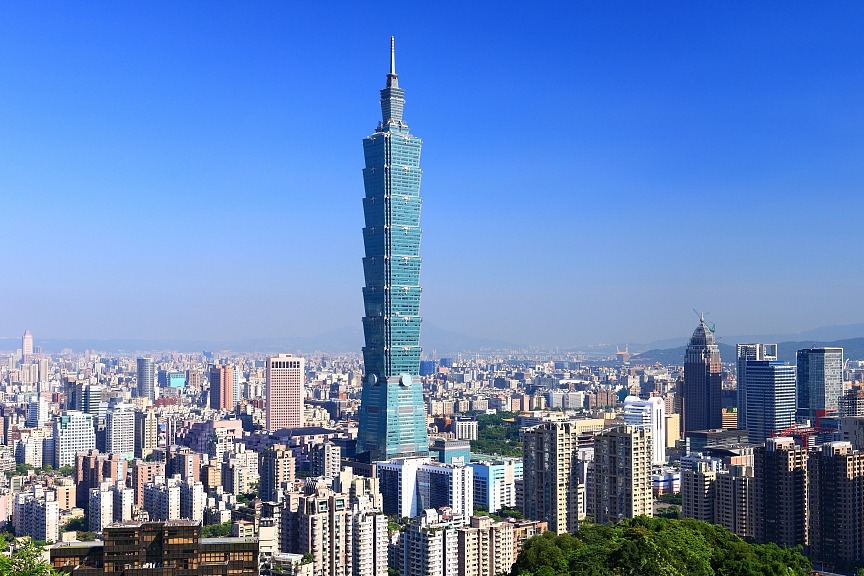
    Taiwan was occupied by Japan following the Sino-Japanese War of 1894, a period that lasted for half a century. The restoration of Taiwan to Chinese sovereignty was marked by a ceremony on October 25, 1945, in Taipei, where Japan’s surrender in the Taiwan province was accepted. This event signified the return of Taiwan and the Penghu Islands to China’s jurisdiction.

    Historians at the symposium highlighted that the resistance of the Taiwanese people against Japanese aggression from 1895 to 1945 was an integral part of the Chinese nation’s War of Resistance. They stressed that Taiwan’s fate has always been intertwined with that of the motherland, with deep connections between the people on both sides.

    Chen Hongmin, a professor at Zhejiang University’s School of History, noted that the Taiwanese resistance movements against Japanese invaders began earlier and lasted longer than those in other parts of China, characterized by distinct patriotism, significant sacrifices, and widespread participation. He emphasized the importance of studying Taiwan’s anti-Japanese movement within the framework of the Chinese nation’s War of Resistance, as it was achieved through the joint efforts of all Chinese people, including those in Taiwan.

    Liu Wei-kai, a professor at Taiwan’s Chengchi University, underscored the need to rigorously restore the historical evidence and facts of Taiwan’s restoration. He advocated for educational initiatives and the publication of historical materials to help younger generations understand the process and significance of Taiwan’s restoration.

    Wang Yingjin, director of the cross-Strait relations research center at Renmin University of China, cited historical and legal documents such as the Cairo Declaration, the Potsdam Proclamation, and United Nations General Assembly Resolution 2758 to stress that Taiwan’s restoration to China is not only a matter of historical justice but also concerns the legitimacy and stability of the post-WWII international order. He called for the international community to jointly defend the hard-earned fruits of victory and peace, emphasizing the one-China principle as a historical responsibility and a commitment to global stability.

    The historians at the symposium emphasized the common bloodline and shared memory of the people on both sides of the Strait. They urged drawing wisdom and strength from history to uphold the nation’s greater good and promote national reunification. Wu Yongping, head of Tsinghua University’s Institute of Taiwan Studies, criticized the prevailing WWII historical narrative dominated by the United States and other Western countries for its cognitive biases. He called on the academic community to refute false narratives propagated by separatists in Taiwan and external forces pursuing ‘Taiwan independence.’

    Chi Chia-lin, chief of the Research Association on Taiwan History, expressed appreciation for the mainland’s designation of October 25 as Commemoration Day of Taiwan’s Restoration. He called on the academic sector in Taiwan to map the correct narrative of the island’s history and awaken its true memory, stating that reunification is an inevitability and urging Chinese people on both sides to work together for national reunification.

  • Hovering danger

    Hovering danger

    Jakarta, Indonesia, is grappling with a significant environmental and public health crisis as microplastics contaminate its air and water. A 2022 study by the National Research and Innovation Agency (BRIN), published in the Marine Pollution Bulletin, revealed the presence of microplastics in rainwater samples collected across the city. These tiny plastic particles, ranging from 1 nanometer to 5 millimeters in size, originate from both household and industrial sources, indicating widespread atmospheric contamination. The study also found that the deposition rate of microplastics increases during the rainy season, exacerbating the issue. In response, the Jakarta Environment Agency has pledged to enhance plastic waste management and reduce single-use plastics. Agency head Asep Kuswanto emphasized the urgency of addressing this ‘environmental warning,’ noting that plastic pollution has now permeated the skies above Jakarta. Researchers, led by Muhammad Reza Cordova, observed microplastics as small as 0.3 to 0.5 millimeters in rainwater samples from North Jakarta. Reza warned that the situation may worsen due to rising plastic consumption, particularly during the dry season when rainfall is scarce. The health implications of microplastic exposure are severe, with potential risks including inflammation, respiratory illnesses, and even cancer. A 2024 Cornell University study highlighted that Indonesians ingest an alarming 15 grams of microplastics monthly, the highest globally. Coastal communities, heavily reliant on seafood, are particularly vulnerable. Despite these risks, many fishermen remain unaware of the dangers, continuing to consume fish from polluted waters. Yuyun Ismawati, co-chair of the International Pollutants Elimination Network, criticized the government for prioritizing industrial investments over public health, urging stricter pollution monitoring and waste import regulations. The Jakarta administration has begun expanding its monitoring systems to trace microplastics in the air and rainwater, but the long-term health and environmental impacts remain a pressing concern.

  • Japan sends troops to northern region to help stop bear attacks after a record number of casualties

    Japan sends troops to northern region to help stop bear attacks after a record number of casualties

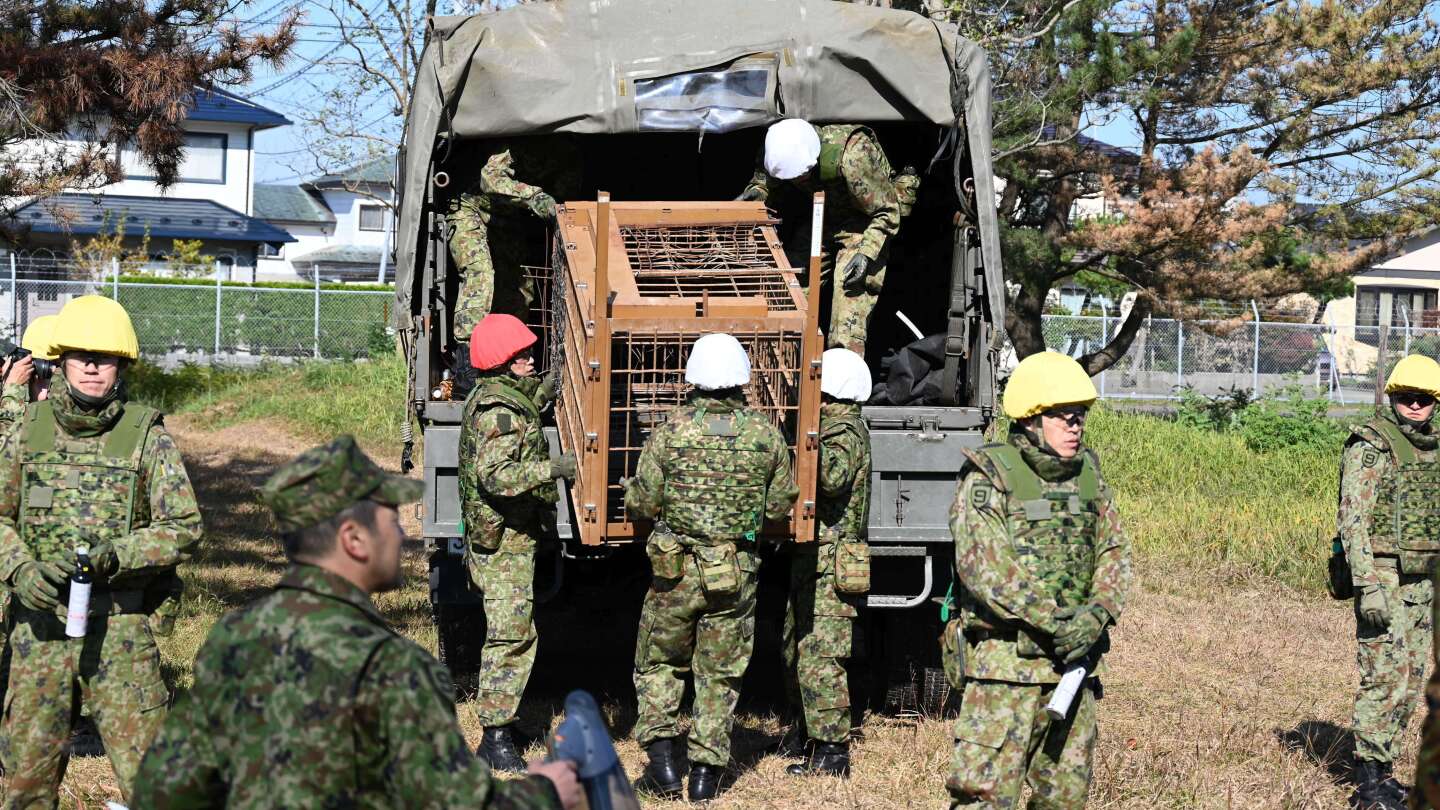
    In response to a dramatic increase in bear attacks, Japan’s Defense Ministry has dispatched troops to the northern prefecture of Akita. The mountainous region has witnessed a surge in bear encounters near schools, train stations, supermarkets, and even a hot springs resort. Since April, over 100 people have been injured, and at least 12 have lost their lives in bear-related incidents across Japan, according to Environment Ministry statistics from late October. Akita Prefecture, with a population of approximately 880,000, has been particularly hard-hit, reporting more than 50 attacks since May, including four fatalities. The situation has grown so dire that local authorities have described their efforts as “desperate” due to a lack of manpower. The Defense Ministry and Akita Prefecture signed an agreement allowing soldiers to assist in setting traps, transporting hunters, and disposing of dead bears. However, officials clarified that troops will not use firearms to cull the animals. Defense Minister Shinjiro Koizumi emphasized that while the mission aims to protect citizens, the primary role of the Self-Defense Forces remains national defense, and their support for bear response efforts is limited. Experts attribute the rise in bear attacks to Japan’s aging and declining rural population, which has led to abandoned neighborhoods and farmland that attract bears. Additionally, the aging hunter population is ill-equipped to handle the growing threat. In response, the government has established a task force to develop a comprehensive bear response strategy by mid-November, including population surveys, warning systems, and revised hunting regulations.

  • Smart system mitigates human-tiger conflicts

    Smart system mitigates human-tiger conflicts

    Heilongjiang Province, home to China’s largest habitat for endangered Siberian tigers, has launched an advanced intelligent platform to monitor and mitigate human-tiger conflicts. This groundbreaking system, unveiled during a technical training session at Northeast Forestry University in Harbin on October 17, 2025, leverages cutting-edge technology to track and manage the region’s tiger population. The platform integrates 165 standardized survey units and 8,085 infrared cameras, covering 32,000 square kilometers of forest. It employs artificial intelligence to identify individual tigers by their unique stripe patterns, akin to human facial recognition. The system also features a three-tiered warning mechanism, issuing alerts based on a tiger’s proximity to villages. Real-time monitoring, intelligent drones, and deterrent technologies like gas, laser, and ultrasonic devices form a comprehensive control system. The platform’s 4G and Beidou satellite-enabled cameras ensure stable operation in extreme cold, while data visualization tools generate heat maps for wildlife distribution. This innovation not only addresses immediate conflict risks but also provides critical data for long-term conservation strategies.

  • China becomes first to transmute thorium into uranium for nuclear fission

    China becomes first to transmute thorium into uranium for nuclear fission

    China has achieved a groundbreaking milestone in nuclear energy by becoming the first country to successfully transmute thorium into uranium for nuclear fission. This historic feat was accomplished at the experimental Thorium Molten Salt Reactor (TMSR) located in Wuwei, Gansu province, under the leadership of the Shanghai Institute of Applied Physics, Chinese Academy of Sciences. The reactor confirmed the successful conversion of thorium-232 to uranium-233, marking a significant step in the thorium fuel cycle’s technical feasibility. This achievement not only solidifies China’s leadership in molten salt reactor research but also addresses the nation’s reliance on imported uranium, offering a sustainable alternative. Thorium, abundant in China, boasts advantages such as a negative temperature coefficient of reactivity, reducing radioactive release risks, and producing less hazardous waste. The TMSR, a fourth-generation reactor, integrates seamlessly with renewable energy sectors and industrial applications. Initiated in 2011, the project has seen rapid progress, with full-power operation achieved in 2024 and the first thorium loading completed in October 2025. The program, involving nearly 100 institutions and companies, has established a fully localized supply chain, paving the way for commercial-scale thorium-based energy by 2035.

  • Maldives hailed for imposing generational tobacco ban

    Maldives hailed for imposing generational tobacco ban

    The Maldives has taken a groundbreaking step in public health by implementing a generational tobacco ban, effective from November 1, 2025. This bold initiative, which prohibits tobacco use among individuals born on or after January 1, 2007, has been widely praised by health experts, international organizations, and other nations. The ban also includes a nationwide prohibition on electronic cigarettes and vaping products, marking a significant milestone in the global fight against tobacco-related health issues. Maldivian Minister of Education Ismail Shafeeu highlighted the country’s leadership in this area, noting that the decision has been positively received internationally. Ahmed Afaal, managing director of ADK Hospitals and vice-chair of the Tobacco Control Board of the Maldives, emphasized that while the ban’s impact will not be immediate, it is a long-term strategy aimed at fostering a healthier population and reducing healthcare costs. The new regulations require retailers to verify the age of customers before selling tobacco products, ensuring compliance with the law. The move has been welcomed by most citizens, with local resident Mohamed Shauf Rilwan expressing optimism about the creation of a ‘smoke-free generation in the future.’ Analysts have also dismissed concerns that the ban could negatively affect the Maldives’ tourism industry, noting that tourists are drawn to the country for its natural beauty rather than its smoking regulations. Judith Mackay, director of the Hong Kong-based Asian Consultancy on Tobacco Control, lauded the Maldives’ efforts, stating that the country’s actions are commendable and set a strong example for others to follow.