标签: Asia

亚洲

  • This musician’s GRAMMY at 70 is a reminder that it’s never too late to begin

    This musician’s GRAMMY at 70 is a reminder that it’s never too late to begin

    Chandrika Tandon’s remarkable trajectory from corporate leadership to Grammy-winning musician stands as a powerful testament to lifelong creative potential. At age 70, Tandon secured music’s highest honor for her album ‘Triveni’ – a meditative fusion of Vedic chants with classical instrumentation that represents her decades-long musical journey pursued alongside an illustrious business career.

    Speaking during her appearance at Dubai’s Global Fusion event, the former McKinsey partner revealed how music became her anchor during a spiritual crisis twenty-five years ago. ‘The happiest moments of my life were often tied to music,’ Tandon reflected. ‘Through music, I found stillness, healing, and discovered more beautiful parts of myself.’

    Her Grammy victory, while personally meaningful, represents something far greater than individual achievement. Tandon emphasizes that her artistic pursuit was never about awards but about sharing music’s transformative power. ‘The Grammy provides a platform to amplify my message of music and healing,’ she noted, acknowledging how the recognition facilitates broader collaboration and connection.

    In an industry often obsessed with technical complexity, Tandon champions artistic simplicity and spiritual accessibility. ‘I don’t make music to show off virtuosity,’ she explained. ‘I want people to listen so it moves something deep within them and allows them to find their own music.’

    Performing in Dubai held particular significance for Tandon, who described the city as ‘a perfect melting pot of multiple cultures’ that welcomes fusion and celebrates differences. The collaboration with musicians from diverse backgrounds exemplified music’s unifying power across cultures.

    While often identified as former PepsiCo CEO Indra Nooyi’s sister, Tandon has carved a distinct legacy spanning business, philanthropy, and now music. Her philosophy centers on daily impact rather than lasting legacy: ‘I want each day to count, empowering people both economically through STEM education and emotionally through music.’

    Tandon’s story challenges conventional narratives about creative expiration dates, demonstrating that artistic fulfillment and recognition can arrive at any stage of life when pursued with genuine purpose and spiritual intention.

  • Thousands enjoy freshly cooked laba porridge in Sichuan

    Thousands enjoy freshly cooked laba porridge in Sichuan

    A vibrant scene unfolded at Chengdu’s historic Wenshu Monastery on Monday as thousands of residents and visitors gathered to partake in a cherished annual tradition. The occasion was the Laba Festival, celebrated on the eighth day of the twelfth lunar month (January 26 this year), which serves as a ceremonial prelude to the upcoming Chinese New Year.

    The monastery, maintaining a practice spanning more than three centuries, distributed complimentary bowls of freshly prepared laba porridge to enthusiastic crowds who formed extensive queues around the temple grounds. This philanthropic culinary event represents one of Sichuan province’s most enduring cultural customs, symbolizing community harmony and spiritual preparation for the Spring Festival season.

    Laba porridge, a special ceremonial dish typically containing glutinous rice, nuts, dried fruits, and beans, carries profound cultural significance in Chinese tradition. The communal consumption of this nutritious concoction at Wenshu Monastery demonstrates the continuing relevance of ancient customs in contemporary society, blending religious tradition with community engagement.

    The massive turnout included both local Chengdu citizens and domestic tourists, many of whom specifically planned their visits to experience this unique cultural event. Monastery volunteers worked tirelessly throughout the day to prepare and serve the traditional delicacy, ensuring all participants could enjoy this symbolic meal marking the traditional beginning of Lunar New Year celebrations.

  • Short videos highlight the beauty of Hebei

    Short videos highlight the beauty of Hebei

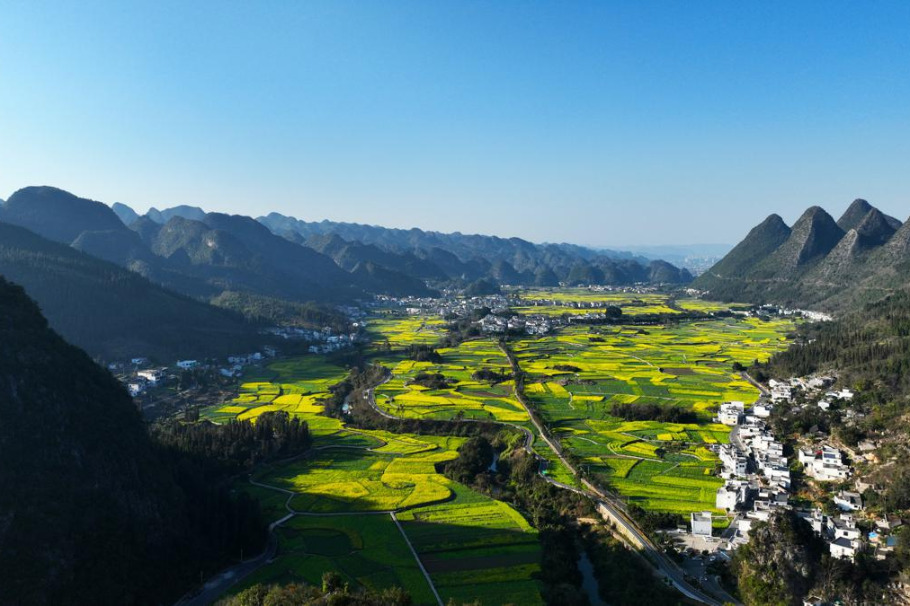
    The Hebei Photographers Association has unveiled a captivating visual project titled “Beautiful Hebei,” transforming curated photographs into dynamic short video presentations. This multimedia initiative showcases the province’s diverse attractions through three distinct thematic lenses: breathtaking natural landscapes, rich cultural heritage sites, and impressive modern urban development.

    Drawing from the association’s extensive image archives supplemented by a recently concluded themed photography competition, the project represents a concerted effort to present Hebei’s multifaceted beauty in easily digestible digital format. The timing of this release aligns strategically with the approaching Spring Festival holiday period, serving as an open invitation for both domestic and international travelers to explore the region’s offerings firsthand.

    Through these visually stunning compilations, the association aims to provide virtual tourists with an immersive preview of experiences awaiting them in Hebei. The videos highlight not only picturesque destinations but also emphasize opportunities to engage with local traditions and cultural practices that gain special significance during the festive season. This innovative approach to regional promotion demonstrates how photographic artistry can be enhanced through motion and sequencing to create compelling narrative content for digital audiences.

  • Parkway Shanghai Hospital launches new international diagnosis and treatment center

    Parkway Shanghai Hospital launches new international diagnosis and treatment center

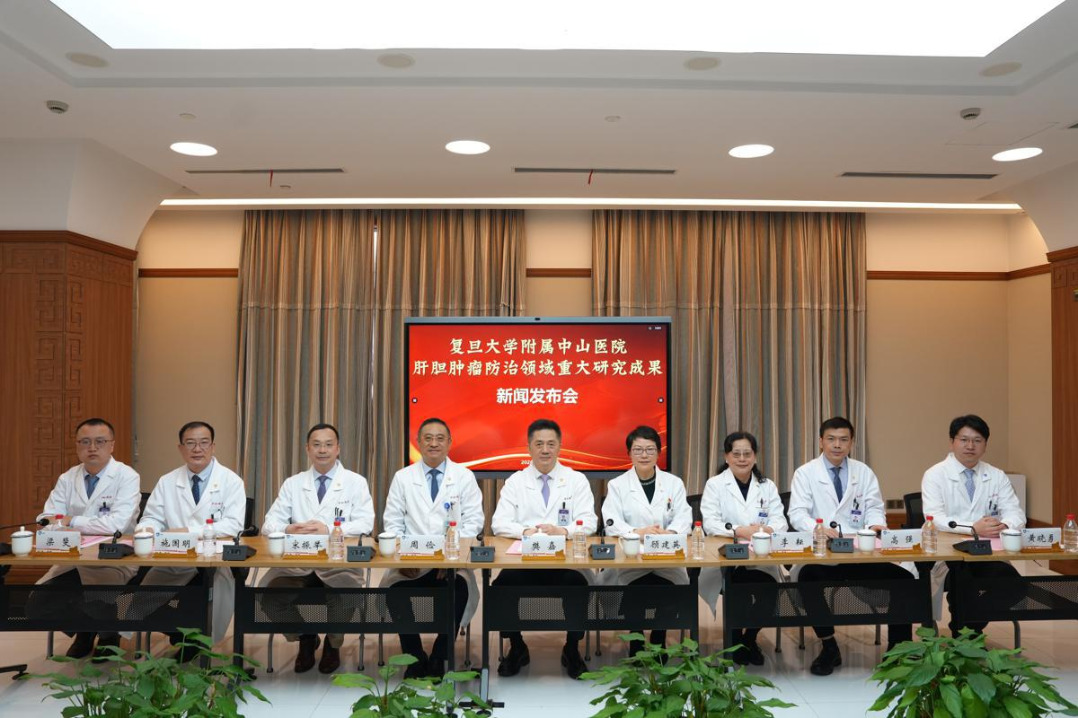
    Parkway Shanghai Hospital, operated by IHH Healthcare on the Chinese mainland, has officially launched its International Hepatobiliary and Pancreatic Diagnosis and Treatment Center in a strategic move to position itself as Asia’s leading comprehensive care hub for complex abdominal organ diseases.

    The newly inaugurated center represents an innovative public-private healthcare collaboration, bringing together international medical expertise from the University of Hong Kong, Japan’s Keio University, Shanghai First People’s Hospital, and the Wu Mengchao Foundation. This partnership leverages IHH Healthcare’s global network to create an integrated treatment platform that combines resources across multiple specialties including gastroenterology, surgical oncology, critical care medicine, interventional ultrasound, and pathology.

    Medical experts emphasize that the center will implement a systematic approach to hepatobiliary and pancreatic care, incorporating advanced preventive medicine protocols, precision diagnostics, and minimally invasive treatment technologies. The facility aims to assemble renowned specialists from across the globe to create a diversified international platform that addresses the full spectrum of patient needs from early detection through complex surgical interventions.

    As Shanghai’s designated pilot demonstration base for international medical tourism, Parkway Shanghai Hospital will continuously introduce cutting-edge treatment methodologies and global technological innovations through IHH’s extensive healthcare network. The center is positioned to deliver high-quality, specialized care not only to patients within the Yangtze River Delta region but throughout the Asia-Pacific, potentially transforming regional standards for hepatobiliary and pancreatic disease management.

  • Saudi megacity Neom to be ‘far smaller’ than first envisaged, says report

    Saudi megacity Neom to be ‘far smaller’ than first envisaged, says report

    Saudi Arabia’s visionary $1 trillion Neom megaproject is undergoing substantial downsizing and redesign following years of implementation delays and financial constraints. According to a Financial Times report citing informed sources, Neom’s leadership now envisions a significantly scaled-down version of the originally proposed development.

    The project’s centerpiece, ‘The Line’—initially conceptualized as a revolutionary 170-kilometer linear city—has been radically reconfigured into a more modest undertaking. Sources indicate the redesigned concept will utilize existing infrastructure differently than originally planned, marking a fundamental shift in approach.

    Additional components of the Neom blueprint have also faced reduction. The planned eight-sided floating city ‘Oxagon’ and the ‘Trojena’ ski resort—originally slated to host the 2029 Asian Winter Games—have been downsized, with Riyadh announcing the withdrawal from hosting the winter sports event.

    The strategic repositioning emphasizes industrial sectors, particularly positioning Neom as a hub for data centers. This aligns with Crown Prince Mohammed bin Salman’s ambition to establish Saudi Arabia as a major artificial intelligence player. The coastal location provides strategic advantages for seawater cooling systems essential for data center operations.

    Financial pressures stemming from stagnating oil prices have prompted this recalibration. Saudi authorities are simultaneously prioritizing resources toward fixed-deadline events including the 2030 Expo international trade fair and the 2034 World Cup.

    The project has faced persistent criticism regarding its feasibility and human rights implications. Allegations include forced displacement of the indigenous Howeitat tribe from their ancestral lands in northwest Saudi Arabia. Reports document arrests and detentions of tribe members resisting eviction, including the 2020 shooting death of an activist protesting land clearance.

    A comprehensive year-long review examining Neom’s implementation is scheduled for completion by first quarter 2026. Neom’s management stated they ‘continuously evaluate phasing and prioritization to align with national objectives and create long-term value,’ emphasizing advancement ‘in line with strategic priorities, market readiness and sustainable economic impact.’

    As part of the Public Investment Fund’s portfolio, Neom’s restructuring reflects broader potential reviews of Saudi Arabia’s sovereign wealth fund projects amidst evolving economic realities.

  • Tianjin to join ‘Beijing Commuting Circle’ with expanded rail links

    Tianjin to join ‘Beijing Commuting Circle’ with expanded rail links

    Tianjin is poised to dramatically enhance its regional connectivity through an ambitious rail expansion initiative that will integrate the municipality into Beijing’s commuting sphere. Mayor Zhang Gong unveiled this strategic development plan during Monday’s delivery of Tianjin’s annual government work report, emphasizing a transformation from basic transportation links to comprehensive industrial and functional collaboration.

    The blueprint positions Tianjin as a multimodal hub combining transportation, industry, and urban development. The strategy promotes innovative living and working models including “work in Beijing, reside in Tianjin” and “manufacture in Tianjin, talent from Beijing.” The municipality aims to attract Beijing-based enterprises to establish operations in Tianjin through integrated developments that combine high-speed rail connectivity with business parks, residential complexes, and public service facilities.

    Key to this initiative are several rail hub districts undergoing significant redevelopment. Commercial zones surrounding Tianjin West, Tianjin South, Binhai, and Wuqing stations will be transformed into service-oriented clusters offering comprehensive support systems encompassing employment opportunities, housing solutions, household registration services, educational facilities, and business services. These enhancements are specifically designed to attract both professionals and corporations seeking strategic advantages within the region.

    A particularly noteworthy proposal involves extending rail transit connections to create a seamless transportation corridor linking Tongzhou in Beijing with Wuqing in Tianjin and Langfang in neighboring Hebei province. This infrastructure expansion aims to facilitate effortless cross-border commuting while promoting the fluid movement of residents and workers throughout the broader regional ecosystem.

  • Dubai: The Fridge announces must-see January live music events at Alserkal Avenue

    Dubai: The Fridge announces must-see January live music events at Alserkal Avenue

    Dubai’s independent music landscape is thriving as The Fridge, a premier entertainment agency with 18 years of regional experience, presents an exceptional January concert series at their Alserkal Avenue venue. The season commenced with a dynamic hip-hop showcase featuring Alexandria-based rapper Scander X, whose fusion of Afro beats, trap, and poetic rap captivated audiences. His performance of the comeback single ‘Dalida’ demonstrated why he remains a formidable presence in the regional music scene.

    The series continues on January 27th with Prince VA’s debut full live quartet performance, marking his evolution from hip-hop to experimental R&B. His performance promises to navigate between euphoric highs and atmospheric intensity, supported by Theo Thomson’s Afro-influenced R&B and soulful vocals.

    Closing the month on January 31st, internationally acclaimed double pianist Eugen Khmara presents ‘Two Worlds,’ an exploration of childhood wonder versus adult reality through contemporary piano compositions. Having performed at prestigious venues including The White House and Buckingham Palace, Khmara’s performance will feature special guest ODARA with technical support from Sennheiser.

    All events occur at The Fridge Warehouse in Al Quoz with doors opening at 7PM and shows commencing at 8PM. Ticket prices range from Dh70 for the R&B/hip-hop performances to Dh150 for the piano concert, available through thefridge.me and platinumlist.net. The series is partially sponsored by Lee Cooper at Shoemart.

  • Magnitude 5.5 earthquake strikes Gansu county

    Magnitude 5.5 earthquake strikes Gansu county

    A significant seismic event measuring 5.5 on the Richter scale struck Tewo County within Gannan Tibetan Autonomous Prefecture, Gansu Province, on Monday afternoon. The tremor occurred precisely at 2:56 p.m. local time, as confirmed by the China Earthquake Networks Center (CENC).

    Initial reports indicate the quake originated at a relatively shallow depth of 10 kilometers, with its epicenter pinpointed at coordinates 34.06 degrees north latitude and 103.25 degrees east longitude. Crucially, local authorities have confirmed that as of 3:30 p.m. on Monday, no casualties have been reported from the affected region.

    In swift reaction to the seismic activity, emergency protocols were immediately enacted. The Gannan Tibetan Autonomous Prefecture government activated a Level 3 emergency response, mobilizing local rescue and assessment teams to evaluate potential damage and coordinate relief efforts.

    Concurrently, the China Earthquake Administration initiated a comprehensive Level 4 national emergency response. This coordinated effort involves seismic bureaus from multiple provinces including Gansu, Sichuan, and Qinghai, focusing on collaborative damage assessment, enhanced seismic monitoring, and analysis of potential aftershock patterns. All relevant units have been instructed to maintain continuous situation reporting and implement coordinated response measures.

    Historical seismic data reveals significant activity in this region, with 65 earthquakes measuring magnitude 3 or higher recorded within a 200-kilometer radius of the current epicenter over the past five years. The most substantial recent event was the 6.2 magnitude earthquake that struck Jishishan County in Linxia Hui Autonomous Prefecture on December 18, 2023.

  • Island county in Zhejiang guarantees high school for all students

    Island county in Zhejiang guarantees high school for all students

    In an unprecedented educational reform addressing demographic challenges, Shengsi County in China’s Zhejiang Province has eliminated selective admissions for high school education, guaranteeing placement for all local students. This landmark policy, effective from the 2025 fall semester, ensures automatic admission to regular high schools for all registered residents and qualifying students in this remote archipelago.

    The initiative emerged from critical demographic pressures facing the island county of 64,000 people. With severely declining birth rates and persistent outmigration threatening regional development, educational authorities implemented this structural solution to maintain educational quality and accessibility. The first implementation cycle demonstrated remarkable success, achieving 100% enrollment of all 266 applicants and raising the county’s regular high school attendance rate to 81%.

    This policy has ignited substantial public discourse across China, where average senior high school admission rates typically hover around 50%. Many social media commentators have noted the inevitable reduction in academic pressure as school-aged populations decline nationwide, viewing Shengsi’s approach as a potential model for broader educational transformation.

    Education Bureau Director Qiu Cun’an emphasized the policy’s replicability potential: ‘Accessible, quality education represents the fundamental aspiration of every island resident. Our recent advancements in educational excellence provide a foundation for further enhancing our educational ecosystem, ensuring every Shengsi child receives premium education opportunities.’

    The reform represents a significant departure from traditional competitive education systems, offering insights into how remote communities might adapt educational infrastructure to address demographic realities while maintaining educational standards.

  • UAE, India, Saudi drive global airline growth with aircraft orders, passenger demand

    UAE, India, Saudi drive global airline growth with aircraft orders, passenger demand

    The global aviation sector is witnessing a dramatic geographical shift in growth dynamics, with the United Arab Emirates, India, and Saudi Arabia emerging as the industry’s primary engines of expansion. According to forecasts from aviation lessor Avolon, airlines are projected to achieve approximately $41 billion in profits during 2026, marking the fourth consecutive year of profitability and signaling a complete departure from the pandemic-induced downturn.

    The scale of ambition in these regions is unprecedented. Collectively, these three nations have placed aircraft orders exceeding 3,000 planes—more than double their current active fleets—with approximately 900 deliveries scheduled within the next three years. This massive investment reflects both booming passenger demand and strategic national initiatives centered on tourism development and enhanced global connectivity.

    India’s aviation market stands out as one of the world’s fastest growing, having secured the position as the third-largest domestic aviation market globally. Indian carriers transport over 150 million passengers annually and have placed record orders for more than 1,300 aircraft, led by major carriers IndiGo and Air India. The International Air Transport Association projects sustained annual passenger traffic growth exceeding 6% through 2030, significantly outpacing global averages.

    The UAE maintains its dominance as the region’s premier international hub. Dubai International Airport processed nearly 90 million passengers in 2024, retaining its status as the world’s busiest airport for international travel. Abu Dhabi has simultaneously doubled terminal capacity at Zayed International Airport. Emirates and Etihad Airways collectively operate one of the planet’s largest widebody fleets, with over 500 additional aircraft on order.

    Saudi Arabia is pursuing one of the most aggressive aviation expansions globally under its Vision 2030 framework. The Kingdom aims to triple annual passenger numbers to surpass 330 million by 2030. This ambitious plan includes the establishment of new national carrier Riyadh Air, substantial fleet expansions at Saudia, and the development of King Salman International Airport designed to handle up to 120 million passengers annually.

    Despite favorable conditions including reduced fuel prices—which saved the industry approximately $8 billion in 2025—significant supply constraints present challenges. Order backlogs at manufacturing giants Airbus and Boeing now extend beyond 11 years, creating intense competition for delivery slots and driving lease rates higher. Widebody aircraft are experiencing particularly severe shortages as international routes drive most global capacity growth.

    The industry’s financial requirements are substantial, with global aircraft deliveries expected to reach $120 billion in value during 2026—a 20% increase from the previous year. Aviation lessors are projected to finance nearly half of these purchases, playing a crucial role in enabling fleet modernization and the transition to more fuel-efficient aircraft.

    With traditional Western markets reaching maturity, industry leadership increasingly recognizes that the coming decade of aviation growth will be fundamentally shaped by developments in the Gulf and South Asia regions, where massive infrastructure investments and government-backed aviation strategies are repositioning these nations at the center of the industry’s next expansion cycle.