标签: Asia

亚洲

  • Israel extends detention of ‘tortured’ Gaza flotilla activists

    Israel extends detention of ‘tortured’ Gaza flotilla activists

    In a development that has drawn sharp international condemnation, an Israeli court has granted a two-day extension to the detention of two pro-Palestinian activists seized by Israeli forces from a Gaza-bound humanitarian flotilla in international waters, their legal representative confirmed Sunday.

    The two detainees — Saif Abu Keshek, a Spanish-Swedish citizen of Palestinian descent, and Thiago Avila, a Brazilian national — were taken into Israeli custody by Israeli authorities late Wednesday after the interception of the Global Sumud Flotilla. More than 100 other fellow activists on board the aid vessel were instead diverted and transferred to the Greek island of Crete following the raid.

    Allegations of abusive treatment have quickly emerged from the detention process. According to Brazil’s embassy in Israel, which conducted an official monitored visit with Avila, the activist reported being tortured, beaten and subjected to ongoing mistreatment while held by Israeli officials. During the visit, which separated Avila from embassy representatives by a glass barrier and prevented open, unmonitored communication, diplomatic staff observed clear visible bruising on his face. Avila also told officials he experiences severe persistent pain, most acutely in his shoulder.

    The Global Sumud Flotilla organization, which coordinated the aid mission, has also backed abuse claims against Abu Keshek, citing direct eyewitness accounts that confirm he was tortured and subjected to severe ill-treatment while held aboard an Israeli military vessel before being transferred to Israeli territory.

    An official spokesperson for the Israeli judiciary confirmed the two-day extension of the activists’ remand, pushing their next custody review to May 5. Israeli authorities had originally petitioned the court for a four-day extension of detention, basing their request on a series of contested criminal allegations against the pair.

    Adalah, the Israeli legal rights group representing the two activists, has publicly outlined the charges: assisting an enemy during wartime, unauthorized contact with a foreign agent, membership in a terrorist organization, providing services to a designated terrorist group, and transferring property to terrorist actors. Both Abu Keshek and Avila have formally rejected all allegations against them.

    Hadeel Abu Salih and Lubna Tuma, the Adalah solicitors arguing the case before the Israeli court, emphasized that the entire legal proceedings against the foreign activists are fundamentally “flawed and illegal.” The legal team noted there is no valid legal basis for applying Israeli criminal law extraterritorially to actions carried out by foreign nationals in international waters, where the flotilla was intercepted. Abu Salih further added that both men were subjected to physical violence during their transfer to Israel, and were held continuously handcuffed and blindfolded from their arrest through Thursday morning.

    As of Sunday, the Israeli military had not issued an immediate response to a request for comment from Reuters on the abuse allegations. Israel’s Foreign Ministry has previously labeled organizers of the Global Sumud Flotilla as “professional provocateurs.”

    The mission that ended in interception is the second Global Sumud Flotilla, which set off from the Spanish port of Barcelona on April 12 with the explicit goal of breaking Israel’s long-running aerial, land and sea blockade of the Gaza Strip by delivering desperately needed humanitarian aid to the besieged enclave. In response to the arrests, the governments of Spain and Brazil released a joint official statement Friday branding the detention of the two activists as illegal under international law.

  • Green Party leader Zack Polanski condemns ‘vile antisemitic caricature’ in The Times

    Green Party leader Zack Polanski condemns ‘vile antisemitic caricature’ in The Times

    A major political and media controversy has swept the United Kingdom this week, centered on a deeply divisive cartoon published by The Times of London depicting Green Party leader Zack Polanski, who is openly Jewish. Polanski and his party have lambasted the national newspaper for running what they describe as a blatantly antisemitic caricature, echoing harmful age-old tropes about Jewish people.

    The cartoon depicts Polanski with an exaggerated hooked nose — a visual trope long used to dehumanize Jewish people in antisemitic propaganda — kicking police officers who were in the process of arresting Essa Suleiman, the 45-year-old Somali-born British suspect in a recent stabbing attack in Golders Green, a heavily Jewish neighborhood in northwest London. Suleiman stands accused of stabbing two Jewish men in the attack, alongside a separate charge of attempted murder for a separate incident earlier the same day where he allegedly targeted a Muslim acquaintance of 20 years, Ishmail Hussein.

    The illustration references circulating cell phone footage that appears to show arresting officers repeatedly kicking Suleiman in the head during his apprehension. After the attack, Polanski publicly condemned the stabbings, but later retweeted a post on the social platform X that raised questions about the officers’ use of force during the arrest. That retweet sparked immediate backlash from senior political and law enforcement figures across the UK.

    Metropolitan Police Commissioner Mark Rowley released an open public letter to Polanski expressing his disappointment with the Green leader’s response, a move that prompted its own criticism from observers who questioned the police’s commitment to political impartiality and called for the letter to be withdrawn.

    Top politicians have levied harsh criticism at Polanski in the wake of the incident. Former Conservative minister and current Reform UK figure Robert Jenrick went so far as to accuse Polanski of being “on the side of terrorists”, while UK Prime Minister Keir Starmer labeled Polanski’s criticism of officer conduct “disgraceful” and claimed he was “not fit to lead any political party”.

    Polanski has hit back at these attacks, noting that he is the only Jewish leader of a national political party in the UK, and accusing Starmer of weaponizing antisemitism to score cheap political points. He added that he already faces persistent antisemitic abuse on a daily basis, revealing that two separate people have been arrested for antisemitic actions targeting him in just the last six weeks. He also shared that he was targeted with a Nazi salute by a Reform UK supporter at a recent rally in Hastings.

    The Green Party has confirmed it filed an official complaint with The Times editor Tony Gallagher over the cartoon, saying it is “astonishing” that a major national outlet would choose to publish such imagery at a time when antisemitic sentiment and violence are rising across the UK. In a statement, the party condemned what it called the “deeply irresponsible” rhetoric from both senior politicians and media outlets, arguing that their attacks open Polanski up to further targeted harm in the aftermath of a violent attack on the Jewish community he is part of.

    Speaking in an interview with BBC’s Laura Kuenssberg on Sunday, Polanski confirmed that The Times has yet to issue an apology or withdraw the offensive caricature. He later issued an apology for sharing the retweet questioning officer conduct, acknowledging that X was not an appropriate forum to raise concerns about police behavior. He did, however, stand by his view that all public servants, including police officers, should be open to scrutiny, and noted he has requested a meeting with Rowley to resolve the tensions between him and the Met.

    In further developments related to the case, the Metropolitan Police confirmed last Friday that Suleiman — who had only been released from a psychiatric hospital days before the attacks — would not face terrorism charges. He has instead been charged with three counts of attempted murder and one count of illegal possession of a bladed weapon in public.

    The Golders Green attack has already become a flashpoint in ongoing national debates about pro-Palestine protests, which have been held across the UK since the outbreak of the 2023 Israel-Gaza war. Starmer and other senior politicians have seized on the attack to call for greater restrictions on pro-Palestine marches, even suggesting that some demonstrations could be banned entirely, and that offensive language used during protests should be policed.

    When Kuenssberg asked Polanski whether he agreed with Starmer’s labeling of the common protest chant “globalise the intifada” as racist, Polanski rejected the prime minister’s framing. He reaffirmed his support for freedom of speech and freedom of protest in the UK, arguing that policing protest language would do nothing to improve safety for Jewish communities. Noting that the term intifada originally refers to uprisings against Israeli occupation in the 1980s, Polanski pointed out that the occupation remains ongoing, making public discussion of the issue a legitimate and necessary part of public discourse. He added that he opposed creating new laws to restrict protest, and instead called for protections for peaceful protest activity.

    On the question of whether the Green Party takes the threat of antisemitism seriously, Polanski noted that Jewish safety is not an abstract issue for him as a Jewish community member. He acknowledged that no political party has fully eliminated antisemitism within its ranks, and agreed that all parties need to expand anti-racism training and improve candidate vetting to address antisemitism, Islamophobia and all other forms of racism across the political spectrum.

  • Japanese PM reaffirms intention to revise Constitution

    Japanese PM reaffirms intention to revise Constitution

    On Japan’s Constitution Memorial Day, Prime Minister Sanae Takaichi publicly reaffirmed her long-stated goal to amend the nation’s 1947 pacifist Constitution, a step that would mark the first change to the country’s founding legal framework since it took effect more than 70 years ago, according to reports from local Japanese media.

    Takaichi delivered her remarks via pre-recorded video at a rally organized by supporters of constitutional revision, framing the push for change as a necessary update for modern Japan. She argued that the post-World War II supreme law, which has anchored the nation’s governance for decades, needs periodic adjustments to align with shifting contemporary societal and geopolitical demands, Kyodo News reported.

    As leader of the ruling Liberal Democratic Party (LDP), Takaichi noted her administration will push forward with substantive deliberations in the Diet, Japan’s national parliament, and work to secure cross-party buy-in to advance the amendment process toward a final vote. The LDP has prioritized constitutional reform for years, with the most contentious proposed change centered on Article 9, the iconic clause that formally renounces war as a tool of state policy and prohibits Japan from maintaining formal offensive military capabilities.

    This clause has been the cornerstone of Japan’s pacifist foreign and defense policy since the end of World War II, and any alteration to its text would represent a seismic shift in the nation’s global security posture. Takaichi first ramped up public pressure for reform at an LDP party convention held on April 12, where she declared that the moment for constitutional change has arrived. She told attendees at that event that the party aims to have a concrete constitutional amendment proposal ready for presentation at the 2027 LDP annual convention. That announcement has already triggered widespread public pushback, with large-scale protests drawing crowds of opponents to the Japanese parliament building in Tokyo as recently as mid-April, where demonstrators called for the preservation of Article 9 in its original form.

  • China says renewing backdrop, conclusion, principles of Tokyo Trials all the more relevant

    China says renewing backdrop, conclusion, principles of Tokyo Trials all the more relevant

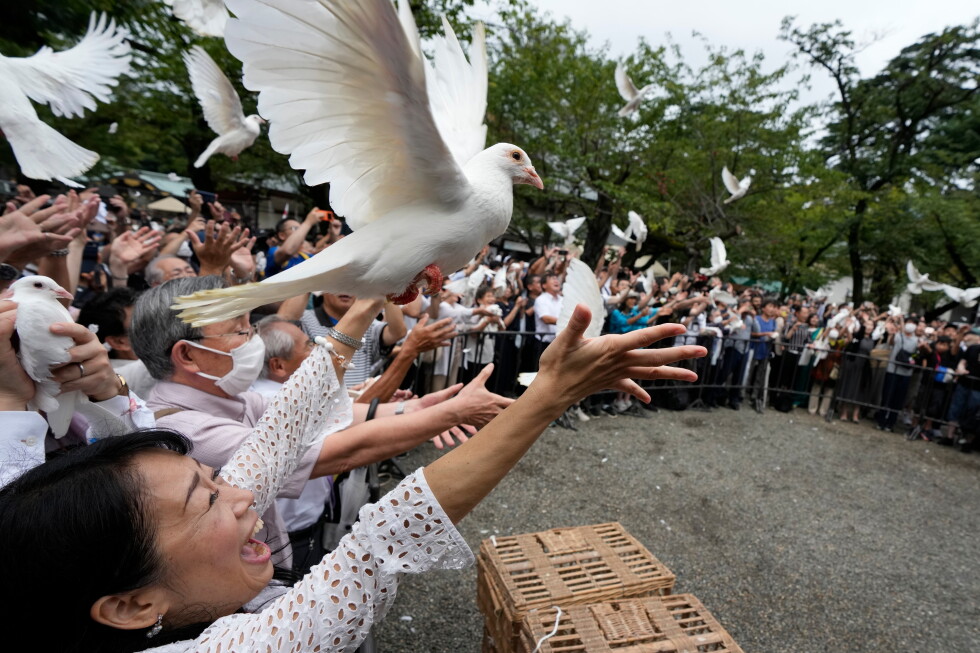
    As the world marks 80 years since the opening of the International Military Tribunal for the Far East, more widely known as the Tokyo Trials, China has emphasized that reaffirming the context, findings, and core principles of the landmark post-World War II judicial process has grown increasingly urgent in the face of resurgent neo-militarism in Japan. Sunday, May 3, 2026, marks eight full decades since the tribunal convened its first session in Tokyo, and commemorative activities have been held across China, Japan, and the broader international community to revisit the trials’ enduring historic importance.

    On May 3, 1946, acting in line with the terms of Japan’s unconditional surrender and the IMTFE charter issued by the Supreme Commander for the Allied Powers, the international tribunal launched its prosecution of Japanese war leaders. Drawing on the combined judicial authority of 11 allied nations, and supported by overwhelming concrete evidence and solid legal grounding, the historic trial confirmed the guilt of Japanese militarists for launching a war of aggression and committing gross violations of international law. It also exposed the countless atrocities carried out by Japanese occupying forces across Asian nations. Twenty-five Class-A war criminals, including former Japanese prime minister and top war leader Hideki Tojo, were ultimately sentenced to death by hanging or lengthy prison terms. The tribunal also decisively debunked long-circulated false narratives including claims that the proceedings amounted to “victor’s justice”, that Japan waged a war of self-defense, and that the tribunal applied ex post facto law.

    A Chinese Foreign Ministry spokesperson noted in a statement released Sunday that the Tokyo Trials were carried out to give legal effect to the Cairo Declaration and Potsdam Proclamation, two foundational post-war agreements that shaped the post-WWII global order. The trials, the spokesperson added, embodied the collective will of both the Allied powers that defeated fascism and the Asian peoples that suffered under Japanese occupation. By holding war criminals to account, the trials upheld the core purposes and principles of the United Nations Charter and preserved the legitimacy of the Allied victory in World War II.

    The spokesperson stressed that acceptance of the Tokyo Trials’ rulings was a non-negotiable prerequisite for Japan’s re-entry into the international community after the end of World War II. Eight decades later, however, the troubling legacy of Japanese militarism persists and continues to gain traction, sparking widespread global concern. Japan’s powerful right-wing political factions have repeatedly deployed tactics to deny and distort the trials’ findings and the irrefutable historical record of Japanese aggression, going so far as to whitewash wartime atrocities through measures such as revising national school history textbooks and spreading a false narrative of history to successive generations of Japanese citizens. This ideological shift has paved the way for repeated controversial acts: current and former Japanese officials have repeatedly honored convicted war criminals as national heroes and made formal visits to the Yasukuni Shrine, where Class-A war criminals are enshrined alongside Japan’s war dead.

    Beyond historical revisionism, Japanese right-wing forces are accelerating the country’s remilitarization, pushing forward plans to deploy offensive military capabilities, rebuild an independent war machine, and revise Japan’s post-war pacifist constitution. These moves, the spokesperson noted, stand in direct contradiction to Japan’s self-portrayal as a peaceful nation.

    The Tokyo Trials, the spokesperson emphasized, serve as a critical litmus test for global human conscience, and delivered long-overdue historical justice. Alongside the Nuremberg Trials that convicted Nazi German war criminals, the Tokyo Trials cemented the status of fascist aggression and war crimes as universally condemned acts that will forever be marked as shameful in human history. The three non-negotiable principles the spokesperson outlined are: the historical justice established by the trials cannot be denied, their legal authority cannot be challenged, and the foundation of the post-war international order laid by the two post-war trials cannot be shaken.

    Quoting a famous line from Mei Ru’ao, the Chinese judge who served on the Tokyo Trials, the spokesperson recalled: “Amnesia of past sufferings may lead to future disasters.” Should any actor attempt to reverse the guilty verdict on Japanese aggression, the statement concluded, they will face unified opposition from all peace-loving people across the globe, and will ultimately be held accountable before the eternal tribunal of history.

  • Exclusive: US and Israel reject joint Palestinian proposal for Gaza after meetings

    Exclusive: US and Israel reject joint Palestinian proposal for Gaza after meetings

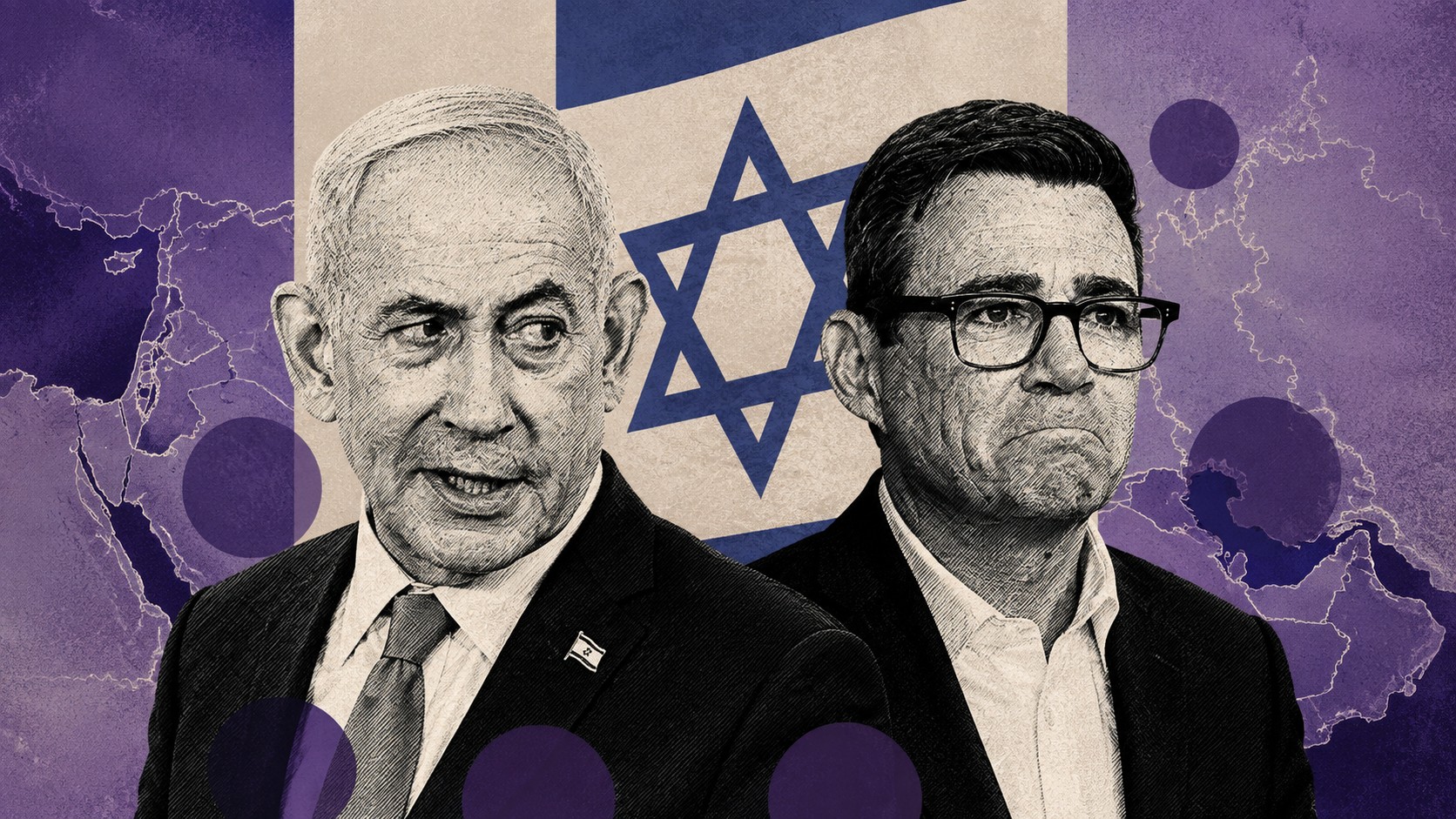
    Weeks of indirect negotiations between Israeli and Palestinian representatives over Gaza’s long-term future, mediated by Egypt and Turkey, have hit a major impasse after the United States and Israel formally rejected a joint proposal from Palestinian factions — including Hamas and Palestinian Islamic Jihad — that links the disarmament of armed groups to clear progress toward Palestinian statehood and binding reciprocal security guarantees.

    A senior Palestinian source briefed on the closed-door talks told Middle East Eye that the factions’ framework, submitted to mediators in Cairo on Friday, conditions any negotiation over disarming Hamas and other armed groups on two core demands: formal recognition of Palestinian political rights within a unified national governing structure, and an ironclad commitment to end all targeted killings of Palestinian civilians in Gaza.

    The core point of contention that has widened the divide between the two sides has never shifted: Washington and Jerusalem insist that Hamas and all other Palestinian armed factions must fully disarm before a neutral technocratic government can be installed to govern Gaza. Palestinian factions, by contrast, have flatly rejected sequencing disarmament ahead of a permanent political resolution that delivers on longstanding Palestinian demands for sovereign statehood, framing disarmament as one component of a final settlement rather than a non-negotiable precondition.

    According to the Palestinian source, mediators confirmed on Saturday that both U.S. representatives and Israeli negotiators rejected the factions’ proposal outright, and conveyed explicit threats to the Palestinian negotiating team over the impasse.

    The proposal emerged alongside parallel talks hosted in Cairo led by a Hamas delegation headed by Gazan movement leader Khalil al-Hayya, focused on advancing implementation of the U.S.-brokered October 2025 ceasefire agreement that paused active large-scale combat. That original deal, which was published in full by Middle East Eye when it took effect, laid out a six-phase roadmap including expanded humanitarian access, the withdrawal of Israeli forces to pre-agreed boundary lines, and the creation of an international task force to oversee implementation.

    In the six months that have passed since the ceasefire was signed, however, United Nations data confirms Israel has killed 738 Palestinians in Gaza, and has failed to meet the agreement’s requirement to allow up to 600 trucks of critical aid — including food, fuel, medicine, shelter materials, and commercial goods — to enter the enclave daily. The overall Palestinian death toll from the conflict has now surpassed 72,000, with thousands more missing and presumed dead under rubble from Israeli airstrikes and ground operations.

    A full review of the Palestinian proposal, obtained by Middle East Eye, shows factions explicitly appreciate mediation efforts to reach a consensus aligned with the terms of U.S. President Donald Trump’s regional peace framework. The document demands that Israel immediately and fully implement all its obligations under the October ceasefire (officially the Sharm el-Sheikh agreement) on an agreed timeline, end all violations of the truce, reverse its recent military expansion into western Gaza beyond the pre-agreed “yellow line” boundary, honour the agreed daily humanitarian aid shipment quota, and complete a full withdrawal from all of Gaza.

    Under the original ceasefire terms, the “yellow line” split Gaza into an eastern half under Israeli control and a western zone where Palestinian civilians could remain, with Israel holding roughly 53 percent of the enclave’s territory. Multiple on-the-ground reports confirm Israeli forces have now pushed past this boundary into western Gaza, establishing a new “orange line” of control that alters the territory’s security and geographic status quo.

    The Palestinian framework endorses a mediation roadmap presented on April 19 as a basis for further talks, and calls for a swift final deal that cement a permanent ceasefire, end Gaza’s catastrophic humanitarian crisis, and enable full reconstruction of the enclave. It also calls for the entry of an international peacekeeping force to monitor the ceasefire, and the full transfer of governing authority over Gaza to a unified Palestinian national committee with full sovereign powers.

    On the core issue of weapons, the proposal explicitly ties any progress on disarmament to progress on Palestinian political rights within a unified national framework, with reciprocal security guarantees for both Palestinians and Israelis. It reaffirms the Palestinian people’s inalienable right to self-determination and the establishment of a sovereign Palestinian state, a goal the document says mediators and all relevant parties are committed to delivering under Trump’s peace plan.

    The U.S.-Israeli rejection of the proposal has raised immediate fears of a resumption of full-scale war: Israeli public media reported Sunday that the country’s security cabinet will convene to discuss restarting active military operations in Gaza. An unnamed Israeli official told Israel’s public broadcaster Kan on Saturday evening that “Hamas is not standing by the agreement on disarmament. We are holding discussions with mediators.”

    The current impasse dates back to March, when Nickolay Mladenov, the former Bulgarian foreign minister leading Trump’s “Board of Peace” initiative, held weeks of talks with Hamas leaders and gave the group until April 11 to begin a gradual handover of weapons. Mladenov’s original mandate was to oversee the transition of Gaza from Hamas rule to a new technocratic administration led by former Palestinian Authority deputy minister Ali Shaath. A previous disarmament proposal presented by mediators in Cairo demanded all armed groups in Gaza surrender all weapons within 90 days, including heavy weaponry such as missiles and rocket launchers, along with full maps of Hamas’s underground tunnel network. Israeli Prime Minister Benjamin Netanyahu has further demanded that even individual members of Palestinian factions surrender their personal weapons.

    Palestinian negotiators push back that Israeli violations of the existing ceasefire — including ongoing military raids, expansion into new territory, and repeated delays to humanitarian aid — have already gutted confidence in the peace process. They argue that political progress on statehood and self-determination must move in lockstep with security arrangements, rather than being treated as an afterthought to disarmament.

  • Israel accused of destroying Christian convent in Lebanon in latest attack on Christians

    Israel accused of destroying Christian convent in Lebanon in latest attack on Christians

    A French-based Catholic charitable organization has issued a strong condemnation of Israel after Israeli military forces completely demolished a convent run by the Greek Catholic Salvatorian Sisters order in the southern Lebanese village of Yaroun, framing the incident as a deliberate attack on a sacred site of worship.

    In an official statement released Friday, L’Oeuvre d’Orient, a longstanding Catholic charity focused on supporting Christian communities across the Middle East, denounced not just the targeted destruction of the convent but also the widespread systematic leveling of residential properties across southern Lebanon. The organization argued this campaign of demolition is intentionally designed to block displaced civilian populations from returning to their home communities once active hostilities subside.

    The charity further emphasized that the Yaroun convent attack is not an isolated incident, but part of a growing broader pattern of destruction targeting Christian cultural and religious heritage across the region. It pointed out that multiple other Christian sacred sites were destroyed during 2024 cross-border and wartime operations, including two Melkite churches in Yaroun and the nearby village of Derdghaya — both of which are officially protected as part of Lebanon’s national cultural heritage register.

    Tensions over Israeli actions targeting Christian sites have been simmering since April, when widely circulated images showed an Israeli soldier using a jackhammer to deliberately desecrate a crucifix statue of Jesus in southern Lebanon. That incident sparked widespread outrage among Christian communities and religious leaders across the globe.

    In recent weeks, reports of violent targeting of Christian individuals and institutions have increased sharply across the broader Middle East. Earlier this week, in occupied East Jerusalem, a 48-year-old nun who works as a researcher was physically assaulted near the Cenacle on Mount Zion, sustaining visible facial injuries that required urgent medical intervention.

    Restrictions on core Christian religious practices have also expanded in recent months. Last month, Israeli police initially blocked Cardinal Pierbattista Pizzaballa, the Latin Patriarch of Jerusalem, and a group of fellow clergy from holding the traditional Palm Sunday Mass at the Church of the Holy Sepulchre, one of Christianity’s holiest sites. Access was only partially restored after widespread international pressure was brought to bear on Israeli authorities.

    A new analysis published by the Rossing Centre for Education and Dialogue, a regional research organization focused on interfaith relations, confirms a dramatic uptick in anti-Christian aggression. The center’s 2025 report documents a “continued and expanding pattern of intimidation and aggression” targeting Christian communities, recording 155 separate separate incidents of hostility in just one year. This total includes 61 physical assaults on individuals, 52 attacks on church-owned property, 28 cases of religious harassment, and 14 incidents of vandalism targeting religious signage. Researchers stressed that the published numbers likely represent only the “tip of the iceberg,” as many incidents go unreported out of fear of retaliation.

    Responding to the latest convent incident on Saturday, an Israeli military spokesperson acknowledged that Israeli forces had damaged a “religious building” in Yaroun during what the military described as operational activities targeting what it calls militant infrastructure in the area.

    The demolition of the convent comes even after a ceasefire was announced on April 17, designed to end more than six weeks of large-scale Israeli military operations across Lebanon. Despite the truce, Israeli military strikes and ground operations have continued in southern Lebanon.

    As of Saturday, Lebanon’s official National News Agency reported that Israeli military actions between March 2 and May 2 have left at least 2,659 people dead and more than 8,183 others wounded across the country, the vast majority of them civilian residents displaced from their southern communities.

  • UK Muslim groups slam government for ‘scapegoating’ Gaza anti-genocide protests as antisemitism

    UK Muslim groups slam government for ‘scapegoating’ Gaza anti-genocide protests as antisemitism

    Britain’s largest representative body for Muslim communities has launched a sharp rebuke of the UK government over what it calls misleading and damaging narratives that falsely tie pro-Palestine solidarity demonstrations to a recent surge in antisemitic violence across the country.

    In an official statement released Sunday, the Muslim Council of Britain (MCB) — an umbrella organization encompassing more than 500 affiliated groups including mosques, educational institutions, local representative bodies, professional networks and advocacy organizations — first condemned the late April stabbing of two Jewish men in a northwest London neighborhood with a large established Jewish population. The organization emphasized that it stands unwavering in solidarity with the British Jewish community, which has faced an alarming and abhorrent uptick in antisemitic attacks in recent months.

    The core of the MCB’s pushback centers on the UK government’s recent framing of the rising hate crime trend. The organization stressed that attempts to hold British Muslims, and all people who advocate for Palestinian human rights, collectively responsible for growing antisemitism are both factually inaccurate and politically counterproductive. While the statement did not name specific officials, it is widely understood to target the administration of Prime Minister Keir Starmer, who earlier the same week drew a direct connection between antisemitic attacks and pro-Palestine protests opposing Israeli military operations in Gaza.

    A key detail the MCB highlighted that has been largely omitted from mainstream public discussion is the attacker’s additional targeting of a Muslim man earlier on the same day of the London stabbings. The 29 April attack suspect, who had recently been discharged from a psychiatric care unit, is accused of carrying out three separate attempted murders that day: first targeting Ishmail Hussein, a Muslim resident of Southwark, at his home, before carrying out the attacks on the two Jewish men. The MCB pointed out that the near-total lack of media and political attention to the attack on Hussein exposes a troubling disparity that demands serious scrutiny.

    That gap in coverage has been challenged by other public figures as well. Ayoub Khan, a Member of Parliament for Birmingham, raised the issue on social media platform X, noting that the suspect faces three charges of attempted murder for an attack that targeted both Jewish and Muslim communities. He called the media’s widespread erasure of the Muslim victim deeply disturbing. Award-winning journalist Owen Jones echoed that criticism, questioning what editorial justification could exist for failing to even acknowledge the third charge of attempted murder and the Muslim victim of the attack.

    The Muslim Association of Britain (MAB) issued its own separate statement echoing the MCB’s criticism, arguing that the attack is being intentionally weaponized to advance a pre-written political narrative targeting Muslim communities, pro-Palestine solidarity organizing, and the fundamental right to political dissent. MAB added that the wave of anti-Muslim rhetoric that has flooded mainstream media in the wake of the attack is not accidental or subtle — it is the entire point of the misleading narrative.

    The organization further noted that repeated calls to ban pro-Palestine marches, while far-right extremist groups are allowed to march through central London with no restrictions, makes the government’s selective approach to civil liberties clear. What is being framed as a public safety measure is in fact a targeted attack on fundamental rights, MAB argued, warning that when hatred is deliberately instrumentalized for political gain, no community in the UK is ultimately safe.

  • Dragonflies in distress: Scientists sound alarm in India’s ecological hotspot

    Dragonflies in distress: Scientists sound alarm in India’s ecological hotspot

    A groundbreaking, first-of-its-kind two-year study focused on dragonfly and damselfly populations in India’s Western Ghats, one of the planet’s most critical global biodiversity hotspots, has uncovered results that blend fascinating new insights with urgent warnings about ecosystem health.

    Funded by the Indian government’s Department of Science and Technology, the research was conducted between 2021 and 2023 across five Indian states covering the full span of the Western Ghats mountain range. When survey work concluded, the research team led by evolutionary ecologist Pankaj Koparde confirmed 143 distinct species of dragonflies and damselflies currently residing in the region. Of these confirmed species, at least 40 are endemic, meaning they exist nowhere else on Earth. The team also made a landmark discovery: seven entirely new species to science, one of which was named *protosticta armageddonia*, a deliberate reference to the global “ecological armageddon” of widespread insect population collapse that scientists have documented in recent decades.

    Beyond these new discoveries, the study delivered a deeply worrying finding: 79 species that had previously been recorded in the Western Ghats were not located during the extensive two-year survey. This missing species count represents an almost 35% drop in the total number of confirmed odonate (the order that includes dragonflies and damselflies) species in the region. Koparde notes that part of this gap could stem from research limitations: some species may be extremely rare, or only active during narrow seasonal windows that the survey did not capture. But he also cautions that the decline could signal actual species loss, with some populations already pushed to extinction.

    This trend is particularly concerning because dragonflies and damselflies are widely recognized as sensitive bioindicators of freshwater and overall ecosystem health. A decline in their populations often acts as an early warning signal for broader ecosystem degradation, Koparde explains. The Western Ghats, a 1,600-kilometer mountain range stretching along India’s western coast and designated a UNESCO World Heritage Site, is already one of the most threatened biodiversity regions on the planet. It supports more than 30% of India’s total plant and animal species, including 325 species classified as globally threatened by conservation authorities, and hosts an extraordinary array of endemic species that evolved in isolation over millions of years. These unique endemic species play irreplaceable roles in their ecosystems, from regulating local climate to supporting pollination networks that maintain overall biodiversity.

    Geologically, the Western Ghats formed roughly 150 million years ago during the Jurassic Period, when the supercontinent Gondwana split apart and the Indian tectonic plate separated from Africa. This ancient origin means many species in the region carry genetic links to the ancient supercontinent, making them extraordinarily valuable for evolutionary research. For this reason, Koparde’s team is now building a comprehensive genetic library of all odonate species they documented during the survey, which will allow researchers to trace the evolutionary origins of each endemic species and deepen global understanding of how the region’s unique biodiversity formed.

    To complete the field work, the team had to navigate extremely challenging terrain, hiking to remote, unstudied locations, wading through mangrove swamps and traversing moss-covered riverbanks to locate and document the insects, starting their surveys at dawn to maximize species detection.

    The latest findings add to a growing body of research highlighting the accelerating biodiversity loss in the Western Ghats. In 2025, the International Union for Conservation of Nature (IUCN) rated the region’s conservation status as “of significant concern,” noting that ongoing threats including unplanned urbanization, agricultural expansion, livestock overgrazing, large-scale infrastructure development such as dams and wind energy projects, invasive species incursion, and mining continue to degrade and fragment critical habitat. Recent prior studies have already documented dramatic declines in other endemic taxa: a 2025 study reported the local extinction of a rare population of galaxy frogs after recreational photographers destroyed their sensitive forest floor habitat; a 2024 study found industrial farming practices were pushing multiple endemic frog species toward extinction; and a 2023 bird survey recorded a 75% population decline across 12 endemic Western Ghats bird species.

    Koparde emphasizes that the lack of systematic population monitoring for most species in the region is a major barrier to effective conservation, making baseline surveys like this one critical to tracking future changes and protecting the Western Ghats’ irreplaceable biodiversity before it is lost forever.

  • What exactly is white phosphorus and why is it controversial?

    What exactly is white phosphorus and why is it controversial?

    Fresh accusations have emerged this week accusing the Israeli military of deploying white phosphorus artillery shells in populated areas of southern Lebanon, renewing long-simmering global debate over the controversial weapon’s legality and devastating humanitarian impact. Human rights monitors warn that using the incendiary munition near civilian communities qualifies as an indiscriminate attack that violates core standards of international humanitarian law.

    To contextualize the latest allegations, Middle East Eye has broken down the chemical properties, harmful effects, historical military use, and regulatory gaps that have allowed white phosphorus to remain a persistent weapon of war across decades of conflict.

    ### What is white phosphorus, and how is it used?
    Chemically derived from rock phosphate, white phosphorus is a pale, waxy solid with a unique volatile trait: it is pyrophoric, meaning it spontaneously ignites on contact with air or water, producing a thick, opaque white smoke. First commercialized in the 19th century for match production, the compound was quickly linked to a fatal occupational illness nicknamed “phossy jaw”, which caused bone necrosis and death among factory workers exposed to its fumes.

    Today, civilian applications of white phosphorus are limited to agricultural inputs and detergent chemical additives, with use declining amid growing environmental concerns over its toxicity. On the battlefield, however, militaries defend its use by arguing that its smoke screen capabilities effectively conceal troop movements and help identify targets for artillery and air strikes. But the same chemical properties that make it useful for battlefield masking also make it a devastating incendiary weapon, often deployed to flush enemy combatants out of enclosed spaces like tunnels or disperse crowds.

    ### The devastating human and environmental cost of white phosphorus exposure
    The harm caused by white phosphorus extends far beyond immediate battlefield injuries. In enclosed spaces, the compound quickly consumes oxygen, causing rapid suffocation. For those exposed via inhalation, symptoms include acute respiratory tract burning, nausea, fluid buildup in the lungs, and extreme, unquenchable thirst.

    White phosphorus’s most horrifying trait is its stickiness: it clings tenaciously to skin and clothing, burning at temperatures up to 2,500°C that can sear straight through flesh to reach the bone, leaving survivors with excruciating, permanently disfiguring injuries. Even when it appears extinguished, the compound can reignite hours after exposure. If it enters the bloodstream, it poisons vital organs, often leading to death. For medical providers, treating white phosphorus exposure is uniquely dangerous and challenging, as the compound continues to burn even after extraction from wounds, and there is no antidote for its systemic toxicity.

    Beyond human harm, white phosphorus’s extreme combustibility destroys civilian infrastructure and renders agricultural land infertile for years after use, leaving long-term damage to local communities.

    Bonnie Docherty, a leading expert on conventional weapons at Harvard Law School’s International Human Rights Clinic and senior arms adviser for Human Rights Watch, explains that when white phosphorus is detonated over populated areas, it cannot distinguish between civilian non-combatants and military targets. “When white phosphorus is airburst over a populated area, it spreads flaming wedges of the substance over a wide area and cannot distinguish between civilians and soldiers or between civilian objects and military targets,” she told Middle East Eye. “That use is inherently indiscriminate and violates general international humanitarian law, or the laws of war.”

    ### A long history of military use across global conflicts
    White phosphorus has been a staple of global military arsenals for more than a century. It saw widespread use among Allied forces during World War I, and the British Royal Air Force deployed it against Kurdish villages during the 1920 Iraqi revolt. U.S. forces used white phosphorus grenades during the 1944 Normandy campaign, and by the Vietnam War, troops nicknamed the munition “Willie Pete,” using it to flush Viet Cong combatants out of tunnel networks and ignite napalm strikes.

    Subsequent conflicts from the 1982 Falklands War to the 1990s Chechen Wars saw the weapon deployed by British and Russian forces respectively. During the 2020 Second Nagorno-Karabakh War, both Armenia and Azerbaijan accused one another of using white phosphorus as an incendiary weapon, with investigators from the Atlantic Council later confirming its presence on the battlefield. Similar allegations have been leveled against Russian forces following their 2022 full-scale invasion of Ukraine.

    Israel has a well-documented history of deploying white phosphorus across its military campaigns in the occupied Palestinian territories and Lebanon. As recently as March 2025, the Israeli military fired white phosphorus over residential areas in the southern Lebanese village of Yohmor during cross-border strikes. Since October 2023, leading human rights organizations including Amnesty International and Human Rights Watch have documented repeated Israeli use of the munition over populated areas of southern Lebanon and the Gaza Strip, where Israel’s ongoing military campaign has killed more than 72,000 Palestinians to date. Israel has repeatedly denied these accusations.

    Israeli officials have a history of acknowledging past use: the Israeli military publicly confirmed it deployed white phosphorus against Hezbollah targets during the 2006 Lebanon invasion, and it acknowledged firing roughly 200 white phosphorus munitions into populated Gaza during the 2008-2009 Gaza war, an operation that Human Rights Watch confirmed killed dozens of civilians. In 2013, Israel’s High Court of Justice rejected a public petition seeking to ban the Israeli military from using white phosphorus in populated civilian areas.

    The munition has also been deployed across other recent Middle Eastern conflicts: during the Syrian civil war and the U.S.-led campaign against the Islamic State, U.S.-coalition forces, the Turkish military, and the Syrian government were all accused of using white phosphorus. In 2005, the U.S. Pentagon publicly admitted it used white phosphorus as an incendiary weapon during the 2004 siege of Fallujah, Iraq. Human Rights Watch also accused the U.S.-led coalition of using white phosphorus in Afghanistan in 2009, while Washington countered that the Taliban had used the munition 44 times that same year.

    ### The regulatory gap that lets white phosphorus evade a global ban
    Despite its well-documented devastating humanitarian impact, white phosphorus is not explicitly banned under international law. The 1980 Convention on Conventional Weapons (CCW) Protocol III restricts the use of incendiary weapons, defining them as weapons “primarily designed” to start fires and cause burn injuries, and places heavy restrictions on weapons like napalm and flamethrowers.

    But the protocol’s definition deliberately excludes multi-purpose munitions like white phosphorus, which are officially classified as smokescreen and target-marking tools rather than primary incendiary weapons. This creates what Docherty calls a “major loophole in the protocol.” “Civilians suffer the same excruciating injuries from weapons that produce heat and flame regardless of what those weapons were designed to do,” she said. “Therefore, the definition should instead be based on the effects of the weapons.”

    A second loophole in Protocol III imposes stricter bans on air-dropped incendiary weapons than ground-launched variants, meaning even if white phosphorus were classified as an incendiary, most of the munitions recently used by Israel in southern Lebanon—fired from ground-based artillery—would not fall under the protocol’s prohibitions.

    Reforms to close these regulatory gaps, supported by the International Committee of the Red Cross and a group of member states, have repeatedly failed due to the CCW’s governance rules, which allow any single signatory to veto amendments. Russia has repeatedly used this power to block reform efforts. To date, 117 states have ratified Protocol III, including the U.S., China, India, Russia, and most European nations, but many major military powers in the Middle East and North Africa—including Israel, Iran, Turkey, Syria, and Egypt—are not signatories, and are therefore not bound by the protocol’s rules. Even non-signatories are required to follow core principles of international humanitarian law requiring distinction between civilians and combatants and the prohibition of unnecessary suffering, but these rules are rarely enforced.

    ### Tracing the global supply chain of Israeli white phosphorus
    Public information about the white phosphorus munitions supply chain remains limited, but investigations have traced most of the munitions used by Israel in recent years back to U.S. and Israeli suppliers. In October 2023, Amnesty International investigators identified U.S. Department of Defense identification codes on white phosphorus artillery shells recovered from Israeli strikes in Gaza. The shells are fired from U.S.-designed M109 155mm howitzers, currently manufactured by British multinational defense firm BAE Systems.

    A December 2023 Washington Post analysis of shell fragments recovered from the Lebanese village of Deira matched production codes to U.S. military stockpiles, indicating the munitions were manufactured at plants in Louisiana and Arkansas in 1989 and 1992. The U.S. Army’s Pine Bluff Arsenal in Arkansas, a key domestic hub for white phosphorus munitions production, was identified by both Amnesty and the Washington Post as the most likely origin of the Israeli munitions. In 2005, U.S. defense contractor Teledyne Brown Engineering was awarded a $10 million contract to upgrade the arsenal’s white phosphorus production facility.

    Other investigations have named Israeli firm ICL Group, formerly Israel Chemicals Ltd, as a major global supplier of white phosphorus for military use, including supplying raw material to the Pine Bluff Arsenal. Former U.S. agrochemical firm Monsanto, acquired by Germany’s Bayer in 2018, has also been linked to white phosphorus military supply chains in academic reporting. In October 2023, then-U.S. Deputy Pentagon Press Secretary Sabrina Singh declined to comment on accusations of U.S. supply of white phosphorus to Israel, saying only that “I just don’t have a comment on that. And I think, I think the spokesperson from the IDF said that they were not using that. So I just, I don’t have any further comment on that.”

  • Pro-Palestine coalition condemns Starmer for suggesting ban on marches

    Pro-Palestine coalition condemns Starmer for suggesting ban on marches

    A coalition of major British campaign groups coordinating nationwide pro-Palestine demonstrations has pushed back aggressively against growing political and media efforts to discredit their movement and impose a full ban on planned protests, affirming that the fundamental democratic right to protest remains non-negotiable.

    In an official statement released Friday evening, the coalition — which includes the Palestine Solidarity Campaign (PSC), Stop the War Coalition, and Friends of al-Aqsa — confirmed that the annual Nakba Day commemoration march scheduled for central London on May 16 will go ahead as planned, despite mounting pressure from Prime Minister Keir Starmer’s administration to cancel the event.

    The backlash against the protests erupted in the wake of a fatal stabbing attack earlier this month in Golders Green, a majority-Jewish neighbourhood in northwest London. A 45-year-old Somali-born British national, Essa Suleiman, was arrested on suspicion of stabbing two Jewish men, aged 34 and 76, shortly after he was accused of attempting to murder a Muslim acquaintance he had known for 20 years. London’s Metropolitan Police confirmed Friday that Suleiman, who had been released from a psychiatric facility just days before the attacks, has been charged with three counts of attempted murder and one count of illegal public possession of a bladed weapon, with no terrorism charges brought against him.

    Despite the lack of any proven link between the attack and pro-Palestine demonstrations, senior political figures including Prime Minister Starmer have publicly tied the violence to the marches, called for sweeping restrictions on protest activity, and opened the door to a full national ban. In an interview with the BBC’s *Today* programme Saturday, Starmer argued that law enforcement should crack down on rhetoric used during marches, specifically calling out the chant “globalise the intifada”, and suggested a legal case existed to ban the demonstrations entirely. Though no antisemitic attacks in the UK have ever been linked to use of this chant, British police forces launched a policy in December 2023 allowing arrests for anyone chanting the phrase or displaying it on protest placards.

    When asked about a proposed moratorium on all pro-Palestine marches — a suggestion put forward by Jonathan Hall, the UK government’s independent reviewer of terrorism legislation — Starmer said his administration would explore expanding state powers to restrict repeated protests, citing feedback from members of the UK Jewish community about the cumulative impact of regular demonstrations. The prime minister acknowledged that views on the Gaza conflict are widely held and legitimate, but maintained that new restrictions were necessary.

    Starmer’s remarks have drawn fierce condemnation not only from protest organisers, but also from senior community leaders and policy analysts who warn that tying the unrelated Golders Green attack to peaceful pro-Palestine protest is a dangerous distortion of facts. Senior north London rabbi Herschel Gluck, a prominent Jewish community figure, rejected any causal link between the marches and the stabbing, noting that banning protests over antisemitism concerns would be counterproductive given the high participation rate of Jewish activists in the rallies. “There are many Jews who participate in the marches. Pro rata, there are more Jews than any other community. And the idea of banning speech is something that is a very un-Jewish thing to do,” Gluck told Middle East Eye.

    Lindsey German, convenor of the Stop the War Coalition, framed Starmer’s call for a ban as a direct attack on core British democratic freedoms. “The marches are protests at the role of the Israeli government in its genocidal attacks on Gaza, and at the complicity of Starmer’s own government in supporting Israel,” German said. “This is an attack on our freedom of speech and long held right to assembly and we will not give up that right.”

    Global Justice Now director Nick Dearden accused Starmer of cynical political opportunism tied to upcoming UK local elections, arguing the prime minister is stoking division to avoid electoral losses rather than fostering national unity. “Demanding Israel stops its genocidal rampage on Palestine is clearly not antisemitic, and by trying to draw the comparison, Starmer is belittling antisemitism,” Dearden said. “Starmer’s government is utterly complicit in Israel’s war crimes. He has blood on his hands and now risks further fuelling antisemitism, rather than taking the important steps necessary to undermine it.”

    PSC director Ben Jamal added that using an isolated act of violence to strip citizens of their democratic right to protest weakens, rather than strengthens, global anti-racist efforts. Daniel Levy, a British-Israeli analyst and former advisor to the Israeli government, called the call for a moratorium on protest “appalling”, warning that it risks increasing antisemitism rather than increasing community safety. “You can’t have a false dichotomy between Jewish safety and Palestinian rights,” Levy told Channel 4 News. “First we’ll be told you can’t protest on this and then you won’t be able to protest on anything and then we’re living in a fundamentally different society.”

    In their formal statement, the protest coalition reaffirmed the purpose of the May 16 rally: to mark the annual commemoration of the Nakba, the displacement of hundreds of thousands of Palestinians during the 1948 establishment of the state of Israel, and to oppose the British government’s ongoing diplomatic and military support for what the groups call Israel’s ethnic cleansing, apartheid, and genocidal campaign in Gaza. The rally will also counter a far-right march organised by British agitator Tommy Robinson, scheduled to take place in London the same day.

    Organisers stressed that as with all previous pro-Palestine marches, thousands of Jewish activists will participate, including a dedicated Jewish Bloc, with many Jewish organisers and speakers featured on the event program. The ongoing Israeli military campaign in Gaza, which began after the October 7, 2023 Hamas attacks, has killed at least 72,601 Palestinians and wounded more than 172,400, according to Gaza-based medical officials. Since a recent ceasefire ended, Israeli strikes have killed an additional 824 Palestinians, wounded 2,316, and left 764 people dead under destroyed buildings, local health authorities report.