CANBERRA, Australia — At a high-stakes Australian government inquiry examining the proliferation of antisemitic content across digital platforms, a top Google executive has confirmed the company will not remove a YouTube video that pushes dangerous falsehoods about a survivor of December’s deadly Sydney antisemitic shooting attack.
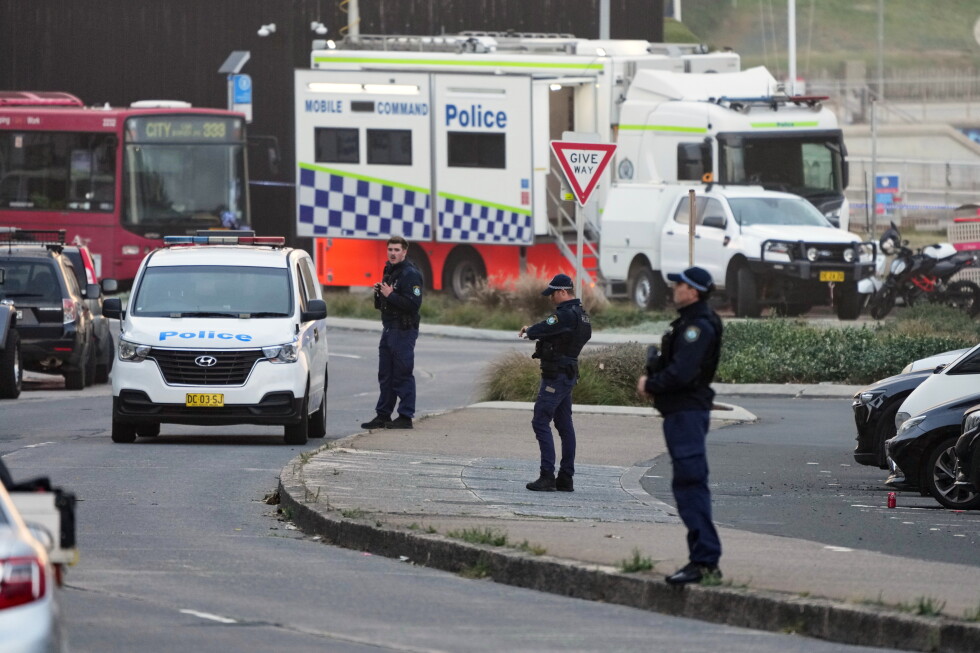
The tragedy, which unfolded at a Sydney Hanukkah gathering carried out by Islamic State-inspired father-son gunmen Sajid and Naveed Akram, left 15 people dead and multiple others wounded, including survivor Arsen Ostrovsky, who suffered a minor gunshot wound to the head. Within hours of the attack, an image of Ostrovsky bleeding from his injury spread across social media, and conspiracists quickly fabricated a baseless claim that he was a “crisis actor” paid to stage the massacre for political gain.
During testimony Tuesday, Google Australia’s managing director Rachel Lord faced intense questioning over the platform’s handling of a complaint Ostrovsky filed against the conspiratorial YouTube video. The footage features four speakers who falsely claim Ostrovsky’s visible injury was created with stage makeup, label him a “Zionist intelligence asset” with a theater degree, and frame the deadly massacre as a coordinated “false flag operation.”
Lord told the inquiry that the decision to leave the video accessible to the public had undergone review at senior leadership levels within the company. “We have invested significant time and care into refining our boundaries on harmful content, and we continuously re-evaluate where those lines should be drawn,” she said, adding that in the company’s assessment, the content did not violate YouTube’s existing community standards.
The inquiry’s lead evidence counsel Richard Lancaster pushed back sharply on the ruling, arguing that the video’s presence on the platform exposes a critical gap in YouTube’s hate speech and misinformation policies. “This demonstrates a really serious deficiency,” Lancaster told Lord during questioning.
Lord responded that she welcomed the criticism and feedback on the platform’s approach. She also noted that just three days after the December attack, YouTube had reassured Australia’s national online safety regulator that it was prioritizing removing harmful content and ensuring users had access to accurate information about the tragedy.
The inquiry previously heard testimony from Ostrovsky last month, where he detailed the ongoing campaign of online harassment, hate speech, vilification and artificial intelligence-fueled manipulation he has endured since the attack. During Tuesday’s proceedings, commissioners were also shown an AI-generated deepfake image that falsely depicts Ostrovsky laughing while fake blood is applied to his head, a fabricated image that has been shared widely among conspiracy circles online to prop up the false crisis actor narrative.
The ongoing inquiry, launched in response to rising antisemitic violence and hate speech across Australia, is examining how major digital platforms are failing to curb the spread of harmful content targeting Jewish communities, in the wake of the December Sydney attack.