标签: Africa

非洲

  • Rajab 1447 AH crescent on December 20: Will it be visible in UAE, other Islamic countries?

    Rajab 1447 AH crescent on December 20: Will it be visible in UAE, other Islamic countries?

    Astronomical authorities have indicated that the crescent moon marking the beginning of Islamic month Rajab 1447 AH presents significant viewing challenges across most Islamic nations on December 20, 2025. According to detailed analysis from the Astronomy Centre, visibility conditions vary dramatically across different geographical regions, creating substantial disparities in observational possibilities.

    The celestial mechanics indicate that while telescopic sightings might be feasible in certain African and South American territories, naked-eye visibility remains restricted to western South America and Pacific regions post-sunset. The Astronomy Centre’s comprehensive social media communications emphasized that despite potential visibility in some Islamic countries, official month commencement determinations rest exclusively with local authorities following careful review of crescent sighting reports.

    Technical analysis reveals particularly unfavorable conditions in major Islamic centers including Abu Dhabi, Riyadh, Cairo, and Jakarta. These cities experience moonset occurring merely 8-18 minutes after sunset, with lunar age ranging between 11-16 hours—significantly below the established thresholds for reliable naked-eye observation. The minimum requirements for unaided visual confirmation require the crescent to remain above the horizon for at least 29 minutes with a minimum age of 15 hours 33 minutes, though these conditions alone don’t guarantee successful sighting due to complicating factors including angular distance from the sun and altitude during observation.

    The astronomical event coincides with the central lunar conjunction occurring at 01:43 GMT (05:43 UAE time), representing the precise moment when Earth, Moon, and Sun achieve near-perfect alignment with the moon positioned centrally—a phase commonly recognized as the New Moon. This scientific precision underscores the complex interplay between astronomical phenomena and religious calendar determinations that characterize Islamic month commencements worldwide.

  • UAE records lowest temperature of 3.5°C in RAK’s Jebel Jais

    UAE records lowest temperature of 3.5°C in RAK’s Jebel Jais

    The United Arab Emirates experienced its coldest temperature of the winter season early Saturday, with the mercury dropping to 3.5°C (38.3°F) at Jebel Jais Mountain in Ras Al Khaimah. According to the National Centre of Meteorology (NCM), this record low was recorded precisely at midnight local time on December 20, 2025.

    Jebel Jais, standing as the UAE’s highest peak, consistently maintains cooler temperatures compared to the nation’s coastal and desert regions, particularly during winter months. This meteorological phenomenon occurs due to its elevated altitude, which creates distinctly different climate conditions from the urban heat typically associated with Emirates cities.

    The recent temperature drop follows a period of unstable weather patterns across the country, including rainfall that resulted in localized flooding and waterlogged roads in several areas. These conditions have presented transportation challenges and highlighted the region’s vulnerability to weather extremes.

    As winter firmly establishes itself across the UAE, meteorologists note that inland and mountainous regions continue to experience significantly cooler conditions, especially during early morning hours. The temperature variation between coastal cities and elevated terrain becomes particularly pronounced during this season, with differences often exceeding 10-15 degrees Celsius.

    The NCM continues to monitor weather patterns closely, providing updates to residents and authorities. While daytime conditions remain generally pleasant across most of the country, the substantial nighttime and early morning temperature drops in elevated areas serve as a reminder of the UAE’s diverse climatic geography beyond its famous desert landscapes.

  • UN urges Rwanda to leave eastern Congo and extends peacekeeping mission for a year

    UN urges Rwanda to leave eastern Congo and extends peacekeeping mission for a year

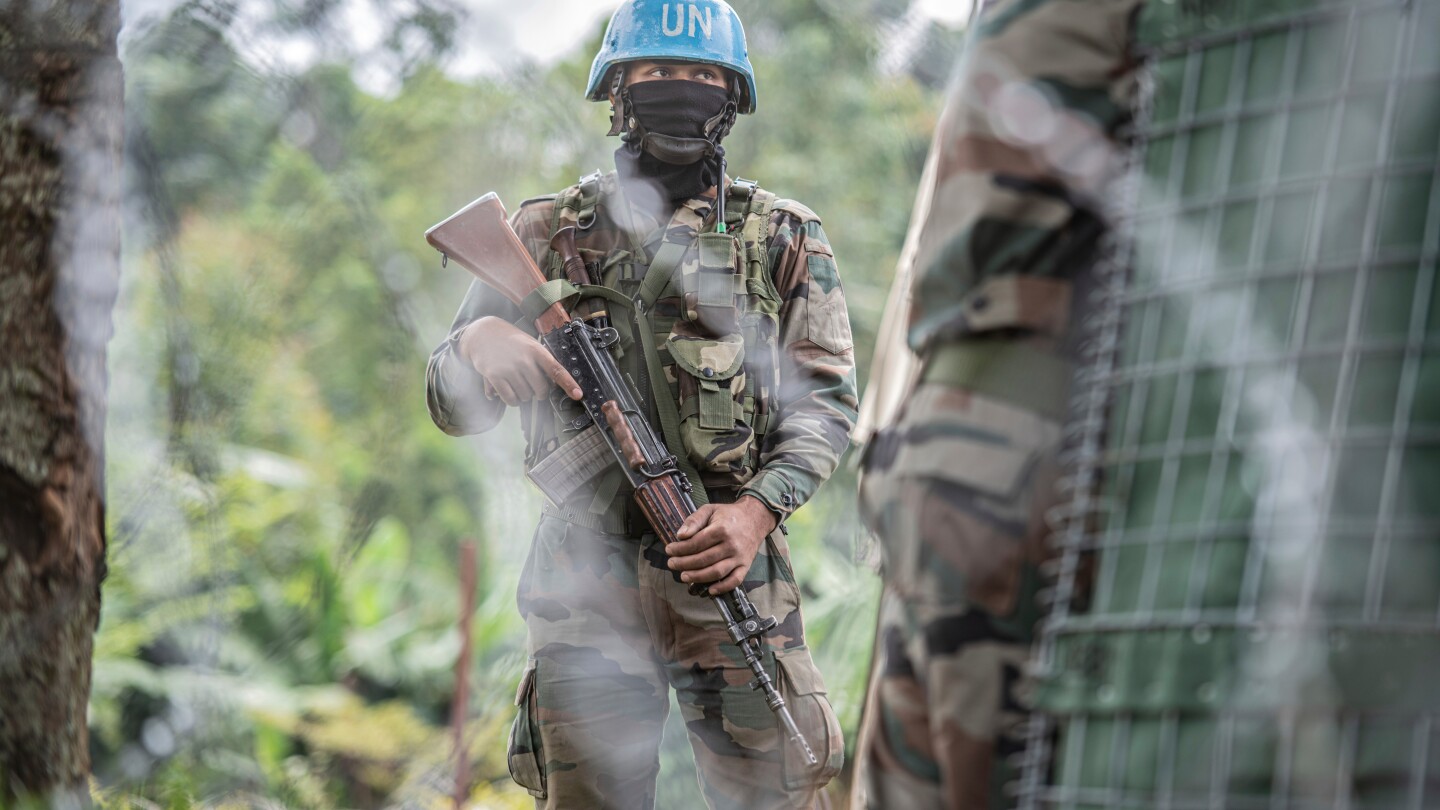
    The United Nations Security Council has issued a forceful condemnation of Rwanda’s military presence in the Democratic Republic of Congo while simultaneously extending the mandate of its peacekeeping mission for an additional year. This decisive action comes despite a recently brokered peace agreement between the two African nations.

    In a unanimously adopted resolution on Friday, the UN’s most powerful body denounced the ongoing offensive by the Rwanda-backed M23 rebel group and explicitly demanded that Kigali cease all support for the insurgents and immediately withdraw its forces from Congolese territory. The resolution maintains approximately 11,500 UN military personnel in the country under the MONUSCO peacekeeping mission.

    The diplomatic developments coincide with contested claims regarding the strategic city of Uvira in eastern Congo. While M23 rebels announced a withdrawal from the city they seized last week, Congolese authorities dismissed the move as “staged” and asserted that rebel forces remain present. U.S. Deputy Ambassador Jennifer Locetta addressed the Security Council, demanding M23 immediately retreat at least 75 kilometers (47 miles) from Uvira.

    This escalation occurs despite a U.S.-mediated peace agreement signed earlier this month by the presidents of Congo and Rwanda in Washington. Notably, the accord did not include the M23 rebel group, which has been conducting separate negotiations with Congolese officials. The agreement obligates Rwanda to terminate support for armed groups like M23 and work toward ceasing hostilities.

    According to UN experts, the Congo government, and United States officials, Rwanda has been backing M23, which has dramatically expanded from hundreds of fighters in 2021 to approximately 6,500 combatants today. Eastern Congo, particularly the mineral-rich border region with Rwanda, remains contested by more than 100 armed groups, with M23 being the most prominent. The protracted conflict has created one of the world’s most severe humanitarian crises, displacing over 7 million people according to UN refugee agencies.

    The MONUSCO force, which arrived in Congo in 2010, faces growing local frustration. Many Congolese citizens report feeling unprotected from rebel attacks, leading to sometimes deadly protests against the UN mission. In response to these concerns and at the request of the Congolese government, the Security Council previously voted unanimously in 2023 to begin drawing down the peacekeeping force and gradually transferring security responsibilities to national authorities.

  • Could ‘massive’ Munyua win spark darts boom in Kenya?

    Could ‘massive’ Munyua win spark darts boom in Kenya?

    In an extraordinary display of skill and determination, Kenyan debutant David Munyua created one of the most remarkable upsets in PDC World Championship history by defeating world number 18 Mike de Decker in a thrilling first-round encounter. The 30-year-old veterinary professional, competing in his first-ever tournament outside Africa, staged a spectacular comeback from two sets down to secure a 3-2 victory against the 2024 World Grand Prix champion.

    The significance of Munyua’s achievement resonated beyond the Alexandra Palace venue, attracting personal congratulations from Kenyan President William Ruto. ‘As you advance to the next stage, know that the nation stands behind you,’ President Ruto stated in his message, adding the hopeful directive: ‘Bring the trophy home.’

    Munyua’s journey to the world stage is particularly noteworthy given his background. Working full-time as a veterinarian in Kenya, he balances his darting ambitions with professional responsibilities that include attending to cattle. Remarkably, Munyua acquired his match-winning darts, designed by Cam Crabtree, from a local shop just days before his London debut.

    His performance captivated audiences not only through his darting precision but also through his animated stage presence. Dann Korori, co-founder of Sirua Darts and official affiliate to the Kenya Darts Association, noted Munyua’s unique mannerisms: ‘He has this golf switch. He swings his hands then throws the fishing net into the water. He pulls that after every leg.’

    The victory guarantees Munyua at least £25,000 in prize money and sets up a second-round encounter against Kevin Doets. His success has ignited enthusiasm across Kenya and the African continent, with many hoping it will stimulate increased interest in darts throughout the region. As Korori observed: ‘It’s something that has been cooking and we were just waiting for that one moment for this to blow up.’

    With the nickname ‘Why Not,’ Munyua now embodies the potential for African nations to emerge as significant contenders in global darts competitions.

  • Afcon quiz: Name every Africa Cup of Nations winner

    Afcon quiz: Name every Africa Cup of Nations winner

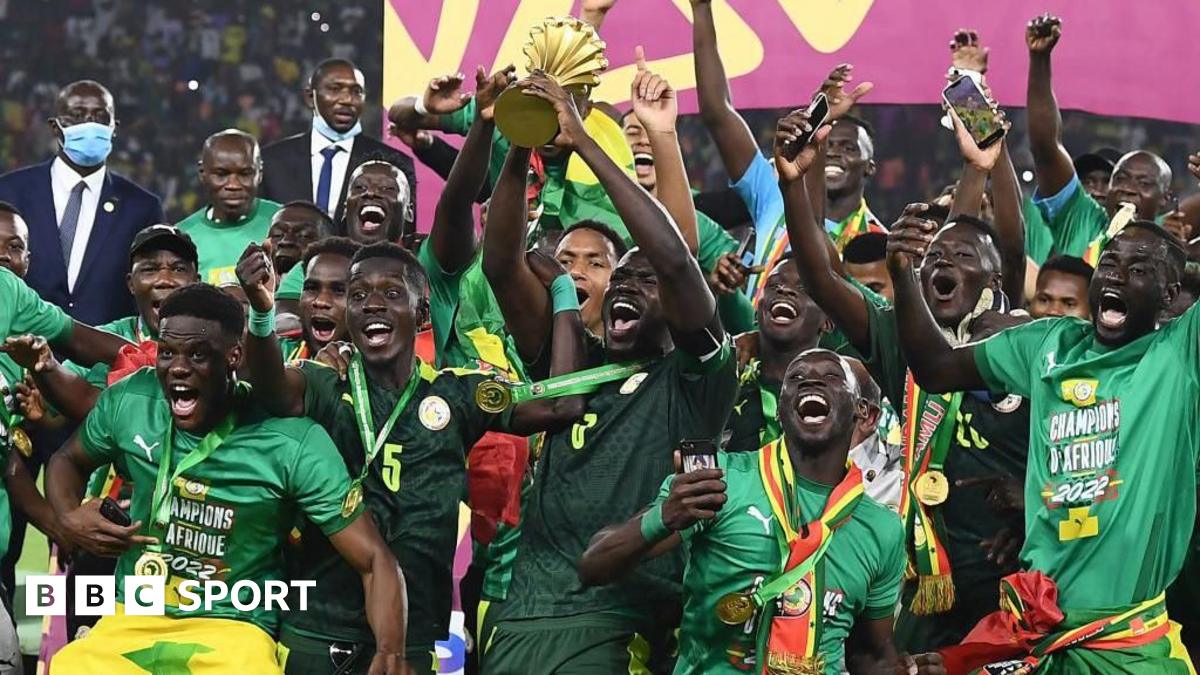
    The 2025 Africa Cup of Nations reaches its climactic phase with two highly anticipated semi-final matches scheduled for Wednesday. The tournament’s penultimate stage features a dramatic showdown between defending champions Senegal and record seven-time winners Egypt in one fixture, while tournament hosts Morocco will battle three-time champions Nigeria in the other semi-final encounter.

    The championship final is set to take place on Sunday, January 18th, 2026, with a 19:00 GMT kickoff time at a venue to be determined. The upcoming matches represent the culmination of Africa’s premier football competition, which has crowned 34 different nations throughout its storied history.

    This edition of the continental championship continues a tradition of excellence in African football, showcasing the remarkable talent and competitive spirit that characterizes the sport across the continent. The semi-final pairings promise thrilling football action as each team vies for a place in the prestigious final match.

    Football enthusiasts seeking additional engagement with the tournament can access dedicated quiz content testing knowledge of AFCON history and participants, including comprehensive coverage of all qualifying nations for the 2025 competition.

  • ‘Very cool’: The 70s Afro-rock genre enjoying a rebirth

    ‘Very cool’: The 70s Afro-rock genre enjoying a rebirth

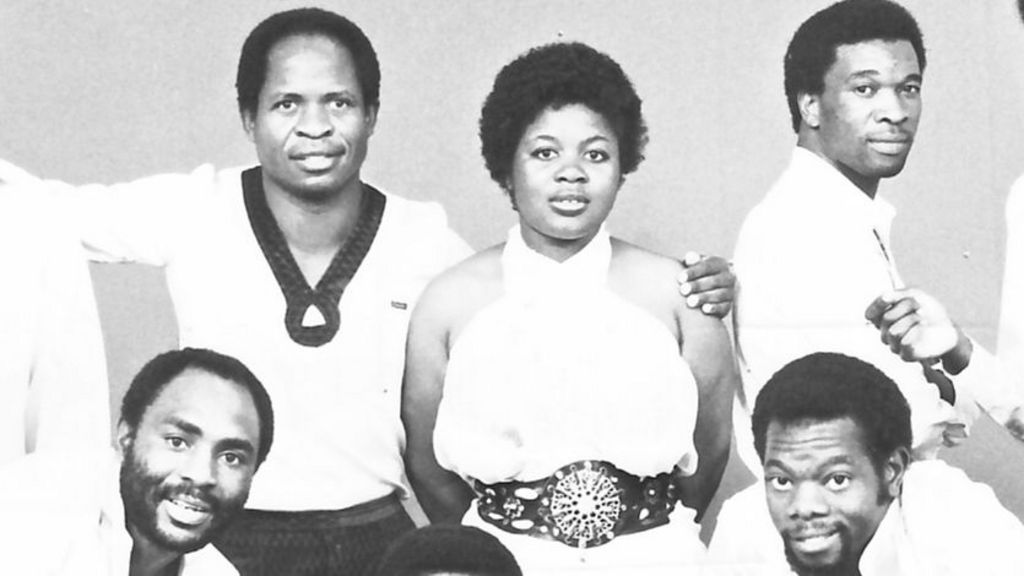
    A musical revolution born in 1970s Zambia is experiencing an extraordinary global resurgence, captivating contemporary artists and vinyl collectors worldwide. Zamrock—a potent fusion of psychedelic rock and traditional African rhythms—emerged during Zambia’s post-colonial era as a bold declaration of cultural identity. Now, five decades after its inception, this nearly forgotten genre is commanding unprecedented international attention.

    Zambian-born artist Sampa the Great is spearheading the revival movement, incorporating Zamrock’s distinctive sound into her highly anticipated third studio album. The breakthrough single ‘Can’t Hold Us’ showcases the genre’s signature fuzz guitars and defiant spirit, with Sampa declaring through her lyrics: ‘They don’t have the guts to match my prowess.’ Her artistic exploration reveals personal connections to the movement—her uncle, ‘Groovy’ George Kunda, was among WITCH’s founding members.

    The Zamrock renaissance extends far beyond African borders. Prominent American artists including Travis Scott, Yves Tumor, and Tyler, the Creator have sampled tracks from legendary Zamrock bands Ngozi Family, Amanaz, and WITCH. The genre has permeated popular culture through television soundtracks for HBO’s ‘Watchmen’ and Apple TV’s ‘Ted Lasso,’ introducing Zambian psychedelic rock to mainstream audiences.

    This remarkable revival follows decades of obscurity stemming from Zambia’s economic collapse in the 1980s. The copper market crash, musical piracy, and the devastating HIV/AIDS crisis that claimed numerous musicians—including five WITCH members—effectively silenced the genre for thirty years. Original band members like frontman Emmanuel ‘Jagari’ Chanda transitioned to conventional livelihoods, with Jagari working in mines to support his family.

    The turning point arrived in the early 2010s when California-based Now-Again Records began reissuing Zamrock albums. Label head Eothen ‘Egon’ Alapatt recognized the genre’s unique appeal, noting that English-language recordings particularly resonated with international collectors. Original vinyl pressings now command between $100 and $1,000 on the collector’s market.

    WITCH has experienced a phenomenal second act, reforming with original members and European musicians. The reinvented band has released two new albums, starred in a documentary, performed at Glastonbury, and completed international tours—achievements unimaginable during their initial run. At 74, Jagari describes the experience as ‘a new lease on life I never expected at my advanced age.’

    While celebrating international recognition, Zambian music advocates emphasize preserving the genre’s cultural context. Record store owner Duncan Sodala acknowledges the value of Western sampling but stresses the importance of artists like Sampa the Great who engage with Zamrock’s complete artistic tradition rather than treating it as mere source material.

    The movement continues gaining momentum through Zambia’s new generation of artists, dedicated festivals, and museum exhibitions. Sampa characterizes her upcoming work as ‘nu Zamrock,’ blending traditional elements with contemporary hip-hop influences. As Jagari poetically observes from his New Zealand tour stop: ‘The fire has been lit. It’s up to the younger generation to put more firewood to it and let the flames burn.’

  • EU Agrees to loan $105billion to Ukraine for defence against Russia

    EU Agrees to loan $105billion to Ukraine for defence against Russia

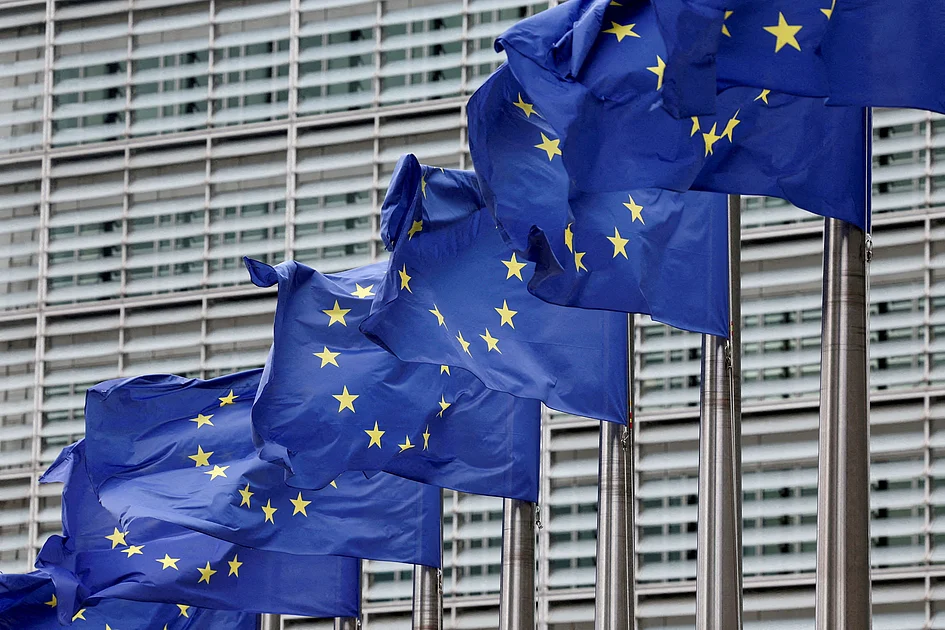
    BRUSSELS – European Union leaders reached a landmark agreement early Friday to provide Ukraine with a substantial €90 billion ($105 billion) defense loan through a collective borrowing mechanism, concluding extensive negotiations at the Brussels summit. This financial package, designed to sustain Ukraine’s military efforts against Russian aggression for the next two years, represents a strategic pivot from earlier proposals to utilize frozen Russian assets.

    The funding arrangement emerged as a compromise solution after technical and political complexities prevented immediate use of approximately €210 billion in immobilized Russian assets held within EU jurisdictions. Hungarian Prime Minister Viktor Orbán, previously opposed to unanimity-based financial measures, ultimately acquiesced to the mechanism alongside Slovak and Czech leadership after securing provisions that would not directly impact their national finances.

    EU foreign policy chief Kaja Kallas emphasized the critical nature of the decision, stating, “We simply cannot afford to fail in supporting Ukraine’s defense capabilities.” The sentiment was echoed by German Chancellor Friedrich Merz, who characterized the agreement as “favorable news for Ukraine and unfavorable for Russia.”

    Ukrainian President Volodymyr Zelenskyy, participating in the summit deliberations, had previously advocated for direct utilization of Russian assets. However, resistance from Belgium—where €185 billion of Russian assets are held—proved decisive in shifting the approach toward EU-backed borrowing.

    Belgian Prime Minister Bart De Wever praised the alternative arrangement, noting that “rationality has prevailed” and prevented institutional “chaos and division.” The frozen Russian assets will remain immobilized until Moscow provides war reparations to Ukraine, at which point they could potentially service the loan repayment.

    EU summit chairman Antonio Costa confirmed that the European Commission received authorization to develop the loan infrastructure with urgency, utilizing the EU budget as collateral. This financial intervention addresses concerns that Ukraine would face fiscal exhaustion by the second quarter of 2026 without substantial international support, potentially altering the conflict’s trajectory.

  • Badami Holding Group Companies earn top honours at Automechanika Dubai 2025

    Badami Holding Group Companies earn top honours at Automechanika Dubai 2025

    Dubai’s automotive sector witnessed a remarkable achievement as Badami Holding Group companies secured top honors at the prestigious Automechanika Dubai 2025 awards ceremony. The Group’s diversified automotive enterprises demonstrated exceptional performance across different segments of the value chain, earning recognition for both distribution excellence and innovative service delivery.

    AMAP Group, the automotive aftermarket distribution division of Badami Holding Group, was crowned Distributor of the Year. This accolade acknowledges the company’s outstanding regional and international market performance, sophisticated supply chain infrastructure, and enduring partnerships within the automotive aftermarket ecosystem. The award recognizes AMAP’s consistent delivery of quality automotive components and supplies across the region.

    Simultaneously, Dial-A-Battery, the Group’s innovative on-demand mobile automotive service brand, received the Mobile Services Provider of the Year award. The honor highlights the company’s customer-focused operational model, technological innovation, and efficiency in providing rapid, reliable roadside and on-site battery solutions to consumers and businesses across the UAE.

    The dual recognition underscores Badami Holding Group’s strategic positioning across the complete automotive value spectrum—from large-scale distribution operations to agile, technology-enabled service provision. This balanced approach enables the Group to effectively respond to the dynamic requirements of the regional aftermarket sector.

    During the exhibition, AMAP Group showcased its expanded capabilities through two dedicated exhibition spaces. One pavilion highlighted the Group’s growing automotive batteries and lubricants portfolio, while the second demonstrated its comprehensive range of genuine and aftermarket parts. Both exhibits attracted significant attention from distributors, retailers, fleet operators, and industry professionals, solidifying AMAP’s position as a dominant force in the regional automotive aftermarket.

    Asad Badami, Managing Director of Badami Holding Group, commented: ‘These prestigious awards represent a defining moment for our organization. The simultaneous recognition of both AMAP Group and Dial-A-Battery validates our teams’ dedication, professionalism, and customer-centric approach. As a Group, we remain committed to developing reliable, scalable, and future-oriented automotive solutions while continuously elevating standards across distribution and service domains.’

  • Kenya Chinese Women Association donates aid supplies to children’s rescue center

    Kenya Chinese Women Association donates aid supplies to children’s rescue center

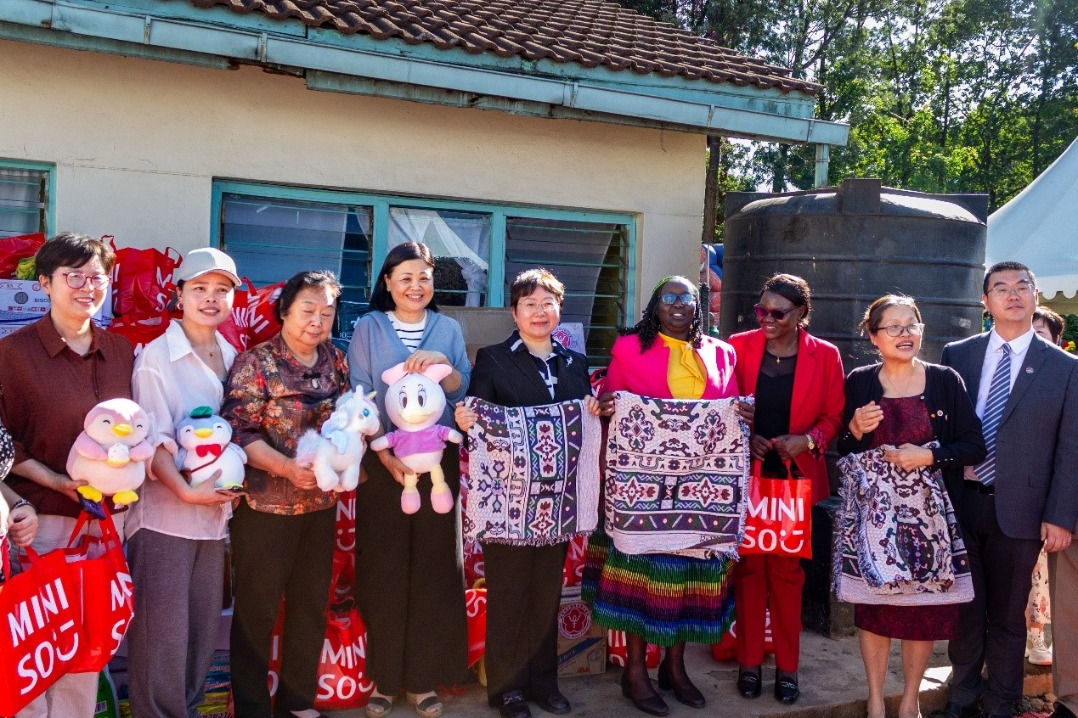
    In a significant humanitarian gesture preceding Christmas, the Kenya Chinese Women Association has delivered essential aid supplies to the Nairobi Children’s Rescue Centre. The donation, comprising vital infant care items including milk powder, baby food, diapers, and toys, was formally presented during a ceremony attended by representatives from both the Chinese community and the rescue center.

    Established as a nonprofit organization in 2017, the association has maintained an eight-year tradition of Christmas philanthropy, though this occasion marks their inaugural partnership directly with a Kenyan government institution. The donated materials, valued at approximately 700,000 Kenyan shillings ($5,430), were specifically tailored to address the center’s urgent requirements.

    The Nairobi Children’s Rescue Centre operates as the capital’s sole government-managed facility providing temporary care for children from birth to seven years of age. Currently housing 57 children, the institution employs 14 government staff members supplemented by nine dedicated volunteers.

    Margaret Kagwiria, the center’s manager, emphasized the critical importance of need-specific donations. “Our institution primarily cares for very young babies, making infant nutrition and essential supplies our foremost requirements,” Kagwiria explained. “We maintain specific donation lists to ensure all contributed items are both appropriate and utilizable for our children.”

    Bao Ping, chairperson of the Kenya Chinese Women Association, highlighted the evolving nature of their community engagement. “Our annual Christmas donation has become a cherished tradition,” Ping stated. “The Chinese community in Kenya is continuously striving to deepen our integration with local society through meaningful humanitarian contributions.”

    The donation received formal appreciation from Kenyan government officials, including Cabinet Secretary for Gender, Culture and Children Services Hannah Wendot Cheptumo, who acknowledged the vital role of collaborative partnerships in child protection efforts. “Children in rescue facilities represent among our society’s most vulnerable members,” Cheptumo noted. “Our governmental responsibility encompasses harm prevention, timely protection provision, and supporting pathways toward family-based care and long-term stability.”

    Principal Secretary for Children Services Carren Ageng’o further encouraged expanded engagement from Kenya’s Chinese community, suggesting corporate social responsibility initiatives as a potential avenue for enhanced collaboration.

  • US awards no-bid contract to Denmark scientists studying hepatitis B vaccine in African babies

    US awards no-bid contract to Denmark scientists studying hepatitis B vaccine in African babies

    A controversial $1.6 million contract awarded by the Trump administration to Danish researchers is generating intense ethical debates within the global public health community. The no-bid agreement funds a five-year study examining hepatitis B vaccination effects on 14,000 newborns in Guinea-Bissau, where the disease remains prevalent.

    The research team from the University of Southern Denmark, led by Christine Stabell Benn, will conduct a randomized controlled trial withholding standard hepatitis B vaccines from certain infants at birth. Participants will be monitored for mortality rates, illness patterns, and developmental outcomes, with initial cohorts tracked for five years to assess potential neurological and behavioral impacts.

    Medical experts worldwide have expressed grave concerns about the study’s ethical framework. Dr. Boghuma K. Titanji, an infectious disease specialist at Emory University, condemned the research as ‘unconscionable,’ noting that established medical consensus confirms the vaccine’s effectiveness in preventing liver disease and premature death in newborns. The study’s design—withholding proven protection from Black infants in an impoverished nation—has drawn comparisons to the infamous Tuskegee syphilis study.

    The award process bypassed standard CDC protocols, with Department of Health and Human Services officials reportedly instructing agency staff to approve the unsolicited proposal using special funding. Internal communications reveal CDC scientists expressing outrage over the arrangement, which skipped customary ethical reviews within the agency.

    The research team maintains their study represents a unique scientific opportunity, as Guinea-Bissau currently doesn’t recommend birth-dose hepatitis B vaccination but plans to implement universal newborn immunization by 2027. However, critics note the researchers’ history of controversial findings and association with vaccine-skeptic circles, including praise from U.S. Health Secretary Robert F. Kennedy Jr., who has previously questioned vaccine safety.

    Public health experts warn the study could exacerbate vaccine hesitancy in Africa and beyond while exposing vulnerable infants to preventable disease risks without scientific justification.