标签: Africa

非洲

  • Why is Afcon taking place in December?

    Why is Afcon taking place in December?

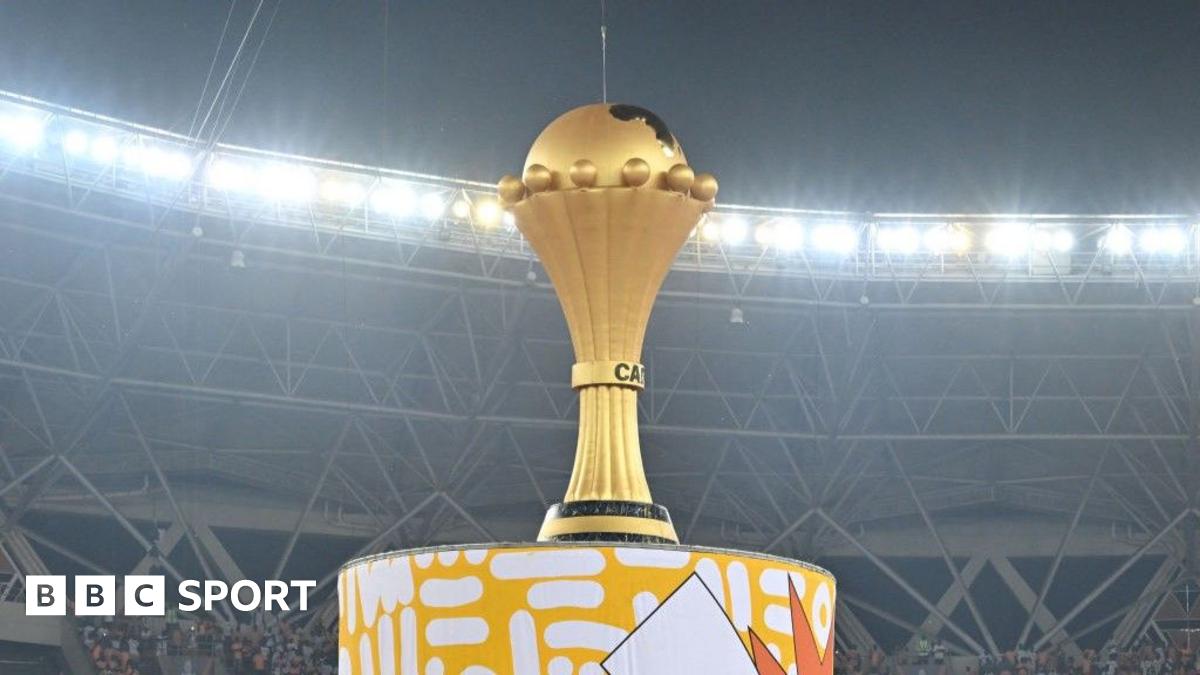
    In a significant scheduling shift, the 2025 Africa Cup of Nations (AFCON) will now take place from December 21, 2025, to January 18, 2026, across six Moroccan cities: Rabat, Casablanca, Marrakech, Agadir, Tangier, and Fez. This marks the first time the tournament will commence in December rather than its traditional January-February timeframe.

    The rescheduling decision primarily stems from FIFA’s expanded Club World Cup, which occupies the summer 2025 calendar slot originally intended for AFCON. While the move avoids direct scheduling conflicts with UEFA’s Champions League and Europa League (resuming January 20 and 22, 2026), it has created substantial preparation challenges. Players will be released from their clubs on December 15, leaving national teams with merely one week for pre-tournament preparations—a timeframe that has drawn sharp criticism from coaches.

    Angola’s coach Patrice Beaumelle characterized the situation as “nonsense,” stating that proper team preparation is impossible within “just two or three sessions.” This compressed timeline contrasts with Morocco’s original summer hosting vision, which aimed to boost tourism and showcase infrastructure ahead of its co-hosting role for the 2030 World Cup with Spain and Portugal.

    Historically, AFCON’s winter scheduling accommodates Africa’s diverse climate patterns, avoiding rainy seasons and extreme heat that characterize summer months in many host nations. The tournament has been held primarily in January-February since the 2019 edition in Egypt, with the 2023 Ivory Coast tournament similarly moved from summer 2022 due to weather concerns.

    In a parallel development, Confederation of African Football president Patrice Motsepe announced on December 20 that AFCON will transition from its traditional biennial format to a quadrennial cycle starting in 2028. This structural change aligns AFCON with other major international tournaments and follows proposals by FIFA president Gianni Infantino, who previously suggested September-November scheduling to minimize club conflicts.

  • 9 killed, 10 wounded in South African pub shooting

    9 killed, 10 wounded in South African pub shooting

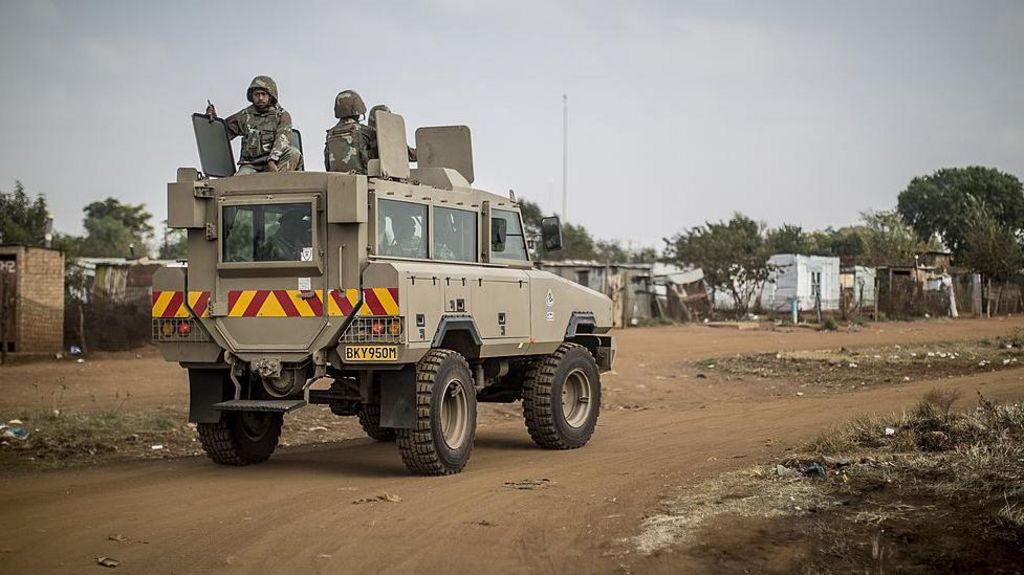
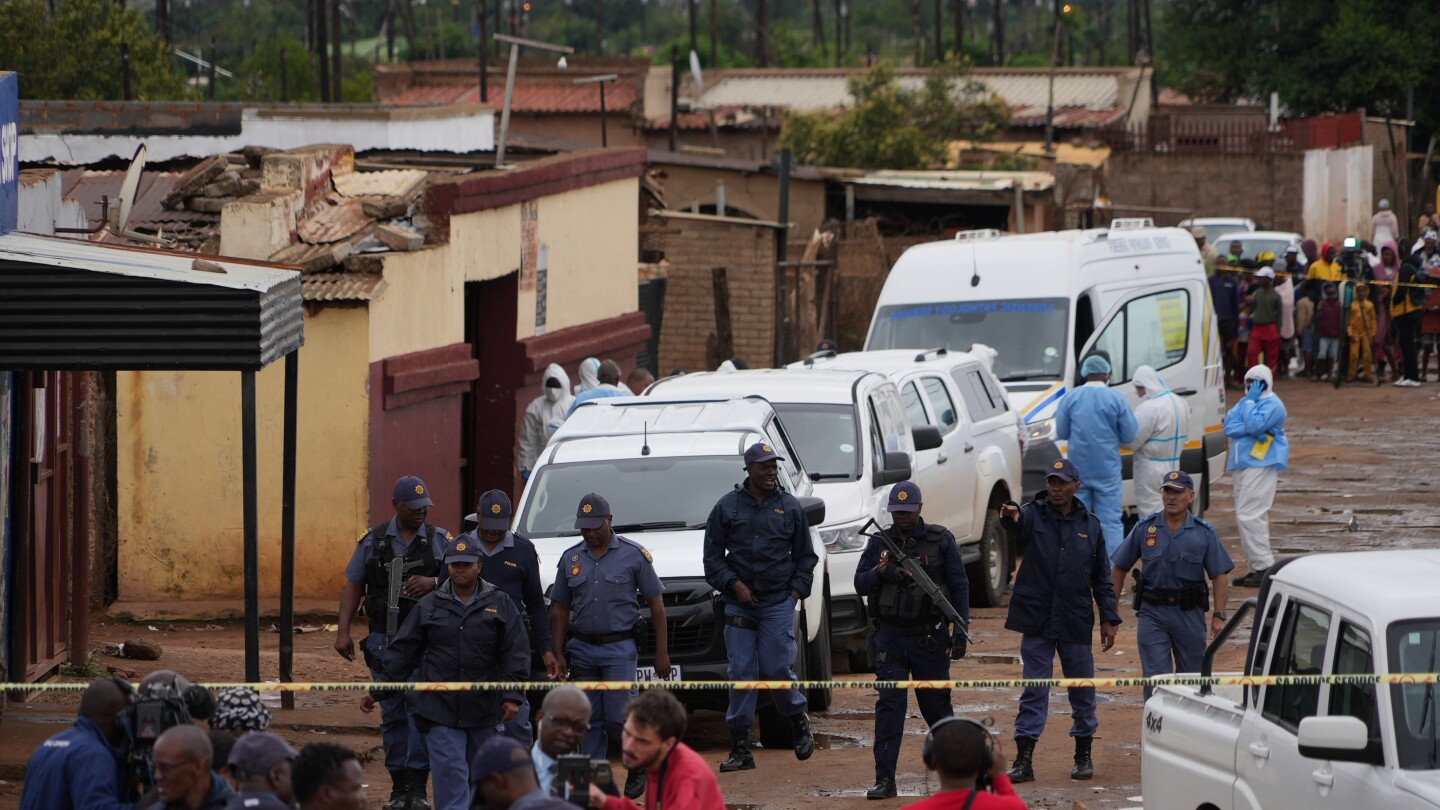
    JOHANNESBURG — A brutal shooting attack at a township tavern has claimed nine lives and left at least ten others wounded, marking South Africa’s second major mass shooting incident within three weeks. The violence erupted shortly before 1 a.m. Sunday in Bekkersdal township, approximately 46 kilometers west of Johannesburg.

    According to police reports, approximately twelve unidentified assailants arrived in a white minibus and silver sedan before opening indiscriminate fire on patrons at the KwaNoxolo tavern. The gunmen continued their random shooting spree while fleeing the scene, with some victims being targeted on adjacent streets.

    Provincial Police Commissioner Maj. Gen. Fred Kekana confirmed to SABC television that among the deceased was a driver working for an online car-hailing service who had been waiting outside the establishment. The attack has prompted an intensive manhunt led by Gauteng Serious and Violent Crime Investigations in coordination with the Crime Detection Tracing Unit.

    This tragedy represents the latest in a series of tavern shootings that have plagued South Africa in recent years. Earlier this month, a similar attack at an unlicensed bar near the national capital resulted in twelve fatalities and thirteen injuries. In 2022, another Johannesburg township witnessed sixteen deaths in a single shooting incident, while four people were killed the same day in a separate provincial bar shooting.

    South Africa continues to grapple with one of the world’s highest homicide rates, recording nearly 26,000 killings in 2024 alone—averaging more than seventy deaths daily. Firearms remain the predominant weapon in these homicides, with authorities noting that despite relatively stringent gun control laws, illegal weapons fuel the ongoing violence across the nation of 62 million people.

  • Who are the contenders to win Afcon?

    Who are the contenders to win Afcon?

    As the Africa Cup of Nations (AFCON) prepares to kick off in Morocco this Sunday, football analysts are intensifying their assessments of the tournament’s potential champions. BBC Sport’s renowned expert John Bennett recently provided Football Focus with an authoritative breakdown of the national teams most likely to claim continental glory.

    The upcoming tournament marks another chapter in Africa’s premier football competition, bringing together the continent’s finest talent across numerous world-class venues in Morocco. Bennett’s analysis delved beyond superficial rankings to examine tactical formations, key player matchups, and historical performance patterns that could determine the ultimate outcome.

    Among the highlighted contenders are defending champions who must demonstrate their capacity to retain supremacy against increasingly competitive opposition. Bennett’s evaluation also identified dark horse candidates capable of surprising the established football powerhouses, noting how specific team dynamics and managerial strategies might create unexpected advantages.

    The geographical and climatic conditions in Morocco present unique challenges that could influence team performance, particularly for squads accustomed to different playing environments. Bennett emphasized how squad depth and injury management throughout the grueling tournament schedule might prove decisive in the latter stages.

    This comprehensive preview sets the stage for what promises to be one of the most competitive AFCON tournaments in recent history, with multiple teams possessing legitimate claims to the championship while facing the immense pressure that accompanies continental expectations.

  • Gunmen kill nine in South Africa tavern attack

    Gunmen kill nine in South Africa tavern attack

    South African authorities have launched an intensive manhunt following a deadly mass shooting at a licensed tavern in Bekkersdal township near Johannesburg that resulted in nine fatalities and ten injuries. The brutal attack occurred in the early hours of Sunday morning at approximately 01:00 local time (23:00 GMT Saturday).

    According to police reports, approximately twelve unidentified assailants arrived at the establishment in two vehicles before systematically opening fire on patrons. The gunmen continued their random shooting spree as they fled the scene, demonstrating calculated brutality in their execution.

    This tragic incident represents another chapter in South Africa’s ongoing struggle with gun violence. Recent statistics from the United Nations Office on Drugs and Crime reveal the country maintains one of the world’s highest murder rates, with approximately 45 homicides per 100,000 people during the 2023-24 reporting period.

    The Bekkersdal shooting follows another devastating firearm-related tragedy earlier this month, where at least eleven individuals, including a child, were killed in a hostel shooting near Pretoria. These consecutive incidents have raised serious concerns about firearm proliferation and organized criminal activity in the region.

    Local law enforcement agencies have intensified their search operations while urging community members to provide any information that might lead to the apprehension of the suspects. The investigation continues as authorities work to determine the motive behind this calculated attack on civilian patrons.

  • Neither Russia nor France: One West African country walks a diplomatic tightrope

    Neither Russia nor France: One West African country walks a diplomatic tightrope

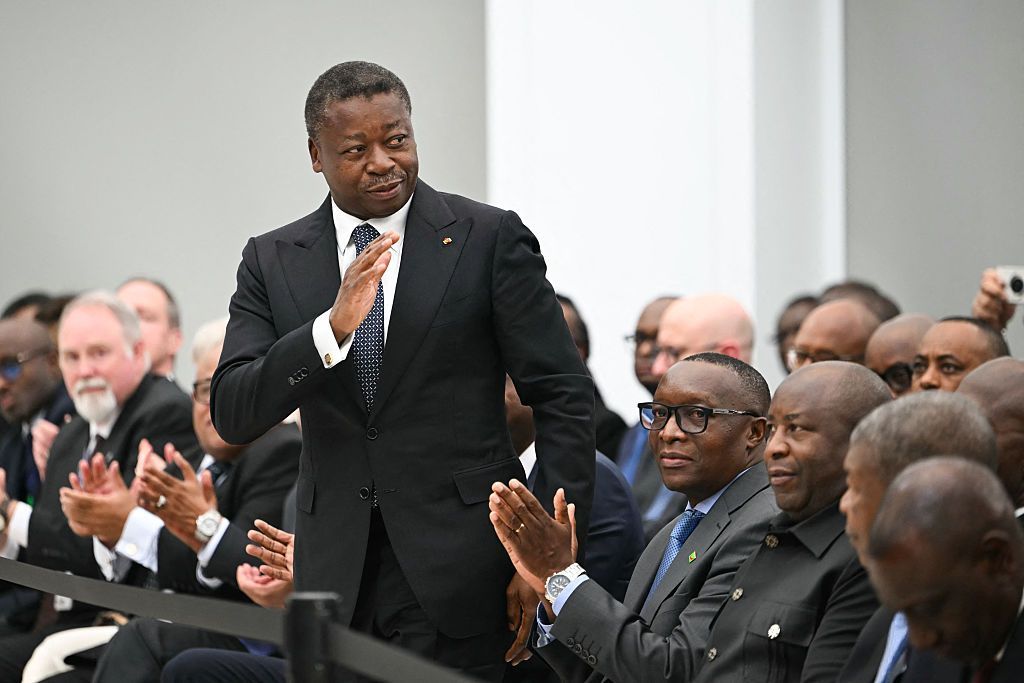
    In a region increasingly polarized between traditional Western alliances and emerging Russian partnerships, Togo under President Faure Gnassingbé has carved a unique path of diplomatic pragmatism. While neighboring West African nations align decisively with either France or Russia, Togo’s leadership has masterfully cultivated relationships with both competing power blocs simultaneously.

    The recent failed military coup in Benin on December 7th revealed Togo’s strategic positioning. When rebel leader Lieutenant Colonel Pascal Tigri reportedly escaped across the border into Togo before potentially receiving asylum in Burkina Faso or Niger, Lomé maintained deliberate ambiguity about its involvement. This calculated opacity exemplifies Togo’s approach under Gnassingbé: maximizing diplomatic leverage through unconventional relationship-building with competing international partners.

    Togo maintains membership in the Economic Community of West African States (ECOWAS) while simultaneously nurturing supportive relations with the breakaway Sahelian military governments of Burkina Faso, Niger, and Mali—all three of which exited ECOWAS in January. This dual-track regional approach complements Gnassingbé’s sophisticated international diplomacy.

    In late October, the Togolese leader was warmly received at Paris’ Élysée Palace by President Emmanuel Macron for bilateral talks. Mere weeks later, he engaged in a high-profile Moscow meeting with Russian President Vladimir Putin that yielded significant agreements: a defense partnership granting Russian vessels access to Lomé’s strategic deepwater port, plans for joint military exercises and intelligence sharing, economic cooperation frameworks, and the reopening of embassies closed since the 1990s.

    Togolese officials present this diplomatic diversification as a natural evolution rather than an intentional break with Western partners. The country previously demonstrated this approach by joining the Commonwealth despite being Francophone, while English-speaking Ghana simultaneously joined the Francophonie organization.

    This foreign policy strategy intersects with Gnassingbé’s domestic political maneuvering. Following controversial constitutional changes implemented this year that transformed the presidency into a ceremonial role and created a powerful, term-free prime minister position (now held by Gnassingbé himself), the government has faced internal dissent. Critics including rapper Aamron and former defense minister Marguerite Gnakadè have faced legal threats, while the European Parliament has demanded the release of political prisoners.

    Through his diverse international alliances, Gnassingbé signals to Western critics that he possesses alternative options and need not concede to external pressure. However, recent hints about possible prisoner releases suggest even adept international networking cannot fully alleviate domestic political tensions in a nation that remains at the heart of West Africa’s economic and diplomatic landscape.

  • 2 months to Ramadan: Rajab crescent spotted in UAE skies

    2 months to Ramadan: Rajab crescent spotted in UAE skies

    ABU DHABI – The celestial skies above the United Arab Emirates presented a significant astronomical and religious event on December 20, 2025, as the crescent moon marking the commencement of Rajab 1447 AH was officially sighted at 4:30 PM local time. The observation was conducted by the Khattam Astronomical Observatory under the International Astronomy Centre, confirming the moon’s position at 6.7 degrees separation from the sun.

    This celestial phenomenon carries profound religious significance for Muslim communities worldwide, as Rajab represents the seventh month in the Islamic Hijri calendar and stands among the four sacred months in Islamic tradition. The sighting initiates a three-month spiritual progression toward Ramadan, the holiest period in the Islamic faith dedicated to fasting, prayer, and spiritual reflection.

    The transition between these sacred months follows precise lunar observations, with each month commencing only upon visual confirmation of the new crescent moon. Following the conclusion of Rajab, the month of Shaban begins through similar astronomical verification, ultimately culminating in the arrival of Ramadan approximately two lunar months after the initial Rajab sighting.

    The International Astronomy Centre’s confirmation provides Muslim communities across the UAE and globally with a definitive timeline for spiritual preparation. This astronomical event enables faithful observers to anticipate the approaching holy month while honoring the traditional lunar-based calendar that governs Islamic religious observances.

    Such sightings demonstrate the continuing harmony between scientific astronomical observation and religious tradition, maintaining ancient practices through modern scientific methodology. The UAE’s advanced astronomical capabilities continue to support religious observances by providing accurate celestial data to Muslim communities worldwide.

  • UAE: Garages packed after residents face minor car issues in December rains

    UAE: Garages packed after residents face minor car issues in December rains

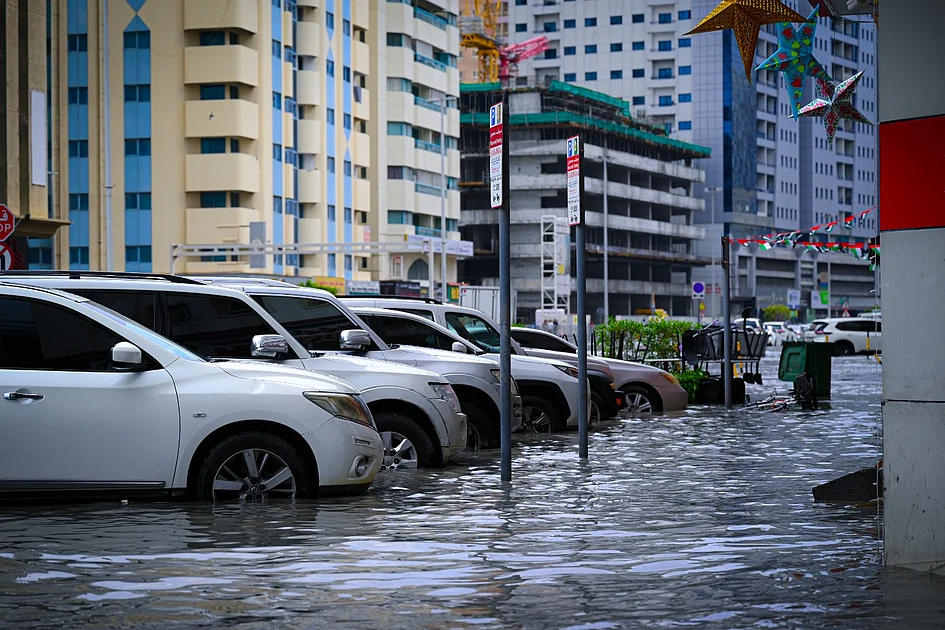
    Automotive repair facilities across Sharjah and Dubai are experiencing unprecedented demand following recent rainfall, creating significant backlogs for vehicle inspections and minor repairs. While the December precipitation caused substantially less damage than April 2024’s historic flooding, it nonetheless resulted in numerous vehicles experiencing water-related mechanical issues.

    Residents throughout the northern emirates returned to their vehicles to discover various rain-induced problems. Masood Ali, an Al Nahda resident, found his car completely unresponsive after overnight parking in a water-affected area. “When I attempted to start the vehicle in the morning, it refused to turn over,” Ali reported. “Mechanics subsequently indicated water infiltration in the air filtration system.”

    Automotive technicians note that the most prevalent issues include moisture-compromised spark plugs, water-infiltrated air filters, temporary ignition failures, and battery complications caused by excessive dampness. Unlike the catastrophic flood damage witnessed previously, these current cases primarily affect vehicles parked for extended periods in waterlogged areas or directly exposed to heavy rainfall.

    Repair shops are managing both pre-scheduled maintenance and rain-related cases, creating waiting periods of up to one week for vehicle assessments. Ahmed Najjar, another affected motorist, stated: “My vehicle started but operated erratically. I immediately sought professional evaluation but discovered garages are completely booked throughout the week.”

    Mechanics emphasize the importance of proper post-exposure procedures. Shameer Mohammed, an Al Quoz-based technician, advised: “Motorists should allow vehicles to dry thoroughly before attempting ignition. Forcing a start could exacerbate existing water damage. Disconnecting battery terminals prevents potential electrical short circuits in water-affected vehicles.”

    Industry professionals observe that residents have become more cautious following previous flood experiences. Garage owner Ayyub noted: “Customers demonstrate improved awareness by avoiding forced ignition attempts and seeking professional assessment. However, the volume of cases requires patience as repair facilities work through substantial backlogs.”

  • UAE: How hundreds of volunteers work to ensure ‘no one is alone’ during emergencies

    UAE: How hundreds of volunteers work to ensure ‘no one is alone’ during emergencies

    Across the United Arab Emirates, a robust network of volunteer organizations operates as a first line of defense when extreme weather disrupts daily life. These dedicated groups mobilize swiftly during emergencies, providing critical assistance that ranges from guiding stranded motorists through flooded roads to rescuing vehicles trapped in waterlogged areas.

    The recent heavy rainfall that affected various UAE regions in April 2024 demonstrated the crucial role these volunteers play. As commuters struggled and vehicles stalled across inundated roadways, teams worked tirelessly through the downpour, assisting motorists, helping workers reach safety, and ensuring no one remained stranded for extended periods.

    At the forefront stands the Model Service Society (MSS) Dubai, an organization with over three decades of community service experience. Operating across multiple fronts including emergency relief, job placement support, and welfare initiatives, MSS embodies a philosophy of consistent, organized, and compassionate service. According to Chairman Faiyaz Ahmed, their strength lies in their people: “Our volunteers do not wait for recognition. They step forward because they believe helping others is a responsibility.”

    The significance of their work has received official recognition. MSS was recently honored with the prestigious Ethraa Gold Award by Dubai’s Community Development Authority, placing it among the top-performing social service organizations in the emirate. This acknowledgment reflects the society’s transparency, accountability, and substantial community impact.

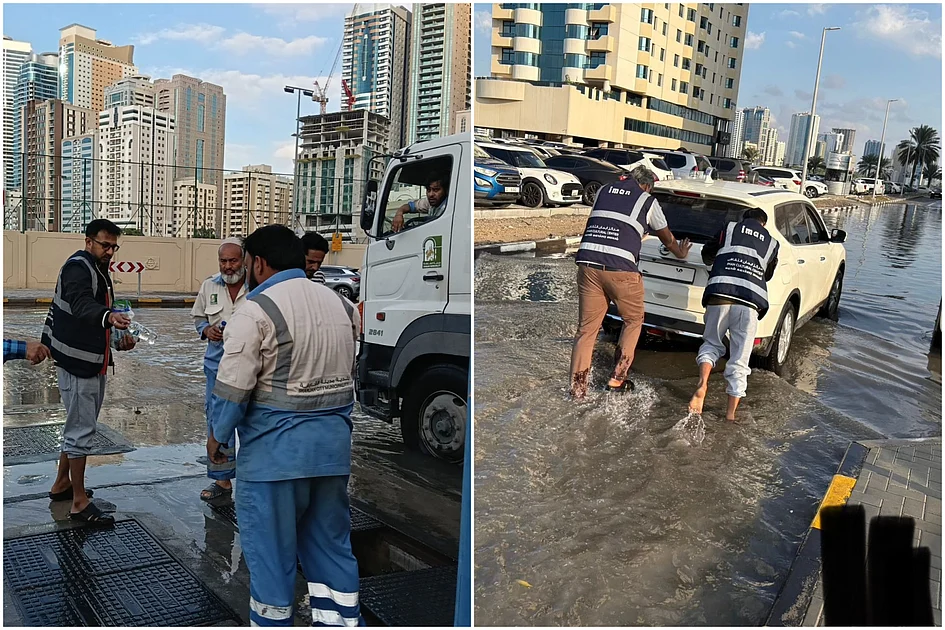
    Complementing these efforts, other organizations like the Iman Cultural Center have demonstrated similar commitment. During recent flooding in Sharjah and Dubai, approximately 50 of their volunteers mobilized to assist the public. Beyond traffic management and vehicle recovery, they distributed essential supplies including drinking water and fruits to affected workers and motorists.

    As Hameed Yasin of the Iman Cultural Center emphasized: “When people are in distress, the least we can do is stand beside them, offer help, and ensure no one feels alone during an emergency.” This sentiment captures the essence of a volunteer network that has become integral to the UAE’s emergency response infrastructure, providing both practical assistance and psychological reassurance during times of crisis.

  • Egypt’s el-Sissi urges UN Security Council reforms for Africa’s larger role

    Egypt’s el-Sissi urges UN Security Council reforms for Africa’s larger role

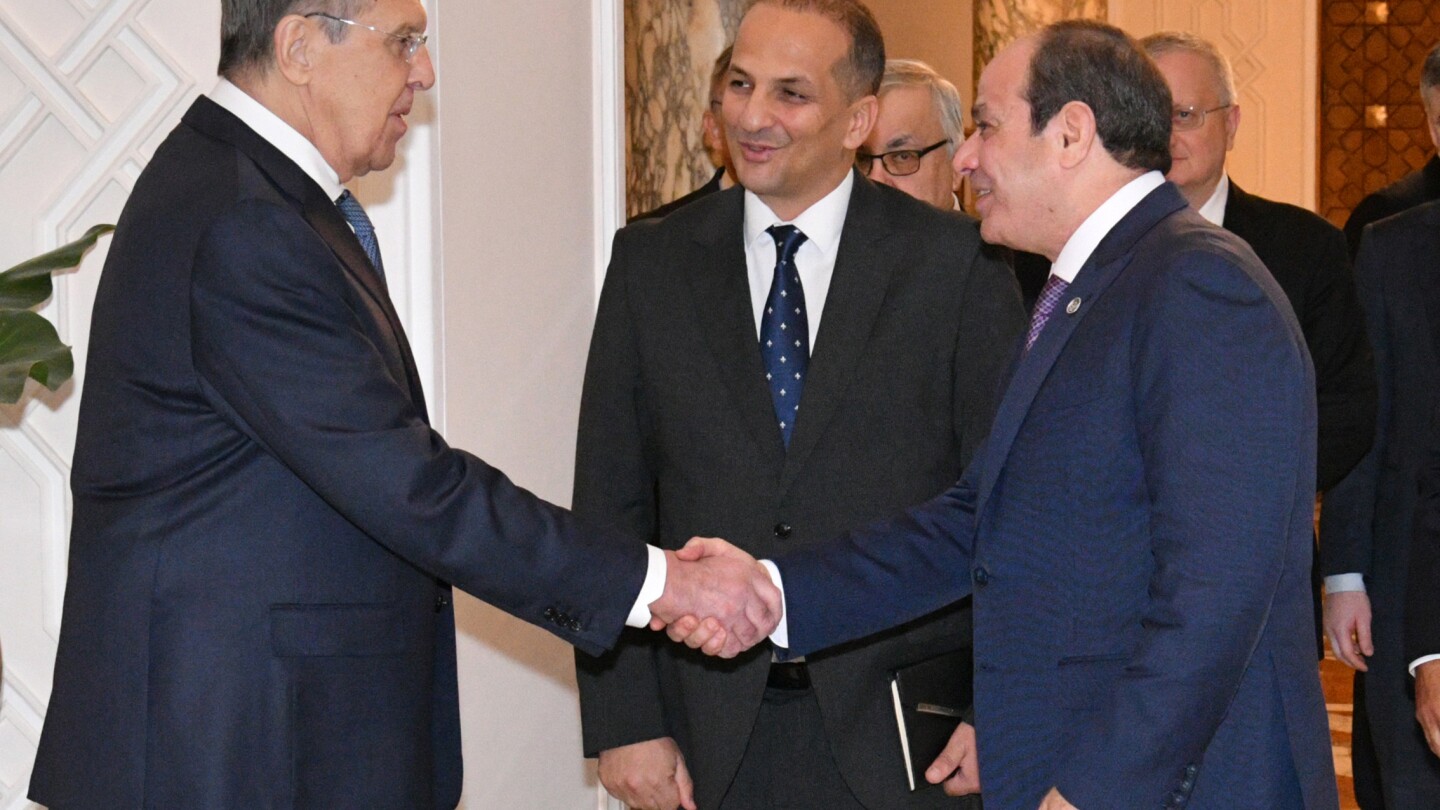
    CAIRO — Egyptian President Abdel-Fattah el-Sissi has intensified diplomatic efforts to reform the United Nations Security Council, advocating for substantial African representation during the Russia-Africa partnership conference in Cairo. The high-level gathering witnessed participation from Russian Foreign Minister Sergey Lavrov, ministerial delegates from over 50 African nations, and representatives from multiple regional organizations.

    El-Sissi, through a statement delivered by his foreign minister, emphasized the necessity of establishing ‘a more pluralistic global governance framework’ that acknowledges Africa’s growing demographic, economic, and political influence. The president argued that the continent’s substantial global weight warrants meaningful participation in international decision-making processes.

    The African Union’s longstanding proposal, initially presented in 2005, seeks two permanent Security Council seats endowed with veto authority for African nations. Proponents maintain that such structural adjustments would enhance peace and stability across a continent historically plagued by prolonged conflicts.

    Concurrently, el-Sissi highlighted parallel demands for restructuring international financial institutions to achieve equitable African representation, addressing systemic imbalances in global economic governance.

    The current Security Council architecture, unchanged since its 1945 establishment, comprises five permanent members with veto power (the United States, Russia, China, Britain, and France) alongside ten non-permanent members elected to two-year terms without veto capabilities.

    The Cairo conference aims to formulate a comprehensive strategy for strengthening Russia-Africa cooperation ahead of next year’s heads-of-state summit. Lavrov reiterated Moscow’s commitment to being ‘a reliable partner for African states in strengthening their national sovereignty,’ emphasizing Russia’s dedication to expanding practical cooperation across multiple domains.

    This diplomatic forum has gained significance following the 2023 St. Petersburg summit, where President Vladimir Putin sought to counter Western isolation through enhanced African partnerships. Russia has concurrently expanded its military presence across sub-Saharan Africa, deploying advanced weaponry and replacing the Wagner Group with Kremlin-controlled security units in various conflict zones.

  • Dubai Capitals beat Sharjah Warriorz with 63-run victory

    Dubai Capitals beat Sharjah Warriorz with 63-run victory

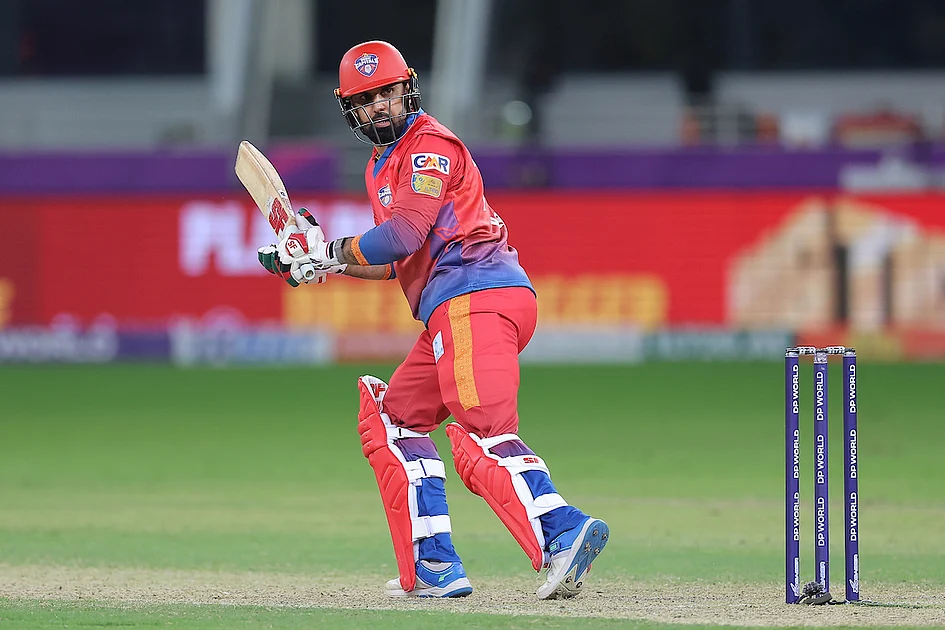
    In a decisive display of cricketing prowess, Dubai Capitals secured their inaugural victory against Sharjah Warriorz in DP World ILT20 history with a commanding 63-run triumph at Dubai International Stadium. The match witnessed exceptional performances from both batting and bowling departments, fundamentally reshaping the tournament’s playoff landscape.

    The Capitals established a formidable total of 180/6 through a strategic batting performance. Opener Sediqullah Atal delivered a masterful 66 runs from 44 deliveries, providing stability during the powerplay. His efforts were complemented by Mohammad Nabi’s explosive finishing, who remained unbeaten with 38 runs from just 19 balls, including three boundaries and three sixes in the final overs.

    Sharjah Warriorz’s response faltered immediately against the Capitals’ disciplined bowling attack. Mustafizur Rahman initiated the collapse by dismissing Johnson Charles early, while Haider Ali claimed crucial wickets of Tom Kohler-Cadmore and Tom Abell within the first six overs. Despite James Rew’s resilient 47-run contribution and Sikandar Raza’s 21-run effort, the Warriorz never recovered from the early setbacks.

    Mohammad Nabi transcended his batting heroics with an extraordinary bowling performance, capturing three wickets for merely 23 runs. Waqar Salamkheil matched this achievement with identical figures of 3/22, systematically dismantling the Warriorz middle and lower order. The combined bowling effort restricted Sharjah to 117 all out in just 17 overs.

    The victory propelled Dubai Capitals to second position in the standings, now level with three other teams at six points each. This creates an intensely competitive scenario for the remaining playoff spots, with Desert Vipers leading at 12 points and Sharjah Warriorz anchored at the bottom with four points.

    Post-match reflections revealed contrasting team mindsets. Player of the Match Mohammad Nabi emphasized preparation: ‘The top order established an excellent platform. I consistently practice power hitting since I frequently bat at number six or seven.’ Meanwhile, Warriorz captain Sikandar Raza acknowledged deficiencies: ‘Our fielding was subpar initially. While we bowled adequately in phases, we required substantial partnerships when chasing.’