标签: Africa

非洲

  • Celebrate festive season with Ghraoui Chocolate’s indulgent Christmas Collection

    Celebrate festive season with Ghraoui Chocolate’s indulgent Christmas Collection

    Ghraoui Chocolate, the renowned confectionery house with a legacy dating back to 1805, has launched an exclusive Christmas Collection designed to elevate festive celebrations through artisanal craftsmanship. This limited-edition assortment merges centuries-old Damascene sweet-making traditions with European artistry, offering sophisticated options for holiday gifting and table presentations.

    The collection features meticulously crafted chocolate figures including Tiny Santa with caramelised praline filling, Tiny Snowman with crushed mixed nuts, and various Santa-themed creations in premium milk chocolate. Each piece is wrapped in deep winter-toned packaging adorned with hand-painted-style ornaments, pine branches, and delicate blossoms, complemented by red bows and gold accents that evoke seasonal elegance.

    Beyond the chocolate offerings, Ghraoui presents traditional fruit treats including Ghouta and Pâtes de Fruits that recall historical luxury confectionery. The range spans from Apricot Chewcake to Fruit Rouges, featuring velvety pralines, nut-studded delights, and vibrant fruit infusions—all crafted without artificial additives.

    The collection’s bespoke packaging includes embroidered boxes with Christmas decorations, seasonal sleeves, and curated hampers. Ghraoui ensures seamless delivery across the UAE, Kuwait, Bahrain, Qatar, and Saudi Arabia, making premium gifting accessible throughout the region during the festive season.
  • Another 130 abducted schoolchildren released in Nigeria

    Another 130 abducted schoolchildren released in Nigeria

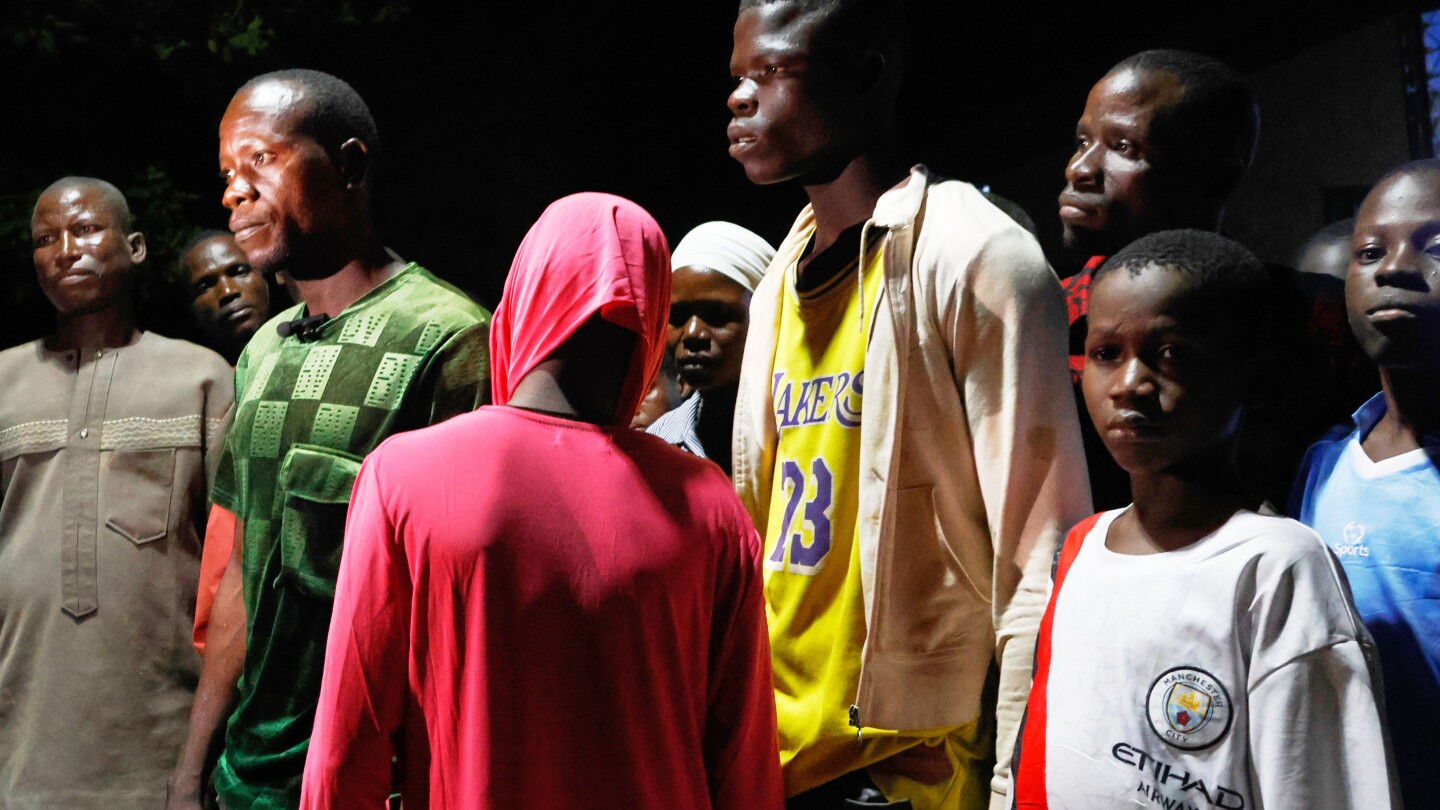
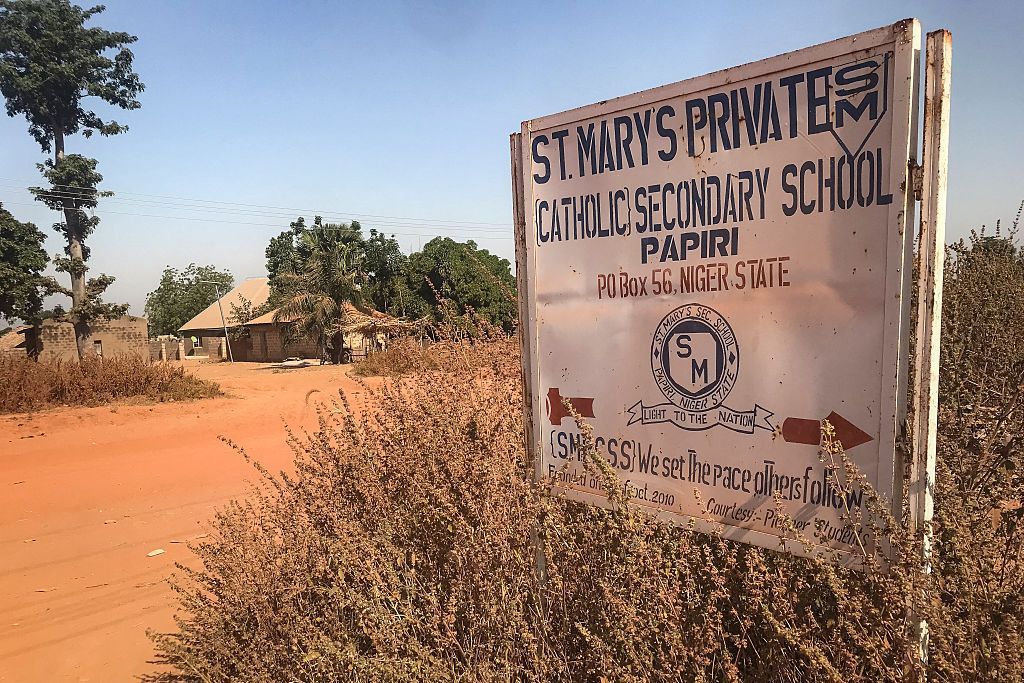
    Nigerian authorities have successfully secured the liberation of the remaining 130 students and staff members who were abducted during a mass kidnapping at St Mary’s Catholic boarding school in Papiri, central Nigeria. The federal government heralded this development as a “moment of triumph and relief” following one of the country’s most severe school abduction crises.

    The incident began on November 21st when armed assailants stormed the educational facility, initially seizing more than 250 children and staff members. Earlier this month, approximately 100 children were released in a preliminary breakthrough, though confusion persisted regarding the exact number of captives remaining.

    Presidential spokesperson Bayo Onanuga confirmed Sunday that the total number of freed students has reached 230. Official communications posted on government social media channels emphasized that “not a single pupil is left in captivity” from the November incident.

    The resolution of this crisis comes amidst growing security concerns across northern and central Nigeria, where educational institutions and religious centers have increasingly become targets for criminal elements. Just days before the St Mary’s abduction, similar attacks occurred at Christ Apostolic Church in Kwara state (resulting in 38 kidnappings) and Government Girls’ Secondary School in Kebbi state (where 25 Muslim students were taken). All victims from those prior incidents have since been freed.

    While government officials have not disclosed operational details regarding the rescue methodology or potential ransom payments, neighboring Nasarawa state governor Abdullahi Sule previously acknowledged the federal government’s crucial involvement in these sensitive negotiations, citing security reasons for the confidentiality.

    The Christian Association of Nigeria reported that approximately 50 students managed to escape during the initial abduction event. The recently freed students are expected to arrive in Minna, the capital of Niger state, on Monday, with official photographs already showing children smiling and waving following their release.

    President Bola Ahmed Tinubu reiterated on December 9th that his administration remains committed to collaborating with state governments to enhance school security and create safer learning environments throughout Nigeria.

  • UAE: Macron announces new French aircraft carrier

    UAE: Macron announces new French aircraft carrier

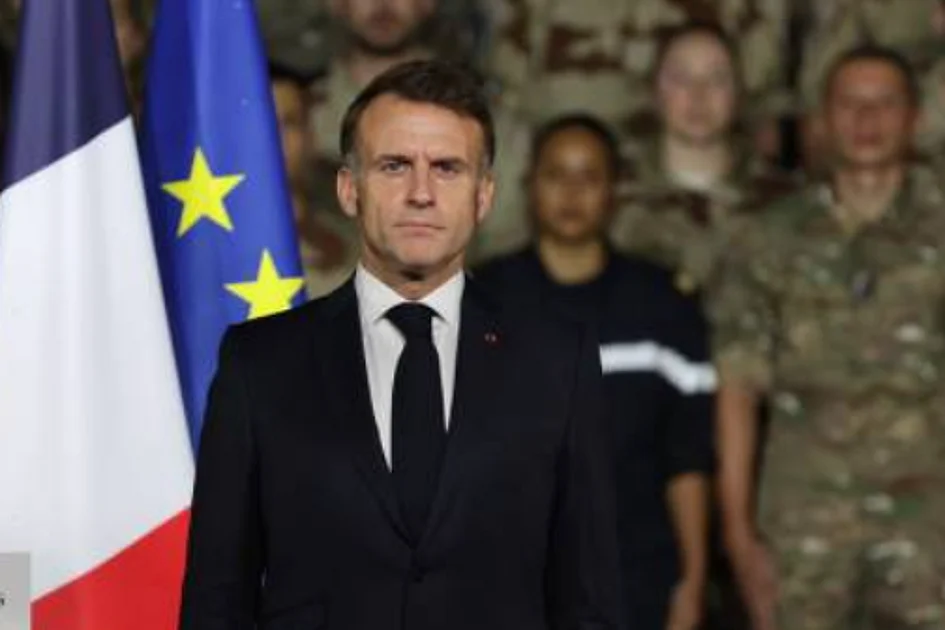
    French President Emmanuel Macron has officially authorized the construction of France’s next-generation nuclear-powered aircraft carrier during his visit to French troops in the United Arab Emirates on Sunday. This strategic decision comes despite significant budgetary challenges facing the European Union’s second-largest economy.

    The new vessel will replace France’s current flagship, the nuclear-powered Charles de Gaulle, which entered service in 2001 after more than a decade of construction. The Charles de Gaulle remains the only nuclear-powered aircraft carrier outside the US Navy.

    Macron announced the move during his Christmas visit with French forces stationed in the UAE, stating, ‘In line with the last two military programming laws, and after a thorough and comprehensive review, I have decided to equip France with a new aircraft carrier.’ He emphasized the geopolitical necessity of the project, adding, ‘In an age of predators, we must be strong in order to be feared.’

    The new carrier represents a substantial upgrade in capabilities, displacing nearly 80,000 tonnes and measuring approximately 310 meters in length—significantly larger than the Charles de Gaulle’s 42,000 tonnes and 261-meter frame. It will accommodate a crew of 2,000 and carry up to 30 fighter jets.

    The announcement comes amid criticism from French military officials, including General Fabien Mandon, who questioned whether resources should be prioritized toward more immediate concerns given rising tensions with Russia. The project’s launch will enable the signing of all necessary contracts to advance construction.

    While the French carrier will still be smaller than the US Navy’s 11 supercarriers (each displacing over 100,000 tons), it will join an elite group of large carriers operated only by China and Britain’s Royal Navy, though both nations use conventional power sources.

    Macron’s UAE visit also focused on strengthening bilateral ties, particularly regarding cooperation against drug trafficking. The French president met with UAE President Mohamed bin Zayed Al Nahyan to discuss enhancing their strategic partnership, especially concerning ‘stability in the Middle East.’ The UAE remains a significant purchaser of French military equipment, and Paris is reportedly considering Abu Dhabi’s potential involvement in its troubled future fighter jet program following Germany’s anticipated withdrawal.

  • Cricket: Ashes defeat heralds end of England’s Bazball era

    Cricket: Ashes defeat heralds end of England’s Bazball era

    England’s much-hyped Bazball era has met its dramatic demise on Australian soil, collapsing in a harrowing 3-0 Ashes defeat that marks one of the most crushing failures in modern cricket history. The revolutionary approach championed by coach Brendon McCullum and captain Ben Stokes—which had revitalized English cricket for three years—proved catastrophically inadequate against the world’s top-ranked test nation.

    The series loss, sealed by Sunday’s 82-run defeat at Adelaide Oval, exposes the profound miscalculations in England’s preparation and execution. Their casual build-up, including minimal match practice between Tests and an extended break at the beach resort of Noosa Heads, now appears as hubris rather than strategic innovation. Despite pre-series promises that this tour would differ from previous Australian failures, England’s planning proved fundamentally flawed.

    Critical examination reveals failures across all dimensions: batting, bowling, and fielding. The team squandered a golden opportunity against an aging Australian side missing key players including captain Pat Cummins for two Tests, Josh Hazlewood for the series, and Steve Smith in Adelaide. Instead of becoming the first touring team to win the Ashes in Australia since 2010-11, England now face the humbler goal of simply winning a single Test match in the country for the first time in 15 years.

    While glimpses of competitiveness emerged—such as Zak Crawley’s patient 85 in the fourth innings and Will Jacks’ resilient 47 off 137 balls—most batsmen demonstrated an alarming inability to adapt to Australian conditions. Ollie Pope’s struggles and Harry Brook’s dismissal attempting a reverse-sweep against Nathan Lyon exemplified the team’s rigid adherence to their high-risk philosophy despite changing match situations.

    The post-mortem will undoubtedly question whether McCullum’s ‘run toward the danger’ philosophy can survive this comprehensive failure. While the captain and coach may argue for retooling rather than abandonment, the Ashes defeat suggests Bazball’s freewheeling spirit may have reached its logical conclusion against disciplined opposition.

  • UAE: Sheikh Mohamed meets Elon Musk, discusses latest AI developments

    UAE: Sheikh Mohamed meets Elon Musk, discusses latest AI developments

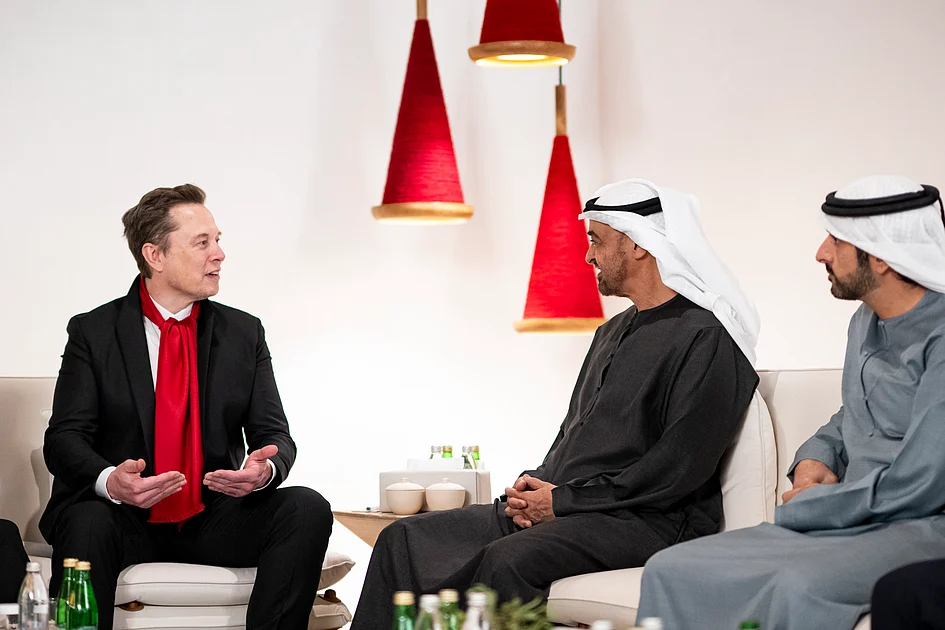
    In a significant high-level meeting in Abu Dhabi, UAE President Sheikh Mohamed bin Zayed Al Nahyan hosted tech visionary Elon Musk, CEO of Tesla and owner of X, to explore collaborative opportunities in artificial intelligence and advanced technologies. The December 21, 2025, gathering brought together top UAE leadership including Abu Dhabi Crown Prince Sheikh Khaled bin Mohamed bin Zayed Al Nahyan and Dubai Crown Prince Sheikh Hamdan bin Mohammed bin Rashid Al Maktoum.

    The discussions centered on harnessing cutting-edge technological innovations to enhance global quality of life and accelerate worldwide progress. Both parties emphasized the critical importance of international partnerships in the rapidly evolving AI landscape, highlighting how cross-border collaboration and knowledge exchange can accelerate the implementation of transformative digital solutions.

    The leadership meeting underscored how such strategic alliances enable nations and specialized institutions to drive comprehensive digital transformation while effectively preparing for future challenges. The presence of multiple senior ministers and officials demonstrated the UAE’s commitment to positioning itself at the forefront of technological innovation through partnerships with global industry leaders.

    This engagement represents the latest in a series of moves by the UAE to establish itself as a hub for technological advancement and artificial intelligence development, leveraging international expertise while contributing to the global technology ecosystem.

  • How UAE weathered heavy rains with constant public alerts, drainage through the night

    How UAE weathered heavy rains with constant public alerts, drainage through the night

    The United Arab Emirates demonstrated exceptional crisis management capabilities during recent severe weather conditions that affected the nation over a two-day period. Through coordinated government action and advanced preparedness measures, authorities effectively minimized potential damage and ensured public safety despite heavy rainfall.

    Prior to the weather event, the National Centre of Meteorology provided consistent updates on developing conditions while municipal and civil defense agencies deployed specialized 4×4 vehicles and rescue equipment including hydraulic lifting systems, cutters, and advanced rescue technologies. Patrol and emergency teams maintained heightened vigilance, particularly in low-lying and vulnerable areas, to enhance response capabilities.

    The comprehensive approach included widespread emergency SMS alerts distributed to both residents and tourists, urging precautionary measures and adherence to official safety guidelines. This communication strategy echoed systems previously implemented during pandemic conditions, ensuring maximum public awareness.

    This weather response represented a significant evolution from the April 2024 rainstorm, which marked the most intense precipitation event recorded in 75 years with over 250mm falling within 24 hours. That historical event caused substantial infrastructure damage and property loss, prompting a fundamental reassessment of weather emergency protocols.

    Notable outcomes from the improved response included no major weather-related traffic fatalities or serious injuries reported during the recent event, though authorities continue investigating one unrelated expatriate death in Ras Al Khaimah. Recovery services noted substantially fewer distress calls compared to the 2024 floods, indicating improved public awareness and precautionary behavior.

    Emergency teams worked continuously through nighttime hours to clear drainage systems and manage flooded roadways. Dubai Police extended officer shifts and deployed approximately 70% of patrol and rescue resources across the emirate, including remote areas like Hatta. Authorities restricted access to hazardous locations including valleys, elevated terrain, and coastal areas while maintaining real-time coordination and field updates.

    The successful management highlighted the importance of early monitoring, clear public communication, and interagency cooperation. Media organizations played a crucial role in disseminating timely information and official announcements throughout the weather event.

    The UAE’s response demonstrates how structured preparedness, public trust, and collective effort can effectively mitigate natural challenges despite increasingly unpredictable weather patterns.

  • 130 schoolchildren and staff abducted in Nigeria last month have been released, police say

    130 schoolchildren and staff abducted in Nigeria last month have been released, police say

    ABUJA, Nigeria — In a significant development following weeks of uncertainty, Nigerian authorities have confirmed the successful liberation of the remaining 130 students and staff members who were held captive since their abduction from St. Mary’s Catholic School last month. The November 21st raid by armed gunmen in Niger state’s Papiri community had initially resulted in the capture of 303 students and 12 teachers.

    The resolution came through what presidential spokesperson Bayo Onanuga described as a “military intelligence driven operation” that culminated in the hostages’ release on Sunday. According to official statements from both police and government representatives, all formerly captive individuals are scheduled to reunite with their families in Minna, the state capital, ahead of Christmas celebrations.

    This incident represents one of the most severe mass abductions in Nigeria’s ongoing security crisis, though it follows a pattern of similar attacks targeting educational institutions and houses of worship. While no group has formally claimed responsibility, local communities attribute such kidnappings to armed gangs operating predominantly in Nigeria’s northern regions, where ransom-driven abductions have become increasingly prevalent.

    The coordinated response involved multiple government agencies, with Niger State police spokesperson Wasiu Abiodun verifying the release of “the remaining batch of abducted students.” Concurrently, Sunday Dare, another presidential spokesperson, asserted that no children remain in captivity following this operation.

    This successful resolution occurs against a backdrop of international scrutiny regarding Nigeria’s handling of security challenges, particularly those affecting religious communities and educational institutions.

  • Sustainable economy is being misrepresented as green

    Sustainable economy is being misrepresented as green

    In contemporary environmental policy discussions, the frequent conflation of ‘green economy’ with ‘sustainable economy’ represents a significant conceptual error with profound implications for global development practices. According to Dr. Abdullah Belhaif Alnuaimi, former UAE Minister for Climate Change and Environment, these terms possess fundamentally distinct meanings that extend far beyond semantic differences.

    The green economy paradigm, which gained prominence during the 2012 United Nations Conference on Sustainable Development in Rio de Janeiro, primarily emphasizes technological solutions including clean energy adoption, emission reduction strategies, and resource efficiency improvements. While environmentally relevant, this approach often neglects crucial social equity considerations, lacks comprehensive long-term perspective, and risks being deployed as superficial branding without substantive structural reform.

    In contrast, sustainable economy represents a holistic framework that integrates environmental protection with social inclusion, economic resilience, and intergenerational responsibility. This multidimensional concept redefines humanity’s relationship with nature beyond mere technical advancements, prioritizing both current needs and future generations’ capabilities while specifically addressing the essential requirements of the world’s impoverished populations.

    The political dimension of this terminology carries substantial consequences. The limited representational scope of ‘green’ terminology potentially obscures the absence of genuine justice or sustainability behind environmental facades, misleading policymakers and the public about the comprehensive transformations required. This linguistic imprecision shapes awareness and policy directions in ways that may undermine the cultural and social dimensions necessary for building truly resilient futures.

    Transitioning toward authentic sustainability demands fundamental shifts in governmental priorities, supported by policy reforms across energy, transportation, urban infrastructure, industrial, and agricultural sectors. While each nation will progress at different paces, the acquisition of resources, knowledge, and information remains critical for this transformation.

    Dr. Alnuaimi concludes that conceptual precision is ethically imperative during this era of profound environmental transformation. He recommends adopting more accurate terminology such as ‘integrated sustainable economy’ or ‘transformative economy’ to properly reflect the comprehensive nature of the required changes, emphasizing that green economy does not equate to sustainable economy.

  • Visa partners with Aldar to complete first end to end voice-enabled agentic payment in the region

    Visa partners with Aldar to complete first end to end voice-enabled agentic payment in the region

    In a groundbreaking development for digital payments, Visa has partnered with Abu Dhabi’s leading real estate developer Aldar to launch the region’s first fully voice-enabled AI agentic payment system. This landmark implementation of Visa Intelligent Commerce technology enables customers to complete real estate service charge payments through conversational AI interfaces on both the Live Aldar mobile application and corporate website.

    The innovative system, which went live with its first successful transaction using an Emirates NBD Darna Visa Credit Card, represents a significant advancement in autonomous payment technology. Customers can now authorize AI agents to handle routine financial transactions through a secure, consent-based process that confirms details and executes payments within seconds while maintaining full transparency and user control.

    This initial deployment focuses specifically on property service charges, with plans to expand functionality across additional payment categories throughout 2026. The integration leverages Visa’s Token Management Service to ensure maximum security through credential tokenization, protecting sensitive financial information while enabling AI-initiated transactions.

    Harry Nakichbandi, Aldar’s Chief Digital Officer, emphasized the customer-centric nature of the innovation: ‘By combining our AI agent with Visa’s intelligent commerce platform, we’ve transformed routine payments into secure, instantaneous experiences that build trust while removing friction from financial interactions.’

    The collaboration represents a strategic move toward autonomous commerce in the Middle East, with Visa’s Senior Vice President Godfrey Sullivan noting the implementation demonstrates how trusted, secure agent-initiated transactions can handle routine financial tasks on behalf of cardholders. Emirates NBD’s involvement further strengthens the ecosystem, extending the bank’s tokenized digital payment capabilities into this new era of agentic commerce.

    This pioneering initiative positions the UAE at the forefront of AI-powered financial services innovation, potentially setting new standards for convenience and security in digital transactions across the real estate sector and beyond.

  • Dubai: Sheikh Hamdan takes Elon Musk for a drive in the city

    Dubai: Sheikh Hamdan takes Elon Musk for a drive in the city

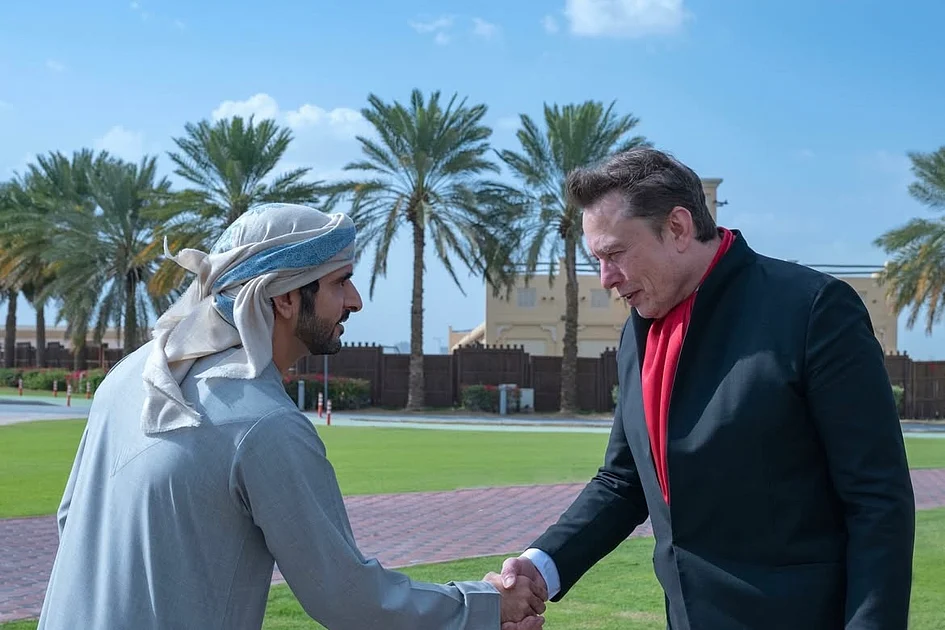
    In a significant meeting of global visionaries, Dubai Crown Prince Sheikh Hamdan bin Mohammed bin Rashid Al Maktoum hosted tech magnate Elon Musk for an extensive discussion on technological innovation and future development strategies. The high-profile encounter, which took place in the royal majlis at Nad Al Sheba, featured candid moments including a personal drive through the city, with Sheikh Hamdan behind the wheel and Musk as passenger.

    The Crown Prince documented the meeting through social media channels, expressing particular enthusiasm about their wide-ranging dialogue concerning space exploration, technological advancement, and humanity’s future trajectory. “I thoroughly enjoyed our comprehensive discussion on space, technology, and humanity,” Sheikh Hamdan stated. “We are genuinely excited to witness what the future holds through such collaborative efforts.”

    Through his official X account, Sheikh Hamdan emphasized the strategic importance of international partnerships, noting: “We take pride in the collaborations that unite the UAE with global economic leaders and change-makers. This reflects our fundamental belief that cooperation serves as the genuine catalyst for progress, and that the coming era demands integrated partnerships between government and private sectors.”

    The meeting notably focused on the groundbreaking Dubai Loop project, which Musk initially unveiled during the World Governments Summit earlier this year. This revolutionary transportation system, scheduled for operational launch in 2026, will feature a 17-kilometer network with 11 stations capable of transporting 20,000 passengers hourly. Utilizing electric vehicles reaching speeds of 160 km/h, the system represents a transformative approach to urban mobility.

    Sheikh Hamdan characterized the project as one that will “revolutionize transportation” throughout the emirate, establishing Dubai as a global capital for digital economy through sustainable future systems. “In Dubai, we are working to consolidate the emirate’s position as a global capital for the digital economy through a sustainable future system that places people at the heart of development,” he affirmed.

    The Dubai Loop constitutes a crucial component of the city’s long-term infrastructure expansion plan, aiming to provide rapid, efficient transportation without intermediate stops while promoting sustainable, electric-powered mobility solutions. This development aligns with Dubai’s broader ambition to redefine transportation paradigms both above and below ground, setting international benchmarks for innovation and urban planning.