标签: Africa

非洲

  • From gunshots to the Africa Cup, Sudanese players endure brutal war to bring hope

    From gunshots to the Africa Cup, Sudanese players endure brutal war to bring hope

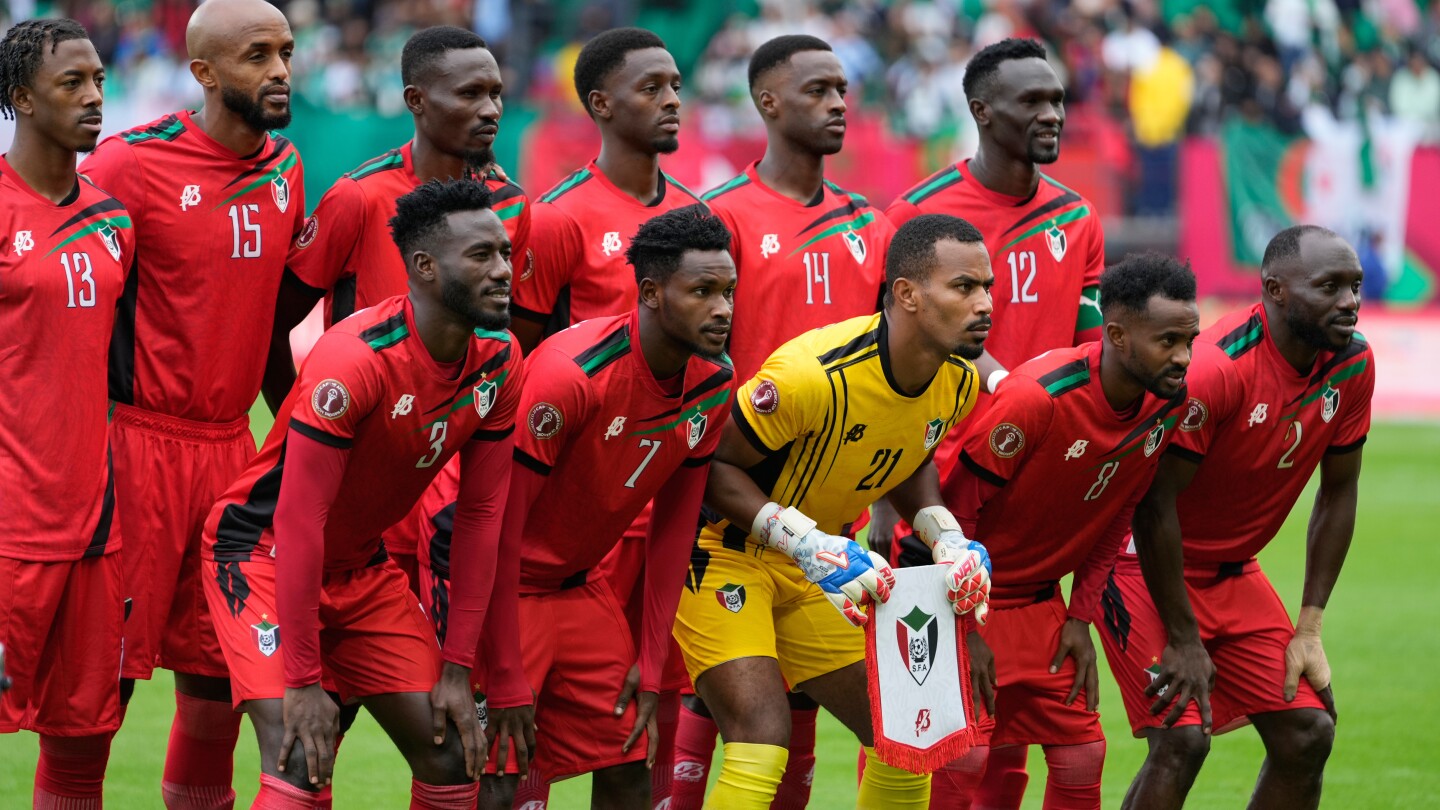
    In the midst of Sudan’s catastrophic humanitarian crisis, the national football team has emerged as an unexpected symbol of resilience and unity for a nation torn apart by conflict. The story of midfielder Ammar Taifour epitomizes the team’s extraordinary journey—from being trapped in a besieged hotel during the initial outbreak of violence to competing on Africa’s grandest football stage.

    When gunfire first erupted outside his Omdurman hotel in April 2023, Taifour initially dismissed the sounds as minor disturbances. Within hours, however, the American-Sudanese player found himself witnessing paramilitary forces surrounding the building and engaging army aircraft in combat. This marked the beginning of a brutal civil war that has since claimed over 40,000 lives and displaced millions according to UN estimates, though aid organizations suggest the actual death toll may be significantly higher.

    Despite these overwhelming challenges, the Falcons of Jediane have achieved the remarkable feat of qualifying for the Africa Cup of Nations while training and playing all qualifying matches abroad. Their stunning victory over Ghana—denying the African powerhouse a tournament spot—stands as testament to their determination.

    For Sudanese citizens worldwide, the team represents a rare source of joy and national pride. Supporters in Rabat created vibrant celebrations ahead of their opening match, waving flags and chanting enthusiastically. Player Mohamed Abuaagla, who lost his uncle due to hospital closures during the conflict, articulated the team’s mission: “We are trying to plant a small seed of a smile in them, despite the hardships they are enduring.”

    The practical challenges facing Sudanese football are immense. The domestic league remains suspended, forcing top clubs Al Merrikh and Al Hilal to compete in neighboring countries’ leagues. The national team itself has been plagued by injuries, with three forwards, the captain, and a full back all ruled out of competition.

    Political analyst Thomas O’Donoghue notes that while the team serves as an apolitical unifying symbol, it cannot single-handedly resolve a conflict involving “numerous domestic and international stakeholders with economic interests in Sudan.”

    Despite losing their opening match to Algeria, Sudan’s subsequent 1-0 victory over Equatorial Guinea has revived hopes of advancement from Group E. As they prepare for their decisive match against Burkina Faso, the players carry the weight of their compatriots’ struggles with them onto the pitch, determined to bring moments of happiness to a nation enduring unimaginable suffering.

  • Heaven will not switch from England to Ghana

    Heaven will not switch from England to Ghana

    Manchester United’s promising teenage defender Ayden Heaven has made a definitive international career decision, opting to represent England instead of Ghana for the upcoming 2026 World Cup. The 19-year-old London-born athlete, who qualifies for Ghana through his grandparent, has been the subject of intense monitoring by the Ghana Football Association due to his rapid development at Old Trafford.

    The young center-back, who transferred from Arsenal in February after making a single appearance for the Gunners, has expressed his commitment to representing England at the senior international level according to sources close to BBC Sport. This decision comes despite Ghana being drawn in the same World Cup group as England, Croatia, and Panama for the tournament scheduled across the United States, Canada, and Mexico.

    Heaven’s journey with England began at various youth levels, though his progress faced a temporary setback when he sustained an ankle injury during an Under-20 match against Switzerland in October. The injury forced his substitution at halftime and excluded him from November’s fixture against Japan.

    Despite these challenges, Heaven has demonstrated remarkable resilience at club level. After making two substitute appearances in the Premier League this season, he earned his first start against West Ham on December 4th, operating as the central figure in a three-man defense. Though booked early and substituted at halftime in that match, Heaven has since started all four subsequent games, showing significant improvement with each outing.

    His performances have drawn particular praise following standout displays against Aston Villa on December 21st, where he excelled despite United’s 2-1 defeat, and especially during Friday’s 1-0 victory over Newcastle. In the latter match, Heaven earned man-of-the-match honors while helping secure only United’s second clean sheet of the season.

    United manager Ruben Amorim has expressed considerable satisfaction with the young defender’s development: ‘I am really pleased with Ayden. You can feel that he is improving every game. He is young, but you can feel that he has a good game, slows the thinking and improves during the game. He trained really well and, if he continues to play like that, it is going to be really hard to take his place.’

  • Central African Republic’s incumbent president, a Russian ally, eyes a third term in key elections

    Central African Republic’s incumbent president, a Russian ally, eyes a third term in key elections

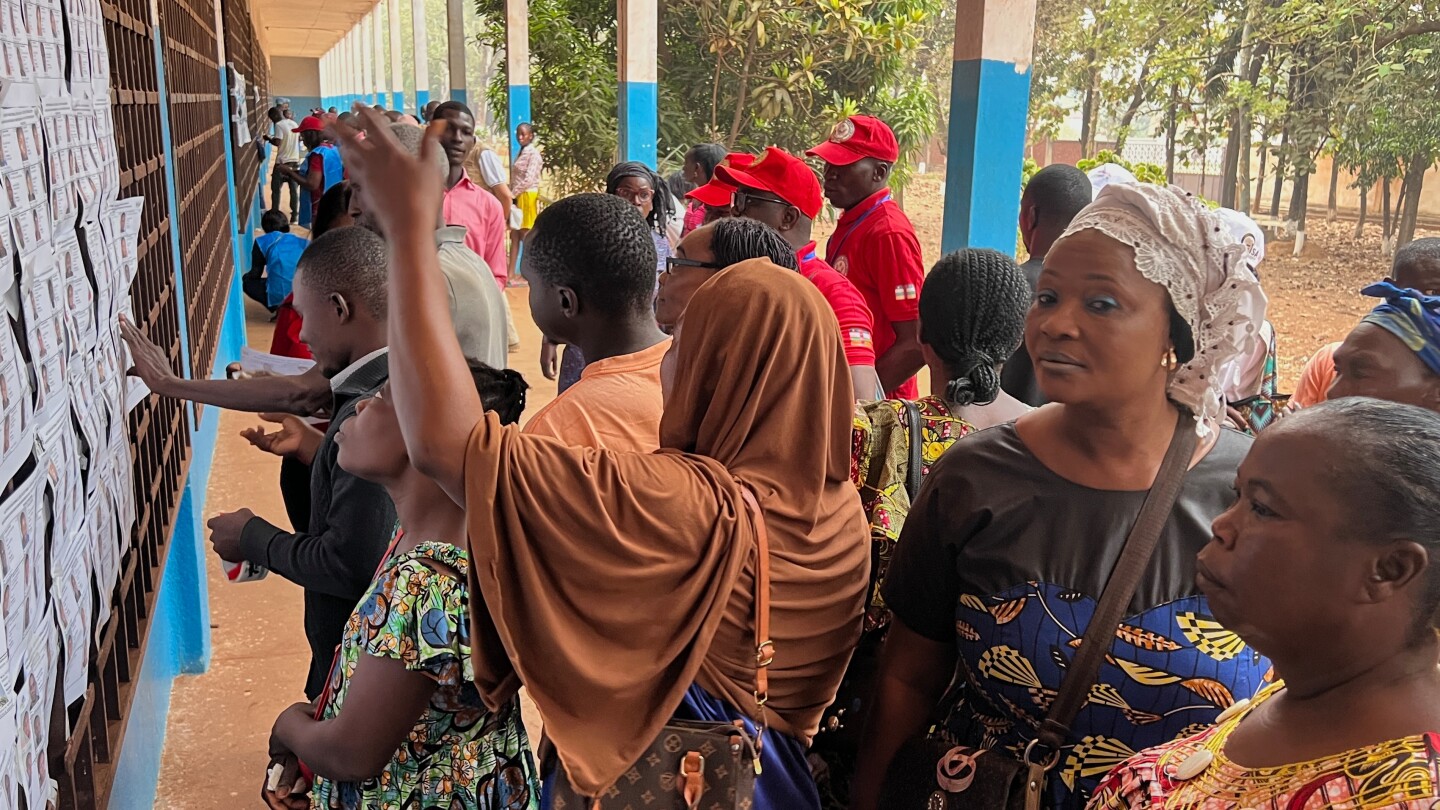
    BANGUI, Central African Republic — Citizens participated in nationwide elections on Sunday to select their next president and parliamentary representatives, with incumbent leader Faustin Archange Touadéra widely anticipated to secure an unprecedented third term. The electoral process, which combined presidential, legislative, regional, and municipal ballots, represented the most extensive voting initiative in the country’s recent history.

    Approximately 2.4 million registered voters participated in the election, which proceeded relatively smoothly despite initial delays at certain polling stations. Voting concluded at 7 p.m. local time, immediately followed by ballot counting procedures. Electoral authorities have not yet released official voter turnout figures.

    President Touadéra, considered Russia’s closest African ally, faced competition from six opposition candidates, including former prime ministers Anicet-Georges Dologuélé and Henri-Marie Dondra. Notably absent was the main opposition coalition, the Republican Bloc for the Defense of the Constitution, which announced an election boycott in October citing an uneven political landscape.

    Analysts project Touadéra’s likely victory would significantly strengthen Russia’s security and economic interests in the mineral-rich nation. This election occurs amidst growing international scrutiny regarding Russia’s military involvement in Africa, particularly the transition from the Wagner mercenary group to the officially sanctioned Africa Corps.

    The Central African Republic has experienced prolonged instability since 2013, when Muslim rebels overthrew then-President François Bozizé. Although a 2019 peace agreement temporarily reduced violence, several armed groups have since resumed hostilities. Touadéra’s campaign emphasized his administration’s efforts to establish peace, stability, and economic recovery for the nation’s 5.5 million citizens.

    International peacekeeping forces, including the United Nations MINUSCA mission with approximately 17,000 personnel, provided crucial security support during the electoral process. However, logistical challenges persisted due to the country’s difficult terrain featuring dense forests, inadequate road infrastructure, and remote communities.

    Provisional results are expected within one week, with potential runoff elections scheduled if no presidential candidate achieves more than 50% of the vote.

  • Guineans vote in first election since 2021 coup with junta leader likely to win

    Guineans vote in first election since 2021 coup with junta leader likely to win

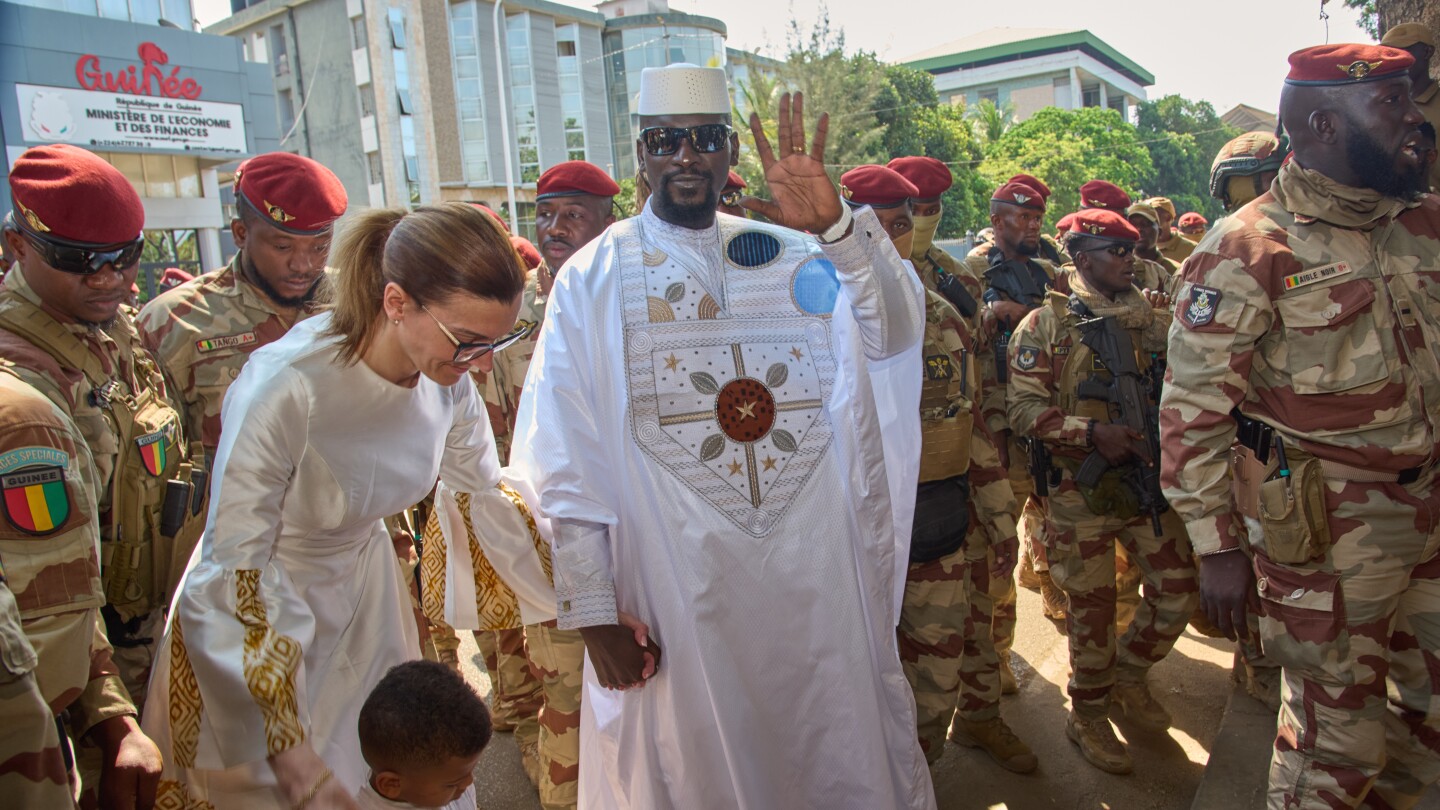
    CONAKRY, Guinea — Guinea concluded its first presidential election since the 2021 military coup on Sunday, with junta leader General Mamadi Doumbouya emerging as the clear frontrunner against a fractured opposition field. The landmark vote marks the culmination of a four-year transitional period initiated after Doumbouya deposed President Alpha Condé.

    The electoral process unfolded under a revised constitutional framework that eliminated prohibitions on military leaders seeking office and extended presidential terms from five to seven years. This constitutional overhaul, approved via referendum last September despite opposition calls for boycott, fundamentally reshaped Guinea’s political landscape.

    Political analysts attribute Doumbouya’s advantageous position to systematic suppression of dissent that has characterized his transitional government. Critics document widespread silencing of civil society voices, abductions of government opponents, and press censorship. The political environment further contracted last year when authorities dissolved over 50 political parties in what they termed a ‘cleansing of the political chessboard.’

    Voter participation appeared subdued nationwide, partially influenced by boycott appeals from excluded opposition groups. Despite Guinea’s status as the world’s leading bauxite exporter, the nation confronts severe economic challenges with over half of its 15 million citizens experiencing record poverty and food insecurity according to World Food Program data.

    The electoral field featured nine candidates, with Doumbouya’s most credible challenger being relatively obscure former education minister Yero Baldé. Prominent opposition figures either faced exclusion on technical grounds or have been driven into exile. Security measures intensified significantly with nearly 12,000 security personnel deployed nationwide following reports of armed groups with ‘subversive intentions’ being neutralized in Conakry.

    While Doumbouya’s campaign emphasized infrastructure development and reforms initiated during his tenure—particularly the massive Chinese-backed Simandou iron ore project—opposition candidates focused on governance reforms and anti-corruption measures. The election represents the latest political development in West Africa’s expanding pattern of military interventions, where at least ten nations have experienced coups in recent years.

    Initial results are anticipated within 48 hours, with a runoff election required if no candidate secures an outright majority.

  • Godfather of Ethiopian jazz plays his last live concert

    Godfather of Ethiopian jazz plays his last live concert

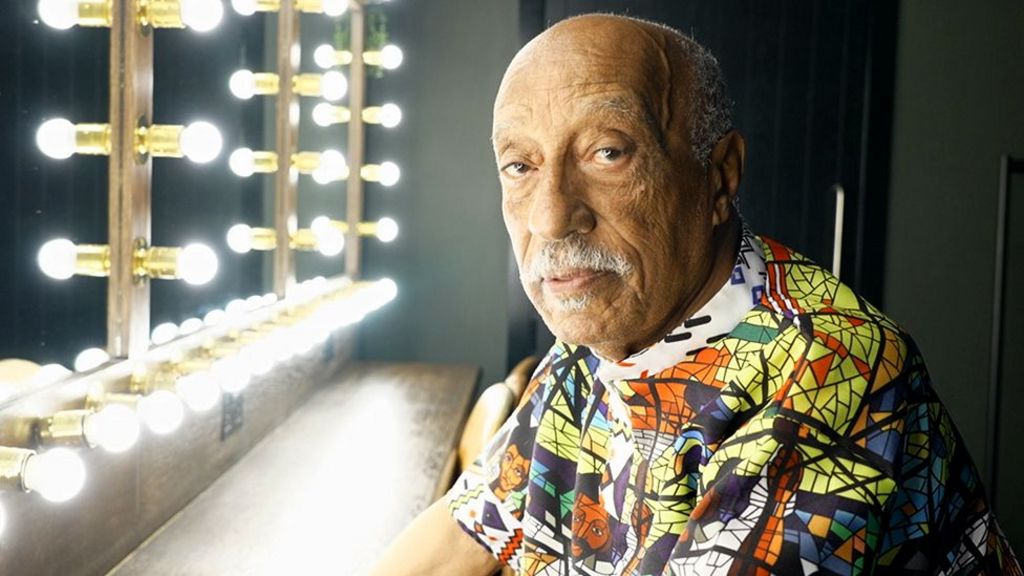
    The curtain has fallen on the illustrious performing career of Ethiopian jazz luminary Mulatu Astatke, who delivered his final live concert in London last month. The 82-year-old maestro, celebrated for pioneering the distinctive Ethio-jazz genre, concluded a remarkable six-decade journey that transformed global perceptions of African music.

    Before an enraptured audience at a West End venue, Astatke—adorned in a shirt featuring artwork by Ethiopian painter Afework Tekle—approached his signature vibraphone with deliberate grace. Navigating past congas, he commenced the evening’s performance with mallets in hand, producing the mesmeric rhythms that have become his auditory signature. The opening piece drew from a 4th Century Ethiopian Orthodox church melody, demonstrating his profound connection to cultural heritage through the pentatonic scales that define his unique sound.

    Astatke’s global breakthrough occurred two decades ago when his compositions featured prominently in Jim Jarmusch’s film Broken Flowers (2005). Subsequent inclusion in the Oscar-nominated adaptation of The Nickel Boys further expanded his international audience. Yet his musical experimentation began much earlier—during the 1960s, he transformed recording studios into laboratories where he synthesized diverse musical traditions into what he terms the ‘science’ of Ethio-jazz.

    The artist’s educational journey proved instrumental to his innovative approach. After initial studies at North Wales’ Lindisfarne College, he became the first African student admitted to Boston’s Berklee College of Music in the 1960s. There he mastered vibraphone and percussion while incorporating Latin jazz elements. His return to Addis Ababa in 1969 catalyzed the ‘Swinging Addis’ era, during which he fused Ethiopian modalities with Western jazz conventions despite initial resistance from traditionalists.

    Throughout political upheavals, including the 1974 deposition of Emperor Haile Selassie that prompted many musicians to emigrate, Astatke remained in Ethiopia continuing his artistic mission. He attributes his deepest inspiration to traditional musicians he reveres as ‘scientists,’ incorporating indigenous instruments like the washint flute, kebero drum, and single-stringed masenqo fiddle into his compositions.

    Contemporary admirers recognize Astatke’s enduring influence across generations. London-based fan Juweria Dino notes that his recordings serve as primary introductions to Ethiopian culture for many international listeners. While acknowledging bittersweet emotions surrounding his retirement from touring, devotees emphasize that his legacy will persist through recordings and ongoing efforts to digitize traditional Ethiopian instruments.

    The artist himself remains committed to promoting Africa’s cultural contributions, asserting that the continent’s musical innovations deserve greater recognition. Though his concert appearances have concluded, Astatke affirms this transition marks not an endpoint but rather a new chapter in his mission to globalize Ethiopia’s rich musical heritage.

  • UAE welcomes UN assessment mission to Sudan’s Al Fasher, calls for unhindered aid access

    UAE welcomes UN assessment mission to Sudan’s Al Fasher, calls for unhindered aid access

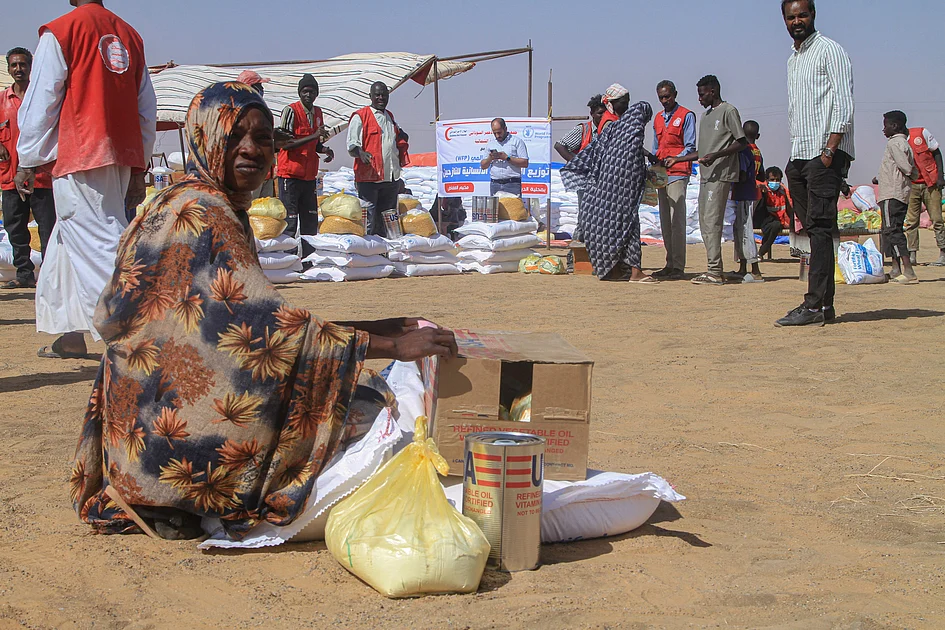
    The United Arab Emirates has formally welcomed the deployment of a United Nations assessment mission to Sudan’s besieged city of Al Fasher, characterizing the development as a critical advancement toward reestablishing humanitarian corridors for civilians trapped in the conflict-ridden region. Reem Al Hashimy, UAE Minister of State for International Cooperation, emphasized that this initial access must evolve into a consistent and reliable operational framework rather than merely symbolic gestures.

    Minister Al Hashimy articulated the urgent necessity for unimpeded aid distribution, stating that assistance must rapidly reach Al Fasher and extend to all vulnerable communities throughout Sudan. She stressed that such operations must adhere strictly to international humanitarian law while ensuring civilian protection. The UAE official further commended United States diplomatic leadership in facilitating the mission and acknowledged the extraordinary efforts of UN agencies, OCHA, and humanitarian partners operating under perilous conditions.

    In her statement, the minister issued a direct appeal to all conflict parties to permit comprehensive humanitarian access across all viable routes nationwide. She called for an immediate humanitarian truce without preconditions, noting that UAE stands prepared to activate its humanitarian logistics capabilities and operational hub resources to accelerate life-saving assistance delivery once access is secured.

    The UAE continues to collaborate with regional and international partners through multilateral frameworks including the Quad, advocating for sustained humanitarian access and an immediate nationwide ceasefire. Additionally, the Emirates has urged the international community to enhance financial support for OCHA and humanitarian organizations to scale operations commensurate with the severe humanitarian crisis unfolding across Sudan.

  • UK restricts DR Congo visas over migrant return policy

    UK restricts DR Congo visas over migrant return policy

    The United Kingdom has implemented stringent visa restrictions against citizens of the Democratic Republic of Congo following unsuccessful negotiations regarding the repatriation of illegal migrants and foreign national offenders. This decisive action comes after the DRC government declined to implement necessary changes aligned with the UK’s recently overhauled asylum framework announced in November.

    According to ministerial statements, the Democratic Republic of Congo failed to meet requirements established under Britain’s strengthened asylum regulations. Consequently, fast-track visa processing for Congolese applicants has been suspended, and preferential treatment previously afforded to VIPs and political figures from the DRC has been revoked indefinitely.

    In contrast, the Home Office confirmed that Angola and Namibia have committed to enhanced cooperation regarding citizen repatriation, thereby avoiding similar sanctions. Both nations had initially faced identical threats alongside the DRC for inadequate collaboration on migration matters. A government insider revealed that Home Secretary Shabana Mahmood remains prepared to extend visa bans to additional countries demonstrating reluctance to accept returning citizens.

    Officials characterized the agreements with Angola and Namibia as the inaugural success stemming from last month’s comprehensive asylum system reforms. These pacts are projected to facilitate the removal and deportation of thousands of individuals lacking legal residence status in the UK.

    The transformative asylum reforms include provisions establishing temporary refugee status, terminating guaranteed housing support for asylum seekers, and creating new capped ‘safe and legal routes’ for UK entry. Minister Mahmood had previously emphasized that visa penalties would target nations failing to cooperate with returns policies, including an ’emergency brake’ mechanism suspending visas for countries with elevated asylum claims until cooperation improves.

    Home Office investigations revealed that returns processes for the DRC, Angola, and Namibia were systematically obstructed through bureaucratic delays, including unprocessed paperwork and requirements for individuals to sign their own documentation—effectively granting them veto power over removals. While acknowledging some preliminary engagement from Congolese authorities, the UK government warned that additional measures, including a comprehensive visa ban, remain imminent unless cooperation improves substantially.

    Home Secretary Mahmood stated: ‘We expect all nations to adhere to established international rules. When their citizens no longer possess legal right to remain here, they must accept responsibility for their return. I express gratitude to Angola and Namibia for their constructive cooperation. The Democratic Republic of Congo now faces a clear choice: accept your citizens or forfeit entry privileges to our nation.’

  • Meet UAE teens who built app to save grandparents’ sea stories from being forgotten

    Meet UAE teens who built app to save grandparents’ sea stories from being forgotten

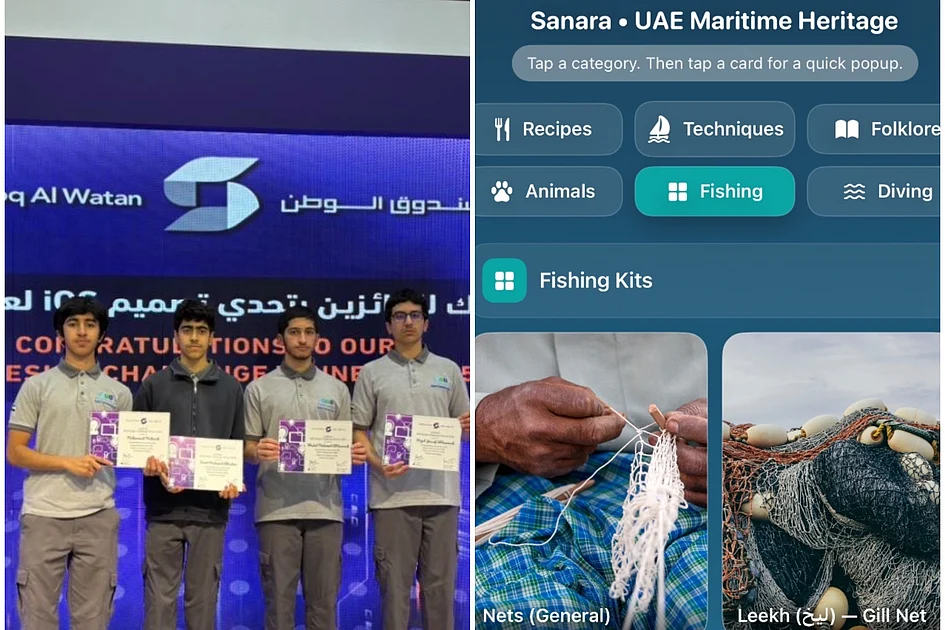
    Four ambitious Emirati high school students have pioneered an innovative artificial intelligence application dedicated to safeguarding the United Arab Emirates’ rich maritime legacy from fading into obscurity. Mohammed AlNuaimi and Khaled AlHammadi, both aged 17, alongside 16-year-old collaborators Saeed AlHashmi and Majid AlHammadi, invested two years developing Sanara—an iOS platform that transforms traditional fishing implements and marine artifacts into interactive cultural repositories.

    The application, named after the Arabic term for ‘fishing hook,’ employs sophisticated AI scanning technology that enables users to capture images of maritime objects through their smartphone cameras. The system instantly generates detailed explanations about the historical utilization and cultural relevance of each item. For example, when directed at a gargoor—a conventional fish trap—the application elucidates its functional purpose and historical significance within Emirati seafaring traditions.

    Despite commencing with no prior expertise in Swift programming language, the determined quartet from Grade 12 at Applied Technology High School mastered the necessary technical skills through self-directed learning. Their most formidable challenge involved perfecting the AI recognition mechanism, which required approximately two weeks of iterative testing and model retraining to achieve operational reliability.

    The development process extended far beyond digital research, incorporating ethnographic fieldwork at the Emirates Heritage Village and conducting in-depth interviews with community elders, including their own family members. The team even filmed their application presentation aboard a traditional dhow while adorned in authentic fishing attire to demonstrate their commitment to cultural authenticity.

    Beyond the core scanning functionality, Sanara incorporates educational modules covering pearl diving customs, traditional Nahma sea chants, regional marine biodiversity, and Reef Words—a vocabulary-based game centered on heritage terminology. Since its debut on the iOS App Store, the application has garnered approximately 1,000 global downloads, receiving positive feedback for its seamless integration of contemporary technology with cultural preservation.

    The project recently secured victory in the National iOS Design Competition organized by Sandooq Al Wattan, culminating in a showcase presentation at ADNEC. While the AI recognition system remains in beta phase with occasional identification inaccuracies, the developers continue to refine its capabilities. They intend to pursue further application enhancements post-graduation, aspiring to inspire younger Emiratis to engage with their maritime ancestry and ensure these oceanic narratives endure for future generations.

  • Dubai: Nervous Kyrgios, unfazed Sabalenka prepare for ‘Battle of the Sexes’

    Dubai: Nervous Kyrgios, unfazed Sabalenka prepare for ‘Battle of the Sexes’

    Dubai prepares to host a groundbreaking tennis spectacle as Australian maverick Nick Kyrgios and women’s world No. 1 Aryna Sabalenka gear up for a revolutionary ‘Battle of the Sexes’ exhibition match at Coca-Cola Arena. The unprecedented encounter, scheduled for December 28, represents a modern reinterpretation of tennis’ most iconic cross-gender competition.

    During Saturday’s media engagement at Atlantis the Royal, the contrasting personalities of both athletes emerged distinctly. Kyrgios, known for his flamboyant court presence, revealed unusual vulnerability acknowledging pre-match nerves about facing the unknown under global scrutiny. Conversely, Sabalenka projected characteristic composure, stating her familiarity with pressure and social media dynamics while expressing desire for a competitive battle.

    The event commences with profound historical context, echoing the legendary 1973 match where Billie Jean King defeated Bobby Riggs before 90 million viewers worldwide. However, organizers emphasize this contemporary iteration transcends mere competition, positioning itself as a cultural moment celebrating gender equality in sports rather than proving women’s capabilities.

    Competition will unfold on a specially configured ‘equaliser court’ featuring modified dimensions and single-serve regulations designed to emphasize tactical intelligence over raw power. Sabalenka humorously noted the adjustments favor her opponent, while Kyrgios countered that the format creates necessary competitive balance given their respective serving capabilities.

    Both athletes bring extraordinary credentials to the exhibition. Sabalenka recently achieved historic back-to-back US Open victories, while Kyrgios ranks among only three players to defeat all ‘Big Three’ legends—Djokovic, Federer, and Nadal. Despite their established careers, both competitors recognize this event’s unique significance in inspiring future generations and demonstrating sports’ unifying potential.

    With sold-out attendance anticipated and substantial digital engagement, Dubai reinforces its status as a hub for innovative sporting experiments. Dubai Festivals and Retail Establishments CEO Ahmed Al Khaja characterized the event as a historic convergence of diverse industries creating a memorable moment for global audiences.

    Beyond entertainment value, this match symbolizes tennis’ evolving landscape where gender, showmanship, and athletic excellence intersect to captivate worldwide attention through bold innovation.

  • Dubai Police warn of accident on E311 near Global Village

    Dubai Police warn of accident on E311 near Global Village

    Dubai Police authorities issued a public safety advisory on Saturday, December 27, 2025, following a traffic incident on Sheikh Mohammed bin Zayed Road (E311). The collision occurred opposite Global Village on the Dubai-bound carriageway, prompting immediate police response and traffic management measures.

    Motorists traveling through the affected corridor were advised to exercise heightened caution and anticipate possible delays due to ongoing emergency operations. Police communications emphasized the importance of maintaining traffic flow and avoiding unnecessary slowdowns near accident sites.

    Authorities reiterated their longstanding warning against rubbernecking—the dangerous practice of slowing down to observe accident scenes. This behavior not only violates UAE traffic regulations carrying a financial penalty of Dh1,000 but also creates secondary hazards. Rubbernecking can impede emergency response teams attempting to reach collision sites and potentially trigger chain-reaction accidents, thereby exacerbating risks to public safety.

    The timely notification demonstrates Dubai Police’s continued commitment to proactive traffic management and accident prevention strategies. Such real-time advisories have become increasingly important on Dubai’s major roadways, particularly during peak travel periods and near high-traffic attractions like Global Village.

    Commuters were encouraged to monitor official channels for updates regarding traffic normalization and to adhere to all police directives when passing through affected areas.