标签: Africa

非洲

  • Chinese national arrested over attempt to smuggle 2,000 queen ants from Kenya

    Chinese national arrested over attempt to smuggle 2,000 queen ants from Kenya

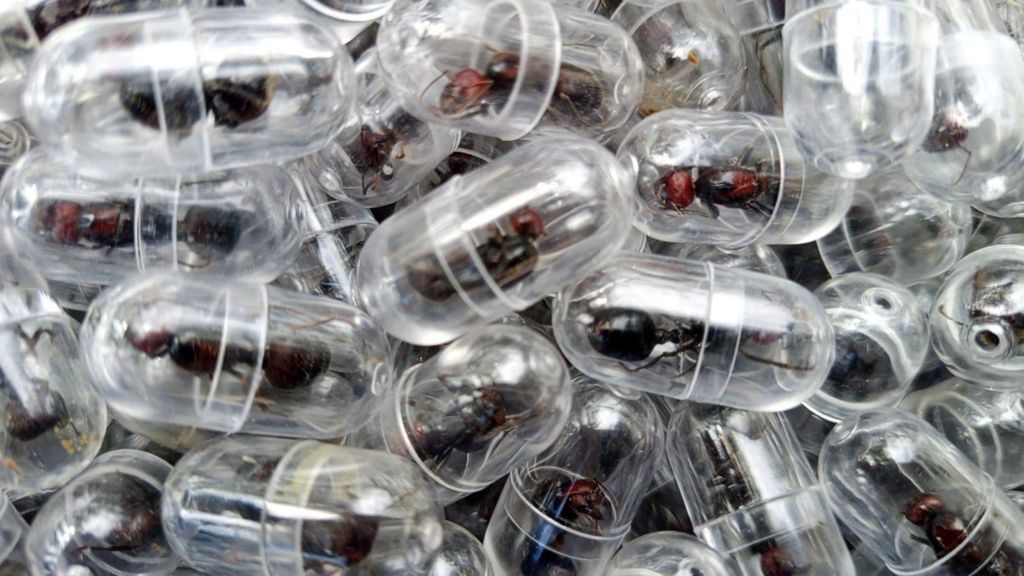
    Kenyan authorities have apprehended a Chinese national at Jomo Kenyatta International Airport (JKIA) in Nairobi on charges of attempting to smuggle over 2,000 protected queen garden ants out of the country. Zhang Kequn was intercepted during routine security screening when officials discovered live ants concealed within his luggage destined for China.

    Investigators revealed the ants were meticulously packaged, with 1,948 specimens contained in specialized test tubes and an additional 300 hidden inside three tissue paper rolls. Prosecutors have requested forensic examination of Zhang’s electronic devices as they believe he is connected to an ant-trafficking network previously disrupted in Kenya last year.

    This incident follows a landmark case in May 2023 where four individuals received prison sentences or substantial fines for similar offenses. The Kenya Wildlife Service (KWS), typically focused on protecting larger wildlife, has identified a growing international demand for these ecologically significant insects, particularly in European and Asian exotic pet markets.

    The court has authorized Zhang’s detention for five days to facilitate further investigation into what authorities describe as an expanding network of wildlife trafficking. Senior KWS official Duncan Juma indicated that additional arrests are anticipated as operations extend to other Kenyan towns suspected of involvement in illegal ant harvesting.

    Giant African harvester ants (Messor cephalotes) are protected under international biodiversity treaties due to their crucial role in maintaining soil health and ecosystem balance. Their removal poses significant threats to local environments, making their trade highly regulated worldwide.
  • Senegal is the latest African country to toughen punishment for homosexual acts

    Senegal is the latest African country to toughen punishment for homosexual acts

    DAKAR, Senegal — In a decisive parliamentary move, Senegal has significantly escalated its legal stance against homosexuality through newly approved legislation that doubles prison terms and imposes substantial fines. The West African nation’s legislative body overwhelmingly endorsed the bill during Wednesday’s plenary session, with nearly unanimous support and only three abstentions.

    The controversial legislation, introduced last month by Prime Minister Ousmane Sonko, reclassifies homosexual acts as ‘against nature’ and increases penalties from the previous one-to-five-year prison sentences to rigorous imprisonment ranging from five to ten years. The bill further criminalizes the ‘promotion’ or ‘financing’ of homosexuality, effectively targeting organizations that support sexual and gender minorities.

    Financial penalties have been substantially heightened under the new framework, with fines reaching up to 10 million CFA francs (approximately $17,609). Notably, the legislation maintains homosexuality offenses as misdemeanors rather than felonies. During parliamentary debates, government ministers contended that the 1966 legislation previously governing such acts was insufficiently punitive.

    The legal text groups homosexuality alongside necrophilia and bestiality under ‘acts against nature’ offenses while paradoxically penalizing unsubstantiated accusations of homosexual acts. The bill now awaits presidential assent from President Bassirou Diomaye Faye, who is widely anticipated to enact it into law.

    This development aligns Senegal with approximately thirty African nations that criminalize same-sex relations, including Kenya, Sierra Leone, and Tanzania where similar decade-long sentences prevail. In several African jurisdictions including Somalia, Uganda, and Mauritania, homosexuality can carry capital punishment.

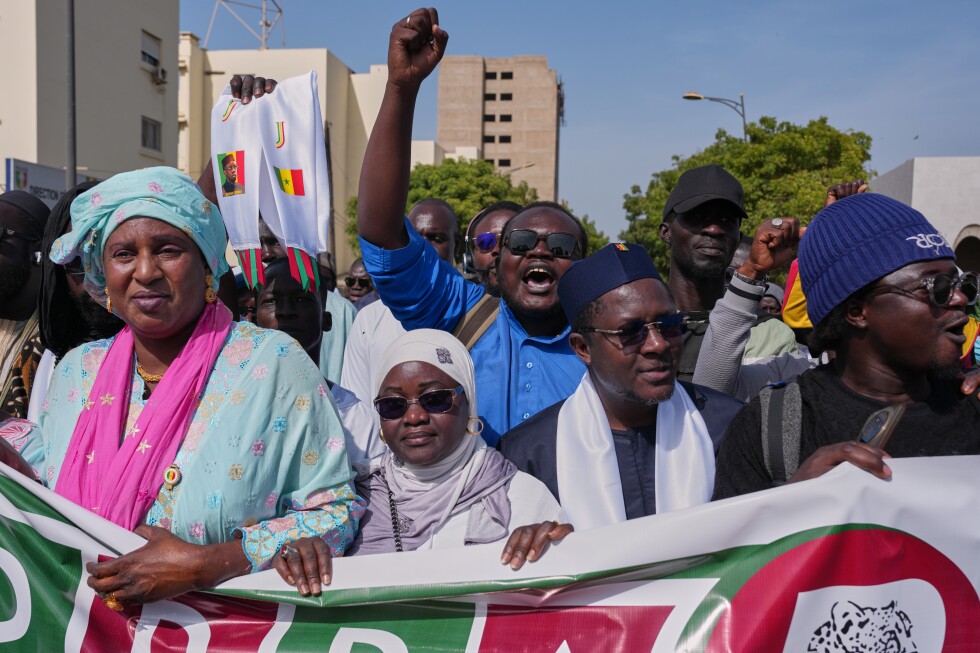
    The legislative action follows weeks of rallies organized by Islamic advocacy groups supporting the measure. Concurrently, Senegalese authorities have intensified crackdowns on alleged LGBTQ+ individuals, resulting in at least a dozen recent arrests. The legislation fulfills a campaign promise by Prime Minister Sonko, who had previously attempted to introduce similar measures while serving in opposition.

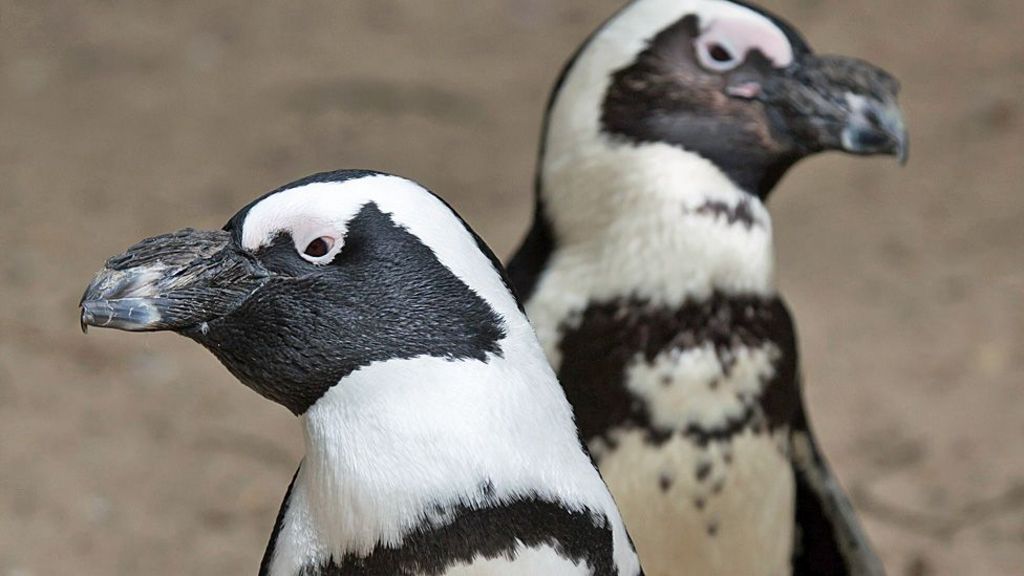
  • Why Namibia’s green energy dream could be a red flag for penguins

    Why Namibia’s green energy dream could be a red flag for penguins

    A monumental green energy initiative in Namibia’s Tsau ǁKhaeb National Park has ignited a complex debate balancing economic development against ecological preservation and historical justice. The Hyphen Hydrogen Energy project, a $10 billion joint venture led by Germany’s Enertrag, aims to transform this pristine desert coastline into Africa’s first large-scale green hydrogen production facility.

    This ambitious plan leverages Namibia’s world-class solar and wind resources to produce clean fuel through electrolysis, with eventual conversion to ammonia for export. The Namibian government maintains a 24% stake in the project, which promises to address the country’s 44% youth unemployment through 15,000 construction jobs and 3,000 permanent positions.

    However, conservationists warn that the industrial development threatens one of Africa’s most biodiverse regions. The 26,000 sq km park, previously protected for a century as Germany’s colonial ‘Sperrgebiet’ (Restricted Area), hosts unique succulents with specialized survival adaptations and provides critical habitat for the critically endangered African penguin. The Namibian Chamber of Environment has labeled the proposal ‘red hydrogen’ due to its potential to push numerous species toward extinction.

    Further complications emerge from the project’s historical context. The proposed port expansion area near Lüderitz borders Shark Island, site of a German colonial concentration camp where thousands of Nama and Herero people were exterminated between 1904-1908. Local activists emphasize the need for respectful engagement with this painful history.

    While Hyphen claims comprehensive environmental assessments and avoidance of sensitive areas, community representatives express skepticism about job specifics and long-term benefits. The final investment decision, expected by late 2026, will determine whether Namibia’s green energy aspirations can coexist with its ecological and historical preservation responsibilities.

  • New US ambassador to South Africa summoned over ‘undiplomatic remarks’

    New US ambassador to South Africa summoned over ‘undiplomatic remarks’

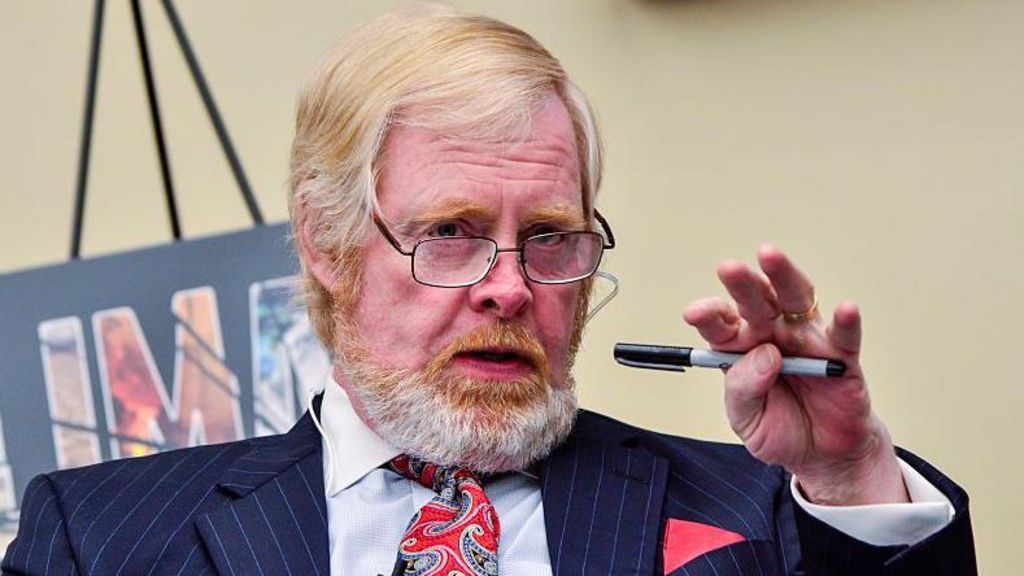
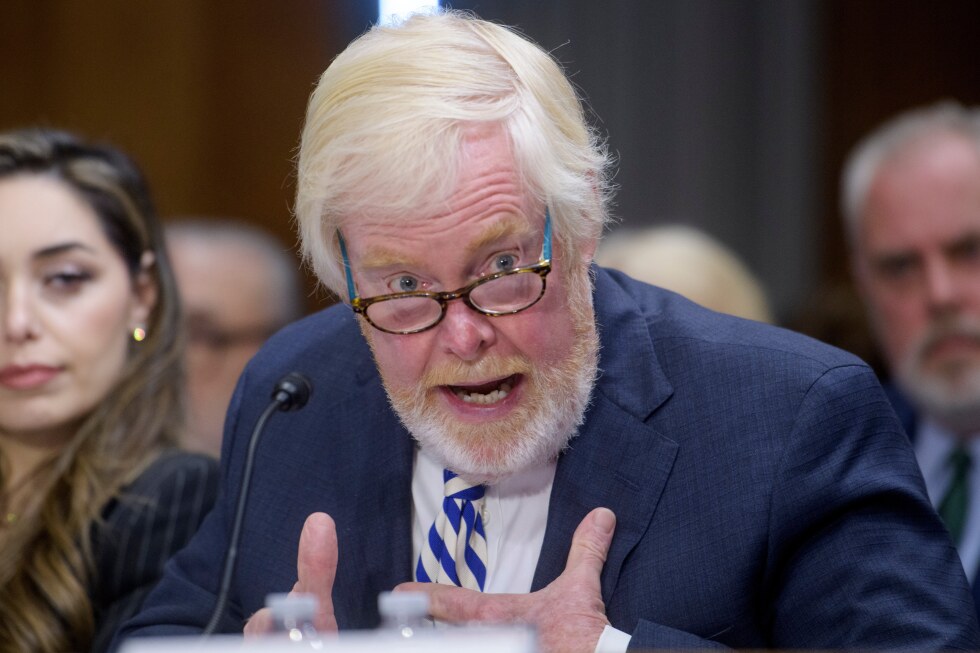
    South Africa has formally summoned US Ambassador Leo Brent Bozell III following controversial remarks he made about the anti-apartheid chant ‘Kill The Boer,’ creating a significant diplomatic rift between the two nations. The newly appointed ambassador, who assumed his position last month, sparked outrage by challenging a South African Constitutional Court ruling that had previously determined the chant does not constitute hate speech.

    The diplomatic confrontation unfolded after Bozell addressed a business gathering in Hermanus on Tuesday, where he presented five areas requiring improvement in South Africa. His comments regarding the judicial system’s handling of the contentious chant were particularly inflammatory, with the ambassador stating he ‘did not care what the courts said’—a remark perceived as disrespecting the country’s legal institutions.

    South Africa’s Department of International Relations and Cooperation issued a formal demarche, expressing the government’s severe disapproval of Bozell’s ‘undiplomatic’ statements. Foreign Minister Ronald Lamola emphasized the reciprocal nature of US-South Africa relations, noting that South African companies maintain substantial investments in the United States.

    Following the diplomatic summons, Bozell issued a clarification and apology on Wednesday. Zane Dangor, Director-General of International Relations, confirmed the ambassador had expressed regret that his comments ‘detracted from any impression that he wanted to work with us constructively.’ Bozell subsequently affirmed that ‘the US government respects the independence of South Africa’s judiciary.’

    This incident occurs against a backdrop of deteriorating relations since President Donald Trump took office. Tensions have escalated over multiple issues including trade policies, diplomatic approaches, and South Africa’s strategic partnerships. Trump has repeatedly criticized President Cyril Ramaphosa’s administration, accusing it of failing to protect white minorities and questioning land reform initiatives.

    Conversely, South Africa has condemned the US decision to prioritize refugee applications from white Afrikaners, maintaining that claims of ‘white genocide’ lack credible evidence. The relationship further strained last year when the US imposed unprecedented tariffs on South African goods, the highest among African nations.

  • South Africa summons new US ambassador over criticism as rift deepens

    South Africa summons new US ambassador over criticism as rift deepens

    JOHANNESBURG (AP) — South Africa’s Foreign Ministry has formally summoned U.S. Ambassador Leo Brent Bozell III to account for his undiplomatic remarks, signaling a severe deterioration in bilateral relations between the former allies. The diplomatic confrontation represents the most strained period in U.S.-South African relations since the end of apartheid in 1994.

    Foreign Minister Ronald Lamola confirmed Wednesday that Ambassador Bozell, appointed by the Trump administration, was called to explain his controversial statements made during a business leaders’ meeting in Pretoria. The ambassador had openly criticized South Africa’s affirmative action policies designed to address historical racial inequalities, comparing them to apartheid-era race laws. He additionally questioned South Africa’s diplomatic relationship with Iran and advocated for changes to land expropriation laws.

    “While South Africa welcomes active public diplomacy and the strengthening of bilateral ties,” Lamola stated at a press conference, “we emphasize that such engagements must remain consistent with established diplomatic etiquette and international protocols.”

    According to Foreign Ministry director-general Zane Dangor, Ambassador Bozell met with South African officials on Tuesday and subsequently “apologized and expressed regret” for his comments. The ambassador later walked back one particularly contentious statement regarding a South African court ruling on an apartheid-era chant, clarifying on social media that his personal views didn’t represent official U.S. government policy.

    The current diplomatic rift follows years of escalating tensions since President Trump’s return to office. The Trump administration has repeatedly characterized South Africa’s foreign policy as anti-American and its domestic policies as anti-white, including baseless claims about targeted violence against white farmers that even conservative Afrikaner groups have disputed.

    The administration has taken unprecedented measures against its largest African trading partner, including expelling South Africa’s ambassador to Washington last year and excluding the nation from Group of 20 meetings hosted in the U.S. this year. This confrontation highlights the profound ideological divide between the Trump administration and South Africa’s Black-led government regarding racial justice, international alliances, and judicial sovereignty.

  • A drone strike hits school and medical center in southern Sudan, killing 17, mostly schoolgirls

    A drone strike hits school and medical center in southern Sudan, killing 17, mostly schoolgirls

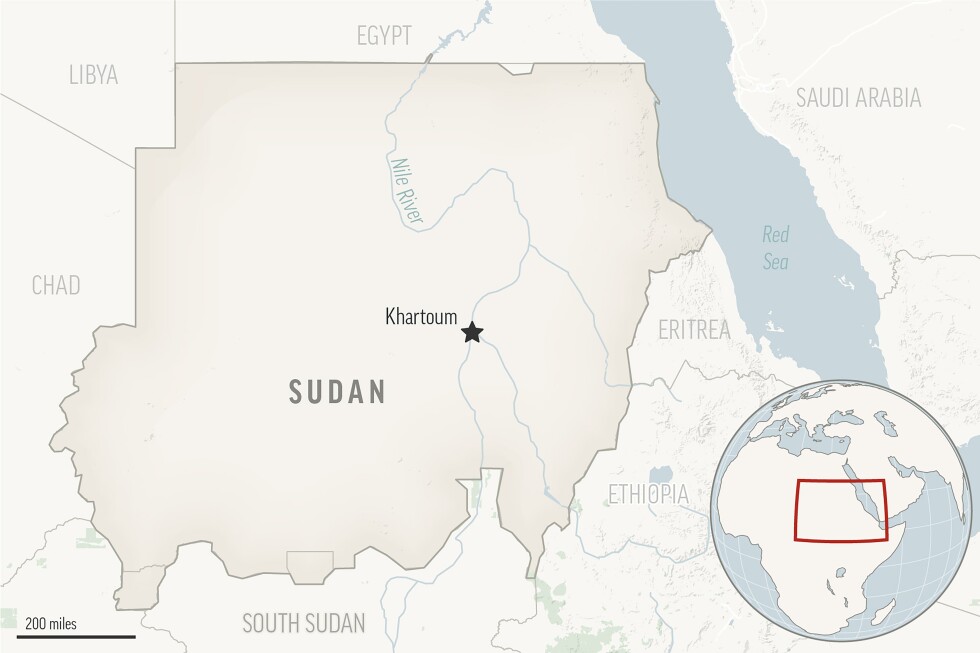
    A deadly drone attack attributed to Sudanese paramilitary forces struck a secondary school and healthcare facility in southern Sudan on Wednesday, resulting in significant civilian casualties. Hospital authorities and medical organizations confirmed at least 17 fatalities, predominantly female students, with 10 additional individuals sustaining injuries.

    The assault occurred in the village of Shukeiri within White Nile province, where medical professionals reported three critically injured girls requiring urgent surgical intervention. Dr. Musa al-Majeri, director of Douiem Hospital, detailed that two victims underwent emergency procedures locally while the third was transferred to Khartoum for specialized care.

    Both the Sudan Doctors Network and hospital officials identified the Rapid Support Forces (RSF) as responsible for the strike, emphasizing the complete absence of military targets in the affected area. The paramilitary organization has not responded to allegations regarding the attack.

    Dr. Razan Al-Mahdi, spokeswoman for the medical group, characterized the incident as part of a systematic pattern of RSF violations in White Nile province, noting recent attacks on civilian infrastructure including student dormitories and power installations.

    This event represents the latest escalation in Sudan’s protracted conflict, which began in April 2023 following the collapse of power-sharing arrangements between the military and RSF. The ongoing violence has primarily concentrated in the Kordofan region, where drone strikes have become increasingly frequent.

    United Nations data indicates over 40,000 conflict-related deaths, though humanitarian organizations suggest actual figures may be substantially higher. The war has been marked by extensive atrocities including mass killings and sexual violence, currently under investigation by the International Criminal Court for potential war crimes and crimes against humanity.

    The October 2023 RSF offensive in el-Fasher, Darfur, resulted in approximately 6,000 fatalities within 72 hours, with UN-commissioned experts describing the assault as bearing ‘hallmarks of genocide.’

  • French aid worker killed in drone strikes in rebel-held DR Congo city

    French aid worker killed in drone strikes in rebel-held DR Congo city

    A French humanitarian worker serving with UNICEF has been killed in a drone attack on the eastern Congolese city of Goma, which remains under rebel control. French President Emmanuel Macron confirmed the death of Karine Buisset in a social media statement, calling for “respect for humanitarian law” in the conflict-ridden region.

    The attack occurred early Wednesday morning when explosive drones struck a residential building frequently occupied by expatriates and aid workers near Lake Kivu. Witnesses reported hearing the distinct buzzing of drones followed by powerful explosions that tore through the structure, creating a large hole in the roof and scattering debris throughout the neighborhood. Social media footage showed flames engulfing the building as thick smoke billowed into the night sky, with panicked residents scrambling for safety.

    The targeted residence was located near the home of former DR Congo President Joseph Kabila, who has been sentenced to death for allegedly supporting the M23 rebels—charges he denies. The rebel group, which seized control of Goma early last year, condemned the attack as a “terrorist act” by government forces.

    Buisset’s colleagues remembered her as a deeply committed humanitarian passionate about child protection programs in the region. UNICEF Cameroon announced that UN flags would be flown at half-mast in her honor, stating “The humanitarian family mourns a woman of conviction.”

    The incident highlights the expanding use of drone warfare in DR Congo’s protracted conflict, which has displaced millions and drawn in regional powers. Both government forces and rebel groups have increasingly deployed explosive drones along front lines, despite multiple ceasefire agreements brokered over the past three years. The latest peace deal, signed in December at the urging of US President Donald Trump, has failed to halt the violence.

    International observers continue to accuse Rwanda of backing the M23 rebels—allegations that Rwanda denies. The conflict continues to devastate eastern DR Congo, with humanitarian workers facing increasingly dangerous conditions as the violence escalates.

  • Floods and landslides kill 30 in southern Ethiopia

    Floods and landslides kill 30 in southern Ethiopia

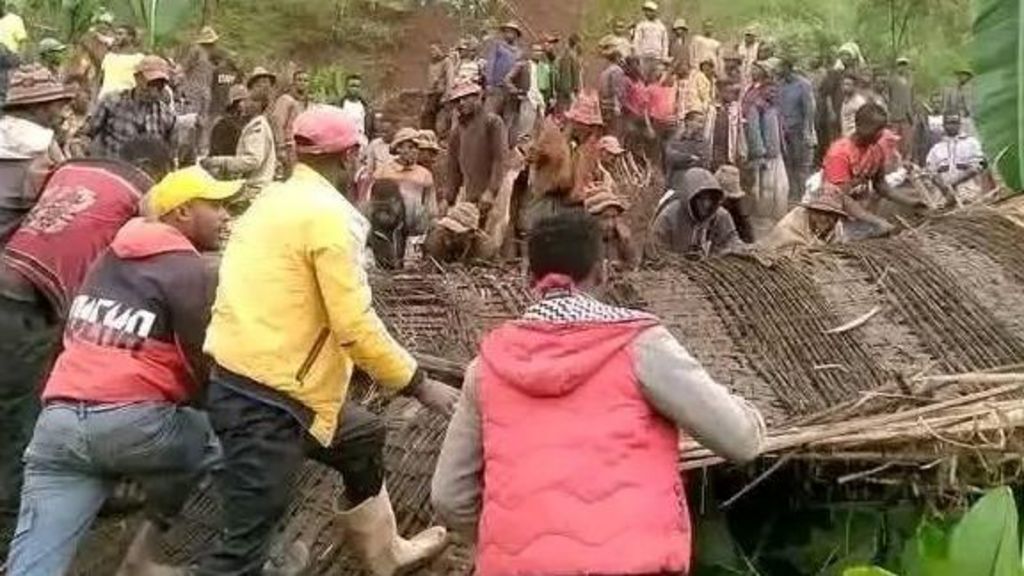
    A catastrophic weather event has struck Ethiopia’s Gamo Zone, resulting in at least 30 fatalities from devastating floods and landslides. The disaster occurred after days of torrential rainfall saturated highland slopes, causing them to collapse without warning.

    Regional authorities confirmed that the most severe impact was concentrated in elevated areas where unstable terrain succumbed to water pressure. The town of Arba Minch and surrounding districts have endured two consecutive days of relentless downpours, inflicting substantial damage to residential properties, critical infrastructure, and agricultural lands.

    Southern Ethiopia Regional State President Tilahun Kebede expressed official condolences via social media, stating: “On behalf of the regional government, I convey profound grief over the tragic loss of our citizens in these climate-induced disasters.”

    The crisis forms part of a broader weather emergency affecting East Africa, with neighboring Kenya reporting similar fatalities. Meteorological experts attribute the intensifying storm patterns to climate change, noting a documented increase in both extreme precipitation events and prolonged droughts across the region over the past twenty years.

    Emergency response teams are currently monitoring the situation as mudslides have obstructed major transportation routes and submerged multiple bridges. Officials have issued renewed warnings about potential additional flooding, urging vulnerable communities to exercise extreme vigilance.

    This tragedy echoes previous disasters in the region, including a July 2024 landslide in Geze Gofa Zone that claimed over 229 lives, highlighting the recurring vulnerability of East African nations to extreme weather events.

  • Young people expect little change as the Republic of Congo heads to a presidential election

    Young people expect little change as the Republic of Congo heads to a presidential election

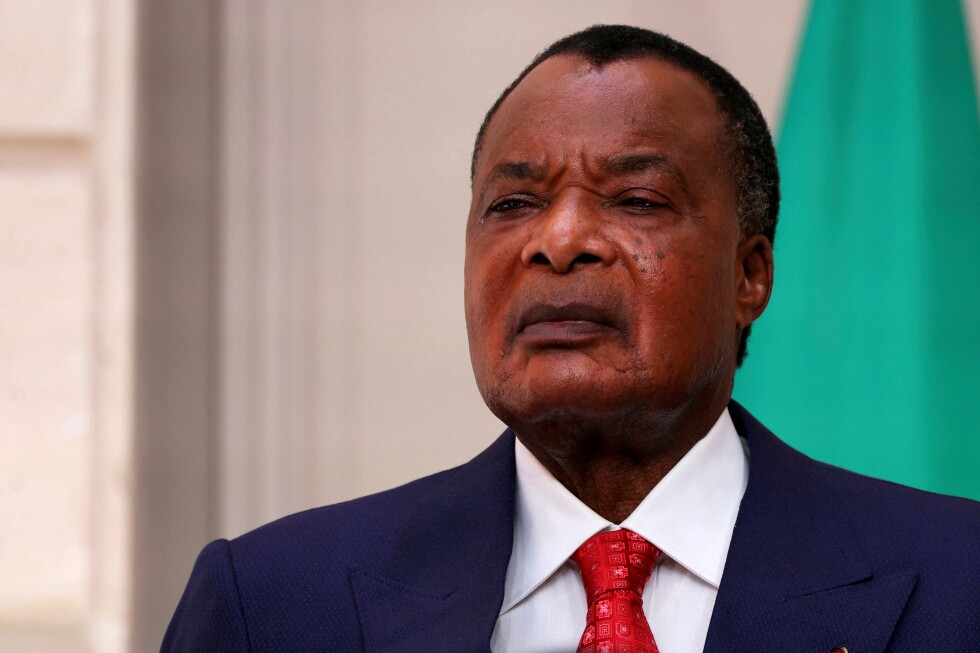
    BRAZZAVILLE, Republic of Congo — As the Republic of Congo prepares for its presidential election this weekend, political analysts anticipate a predetermined outcome with incumbent President Denis Sassou N’Guesso poised to secure another term against a fragmented opposition. The 82-year-old leader, who has governed this Central African nation for a cumulative 42 years, faces minimal challenge from six opposition candidates in an electoral process characterized by widespread public disillusionment.

    Sassou N’Guesso’s political dominance stems from a complex history: initially taking power in 1979, he briefly lost office after finishing third in the 1992 election before reclaiming control through militia leadership following the 1997 civil war. Constitutional amendments in 2015 eliminated presidential age and term limits, effectively cementing his eligibility for perpetual reelection. He currently ranks as Africa’s third-longest serving ruler, trailing only Cameroon’s Paul Biya and Equatorial Guinea’s Teodoro Obiang Nguema Mbasogo.

    The election unfolds against a backdrop of severe economic challenges. Despite the country’s oil wealth, the World Bank reports youth unemployment (ages 15-24) at 41%—nearly double the national average—while the debt-to-GDP ratio has reached 95.4%. This economic distress has fueled electoral apathy, particularly among young citizens who perceive the voting process as meaningless.

    Macaire Epoha, a 38-year-old mathematician working odd jobs in Brazzaville, expressed the prevailing sentiment: “N’Guesso will be re-elected with his usual scores, which are close to 80%. The elections have no bearing on young people.” Similarly, geography graduate Cyprien Massamba, who has driven a taxi for a decade, plans to boycott the election to draw international attention to the nation’s economic crisis.

    Remadji Hoinathy, senior researcher at the Institute for Security Studies, notes that the election primarily serves to “legitimize power without competition.” Opposition candidates face systematic marginalization through intimidation tactics and alleged electoral manipulation, with two major opposition figures already boycotting the process.

    Looking beyond the imminent election, political observers highlight the looming succession question. Given Sassou N’Guesso’s advanced age, this term may represent his final tenure. Attention increasingly focuses on his 51-year-old son, Denis-Christel Sassou Nguesso, currently serving as Minister of International Cooperation, who appears positioned as the political heir.

    Despite campaign promises to accelerate development and agricultural modernization, the government’s message fails to resonate with a population where 47% are under 18. As 28-year-old job seeker Coretta Imongui noted: “The system is locked down by the old guard. However, they will not live forever. I still have hope for my children and grandchildren.”

  • South Africa deploys troops in Johannesburg to tackle organized crime

    South Africa deploys troops in Johannesburg to tackle organized crime

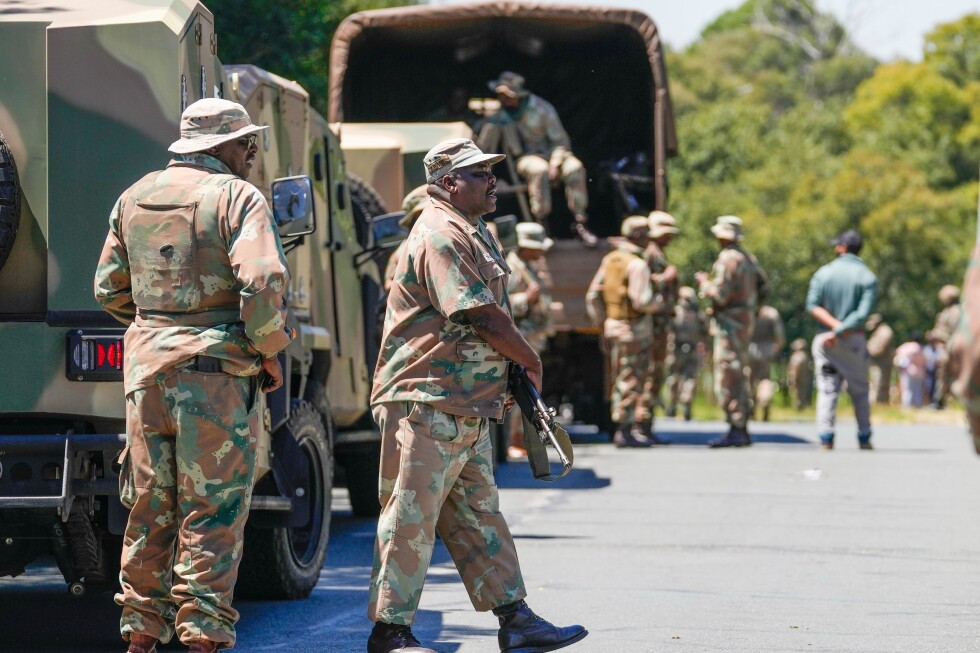
    JOHANNESBURG — In a significant security operation, South African military forces have been deployed across Johannesburg to address escalating organized crime and illegal mining activities. This mobilization follows President Cyril Ramaphosa’s recent announcement designating criminal networks as the foremost threat to the nation’s democracy and economic stability.

    Eyewitness accounts confirmed the presence of soldiers in the Riverlea district, where a convoy of over a dozen military vehicles conducted operations. Troops were observed entering apartment complexes in this suburb, which has been severely impacted by both gang violence and unauthorized mining operations.

    The deployment represents the initial phase of a broader national strategy, with 550 soldiers activated in Gauteng province through April. According to parliamentary documents, this operation will eventually expand to five of South Africa’s nine provinces, targeting illegal mining in Gauteng, North West, and Free State provinces, while concentrating on gang violence in Western and Eastern Cape regions. Certain operations may extend beyond one year based on security assessments.

    Police statistics underscore the urgency: 6,351 homicides occurred between October and December 2025, averaging nearly 70 daily in this nation of 62 million people. The government characterizes illegal mining and gang violence as particularly severe manifestations of organized crime.

    This deployment marks the most substantial military engagement in domestic security since the 2021 civil unrest that resulted in 350 fatalities during COVID-19 lockdown protests. President Ramaphosa emphasized that the decision underwent careful consideration, acknowledging the military’s controversial historical role during apartheid-era suppression of pro-democracy demonstrations.

    While the move has received broad public support, opposition parties interpret it as an implicit acknowledgment of police failure to control crime. The military operates under police command following specialized training in law enforcement protocols, with defense authorities withholding immediate operational details.