标签: Africa

非洲

  • UAE: Amazon Creators Foundry announced to help creators sell products online

    UAE: Amazon Creators Foundry announced to help creators sell products online

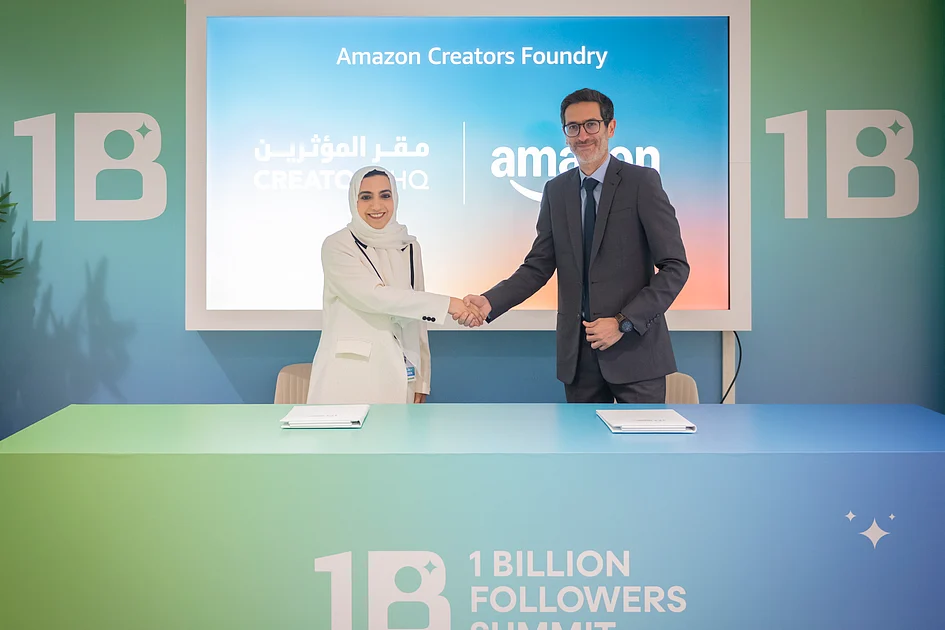
    In a significant move to bolster the creator economy, Amazon has unveiled the Creators Foundry initiative in collaboration with Creators HQ, the Middle East’s first dedicated creators’ hub. Announced during the fourth edition of the 1 Billion Followers Summit in Dubai, this program represents a strategic partnership between Amazon Ads and the UAE Government Media Office.

    The initiative establishes a comprehensive framework to empower UAE-based content creators by providing end-to-end support for launching and scaling product businesses on Amazon.ae. The program addresses the evolving nature of the creator economy, which is rapidly transitioning from content monetization to full-scale entrepreneurship.

    Eligible participants within the Creators HQ network will gain access to Amazon’s extensive infrastructure, seller tools, and global marketplace reach. The program includes specialized education covering retail fundamentals, product development strategies, digital marketing techniques, and brand building in the digital age. Participants will also receive mentorship opportunities and Amazon Ads credits to enhance their market visibility.

    A distinctive feature of the initiative enables creators to expand beyond local markets through Amazon’s global selling registration program, connecting them with hundreds of millions of international customers across Amazon’s worldwide store network.

    Alia Al Hammadi, Vice Chairperson of the UAE Government Media Office, emphasized the strategic importance of this initiative: “The UAE has established itself as a global destination for the creator economy, and Amazon Creators Foundry demonstrates how this vision translates into tangible opportunities for digital entrepreneurs. We’re nurturing a new generation of innovators who will shape the future of commerce and drive the growth of the UAE’s digital economy.”

    Rayan Karaky, Managing Director of Amazon Ads for EMEA and Southeast Asia, noted the transformative nature of the program: “The creator economy is entering a phase where influence meets innovation. Creators understand their audiences better than anyone—they know what truly resonates and what their communities want. Amazon Creators Foundry bridges the gap between these unique insights and commercial success.”

    The announcement coincided with the 1 Billion Followers Summit, which brought together over 15,000 content creators and influencers alongside 500 speakers representing a combined global audience of 3.5 billion followers. This initiative reinforces the UAE’s position as a leading global hub for the digital creator economy and innovation ecosystem.
  • He once criticised African leaders who cling to power. Now he wants a seventh term

    He once criticised African leaders who cling to power. Now he wants a seventh term

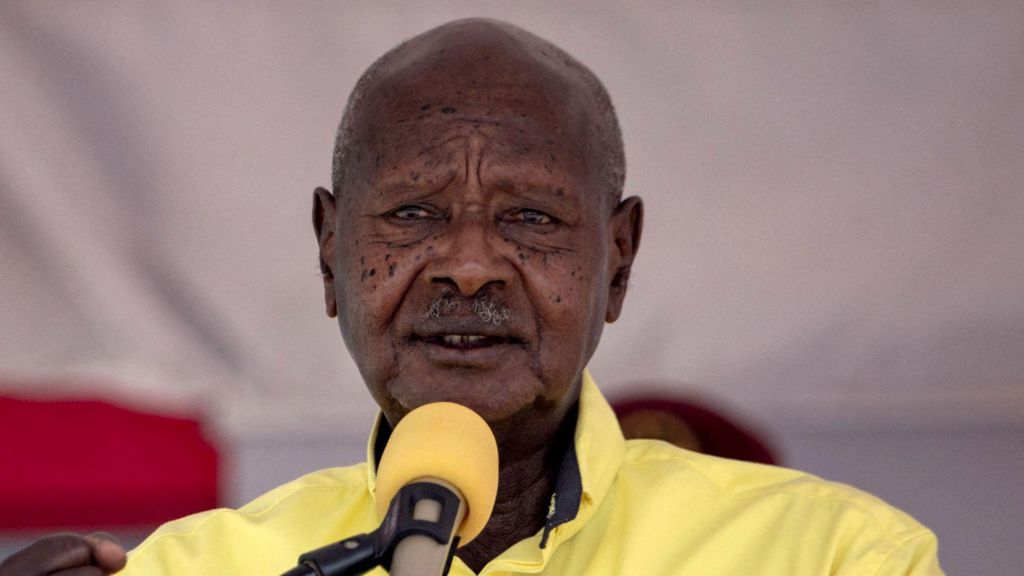
    President Yoweri Museveni’s remarkable 38-year tenure continues to define Uganda’s political landscape, with over three-quarters of the population having never experienced alternative leadership. The 81-year-old leader, who assumed power through armed rebellion in 1986, maintains firm control despite growing international concern about democratic backsliding.

    Museveni’s administration has delivered notable achievements including sustained economic growth averaging over 6% annually for a decade, doubled primary school enrollment, and successful HIV/AIDS mitigation programs. These developments initially positioned him as a favored partner among Western nations. However, his governance approach has increasingly drawn criticism for systematically undermining democratic institutions and political opposition.

    The constitutional landscape has evolved significantly during Museveni’s rule. In 2005, term limits were abolished, followed by the 2017 elimination of presidential age restrictions—a controversial move that sparked violent parliamentary clashes. These changes have effectively paved the way for potential lifelong presidency.

    Opposition figures face severe challenges under Museveni’s regime. Dr. Kizza Besigye, the president’s former personal physician turned political rival, has endured repeated arrests and prosecutions since first challenging Museveni in 2001. Most recently, he mysteriously disappeared in Nairobi only to reappear in Ugandan military custody. Contemporary opposition leader Bobi Wine, leveraging his celebrity status to mobilize youth support, has faced similar persecution including treason charges and violent suppression of his gatherings.

    International observers have documented concerning patterns of state violence. United Nations reports indicate security forces routinely employ live ammunition against peaceful assemblies and utilize unmarked vehicles for abductions. The judiciary faces allegations of compromised independence through the appointment of ‘cadre judges’ loyal to the administration.

    The president’s family has assumed prominent roles within government structures. First Lady Janet Museveni serves as Education Minister while their son General Muhoozi Kainerugaba commands the military. The recent enlistment of Museveni’s grandson has further fueled concerns about dynastic succession planning.

    Despite these developments, Museveni’s supporters highlight Uganda’s relative stability and humanitarian contributions. The nation currently hosts approximately 1.7 million refugees fleeing regional conflicts—a dramatic reversal from Uganda’s historical role as a refugee exporter. The administration continues pursuing foreign investment partnerships with China, the UK, and UAE as part of its Vision 2040 development strategy.

    As Museveni campaigns for a seventh term, he maintains his signature blend of paternalistic rhetoric—referring to young supporters as ‘Bazukulu’ (grandchildren)—and demonstrations of physical vitality. However, questions about succession planning and democratic integrity continue to overshadow his legacy of stability and development.

  • Dubai: How Yes Theory built a highly successful brand centred on kindness

    Dubai: How Yes Theory built a highly successful brand centred on kindness

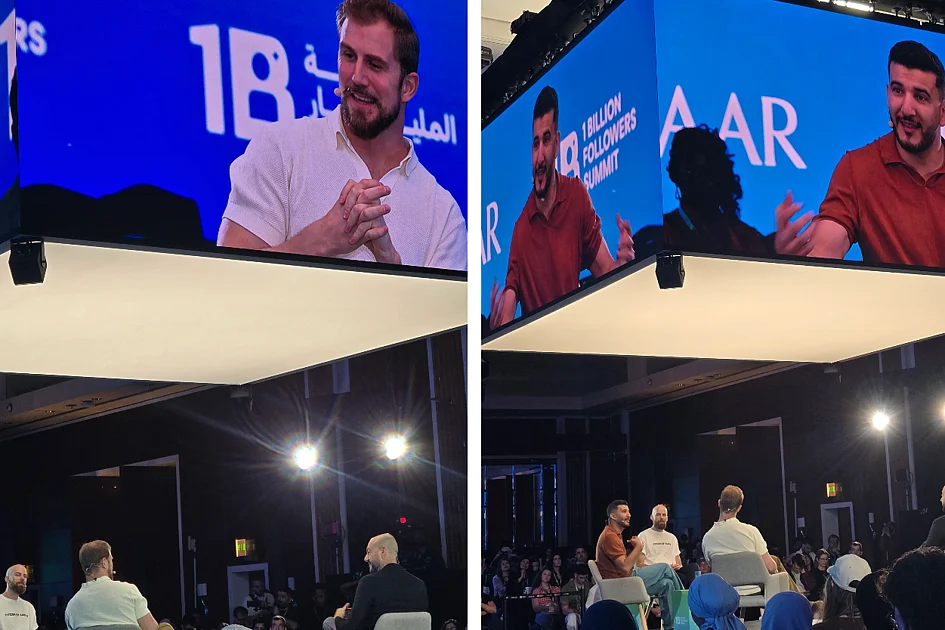
    At the recent 1 Billion Followers Summit in Dubai’s Jumeirah Emirates Towers, the founders of Yes Theory revealed how their radical approach to content creation transformed a simple idea into a global digital phenomenon. What began in 2015 as an experimental project among strangers has evolved into a YouTube powerhouse with 9.8 million subscribers, built upon principles of human connection, curiosity, and intentional discomfort.

    Co-founder Thomas Brag recounted the brand’s humble origins during a panel discussion, noting, “We were just strangers. He was crashing on my couch, literally.” This personal beginning established an authentic foundation that would become central to their success. The group discovered the transformative power of embracing fear, saying yes to opportunities, and approaching life with open-hearted compassion.

    The journey from casual content creation to business sustainability required balancing artistic vision with commercial realities. Brag emphasized the necessity of embracing both creative and entrepreneurial roles: “For us, it’s about embracing the startup founder just to empower the artist.” This dual approach proved essential for longevity in YouTube’s highly competitive and ever-evolving landscape.

    Financial sustainability emerged through their clothing brand, Seek Discomfort, which has generated approximately $552,000 (Dh2 million) in revenue since May 2024. Co-founder Ammar Kandil explained how this venture enabled creative freedom: “Ultimately, having revenue coming from Seek Discomfort allowed us to invest in projects that I don’t know if we would have been able to do if we were just relying on brand deals or AdSense.”

    The brand’s success demonstrates the power of values-driven creation. Kandil referenced the ‘1,000 true fans’ theory, noting that genuine audience connection emerges when work originates from honest personal values and self-reflection. Their multi-founder structure also provided resilience, allowing members to rotate creative leadership while preventing burnout and maintaining momentum.

  • US attack on Venezuela an erosion of intl law, African experts say

    US attack on Venezuela an erosion of intl law, African experts say

    African policy specialists are raising alarms that recent US military actions against Venezuela represent a dangerous erosion of international legal standards, potentially signaling a return to coercive power politics that could disproportionately impact resource-rich yet institutionally vulnerable nations across Africa.

    According to security analysts, the unilateral intervention outside United Nations frameworks marks a significant departure from rule-based international relations. Melha Rout Biel, Executive Director of South Sudan’s Institute for Strategic and Policy Studies, characterized the development as undermining global norms that protect national sovereignty and prevent coercion in international disputes.

    “The attempt to remove a sitting president under foreign jurisdiction while claiming respect for international law represents a fundamental contradiction,” Biel stated. “Such actions risk normalizing coercive intervention and establishing precedents that could threaten sovereignty throughout Africa and other resource-rich regions.”

    The analysis suggests that vulnerable states possessing significant oil, mineral and strategic resources may increasingly face external pressure disguised as legal or security measures if unilateral intervention becomes normalized. Biel emphasized that this concern extends beyond Venezuela, with Africa and parts of Asia facing comparable risks should power begin to replace law in international relations.

    Nigerian policy expert Olusoji Ajao, founder of Afrocentric Masterclass, noted that interventions bypassing multilateral institutions rarely achieve sustainable governance improvements. “Historical evidence demonstrates that these approaches tend to fracture societies rather than reform them,” Ajao explained, adding that sanctions and coercive measures typically impose severe social and economic costs on civilian populations while failing to produce political solutions.

    The African Union has reaffirmed its commitment to international law principles including sovereignty and territorial integrity, while multiple African nations including South Africa, Democratic Republic of Congo, Somalia, Liberia, Ghana and Namibia have called for urgent action to uphold the UN Charter and protect Venezuela’s sovereignty.

    African experts conclude that sustainable solutions must emerge through inclusive political dialogue rather than external imposition, warning that the continent must develop unified positions to prevent becoming collateral damage in great power competitions, as occurred during the Cold War era.

  • Flydubai cancels flights to Iran until January 11 amid protests

    Flydubai cancels flights to Iran until January 11 amid protests

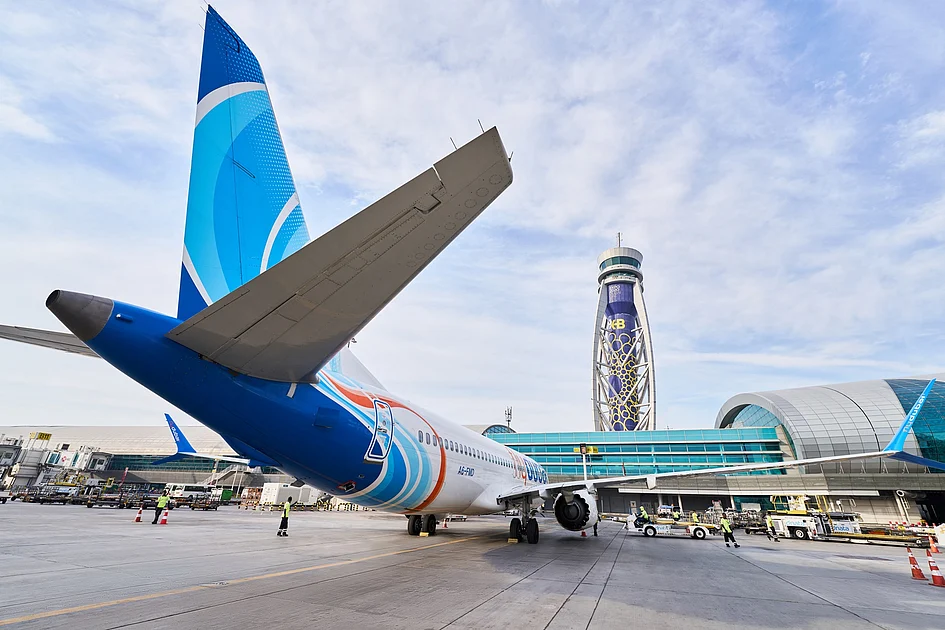
    Dubai-based carrier flydubai has officially extended flight cancellations to Iran through January 11, 2026, citing ongoing civil unrest and security concerns within the country. The airline specifically suspended operations to Bushehr Airport (BUZ) and Esfahan Airport (IFN) as widespread protests continue to disrupt normal operations.

    The decision comes amid escalating tensions in Iran where demonstrations that began on December 28 over economic grievances have evolved into broader political challenges. Authorities have implemented severe measures including nationwide internet restrictions, creating operational challenges for international airlines.

    Flydubai issued an official apology to affected passengers, emphasizing that passenger and crew safety remains their paramount concern. The airline has established direct communication channels with impacted travelers regarding rebooking alternatives and refund procedures.

    Passengers holding reservations for Iran routes are advised to contact the airline’s Dubai-based customer service center, visit official travel shops, or coordinate with their booking agents. The carrier also recommended that travelers maintain updated contact information through the ‘Manage your booking’ portal on flydubai.com for real-time flight status updates.

    This marks the second cancellation announcement from flydubai, which previously suspended Iran flights on January 9 amid similar concerns. The extended suspension reflects the airline’s cautious approach to the evolving security situation in the region.

  • Musk’s X to open source new algorithm in seven days

    Musk’s X to open source new algorithm in seven days

    In a significant transparency move, Elon Musk declared via his social media platform X that the company will publicly release its new recommendation algorithm, including complete code for both organic and advertising content distribution, within seven days. This unprecedented disclosure marks a radical shift in how social media platforms traditionally guard their proprietary algorithms.

    The announcement, made on Saturday, establishes a recurring monthly release cycle where X will provide comprehensive developer documentation alongside code updates. This initiative aims to offer external observers detailed insights into the platform’s algorithmic evolution and content prioritization mechanisms.

    This development occurs against the backdrop of intensified regulatory pressure from European authorities. The European Commission has formally extended its retention order concerning X’s algorithms and illegal content dissemination practices until December 2026, as confirmed by spokesperson Thomas Regnier. This regulatory action originated from ongoing investigations into potential algorithmic bias and data extraction violations.

    Simultaneously, X faces mounting criticism regarding its AI image generation capabilities. The platform’s Grok feature has reportedly enabled widespread creation of nonconsensual sexualized imagery through simple text prompts. According to experts and watchdog organizations, including The Midas Project and the National Center on Sexual Exploitation, X failed to implement adequate safeguards despite prior warnings about potential misuse.

    Tyler Johnston of The Midas Project stated, ‘We previously cautioned that xAI’s image generation essentially functioned as a weaponizable nudification tool—precisely what has now materialized.’ Legal representatives emphasize that X neglected to remove abusive training materials or ban users requesting illegal content, raising serious ethical and legal concerns about the platform’s content moderation policies.

    Musk’s response to the controversy involved posting laugh-cry emojis alongside AI-modified images of public figures, further intensifying debate about the platform’s approach to serious ethical issues surrounding artificial intelligence and user safety.

  • Sudan’s government returns to capital after nearly 3 years of war

    Sudan’s government returns to capital after nearly 3 years of war

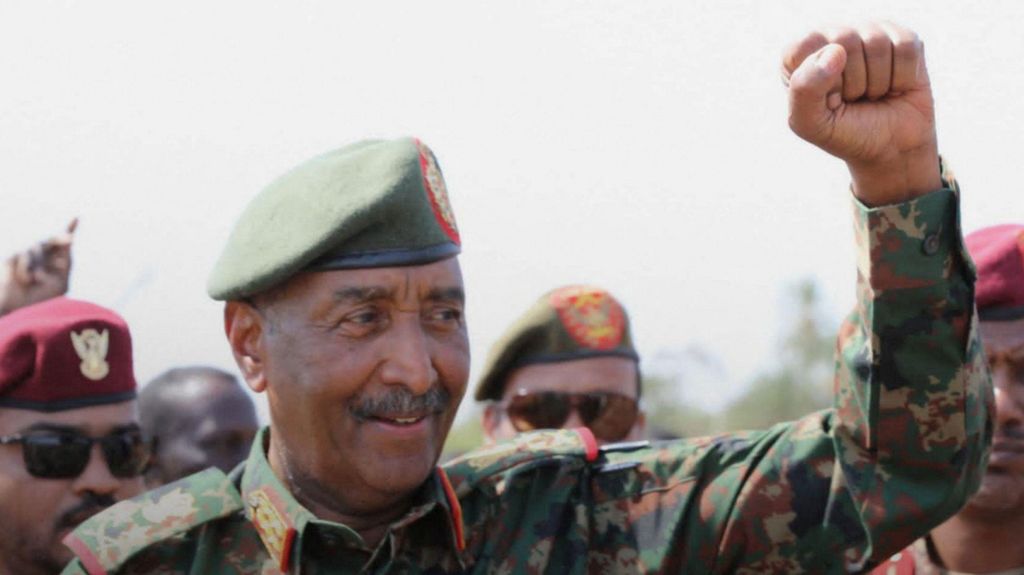
    In a landmark development for Sudan’s protracted civil conflict, the nation’s military-led administration has officially reestablished its presence in the capital city of Khartoum after operating from a provisional headquarters in Port Sudan for nearly three years. The symbolic return marks a significant shift in the country’s turbulent political landscape.

    Prime Minister Kamil Idris formally announced the government’s restoration during a press conference on Sunday, characterizing the administration as a ‘government of hope’ committed to addressing the severe humanitarian challenges facing Khartoum’s residents. The capital had endured brutal occupation by the paramilitary Rapid Support Forces (RSF) since April 2023, when violent power struggles erupted between military leadership and the RSF command.

    The reconquest of Khartoum by national army forces last March represented a critical strategic victory after extensive urban combat that left substantial portions of the metropolitan area in ruins. United Nations assessments indicate approximately five million civilians fled the city during the conflict’s most intense phases, while those remaining endured systematic looting and property seizures by RSF fighters.

    Prime Minister Idris outlined immediate priorities including restoration of essential services—particularly electricity, water infrastructure, healthcare systems, and educational institutions—which UN officials had previously reported were ‘barely functional’ as recently as October. The administration simultaneously declared 2026 as a ‘year of peace’ for Sudan, where conservative estimates indicate at least 150,000 fatalities and approximately 12 million displacements throughout the conflict period, creating what international organizations describe as the world’s most severe humanitarian crisis.

    The initial violence originated from the dissolution of Sudan’s ruling coalition, specifically the fracture between army commander General Abdel Fattah al-Burhan and his former deputy Mohamed Hamdan Dagalo, who commands the RSF paramilitary group. Both factions have faced extensive allegations of human rights violations during the conflict, with foreign powers accused of exacerbating hostilities through weapon shipments and strategic support. Recent diplomatic scrutiny has particularly focused on the United Arab Emirates’ alleged backing of RSF forces, claims which Emirati officials vehemently deny.

  • Dubai: Will Smith reveals the most ‘Aura-Farming’ moment from his new survival docuseries

    Dubai: Will Smith reveals the most ‘Aura-Farming’ moment from his new survival docuseries

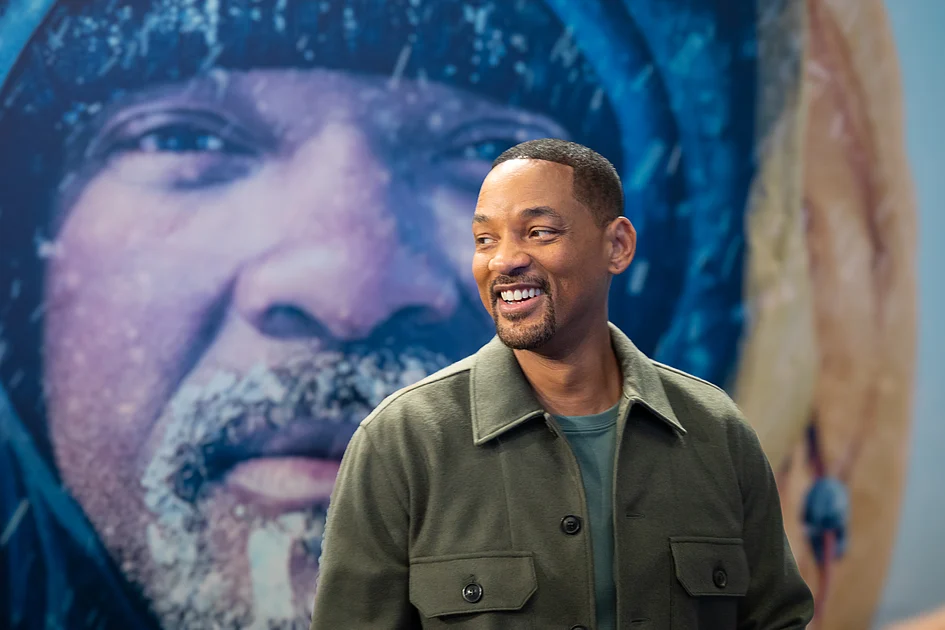
    DUBAI — Hollywood icon Will Smith unveiled profound insights about human nature and humility during the Dubai premiere of his groundbreaking survival docuseries ‘Pole to Pole with Will Smith’. The seven-part National Geographic production, scheduled for Disney+ UAE release on January 13, documents the actor’s extraordinary journey across all seven continents within 100 days.

    During an exclusive red carpet interview, Smith identified his most intense ‘aura-farming’ moment as the North Pole scuba dive beneath polar ice. ‘That was the sketchiest thing there,’ Smith revealed. ‘It’s profoundly disconcerting to be underwater and realize you can’t surface directly upward due to solid ice above you. The tether becomes your literal lifeline as you search for the entry point.’

    The concept of ‘aura farming’—a Gen Z term for cultivating charisma through impressive actions—took on deeper meaning throughout Smith’s expedition. Rather than merely accumulating social credibility, the experience evolved into an existential exploration of human vulnerability. Smith’s production team implemented an innovative approach where the actor received mission briefings directly on camera, ensuring authentic reactions to extreme challenges including ice wall climbing, cave exploration, and wildlife tracking in dense jungles.

    ‘Confronting fear represents a fundamental human necessity,’ Smith reflected. ‘Most human errors stem from fear-based decisions. This journey allowed me to operate at my psychological and physical edges while learning to maintain composure facing existential threats.’

    The series pays tribute to Smith’s late mentor who encouraged philosophical exploration, transforming the project into both geographical adventure and anthropological study. Surprisingly, Smith discovered more human commonality than difference across diverse cultures. ‘People everywhere struggle with similar fundamental life challenges despite superficial differences in appearance or language,’ he observed.

    The most transformative realization emerged from recognizing humanity’s limited control over nature. ‘We operate under the illusion of control until facing raw natural forces,’ Smith noted. ‘The ocean could rise without warning, reminding us of our insignificance. There’s profound humility in recognizing nature’s ultimate authority.’

    Ultimately, Smith’s expedition redefined ‘aura farming’ as not merely accumulating cool points but emerging from extreme experiences with deepened human connection and renewed perspective on our place in the natural world.

  • From receptionist to manager: UAE expats share secret behind rapid career growth

    From receptionist to manager: UAE expats share secret behind rapid career growth

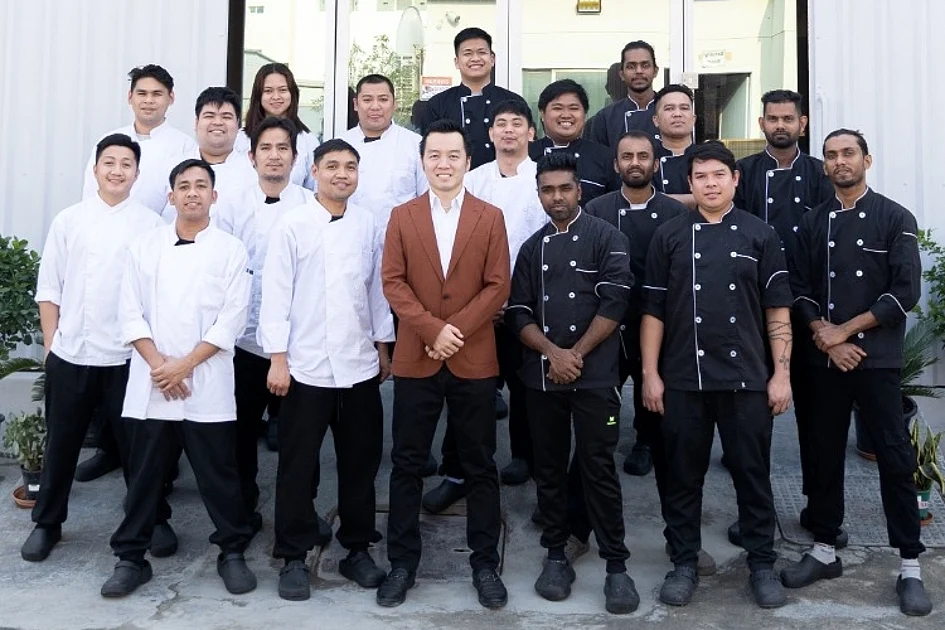
    In an inspiring demonstration of career transformation, several expatriates in the United Arab Emirates have achieved extraordinary professional growth through strategic reinvention and dedicated skill development. Their journeys, facilitated by a forward-thinking employer, reveal a powerful blueprint for career advancement in dynamic markets.

    Fatima De Guzman, formerly an English educator in the Philippines, arrived in the UAE in 2019 and accepted an entry-level receptionist position. Through seven years of progressive development, she now oversees human resources and administrative operations for a 400-employee organization, managing complex functions including recruitment, compliance, and employee relations.

    Parallel success stories emerge within the same organization: Ken Barona transitioned from IT background to culinary specialist during Dubai’s 2020 pandemic recovery, subsequently mastering operations and financial management to become a senior operations executive. Rodessa ‘Dessa’ Marie Alivarvar leveraged her computer engineering education to lead creative design teams for restaurant branding, while Sri Lankan national Munsith Ahamed expanded his graphic design expertise into videography and photography.

    These transformations were catalyzed by Takahiro Mogi, founder of the TKI Group, who himself deliberately stepped down from restaurant management in Singapore to work as a Dubai waiter in 2017. His six-month immersion strategy provided crucial market insights that enabled him to establish a thriving network of 10 Japanese restaurants and a premium Wagyu beef import business serving the UAE and Saudi Arabia.

    The cornerstone of this success model is Mogi’s institutionalized learning ecosystem. The company invests significantly in employee development through professional management training, specialized technical courses, and practical on-site instruction from industry experts. This educational framework emphasizes not only technical proficiency but also judgment development, personal responsibility, and leadership cultivation.

    Employees report that this commitment to continuous learning has eliminated burnout, enhanced productivity, and fostered profound organizational loyalty. The company’s philosophy encourages role exploration beyond comfort zones, with tuition support for skill acquisition that benefits both individual careers and organizational capabilities.

    These narratives reflect broader patterns among UAE expatriates who leverage adaptability and educational opportunities to achieve rapid career progression. The demonstrated formula combines employer investment in human capital with employee willingness to embrace new challenges, creating mutually beneficial advancement that transcends conventional career trajectories.

  • Kenyan women lost their husbands and then their land. But some are fighting back

    Kenyan women lost their husbands and then their land. But some are fighting back

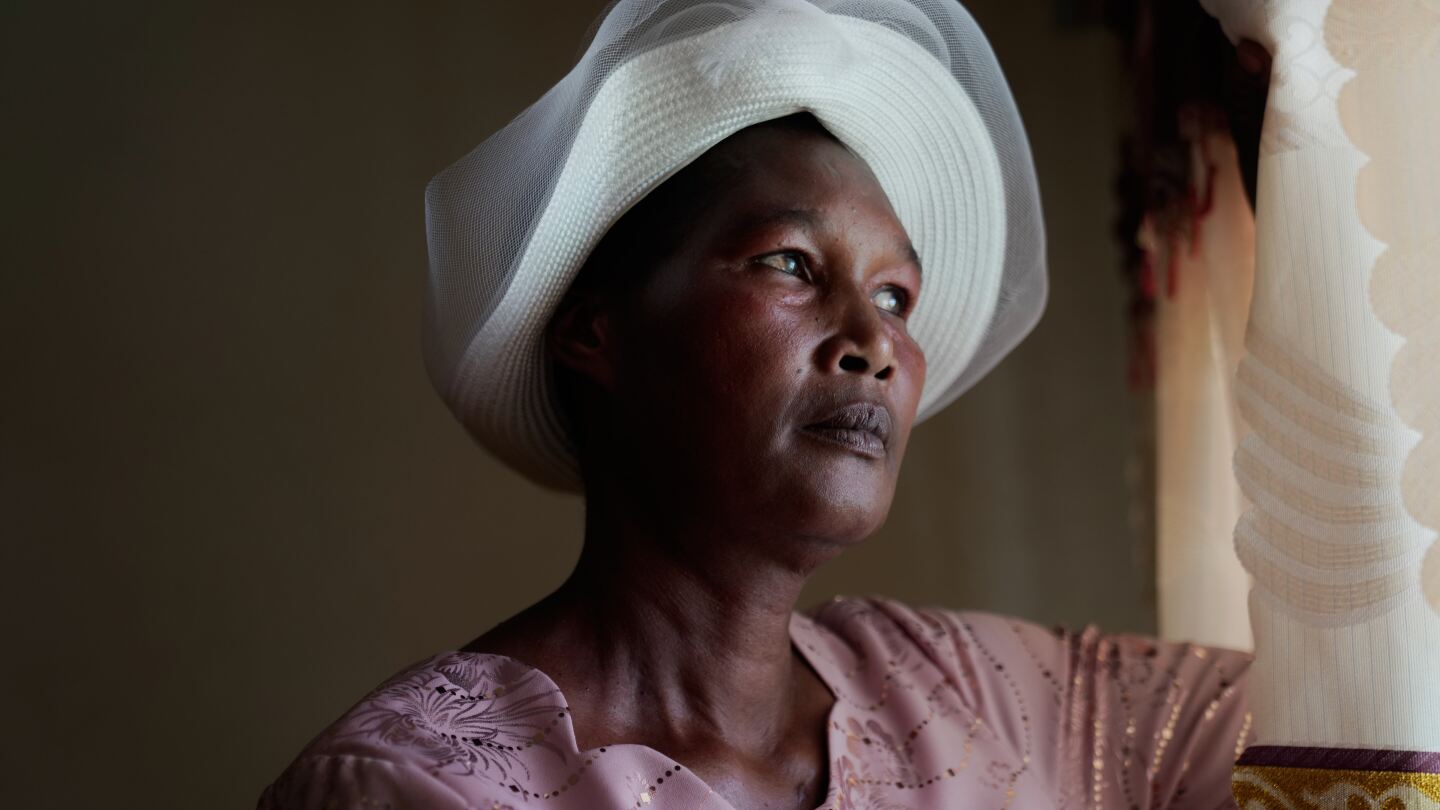
    In the rural landscapes of western Kenya, a silent crisis unfolds as thousands of widows face systematic disinheritance through culturally-sanctioned practices that violate constitutional rights. Rebecca Anyango, a 70-year-old widow from Siaya County, embodies this struggle—having occupied her marital home for 26 years, she now confronts eviction threats from her late husband’s family without legal representation to challenge their lawsuit.

    The Luo, Luhya, and Kisii ethnic communities perpetuate traditions like ‘sexual cleansing’—requiring widows to engage in intercourse with male relatives to remove widowhood’s ‘dark cloud’—and ‘wife inheritance,’ where brothers of deceased husbands claim widows as spouses. Those resisting such practices, like Anyango, frequently endure isolation and property seizure, directly contravening Kenya’s constitutional guarantee of land ownership for all citizens.

    A legislative breakthrough emerged in November 2023 when Siaya County’s assembly unanimously passed the Widows Protection Bill, championed by county legislator Scholastica Madowo. As one of four elected women in the 42-member assembly and a widow herself, Madowo cited the ‘atrocities women endure’ as her motivation. The bill criminalizes forced disinheritance and remarriage and establishes welfare committees to facilitate legal aid access.

    Anthropologist Simiyu Waddimba from the University of Nairobi emphasizes that unawareness of legal protections leaves women vulnerable to disinheritance. This reality struck Anne Bonareri in Kisii County, whose in-laws confiscated her home and commercial property within hours of her husband’s 1997 death, leaving her pregnant with three children. After refusing marriage to her brother-in-law, she faced armed attacks but eventually secured land through three jobs.

    Her daughter, Emma Mong’ute, founded the Amandla MEK Foundation in 2019, providing legal advisory and pro bono services to disinherited widows. Mong’ute notes that widow disinheritance perpetuates intergenerational poverty, affecting hundreds of thousands of children.

    Easter Okech of the Kenya Female Advisory Organization advocates for legal training enabling women to self-represent in court, while encouraging will-writing in rural communities. Some widows, like 87-year-old former teacher Marie Owino, have successfully retained property through financial independence and legal awareness.

    Scholars like Misheck Dube, formerly of the University of Limpopo, observe similar tensions between customary and general law across southern Africa, where ethnic traditions often override statutory inheritance protections. As Siaya County awaits the governor’s endorsement of its landmark bill, it signals a potential turning point for gender justice in Kenya’s rural heartlands.