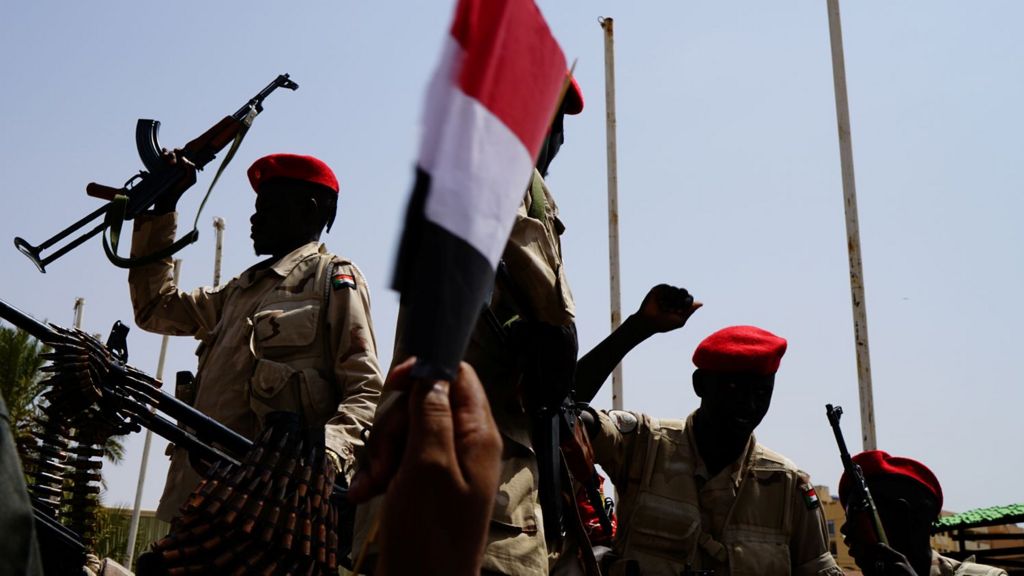
The Sudanese capital of Khartoum witnessed renewed violence as explosions echoed near military installations and power stations, despite the Rapid Support Forces (RSF) announcing their willingness to agree to a humanitarian ceasefire. Residents reported being awakened by the sounds of drones and blasts in the early hours of Friday, signaling a potential breach of the proposed truce. The RSF, a paramilitary group, has not commented on these incidents, while Sudan’s military-led government expressed skepticism about the ceasefire, citing the RSF’s history of disregarding such agreements. The ongoing civil war, which began in April 2023, has claimed at least 150,000 lives and displaced 12 million people, with famine conditions now spreading in conflict zones. The RSF recently consolidated its control over el-Fasher, a strategic city in Darfur, which could strengthen its position in future negotiations. However, the group faces international condemnation over allegations of mass killings and sexual violence during the city’s fall. The ceasefire proposal, backed by the US, UAE, Saudi Arabia, and Egypt, includes plans for a permanent truce and a transition to civilian rule, but Sudan’s government has rejected foreign interference and accused the UAE of supporting the RSF. UN experts have deemed these accusations credible, though the UAE denies involvement. As the conflict continues, the prospects for lasting peace remain uncertain.
标签: Africa
非洲
-
Sudanese army intercepts RSF drones targeting 2 cities
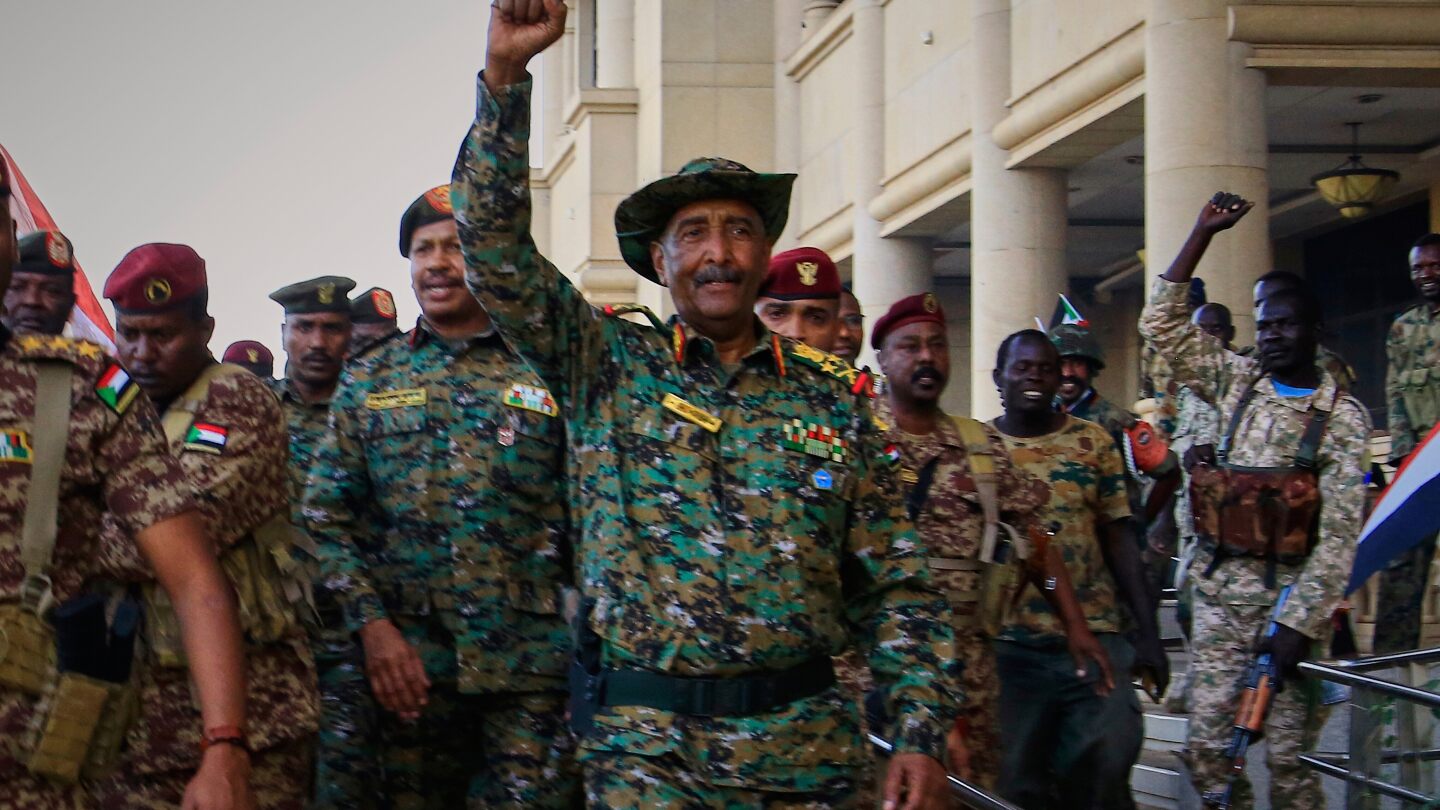
The Sudanese military successfully intercepted a series of drone attacks launched by the Rapid Support Forces (RSF) overnight in two northeastern cities, a senior army official disclosed on Friday. Speaking anonymously to discuss sensitive matters, the official revealed that 15 drones targeted Atbara in River Nile province, north of the capital, Khartoum. While no casualties were reported, local residents confirmed hearing explosions. A smaller-scale drone assault was also thwarted in Omdurman, Khartoum’s sister city. These strikes occurred just a day after the RSF announced its acceptance of a U.S.-proposed humanitarian truce mediated by the Quad, a coalition of international mediators. However, the Sudanese army emphasized that it would only agree to a ceasefire if the RSF withdraws from civilian areas and disarms, as stipulated in previous peace agreements. The conflict between the RSF and the military, which erupted in 2023 following a breakdown in their alliance during Sudan’s democratic transition, has claimed at least 40,000 lives and displaced 12 million people, according to the World Health Organization. Aid agencies warn that the actual death toll could be significantly higher, with over 24 million people facing acute food insecurity. Meanwhile, the U.N. Human Rights Council has scheduled an emergency session on November 14 to address the escalating violence in Sudan, particularly in the Darfur region. UNICEF reported that over 81,000 people have fled el-Fasher since late October, with widespread shortages of essential supplies and rampant violence against civilians, especially women and children.
-

The century’s new renaissance — Middle East
The Gulf Cooperation Council (GCC) is spearheading a global renaissance in modern hospitality, driven by innovation, design, and a renewed focus on luxury living. Yigit Sezgin, CEO of Clé & Partners, a leading advisory and investment firm, highlights the transformative forces shaping the region. The UAE, particularly Dubai, Abu Dhabi, and Ras Al Khaimah, alongside Saudi Arabia and Oman, are at the forefront of this evolution. Factors such as market potential, tax incentives, safety, and technological advancements are attracting global attention. The post-Covid era has further amplified the demand for unique, culturally immersive travel experiences, pushing the hospitality industry to new heights. Sezgin emphasizes the shift towards ‘quiet luxury,’ where refined, understated experiences replace ostentation. Wellness has also evolved beyond traditional spas, with a focus on longevity and holistic health. Branded residences are gaining traction, though they pose challenges in maintaining service quality. Clé & Partners’ vertically integrated model connects capital, creativity, and capability, setting it apart from traditional consultancies. The firm’s focus on the Global South, including the Middle East, Africa, and Southeast Asia, underscores the region’s untapped potential. Artificial intelligence is poised to redefine the hospitality landscape, but human connection will remain irreplaceable. The GCC’s hospitality renaissance is not just a regional phenomenon but a global benchmark for the future of luxury living.
-
Kenya demands safety for its citizens after Tanzania’s post-poll crackdown
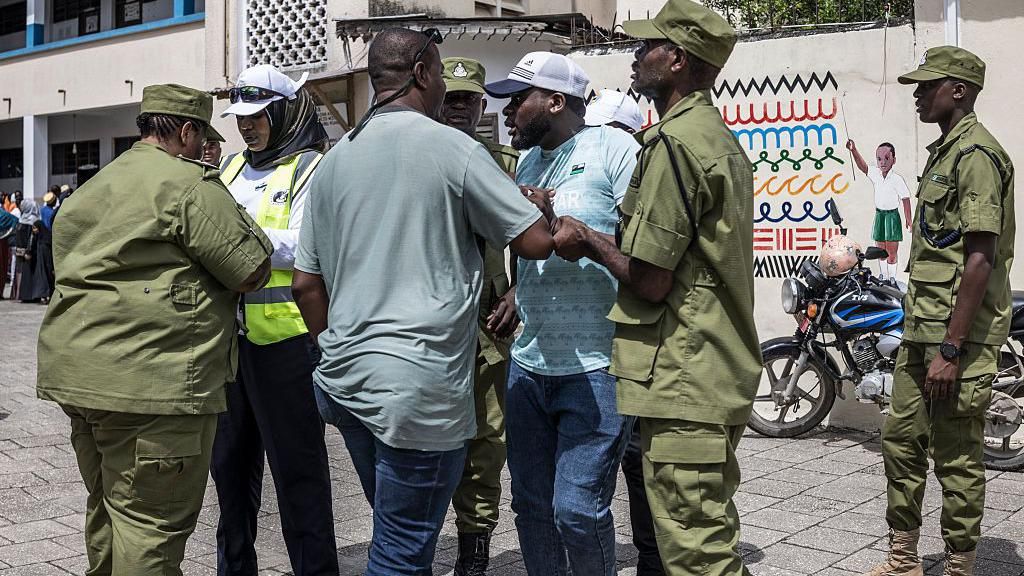
The safety of Kenyans in Tanzania has become a pressing concern following reports of targeted harassment and violence in the aftermath of Tanzania’s disputed election. Kenyan Foreign Minister Musalia Mudavadi has formally raised the issue with Tanzanian authorities, emphasizing the need to protect the rights and dignity of Kenyan nationals. Tanzanian President Samia Suluhu Hassan, who secured 98% of the vote in the contested election, has blamed foreigners for inciting unrest, a claim that has intensified scrutiny on Kenyans living in Tanzania. Mudavadi confirmed that formal complaints have been submitted, urging resolution through diplomatic channels. However, concerns persist as reports emerge of Kenyans being killed, injured, or detained by Tanzanian security forces. Kenyan human rights activist Hussein Khalid has accused Tanzanian authorities of using Kenyans as scapegoats for police atrocities. The Tanzanian government has dismissed allegations of excessive force, claiming that foreign agitators entered the country illegally to cause chaos. Meanwhile, Kenyan families are increasingly anxious about their relatives in Tanzania, with some fleeing the country amid warnings against employing undocumented workers. The election, criticized by observers for falling short of democratic standards, has deepened political tensions between the two East African neighbors, which have a history of diplomatic friction. President Samia, Tanzania’s first female leader, initially garnered praise for easing political repression but has since faced criticism for narrowing political freedoms. The situation underscores the fragility of regional relations and the urgent need for accountability and protection of vulnerable communities.
-
EU naval force races to ship seized by pirates off the coast of Somalia
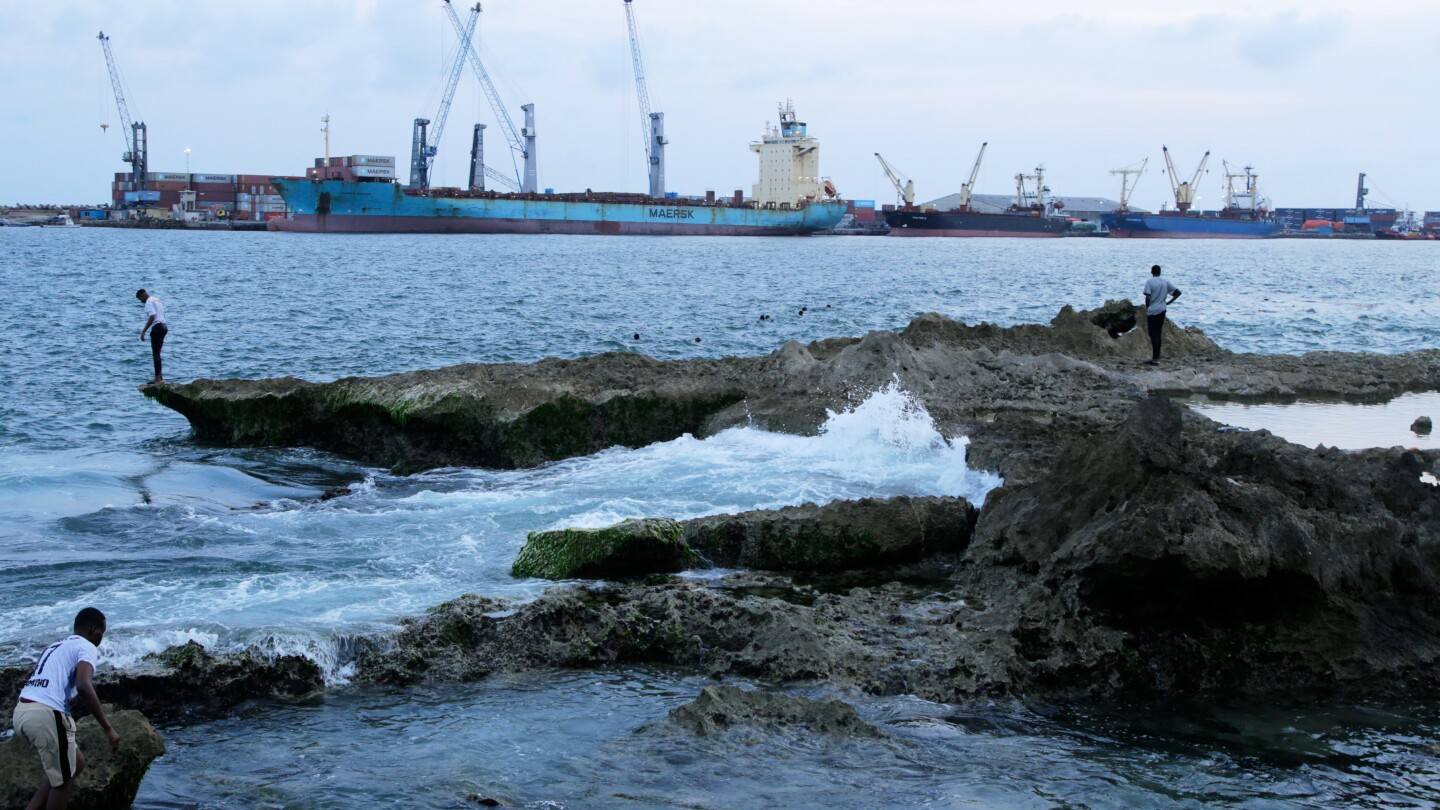
In a dramatic maritime incident off the coast of Somalia, a Malta-flagged tanker, the Hellas Aphrodite, was seized by pirates on Thursday, prompting a swift response from the European Union’s naval force. The vessel, carrying gasoline from India to South Africa, was attacked with machine guns and rocket-propelled grenades, forcing its 24-member crew to seek refuge in a secure citadel aboard the ship. The EU’s Operation Atalanta, an anti-piracy coalition, confirmed that its assets were en route to the scene, located over 1,000 kilometers (620 miles) off the Somali coast, and prepared to take necessary action. Simultaneously, the British military’s United Kingdom Maritime Trade Operations center reported another attempted pirate approach in the same area on Friday, involving a small vessel with three individuals believed to be part of the same pirate group. This latest hijacking marks the first commercial ship seized by Somali pirates since May 2024, reigniting concerns over maritime security in the region. Somali piracy, which peaked in 2011 with 237 attacks, had significantly declined due to international naval patrols and Somalia’s strengthening governance. However, recent instability, including Yemen’s Houthi rebel activities in the Red Sea, has contributed to a resurgence of pirate attacks. Local fisherman Osman Abdi from Mogadishu expressed fears that such incidents would stigmatize Somali fishermen, associating them with piracy and instilling widespread fear.
-
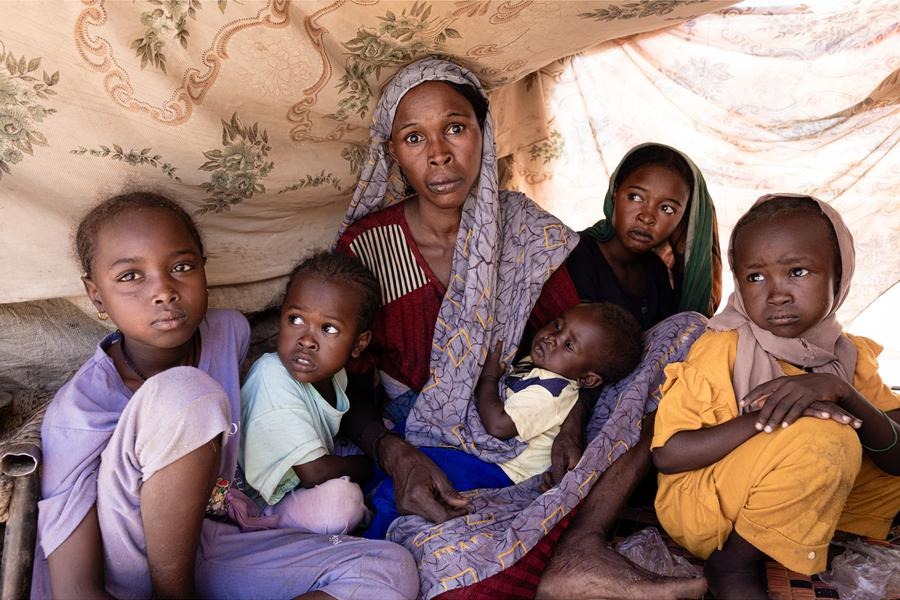
UN, aid partners beef up support for displaced people in Sudan’s North Darfur
The United Nations and its humanitarian partners are intensifying efforts to assist thousands of displaced families in Sudan’s North Darfur region, where a worsening crisis has left communities in dire need of basic necessities. Since the October 26 takeover of El Fasher, the state capital, thousands have fled violence, seeking refuge in areas like Tawila, approximately 40 kilometers west. However, these displaced populations are facing severe challenges, including a lack of food, clean water, shelter, and medical care. The UN Office for the Coordination of Humanitarian Affairs (OCHA) has described the situation as critical, with over 3,000 recent arrivals at the Al Omda displacement camp alone requiring urgent assistance. Many, including injured individuals, people with disabilities, and unaccompanied children, are forced to sleep in the open without proper sanitation or protection from the cold. Similar conditions have been reported in other camps, such as Daba Al Naira and Um Jangour, where more than 6,500 people are without shelter or essential supplies. Additionally, hundreds of families who fled El Fasher on foot have reached Al Dabba in Northern State, enduring days of harsh conditions. Approximately 2,800 people are now sheltering in overcrowded sites with limited access to food, water, or medical aid. Many have lost family members during their arduous journey. With more families expected to arrive in the coming days, OCHA has emphasized the urgent need for food, medical care, psychosocial support, shelter, and warm clothing. While the UN and its partners are mobilizing emergency supplies, available resources remain insufficient. The humanitarian response plan for Sudan is only 28 percent funded, highlighting the need for additional support to address the escalating crisis in Darfur and Kordofan regions.
-
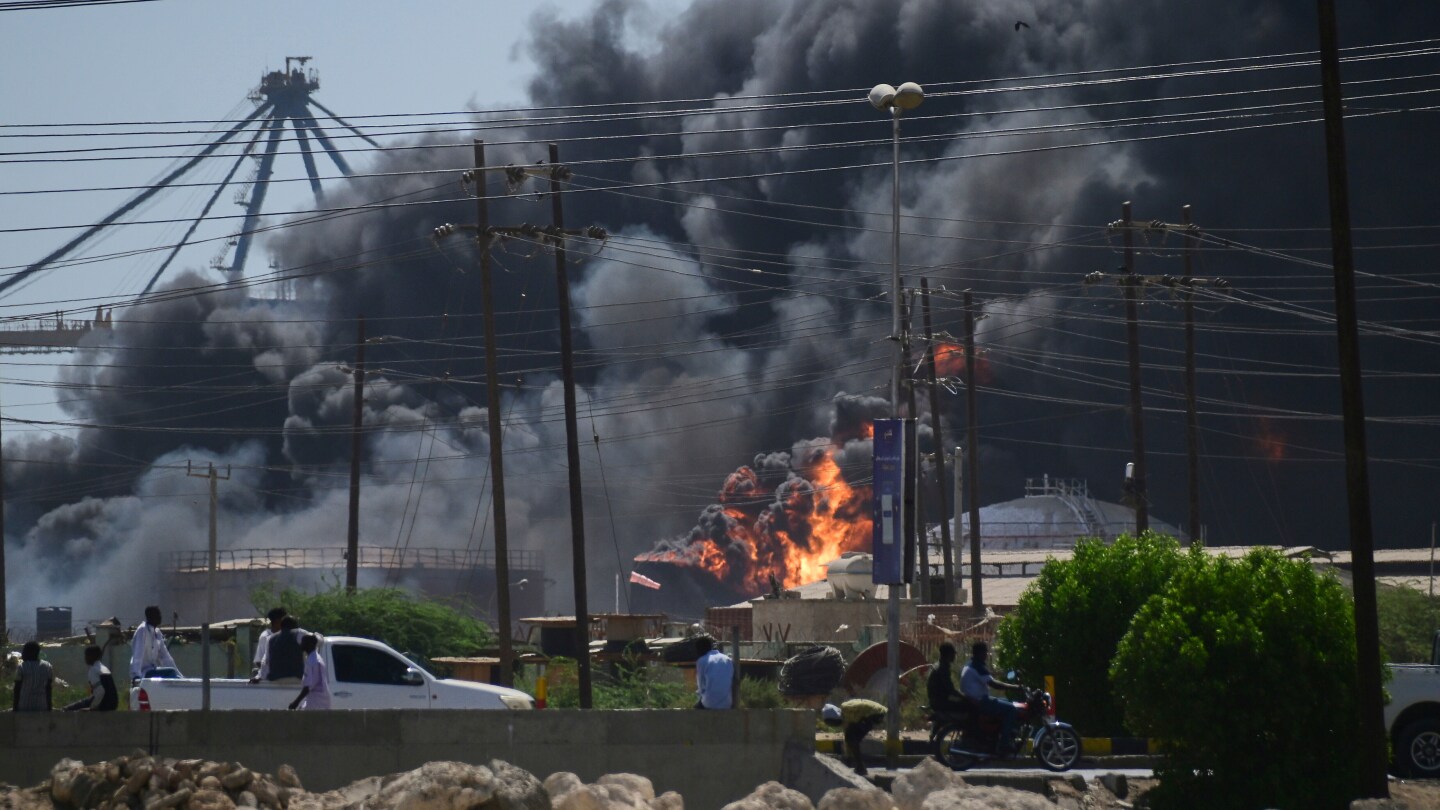
Outside powers’ reported backing for Sudan’s warring sides helps fuel fighting as atrocities mount
For over two years, Sudan has been engulfed in a devastating civil war between its military and the paramilitary Rapid Support Forces (RSF), with both sides accused of committing atrocities and exacerbating a humanitarian crisis. The conflict, which began in 2023, has claimed at least 40,000 lives, though aid groups estimate the toll to be significantly higher. The war has also triggered the world’s worst humanitarian crisis, with widespread starvation and displacement.
-

Abu Dhabi announces road closures for Al Ain Half Marathon
Abu Dhabi authorities have unveiled plans for temporary road closures in preparation for the ADNOC Al Ain Half Marathon, scheduled to take place on Saturday, November 8, 2025, at the Hazza Bin Zayed Stadium. The closures will be enforced from 2:00 AM to 10:00 AM on the event day to ensure the safety and smooth execution of the race. The half marathon will commence at 6:00 AM, followed by the 10km race at 6:45 AM, the 5km at 6:45 AM, and the 2.5km event at 7:00 AM. Participants and spectators can visit the Race Village, which will be open from Wednesday, November 5, to Friday, November 7, from 3:00 PM to 10:00 PM, and on the race day from 5:00 AM to 12:00 PM. The authorities have shared detailed information about the affected roads via a post on X (formerly Twitter), urging residents and commuters to plan their travel accordingly. The event underscores Abu Dhabi’s commitment to promoting sports and healthy lifestyles while ensuring minimal disruption to daily activities.
-

‘Our job is only killing’ – how Sudan’s brutal militia carried out a massacre
In a harrowing turn of events, the Rapid Support Forces (RSF) in Sudan have been accused of committing war crimes and crimes against humanity in the city of el-Fasher. The International Criminal Court (ICC) has launched an investigation into the atrocities, which are believed to have resulted in the deaths of over 2,000 people. The RSF, a paramilitary group, has been engaged in a brutal conflict with the Sudanese military since their ruling coalition collapsed in 2023. The city of el-Fasher, the last stronghold in Darfur held by the Sudanese military, fell to the RSF after a prolonged siege that lasted nearly two years. Satellite images reveal that the RSF constructed a massive sand barrier around the city, effectively sealing off access routes and blocking aid. The siege intensified in September and October, with reports of mass killings, including an attack on a mosque and a displacement camp. Videos shared with BBC Verify depict the RSF imposing a blockade on food and essential supplies, and executing unarmed captives. The RSF, which emerged from the Janjaweed militia responsible for the Darfur genocide in the early 2000s, has a long history of committing atrocities against non-Arab groups in Sudan. Despite the RSF’s attempts to reframe the narrative through social media posts showing humanitarian efforts, the global community has expressed outrage over the violence in el-Fasher. The RSF has detained some of its members, including a commander identified as Abu Lulu, who was implicated in the executions. However, analysts from Yale Humanitarian Research Lab have accused the RSF of attempting to cover up mass atrocities by removing bodies and identifying graves near a children’s hospital. The ICC’s investigation continues as the world watches the unfolding humanitarian crisis in Sudan.
-

‘Flying’ Sarr easing Crystal Palace’s Eze loss
Replacing a star player like Eberechi Eze was always going to be a daunting task for Crystal Palace. Eze, who left for Arsenal this summer, had been instrumental in the team’s success, including scoring the historic goal that secured Palace’s first major trophy at Wembley. However, Ismaila Sarr, the Senegalese forward, has stepped up magnificently, netting eight goals in 15 games this season. His recent double in a 3-1 victory over AZ Alkmaar not only marked Palace’s first home win in the Conference League but also solidified their status as title contenders. Sarr’s performance was a masterclass in attacking prowess, combining pace, precision, and intelligent runs. He hit the post early on, won a penalty, and scored twice, showcasing his composure and clinical finishing. Former Palace defender Joel Ward praised Sarr’s form, highlighting his ability to exploit spaces and create opportunities. Sarr’s contributions have been pivotal, especially after the departures of Eze and Michael Olise. Manager Oliver Glasner lauded Sarr as a key player, emphasizing his speed and finishing ability. With Palace eyeing Conference League glory, Sarr’s form could be the catalyst for their success. Glasner expressed hope that this victory is just the beginning of a memorable campaign.