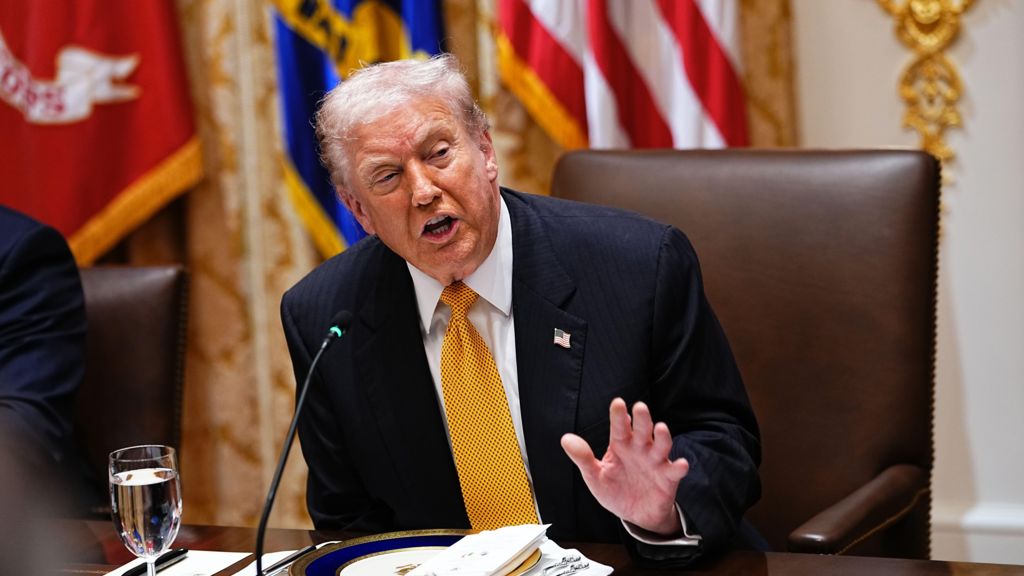
In a surprising move, former US President Donald Trump announced that the United States will not participate in the upcoming G20 summit in South Africa. Trump cited unsubstantiated claims of persecution against the white minority in South Africa, particularly Afrikaners, as the reason for the boycott. He labeled South Africa’s hosting of the event as a ‘total disgrace’ and vowed that no US government officials would attend under these circumstances. This decision has drawn criticism from South Africa’s foreign ministry, which described it as ‘regrettable’ and refuted the allegations as baseless. The ministry emphasized that no political party in South Africa, including those representing the white community, has supported the claim of genocide. Trump’s stance has reignited tensions between the two nations, following his earlier confrontation with South African President Cyril Ramaphosa in May. The Trump administration has also granted refugee status to Afrikaners, citing a supposed ‘genocide,’ a claim dismissed by South African courts as ‘clearly imagined.’ The G20, established in 1999 to address global economic stability, will proceed without US representation, raising questions about the future of international cooperation.
标签: Africa
非洲
-
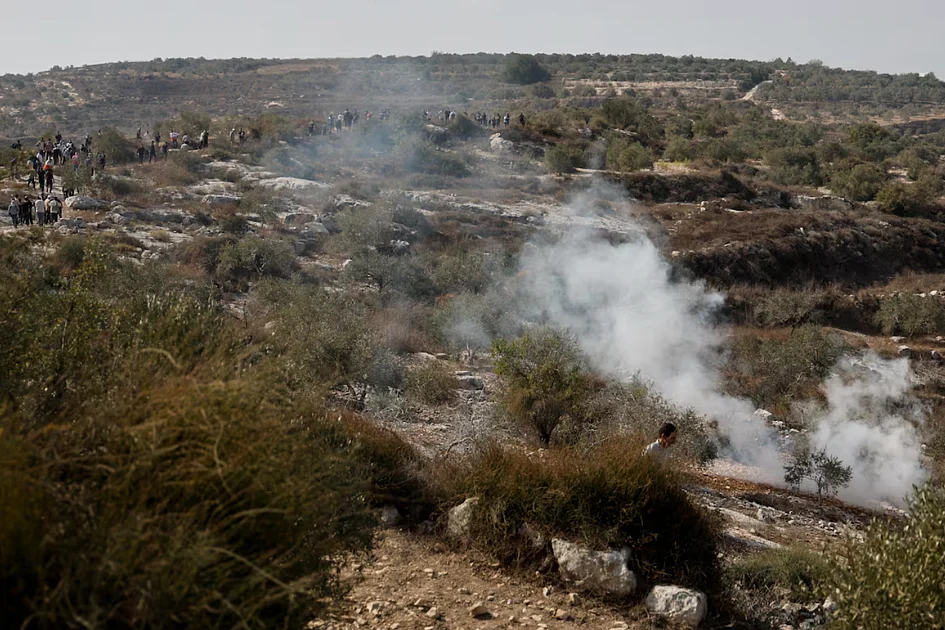
Israeli settler attacks against Palestinians reach record number in October, UN reports
The United Nations has revealed a disturbing escalation in violence against Palestinians in the occupied West Bank, with Israeli settlers carrying out at least 264 attacks in October 2025. This marks the highest monthly tally since the UN began documenting such incidents in 2006. The UN Office for the Coordination of Humanitarian Affairs (OCHA) highlighted the severity of the situation, noting that these attacks, which caused both casualties and property damage, averaged eight incidents per day. Since 2006, OCHA has recorded over 9,600 such attacks, with approximately 1,500 occurring in 2025 alone, accounting for roughly 15% of the total. The West Bank, home to 2.7 million Palestinians, remains central to the vision of a future Palestinian state coexisting with Israel. However, rapid expansion of Israeli settlements has fragmented the region. The UN, Palestinians, and most nations consider these settlements illegal under international law, a stance Israel disputes. Over half a million Israeli settlers currently reside in the West Bank. OCHA also reported that, as of Wednesday, 42 Palestinian children had been killed by Israeli forces in the West Bank this year, meaning one in every five Palestinian fatalities has been a child. Despite a US-brokered ceasefire in Gaza in October, which has largely calmed hostilities and facilitated the return of hostages, violence in the West Bank persists. Israel’s mission to the UN has yet to comment on these findings.
-
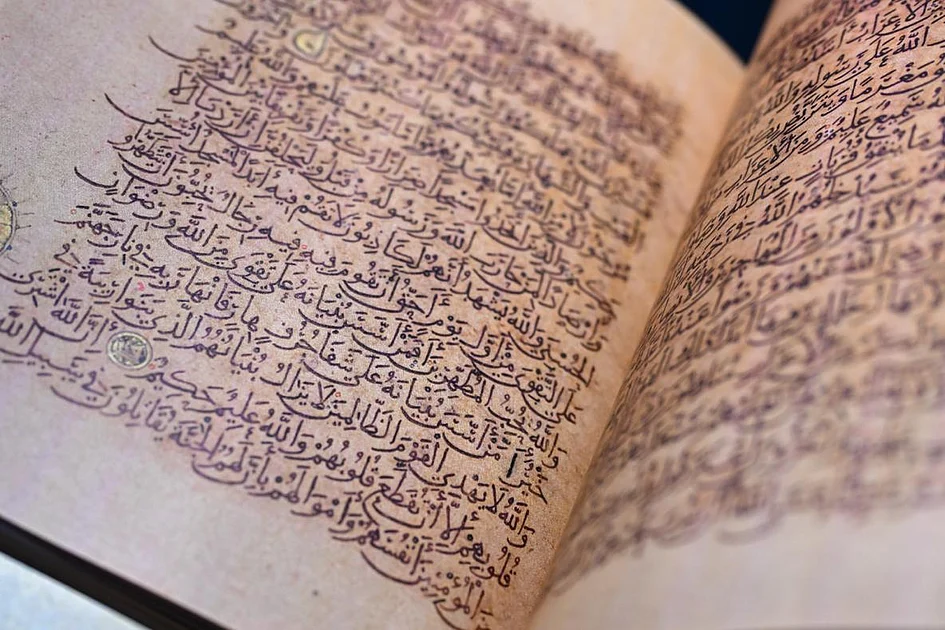
Rare replica of 1,000-year-old Quran calligraphy unveiled at Sharjah book fair
A meticulously crafted replica of a 1,000-year-old Quran manuscript, originally penned by the renowned calligrapher Ibn al-Bawwab, has been unveiled at the 44th Sharjah International Book Fair (SIBF). The facsimile, displayed at the Safir Ardehal kiosk from Tehran, offers visitors a glimpse into the exquisite artistry of early Arabic calligraphy. The original manuscript, dating back to 391 AH (around 1000 CE), is housed at the Chester Beatty Library in Dublin, Ireland. Ibn al-Bawwab, celebrated for transforming Arabic writing into an art form, perfected the naskh script, characterized by its fluidity and balance. Each page of the Quran features 16 lines of text, with meticulously spaced letters and harmonious strokes. The calligrapher’s mastery extended beyond writing; he also designed the gold decorations and floral borders, showcasing his perfectionism. The replica, crafted using traditional materials like natural ink and vellum paper, highlights the enduring legacy of Islamic art. Hamed Deshdashti of Safir Ardehal emphasized the manuscript’s historical significance, noting its role in inspiring modern Arabic calligraphy. The exhibition not only celebrates Ibn al-Bawwab’s craftsmanship but also underscores the cultural richness of Islamic civilization.
-
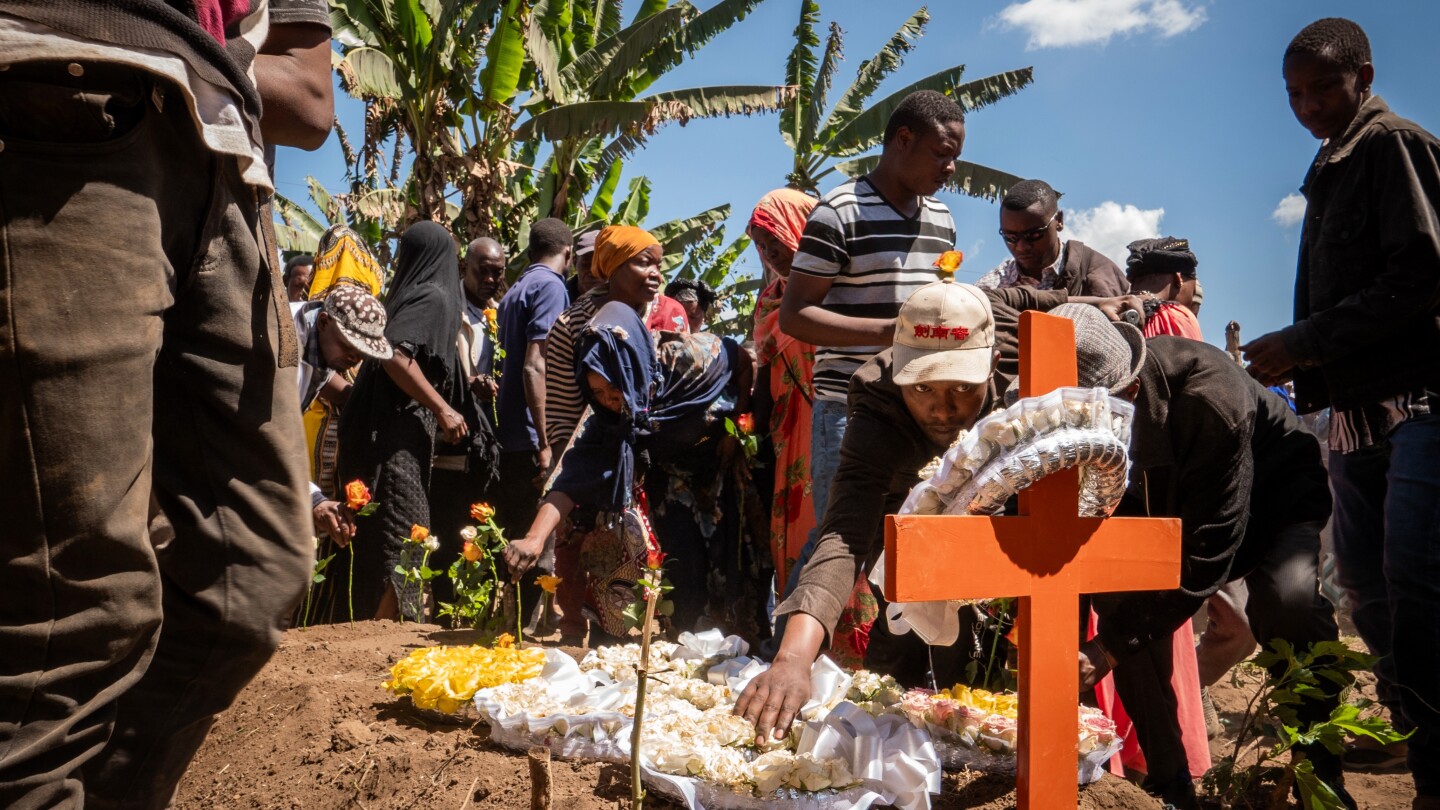
Tanzania charges hundreds with treason and issues arrest warrants for more opposition figures
Tanzania is grappling with escalating political tensions following widespread demonstrations and violence surrounding last month’s disputed elections. Authorities have charged hundreds of individuals with treason, including top opposition figures, in a significant crackdown on dissent. Among those targeted are Brenda Rupia, communications director for the Chadema opposition party, and John Mnyika, its secretary-general. Chadema’s leader, Tundu Lissu, has been detained for months and faces similar charges after advocating for electoral reforms ahead of the October 29 vote. The government’s actions have drawn criticism from human rights organizations, which accuse it of repression, enforced disappearances, and extrajudicial killings. The African Union has also condemned the election, citing violations of democratic standards, including ballot stuffing and multiple voting incidents. President Samia Suluhu Hassan, who secured over 97% of the vote, faces allegations of authoritarianism, with critics contrasting her leadership style to the more tolerant approach of previous leaders. The Chama cha Mapinduzi party, which has ruled Tanzania since independence in 1961, continues to dominate the political landscape, maintaining ties with the Communist Party of China.
-
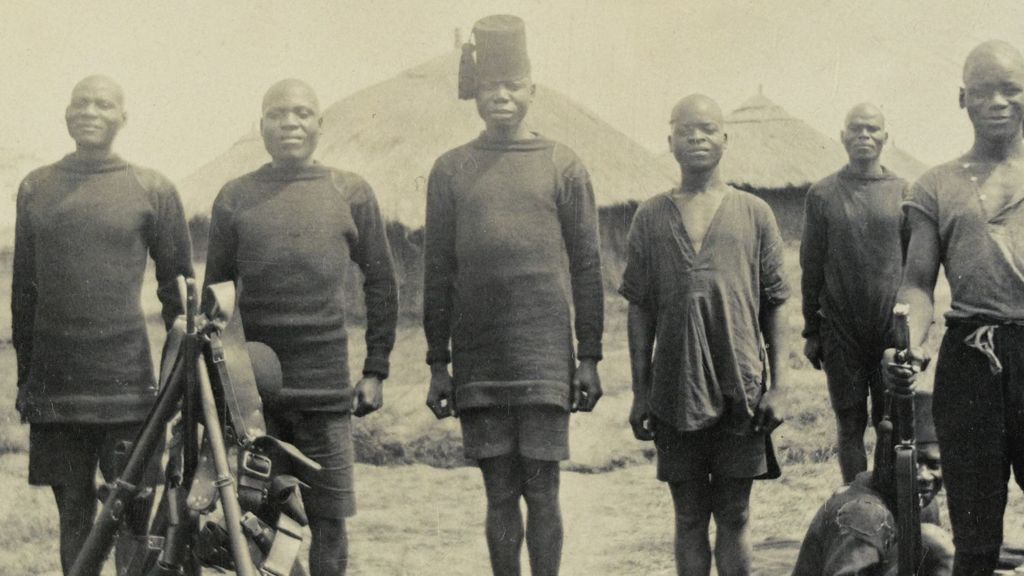
‘They went and never came back’: Honouring Kenya’s forgotten World War soldiers
Nearly eight decades after his disappearance, the fate of Mutuku Ing’ati, a Kenyan soldier who fought in the British army during World War Two, has come to light. Ing’ati, who vanished from his village of Syamatani in southern Kenya, was discovered through British military records to have enlisted as a private with the East African Scouts. Tragically, he was killed in action on June 13, 1943, though the exact circumstances and location of his death remain unknown. His family, who had spent years searching for him, only learned of his fate recently through the efforts of the Commonwealth War Graves Commission (CWGC).
The CWGC, dedicated to commemorating those who died in the world wars, has been working to uncover the stories of thousands of Kenyan soldiers like Ing’ati who served in the British forces. These soldiers, many of whom were never officially recognized or commemorated, played a significant role in the global conflicts. The CWGC, in collaboration with the Kenyan Defence Force, has unearthed a trove of colonial-era military records, shedding light on the lives and sacrifices of over 3,000 East African soldiers.
Among the records are stories of individuals like George Williams, a decorated sergeant major with the King’s African Rifles, and Abdulla Fadlumulla, a Ugandan soldier who enlisted at just 16 years old. Both died in combat, their contributions largely forgotten until now. Historians like Patrick Abungu, whose own great uncle was conscripted and never returned, emphasize the emotional toll on families who were left without answers for decades.
The CWGC aims to build memorials to honor these soldiers and integrate their stories into Kenya’s educational curriculum, ensuring future generations understand the pivotal role Africans played in the world wars. As George Hay, a CWGC historian, notes, ‘These are not just dusty files—they are personal stories.’ The organization’s efforts to recover and commemorate these forgotten heroes will continue indefinitely, ensuring their sacrifices are never erased from history.
-
Nigeria’s army chief promises to step up anti-terror operations
In a decisive address to troops in Maiduguri, the capital of Nigeria’s Borno State, newly appointed Chief of Army Staff (COAS), Lt. Gen. Waidi Shaibu, pledged to escalate military operations against terrorist factions in the country’s volatile northern region. This announcement comes less than a week after U.S. President Donald Trump threatened to intervene militarily if Nigeria failed to curb attacks on its Christian population. Shaibu emphasized that the military’s renewed efforts must succeed, declaring that failure is “not an option” as the nation enters a critical phase in its decade-long conflict with extremist groups. He assured troops that all necessary resources, including new combat platforms, have been deployed to ensure victory. Trump’s recent threats to cut aid and designate Nigeria as “a country of particular concern” for alleged Christian persecution have drawn sharp criticism from Nigerian President Bola Ahmed Tinubu. Experts argue that Trump’s characterization of the conflict oversimplifies the complex dynamics of Nigeria’s security challenges, which include religiously motivated violence, farmer-herder clashes, and ethnic rivalries. While Christians are among the victims, the majority of those targeted by armed groups are Muslims in the predominantly Muslim north.
-
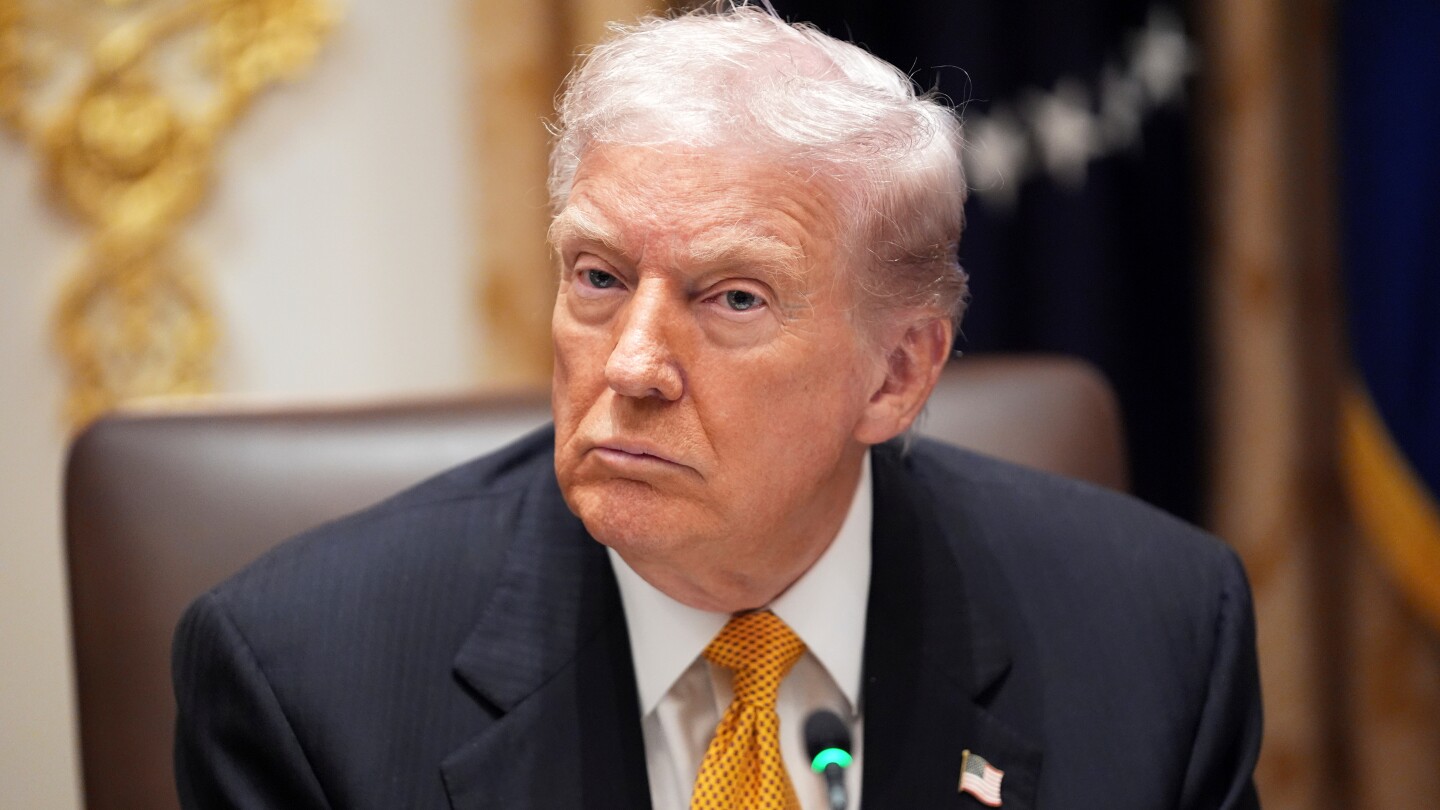
Trump says US to boycott G20 in South Africa, repeating allegations about treatment of white farmers
In a significant diplomatic move, President Donald Trump announced on Friday that no U.S. government officials would attend this year’s Group of 20 (G20) summit in South Africa. The decision stems from allegations of mistreatment of white Afrikaner farmers in the country. Trump, who had previously declared his absence from the annual gathering of global leaders, also revealed that Vice President JD Vance, initially scheduled to represent the U.S., would no longer attend.
Trump expressed his disapproval on social media, labeling the summit’s location as a ‘total disgrace’ and citing alleged abuses against Afrikaners, including violence, land confiscation, and systemic persecution. The Trump administration has consistently accused the South African government of failing to protect its white minority population, particularly farmers, from discrimination and violence.
In a related policy decision, the administration has capped the annual number of refugees admitted to the U.S. at 7,500, with a focus on white South Africans facing alleged persecution. However, South African President Cyril Ramaphosa has dismissed these claims as ‘completely false,’ emphasizing that white citizens generally enjoy a higher standard of living compared to their Black counterparts, decades after the end of apartheid.
The administration’s stance has sparked controversy, with Trump even suggesting during a recent economic speech in Miami that South Africa should be expelled from the G20. This boycott follows a similar move earlier this year when Secretary of State Marco Rubio skipped a G20 foreign ministers’ meeting, criticizing its agenda on diversity, inclusion, and climate change.
The decision underscores the Trump administration’s prioritization of its domestic and international political narratives, even at the cost of diplomatic engagement on the global stage.
-
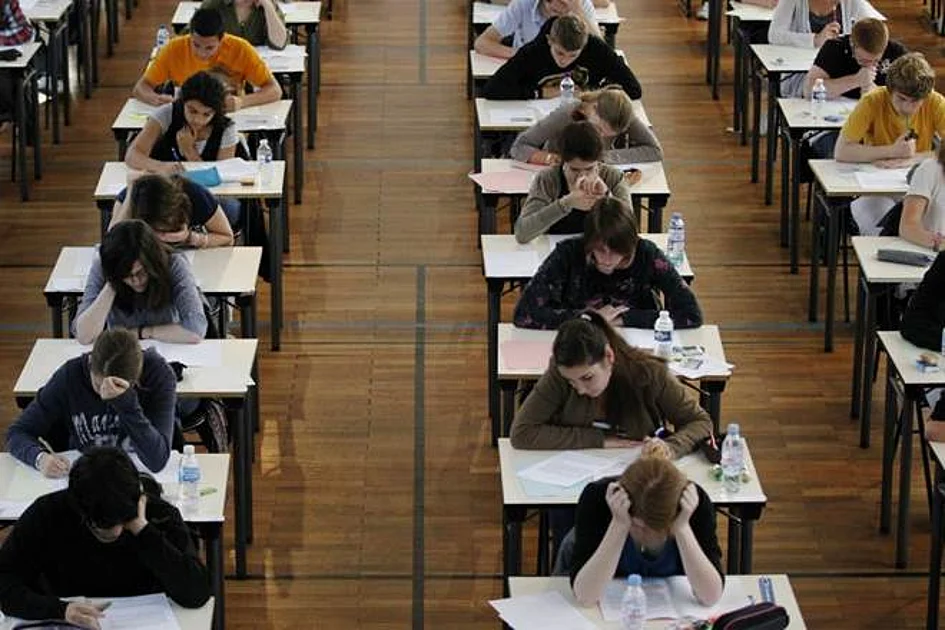
Don’t even think about cheating: Rules and penalties that every student needs to know
As the UAE prepares for its first-term central examinations commencing on November 20, the Ministry of Education (MoE) has emphasized the critical importance of maintaining academic integrity. The MoE has reiterated its commitment to fairness and honesty in national assessments by reinforcing the ‘Guide to Combating Cheating and Exam Misconduct.’ This guide outlines strict rules and penalties to ensure a level playing field for all students, teachers, and school staff. The document underscores the principles of fairness, honesty, and equal opportunity, while holding all parties accountable for any violations. The MoE’s reminder comes at a crucial time, as schools, students, and parents gear up for the upcoming exams. The guide is backed by Federal Law No. 33 of 2023, which treats cheating as a legal offence, reflecting the UAE’s serious stance on educational integrity. Schools are required to disseminate the guide, conduct awareness programs, and form internal supervisory committees to monitor exams. Random inspection visits by education authorities will ensure compliance. Penalties for cheating include zero marks in the subject, a 12-point deduction from conduct scores, and, in severe cases, referral to behavioral rehabilitation programs. Teachers and staff who aid in cheating face fines up to Dh200,000 and administrative penalties. The MoE urges students to take pride in honest effort and encourages parents to model values of integrity at home. Academic integrity, the MoE stresses, is foundational to learning, personal growth, and the credibility of the UAE’s education system.
-

Panache, parades and power: Africa’s top shots
This week, Africa showcased a vibrant tapestry of events, blending culture, politics, and sports. In Mogadishu, Somalia, locals sought respite from the scorching heat by plunging into the Indian Ocean. Meanwhile, Egypt buzzed with anticipation as the Grand Egyptian Museum prepared for its grand opening near the iconic Pyramids. Nigeria’s Lagos Fashion Week turned heads with Bubu Ogisi’s bold blue designs, while further north in Kwara State, brides-to-be readied themselves for the annual Awon mass wedding. Sports took center stage in Morocco as Chad triumphed over Tunisia in the Fifa Unites women’s football series. South Africa’s Cape Town hosted a spooky yet charitable Zombie Walk, complete with Halloween costumes. In Kenya, Rastafarian faithful celebrated the 95th anniversary of Haile Selassie’s coronation, while Senegal’s Fadiouth marked All Saint’s Day with a solemn procession to a local cemetery. Western Sahara saw crowds commemorating the 50th anniversary of the Green March, a pivotal moment in the region’s history. Zanzibar rehearsed for its presidential inauguration, while Tanzania mourned the loss of a young opposition leader amid political tensions. Guinea’s military ruler, Gen Mamadi Doumbouya, broke his promise to transition to civilian rule by submitting his candidacy for the upcoming presidential election. Finally, Senegal’s Dakar witnessed the breathtaking rise of the Beaver supermoon, capping off a week of diverse and dynamic events across the continent.
-

Beauty queens walkout, host weeps: What went down at Miss Universe 2025
The Miss Universe 2025 pageant in Thailand, one of the world’s most prestigious beauty competitions, has been overshadowed by a series of dramatic events, including a walkout by contestants, allegations of disrespect, and a tearful apology from the host. Over 120 contestants from around the globe gathered to compete, but the event quickly descended into chaos. The controversy began when Mexican delegate Fatima Bosch walked out of a meeting after being insulted by host Nawat Itsaragrisil, who allegedly called her a ‘dumbhead’ during a dispute over social media promotions. Bosch, supported by Miss Iraq, left the venue in protest, declaring, ‘The world needs to see this because we are empowered women and this is a platform for our voice.’ Her actions drew praise from Mexican President Claudia Sheinbaum, who commended Bosch for speaking out against aggression. Nawat, meanwhile, faced public condemnation from the Miss Universe Organisation, which accused him of violating the values of respect and dignity. In a tearful press conference, Nawat apologized, claiming he had been ‘betrayed’ and overwhelmed by pressure. This incident is not the first time Nawat, also the president of Miss Grand International, has been embroiled in controversy. Last year, MGI contestants were outraged after being served peanuts on plastic chairs instead of a luxury river cruise. Adding to the drama, Thai media reported that police investigated contestants for allegedly promoting an online casino, violating the country’s gambling laws. Despite the turmoil, the pageant final is scheduled for November 21 in Nonthaburi province.