
In a landmark decision, the International Criminal Court (ICC) in The Hague, Netherlands, has officially confirmed war crimes and crimes against humanity charges against Joseph Kony, the notorious Ugandan warlord who remains at large. A three-judge panel concluded there is substantial evidence to hold Kony accountable for 29 counts, including murder, sexual enslavement, and rape, committed during his leadership of the Lord’s Resistance Army (LRA), a brutal militia that terrorized northern Uganda for decades. The court’s ruling marks a significant step in the pursuit of justice for the victims of Kony’s atrocities, despite his continued evasion of capture. The ICC held its first-ever in absentia hearing for Kony, a move that has sparked debate over the fairness of such proceedings. Deputy Prosecutor Mame Mandiaye Niang emphasized the devastating impact of Kony’s actions, stating, ‘The social and cultural fabric of Northern Uganda has been torn apart and is still struggling to rebuild itself.’ Kony gained global notoriety in 2012 when a viral video exposed his crimes, yet international efforts to apprehend him have so far failed. Court-appointed defense counsel argued that the in absentia hearing violated Kony’s right to a fair trial, with lawyer Peter Haynes noting, ‘The empty chair impacted the preparation of the defense.’ The case is seen as a test for the ICC, potentially paving the way for other high-profile trials where suspects are unlikely to be detained, including those involving Israeli Prime Minister Benjamin Netanyahu and Russian President Vladimir Putin. The LRA, founded by Kony in the 1980s, initially sought to overthrow the Ugandan government before expanding its operations to neighboring countries, leaving a trail of destruction marked by the use of child soldiers, civilian mutilations, and the enslavement of women.
标签: Africa
非洲
-
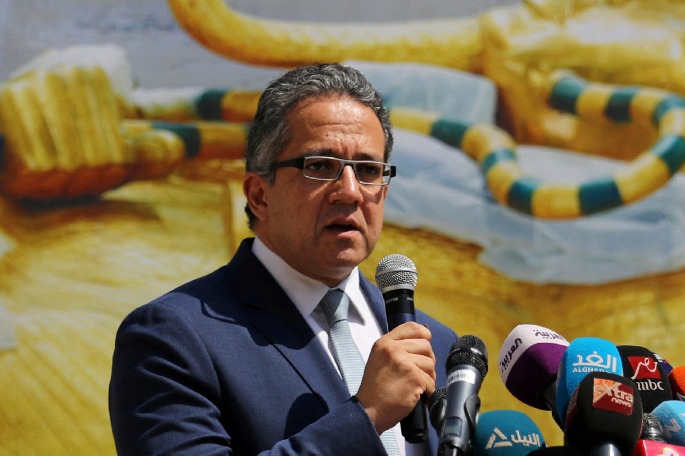
Former Egyptian minister of tourism and antiquities Khaled El-Enany appointed as UNESCO director-general
In a landmark decision, Khaled El-Enany, Egypt’s former Minister of Tourism and Antiquities, has been appointed as the new Director-General of UNESCO. This appointment marks a significant milestone for both Egypt and the global cultural heritage community. El-Enany, renowned for his expertise in preserving and promoting Egypt’s rich historical legacy, brings a wealth of experience to the role. His tenure as minister saw unprecedented advancements in Egypt’s tourism sector and the restoration of iconic archaeological sites. As UNESCO’s leader, El-Enany is expected to champion global efforts in cultural preservation, education, and sustainable development. His appointment underscores the growing recognition of Egypt’s pivotal role in shaping international heritage policies. The global community anticipates his leadership will foster greater collaboration in addressing pressing challenges such as climate change, cultural diversity, and the protection of endangered heritage sites.
-
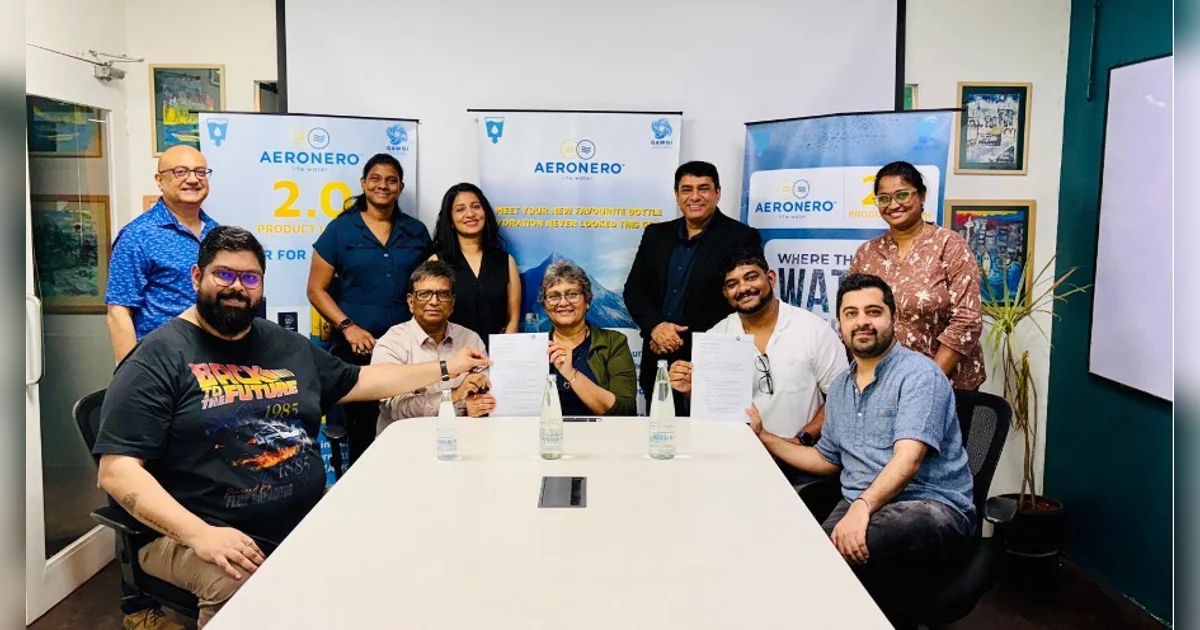
AeroNero and OI Brewing Co. launch AQUAIR, India’s first bottled water made from air
In a groundbreaking move for India’s beverage and sustainability sectors, AeroNero Solutions Pvt Ltd, a pioneer in Atmospheric Water Generation (AWG) technology, has joined forces with OI Brewing Co. to unveil AQUAIR, India’s inaugural bottled water brand derived entirely from atmospheric moisture. This innovative venture signifies a monumental shift in the bottled water industry, offering a renewable drinking water source that eliminates the need for groundwater extraction. Production is set to begin in Pune, with a daily capacity of 10,000 liters, targeting both retail consumers and the broader beverage market. AeroNero will deploy its cutting-edge AWG machines, while OI Brewing Co. will manage bottling, branding, and market distribution, positioning AQUAIR as a premium, eco-conscious water brand. The AWG technology extracts humidity from the air, condenses it, and purifies the water through a multi-stage filtration and mineralization process, delivering lab-certified, naturally pure drinking water. Dr. Durga Das, CEO of AeroNero, emphasized that AQUAIR embodies a future where water is created without depleting natural resources, stating, ‘We are literally producing hope from thin air.’ Aman Talreja of OI Brewing Co. echoed this sentiment, describing AQUAIR as a reimagining of responsible water sourcing. Dr. Subash Cipy, founder of OI Brewing Co., highlighted the technology’s potential to address water scarcity and reshape industry practices. Ketaki Sehgal of AeroNero praised the partnership for its alignment with sustainability goals. Ravi Karkara, co-founder of the Global Air Water Generation Initiative, underscored the transformative potential of AWG in democratizing access to clean water. With plans to expand production across major cities, AQUAIR aligns with India’s Mission LiFE and the UN Sustainable Development Goals, championing a regenerative model for water access and sustainable consumption.
-

UN warns global climate goals slipping out of reach
The United Nations has issued a stark warning that global efforts to curb greenhouse gas emissions are falling dangerously short of what is needed to prevent catastrophic climate change. In its latest Emissions Gap Report 2025, titled ‘Off Target – Continued Collective Inaction Puts Global Temperature Goal at Risk,’ the United Nations Environment Programme (UNEP) revealed that the planet is on track for up to 2.8 degrees Celsius of warming this century, despite a decade of commitments under the Paris Agreement. This alarming projection underscores the widening chasm between climate pledges and tangible action. UN Secretary-General Antonio Guterres emphasized the urgency of the situation, calling for immediate and accelerated efforts to limit global temperature rise to 1.5 degrees Celsius by the end of the century. He urged nations to peak global emissions immediately, deepen emission reductions, sharply cut methane, transition rapidly from fossil fuels to renewables, and protect forests and oceans. The report highlighted that global greenhouse gas emissions rose by 2.3 percent in 2024, reaching a record 58 billion metric tons of carbon dioxide equivalent. The Group of 20 (G20) economies, responsible for 77 percent of these emissions, must lead the charge in reducing their carbon footprint. While some progress has been made, with 60 parties to the Paris Agreement submitting updated Nationally Determined Contributions (NDCs), the overall impact remains insufficient. The report also warned that the planned withdrawal of the United States from the Paris Agreement in 2026 could erase 0.1 degrees Celsius of progress. Despite these challenges, the UNEP pointed to promising trends in renewable energy, particularly China’s expanding capacity, which is driving global progress toward cleaner electricity systems. However, to keep the 1.5-degree target within reach, global emissions must decline by at least 43 percent by 2030 compared to 2019 levels. As the world prepares for the COP30 Climate Conference in Belem, Brazil, the UN is calling for a unified and bold response to bridge the gap between ambition and implementation, emphasizing that every fraction of a degree avoided reduces the risk of irreversible climate impacts.
-
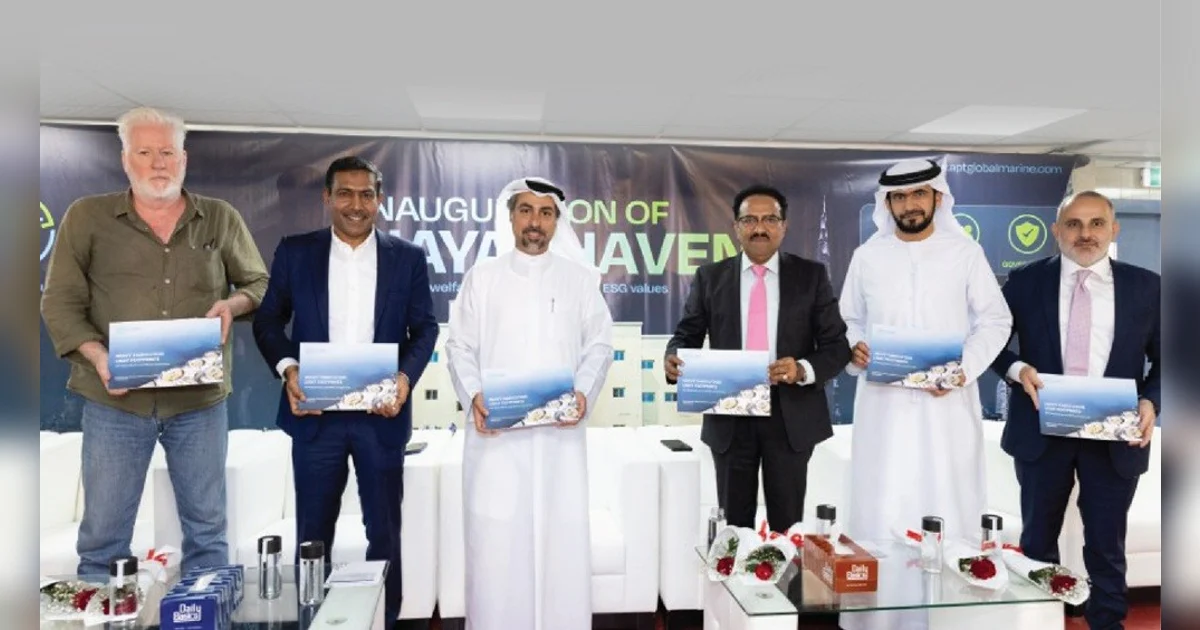
APT Global publishes inaugural ESG report and unveils sustainable 400-person labour accommodation
APT Global, a Dubai-based marine and offshore engineering services provider, has taken significant strides in sustainability by releasing its inaugural Environmental, Social, and Governance (ESG) Report and inaugurating Hayat Haven, a state-of-the-art accommodation facility for 400 workers. These initiatives highlight the company’s dedication to reducing its environmental impact, enhancing governance transparency, and prioritizing employee welfare. The ESG report details APT Global’s achievements, including a 22% reduction in greenhouse gas emissions intensity, a 68% waste diversion rate from landfills, and a 19% decrease in water consumption per project. The company also introduced a Marine Habitat Protection Programme to minimize environmental harm from underwater operations. On the social front, APT Global invested over 45,000 hours in employee training, achieved zero lost-time injuries across major projects, and increased female representation in leadership roles to 27%. Governance improvements include quarterly ESG reporting with independent verification and enhanced anti-corruption policies. Hayat Haven, the new worker accommodation, features energy-efficient systems, modern amenities, and robust safety measures, reflecting APT Global’s commitment to workforce wellbeing. CEO Anil Abraham emphasized that sustainability is central to the company’s competitiveness and societal responsibility. The launch event in Dubai was attended by government officials, industry leaders, and sustainability experts, marking a pivotal moment in APT Global’s journey toward a greener, safer, and more inclusive maritime sector.
-

Sudan’s life-saving community kitchens on verge of collapse, report warns
A vital network of community kitchens in Sudan, which has been a lifeline for millions amidst the ongoing civil war, is now on the brink of collapse, according to a report by Islamic Relief. These locally run kitchens, often the only source of food in conflict zones, are struggling due to severe funding shortages, volunteer exhaustion, and operational challenges. The crisis has been exacerbated by the withdrawal of USAID funding earlier this year, leaving the kitchens reliant on donations from the Sudanese diaspora. Volunteers describe the situation as dire, with many kitchens unable to guarantee daily meals due to financial instability and resource shortages. The Integrated Food Security Phase Network (IPC) has confirmed famine conditions in several areas, including the besieged cities of el-Fasher and Kadugli, where access to commercial supplies and humanitarian aid is severely restricted. Despite the efforts of Emergency Response Rooms, which have been praised for their innovative approach to crisis management, the scale of need often exceeds available resources. Volunteers face increasing dangers, including looting and violence, as they navigate the complexities of the conflict. The international community’s limited involvement has further strained the system, leaving many to fear that the collapse of these kitchens could lead to a humanitarian catastrophe.
-

Dining with a View: Why Amaya Dubai Should Be on Your List
Nestled in the heart of Downtown Dubai, Amaya Dubai at The Dubai Mall offers an unparalleled dining experience that combines breathtaking views of the Burj Khalifa and Dubai Fountain with a globally inspired menu. This dining hotspot has quickly become a must-visit destination for both locals and international visitors, blending Dubai’s signature glamour with world-class culinary artistry.
The restaurant’s outdoor terrace provides a front-row seat to the mesmerizing fountain shows and the city’s glittering skyline, making sunset moments particularly magical. Inside, Amaya’s interiors exude modern elegance, adorned with contemporary art, soft lighting, and a warm, inviting ambiance. Its picture-perfect setting has cemented its reputation as one of Dubai’s most Instagrammable locations, where every corner is camera-ready.
Amaya’s menu is a culinary journey across the globe, featuring creative breakfast plates, refined dinner dishes, and bold flavors that cater to every occasion. Whether it’s a leisurely brunch, an intimate dinner, or a night under the stars, the restaurant’s attention to detail and consistent excellence make it a standout among Dubai’s finest dining establishments.
The restaurant has also become a celebrity hotspot, attracting influencers, artists, and visiting celebrities while maintaining an approachable and inclusive atmosphere. Its elegant setting, impeccable service, and exclusive terrace have solidified its status as a premier destination in Downtown Dubai.
Amaya strikes the perfect balance between sophistication and comfort, offering a romantic yet relaxed vibe that is distinctly Dubai. From the thoughtfully designed interiors to the vibrant yet serene ambiance, every detail is crafted to create unforgettable dining experiences.
Located inside The Dubai Mall, Amaya Dubai is more than just a restaurant—it’s a destination that transforms every meal into a cherished memory. To reserve your table, call +971 58 682 6787 or follow @amayadubai for updates and events.
-
Qatar Airways sells entire Cathay Pacific stake for $897 million
Qatar Airways has finalized the sale of its entire 9.7% stake in Cathay Pacific Airways for approximately $897 million (HK$6.97 billion), marking its complete withdrawal from Hong Kong’s flagship carrier after an eight-year investment. The transaction, announced late Wednesday, involves Cathay repurchasing the shares at HK$10.8374 per share, representing a 4% discount to its last closing price but a 35% premium over the original purchase price paid by Qatar Airways in 2017. The deal will be funded through Cathay’s internal resources and existing credit lines.
Qatar Airways initially acquired the stake in 2017, becoming Cathay’s third-largest shareholder after Swire Pacific and Air China. The Gulf carrier’s exit aligns with its disciplined portfolio strategy, aimed at optimizing investments and positioning itself for long-term growth, according to CEO Badr Mohammed Al-Meer. The move also reflects Qatar Airways’ broader strategy of divesting from certain global airline investments to focus on core operations.
For Cathay, the buyback is seen as a positive development, reducing the number of shares in circulation and potentially easing selling pressure on its stock. Cathay’s shares surged 4.8% following the announcement, with Air China and Swire Pacific also experiencing gains. The Hong Kong-based airline, one of Asia’s largest cargo carriers, has been recovering from pandemic-induced losses and recently reported a 20% increase in passenger numbers for September compared to the previous year.
Cathay Chairman Patrick Healy emphasized the buyback as a sign of strong confidence in the company’s future, which includes a HK$100 billion investment plan over seven years for fleet renewal and other upgrades. Despite the divestment, both airlines will maintain their partnership through the oneworld Alliance, ensuring continued collaboration in the global aviation sector.
-

World’s oldest president sworn in for eighth term in Cameroon
Cameroon’s long-serving President, Paul Biya, aged 92, has been inaugurated for an unprecedented eighth term following a contentious election last month. The swearing-in ceremony took place at the parliament in Yaoundé, marking the continuation of a 43-year reign that began in 1982. Biya, who is currently the world’s oldest head of state, secured 54% of the vote, as per official results, while his closest rival, Issa Tchiroma Bakary, garnered 35%. Bakary has vehemently contested the outcome, alleging electoral fraud, a claim dismissed by the authorities. The announcement of Biya’s victory sparked widespread protests across the nation, reflecting deep-seated divisions and dissatisfaction among the populace. Biya’s campaign was notably subdued, with the nonagenarian addressing only one rally prior to the election. His extended tenure has drawn both domestic and international scrutiny, raising questions about the future of governance in Cameroon.
-

Cameroon’s 92-year-old president Paul Biya sworn in again as opposition cries foul
Cameroon’s President Paul Biya, the world’s oldest head of state, was inaugurated on Thursday for a seventh term following a contentious election marred by allegations of fraud. The 92-year-old leader, who has been in power since 1982, took the oath of office in a heavily militarized Yaounde, the nation’s capital, which residents described as partially deserted. Biya’s victory, declared by Cameroon’s top court on October 27 with 53.66% of the vote, has been labeled a “constitutional coup” by his main rival, Issa Tchiroma Bakary, who secured 35.19% of the vote. In his address to Parliament, Biya pledged to uphold the trust of the Cameroonian people and work towards a “united, stable, and prosperous” nation. However, the ceremony unfolded against a backdrop of deep political divisions, ongoing security challenges in Anglophone regions, and widespread disillusionment among the populace. Protests erupted across the country after the October 19 election, culminating in a three-day lockdown this week. The government confirmed at least five deaths during the unrest, though opposition groups claim the toll is significantly higher. Tchiroma accused Biya of orchestrating “electoral theft,” asserting that the will of the people had been trampled. Biya’s prolonged rule, enabled by a 2008 constitutional amendment abolishing term limits, has left many young Cameroonians disillusioned. With over 70% of the population under 35, his tenure has been marked by economic stagnation and armed insurgencies in the north and west. If he completes this term, Biya will step down at nearly 100 years old, leaving behind a legacy of mixed results and a nation grappling with uncertainty.