
A highly anticipated preview event at the newly constructed Museum of West African Art (Mowaa) in Benin City, Nigeria, was abruptly halted on Sunday as protesters stormed the premises, directing their anger at foreign visitors. The $25 million museum, designed by British-Ghanaian architect David Adjaye, was envisioned as a cultural hub and a potential home for the Benin Bronzes—priceless artifacts looted by British soldiers in the 19th century. However, the absence of these artifacts, coupled with disputes over the museum’s governance, fueled the demonstrators’ ire. Videos from the scene captured protesters verbally assaulting guests and demanding their departure. The museum’s management swiftly escorted all visitors to safety and issued a public apology for the disruption. According to a local resident, the protest reflects broader dissatisfaction among Edo State’s traditional rulers and government officials, who feel sidelined in the museum’s operations. The museum’s executive director, Phillip Ihenacho, clarified that Mowaa aims to serve a pan-African purpose, explaining the decision to remove ‘Edo’ from its name. The institution emphasized its independence and non-profit status, distancing itself from political affiliations. In response to the unrest, Mowaa has canceled all preview events leading up to its grand opening on Tuesday and advised visitors to avoid the campus until tensions subside. The incident underscores the complex legacy of colonial-era looted art and the challenges of cultural restitution in modern Africa.
标签: Africa
非洲
-
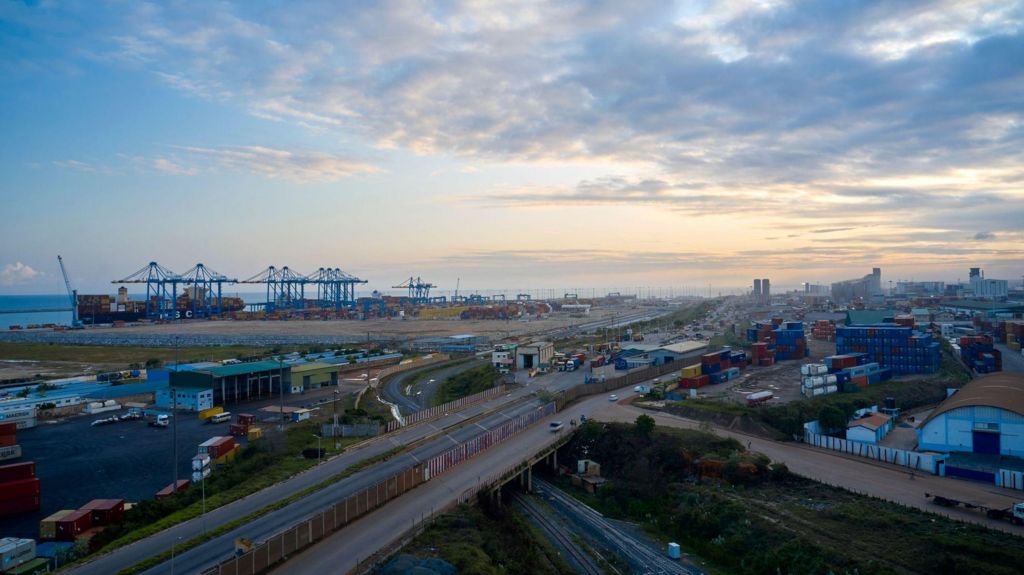
British man dies after being shot during robbery in Ghana
A tragic incident unfolded in the industrial city of Tema, near Accra, Ghana, where a British national lost his life during a robbery. Ashraf Qarmar Parvez, 68, was fatally shot on Friday after attempting to thwart the theft of his phone at a local drinking spot. According to police reports, Parvez succumbed to his injuries in the hospital. Authorities are actively pursuing the shooter, who is among a group of six suspects believed to have fled the scene on motorbikes. A 9mm bullet shell was recovered from the site, and witnesses have been interviewed as part of the ongoing investigation. The incident has sparked security concerns in Tema, although local police have described it as an isolated event. Efforts are underway to notify the British Embassy of Parvez’s death. The UK Foreign Office has been contacted for further comments.
-
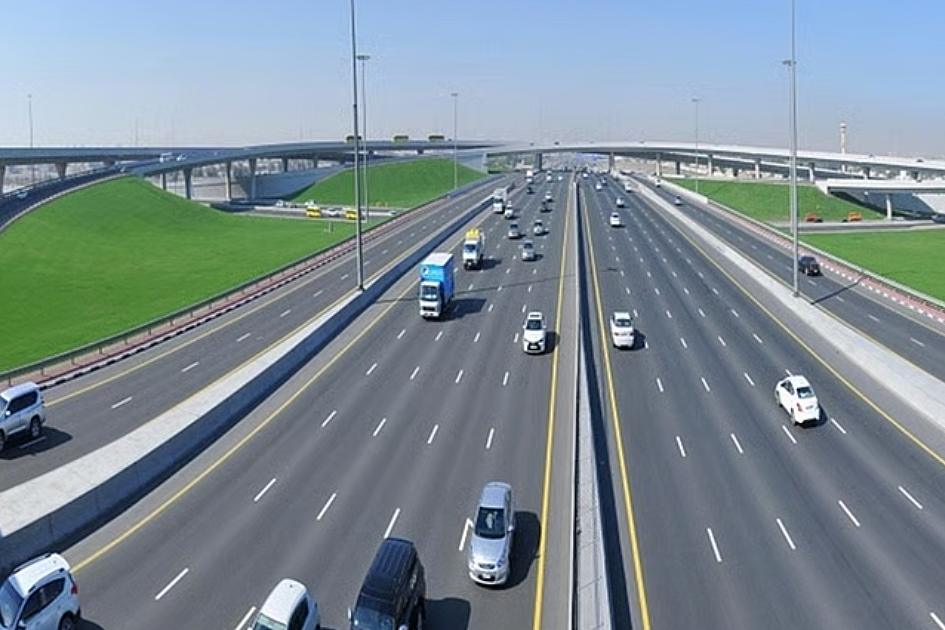
Sharjah: New main roads constructed to improve traffic flow, ease congestion
Sharjah has taken a significant step toward improving urban mobility and supporting economic development with the construction of new main roads in the Al Malha Commercial Area. The Sharjah Roads and Transport Authority announced on Sunday that the newly built roads span six kilometers and are designed to alleviate traffic congestion and enhance the overall flow of vehicles. This initiative is part of a broader strategy to upgrade the emirate’s infrastructure, ensuring a better quality of life for residents and fostering economic activity. The project also includes the paving of main roads and the optimization of entrances and exits to facilitate smoother traffic movement. Motorists in Sharjah have expressed optimism about the Dh170-billion transport infrastructure plan, which includes a fourth national highway connecting the northern emirates to Abu Dhabi. Additionally, the Industrial Area 6 is set to undergo a major redevelopment project, expected to be completed within two years, further easing the daily commute for thousands of drivers. These efforts underscore Sharjah’s commitment to sustainable urban development and improved connectivity.
-
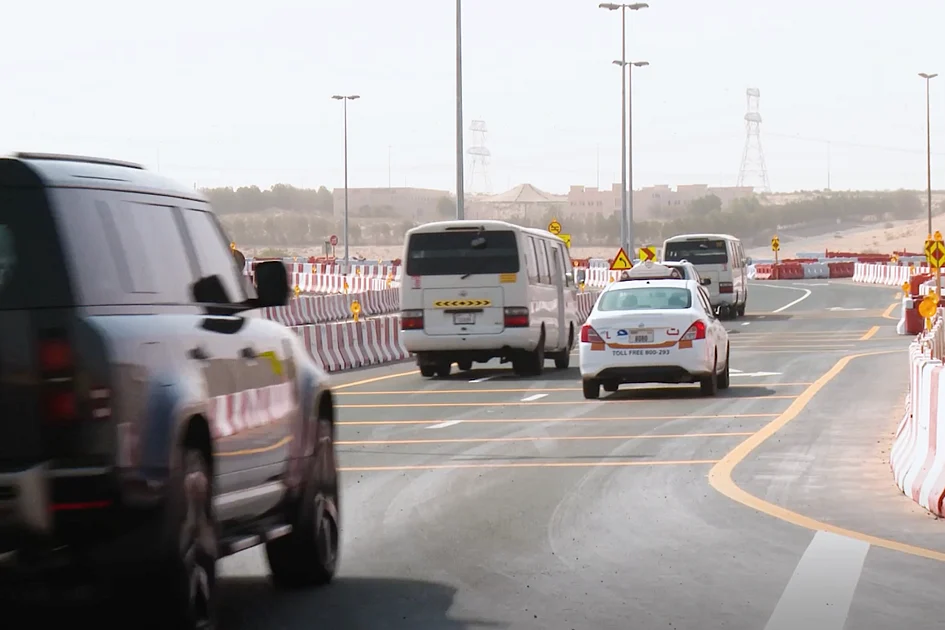
Dubai Metro Blue Line construction: Over 10 new traffic diversions planned
The Roads and Transport Authority (RTA) of Dubai has announced more than 10 new traffic diversions to support the ongoing construction of the Dubai Metro Blue Line. These measures aim to ensure smooth traffic flow while enhancing the city’s public transport network. The Blue Line, a significant addition to Dubai’s metro system, will connect key districts, improve quality of life, and reduce reliance on private vehicles. Since the project’s inception, 11 diversions have already been implemented, with more planned in the coming months. Recent changes include the closure of the entrance from Ras Al Khor Road into International City 1 and a major diversion at Centrepoint Metro Station. The Blue Line extends in two directions: one spanning 21 km with 10 stations from Creek Interchange Station to Dubai Academic City, and another covering 9 km with four stations from Centrepoint Interchange Station to International City (1). The project also includes the construction of a depot and maintenance facility in Al Ruwayyah 3. To keep residents informed, the RTA has launched a public awareness strategy, providing regular updates through media channels and community gatherings. The authority has also conducted detailed field surveys to engage with affected communities. Mattar Al Tayer, Director General and Chairman of the RTA, highlighted the project’s economic benefits, estimating savings of over Dh56.5 billion by 2040 due to reduced travel time, fuel consumption, and accident-related fatalities. Additionally, the Blue Line is expected to boost property values by up to 25% around metro stations and reduce traffic congestion by 20% along its corridors. A McKinsey & Company study commissioned by the RTA revealed that neighborhoods linked to Dubai’s transport network, such as Downtown Dubai and Dubai Marina, have already seen property price increases of up to 16%, underscoring the transformative impact of infrastructure projects.
-
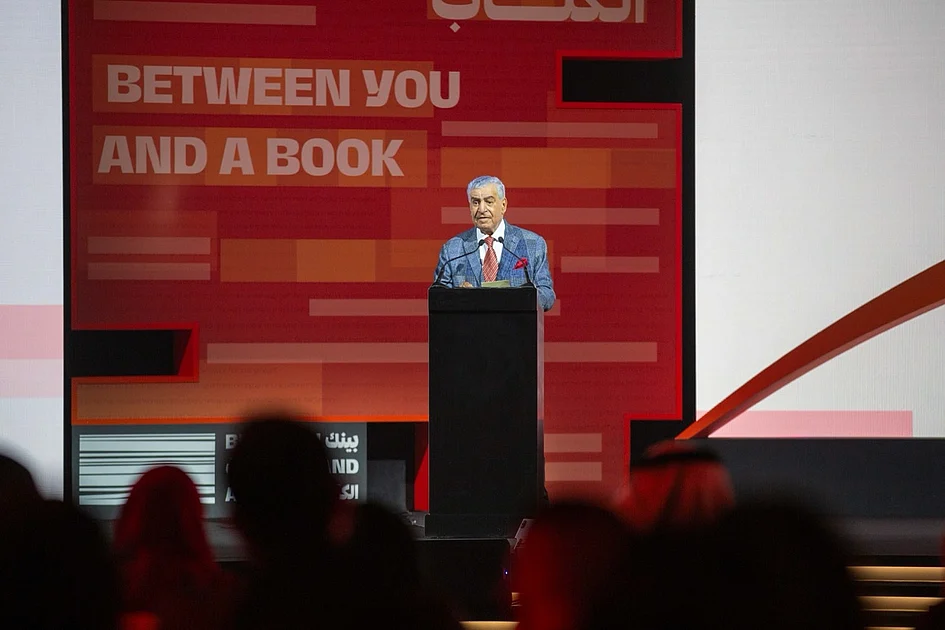
UAE: Big reveal inside Pyramid to be announced in 2026, says prominent Egyptologist
A groundbreaking discovery within the Pyramid of Khufu in Egypt is set to be unveiled in 2026, according to renowned Egyptologist Dr Zahi Hawas. The announcement was made during a session titled “Secrets of the Pharaohs” at the 44th Sharjah International Book Fair. Using advanced technology, archaeologists have identified a 30-meter void inside the pyramid, complete with a door at its end. Dr Hawas, a former Antiquities Minister and Secretary-General of the Supreme Council of Antiquities, promised, “Next year, we will reveal to the world what lies behind that door.”
The session also featured a virtual tour of the pyramid, showcasing Dr Hawas’ extensive explorations. Reflecting on his career, he expressed his desire to discover the tombs of Imhotep, the architect of the first pyramid, and Queen Nefertiti. Dr Hawas has been a vocal advocate for the repatriation of Egyptian antiquities, including the bust of Nefertiti, the Rosetta Stone, and the Dendera Zodiac.
Dr Hawas also praised the newly inaugurated Grand Egyptian Museum (GEM), calling it one of the world’s greatest museums. Located near the Great Pyramids of Giza, GEM houses over 100,000 artefacts, chronicling Ancient Egypt’s history from prehistoric times to the Roman era. Additionally, he acknowledged the cultural contributions of Dr Sultan bin Mohammed Al Qasimi, Ruler of Sharjah, who once returned stolen Egyptian artefacts to their homeland as a gesture of goodwill.
-
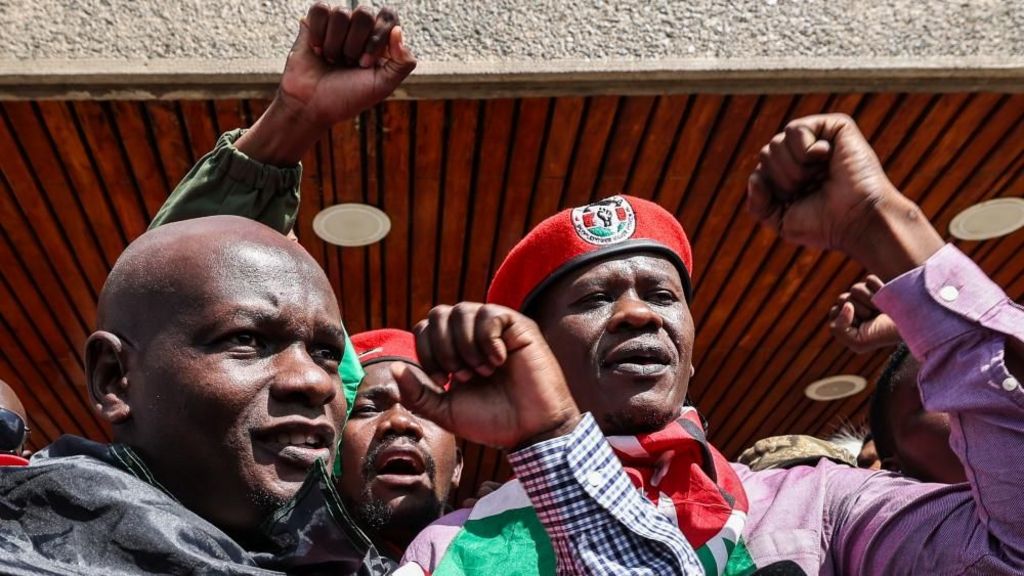
Uganda president admits Kenyan activists were arrested and held in ‘the fridge’
Ugandan President Yoweri Museveni has publicly acknowledged the arrest of two Kenyan activists, Bob Njagi and Nicholas Oyoo, who were missing for five weeks. The activists were reportedly abducted by masked uniformed men after attending a political event in support of Ugandan opposition leader Bobi Wine. Their release was confirmed on Saturday, following weeks of denial by Ugandan authorities. Museveni, in a live interview, referred to the duo as ‘experts in riots’ and claimed they were ‘put in the fridge for some days.’ He attributed their release to pressure from ‘some Kenyan leaders.’ The activists were greeted by supporters upon their return to Nairobi, where Njagi recounted the harrowing 38-day ordeal, stating they feared for their lives. Kenya’s Foreign Minister, Musalia Mudavadi, highlighted the role of sustained diplomatic efforts in securing their freedom. Activist groups, including Vocal Africa, the Law Society of Kenya, and Amnesty International, praised the release as a step toward safeguarding human rights in the East African Community. This incident underscores ongoing concerns about the suppression of dissent in the region, with similar cases of enforced disappearances and detentions reported in recent years. Bobi Wine, Museveni’s political rival, accused the Ugandan government of targeting the activists for their association with him. The case has reignited debates about the collaboration of East African governments in curbing opposition voices.
-
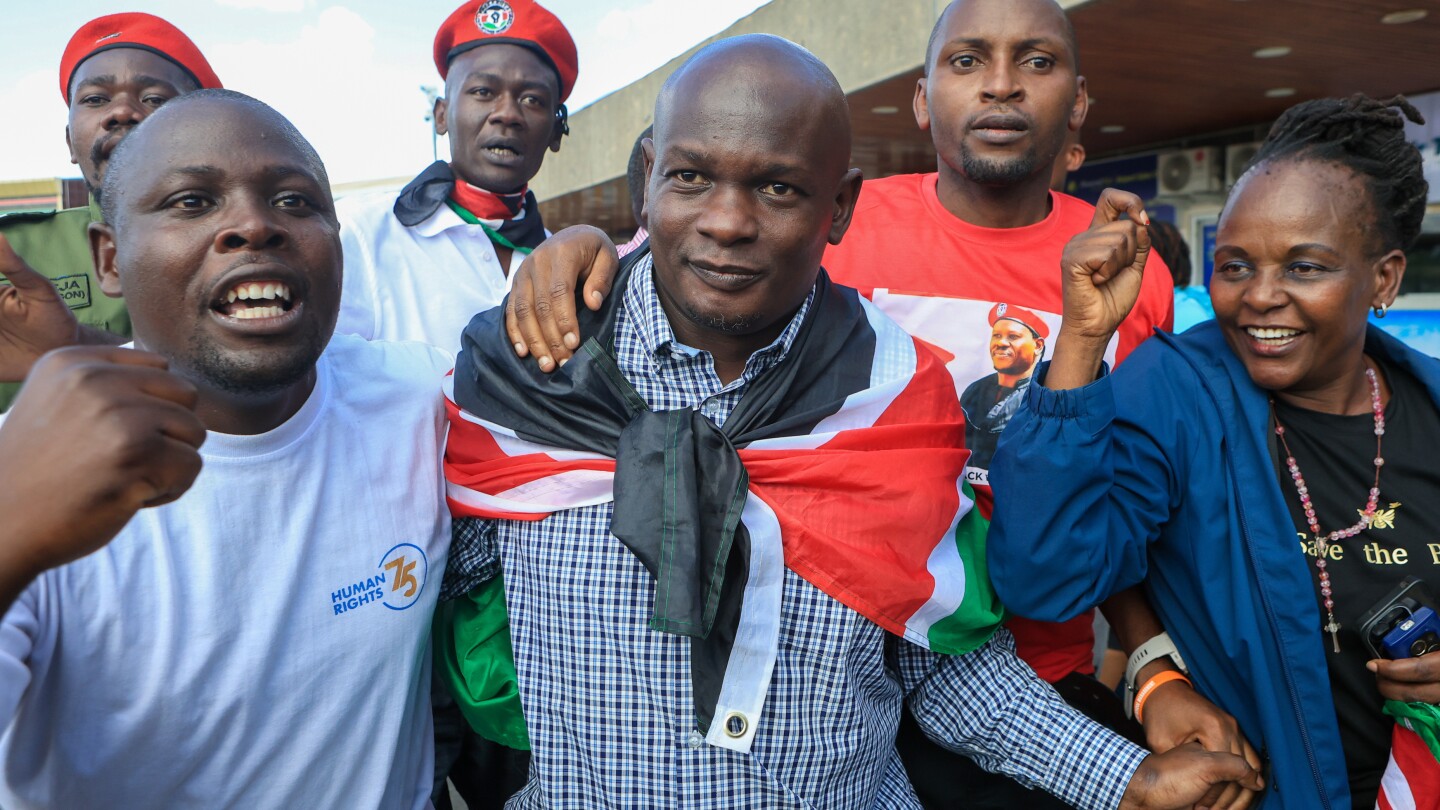
Kenyan activists released from Ugandan detention after Museveni confirms arrest
Two Kenyan activists, Bob Njagi and Nicholas Oyoo, have been released from detention in Uganda after being held for over a month. The arrests occurred on October 1, shortly after the activists attended a rally organized by Bobi Wine, President Yoweri Museveni’s most prominent political challenger. Museveni accused the duo of collaborating with the opposition to destabilize his government ahead of the January general election. Initially, the Ugandan government denied any involvement in the arrests. However, after weeks of diplomatic negotiations led by Kenya’s Foreign Affairs Minister Musalia Mudavadi, the activists were released to the Kenyan ambassador. The pair returned to Kenya on Saturday, alleging they were detained in a military facility under “inhumane conditions” guarded by Ugandan special forces. Museveni, who has been in power since 1986 and is seeking a seventh term, warned that any attempts to protest in Uganda would “end up badly,” referencing the deadly November 2020 protests following Bobi Wine’s arrest. He also stated that Kenyan officials had requested the activists’ release or prosecution. Museveni’s critics accuse him of authoritarianism, citing his suppression of opposition voices within and outside his National Resistance Movement party.
-
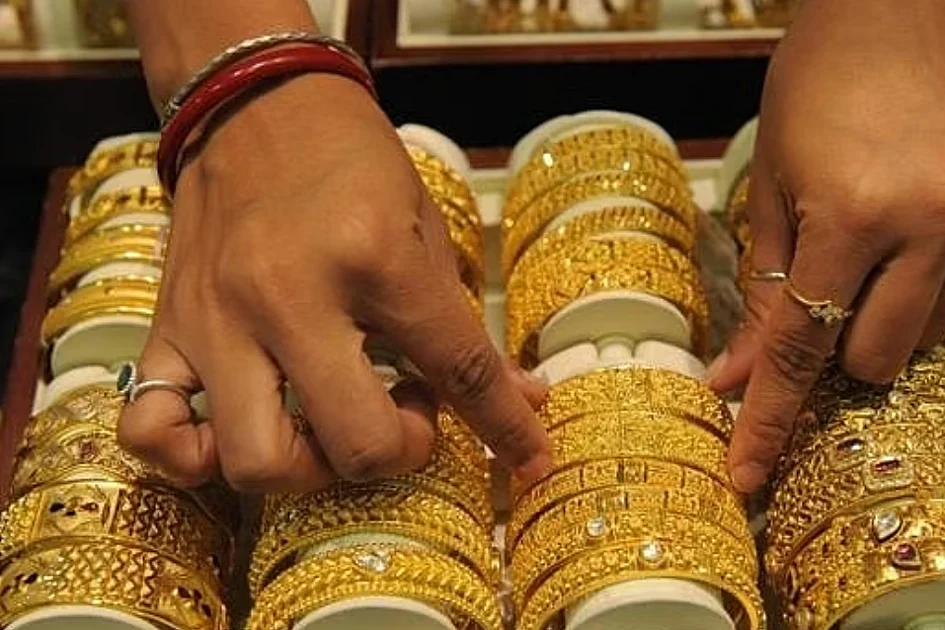
UAE: After hitting a 5-year low, gold jewellery sales pick up as prices ease
Gold jewellery sales in the UAE have experienced a resurgence following a significant drop in prices after reaching a peak in October 2025. According to data from the World Gold Council, demand for gold jewellery in the UAE plummeted to a five-year low of 6.3 tonnes in the third quarter of 2025, marking a 10% year-on-year decline and an 18% quarter-on-quarter drop. This was the lowest quarterly figure since the third quarter of 2020, when sales stood at 3.8 tonnes. The decline was attributed to record-high gold prices, which deterred buyers during the summer months. However, as prices began to ease, consumer interest in gold jewellery has gradually returned. Jewellers in Dubai report a noticeable uptick in sales, with customers strategically opting for lighter and more affordable pieces. Chirag Vora, Managing Director of Bafleh Jewellers, noted that the dip in prices has attracted bargain hunters, while Anil Dhanak of Kanz Jewels highlighted the seasonal boost from increased tourism and festive demand. In October, 24K gold prices in Dubai peaked at Dh525 per gram but have since dropped to Dh482 per gram. Spot gold closed at $4,001.21 per ounce over the weekend. Despite the recovery in jewellery sales, demand for gold coins and bars also declined, albeit at a slower pace, as investors anticipated further price rallies. Overall, UAE gold demand fell 9% year-on-year to 9.7 tonnes in the third quarter of 2025, the lowest since the second quarter of 2021.
-
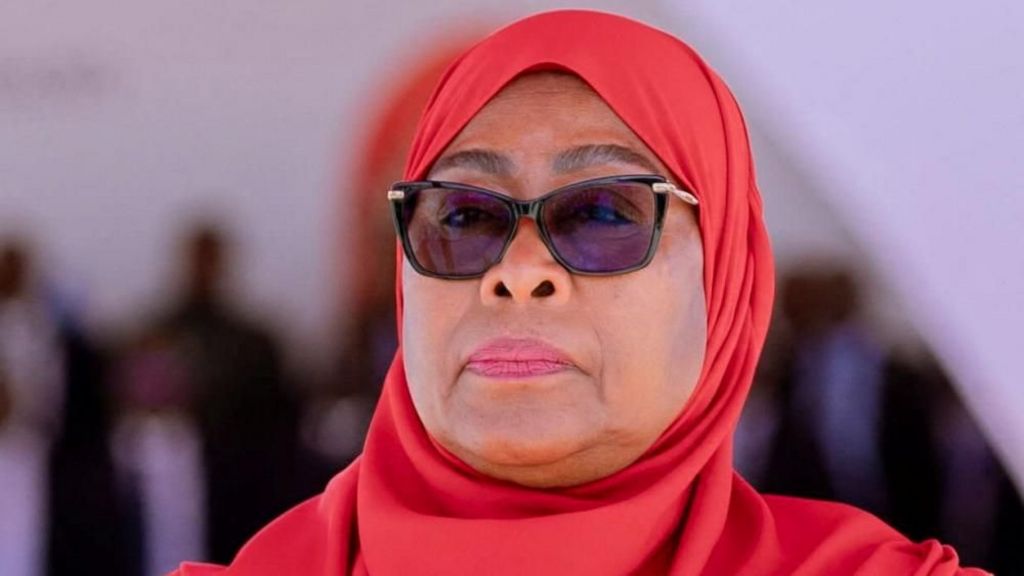
The gentle but ruthless president blamed for shattering Tanzania’s aura of stability
Tanzania, once hailed as a bastion of peace and stability in Africa, is now grappling with its most severe post-election violence in decades. The crisis erupted following the 29 October election, where President Samia Suluhu Hassan secured a landslide victory with 98% of the vote. However, the triumph has been overshadowed by widespread unrest, accusations of electoral malpractice, and a death toll that remains unconfirmed. Families across the nation are mourning loved ones lost in the violence, while regional and continental organizations have issued rare rebukes against the Tanzanian government. Samia, who initially inspired optimism with her calm demeanor and promises of reform upon assuming power in 2021, now faces mounting criticism for presiding over a repressive regime. Analysts attribute the unrest to years of simmering youth discontent, stalled reforms, and the ruling Chama Cha Mapinduzi (CCM) party’s authoritarian tendencies. The protests, led by young Tanzanians, echo global Gen Z movements against unresponsive leadership. The CCM, a post-colonial liberation party, has long dominated Tanzania’s political landscape, but its recent actions—including the disqualification of opposition candidates and a brutal crackdown on dissent—have exposed a darker side of the nation. As Samia begins her second term, her legitimacy is under scrutiny both domestically and internationally, with calls for accountability and democratic reform growing louder.
-
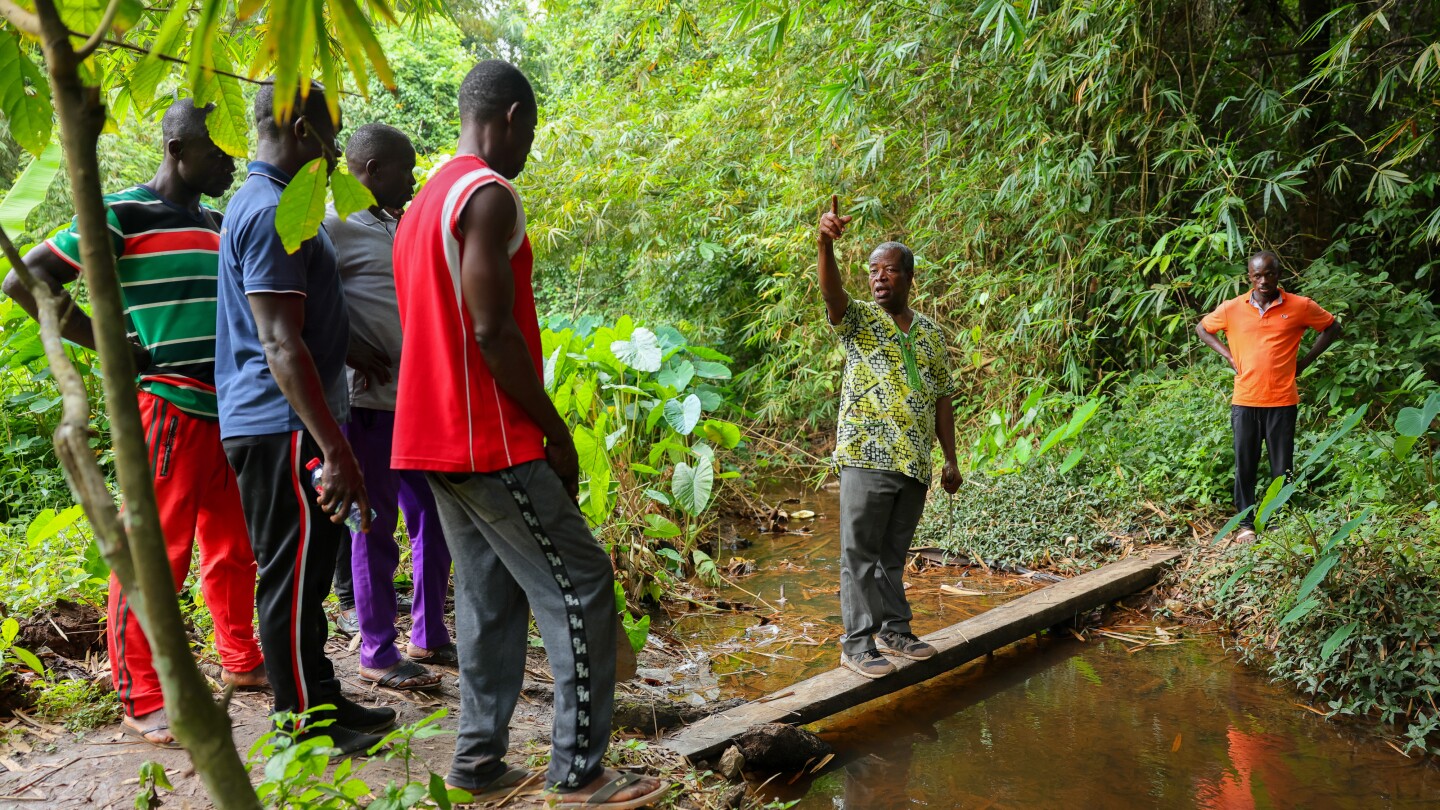
Residents turn to community patrols as illegal gold mining grows in Ghana
In the remote forests of western Ghana, a dedicated group of residents, led by a Catholic priest, has taken up arms against the scourge of illegal gold mining. Known as the Jema Anti-Galamsey Advocacy, this grassroots task force has been patrolling the region for over a year, determined to protect their land and water from the devastating effects of unregulated mining. Their efforts have not only preserved the local environment but also sparked a national debate on the balance between community enforcement and potential human rights abuses.