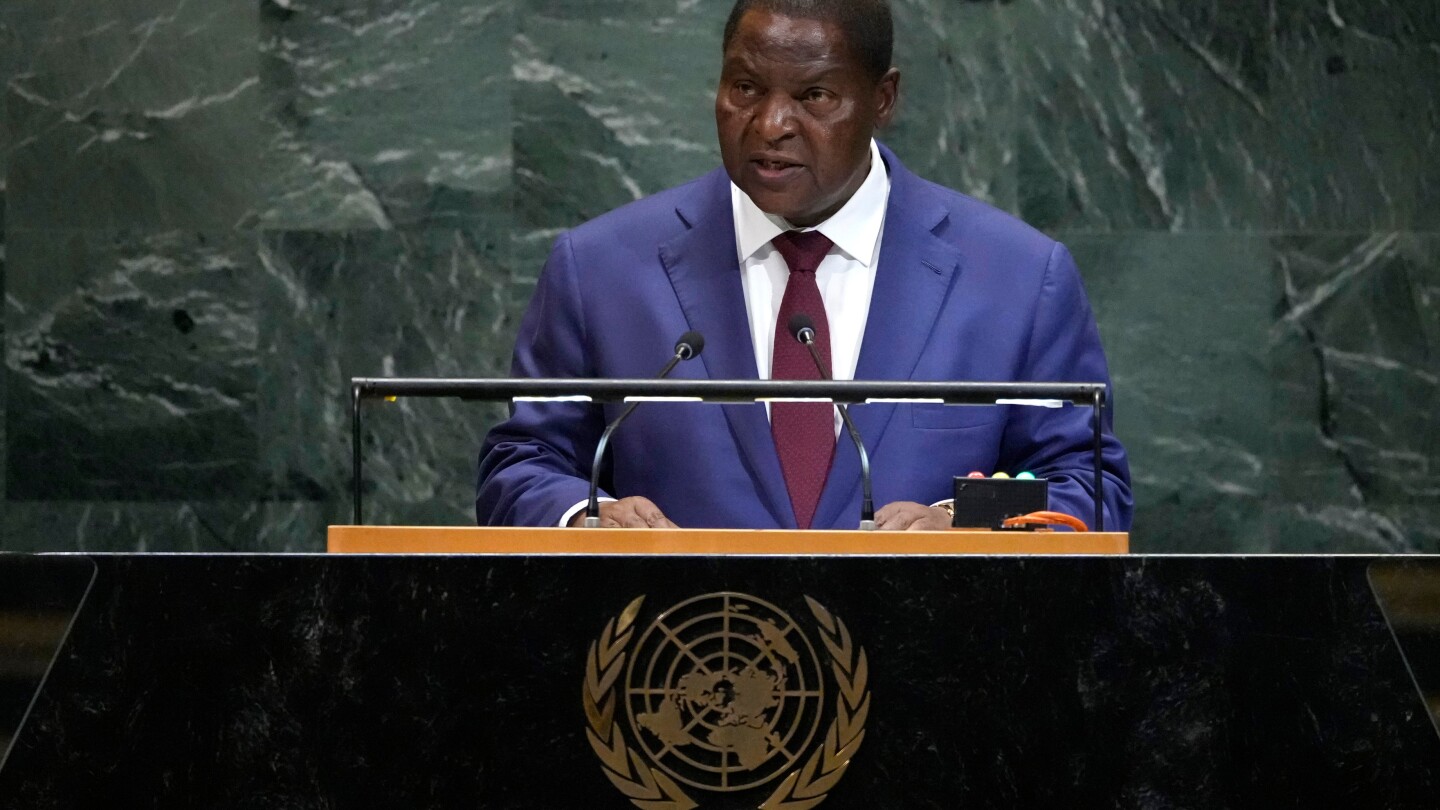
In Bangui, the capital of the Central African Republic (CAR), the nation’s constitutional court commenced hearings on Wednesday regarding a petition seeking to bar President Faustin Archange Touadera from contesting the upcoming December presidential election. The petition, lodged by the Observatory for Democratic Governance, a civil society organization, contends that Touadera fails to meet the constitutional prerequisites for presidential candidacy. Elysée Nguimalé, the group’s president, has raised concerns over the origin of Touadera’s name, asserting that it implies an ambiguous lineage. Nguimalé argued that the name ‘Touadera’ in the president’s native tongue translates to ‘a child abandoned by his maternal uncles,’ suggesting an unknown paternal lineage. This, he claims, violates Article 65 of the country’s Family Code, which mandates clear ancestry for presidential candidates. Territorial Administration Minister Bruno Yapandé dismissed the petition as an attempt to ‘sow confusion among the public.’ The court’s decision remains pending, with no clear timeline for a verdict. The controversy unfolds as Touadera seeks a third term, made possible by the abolition of term limits in 2023. The election is set against a backdrop of a lingering security crisis and Touadera’s efforts to secure Russian support. Meanwhile, opposition leader Anicet Georges Dologuélé faces potential statelessness after the government refused to issue him a passport. The final list of candidates for the December 28 election has yet to be released.
标签: Africa
非洲
-
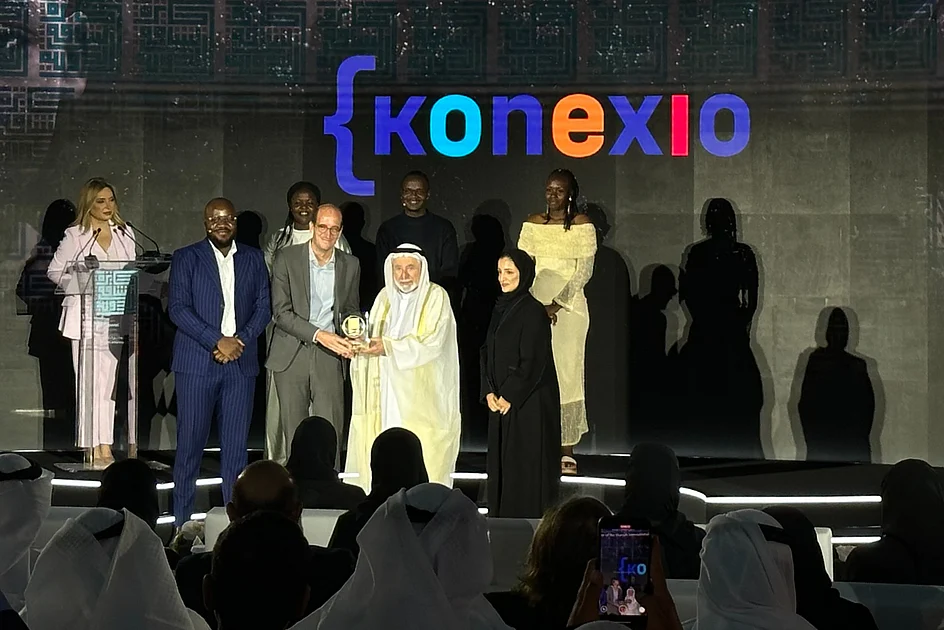
Sharjah Ruler awards Konexio Africa for empowering refugees with tech skills
Konexio Africa has been awarded the prestigious 9th Sharjah International Award for Refugee Advocacy and Support (SIARA) for its groundbreaking efforts in leveraging technology to create opportunities for young refugees. The ceremony, held in the presence of Sheikh Dr Sultan bin Mohammed Al Qasimi, Ruler of Sharjah, was organized by The Big Heart Foundation (TBHF) in collaboration with the United Nations High Commissioner for Refugees (UNHCR). Selected from 970 nominations, Konexio Africa was recognized as a leading model in humanitarian work for its success in equipping refugees and vulnerable youth with digital skills and connecting them to online employment opportunities.
Konexio Africa’s Digital Inclusion Programme, launched in 2019, has been instrumental in bridging the digital divide for underserved communities. The initiative, which began in Malawi’s Dzaleka Refugee Camp, has since expanded to Kenya, serving both urban refugees in Nairobi and camp-based refugees in Kakuma. The programme focuses on digital literacy and job-specific training, enabling participants to access sustainable employment. An impressive 84% of trainees report increased income upon graduation, transforming the lives of hundreds of families.
Fabien de Castilla, Director of Konexio Africa, expressed gratitude for the award, emphasizing its significance for the over 8,000 individuals trained across Africa. He highlighted the tangible impact of the programme, including improved food security, steady income, and access to education for children. Looking ahead, Konexio Africa plans to expand its operations and integrate Artificial Intelligence (AI) training into its curriculum, further enhancing the skill sets of its beneficiaries.
The SIARA award underscores the UAE’s and Sharjah’s commitment to humanitarian excellence, celebrating initiatives that promote resilience, dignity, and opportunity for refugees and displaced populations. During the ceremony, TBHF also announced the launch of a second documentary film, following the success of “The Story of a Neighborhood,” which has been recognized at 25 film festivals. Nominations for the 10th edition of the SIARA award are now open.
-
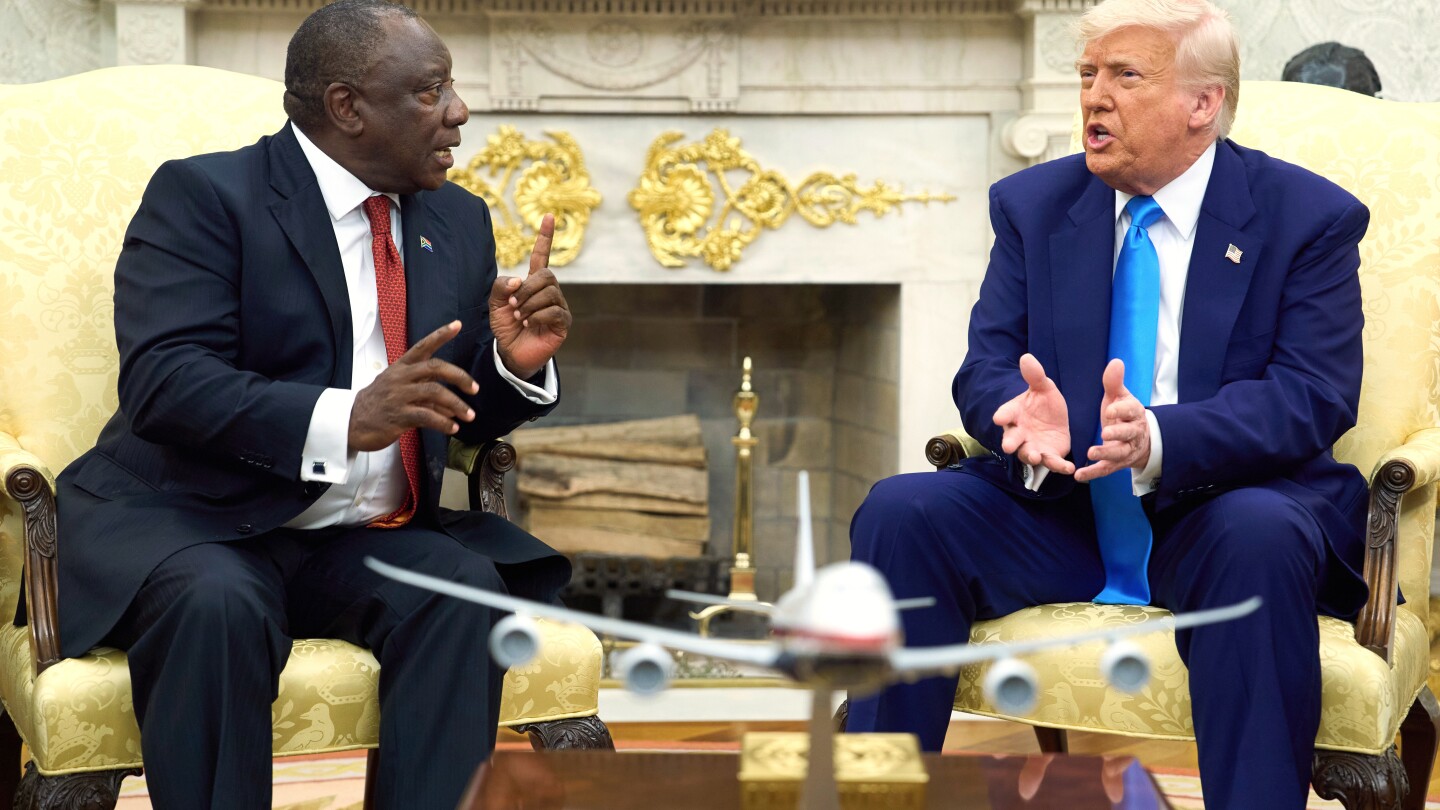
Trump’s decision that the US boycott the G20 summit is ‘their loss,’ South African president says
CAPE TOWN, South Africa — South African President Cyril Ramaphosa has labeled the United States’ decision to boycott the upcoming G20 summit in Johannesburg as “their loss.” The U.S. government’s absence from the November 22-23 meeting of global leaders was announced last week by President Donald Trump, who cited controversial and widely disputed claims about the persecution of South Africa’s white minority. Ramaphosa, speaking outside the South African Parliament on Wednesday, urged the U.S. to reconsider its stance, stating that boycott politics “doesn’t work” in his experience. He emphasized that the G20 summit would proceed as planned, with other heads of state in attendance, and that the U.S. absence would not hinder the event’s outcomes. Trump’s decision follows months of criticism directed at South Africa’s Black-led government, including its stance on Israel and allegations of anti-white racism. Ramaphosa also highlighted the U.S.’s role as the world’s largest economy, suggesting that its absence undermines its global influence. The G20, established in 1999, brings together major economies to address global economic and developmental challenges. The U.S. is set to assume the G20 presidency from South Africa at the end of the year. Trump’s claims about violence against Afrikaners have been echoed by conservative U.S. media figures and South African-born entrepreneur Elon Musk, who has accused the government of racism due to its affirmative action policies. Ramaphosa’s administration has dismissed these allegations as misinformation, while U.S.-South Africa relations have reached their lowest point since the end of apartheid in 1994.
-
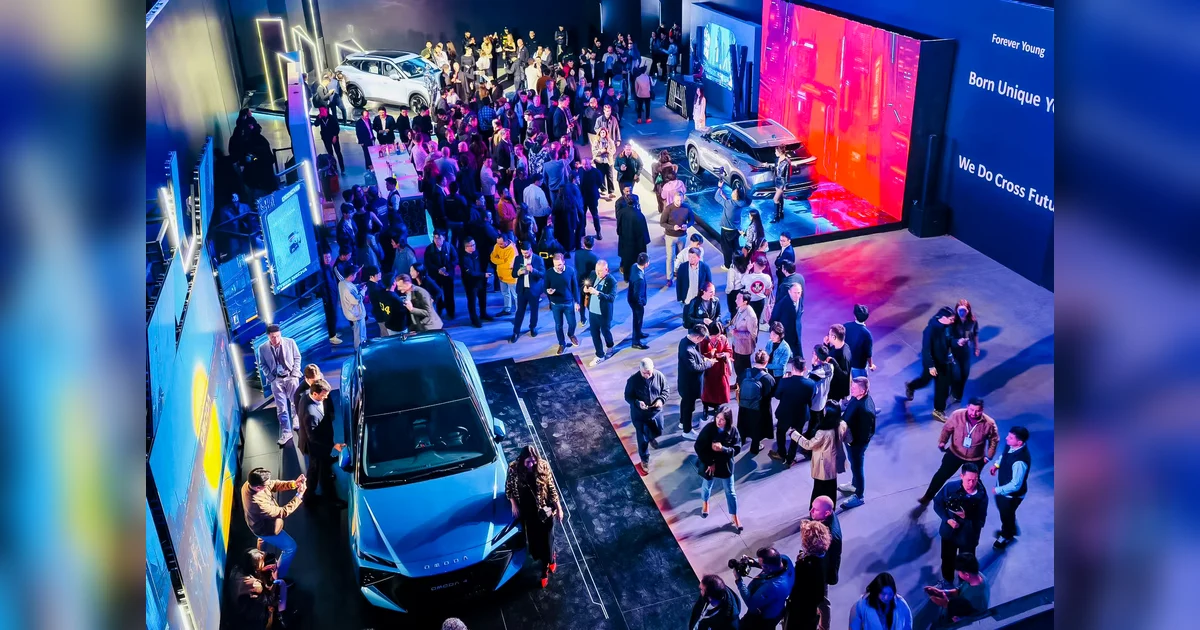
OMODA&JAECOO International Summit concludes with a vision for a smarter, greener future
The 2025 OMODA&JAECOO International User Summit, held in Wuhu, China, concluded with a resounding vision for the future of intelligent and sustainable mobility. The event, themed “Co-Creation for a Smarter, Greener Future,” brought together users, partners, and media representatives from nearly 100 countries, including the UAE, to celebrate the brand’s latest innovations in green technology and intelligent mobility. The summit highlighted OMODA&JAECOO’s alignment with global sustainability goals, particularly the UAE’s Net Zero 2050 vision. A standout moment was the unveiling of the OMODA O4 ULTRA, a futuristic crossover designed to meet the demands of tech-savvy drivers, blending cutting-edge design with advanced digital connectivity. Attendees also experienced the OMODA O4 Experience Showcase, offering a glimpse into the future of smart driving. The Hybrid Marathon Challenge, covering 600 km, demonstrated the efficiency and reliability of OMODA&JAECOO’s hybrid models, including the OMODA 5 SHS-H and JAECOO 5 SHS-H, which are well-suited for diverse terrains like those in the Gulf region. The brand’s parent company also renewed its three-year partnership with UNICEF, pledging $6 million to support education initiatives in underserved communities, aligning with its sustainability pillars of Green Mobility, Environmental Protection, and Educational Equality. The summit also introduced AIMOGA, an intelligent AI assistant integrating emotional interaction and deep learning, symbolizing OMODA&JAECOO’s vision of combining automotive and robotics technologies. The event concluded with a focus on global collaboration, emphasizing the brand’s commitment to user-driven innovation and its expanding presence in the UAE, including new model launches and showroom openings.
-
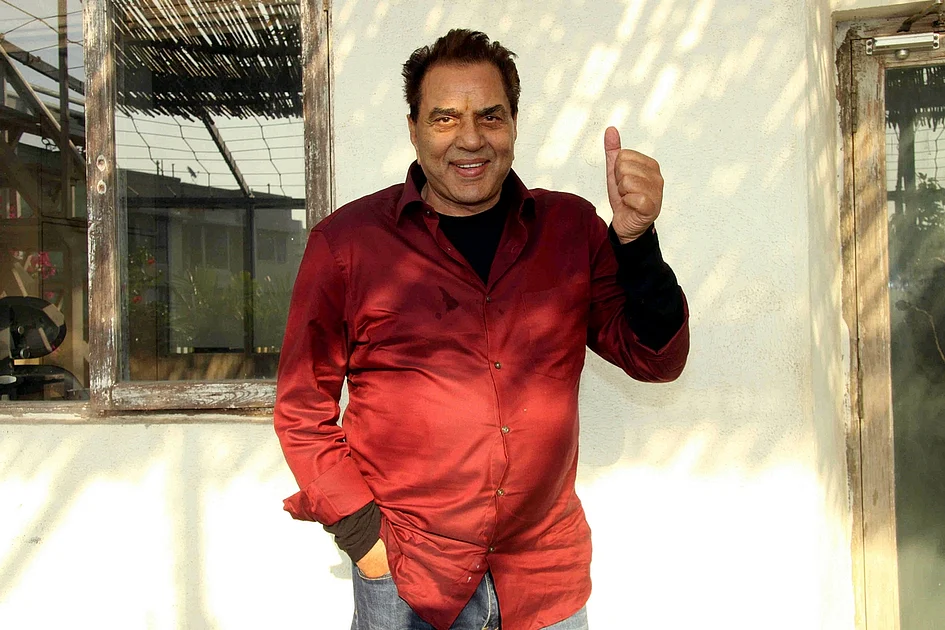
Dharmendra discharged from hospital as family decides to take him home: Doctor
Veteran Bollywood actor Dharmendra, aged 89, has been discharged from Mumbai’s Breach Candy Hospital on Wednesday morning. According to an official statement from his son Sunny Deol’s team, the legendary actor will now continue his recovery at home under medical supervision. The family has requested privacy and urged the media and public to refrain from speculation regarding his health. Earlier, the family had to refute false reports of his death, clarifying that he was responding well to treatment during his hospital stay. Dharmendra was admitted to the hospital on Monday after his health deteriorated, sparking concern among fans and fellow celebrities. Prominent Bollywood figures, including Salman Khan, Govinda, and Ameesha Patel, visited the hospital to show their support. His family, including wife Hema Malini, sons Sunny and Bobby Deol, and grandchildren Karan and Rajveer Deol, were also present during this time. The family expressed gratitude for the outpouring of love, prayers, and well-wishes from fans and well-wishers, emphasizing their hope for his continued recovery and long life.
-
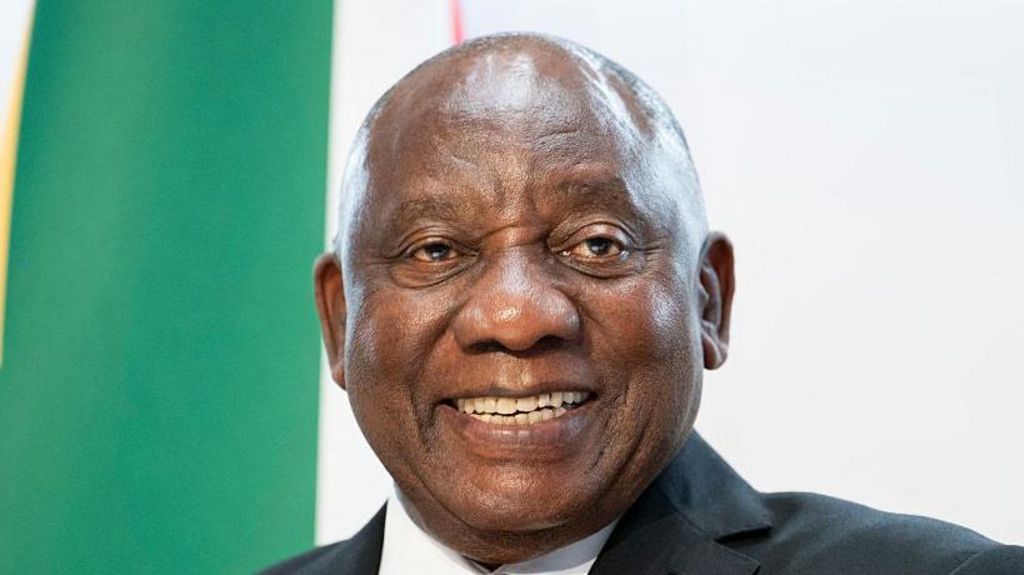
Ramaphosa says ‘boycott politics doesn’t work’ over Trump’s decision to skip G20 summit
South African President Cyril Ramaphosa has strongly criticized the United States’ decision to boycott the upcoming G20 summit in Johannesburg, labeling it as a significant loss for the US. The decision, announced by US President Donald Trump, stems from unsubstantiated claims of white persecution in South Africa. Ramaphosa, speaking outside parliament, emphasized that the US’s absence would not hinder the summit’s proceedings, stating, ‘Boycott politics doesn’t work.’ He further highlighted that the US is relinquishing its crucial role as the world’s largest economy by opting out of the event. The G20 summit, scheduled for November 22-23, has been marred by controversy following Trump’s social media post calling South Africa’s hosting a ‘total disgrace.’ Trump initially planned to send Vice-President JD Vance in his stead but later retracted, reiterating his unfounded allegations of human rights abuses against Afrikaners. South Africa has firmly denied these claims, asserting that there is no evidence supporting the notion of white genocide or land confiscation without compensation. The government has labeled these accusations as baseless and lacking credible support. As the summit approaches, Ramaphosa remains steadfast in his commitment to ensuring its success, despite the US’s withdrawal.
-
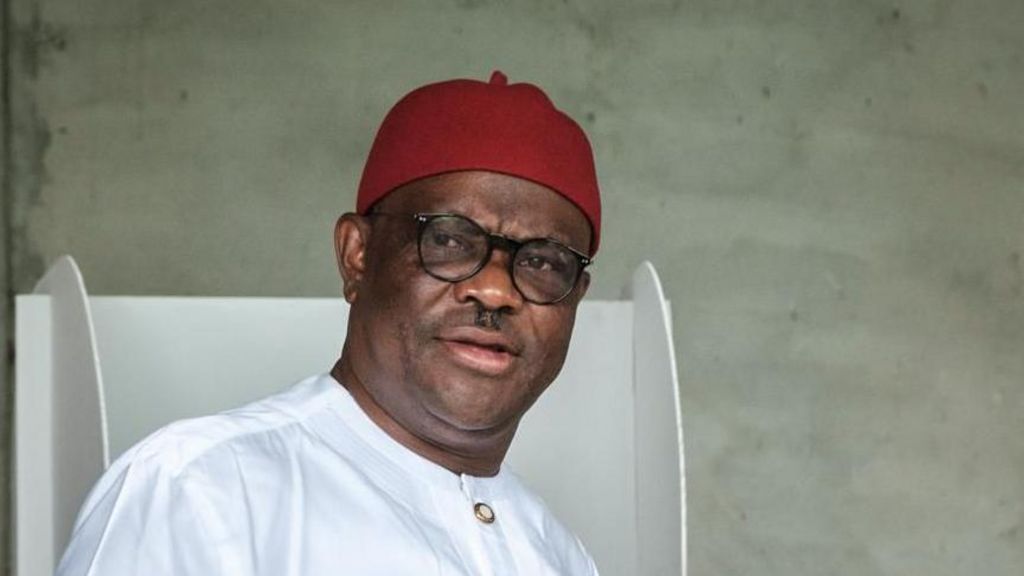
Nigerians praise young soldier for standing up to powerful minister
A young Nigerian soldier, Lieutenant A.M. Yerima, has become a symbol of courage and professionalism after a video of him standing his ground against Federal Capital Territory (FCT) Minister Nyesom Wike went viral. The incident occurred on Tuesday when Lt. Yerima, acting on orders from his superiors, prevented Minister Wike from accessing a disputed plot of land in Abuja. The video, which has garnered millions of views, shows Wike growing increasingly agitated as Lt. Yerima calmly refuses him entry, citing his orders. Social media users have widely praised the soldier’s composure, with many describing him as ‘brave’ and ‘courageous.’ Some have even shared his photo on their WhatsApp statuses as a mark of respect. The confrontation is particularly notable because Wike, a former governor of oil-rich Rivers State, is considered one of the most influential figures in President Bola Tinubu’s administration. Known for his assertive demeanor, Wike rarely faces resistance from lower-ranking officials. In the video, Wike is heard insulting the soldier, saying, ‘You are a very big fool. At the time I graduated, you were still in primary school.’ Lt. Yerima responds calmly, stating, ‘I am not a fool, sir.’ The reason for the soldiers’ presence on the land remains unclear, and the Nigerian military has yet to comment on the incident. Wike later told journalists that he visited the site after officials from the Abuja Metropolitan Management Council reported being chased away by soldiers. He claimed the land falls under his jurisdiction and that his administration is investigating reports of illegal construction and land encroachment. ‘This is what prevents us from progressing,’ Wike said, adding that the soldiers failed to produce the documents he requested. The incident has sparked widespread discussion about accountability, professionalism, and the rule of law in Nigeria.
-
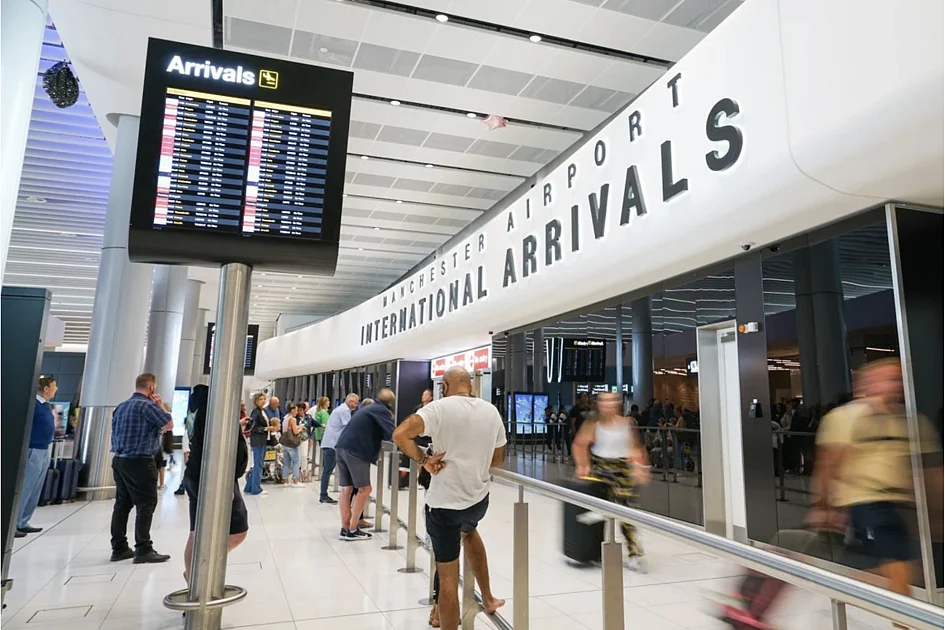
UAE-UK flights: Advisory issued for Emirates, Etihad passengers flying to Manchester
In a significant operational update, UAE-based carriers Emirates and Etihad Airways are set to transition their services to Terminal 2 at Manchester Airport. This move, announced by the UK airport, will see Etihad Airways relocating from November 12, followed by Emirates on November 18, 2025. Both airlines operate direct flights between their respective hubs in Abu Dhabi and Dubai to Manchester, a city renowned for its industrial heritage and vibrant cultural scene.
The shift is part of Manchester Airport’s broader £1.3 billion Transformation Programme, initiated in 2015, aimed at enhancing passenger experience. Terminal 2, which already hosts several international carriers including Gulf Air, British Airways, and Turkish Airlines, will now accommodate these two prominent UAE airlines. Check-in facilities for Terminal 2 are located on the upper level of the terminal.
Manchester Airport has assured passengers that all airlines will directly communicate the details of the transition, with airport staff available to assist during the move. This change underscores the airport’s commitment to improving service quality and operational efficiency.
Emirates has further bolstered its presence in Manchester by deploying its newly retrofitted Airbus A380 aircraft, featuring Premium Economy cabins. Since June 6, the airline has expanded its Premium Economy offering to nearly 5,000 weekly seats on flights to and from the UK. This upgrade aligns with Emirates’ strategy to enhance passenger comfort and cater to the growing demand for premium travel options.
Manchester, known for its iconic football teams and legendary music scene, continues to attract international travelers, making it a key destination for UAE carriers. The relocation of Emirates and Etihad to Terminal 2 is expected to streamline operations and provide passengers with a more seamless travel experience.
-
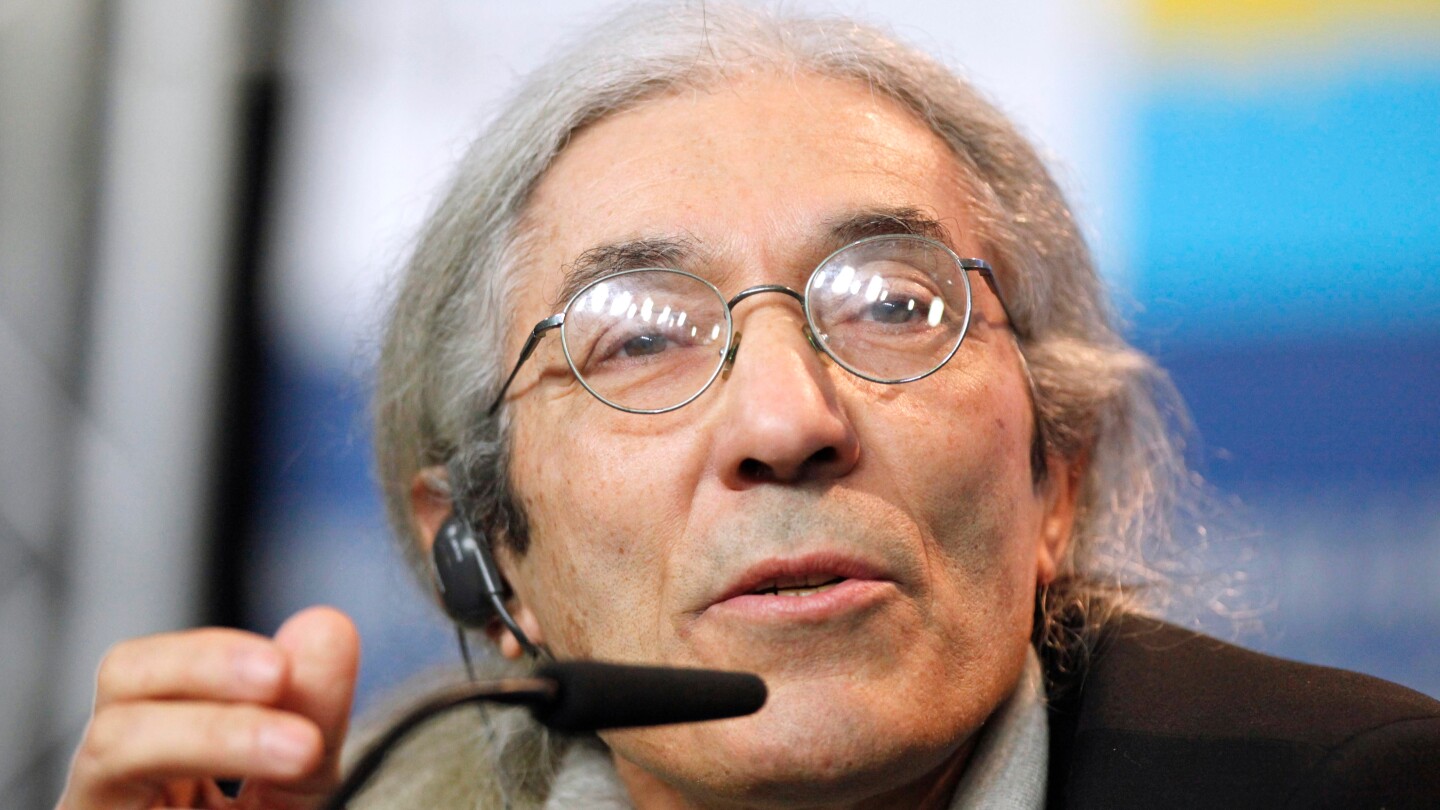
Algeria pardons French-Algerian author Boualem Sansal after yearlong imprisonment
In a significant humanitarian gesture, Algerian President Abdelmadjid Tebboune granted a pardon to French-Algerian novelist Boualem Sansal on Wednesday, ending his yearlong imprisonment. The 76-year-old author, known for his critical works on Islam, colonialism, and Algeria’s leadership, was arrested in November 2024 upon his return from France. He was subsequently convicted under Algeria’s anti-terrorism laws for undermining national unity and insulting public institutions, receiving a five-year sentence in March. Sansal, who is battling cancer, faced deteriorating health during his incarceration. The presidential statement highlighted humanitarian reasons and an appeal from Germany as the basis for his release, with Germany agreeing to provide him medical care. This decision concludes a contentious chapter that had strained relations between Algeria and France, where Sansal’s case garnered widespread political and literary support. His novels, including the award-winning ‘2084: The End of the World,’ have earned him acclaim in Europe, particularly among far-right leaders and literary circles. German President Frank-Walter Steinmeier’s intervention, citing Sansal’s age and health, played a pivotal role in securing his freedom.
-
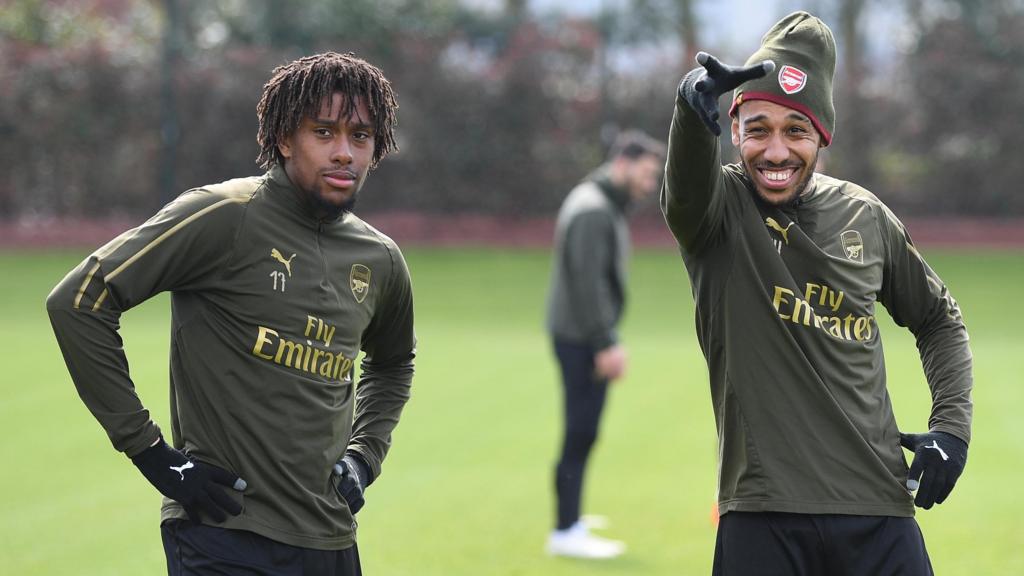
‘His aura is amazing’ – Iwobi on Aubameyang
In a heartfelt revelation, Alex Iwobi, now a midfielder for Fulham, reminisced about his time playing alongside Pierre-Emerick Aubameyang at Arsenal, describing him as a ‘big brother’ figure. The two football stars are set to face each other in an upcoming World Cup play-off as Nigeria takes on Gabon. Iwobi shared these sentiments during an interview with BBC Sport Africa at the Best of Africa Awards, where he reflected on Aubameyang’s impactful presence both on and off the pitch. The match promises to be a thrilling encounter, with both players bringing their A-game to the international stage. Produced and edited by Ian Williams, with footage captured by Ameer Ahmed, the story highlights the camaraderie and mutual respect between the two athletes.