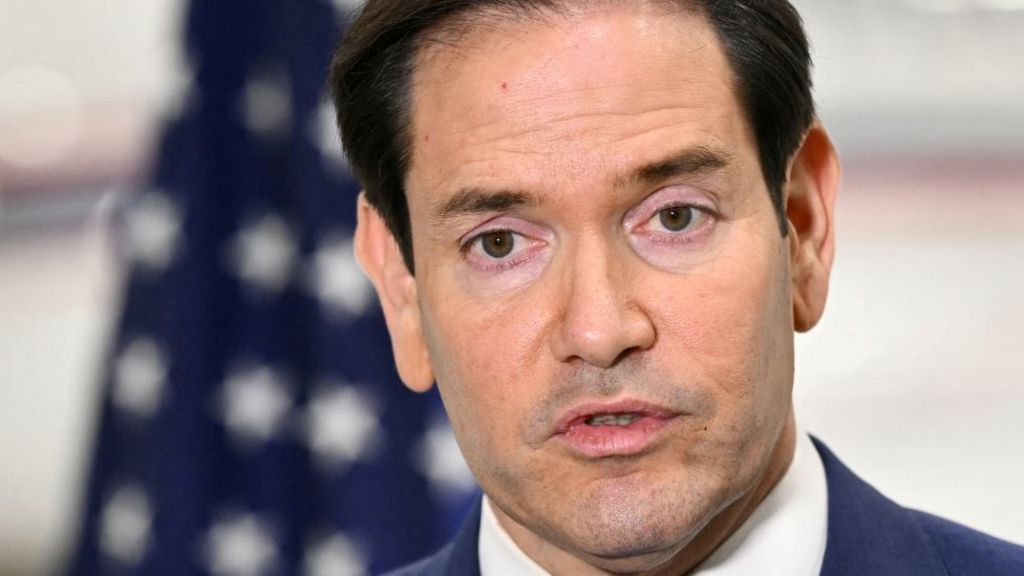
US Secretary of State Marco Rubio has urgently called for international intervention to sever weapons supplies to Sudan’s paramilitary Rapid Support Forces (RSF), following reports of widespread atrocities in el-Fasher. Speaking at the conclusion of a G7 foreign ministers’ meeting in Canada, Rubio detailed systematic crimes committed by the RSF, including murder, rape, and sexual violence against civilians. Sudan’s military has accused the United Arab Emirates (UAE) of arming the RSF and sending mercenaries through African nations, allegations the UAE has consistently denied. The RSF, engaged in a civil war with Sudan’s army since April 2023, recently captured el-Fasher after an 18-month siege, gaining control over all major cities in the western Darfur region. Rubio emphasized that women and children have been primary targets of the RSF’s brutal actions, describing the atrocities as ‘horrifying’ and demanding an immediate end to the violence. He urged partner nations to join the US in addressing the crisis and dismissed the RSF’s claims that rogue elements were responsible for the killings, asserting that the attacks were systematic. Rubio also expressed concerns that thousands of civilians expected to flee el-Fasher may have perished or are too malnourished to escape. Highlighting the RSF’s reliance on external arms supplies, he called on weapon-providing countries to cease their support. The G7 joint statement condemned the escalating violence in Sudan, labeling the conflict as the ‘world’s largest humanitarian crisis.’
标签: Africa
非洲
-
South Sudan leader sacks powerful Vice-President Bol Mel
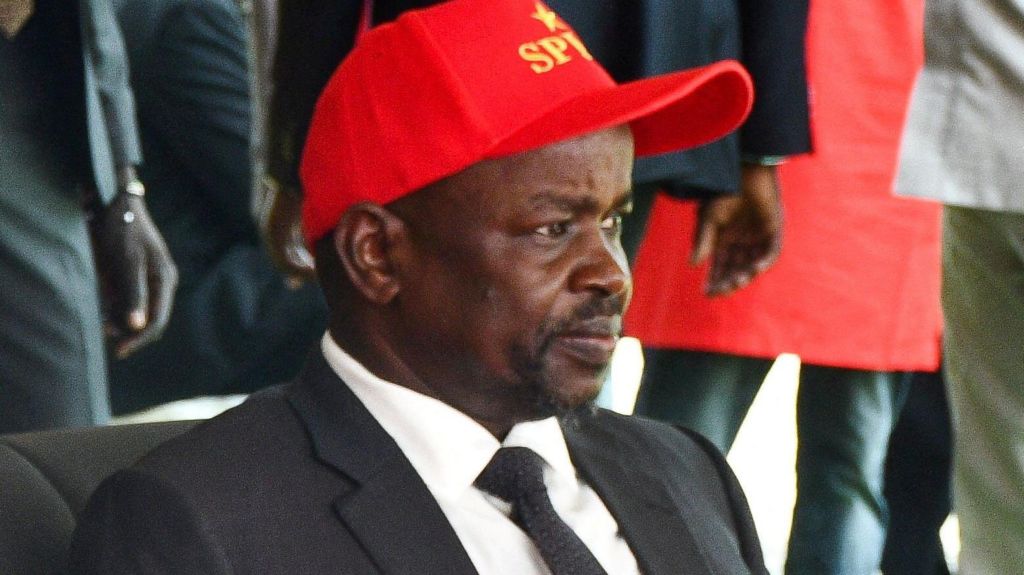
South Sudan’s President Salva Kiir has taken decisive action by dismissing Vice-President Benjamin Bol Mel, a move that has sent ripples through the nation’s political landscape. Bol Mel, who was seen as a potential successor to Kiir, was stripped of his military rank of general and removed from his position in the national security service. Additionally, Kiir sacked the central bank governor and the head of the revenue authority, both of whom were considered close allies of Bol Mel. The dismissals were announced in a decree broadcast on state television, with no official explanation provided. This development comes at a time of heightened fears of political instability and the potential resurgence of civil war, following the collapse of a fragile power-sharing agreement between Kiir and opposition leader Riek Machar. Bol Mel, 47, was appointed vice-president in February, replacing veteran politician and general James Wani Igga. He was also elevated to the position of first deputy chairman of the ruling SPLM party, a move that analysts believe positioned him as a potential successor to the 74-year-old Kiir. Despite being under US sanctions since 2017 for alleged corruption, Bol Mel’s rise within the government continued, with Kiir promoting him to the full rank of general in the National Security Service (NSS). Bol Mel has never directly responded to the corruption allegations and has remained silent on his dismissal. The president has yet to announce replacements for the positions held by Bol Mel. His dismissal has fueled speculation on social media about an internal power struggle within the SPLM. A government source, who wished to remain anonymous for safety reasons, described Bol Mel as a ‘divisive figure’ in government, stating, ‘It’s good that he has gone.’ South Sudan, an oil-rich nation that gained independence in 2011, has been plagued by civil war and political instability. The 2018 power-sharing agreement that ended the conflict has been fraught with challenges, with tensions persisting and sporadic violence continuing to erupt. Planned elections have been postponed twice in the past three years, and recent escalations in fighting between forces loyal to Kiir and armed groups have further exacerbated the situation. Earlier this year, Machar was dismissed as vice-president and arrested, facing charges of murder, treason, and crimes against humanity. His spokesperson has dismissed the charges as a ‘political witch-hunt.’ The charges followed an attack by a militia allegedly linked to Machar, which the government claims resulted in the deaths of 250 soldiers and a general. The case against Machar is ongoing, adding to the growing concerns of renewed civil unrest in the region.
-
Zanzibar’s ‘solar mamas’ are trained as technicians to help light up communities
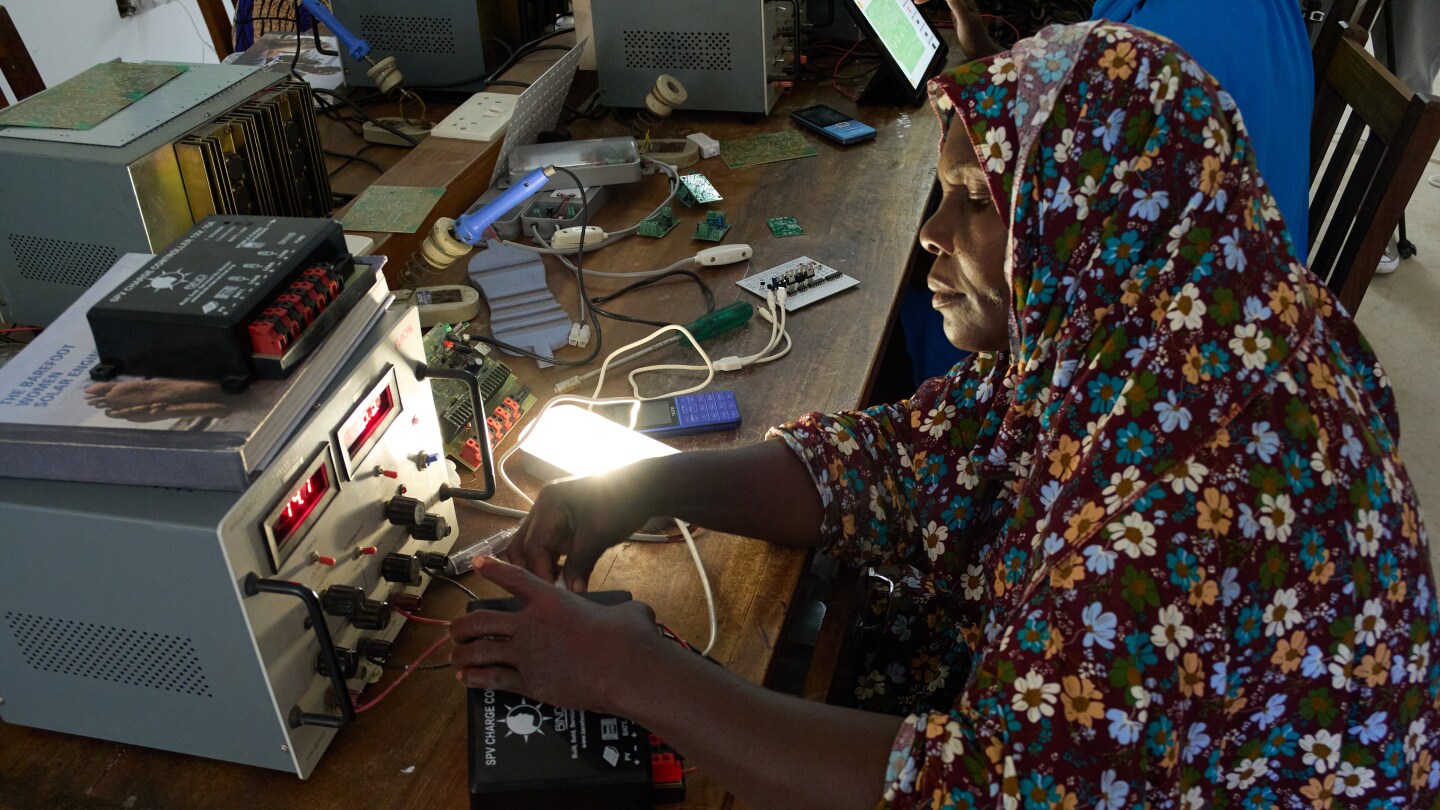
In the semi-autonomous archipelago of Zanzibar, Tanzania, the absence of electricity has long cast a shadow over daily life. For Hamna Silima Nyange and her eight children, the dim glow of smoky oil lamps was the only source of light after sunset. ‘The light was too weak,’ Nyange recalled. ‘And the smoke from the lamp hurt my eyes.’ However, a transformative change arrived when her neighbor, Tatu Omary Hamad, installed solar panels and bulbs, harnessing the abundant sunlight along the Indian Ocean coast. ‘Today we have enough light,’ Nyange said with relief.
Hamad is one of the many ‘solar mamas’ trained by Barefoot College International, a global nonprofit dedicated to bringing light to rural communities while empowering local women. Since its inception in Zanzibar, the program has illuminated 1,845 homes. The initiative focuses on middle-aged women, often with little or no formal education, who are trained over six months to become solar power technicians. These women return to their communities equipped with at least 50 sets of household solar panel kits and the skills to install and maintain them.
Brenda Geofrey, the director of Barefoot College International Zanzibar, emphasized the program’s mission: ‘We want to train women who become change makers.’ The Zanzibar campus, now in its 10th year, has become a beacon of hope. Previously, women were sent to India for training, where the organization was founded. Khazija Gharib Issa, once an unemployed widow, is now a master trainer. ‘I got a job. I got a place to stay. Before, I didn’t have one,’ she shared.
The program’s impact extends beyond lighting homes. It also addresses health concerns by replacing harmful light sources like kerosene, which can irritate eyes, damage lungs, and pose fire hazards. Jacob Dianga, a local healthcare worker, highlighted the importance of clean energy: ‘It helps protect our health.’ Additionally, Barefoot College International offers courses in tailoring, beekeeping, and sustainable agriculture, ensuring women are equipped with diverse skills and health knowledge to share with their communities.
Despite its successes, the program faces challenges. Funding is a persistent issue as major donors reduce foreign aid, and projects compete for limited resources. Resistance within local communities also poses a hurdle, with some husbands preventing their wives from participating. ‘In most African communities, women are pictured as somebody who is just at home,’ Geofrey noted. Yet, the solar mamas are breaking stereotypes and proving their worth. ‘People used to say this work is for men. They were surprised and laughed at me,’ Issa said. ‘But now they see how important my work is. I have become an example.’
Barefoot College International continues to expand across Africa, with campuses in Madagascar and Senegal, and plans to recruit women from the Central African Republic. The organization’s efforts underscore the transformative power of education, clean energy, and gender equality in driving sustainable development.
-
The fallout from Nigeria’s spectacular $25m museum and the Benin Bronzes
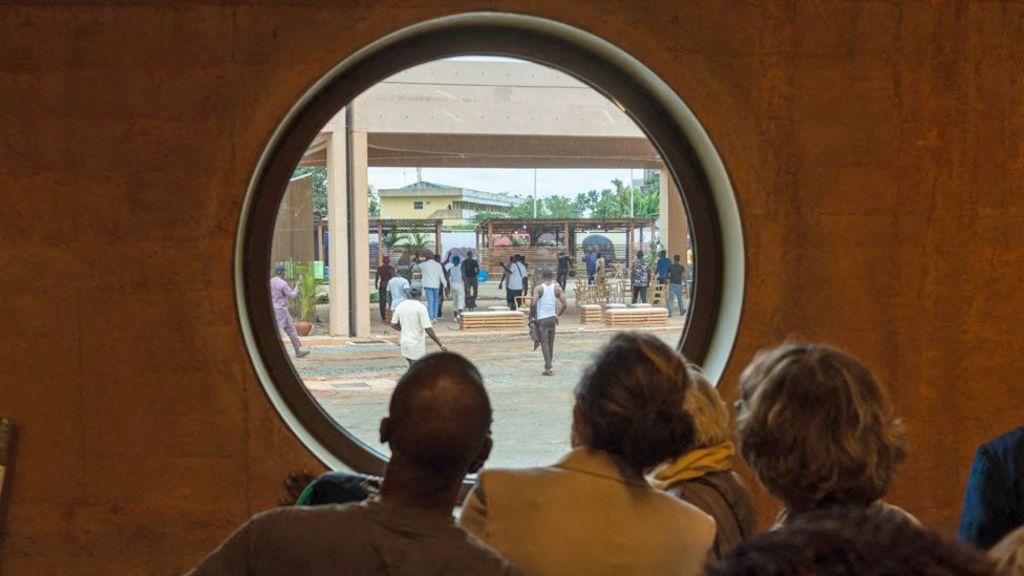
The much-anticipated opening of Nigeria’s Museum of West African Art (Mowaa) in Benin City has been marred by political disputes and protests, casting a shadow over what was meant to be a celebration of regional creativity. The six-hectare campus, designed by renowned British-Ghanaian architect Sir David Adjaye, was envisioned as a cultural hub to honor the legacy of the Benin Bronzes and foster contemporary African art. However, tensions escalated when the Edo state government revoked the museum’s land use rights, citing a name change from ‘Edo Museum of West African Art’ to simply ‘Mowaa.’ This decision followed protests demanding the museum be renamed the Benin Royal Museum and placed under the control of the local traditional ruler, Oba Ewuare II. The controversy highlights deeper political rivalries, with the new governor’s administration seeking greater influence over the project, which was championed by the previous governor, Godwin Obaseki. The museum, a $25 million initiative funded by international donors and the Edo state government, aims to create over 30,000 jobs and contribute $80 million annually to the regional creative economy. Despite its ambitious goals, the absence of the Benin Bronzes—looted by British soldiers in 1897 and now scattered across Western museums—remains a contentious issue. Mowaa’s executive director, Phillip Ihenacho, emphasized the museum’s broader vision to inspire contemporary African creativity across various art forms, rather than focusing solely on historical artifacts. As the government works to resolve the dispute, Mowaa’s staff remain committed to redefining the role of a modern African museum, even in the face of political and logistical challenges.
-
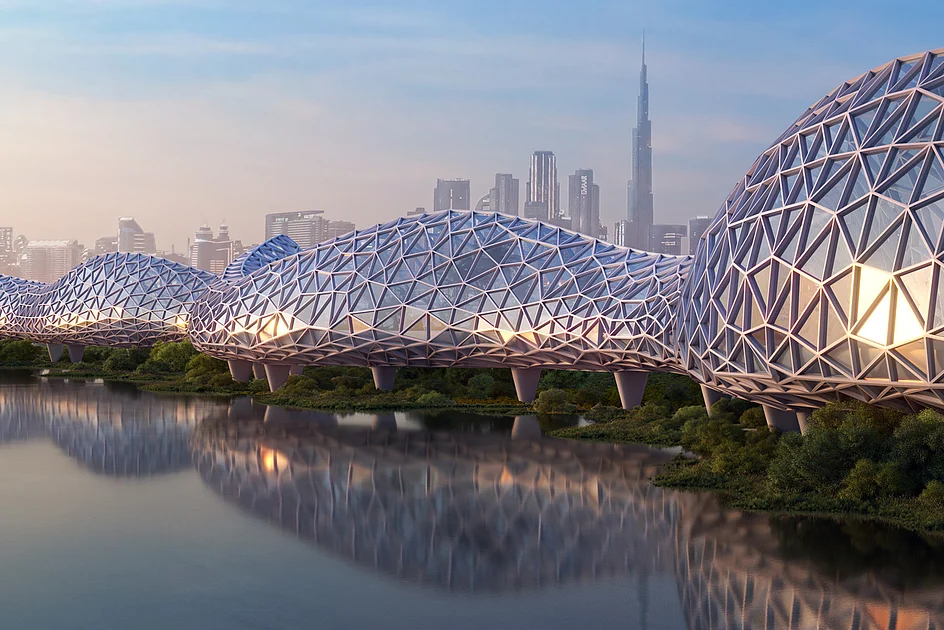
How Dubai’s Future Loop project will connect iconic landmarks, ease traffic
Dubai is taking a monumental leap towards becoming a pedestrian-friendly, future-ready city with its ambitious Future Loop project. Launched as part of the Dubai Walk Master Plan in December 2024, this initiative aims to transform urban mobility by connecting iconic landmarks and easing traffic congestion. The Future Loop, a 2km elevated pathway, will be implemented in the Museum of the Future area, offering a climate-controlled walkway for year-round pedestrian use. This innovative project will link 10 key locations, including the Dubai World Trade Centre, Emirates Towers, and the Dubai International Financial Centre (DIFC), while integrating seamlessly with Dubai’s existing transport network, including metro and tram stations, cycling tracks, and future transportation systems. The pathway will feature 30,000 square metres of air-conditioned spaces, shaded structures, and green areas designed to enhance comfort and reduce temperatures. Additionally, the Future Loop will include commercial spaces developed through public-private partnerships, further enriching the urban experience. This project is a cornerstone of Dubai’s 20-Minute City goal, which aims to enable 80% of residents to access essential services within a 20-minute commute. By prioritizing pedestrian safety, connectivity, and sustainability, the Future Loop aligns with Dubai’s Quality of Life Strategy 2033, making the city more liveable and people-centred. The project is already underway, with active progress reviewed by Sheikh Hamdan bin Mohammed bin Rashid Al Maktoum, Crown Prince of Dubai, as part of the emirate’s major infrastructure initiatives.
-
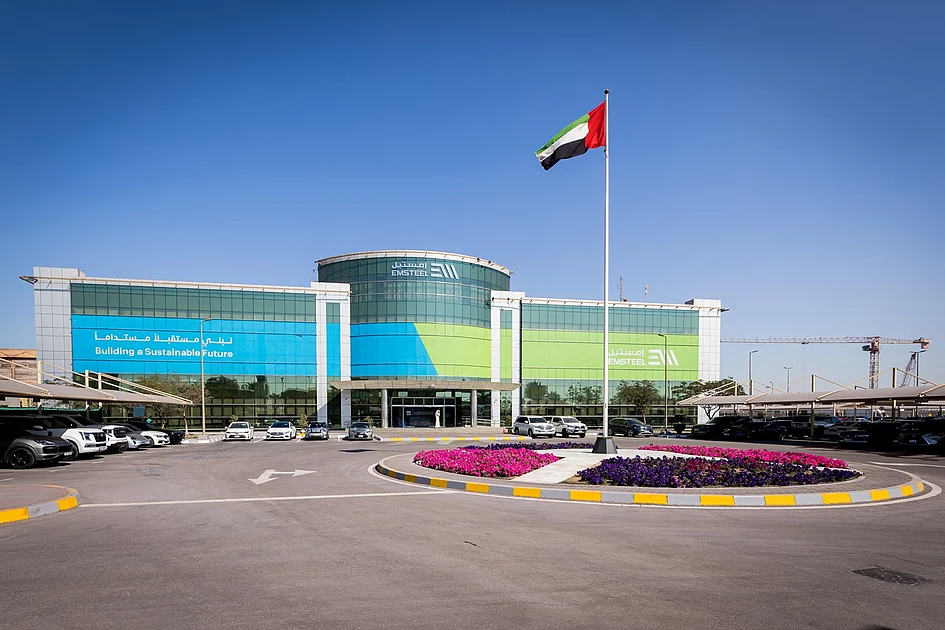
Emsteel nine-month revenue gains 10%, eyes sustainable growth
Emsteel, a leading steel and building materials manufacturer in the region, has unveiled an impressive financial performance for the first nine months of 2025, driven by robust market demand and strategic operational enhancements. The company reported a 10% year-on-year increase in revenue, reaching Dh6.5 billion, while its Ebitda surged by 28% to Dh823 million, boosting margins to 12.7% from 11% in the previous year. Net profit soared by an extraordinary 209% to Dh283 million, partly attributed to a low comparison base following a one-off provision in 2024. Operationally, Emsteel achieved a 9% rise in total steel sales volumes, with finished steel products climbing 21% to 2.4 million tonnes. Cement and clinker sales also advanced by 17% to 2.3 million tonnes, supported by strong UAE demand and optimized capacity utilization. The Emirates Steel division remained the cornerstone of the business, contributing Dh5.8 billion in revenue and Dh680 million in Ebitda, marking a 38% year-on-year increase. Emirates Cement posted Dh652 million in revenue, a 21% rise, while the Pipes & Other segment, currently under divestment, added Dh133 million. Emsteel’s financial position strengthened further, with net cash reaching Dh711 million as of September 30, compared to Dh337 million at the end of 2024. Third-quarter results highlighted this momentum, with revenue up 13% and Ebitda more than doubling. Beyond financials, Emsteel accelerated its sustainability initiatives, unveiling TrueGreen, a new identity consolidating decades of decarbonization efforts and introducing digital carbon tracking to help clients meet emissions targets. The company also launched the world’s first Electric Process Gas Heater (ePGH) pilot in steelmaking, cutting over 2,200 tonnes of CO₂ annually. In landmark projects, Emsteel supplied 5,000 tonnes of U-type sheet piles for Egypt’s Floating Movable Bridge across the Suez Canal and delivered the region’s first hydrogen-based rebar for Abu Dhabi’s inaugural net-zero carbon mosque. The company also became the first in Mena to earn ResponsibleSteel certification, reinforcing its leadership in sustainable steel production. Eng. Saeed Ghumran Al Remeithi, Group CEO, stated, ‘Our strong performance reflects Emsteel’s agility and resilience in a dynamic market. Guided by our TrueGreen™ framework, we remain committed to building a stronger, more sustainable industrial future for the UAE and our stakeholders worldwide.’ Headquartered in Abu Dhabi, Emsteel operates 16 state-of-the-art plants with annual capacities of 3.5 million tonnes of steel and 4.6 million tonnes of cement, serving over 70 international markets. Majority-owned by ADQ, the company plays a pivotal role in supporting the UAE’s industrial strategy and Net Zero 2050 ambitions.
-
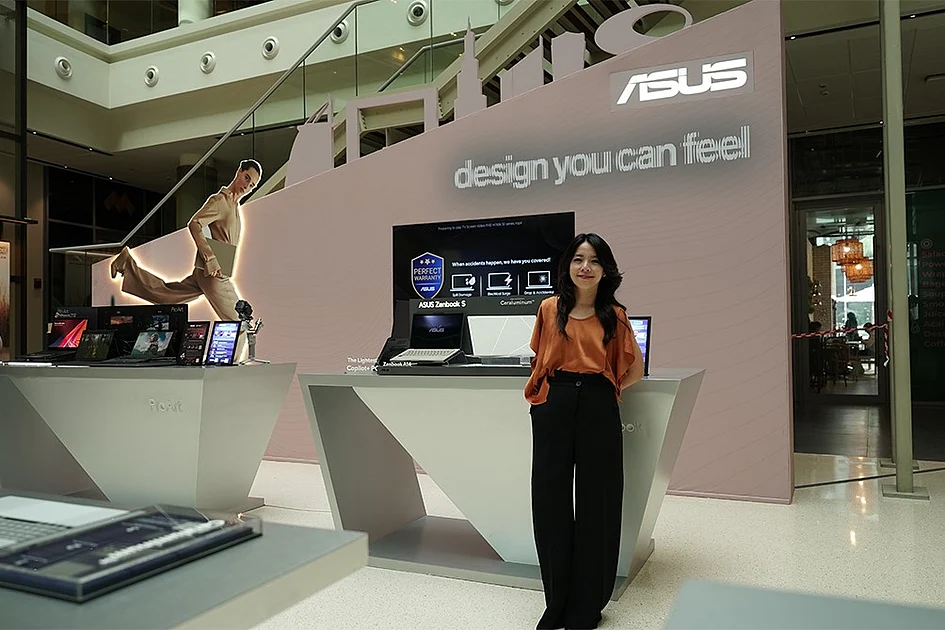
Design You Can Feel: ASUS Brings Emotion Back to Technology at Dubai Design Week 2025
ASUS took center stage at Dubai Design Week 2025, held from November 4 to 9, with its groundbreaking exhibition titled ‘Design You Can Feel.’ Following its successful debut at Milan Design Week earlier in the year, the tech giant showcased a fusion of material innovation, cultural storytelling, and human-centered design. The exhibition aimed to transform the way users interact with technology, emphasizing emotional connections over mere functionality. Highlights included the unveiling of the world’s lightest Copilot+ PC, the Zenbook A14, and the Zenbook Ceraluminium Signature Edition, both exemplifying ASUS’s commitment to crafting devices that resonate on a sensory level. ‘We believe in the power of sensory experiences to forge meaningful connections with design,’ said Coraline Lin, ASUS Marketing Director. ‘Our goal is to create products that users can feel and connect with emotionally.’ A key innovation was Ceraluminium, a revolutionary material combining the aesthetic appeal of ceramic with the durability of aluminum. This lightweight, scratch-resistant material, crafted with precision akin to luxury watchmaking, aligns with the Zen philosophy of finding beauty in simplicity. ASUS also leveraged AI to enhance design, using data-driven insights to fine-tune every detail, from thermal performance to sound quality. The brand’s focus on personalization was evident in its tailored Zenbook models, each designed for specific lifestyles, from multitaskers to urban commuters. ASUS’s vision for the future of laptop design centers on merging tactile materials, sensory intelligence, and human emotion, ensuring that technology not only performs but also inspires.
-
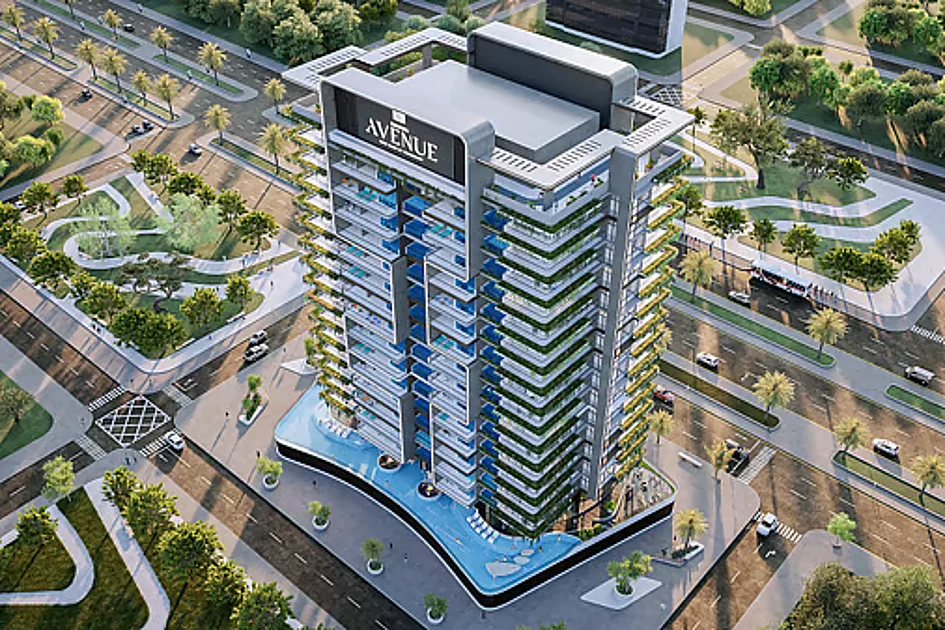
Dubai’s Samana Developers to launch IPO next year, offload around 20% stake
Dubai-based property developer Samana Developers has announced plans to launch an Initial Public Offering (IPO) in late 2026, aiming to offload approximately 20% of its equity. The company’s CEO, Imran Farooq, revealed in an interview with Khaleej Times that the first step in this journey involves raising $300 million (Dh1.1 billion) through a Sukuk issuance by the end of the first quarter of 2026. Standard Chartered, Dubai Islamic Bank, and Emirates NBD have been appointed as lead banks for this financial maneuver. The IPO is expected to be listed on the Dubai Financial Market (DFM), with the company’s valuation projected to approach Dh20 billion. Samana Developers, which currently holds a 4% market share in Dubai’s property sector, has significantly benefited from the post-pandemic real estate boom. The Dubai property market has seen a surge over the past five years, driven by an influx of expatriates and high-net-worth individuals investing heavily in real estate. This has led to a substantial increase in property prices and rents, with some communities experiencing more than a doubling in values since 2020. The UAE’s IPO market has also been vibrant, with 19 companies and funds across various sectors planning to list on regional exchanges, according to the EY Mena IPO Eye Q3 2025 report. Farooq added that a ratings agency has been engaged to issue a report within the next six to eight weeks, which will be crucial for the IPO process. The final advising bank will provide guidance post the successful Sukuk issuance.
-
French relief as Algeria frees jailed novelist at centre of diplomatic crisis
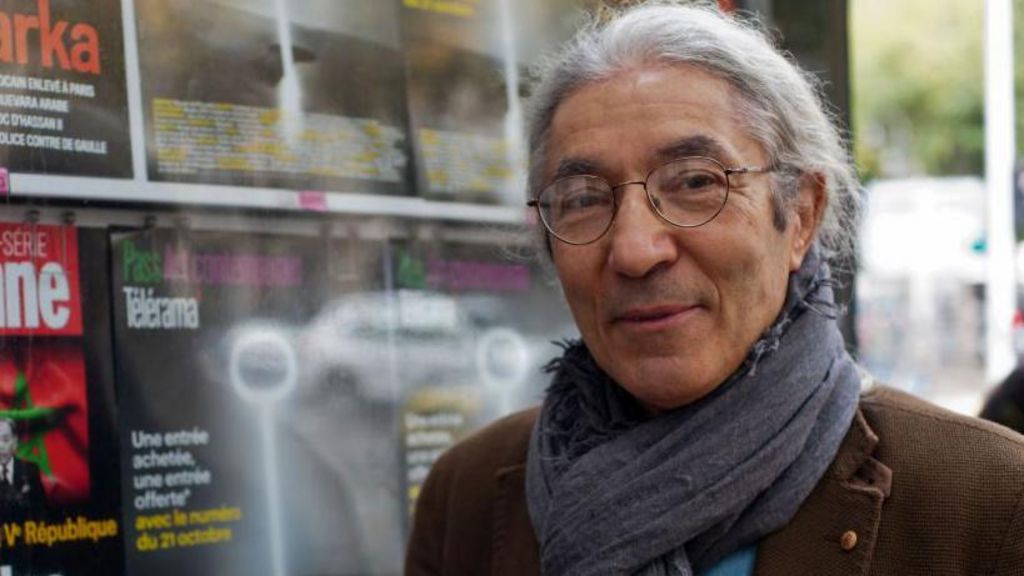
In a significant diplomatic development, Algerian President Abdelmadjid Tebboune has granted a pardon to French-Algerian writer Boualem Sansal, allowing him to leave the country nearly a year after his arrest. Sansal, 81, who is battling prostate cancer, was en route to Germany for medical treatment on a military plane on Wednesday evening. His release follows a direct appeal from German President Frank-Walter Steinmeier, who cited Sansal’s advanced age and fragile health as reasons for clemency. Steinmeier acted as a ‘trusted third party’ in the negotiations, leveraging his strong relationship with Algeria’s leader. French President Emmanuel Macron expressed gratitude to Tebboune for this ‘act of humanity,’ emphasizing France’s role in maintaining respect and calm throughout the process. Sansal had been sentenced to five years in prison in July for undermining national unity through remarks questioning Algeria’s borders. His case had exacerbated tensions between France and Algeria, already strained by France’s recognition of Moroccan sovereignty over Western Sahara and other diplomatic spats. The release marks a potential thaw in relations, though tensions persist, particularly over the imprisonment of French sportswriter Christophe Gleizes. French Foreign Minister Jean-Noël Barrot praised diplomatic efforts and expressed hope for Gleizes’s imminent release.
-
ABG launches Marketer of the Future Middle East: Region’s defining event for the future of marketing
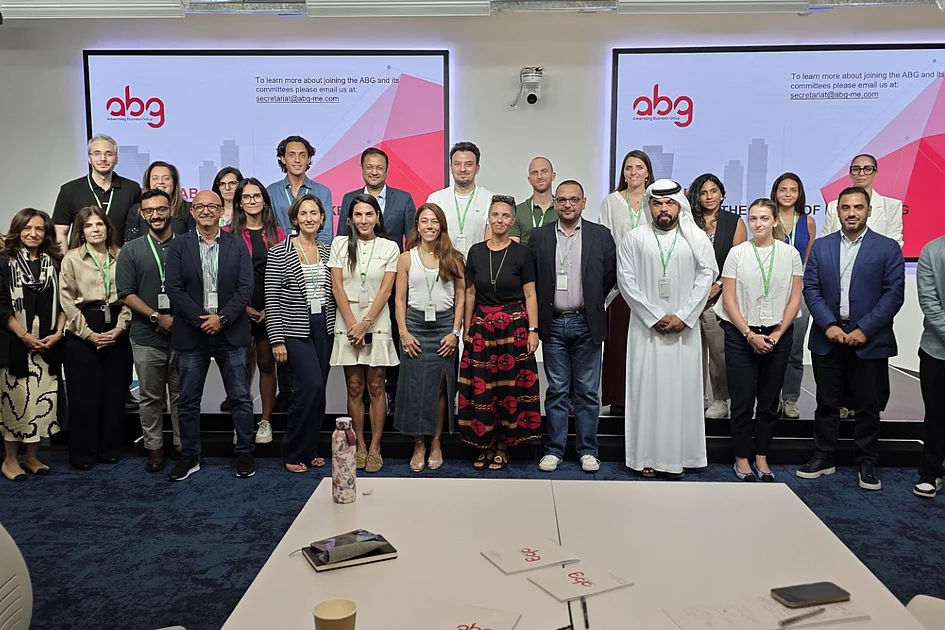
The Advertising Business Group (ABG) has unveiled its flagship event, *Marketer of the Future Middle East (MOTF)*, set to take place on November 2025 at the TODA Theatre in Souk Madinat Jumeirah, Dubai. This groundbreaking event aims to bring together global and regional leaders from marketing, media, technology, academia, and government to shape the future of the industry. Designed as the region’s most forward-thinking marketing gathering, MOTF will explore the trends, technologies, and transformations that will define the next decade of marketing. The event will feature a diverse lineup of thought leaders, including Trevor McFarlane, Founder & CEO of EMIR Intelligence, Stephan Loerke, CEO of the World Federation of Advertisers (WFA), and Daniel Floyed, Chief Growth Officer of The Brandtech Group, among others. Key discussions will focus on topics such as AI-driven marketing, sustainability, and the evolving role of Chief Marketing Officers (CMOs). Exclusive roundtables, such as *The Performance Imperative* and *Responsible Advertising in the Gulf*, will offer attendees unique insights into marketing effectiveness and ethical communication. Eleni Kitra, Executive Director of ABG, emphasized that MOTF is not just a conference but a catalyst for progress, empowering the industry to evolve with purpose. The event is supported by leading sponsors, including Digital Media Services (DMS), TikTok, Snapchat, and Publicis Groupe Middle East.