
Khaleej Times is set to host the 4th edition of the Banking Innovation & Technology Summit (BIT’25) on November 18, 2025, in Dubai, UAE. This premier event aims to foster innovation between the fintech and banking sectors, emphasizing the pivotal role of technology in shaping the financial landscape of the region. Following this, on November 20, 2025, the inaugural GCC GRC Day will take place, powered by Swiss GRC as the Presenting Sponsor. This event will focus on Governance, Risk, and Compliance (GRC), bringing together board members, C-suite executives, compliance leaders, and regulators from across the Gulf to discuss strategies for an AI-driven economy. Key topics will include enterprise resilience, third-party risk management, AI governance, cybersecurity, and regulatory transformation. The GCC GRC Day promises to deliver actionable insights and foster strategic collaborations to enhance organizational resilience and accountability. ‘The GCC GRC Day reflects our commitment to advancing the regional GRC agenda through meaningful dialogue and shared expertise,’ said Yahya Mao, Chief Marketing Officer at Swiss GRC. For registration and partnership opportunities, visit www.khaleejtimes.com/events or contact Events@KhaleejTimes.com.
标签: Africa
非洲
-

Dubai Fitness Challenge: Fancy climbing 54 storeys of a skyscraper?
Dubai is once again setting the bar high for fitness and community engagement with its annual Dubai Fitness Challenge. This year, the city is taking wellness to new heights—literally—with the ‘Climb for a Cause’ event at ICD Brookfield Place on November 22. Participants will ascend 54 floors of this iconic skyscraper, combining physical endurance with philanthropy to support the Al Jalila Foundation, a UAE-based charity dedicated to medical education and research.
ICD Brookfield Place, renowned for its sustainable design and innovative approach to urban living, is opening its doors to the public for this unique event. The initiative aims to bring together individuals from diverse backgrounds to celebrate health, foster community spirit, and contribute to a meaningful cause. Ben McGregor, Senior Vice President of Real Estate Management & Operations at Brookfield Properties, emphasized that the event is more than just a fitness challenge. It’s a platform for collective action, where small individual efforts can create a significant impact.
The ‘Climb for a Cause’ initiative aligns seamlessly with the Dubai Fitness Challenge’s broader vision of making fitness inclusive and accessible. By encouraging movement and mindfulness within a landmark setting, the event underscores Dubai’s commitment to fostering a healthier, more connected community. Partnering with the Al Jalila Foundation adds a deeper layer of purpose, as every step taken by participants supports advancements in healthcare and medical research.
Organizers anticipate strong participation from a diverse mix of individuals, including professionals from the ICD Brookfield Place business network, fitness enthusiasts, and families. The event promises to be a milestone in the Fitness Challenge calendar, offering participants a chance to test their physical limits, have fun, and contribute to a noble cause. Beyond the physical challenge, the climb aims to inspire a sense of connection, accomplishment, and the realization that even the most daunting goals can be achieved one step at a time.
ICD Brookfield Place’s commitment to wellness and sustainability is evident in its design and community programs. The ‘Climb for a Cause’ event exemplifies this ethos, transforming a workplace into a platform for positive impact. As Dubai continues to turn ambitious ventures into reality, this unique blend of fitness, philanthropy, and corporate philosophy sets a new standard for community-driven initiatives.
-

Turkey suspends C-130 flights after fatal plane crash
Turkey has temporarily suspended all flights of its C-130 military cargo planes following a tragic crash in neighboring Georgia that claimed the lives of all 20 individuals on board. The incident occurred on November 6, 2025, as the aircraft was returning to Turkey from Azerbaijan. The Turkish Defence Ministry announced the suspension on November 13, stating that operations would only resume after comprehensive technical inspections and safety checks are completed on all C-130 planes. The ill-fated plane had departed from Ganja Airport in western Azerbaijan but crashed shortly after crossing into eastern Georgia. Eyewitness footage, shared by Azerbaijani media, captured the plane spinning horizontally alongside debris as it plummeted. The cause of the crash remains under investigation, with the ministry emphasizing that the accident investigation team is working diligently to determine the root cause. The flight data and cockpit voice recorders, commonly referred to as the black boxes, have been recovered and sent to Ankara for analysis. The ministry clarified that the plane was carrying personnel and maintenance supplies, with no ammunition on board. Among the victims were maintenance specialists for F-16 fighter jets, who had participated in Azerbaijan’s Victory Day celebrations in Baku. The C-130 aircraft, originally purchased from Saudi Arabia in 2012, underwent maintenance and upgrades before being added to the Turkish air force inventory in 2014. It was modernized and put into service in 2022, with regular maintenance ensuring its operational readiness. The ministry refuted claims that the plane had been decommissioned by its previous operator, stating it was a surplus aircraft.
-
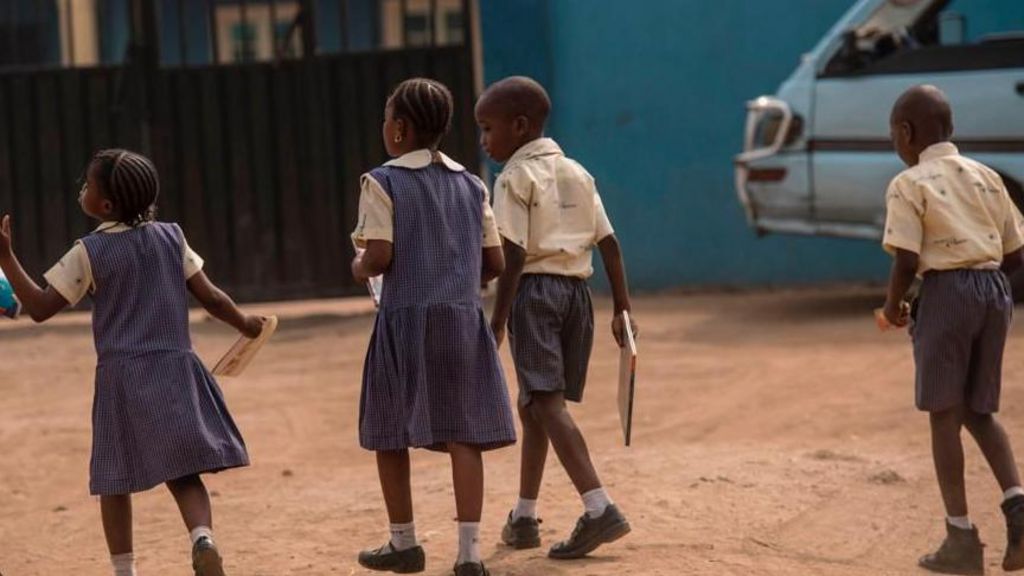
Nigeria cancels mother-tongue teaching in primary schools and reverts to English
The Nigerian government has decided to scrap a contentious education policy that mandated the use of indigenous languages for teaching in early schooling, reinstating English as the primary medium of instruction. Introduced three years ago by former Education Minister Adamu Adamu, the policy aimed to enhance learning by teaching children in their mother tongue, a method supported by UN studies on early childhood education. However, current Education Minister Tunji Alausa announced the policy’s immediate cancellation, citing its failure to deliver expected academic outcomes. Data from key examination bodies, including the West African Examinations Council (WAEC), the National Examinations Council (NECO), and the Joint Admissions and Matriculation Board (JAMB), revealed significant academic underperformance in regions that adopted the mother-tongue approach. The decision has sparked mixed reactions. While some, like education expert Dr. Aliyu Tilde, support the reversal, arguing Nigeria lacks the resources and trained teachers to implement such a policy effectively, others believe the policy was abandoned too soon. Critics, including social affairs analyst Habu Dauda, contend that the initiative required more time, investment, and support to succeed. The debate underscores Nigeria’s struggle to balance its linguistic heritage with the practical demands of a globalized economy where English proficiency is paramount. The policy reversal highlights broader challenges in Nigeria’s education system, including poor teaching quality, inadequate resources, and low teacher pay, which have contributed to high dropout rates and millions of children out of school.
-

K-pop group NewJeans returns to label ADOR; ex-CEO Min Hee Jin assures support
In a significant development within the K-pop industry, all five members of the globally acclaimed group NewJeans have opted to return to their label, ADOR, following a court ruling in late October 2025. The decision comes after a tumultuous period marked by legal disputes and public revelations about the group’s relationship with their former CEO, Min Hee Jin, who was ousted from her position in 2024. The conflict escalated when NewJeans attempted to form an independent group under the name NJZ, prompting ADOR to seek a legal injunction. The South Korean court ultimately ruled in favor of ADOR, leading to the group’s return. On November 12, ADOR confirmed that the two youngest members, Haerin and Hyein, had decided to rejoin the label after consultations with their families. Shortly after, the remaining members—Minji, Hanni, and Danielle—also announced their return. Min Hee Jin, who has been a maternal figure to the group, publicly supported their decision, emphasizing the importance of unity among the five members. She praised their courage and expressed her commitment to their happiness, urging fans to continue supporting the group. Min also addressed the ongoing legal battles between herself and HYBE, as well as between ADOR and NewJeans, describing it as a challenging period but clarifying that these issues are separate from the group’s future. She remains optimistic about her own path forward, vowing to uncover the truth through her legal efforts.
-
Vocational education cooperation with Africa empowers youth, drives growth
As Africa grapples with mounting developmental challenges, China has emerged as a pivotal ally in the continent’s modernization efforts, particularly through its collaboration in technical and vocational education. Gilles Fagninou, the regional director for West and Central Africa at the UN Children’s Fund, lauded China as a ‘true partner’ in an exclusive interview with China Daily. He underscored the critical role of China-Africa educational cooperation in addressing Africa’s pressing need for accessible and quality education, with over 100 million school-age children currently out of school. Fagninou highlighted that China’s own developmental journey, marked by overcoming similar hurdles, positions it as an invaluable mentor for African nations. ‘The experience that China has is something that African countries want to learn from,’ he remarked. This partnership is particularly transformative in broadening learning avenues for African youth, equipping them with practical skills through technical, professional, and vocational studies. During a recent visit to Jinhua University of Vocational Technology in Zhejiang province, Fagninou observed firsthand the impact of these programs, where African students are trained to return home and contribute to their communities. Over 20 universities in Zhejiang have established partnerships with African institutions, with Jinhua alone offering educational opportunities to more than 15,000 African students. Fagninou emphasized the tailored approach of China’s cooperation, which respects local realities and adapts to each country’s unique needs. Through digital innovation, this partnership is expanding access to quality education, bringing more children into learning who would otherwise be excluded. Fagninou also noted that China’s contributions are integral to advancing the UN Sustainable Development Goals in Africa, with initiatives like the establishment of Luban Workshops and engineering academies offering 60,000 training opportunities, primarily for women and youth. Looking ahead, Fagninou expressed optimism about deepening collaboration on youth employment, with plans to create regional centers of excellence across Africa. Pilot countries are already developing vocational programs that can be scaled continent-wide, providing young people with the skills needed to navigate the job market. ‘When you have vocational or professional study, it helps you access the job market quickly,’ he said, adding that education fosters opportunities that benefit individuals, communities, and the continent as a whole.
-
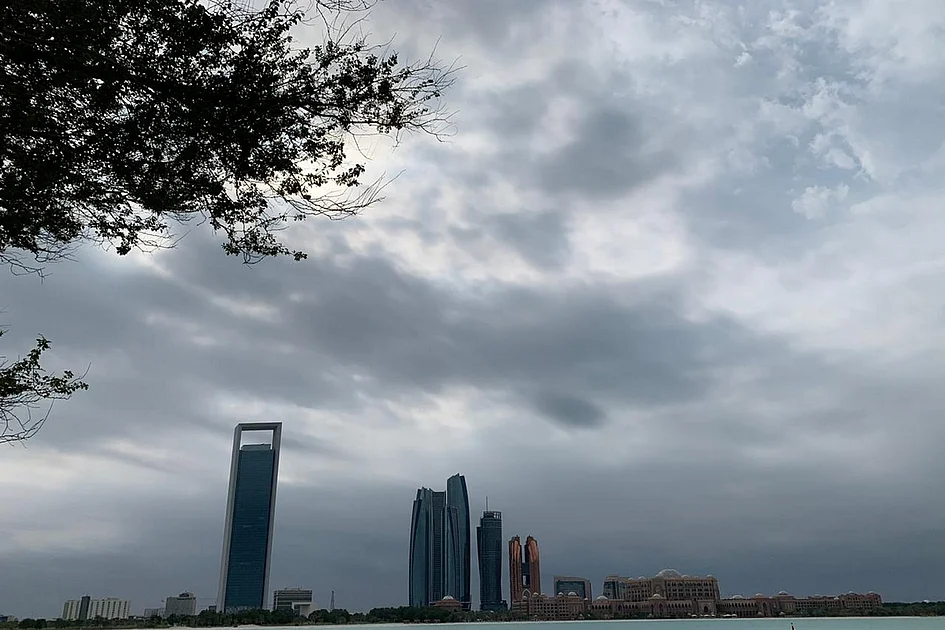
UAE weather: Fair to partly cloudy skies; lowest temperature 23°C in Dubai
Residents of the United Arab Emirates can anticipate fair to partly cloudy skies on Thursday, November 13, particularly in the western regions. According to the National Centre of Meteorology, the weather will turn humid by Thursday night and Friday morning, with a chance of mist formation in some western areas. Light to moderate winds, ranging from 10 to 20 km/h and occasionally reaching 30 km/h, will blow from the southeast to northeast. Sea conditions in the Arabian Gulf and Oman Sea are expected to remain calm. Temperatures will vary across the country, with Dubai recording a low of 23°C, Abu Dhabi at 22°C, and Sharjah at 18°C. The highest temperature recorded today was 35°C in Saih Al Salam, Dubai, at 3 pm local time. Residents are advised to stay updated with the latest weather forecasts and news updates.
-
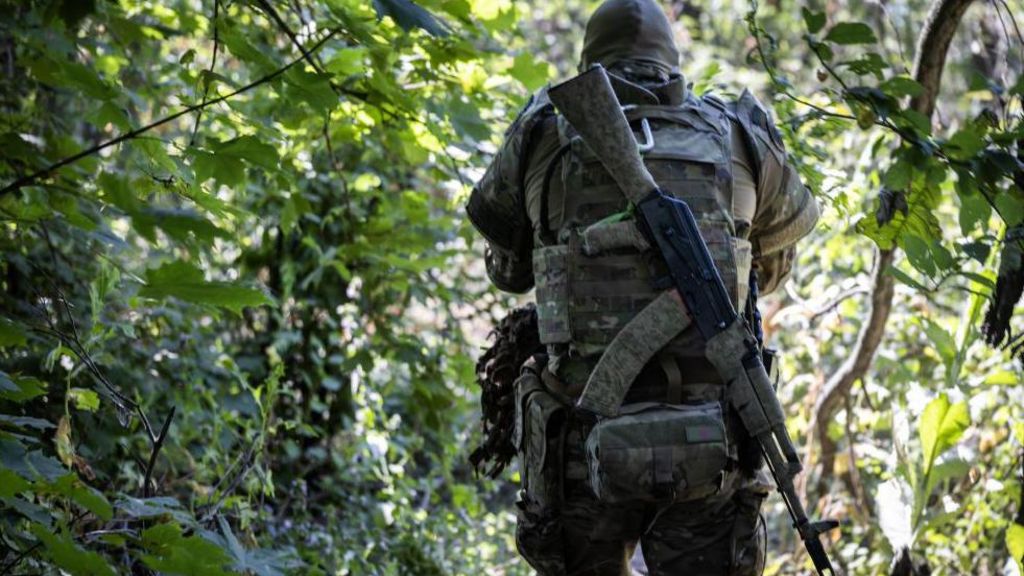
Over 200 Kenyans fighting for Russia in Ukraine – minister
Approximately 1,400 African nationals, including around 200 Kenyans, are reportedly fighting alongside Russian forces in the ongoing conflict in Ukraine, according to recent statements by Kenyan and Ukrainian authorities. Kenya’s Foreign Affairs Minister, Musalia Mudavadi, revealed that some of these individuals are former members of Kenya’s security forces. Many recruits have allegedly been deceived into joining the war, with promises of substantial financial rewards. Some have been forced to assemble drones and handle hazardous chemicals without proper training or protective gear, raising serious safety and ethical concerns. Kenyan President William Ruto has formally requested the Ukrainian government to secure the release of Kenyan nationals currently held in the conflict zone. The Ukrainian government has also highlighted that recruitment networks remain active in both Kenya and Russia, targeting vulnerable individuals. Kenya’s embassy in Moscow has documented injuries among some recruits, who were reportedly promised up to $18,000 to cover visa, travel, and accommodation costs. Mudavadi expressed concerns about the broader issue of Kenyans being lured into ‘forced criminality,’ including drug trafficking and forced labor abroad, which he described as a threat to both Kenyan and global security. In September, Kenyan authorities rescued over 20 nationals near Nairobi who were preparing to join the war. A suspected recruiter was arrested and is facing prosecution. Meanwhile, South Africa has launched an investigation into how 17 of its citizens ended up in the war-torn Donbas region. Ukraine has also faced criticism for its attempts to recruit foreign nationals, including Africans, to fight on its side. The situation underscores the Kremlin’s efforts to expand its influence in Africa, as evidenced by the recruitment of individuals from Somalia, Sierra Leone, Togo, Cuba, and Sri Lanka, who are now held in Ukrainian prisoner-of-war camps.
-

UAE: National Day or Christmas, which holiday is cheaper to travel on?
As the year draws to a close, UAE residents planning their holiday getaways face a crucial decision: Should they travel during the National Day weekend or wait for the Christmas-New Year period? A detailed analysis of current airfares and travel packages reveals significant cost differences between the two holiday seasons. While National Day offers more affordable short-haul trips, Christmas travel, especially to long-haul destinations, is proving to be substantially more expensive. Travel industry executives highlight that short-haul destinations remain budget-friendly during National Day, with packages averaging around Dh2,700. Popular choices include the Caucasus, Southeast Asia, and newly accessible routes like Krabi in Thailand. In contrast, Christmas travel is dominated by long-haul trips to Europe and Scandinavia, with fares surging up to 90% in some sectors. For instance, a flight from Dubai to Helsinki jumps from Dh2,198 in late November to Dh4,000 during Christmas week. The demand for festive destinations like Finland’s Santa Claus Village is so high that bookings are made a year in advance. Travel agents emphasize that Christmas packages are at least 30% costlier than National Day deals, driven by extended family vacations and fixed school holidays. However, some destinations, such as Baku, offer cheaper flights during Christmas, while India-bound fares spike due to residents returning home. Hotel rates also vary, with Tbilisi offering cheaper nightly stays over Christmas compared to National Day, while Helsinki sees a significant increase. Visa-free and e-visa destinations like Georgia, Armenia, and Thailand remain attractive for quick escapes. To secure the best deals, agents recommend booking weekday flights and finalizing plans before official holiday announcements. In summary, National Day is ideal for short, spontaneous trips, while Christmas caters to those seeking festive experiences or family reunions, albeit at a higher cost.
-
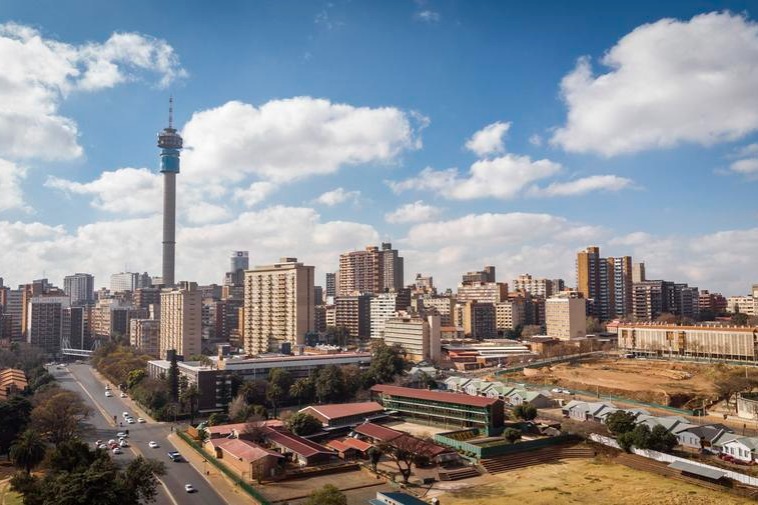
Summit offers Africa chance to redefine role
The upcoming G20 summit in Johannesburg, South Africa, marks a pivotal moment for Africa to redefine its role in the global economy. Analysts emphasize that the continent must leverage this platform to advocate for fair trade, industrial transformation, and stable market access. Amid a turbulent global trade system, Africa faces challenges such as rising protectionism and uncertainty over the renewal of the African Growth and Opportunity Act (AGOA), which has historically granted tariff-free access to the US market for sub-Saharan countries since 2000. The US’s recent imposition of reciprocal tariffs on key African exports, including South Africa’s auto, wine, and citrus industries, has further exacerbated concerns. Trade experts warn that these tariffs, ranging from 10 to 50 percent, threaten industries, jobs, and rural incomes across the continent. Despite these challenges, African leaders remain optimistic about constructive engagement with the US to safeguard historical trade ties. South Africa’s Minister of International Relations, Ronald Lamola, has described ongoing trade talks as ‘very positive,’ with hopes for AGOA’s renewal by year-end. The G20 summit also offers Africa a unique opportunity to advocate for stable, rules-based economic agreements and to strengthen regional integration through the African Continental Free Trade Area (AfCFTA). Experts urge African leaders to use this platform to demand fair competition, discourage unilateral tariff actions, and promote long-term trade stability. As Africa hosts its first G20 summit, the continent stands at a crossroads, with the potential to shape the global economic agenda and secure its rightful place at the decision-making table.