标签: Africa

非洲

  • ‘Zootopia 2’ breaks record to become top-grossing Disney animation film

    ‘Zootopia 2’ breaks record to become top-grossing Disney animation film

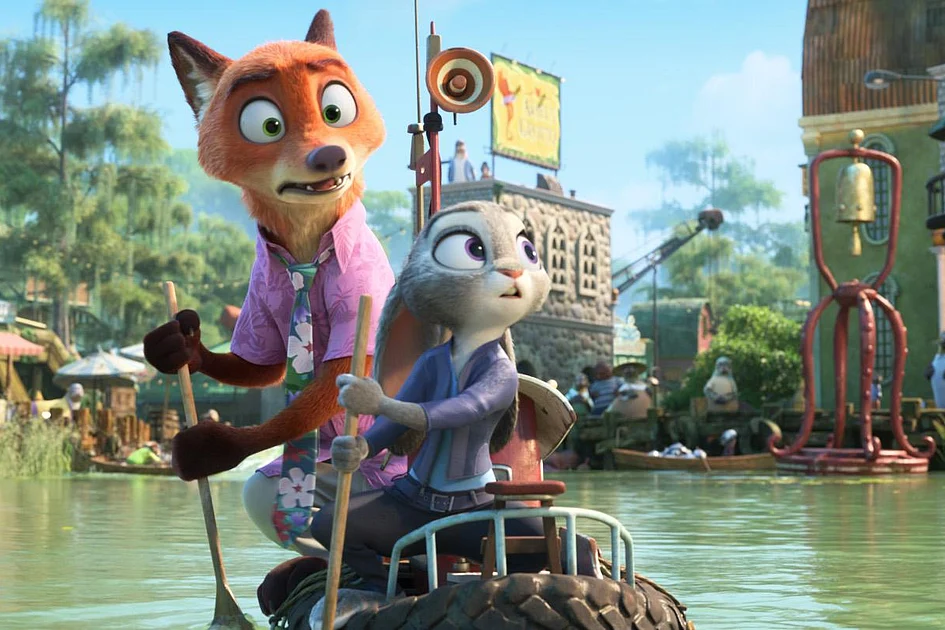
    Walt Disney Animation Studios has achieved a monumental milestone as ‘Zootopia 2’ officially became the studio’s highest-grossing animated feature in its century-long history. The announcement made on December 31, 2025, confirmed that the sequel has surpassed the previous record holder, 2019’s ‘Frozen 2,’ with a staggering global box office performance.

    The animated phenomenon has joined an exclusive club as only the fifth Disney Animation Studios production to cross the coveted $1 billion threshold worldwide. Current estimates place the film’s total earnings at approximately $1.46 billion (Dh3.67 billion), demonstrating remarkable commercial success despite ongoing industry challenges.

    China emerged as the film’s most dominant market, contributing an extraordinary $560 million to its global total. During its opening weekend in Chinese theaters, ‘Zootopia 2’ captured nearly 95% of all ticket sales, showcasing unprecedented market dominance.

    The sequel launched the crucial Hollywood holiday season with an explosive $556 million global opening weekend. It reunites audiences with beloved characters Judy Hopps, the determined rabbit police officer, and her cunning fox partner Nick Wilde, as they embark on another adventure through the meticulously crafted animal metropolis.

    This record-breaking performance arrives as a significant boost to the entertainment industry, with global box office revenues still struggling to match pre-pandemic levels from 2019. Theater owners and studio executives alike have celebrated the film’s success during the year’s second-busiest moviegoing season, providing much-needed optimism for the cinematic exhibition business.
  • First-time awe to family bonding: How Downtown Dubai enjoyed ‘unmatched’ NYE fireworks

    First-time awe to family bonding: How Downtown Dubai enjoyed ‘unmatched’ NYE fireworks

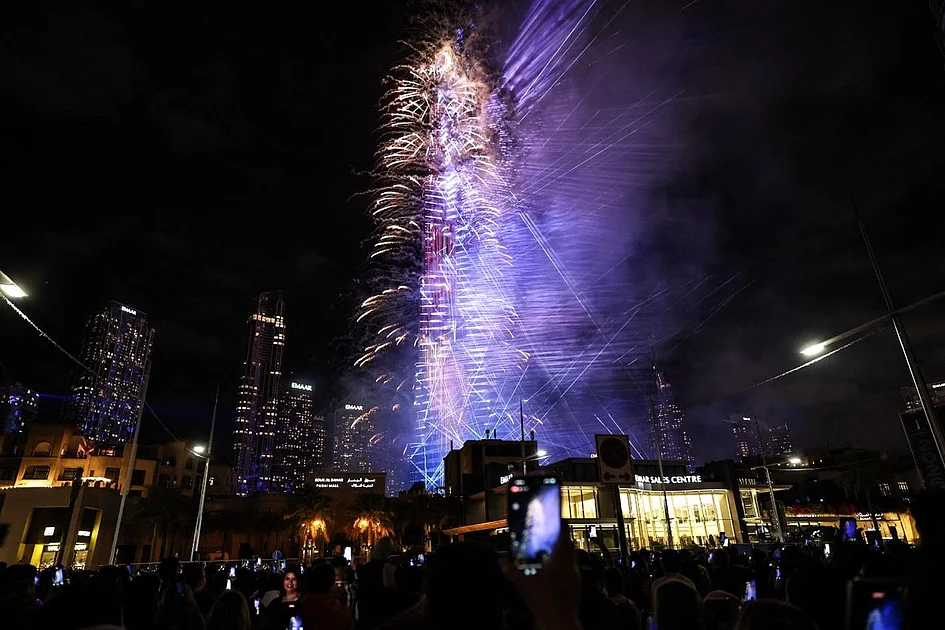
    As the clock struck midnight on December 31, 2025, Downtown Dubai transformed into a global stage for New Year’s Eve celebrations, showcasing two distinct yet equally compelling experiences. While first-time visitors gazed in awe at the Burj Khalifa’s legendary fireworks display, long-term residents created intimate celebrations from their homes with panoramic views of the spectacle.

    For newcomers like Philippines nationals Jaimee Manio and Paola Melendez Reyes, along with Puerto Rican colleague Gianelli Guimoc, the evening marked their inaugural encounter with Dubai’s iconic skyline. “People travel from all over the world to see this, and we are lucky enough to call Dubai our home now,” expressed Jaimee, capturing the sentiment of many recent arrivals. Gianelli noted the city’s remarkable cultural diversity, emphasizing how the celebration brought together global citizens in shared appreciation.

    Indian tourist Meena Kalra, experiencing her first Dubai New Year, praised the city’s meticulous organization: “From field hospitals to free viewing areas, there’s so much happening. I have celebrated New Year’s in various countries but never been as impressed.”

    The resident experience revealed a different dimension of the celebration. British expats Vasudha and Vivek Khandeparkar, residing in Southridge with clear views of the Burj Khalifa, have established a tradition of hosting friends and family. “I see it everyday, 365 days a year and never get tired of it. It is an unmatched beauty,” Vasudha remarked, highlighting how residents cherish the spectacle from their private spaces.

    Farah Sarfraz, a six-year Downtown resident, described NYE as her favorite time of year precisely because it encourages staying home: “This gives us time to slow down and spend quality time with our friends and family. We see people of all backgrounds and cultures come together like no other time.”

    At the Southridge public viewing area, families created festive campgrounds with tents, chairs, and picnic mats, some arriving as early as noon to secure prime viewing spots. Volunteers like Indian expat Ali Amjad ensured family-friendly environments by monitoring for prohibited activities, demonstrating the community’s collective effort to maintain the celebration’s spirit.

  • Karak chai with Burj Khalifa fireworks: Business Bay eateries cash in on New Year’s Eve

    Karak chai with Burj Khalifa fireworks: Business Bay eateries cash in on New Year’s Eve

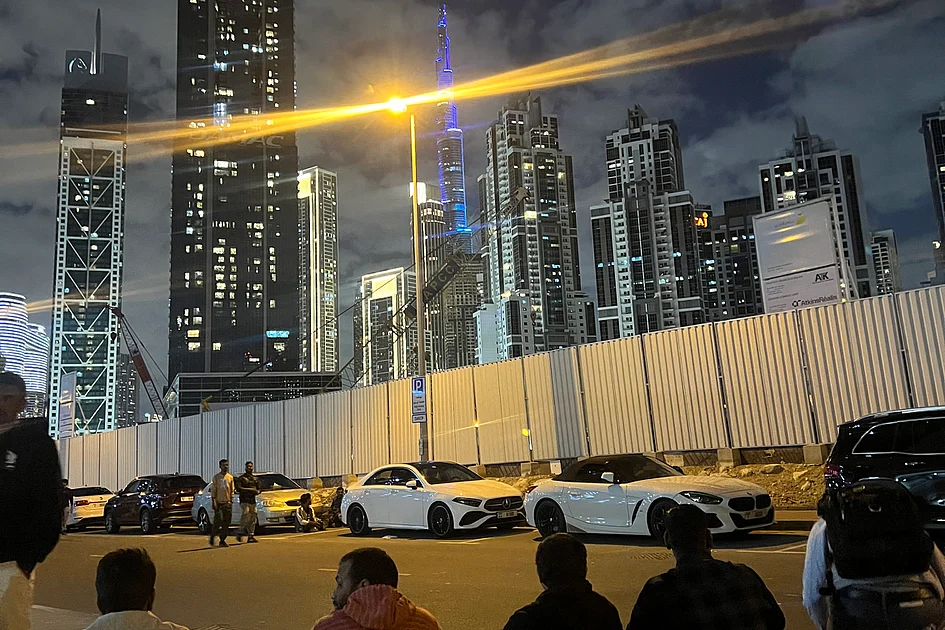
    As temperatures dropped on New Year’s Eve, Business Bay transformed into a bustling corridor of culinary commerce, with food establishments capitalizing on the massive pedestrian flow heading toward Downtown Dubai’s Burj Khalifa celebrations. Cafeterias, food trucks, and supermarkets along the Business Bay stretch reported exceptionally brisk business, serving thousands of attendees preparing for extended outdoor viewing of the iconic fireworks display.

    At Hubba Cafeteria, operating from a strategically positioned food truck, steam rose from paper cups as customers crowded around the counter, rubbing hands against the chill while placing orders. The atmosphere resembled a festive event in itself, with vendors reporting unprecedented demand for warm beverages and snacks.

    Second Home Restaurant implemented amplified marketing tactics, with staff using microphones to advertise their tea, biryani, and sandwiches to pedestrians en route to the celebrations. The establishment’s owner projected sales exceeding 1,000 cups of tea alone, noting that the post-fireworks period typically brings the peak business surge between 1 and 2 AM.

    Safestway Supermarket near Business Bay Metro Station adopted an innovative retail approach, deploying shopping trolleys piled high with popcorn bags, flanked by thermal flasks of tea and trays of samosas and kachodis. Staff continuously called out snack options, successfully capturing impulse purchases from passersby.

    International visitors and residents alike emphasized the practical necessity of warm refreshments. ‘This weather makes tea non-negotiable,’ stated one Indian visitor, describing the karak chai as essential fuel for the hours of standing ahead. An Egyptian purchaser noted the dual benefit of thermal regulation and alertness maintenance during the extended outdoor event.

    Business operators highlighted the precise timing dynamics of their New Year’s Eve revenue stream, with the post-fireworks exodus creating the most concentrated window of commercial opportunity during the early morning hours.

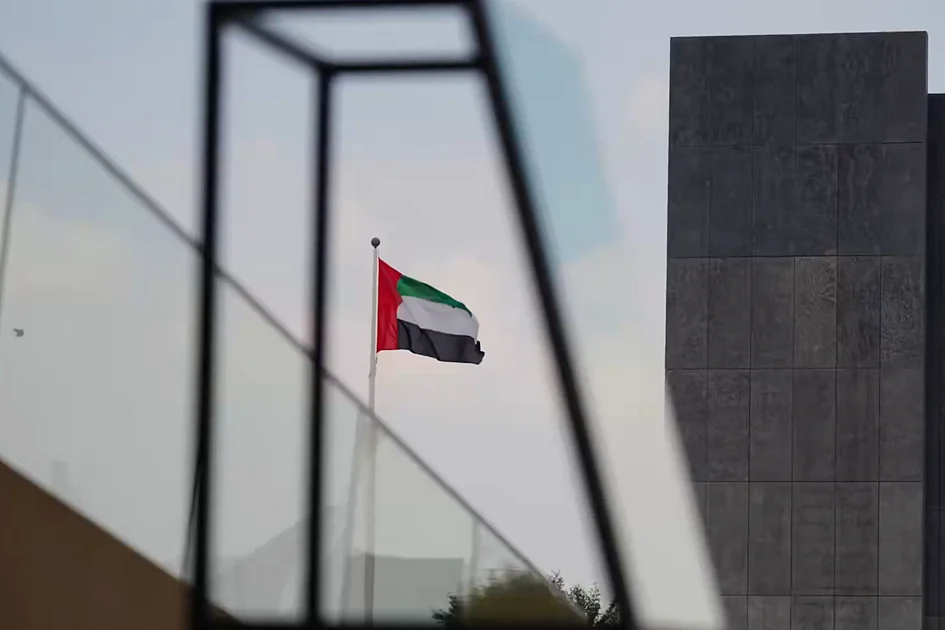
  • UAE becomes world’s 4th largest state investor with Dh10.75 trillion assets

    UAE becomes world’s 4th largest state investor with Dh10.75 trillion assets

    The United Arab Emirates has solidified its position as a global financial powerhouse, ranking as the world’s fourth-largest state investor with approximately $2.93 trillion (Dh10.75 trillion) in managed assets according to Global SWF’s 2026 Annual Report. This remarkable achievement places the UAE behind only the United States ($13.2 trillion), China ($8.22 trillion), and Japan ($3.84 trillion) in sovereign investment rankings, while surpassing Norway’s $2.27 trillion in assets.

    The nation’s investment architecture is dominated by several massive sovereign entities. Leading the portfolio is the Abu Dhabi Investment Authority with $1.18 trillion in assets, followed by the Investment Corporation of Dubai ($429 billion), Mubadala Investment Company ($358 billion), ADQ ($251 billion), Emirates Investment Authority ($116 billion), Dubai Investment Fund ($80 billion), and Dubai Holding ($72 billion).

    This financial milestone comes alongside Abu Dhabi’s recent recognition as the world’s wealthiest city in Global SWF’s First City Ranking in October 2024, where it surpassed Oslo with $1.7 trillion in assets managed by funds headquartered within the city, earning it the title ‘Capital of the Capital’.

    The UAE also emerged as the fifth-largest recipient of sovereign investment globally in 2025, attracting $9.9 billion—a significant increase from $7.9 billion in 2024. This positions the country behind the United States ($131.8 billion), United Kingdom ($25.8 billion), Germany ($18.8 billion), and Canada ($17.7 billion) in foreign sovereign investment.

    Globally, state-owned investors reached unprecedented scale throughout 2025, capitalizing on financial market rallies and pursuing major cross-sector deals while developing innovative investment strategies and partnerships. Sovereign wealth funds alone achieved a historic milestone by exceeding $15 trillion in assets for the first time in December 2025. Combined with public pension funds and central banks, these entities now manage approximately $60 trillion in global assets and reserves, with projections suggesting this figure could approach $80 trillion by 2030.

    Geographic distribution of these assets shows Asia holding over one-third of the total, followed by North America (26%), Europe (19%), and the MENA region (15%). Analysts anticipate sovereign wealth funds will outpace the growth of public pension funds and central banks in coming years, potentially increasing the relative weight of Asian and MENA regions while North American and European growth may stabilize.

  • A Kenyan barber who wields a sharpened shovel thrives on Africa’s social media craze

    A Kenyan barber who wields a sharpened shovel thrives on Africa’s social media craze

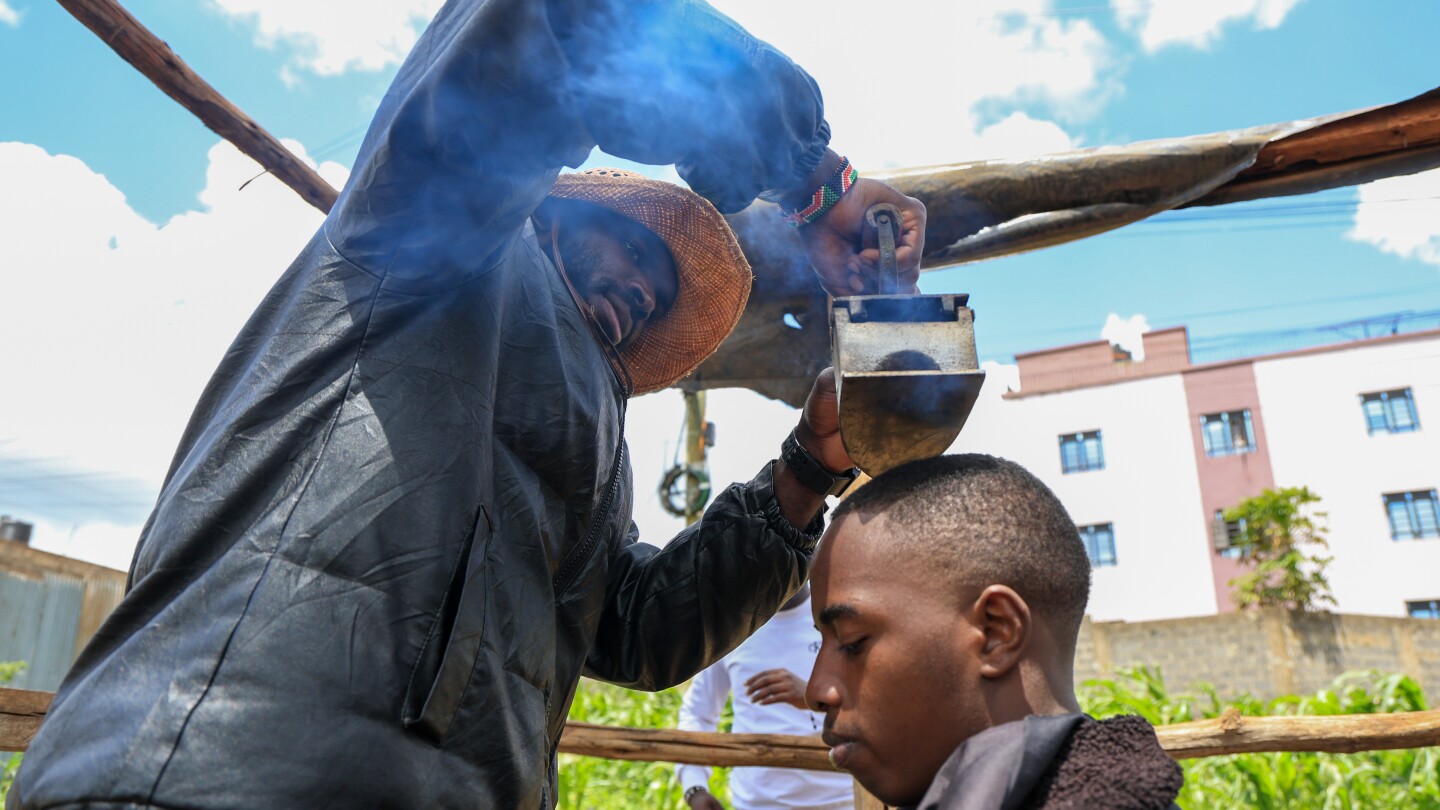
    In the outskirts of Nairobi, a remarkable barbering phenomenon is captivating social media audiences across Kenya. Safari Martins, known professionally as Chief Safro, has transformed a modest roadside shack in Kiambu into an unlikely grooming destination where traditional barbering converges with digital content creation.

    Martins’ unconventional approach involves replacing standard barbering equipment with sharpened shovels, agricultural shears, and iron tools to execute precise haircuts. His client Ian Njenga recently experienced this unique service, describing the results as both surprisingly clean and confidence-building. “When I get shaved here I get very comfortable,” Njenga remarked. “While walking in the streets I get very confident.”

    The barber’s journey began in 2018 using borrowed clippers in school dormitories before evolving into his current distinctive style. What distinguishes Martins from typical viral sensations is his deliberate incorporation of African cultural elements. He increasingly weaves traditional folk tales into his video narrations, drawing inspiration from his Rwandan heritage and Kenyan upbringing. “I’m motivated by African culture, by African stories,” Martins explains, noting that some tools receive blessings from village elders.

    His digital presence has exploded with approximately one million followers each on Instagram and TikTok, reflecting Kenya’s broader social media expansion. Market research indicates the country’s social media user base grew nearly 50% from 10.6 million in January 2023 to 15.1 million by January 2025.

    Despite charging premium rates of 1,500 Kenyan shillings (approximately $12) per cut—significantly above Nairobi’s typical barbering prices—clients willingly pay for both the unique experience and potential social media exposure. The Kenya Institute for Public Policy Research and Analysis reports that around 15% of Kenyan content creators rely on online work as their primary income source.

    However, Martins highlights an industry disparity: while barber-creators achieve viral visibility, they often receive less monetization than creators in gaming, education, or lifestyle categories. “Barbers get viral on social media but I feel like they are not respected,” he notes. “You are not paid as a content creator, even though you have the views, even if you have the engagement.”

  • Waiting for New Year: It’s still 2025 in these countries

    Waiting for New Year: It’s still 2025 in these countries

    While the United Arab Emirates spectacularly welcomed 2026 with breathtaking fireworks and drone displays, numerous nations worldwide remained immersed in the final hours of 2025 due to global time zone variations. This temporal disparity creates a fascinating, staggered celebration pattern across the planet.

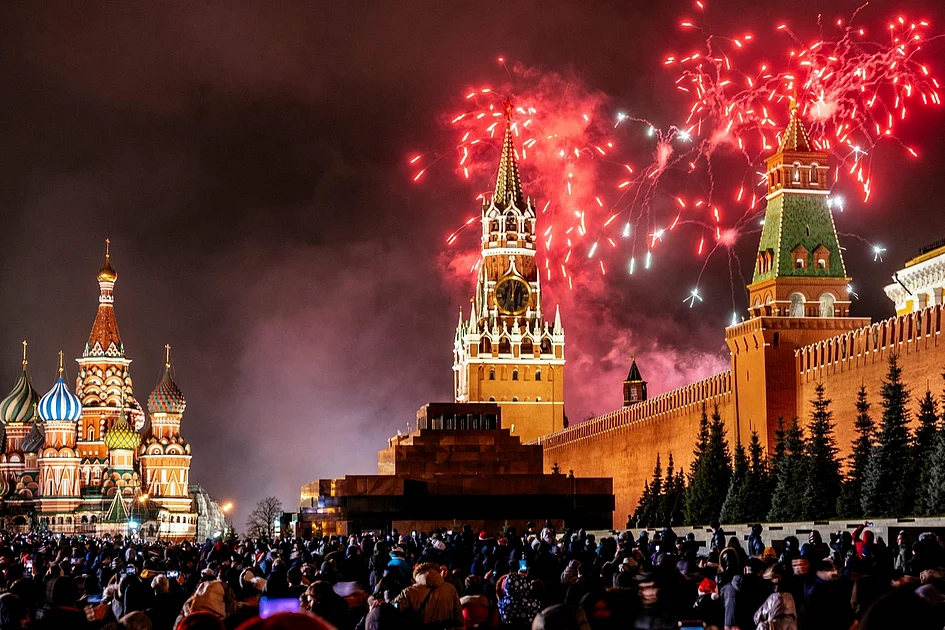
    Qatar, Russia, and Turkey, all operating in the UTC+3 time zone, celebrated precisely one hour after the UAE. Qatar marked the occasion with dazzling events at Lusail Boulevard and The Pearl-Qatar. Russia, for whom New Year is the most significant holiday, commenced an extended festive period from January 1st to 8th, characterized by lavish feasts, the iconic Kremlin chimes at midnight, and traditional activities like ice skating. Turkey celebrated with unique customs, including wearing red for good luck and purchasing lottery tickets, alongside large family dinners and fireworks over Istanbul.

    Egypt, two hours behind the UAE (UTC+2), welcomed the new year with vibrant parties in Cairo and coastal resorts, featuring traditional dishes such as stuffed pigeon. In Europe, France and Germany, both in the UTC+1 zone, celebrated three hours after the UAE. While France scaled back some public events for security reasons, Germany continued its tradition of grand firework displays and sharing lucky charms like marzipan pigs.

    Serbia, also on UTC+1, made the significant decision to cancel some public events in Belgrade due to safety concerns, particularly for children. The United Kingdom, observing UTC+0, celebrated four hours after the UAE with iconic traditions like singing ‘Auld Lang Syne’ and the Scottish custom of ‘first-footing’.

    The Americas witnessed the most delayed celebrations. Canada and the United States, operating across multiple time zones, began their festivities nine hours after the UAE. Cities like Vancouver were among the last to enter 2026. Mexico, ten hours behind, celebrated with symbolic rituals including eating twelve grapes at midnight and wearing colored underwear for luck, highlighting the diverse and rich global tapestry of New Year traditions.

  • Anthony Joshua discharged from hospital after Nigeria car crash

    Anthony Joshua discharged from hospital after Nigeria car crash

    British heavyweight boxing icon Anthony Joshua has been released from medical care in Nigeria following a devastating road accident that resulted in the deaths of two integral members of his personal team. The 36-year-old former world champion, described as ‘heavy hearted’ by officials, is now set to continue his recovery privately after being cleared by physicians.

    The tragic incident occurred Monday on a major expressway in Ogun State, near Lagos, when the Lexus SUV carrying Joshua as a passenger suffered a tire blowout before colliding with a stationary truck. The crash claimed the lives of Latif ‘Latz’ Ayodele and Sina Ghami, both longstanding members of Joshua’s inner circle who had traveled with him to Nigeria following his victory over Jake Paul in Miami on December 19th.

    Ghami served as Joshua’s dedicated sport and exercise rehabilitation coach for over a decade, while Ayodele was another trusted confidant within the boxer’s close-knit team. Following his hospital discharge Wednesday, Joshua visited the funeral home where preparations were underway to repatriate his friends’ remains to their families.

    The boxing world has united in grief, with promoter Eddie Hearn posting an emotional tribute on Instagram: ‘Rest in peace Latz and Sina. Your energy and loyalty among so many other great qualities will be deeply missed.’ Retired cruiserweight champion Tony Bellew expressed similar sentiments on social media, noting ‘there is no pain in life worse than grief.’

    Ogun State police confirm investigations remain ongoing and discreet, with preliminary findings from the Traffic Compliance and Enforcement Agency indicating mechanical failure preceded the collision. The boxing community, including champions Oleksandr Usyk and Tyson Fury, has flooded social media with support for Joshua and the families affected by this profound tragedy.

  • ‘Sincaraz’ set to dominate as 2026 tennis season kicks off

    ‘Sincaraz’ set to dominate as 2026 tennis season kicks off

    The global tennis circuit is poised for a transformative year as the 2026 season commences, with the formidable duo of Jannik Sinner and Carlos Alcaraz—colloquially dubbed ‘Sincaraz’—expected to maintain their commanding presence at the pinnacle of the sport. Their inaugural confrontation is scheduled for an exhibition match in South Korea on January 10, serving as their sole preparatory event ahead of the Australian Open commencing just eight days later.

    This season’s opening unfolds with the United Cup, a mixed-team championship hosted in Perth and Sydney, featuring prominent contenders including women’s world number two Iga Swiatek and men’s world number three Alexander Zverev. Meanwhile, top-ranked Aryna Sabalenka, pursuing her third Melbourne Park title, initiates her campaign at the Brisbane International amidst a competitive field that includes reigning Australian Open champion Madison Keys and fourth-ranked Amanda Anisimova.

    The compelling rivalry between Alcaraz and Sinner reached a crescendo in the previous season. Although the Spanish sensation Alcaraz clinched the year-end world number one ranking, Sinner countered by successfully defending his ATP Finals title. Sinner’s remarkable 2025 season featured an impressive 58-6 win-loss record, including a successful Australian Open title defense and a groundbreaking victory at Wimbledon. Alcaraz mirrored this dominance with a 71-9 record, capturing both the French Open and US Open championships.

    Notably, Novak Djokovic approaches what may constitute his final professional season, still pursuing an unprecedented 25th major title at age 38. The Serbian champion has acknowledged the increasing challenge of surpassing either Sinner or Alcaraz in best-of-five Grand Slam encounters, with these two young stars having shared the last eight major titles between them.

    The women’s tour similarly promises intense competition, with Sabalenka entering as the undisputed world number one following her second US Open triumph. Despite her favored status for a third Australian Open victory, she anticipates formidable challenges from Swiatek, Coco Gauff, and Elena Rybakina. The United Cup will additionally feature four-time major champion Naomi Osaka making her debut appearance in the tournament while representing Japan.

  • Five technology trends that will define 2026 – and the cities bold enough to build them

    Five technology trends that will define 2026 – and the cities bold enough to build them

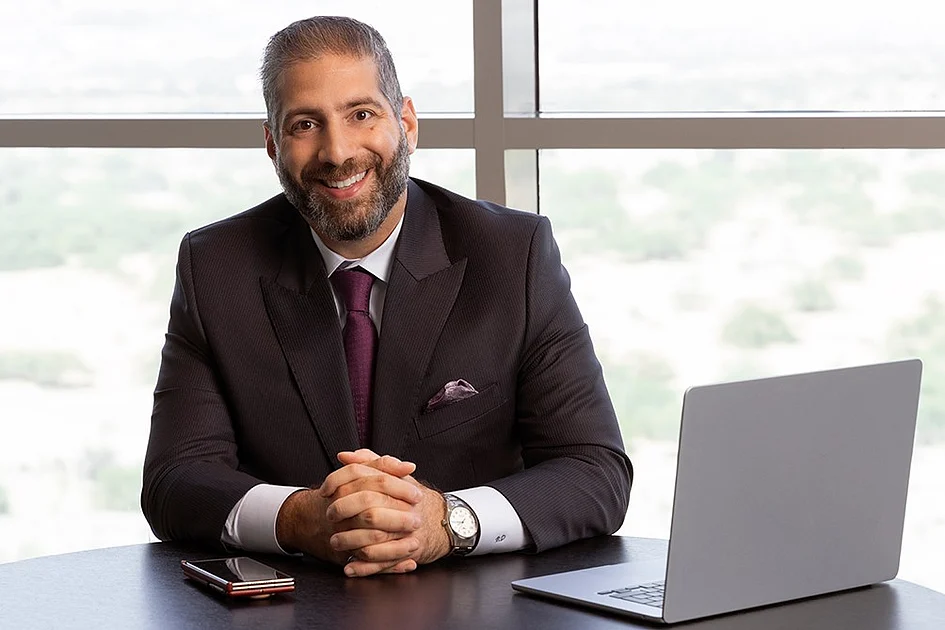
    As we approach 2026, the technological landscape is poised for a transformative reordering that will fundamentally reshape urban environments and economic systems. According to analysis from Paul Dawalibi, CEO of Innovation City, this shift represents a movement from theoretical innovation to lived experience, where intelligence becomes ambient and creativity transforms into infrastructure.

    The five pivotal trends identified for 2026 include:

    1. **AI Evolution from Tools to Collaborative Partners**: Artificial intelligence is transitioning from application-based tools to active collaborators. By 2026, AI will function as co-founder rather than assistant, capable of business planning, product design, contract negotiation, code development, content generation, and operational management. This transformation means every startup effectively becomes a multi-person enterprise from inception, with competitive advantage shifting from AI access to seamless human-machine integration.

    2. **Digital Identity as Economic Foundation**: The digital identity revolution will expand beyond individuals to encompass companies, assets, licenses, and intellectual property. This infrastructure will enable instant verification and global operational capability from formation, creating frictionless company establishment, real-time compliance, borderless entrepreneurship, and default trust systems. Jurisdictions adopting cryptographic trust frameworks early will attract global entrepreneurs.

    3. **Industrial-Scale Creator Economy**: The creator economy is maturing into an industrial operation powered by AI, real-time monetization, immersive formats, and global distribution networks. Content creation will transition from bedroom hobby to high-tech production pipeline, requiring purpose-built environments and cutting-edge technological infrastructure to support creators as the primary generators of valuable intellectual property.

    4. **Mainstream Robotics Integration**: Autonomous systems including logistics robots, drones, AI-driven manufacturing, and service robotics are moving from controlled pilot programs to widespread production. This integration will redefine industrial productivity, urban logistics, healthcare delivery, and smart infrastructure, with successful cities developing regulatory, ethical, and commercial frameworks for responsible scaling.

    5. **Innovation as Designed Environment**: The most significant trend involves innovation transitioning from government-incentivized policy to intentionally designed physical and regulatory environments. Successful innovation hubs will operate with startup mentality—founder-first, data-driven, and future-focused—offering AI-powered services, radical simplicity, operational speed, and community belonging for builders.

    The analysis concludes that the next technological era will be defined not by devices or breakthroughs, but by environments that enable innovation at full velocity through friction reduction, experimental embrace, and treating creators as architects rather than applicants.

  • Trump’s return, Gaza truce, tariff war: How 2025 shaped the world

    Trump’s return, Gaza truce, tariff war: How 2025 shaped the world

    As the world ushered in 2026, reflections on the preceding year revealed a period defined by political upheaval, environmental crises, and fragile diplomatic accords. 2025 cemented its status among the warmest years in recorded history, with catastrophic climate events—devastating European wildfires, severe African droughts, and lethal Southeast Asian monsoon rains—leaving an indelible mark across continents.

    The year witnessed the dramatic return of Donald Trump to the White House, whose immediate imposition of aggressive tariff policies triggered significant volatility in global financial markets. His administration’s economic nationalism contrasted sharply with growing international anxiety over trade stability.

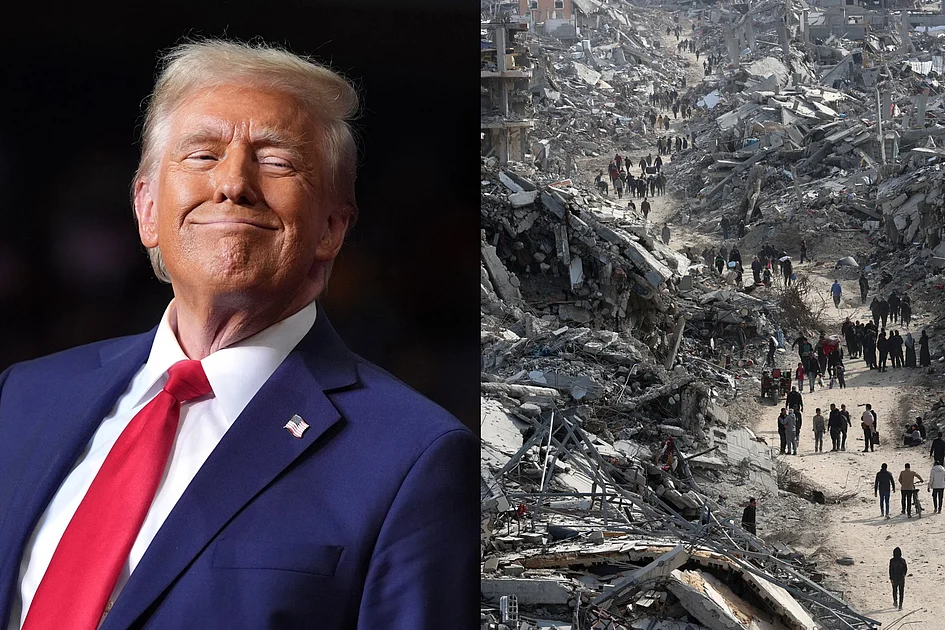
    October brought a precarious ceasefire to the Gaza conflict, brokered under intense U.S. pressure following two years of destruction that left the territory in ruins. The truce remained tenuous, with both Israel and Hamas exchanging accusations of violations shortly after its implementation. The conflict, originating from Hamas’s October 2023 attack that killed over 1,200 Israelis, resulted in more than 70,000 Palestinian casualties according to UN-verified figures from Gaza health authorities.

    New Year’s celebrations carried somber undertones worldwide. Sydney, traditionally the “New Year’s capital of the world,” observed a minute of silence and illuminated its harbour bridge in white for peace, memorializing 15 victims from Australia’s deadliest mass shooting in three decades at Bondi Beach. Hong Kong canceled its famed fireworks display to honor 161 lives lost in a November housing estate tragedy.

    Meanwhile, the war in Ukraine approaches its fourth year with no ceasefire in sight despite renewed diplomatic efforts. Global leaders including China’s Xi Jinping and Russia’s Vladimir Putin exchanged New Year’s greetings, with Xi emphasizing commitment to strengthened bilateral relations.

    Looking ahead, 2026 promises significant developments in space exploration with NASA’s Artemis II mission, ongoing scrutiny of artificial intelligence’s economic impact, and major international sporting events including the Winter Olympics in Italy’s Dolomites and an expanded FIFA World Cup across North America.