
In a significant move, credit rating agency Standard & Poor’s (S&P) has downgraded France’s credit rating from AA to A+, citing heightened risks of the government failing to substantially reduce its deficit in the coming year. The decision, announced on Friday, underscores growing concerns over France’s fiscal stability and its ability to meet budgetary targets. S&P highlighted that despite the recent submission of the 2026 draft budget to parliament, uncertainty surrounding the nation’s public finances remains alarmingly high. The agency expressed skepticism about the government’s ability to achieve significant deficit reduction without additional measures, projecting a slower-than-expected fiscal consolidation over the forecast horizon. French Finance Minister Roland Lescure responded to the downgrade by reaffirming the government’s commitment to meeting the 2025 deficit target of 5.4% of GDP. He emphasized the collective responsibility of both the government and parliament to adopt a budget aligned with this framework. Separately, the finance ministry revealed that the 2026 draft budget aims to accelerate the reduction of the public deficit to 4.7% of GDP while safeguarding economic growth. This initiative is seen as a critical step toward fulfilling France’s pledge to bring the deficit below 3% of GDP by 2029. The downgrade comes amid political challenges for President Emmanuel Macron, who faces a divided parliament as he seeks to implement deep spending cuts. His new Prime Minister, Sebastien Lecornu, recently backtracked on a contentious pension reform to avoid a no-confidence vote, further complicating fiscal reforms.
标签: Africa
非洲
-
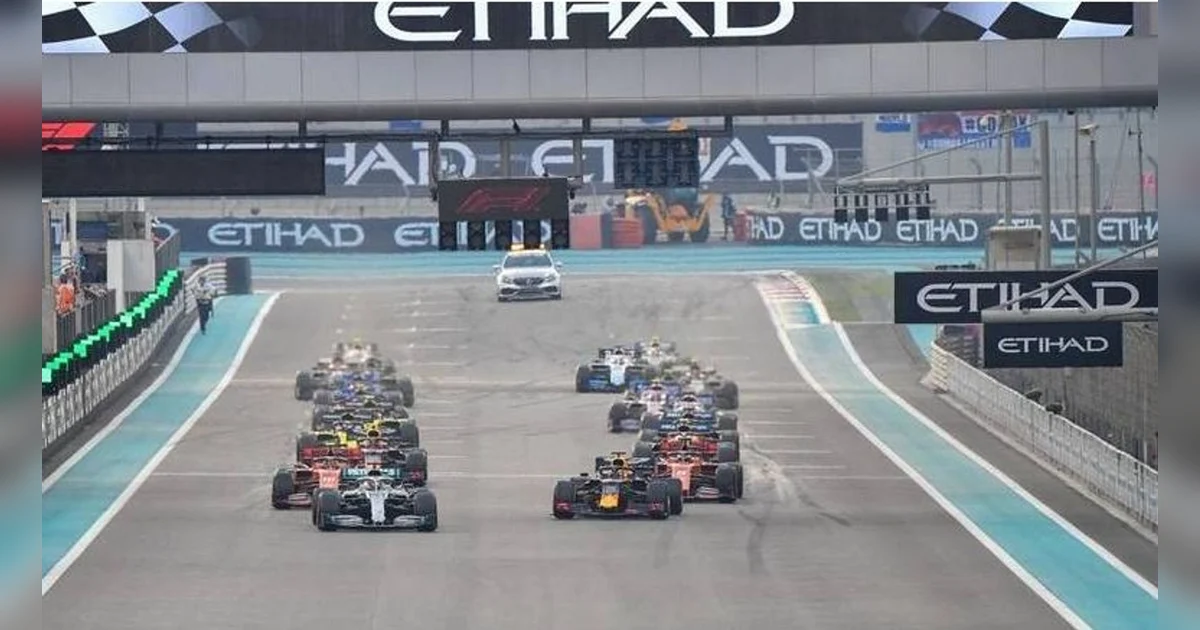
GCC eyes slice of $2 trillion sports tourism market by 2030
The Gulf Cooperation Council (GCC) is positioning itself as a key contender in the rapidly expanding global sports tourism industry, which is forecasted to exceed $2 trillion by 2030. A recent report by PwC Middle East, titled ‘Game on for the GCC – Turning Sporting Ambition into Lasting Tourism Impact,’ highlights the region’s potential to capitalize on its increasing prominence as a host of world-class sporting events to foster a sustainable tourism economy. Currently, sports tourism represents 10% of global tourism expenditure, growing at a compound annual rate of 17.5%. The GCC’s strategic investments in sports infrastructure and events are setting the stage for substantial economic gains. Over recent years, the Middle East has successfully hosted major events such as the 2022 FIFA World Cup in Qatar and numerous Formula 1 Grand Prix weekends, significantly boosting the region’s global profile and contributing to a sports sector valued at $600 billion, with an annual growth rate of nearly 9%. Saudi Arabia is at the forefront of this initiative, with its sports market expected to triple to $22.4 billion by 2030, generating 39,000 jobs and adding $13.3 billion to the national GDP. Despite these advancements, the GCC currently captures only 5–7% of global sports tourism spending, indicating substantial growth potential. The report emphasizes the need for the GCC to transition from being a host of events to becoming a year-round destination for immersive sports experiences. Peter Daire, Senior Executive Advisor at PwC Middle East, stressed the importance of evolving beyond event hosting to create destinations that attract fans throughout the year through enriched experiences, enhanced digital engagement, and stronger regional connections. The report outlines three critical priorities for the region: developing experience-led destinations that integrate sport, retail, leisure, and culture to encourage longer stays and higher spending; fostering immersive fan engagement through digital platforms, storytelling, and multi-day festivals to turn spectators into repeat visitors; and building a connected regional ecosystem that links events and destinations across borders through streamlined travel and unified marketing. Jonathan Worsley, Chairman and CEO of The Bench, which organizes the Future Hospitality Summit, highlighted that sports tourism is now central to destination strategy and hospitality investment, driving infrastructure development, elevating brand visibility, and unlocking year-round demand. The report also advocates for increased investment in women’s sports, leisure activities, and workforce development, as well as better utilization of existing venues to extend the impact of flagship events. With over 60% of the region’s population under the age of 35, digital innovation and youth engagement are deemed crucial for shaping the future of sports tourism. As the GCC shifts its focus from hosting to experience creation, PwC suggests the region could emerge as one of the world’s most dynamic and resilient sports tourism hubs, attracting fans, athletes, and travelers who not only visit but return.
-

UAE’s digital payments boom gets a boost with Network International–Magnati merger
The United Arab Emirates (UAE) is rapidly advancing toward a cashless economy, with the recent merger between Network International and Magnati marking a significant milestone in the region’s digital payments evolution. This strategic consolidation aligns with the UAE’s ambition to become a global leader in digital finance, leveraging a tech-savvy population, high smartphone penetration, and robust regulatory support. Murat Cagri Suzer, Group CEO of Network International, emphasized that the merger transforms the company into a fintech platform capable of redefining digital commerce across the Middle East and Africa (MEA). The combined entity now serves over 250 financial institutions, 240,000 merchants, and 25 million cardholders across 50+ markets, positioning itself at the forefront of a region where digital payments are growing at twice the global average. The UAE’s card payments market is projected to grow by 10.6% in 2025, reaching Dh565.5 billion, while the Buy Now, Pay Later (BNPL) market is expected to double by 2030. Government initiatives, such as Dubai’s Cashless Strategy and national platforms like Aani and Jaywan, are driving this transformation. The merger enables Network International to offer a broader suite of services, including data analytics, small business lending, and advanced fraud prevention. The company is also investing in cutting-edge technologies like AI, biometrics, and tokenization to enhance security and customer experiences. As digital payments become increasingly embedded in daily life, Network International is prioritizing a ‘security-first’ culture, employing advanced encryption and AI-driven fraud detection to safeguard transactions. With the Middle East poised to lead the global shift toward digital finance, this merger represents a strategic step in shaping a future where smart, secure, and seamless payments are the norm.
-
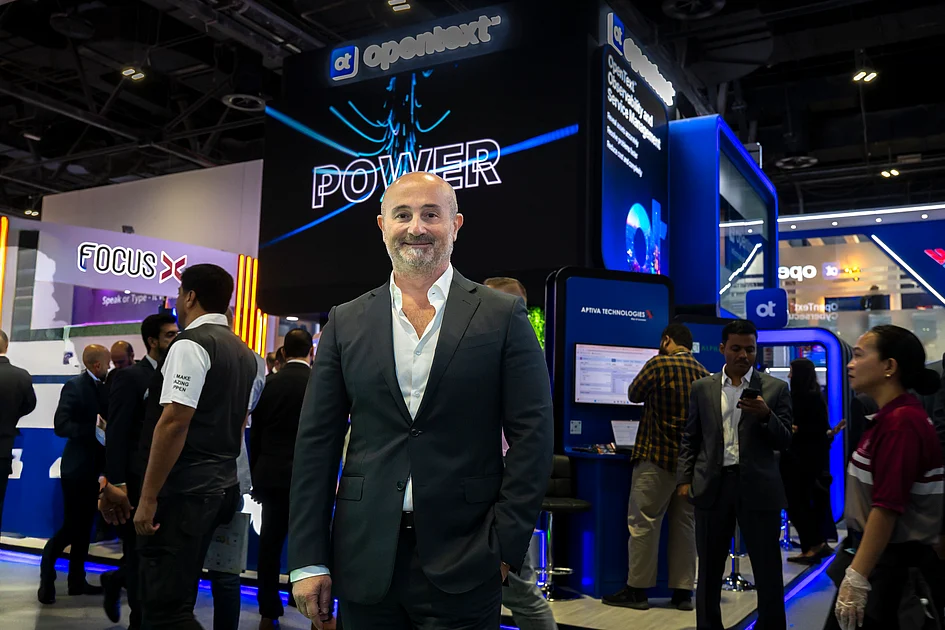
AI becomes the cornerstone of digital transformation in the Middle East
Artificial intelligence (AI) has emerged as the driving force behind digital transformation in the Middle East, reshaping how organizations operate and compete in the digital economy. At Gitex Global 2025, OpenText underscored the pivotal role of AI, particularly the rise of Agentic AI, in accelerating the region’s digital agendas. George Schembri, Vice President and General Manager for the Middle East at OpenText, emphasized that AI is no longer just a productivity tool but a catalyst for intelligence at scale, turning data into actionable insights and fostering long-term competitiveness. A significant trend is the shift from traditional AI to Agentic AI, which operates autonomously, collaborates across systems, and learns from outcomes, enabling businesses to transition from reactive decision-making to proactive strategy execution. OpenText is also addressing the convergence of AI, cloud, and cybersecurity, ensuring that AI-driven insights are scalable and secure. This integrated approach is critical for organizations aiming to reduce complexity, accelerate innovation, and build trust in a digital-first world. Additionally, the evolving workforce, particularly Gen Z, is driving demand for intuitive, mobile-first tools that support flexibility and purpose-driven work. OpenText is meeting these needs through conversational AI, secure cloud platforms, and automation that streamline enterprise workflows. As the Middle East continues its digital evolution, OpenText’s message is clear: AI is the foundation of a smarter, more resilient, and human-centered future of work.
-
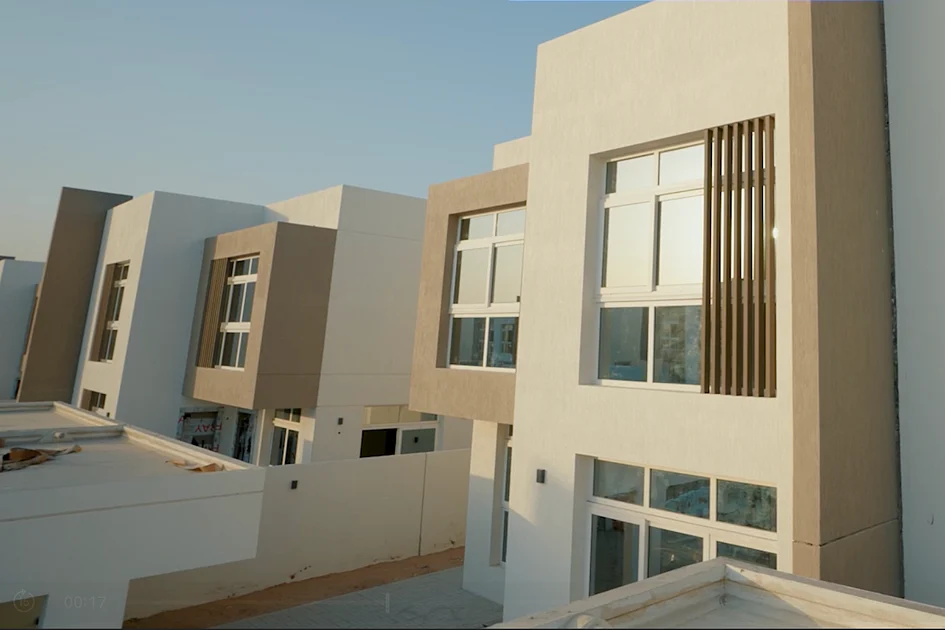
UAE: Nearly 2,000 homes across 4 key Dubai areas to be delivered by 2028
Dubai is set to witness a significant transformation in its housing landscape with the delivery of nearly 2,000 homes across four key areas by 2028. The Mohammed Bin Rashid Housing Establishment (MBRHE) has announced four major housing projects — Wadi Al Amardi, Al Awir, Hatta, and Al Yalayis 5 — which will collectively provide 1,749 homes valued at over Dh3.3 billion. These projects are part of a broader housing programme approved in January 2025 by Sheikh Mohammed bin Rashid Al Maktoum, Vice President and Prime Minister of the UAE and Ruler of Dubai, aimed at enhancing housing stability and improving citizens’ quality of life. The comprehensive programme encompasses 3,004 homes with a total value of Dh5.4 billion, reflecting the leadership’s vision to create integrated residential communities that offer comfort, safety, and well-being. Mohammed Al Shehhi, Acting CEO of MBRHE, emphasized the establishment’s commitment to fulfilling the leadership’s directives by prioritizing the completion of these projects. He highlighted that the developments align with Dubai’s broader social and economic goals, aiming to make the city the best place to live in the world. Each project has been meticulously designed to meet the needs of Emirati families, with modern architectural designs, advanced infrastructure, and community facilities. The Wadi Al Amardi project, set for completion in the first quarter of 2026, includes 432 homes spanning 3.669 million square feet with an investment of Dh767 million. The Al Awir project, also scheduled for completion in early 2026, comprises 398 homes covering 3.217 million square feet at a cost of Dh734 million. The Hatta project, a distinctive initiative supporting the area’s transformation into a vibrant urban and tourism destination, features 213 homes across 2.654 million square feet with an investment of Dh508 million and is expected to be completed by the fourth quarter of 2026. The largest of the four, the Al Yalayis 5 project, will deliver 706 homes across approximately 7 million square feet with a total cost of Dh1.31 billion, setting a benchmark for sustainable, fully serviced residential communities. These projects underscore the Government of Dubai’s commitment to providing a modern and sustainable housing environment that ensures stable and dignified lives for its citizens.
-
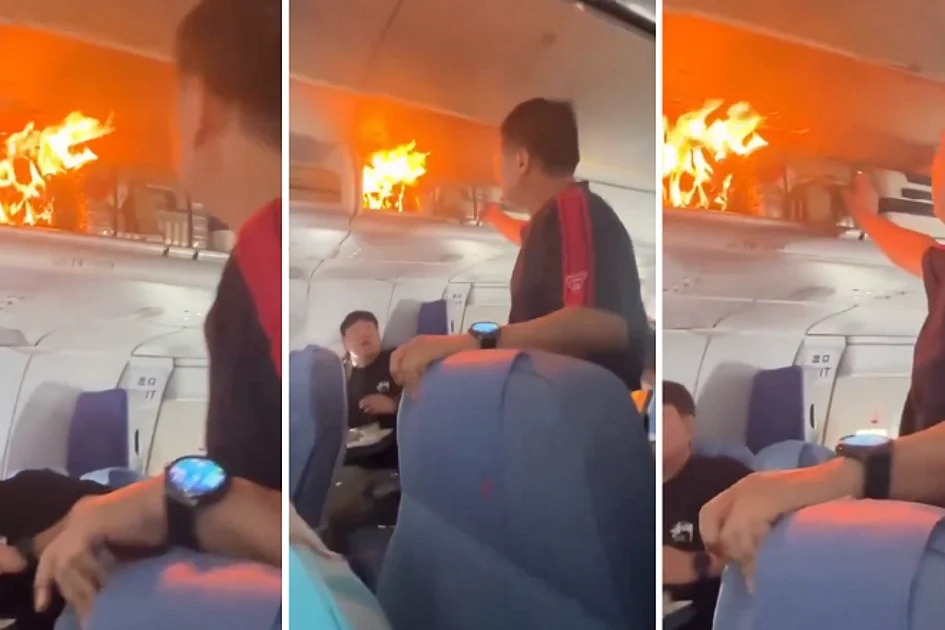
Watch: Lithium battery catches fire on plane, leaves passengers in shock
An Air China flight was compelled to execute an emergency landing on Saturday, October 18, after a lithium battery stored in a passenger’s carry-on luggage ignited mid-flight. The incident occurred aboard flight CA139, which had departed from Hangzhou Xiaoshan International Airport at 9:47 AM local time, en route to Incheon International Airport. The battery, stored in the overhead compartment, spontaneously caught fire, prompting the aircraft to divert to Shanghai Pudong International Airport. Air China confirmed the event in a statement, emphasizing that the cabin crew responded promptly, and no injuries were reported. Videos of the incident quickly circulated on social media, sparking widespread concern. This incident follows a recent decision by Emirates to restrict the use of power banks during flights, allowing only devices under 100 watt-hours (Wh) to be carried, but not used or charged inflight. The aviation industry has seen a surge in lithium battery-related incidents, raising safety concerns globally.
-
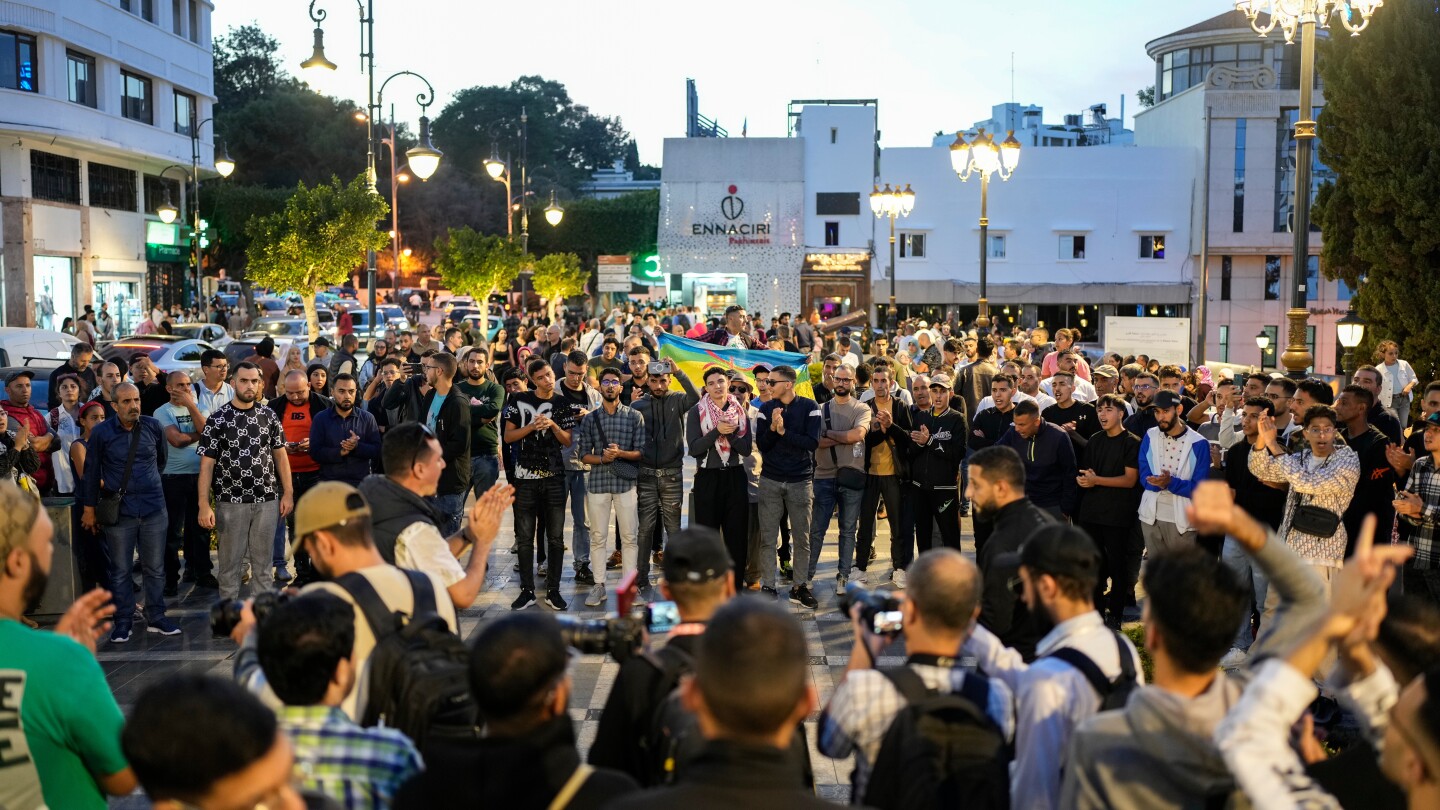
Morocco’s Gen Z protesters demand accountability and education reform
In Morocco, a wave of youth-led protests has emerged, challenging the government’s priorities and demanding urgent social reforms. Despite the impending Africa Cup of Nations in December, demonstrators have called for a boycott of soccer matches at newly constructed stadiums, symbolizing their discontent with the allocation of resources. On Saturday, hundreds of young protesters took to the streets in cities like Casablanca and Tangier, reigniting their demands for the release of arrested activists and the ouster of Prime Minister Aziz Akhannouch, whom they accuse of corruption. The protests, organized by the grassroots movement Gen Z 212, focus on systemic issues such as inadequate healthcare, education disparities, and government accountability. The movement, which boasts over 200,000 followers on platforms like Discord, has gained momentum following a recent eight-day pause. Protesters chanted slogans like ‘Stadiums are here, but where are the hospitals?’ and criticized the government for prioritizing sports infrastructure over essential public services. Education remains a central issue, with demonstrators highlighting the growing divide between public and private schools. Government audits reveal persistent challenges, including teacher shortages and regional disparities, particularly in rural areas. While officials have pledged to reallocate funds to healthcare and education, tangible improvements remain elusive. The protests, inspired by similar movements in Nepal, have occasionally turned violent, resulting in arrests and legal repercussions. Despite these challenges, Morocco’s youth remain steadfast in their fight for a more equitable future.
-
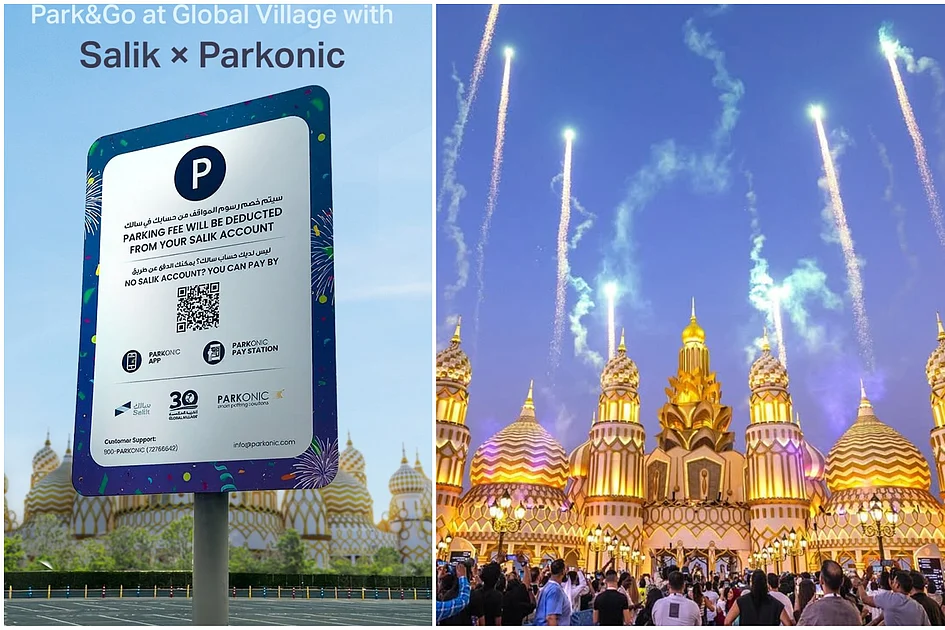
Dubai’s Global Village: Dh120 premium parking, automatic payment via Salik
Dubai’s Global Village, one of the city’s most renowned tourist destinations, has unveiled a cutting-edge smart parking system in collaboration with Salik x Parkonic. This innovative solution, introduced for the park’s 30th season, offers visitors a seamless parking experience in two designated zones: Premium and P6. While general parking remains free across six zones, the Premium parking option is priced at Dh120, and P6 costs Dh75. Both zones feature automatic payment integration through the Salik eWallet, eliminating the need for physical tickets. Additionally, visitors can check real-time parking availability via the Global Village mobile app, which also provides directions to the nearest available parking spots. For those seeking convenience, Premium and VIP parking services grant access to dedicated slots near the main entrances—The Cultural Gate and the Gate of the World. This initiative aims to enhance the overall visitor experience at the park, which has already drawn thousands of guests since its season opening on October 15. On weekends, five additional parking zones are activated to accommodate higher demand. Global Village continues to solidify its reputation as a must-visit attraction in Dubai, blending cultural experiences with modern amenities.
-

UAE: Premature baby survives life-threatening condition seen in 0.1% cases worldwide
In a remarkable medical triumph, a premature baby born at just 27 weeks and weighing less than a kilogram has survived an extremely rare and life-threatening condition known as Amyand’s hernia. The infant, Sid Elian Mattheus Casino, underwent a complex surgery at Burjeel Hospital in Abu Dhabi, defying the odds to recover from a condition that occurs in only 0.1% of cases worldwide. Amyand’s hernia involves a perforated appendix trapped in the inguinal canal and extending into the scrotum, a condition almost unheard of in premature infants. For first-time parents Stewart John and Isabel Mari Casiño, Sid’s early arrival was both a joyous and terrifying experience. Isabel first met her baby 12 hours after delivery in the Neonatal Intensive Care Unit (NICU), surrounded by machines and wires. “My heart was breaking and overflowing at the same time,” she recalled. “I wished I could just hold him and protect him.” Three weeks later, when Sid developed swelling in his belly and scrotum, doctors diagnosed the hernia. Despite initial fears, Isabel placed her trust in Professor Dr. Amulya Saxena, a consultant pediatric surgeon at Burjeel Hospital, who assured her that Sid would survive. The emergency surgery, performed by Dr. Saxena and his team, involved removing the perforated appendix and preserving the tiny testicle while ensuring no contamination or infection. Sid’s recovery in the NICU was slow but steady, and after ten weeks of intensive care, the family finally took him home. At discharge, he weighed 1.8 kilograms, and a month later, his weight nearly doubled to 3.3 kilograms. “Every day is a win for us,” said Isabel. “My baby has shown me what true strength is.” Dr. Saxena attributed Sid’s recovery to prompt diagnosis, meticulous surgical work, and coordinated care. “Seeing him healthy and thriving today is the most rewarding outcome for our entire team,” he said.
-
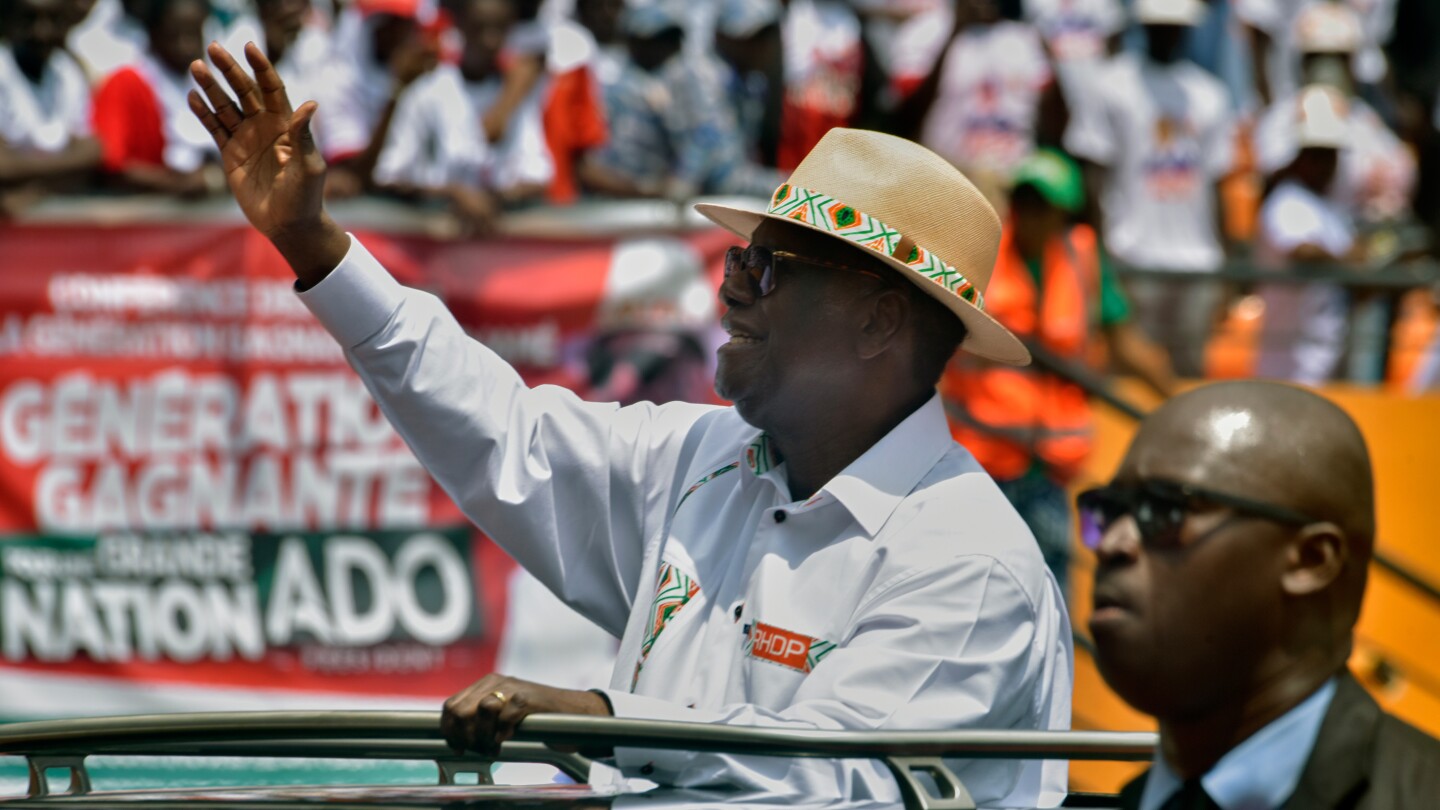
Ivory Coast’s leader urges youth to vote in key election, touting himself as best choice
In a fervent campaign rally held in Abidjan, Ivory Coast’s President Alassane Ouattara appealed to the nation’s youth to actively participate in the forthcoming presidential election scheduled for October 25. Addressing a large crowd, the 83-year-old leader emphasized his dedication to improving the lives of young Ivorians, positioning himself as the most committed candidate to their welfare. “I have always strived to provide the best opportunities for our youth, enabling them to start businesses, work, learn, and achieve independence,” Ouattara declared. The election, which sees Ouattara contesting against four other candidates, is unfolding against a backdrop of heightened political tensions. Key opposition figures, including former President Laurent Gbagbo and former Credit Suisse CEO Tidjane Thiam, have been disqualified from running, a move that has sparked widespread protests. Authorities have attempted to quell these demonstrations, resulting in hundreds of arrests and several jail sentences. Despite the controversy, analysts predict a strong likelihood of Ouattara securing a fourth term, especially after the 2016 constitutional amendment that removed presidential term limits. While Ouattara pledges to tackle the country’s security and economic challenges, opposition leaders argue that his administration has fallen short of expectations and accuse the government of manipulating the electoral process to ensure his victory. Florine-Auxane Loukou Bledja, a youth leader within the ruling party, echoed the sentiment of many supporters, stating, “He has done a lot for young people, and we want him to continue.”