标签: Africa

非洲

  • Jersey returns £7m of ‘tainted’ funds to Nigeria

    Jersey returns £7m of ‘tainted’ funds to Nigeria

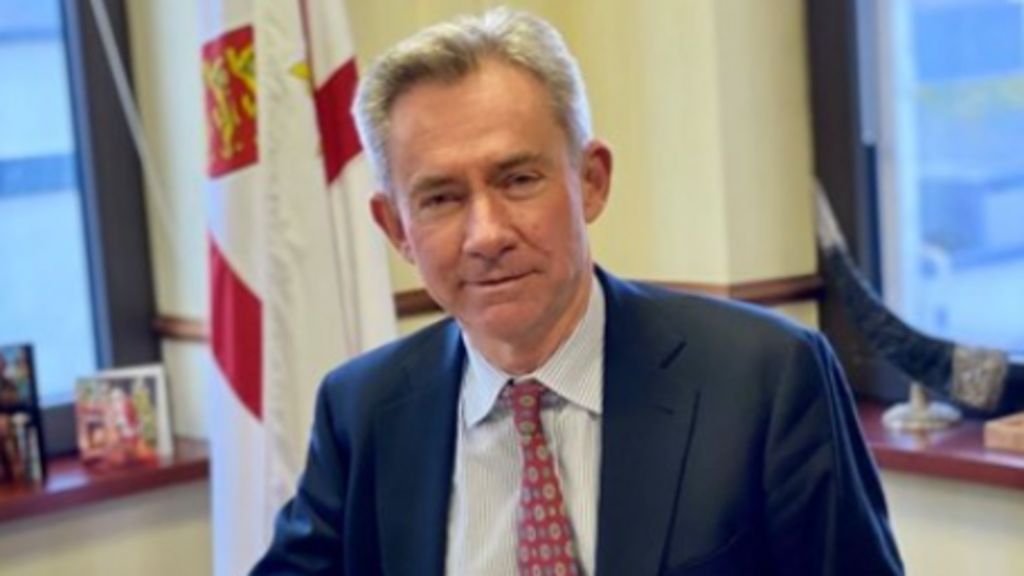
    In a significant move against international financial corruption, the Government of Jersey has formally agreed to repatriate $9.5 million (£7 million) in illicit funds to Nigeria. The restitution follows a landmark ruling by Jersey’s Royal Court, which determined the assets were “more likely than not” derived from a corrupt scheme involving Nigerian officials.

    The funds, held in a Jersey-based financial institution, were identified as proceeds from a corruption network where third-party contractors systematically diverted government money for the benefit of senior Nigerian officials and their associates. His Majesty’s Attorney General for Jersey, Mark Temple KC, finalized the restitution process through a Memorandum of Understanding (MOU) signed with Nigerian authorities in December.

    This agreement represents the third major asset repatriation arrangement between Jersey and Nigeria, following previous agreements that facilitated the return of over $300 million in stolen assets. The latest recovery underscores Jersey’s robust anti-corruption framework and its commitment to international judicial cooperation.

    Nigerian Attorney-General and Minister of Justice Lateef Fagbemi confirmed the returned assets would be allocated according to the MOU’s provisions, specifically supporting the completion of a critical highway infrastructure project connecting Nigeria’s capital with its second-largest city. Fagbemi emphasized that the successful recovery demonstrates Nigeria’s effective collaboration with international partners in combating illicit wealth transfer to foreign jurisdictions.

    Attorney General Temple highlighted the case as evidence of Jersey’s powerful civil forfeiture legislation, which serves as an essential tool in the global fight against corruption. The restitution sets another precedent for international cooperation in tracking and returning illicit assets to their rightful owners.

  • Storm Goretti: Heavy wind, rain, snow to batter Europe

    Storm Goretti: Heavy wind, rain, snow to batter Europe

    A powerful weather system named Storm Goretti descended upon Europe on Thursday, bringing a dangerous combination of extreme winds, heavy snowfall, and freezing temperatures. Meteorological agencies across the continent issued severe warnings, predicting significant disruptions to daily life and infrastructure from Britain to Germany.

    In the United Kingdom, the Met Office took the rare step of issuing its highest-level red wind alert for southwestern England, including the Isles of Scilly and Cornwall. Forecasters warned of potentially catastrophic wind gusts reaching 160 kilometers per hour (100 mph), accompanied by dangerously large coastal waves. Simultaneously, an amber snow warning covered Wales, the Midlands, and northern England, with predictions of up to 30 centimeters (11 inches) of accumulation. The severe conditions prompted National Rail to advise against all non-essential travel for the next 48 hours as train services faced inevitable disruptions.

    Across the Channel, northern France prepared for similar onslaught, particularly in the Manche department where schools were ordered closed for Friday. Authorities issued urgent safety directives across 30 northwestern regions, advising residents to seek shelter and avoid vehicle use while ensuring emergency supplies of lighting and drinking water.

    Germany’s meteorological service (DWD) reported approaching heavy snow and powerful winds expected to cripple transportation networks and public services. Northern regions braced for up to 15 centimeters (6 inches) of snow, while southern areas faced hazardous icy conditions. The cities of Hamburg and Bremen preemptively canceled school for Friday as public transport networks already experienced significant delays on Thursday. Deutsche Bahn mobilized over 14,000 employees to combat the expected infrastructure challenges.

    Meteorologist Andreas Walter of the DWD noted the exceptional nature of this storm compared to recent milder winters, directly linking the pattern shift to climate change. While cold snaps with substantial snowfall remain possible despite rising global temperatures, Walter emphasized such events would become increasingly rare in the future.

    Adding to the extraordinary weather patterns, Norway’s Meteorological Institute reported that only one region in the entire country recorded temperatures above freezing on Thursday: the Arctic archipelago of Svalbard.

  • The secret mission to fly a president’s body back home – pilot speaks to the BBC

    The secret mission to fly a president’s body back home – pilot speaks to the BBC

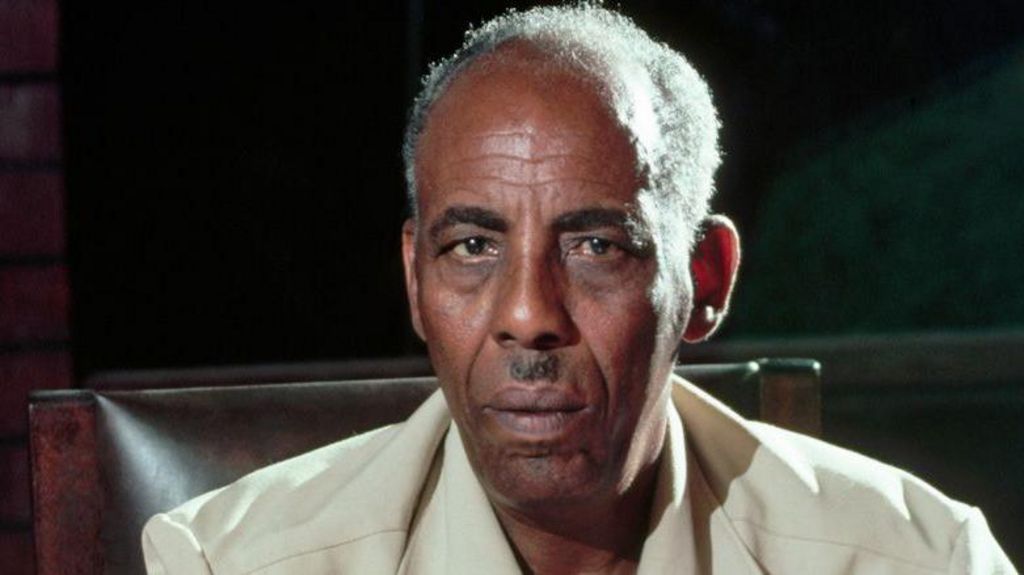
    Three decades ago, a clandestine operation unfolded across African skies to repatriate the body of Somalia’s former ruler Mohamed Siad Barre. On the 31st anniversary of this extraordinary mission, the key participants have broken their silence, revealing previously undisclosed details about the politically sensitive undertaking.

    In January 1995, Kenyan pilots Hussein Mohamed Anshuur and Mohamed Adan of Bluebird Aviation received an unexpected visit from a Nigerian diplomat at Wilson Airport near Nairobi. The official presented them with an unprecedented request: secretly transport Barre’s body from Lagos, Nigeria, to his hometown of Garbaharey in southern Somalia—a 4,300-kilometer journey across multiple national borders.

    The mission was fraught with political complications. Barre, who had ruled Somalia from 1969 until his overthrow in 1991, died in exile at age 80. Having fled to Kenya initially, he eventually received political asylum in Nigeria under military ruler General Ibrahim Babangida after pressure mounted on the Kenyan government led by President Daniel arap Moi.

    Anshuur, a former Kenyan Air Force captain, described the moment they received the request: ‘We knew immediately this wasn’t a normal charter.’ The pilots spent a day deliberating, weighing the considerable risks against the lucrative financial offer. They demanded guarantees from the Nigerian government, including full political responsibility if anything went wrong and the presence of two embassy officials on board.

    The operation required meticulous planning. On January 11, 1995, their Beechcraft King Air B200 took off from Wilson Airport with a flight manifest falsely listing Kisumu, Kenya as their destination. Instead, they diverted to Entebbe, Uganda, exploiting limited radar coverage across the region. After refueling, they continued to Yaoundé, Cameroon, where Nigerian diplomats awaited, before finally reaching Lagos.

    The Nigerian government provided a military call sign ‘WT 001’ to avoid suspicion when entering Nigerian airspace. In Lagos, Barre’s family including his son Ayaanle Mohamed Siad Barre joined the aircraft for the final leg. The secrecy, according to Barre’s son, was necessary to comply with Islamic burial traditions requiring prompt interment, not to conceal illegal activities.

    The return journey retraced the route through Cameroon and Uganda, with the pilots maintaining the fiction of a routine flight. As they approached Kenya, they diverted directly to Garbaharey’s small airstrip, which couldn’t accommodate military aircraft. After attending the burial, the pilots returned to Wilson Airport, reporting a false origin from Mandera, northeastern Kenya, to avoid detection.

    Reflecting on the mission, Anshuur noted that technological advancements in aviation surveillance would make such a covert operation impossible today. At 65, he acknowledges he wouldn’t undertake a similar mission now, but remains proud of having fulfilled what he saw as a humanitarian duty to ensure a former leader received proper burial in his homeland.

  • Saudi’s Sabic sells assets in Europe, Americas worth $950 million

    Saudi’s Sabic sells assets in Europe, Americas worth $950 million

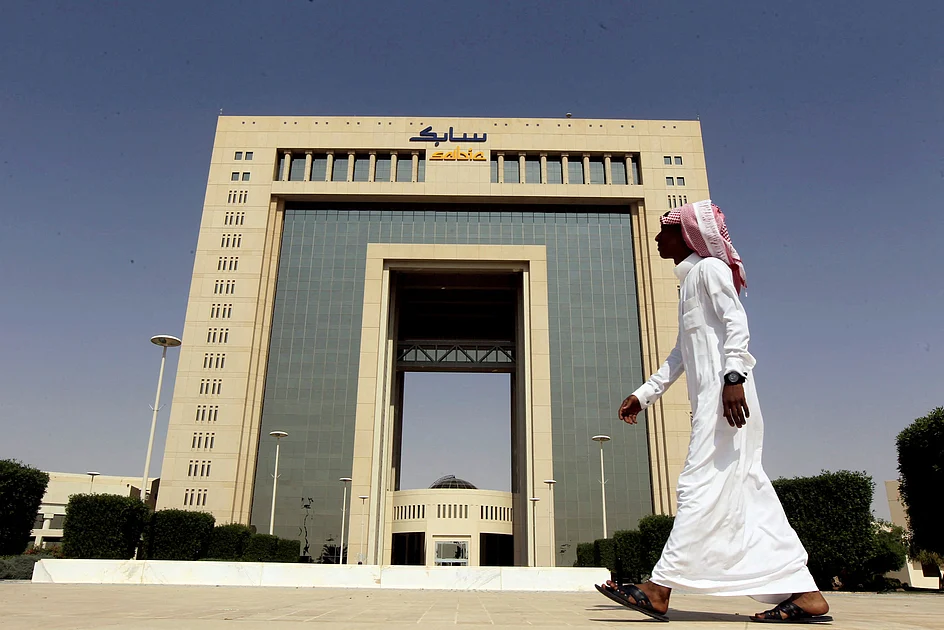
    In a significant strategic move reflecting broader industry challenges, Saudi Basic Industries Corporation (SABIC) has finalized two major divestitures totaling $950 million in enterprise value. The Saudi chemical giant is restructuring its global portfolio in response to persistent market weakness and declining demand across the petrochemical sector.

    The comprehensive divestiture program includes the sale of SABIC’s European Petrochemical (EP) business unit to Munich-based investment firm AEQUITA for $500 million. This transaction encompasses manufacturing facilities located in the United Kingdom and Germany. Simultaneously, the company has agreed to transfer its Engineering Thermoplastics (ETP) operations in both Europe and the Americas to German holding company Mutares for $450 million. The ETP business includes production sites across Canada, the United States, Brazil, and Spain.

    This strategic repositioning occurs against a backdrop of notable financial pressure for SABIC. The company’s shares plummeted to a 17-year low during early trading in Riyadh, dropping 4.8% to 48.2 riyals ($12.85) per share. Over the past twelve months, SABIC has witnessed a substantial 26.4% decline in its stock value, reflecting investor concerns about the chemical industry’s prolonged slowdown.

    CEO Abdulrahman Al-Fageeh characterized these transactions as a continuation of SABIC’s portfolio optimization initiative, which commenced in 2022. Previous divestments under this program included the Functional Forms, Hadeed, and Alba business units. The current disposals are projected to enhance SABIC’s core profit margins and strengthen free cash flow generation despite the challenging market conditions.

    The restructuring aligns with the strategic direction of SABIC’s majority shareholder, oil behemoth Aramco, which maintains a 70% stake in the chemical company. Aramco has been implementing its own cost-reduction and asset-divestment strategy to balance capital expenditures against lower oil prices and substantial shareholder returns.

    SABIC has engaged top-tier financial advisors for these transactions, with Goldman Sachs advising on the EP divestiture and J.P. Morgan consulting on the ETP transaction. Lazard acted as independent financial advisor for both deals. The company has committed to ensuring minimal operational disruption throughout the separation process.

  • India regulator alleges Bank of America breached rules in 2024 stock deal, document shows

    India regulator alleges Bank of America breached rules in 2024 stock deal, document shows

    India’s securities regulator has formally charged a Bank of America subsidiary with significant regulatory breaches during a 2024 stock offering, according to an official notice reviewed by Reuters. The Securities and Exchange Board of India (SEBI) alleges that the bank’s domestic securities unit violated insider trading protocols and compromised internal information barriers while managing a March 2024 share sale for Aditya Birla Sun Life Asset Management (ABSL AMC).

    The regulatory investigation uncovered that Bank of America’s deal team, while possessing confidential price-sensitive information, improperly coordinated with potential investors through both direct and indirect channels. According to the October 30-dated notice, the bank’s broking division, research analysts, and Asia-Pacific syndicate team contacted investors at the deal team’s request, sharing valuation reports and other protected details.

    SEBI’s findings indicate a systemic failure in maintaining ‘Chinese walls’ – the internal barriers designed to prevent information sharing between different divisions of financial institutions. The regulator stated that the bank’s conduct demonstrated inadequate safeguards for confidential information and deficient internal controls throughout the transaction process.

    The case originated from a 2024 whistleblower complaint that triggered both an internal bank investigation and subsequent regulatory scrutiny, resulting in the departure of several senior officials. Bank of America has reportedly submitted a settlement application to SEBI seeking resolution without admitting guilt, though the proposal remains under review according to sources familiar with the matter.

    While the notice references interactions with three specific investors – HDFC Life, Norges Bank, and Enam Holdings – regulatory officials emphasized they found no evidence of actual exchange of specific price-sensitive information. Legal experts characterize the case as primarily concerning internal governance failures rather than traditional insider trading, though such violations can still warrant substantial regulatory penalties.

  • ‘Losing a friend was hard’: Jennifer Garner speaks about her divorce with Ben Affleck

    ‘Losing a friend was hard’: Jennifer Garner speaks about her divorce with Ben Affleck

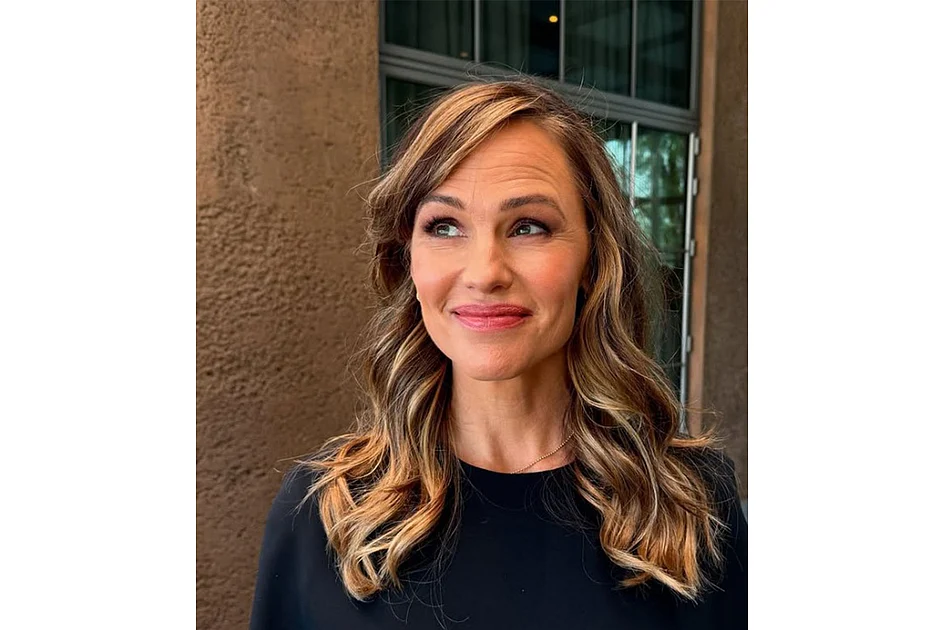
    In a remarkably candid revelation, acclaimed actress Jennifer Garner has opened up about the profound emotional impact of her separation from actor-director Ben Affleck. During a recent interview, the 53-year-old star characterized the dissolution of their marriage as an exceptionally challenging experience, focusing particularly on the loss of a deep friendship and the fracturing of family unity.

    Garner, who finalized her divorce from Affleck in 2018 after their initial separation in 2015, dismissed the notion that media scrutiny represented the most difficult aspect of the process. ‘You have to be smart about what you can and can’t handle,’ she stated, ‘and I could not handle what was out there. But what was out there was not what was hard.’

    The true difficulty, according to Garner, resided in the fundamental reality of the situation: ‘The actual breaking up of a family is what was hard. Losing a true partnership and friendship is what was hard.’ She revealed her conscious strategy to avoid engaging with gossip or speculation about her personal life, particularly when it involves her three children—Violet, Seraphina, and Samuel—considering such consumption counterproductive.

    Despite the initial challenges, Garner described achieving a state of peaceful coexistence with Affleck in their co-parenting relationship. She characterized their current dynamic as marked by ‘peace and equanimity,’ demonstrating their successful navigation toward mutual respect and collaborative parenting.

    Reflecting on her broader life journey, Garner expressed gratitude for her sustained career, healthy children, and enduring professional relationships that have evolved into ‘familial friendships’ over decades. Now in a relationship with tech CEO John Miller since 2018, Garner emphasized the transformative power of time in healing emotional wounds.

    She offered poignant advice for women experiencing similar situations: ‘I think it’s important for women to know, when they think, ‘Oh, I’ll never see that, I’ll never have that feeling, I’ll never be friends with this person again,’ that time is the opportunity. Time is the opportunity to heal. Time is the opportunity to forgive, to move on and to find a new way to be friends.’

  • Algeria apologises after player mocks Congolese superfan dressed as pan-African hero

    Algeria apologises after player mocks Congolese superfan dressed as pan-African hero

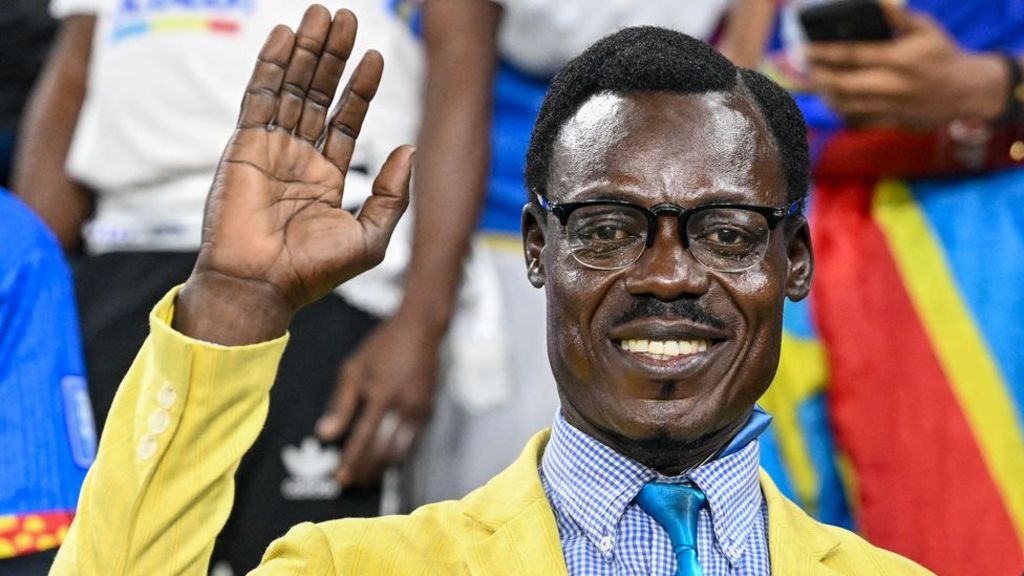
    The Algerian Football Federation (FAF) has extended a formal apology to Michel Nkuka Mboladinga, the Congolese superfan who has emerged as an unofficial mascot of the Africa Cup of Nations (AFCON) in Morocco. Mboladinga captured global attention by supporting the Democratic Republic of Congo team while impersonating the nation’s assassinated first prime minister, Patrice Lumumba, standing motionless on a pedestal throughout matches with his right arm raised in tribute.

    The controversy erupted following Algeria’s dramatic 1-0 victory over DR Congo in Tuesday’s round of 16 match. Algerian forward Mohamed Amine Amoura triggered widespread criticism when he mimicked collapsing to the ground in a gesture that appeared to mock Mboladinga’s statue-like pose. The Wolfsburg player subsequently issued a public apology on Instagram, clarifying that his actions were intended as good-natured humor without malicious intent toward DR Congo or its symbolic figure.

    In a diplomatic resolution effort, FAF’s media officer Saïd Fellak traveled to Casablanca to personally meet with Mboladinga and present him with an official Algerian national team jersey bearing the name ‘Lumumba’ on the back. The reconciliation ceremony, attended by Congolese Sports Minister Didier Budimbu, was documented by Congolese supporters and shared across social media platforms.

    Historical context underscores the sensitivity of the incident: Patrice Lumumba remains a revered anti-colonial icon across Africa, particularly in DR Congo where he was assassinated in 1961 in a plot involving Western powers. Mboladinga’s tribute, featuring period-accurate hairstyle and glasses, transformed him into a living monument throughout Congo’s four AFCON matches.

    The sporting drama unfolded during a tense match decided by Adil Boulbina’s 119th-minute goal, securing Algeria’s quarter-final placement against Nigeria while eliminating DR Congo from the tournament. Despite the elimination, Amoura expressed hope that DR Congo would qualify for the upcoming World Cup, for which Algeria has already secured placement.

  • Tournament chiefs admit errors over viral wildcard

    Tournament chiefs admit errors over viral wildcard

    Tennis Kenya has formally acknowledged its misjudgment in awarding a wildcard entry to Egyptian player Hajar Abdelkader, whose profoundly uncompetitive performance during an ITF W35 tournament in Nairobi has sparked widespread criticism and viral social media attention.

    The match, played on Wednesday, saw Abdelkader suffer a crushing 6-0, 6-0 defeat to Germany’s Lorena Schaedel, who is herself ranked 1,026th globally. The contest lasted merely 37 minutes, during which the Egyptian amateur managed to secure only three points—all resulting from her opponent’s errors. Abdelkader’s performance was notably marred by 20 double faults, raising serious questions about her competitive readiness and background in the sport.

    In an official statement, Tennis Kenya explained that the wildcard was granted at the last minute to maintain player and nation representation following another competitor’s withdrawal. The federation conceded that, in retrospect, this decision was a significant error in judgment that compromised the tournament’s competitive standards. “The federation has taken note of this experience and will ensure that such an extremely rare occurrence never happens again,” the statement read, reaffirming its commitment to “fairness, transparency and the integrity of competition.”

    Further complicating the situation, the Egyptian Tennis Federation has completely distanced itself from the player. Technical Director Dia Nabil Loutfy confirmed to the BBC that Hajar Abdelkader is not and has never been registered with their federation, possesses no official player status, and that Egypt had no involvement—direct or indirect—in her application or acceptance into the Nairobi tournament. Loutfy suggested Abdelkader was likely residing in Kenya and applied for the wildcard independently through the local organizing body.

    The incident has ignited a broader discussion on wildcard allocation processes in professional tennis, particularly at the ITF level, and the necessity of upholding minimum competitive standards to protect the sport’s integrity.

  • Somalia denies US allegation that it destroyed food aid warehouse

    Somalia denies US allegation that it destroyed food aid warehouse

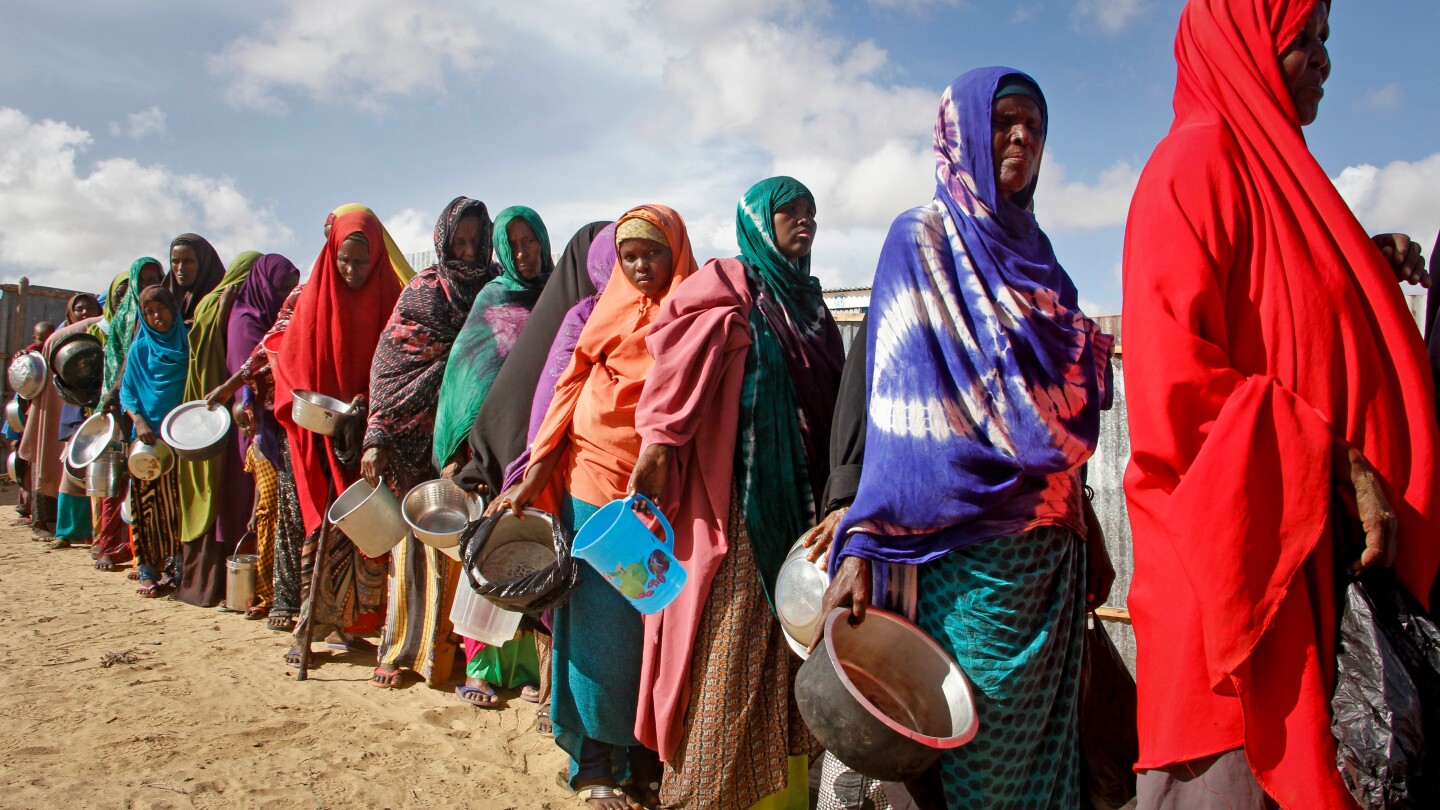
    A significant diplomatic rift has emerged between the United States and Somalia following allegations that Somali authorities demolished an American-funded World Food Program warehouse and confiscated humanitarian aid destined for vulnerable civilians. The U.S. State Department announced an immediate suspension of all assistance to Somalia’s federal government on Wednesday, citing the Trump administration’s “zero-tolerance policy for waste, theft and diversion of life-saving assistance.”

    According to a senior U.S. official speaking anonymously, Mogadishu port authorities destroyed the UN agency’s warehouse under direct orders from President Hassan Sheikh Mohamud without prior notification to international donors. The official described this action as particularly concerning given Somalia’s severe food crisis affecting approximately 4.4 million people.

    The Somali government has vehemently denied these allegations through its foreign ministry, asserting that the referenced food commodities “remain under the custody and control of the World Food Program.” Officials attributed the incident to ongoing expansion and repurposing works at Mogadishu port, maintaining that humanitarian operations remain unaffected.

    However, the World Food Program contradicted the government’s account, confirming to The Associated Press that its warehouse had indeed been demolished while containing 75 metric tons of specialized nutritious foods intended for malnourished pregnant women, breastfeeding mothers, and young children. The UN agency emphasized the critical timing of this incident, with nearly a quarter of Somalia’s population facing crisis-level hunger.

    This controversy unfolds against the backdrop of Somalia’s protracted humanitarian crisis, exacerbated by chronic conflict, insecurity, and recurring natural disasters. The Horn of Africa nation remains one of the world’s poorest countries, historically dependent on international assistance. The now-suspended U.S. aid amounted to $770 million during the last year of the Biden administration, though only a fraction directly reached the Somali government.

    The aid suspension coincides with the Trump administration’s increasingly restrictive policies toward Somali refugees and migrants in the United States, including heightened scrutiny over fraud allegations involving childcare centers in Minnesota and significant entry restrictions.

    The broader implications of this decision extend beyond Somalia, as demonstrated by parallel aid restrictions imposed on South Sudan. The U.S. Embassy in Juba announced suspensions targeting specific regions, accusing South Sudanese officials of “abuse, exploitation, and theft directed against U.S. foreign assistance.” These developments signal a tougher American stance on foreign aid accountability under the current administration.

  • Nigerian author Chimamanda Ngozi Adichie ‘devastated’ by death of young son

    Nigerian author Chimamanda Ngozi Adichie ‘devastated’ by death of young son

    Renowned Nigerian author Chimamanda Ngozi Adichie and her family are grieving the devastating loss of her 21-month-old son, Nkanu Nnamdi, who passed away on Wednesday following a brief illness. The tragic announcement was formally communicated through a family representative, Omawumi Ogbe, who conveyed the profound heartbreak experienced by Adichie and her husband, Dr. Ivara Esege.

    The literary world joins in mourning as the family requests privacy and prayers during this unimaginably difficult period. Adichie, celebrated globally for her groundbreaking works including ‘Half of a Yellow Sun’ and ‘Americanah,’ has long been recognized as a pivotal voice in contemporary literature and feminist discourse. Her influential 2012 TED Talk, ‘We Should All Be Feminists,’ gained monumental recognition when sampled by Beyoncé in her 2013 hit ‘Flawless.’

    Beyond her literary achievements, Adichie’s personal journey with motherhood has been publicly shared. The 48-year-old author welcomed her first child, a daughter, in 2016, followed by twin boys through surrogacy in 2024. Her experiences with pregnancy and creativity have been subjects of her candid discussions, including her revelation about experiencing ‘terrifying’ writer’s block during her first pregnancy.

    Adichie’s impact extends beyond fiction into cultural commentary. During her 2022 BBC Reith Lecture, she expressed concerns about modern censorship culture, warning that fear of asking questions could lead to ‘the death of curiosity, learning, and creativity.’ Her advocacy for intellectual freedom remains as relevant as her literary contributions, making this personal loss particularly poignant for her global readership.