标签: Africa

非洲

  • Fireworks, free concerts: Family-friendly activities during last week of Dubai Shopping Festival

    Fireworks, free concerts: Family-friendly activities during last week of Dubai Shopping Festival

    Dubai’s iconic shopping extravaganza, the 31st Dubai Shopping Festival (DSF), approaches its grand finale on January 11, 2026, offering residents and international visitors one final opportunity to immerse themselves in its diverse array of family-centered activities and retail promotions. This year’s edition has distinguished itself through an ambitious program of citywide entertainment specifically crafted to engage all demographic groups through large-scale spectacles, interactive experiences, and live performances.

    Throughout the final week, Festival Bay at Dubai Festival City Mall serves as a central entertainment hub, offering complimentary access to concert events. The e& DSF Nights concert series concludes on January 10 with a performance by Arabic pop duo Dalia Al Turky and Mahmoud Al Turky, promising an energetic musical culmination to the festival. Younger audiences can enjoy free stage performances featuring globally recognized characters from Sesame Street, Nickelodeon’s DORA, DreamWorks Animation’s Trolls, Animaccord’s Masha and The Bear, and PJ MASKS, enhanced by accompanying dancers and musicians.

    The True Gamers zone presents interactive gaming competitions with prize pools totaling Dh30,000, specifically designed to accommodate children, teenagers, and parents alike. Additionally, visitors can experience breathtaking light, fountain, and laser displays along the waterfront area.

    Bluewaters and The Beach JBR continue their daily drone shows at 8pm and 10pm, now enhanced with pyro-drone fireworks to create the largest aerial production in DSF history. These visually stunning displays remain freely accessible to the public.

    Meanwhile, the e& Market Outside The Box at Dubai Design District maintains operations until January 11, featuring over 80 food and beverage outlets alongside retail pop-ups from emerging designers and homegrown brands. The market offers MOTB-exclusive menus, limited-edition product releases, and interactive brand activations across fashion, beauty, and lifestyle sectors. The space also hosts live music performances, DJ sets, dance showcases, and hands-on workshops tailored for all age groups.

    Automotive enthusiasts can experience the Middle East Car and Bike Week at Dubai Studio City from January 10-11, with ticket prices ranging from Dh75 for single-day access to Dh100 for a two-day pass. The event provides family-friendly exposure to supercars, custom bikes, and stunt zones. Alternatively, the Mirdif Motor Show x DSF Auto Season offers free admission on January 10 with over 1,000 vehicles on display, complemented by live DJ performances and entertainment suitable for younger audiences.
  • Rare mountain gorilla twins born in Africa’s oldest national park

    Rare mountain gorilla twins born in Africa’s oldest national park

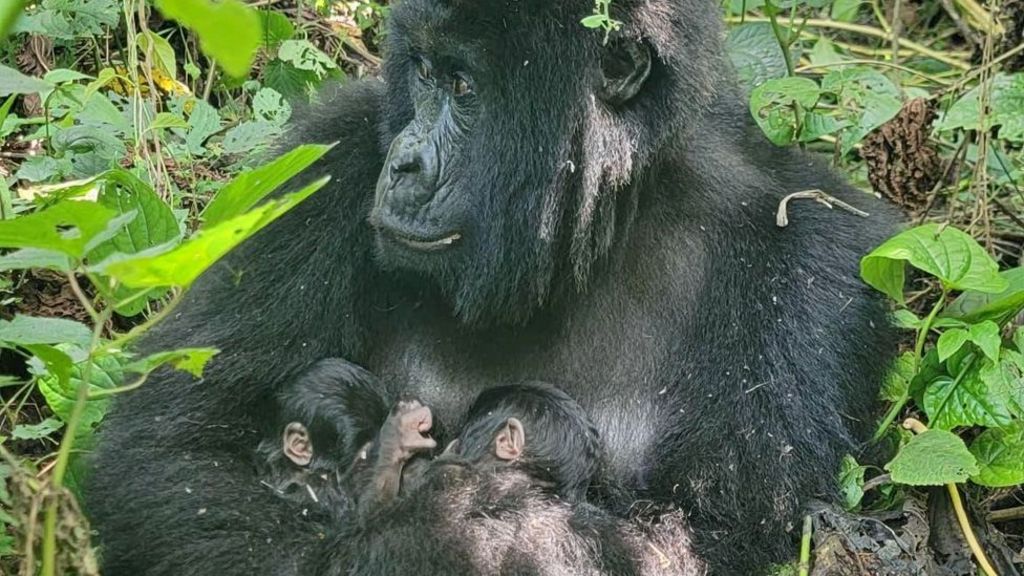
    In a significant conservation milestone, Virunga National Park in the eastern Democratic Republic of Congo has welcomed the birth of twin mountain gorillas—an exceptionally rare event for this endangered species. The twins were discovered on Saturday by community trackers who found 22-year-old mother Mafuko tenderly holding her newborn sons. Both infants and their mother appear to be in good health.

    Twin births occur in only approximately 1% of mountain gorilla births, making this event particularly noteworthy for conservationists. The park has implemented enhanced monitoring protocols to support Mafuko and her twins during this critical early period, with rangers providing close observation and necessary intervention.

    This birth represents both hope and challenge for the species. Mafuko previously gave birth to twins in 2016, but tragically lost both infants within their first week of life. Young gorillas are exceptionally vulnerable, relying entirely on their mothers for care and protection in an environment that remains threatened by poaching activities and armed groups operating in the region.

    Mafuko’s own survival story adds poignancy to this event. Born in 2003 into the Kabirizi family, she lost her mother to armed attackers at just four years old. She later joined the Bageni family at age ten and has now experienced five pregnancies throughout her life.

    The Virunga National Park, Africa’s oldest and largest protected area established exactly a century ago specifically to safeguard mountain gorillas, provides essential habitat for the species. According to the International Union for Conservation of Nature (IUCN), which maintains the Red List of threatened species, fewer than 1,100 mountain gorillas remain in the wild, exclusively found in Virunga and neighboring national parks in Rwanda and Uganda.

    This twin birth—the first in Virunga since September 2020—signals continued progress for conservation efforts. Through anti-poaching patrols and community programs supported by the European Union and UNESCO, mountain gorilla populations in Virunga have demonstrated gradual recovery over the past decade. This positive trend led to the species’ conservation status improvement from “critically endangered” to “endangered” in 2018.

    Virunga National Park, a UNESCO World Heritage Site spanning 7,800 square kilometers of diverse landscapes including active volcanoes, vast lakes, rainforests, and mountains, remains a critical sanctuary for biodiversity conservation in Central Africa.

  • Election runner-up in Central African Republic alleges fraud in vote

    Election runner-up in Central African Republic alleges fraud in vote

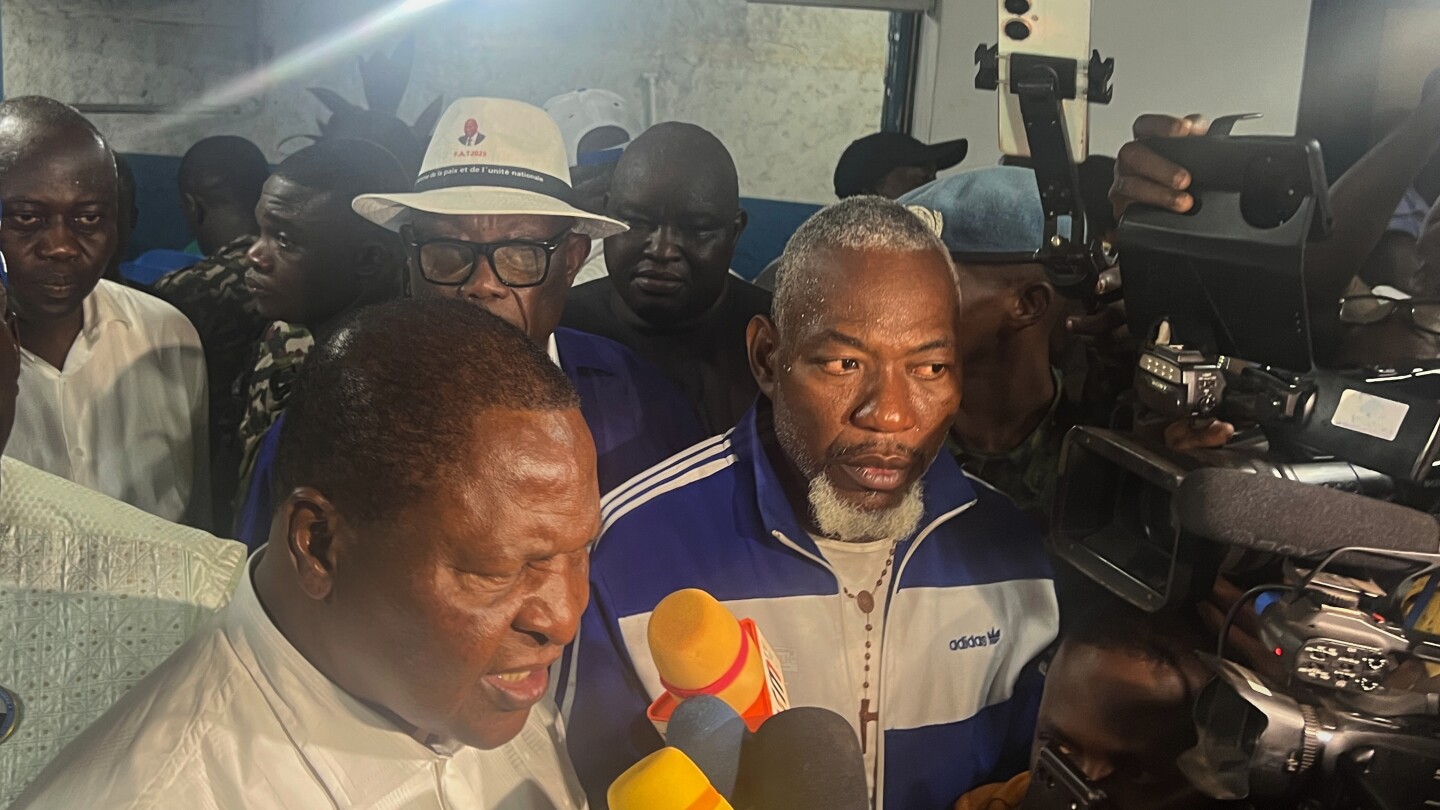
    BANGUI, Central African Republic — The Central African Republic’s presidential election has descended into controversy as runner-up candidate Anicet Georges Dologuélé formally rejected provisional results on Wednesday, alleging systematic electoral manipulation. The opposition leader claims election authorities excluded over half of the voting data from official tallies, though he presented no concrete evidence to substantiate these allegations.

    Provisional results indicate incumbent President Faustin Archange Touadera secured a decisive third term with 76.1% of votes, while Dologuélé trailed significantly with 14.6%. President Touadera’s spokesperson, Evariste Ngamana, dismissed the fraud claims as baseless accusations from a disgruntled loser.

    The political turmoil unfolds against a backdrop of growing Russian influence in the mineral-rich nation. President Touadera confirmed during an interview with Russian state media TASS that he has extended a formal invitation to President Vladimir Putin, whom he praised as “one of the most outstanding political figures in the world.” This diplomatic overture comes amid reported tensions between Touadera and Moscow regarding security arrangements, with Russia pushing to replace the Wagner mercenary group—currently responsible for presidential security—with its formal military African Corps.

    The election was already marred by controversy as major opposition coalitions boycotted the vote following a constitutional referendum that eliminated presidential term limits. Former Prime Minister Henri Marie Dondra, who garnered 3.19% of votes, joined Dologuélé in demanding complete election cancellation due to alleged electoral law violations.

    Final election results are anticipated by January 20, though the current dispute threatens to prolong political instability in a nation that has increasingly turned to Russian security assistance amid persistent armed group threats throughout the country.

  • Nigeria’s ex-justice minister granted bail in corruption case

    Nigeria’s ex-justice minister granted bail in corruption case

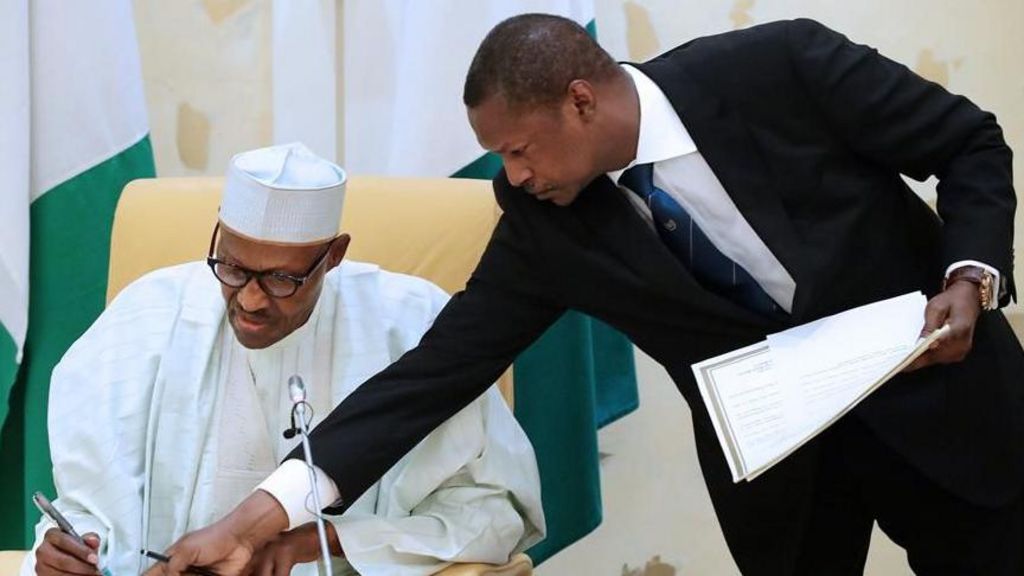
    In a significant judicial development, a Nigerian court has authorized the release on bail of former Attorney General Abubakar Malami, alongside his wife and son, amidst ongoing money laundering proceedings. The 58-year-old former minister, recognized as one of the most powerful officials in ex-President Muhammadu Buhari’s administration (2015-2023), faces sixteen counts of financial misconduct and abuse of power.

    Presiding Judge Emeka Nwite of the Federal High Court ruled Wednesday that the allegations constitute bailable offenses. The court set bail at 500 million naira (approximately $350,000) for each defendant, with additional requirements including two property-owning guarantors from designated areas of Abuja and the surrender of all travel documents.

    The case, prosecuted by Nigeria’s Economic and Financial Crimes Commission (EFCC), centers on allegations that Malami exploited his ministerial position to divert government funds for acquiring luxury properties across multiple Nigerian cities. The defendant has maintained his innocence, pleading not guilty to all charges and previously characterizing his arrest as politically motivated.

    Malami’s political trajectory adds complexity to the case. Recently, he departed the ruling All Progressives Congress (APC) to join the opposition African Democratic Congress—viewed as the APC’s primary challenger in upcoming 2027 general elections. His familial connections to former President Buhari, through marriage to Buhari’s daughter Nana Hadiza, further heighten the case’s political significance.

    This prosecution represents part of a broader anti-corruption initiative targeting former Buhari administration officials, including ex-Aviation Minister Hadi Sirika. The proceedings have been adjourned until February 17, 2025, allowing time for case preparation while the defendants remain free under court-supervised conditions.

  • Plot to kill Burkina Faso leader foiled, says junta

    Plot to kill Burkina Faso leader foiled, says junta

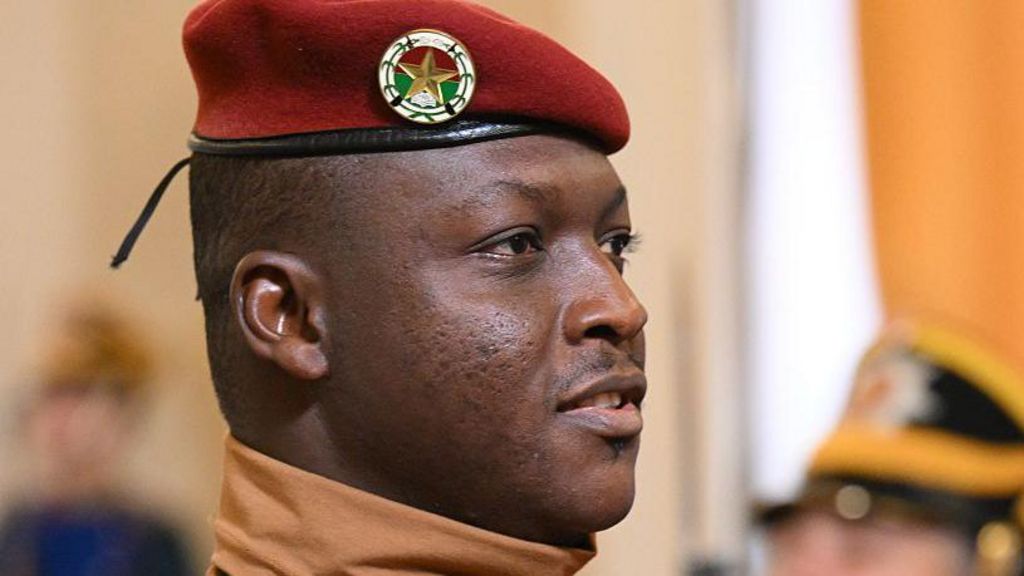
    Burkina Faso’s security forces have successfully disrupted a sophisticated assassination attempt targeting the nation’s military leader, Captain Ibrahim Traoré, according to an official government announcement. Security Minister Mahamadou Sana revealed in a late-night national broadcast that the elaborate scheme was orchestrated by Lieutenant Colonel Paul Henri Damiba, the military officer whom Captain Traoré had previously ousted from power in September 2022.

    The minister detailed that intelligence operatives intercepted the operation during its final planning stages, preventing what would have been a coordinated attack on the nation’s leadership. “Our intelligence services intercepted this operation in the final hours,” Sana stated. “They had planned to assassinate the head of state and then strike other key institutions, including civilian personalities.”

    Authorities allege the plotters intended to execute Captain Traoré either through close-range assassination or by detonating explosives at his residence around 23:00 local time on January 3rd. Following the planned assassination, the conspirators allegedly intended to target additional senior military and civilian figures in a broader destabilization campaign.

    Minister Sana further asserted that the plot received significant foreign funding, particularly highlighting approximately 70 million CFA francs (equivalent to $125,000) allegedly transferred from neighboring Ivory Coast. The minister claimed Damiba had mobilized both military personnel and civilian supporters while planning to neutralize the country’s drone-launch base before foreign forces could potentially intervene.

    “We are carrying out ongoing investigations and have made several arrests. These individuals will be brought to justice soon,” Sana announced during his television address, while reassuring citizens that the situation remained under control. He urged the public “not to be misled, out of naivety, into dangerous schemes.”

    This incident marks at least the third known coup attempt against Captain Traoré since he seized power. The 37-year-old leader maintains significant popular support despite growing criticism from both local and international observers regarding his government’s authoritarian tendencies, including allegations of suppressing dissent through arbitrary arrests of military officers and media restrictions.

    The ongoing internal power struggles occur against the backdrop of escalating jihadist violence that has displaced millions of Burkinabe citizens, further complicating the nation’s security landscape. These developments are likely to exacerbate existing regional tensions in West Africa.

    Neither Colonel Damiba nor Ivorian officials have responded to the allegations at this time. This is not the first instance where Burkina Faso’s junta has accused Ivory Coast of interfering in its internal affairs, highlighting the complex geopolitical dynamics within the region.

  • Ahead of election, Uganda’s security forces are accused of using violence against the opposition

    Ahead of election, Uganda’s security forces are accused of using violence against the opposition

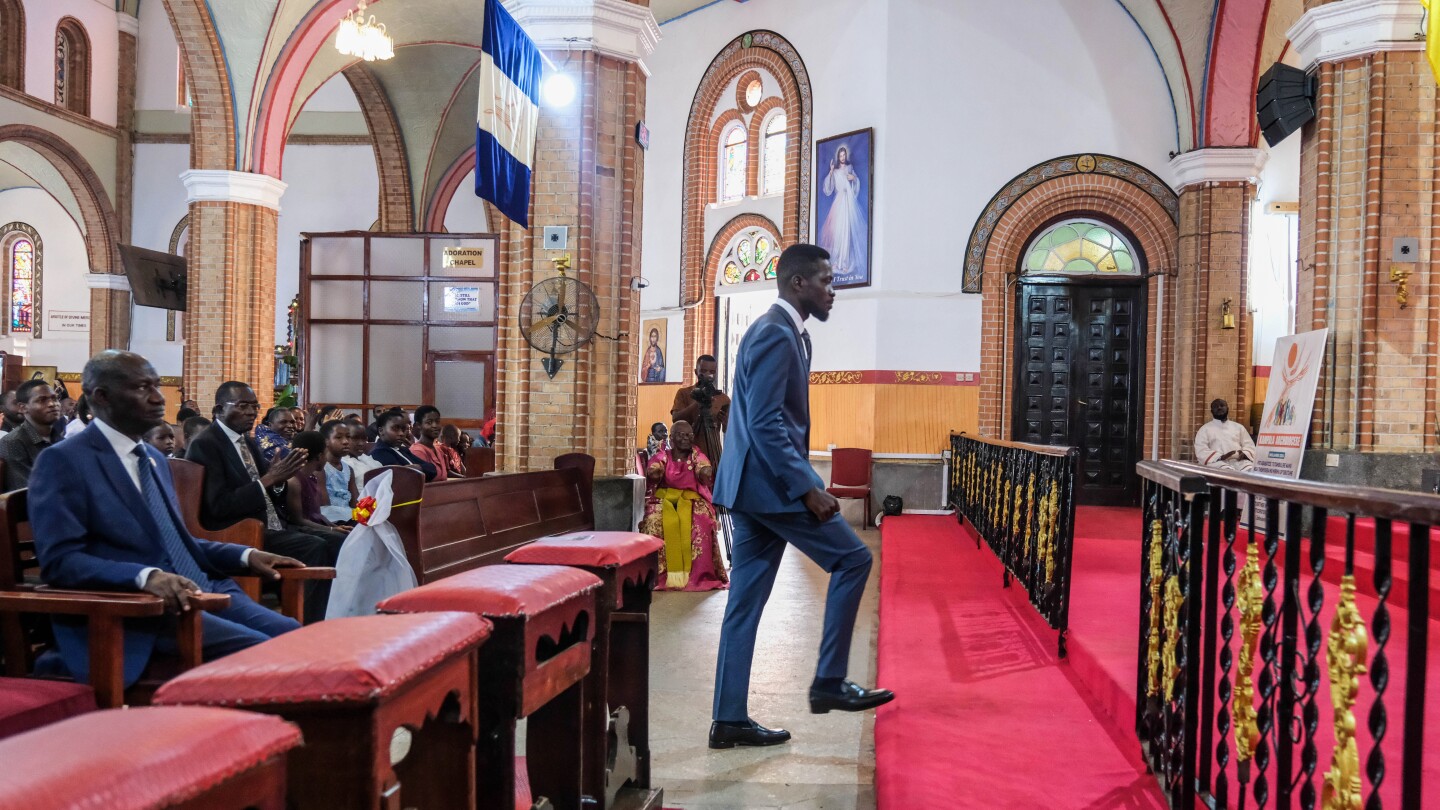
    In Uganda’s increasingly volatile political landscape, presidential challenger Bobi Wine campaigns under constant threat of state-sponsored violence. The opposition leader, whose legal name is Kyagulanyi Ssentamu, navigates the campaign trail wearing protective gear against potential gunfire while facing relentless tear gas attacks from security forces. His challenge against President Yoweri Museveni—who has maintained power since 1986 through constitutional manipulations and suppression of rivals—has triggered what human rights organizations describe as a systematic campaign of brutal repression.

    Museveni, Africa’s third-longest serving leader, has openly endorsed the deployment of tear gas against opposition gatherings, characterizing them as ‘criminal’ assemblies in his New Year’s address. While the president defends these measures as ‘legal and non-lethal’ alternatives to live ammunition, Wine reports at least three supporter fatalities during campaign events, including shootings and military vehicle incidents. Security forces routinely disrupt opposition rallies with military precision, while Museveni campaigns without obstruction.

    The political environment has further deteriorated with the recent arrest of government critic Sarah Bireete, director of the Center for Constitutional Governance, on charges related to allegedly sharing voter registry data. Her detention until January 21 has been widely condemned as politically motivated silencing ahead of elections.

    Academic and political analyst Gerald Bareebe notes that even members of Museveni’s ruling party have expressed outrage at the security forces’ brutal tactics against civilians. The situation is compounded by the prominent role of Museveni’s son, army chief Muhoozi Kainerugaba, who has openly aspired to succeed his father and previously threatened violence against Wine.

    This election represents a critical juncture for a nation that hasn’t witnessed peaceful presidential transition since independence six decades ago. With Museveni seeking to extend his rule into a fifth decade and establishing what critics describe as military dictatorship, the January 15 vote faces serious questions about its legitimacy and potential for democratic change.

  • Butterfly Garden to become Abu Dhabi’s newest indoor wildlife attraction, set to open this week

    Butterfly Garden to become Abu Dhabi’s newest indoor wildlife attraction, set to open this week

    Abu Dhabi is poised to welcome an ambitious new wildlife attraction this week with the inauguration of The Butterfly Gardens Abu Dhabi on January 9th. Located at the Al Qana waterfront development, this fully indoor facility represents a significant addition to the emirate’s tourism and conservation landscape.

    The centerpiece of the attraction comprises multiple climate-controlled biodomes housing over 10,000 butterflies within meticulously recreated tropical habitats. Drawing architectural inspiration from Asian and American ecosystems, the immersive walk-through experience features planted pathways, indoor water features including koi ponds, and carefully maintained environmental conditions.

    Beyond the butterfly populations, the facility will host an array of exotic species including a two-toed sloth, Palawan bearcat, tamandua anteater, Sri Lankan giant squirrel, and Cuvier’s dwarf caiman. The collection additionally incorporates various bird species such as finches and Gouldian finches, creating a comprehensive wildlife experience.

    Operating hours are scheduled from 10am to 8pm on weekdays and 9am to 8pm on weekends, with admission priced at 55 AED. A combined ticket option with The National Aquarium, located directly opposite the facility, is available for 150 AED. The strategic location places the attraction approximately five minutes from the Sheikh Zayed Grand Mosque, enhancing Abu Dhabi’s cultural tourism circuit.

    The project implements an ethically conscious sourcing model, obtaining butterflies through conservation-focused breeding programs in Costa Rica and the Philippines. These initiatives maintain partnerships with small-scale farming communities, providing sustainable livelihoods while supporting ecosystem protection. A portion of cultivated butterflies is regularly released into native habitats to bolster pollination efforts.

    Paul Hamilton, General Manager of the attraction, emphasized the innovative nature of creating a comprehensive nature experience within a completely indoor environment. This design enables year-round operation, including during summer months when extreme temperatures typically limit outdoor activities in the UAE.

    The development aligns with Abu Dhabi’s broader strategy to expand its family-friendly attraction portfolio while promoting environmental education and conservation awareness.

  • Oman establishes global financial centre to drive economic diversification

    Oman establishes global financial centre to drive economic diversification

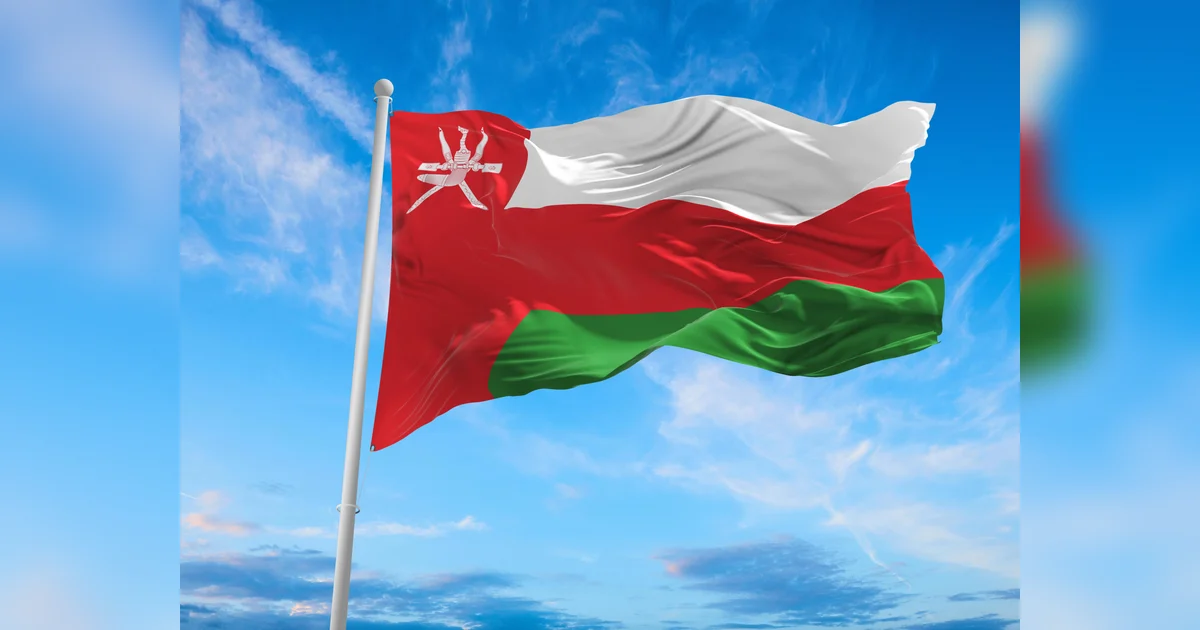
    In a landmark decision aimed at reshaping its economic landscape, the Sultanate of Oman has received cabinet approval for the creation of the Oman Global Financial Centre. This strategic initiative represents a comprehensive effort to diversify the nation’s economy beyond hydrocarbon dependencies while enhancing the financial sector’s contribution to gross domestic product.

    The newly established center will operate with complete legislative, administrative, and regulatory independence, creating a specialized environment tailored for international financial institutions. The framework will accommodate both conventional and Islamic banking operations, insurance services, and complementary financial support sectors. This autonomous status enables the center to develop a legal and judicial system aligned with global financial standards while maintaining operational flexibility.

    Sultan bin Salim Al Habsi, Oman’s Minister of Finance and Chairman of the Financial and Economic Committee, emphasized the center’s role within the nation’s broader economic vision. The institution will function as a catalyst for investment management, corporate establishment, and international business partnerships through streamlined capital movement procedures and financial innovation support mechanisms.

    The initiative leverages Oman’s established political stability and growing network of international economic partnerships to attract foreign capital. Additional benefits include knowledge transfer opportunities and the creation of high-value employment positions within the financial services sector, addressing both economic diversification and workforce development objectives simultaneously.

  • Milena Mendez dominates 120km Ladies Ride at HH Sheikh Mohammed Endurance Festival

    Milena Mendez dominates 120km Ladies Ride at HH Sheikh Mohammed Endurance Festival

    Argentine endurance specialist Milena Mendez delivered a masterclass performance at the HH Sheikh Mohammed bin Rashid Al Maktoum Endurance Festival, securing a commanding victory in the 120km Ladies Ride event on Tuesday. The prodigious 21-year-old rider, competing aboard M7 Endurance Stables’ mount Goldstream, demonstrated exceptional strategic prowess by overcoming an early eighth-place position to dominate the grueling desert course.

    The competition, held under ideal conditions at Dubai International Endurance City in Seih Al Salam, saw Mendez complete the four-loop challenge in 4 hours, 21 minutes, and 45 seconds—finishing more than three minutes ahead of her closest competitor. Her average speed of 27.51 kph reflected a perfectly executed race strategy that saw her seize control during the second loop and maintain an unassailable lead throughout the remaining distance.

    Mendez’s teammate Shamma Darwish Alshihi achieved a remarkable comeback aboard SW Ikran, climbing from 28th position to claim second place with a time of 4:24:49. Sara Mohammed secured third position riding Rushoz Lieutenant, completing the course in 4:25:11.

    The festival, established in 2008, stands as the UAE’s most prestigious endurance riding event and reflects Sheikh Mohammed’s personal dedication to the sport. The Vice President and Ruler of Dubai, himself a world champion endurance rider having claimed the FEI World Endurance Championship individual title in 2012, created the festival to promote the sport globally while attracting top international talent.

    Endurance riding, often described as the equestrian equivalent of a marathon, tests the resilience, pace management, and symbiotic partnership between horse and rider across challenging desert terrain. Mendez’s victory adds to her growing reputation following previous wins at the Dubai Crown Prince Endurance Festival (2025) and the Shaikha Fatma bint Mansour bin Zayed Al Nahyan Ladies Endurance Cup in Abu Dhabi.

    The winners were honored by Mirwais Azizi, Founder and Chairman of Azizi Group, alongside Ahmed Rashed Al Kaabi of Dubai Equestrian Club and Dr. Ghanem Al Hajri of the UAE Equestrian and Racing Federation. The festival continues through Saturday with additional high-stakes competitions including the Private Stables 120km event and culminating with the elite 160km Sheikh Mohammed Endurance Cup.

  • Climate crisis: Africa’s forests sound a global alarm

    Climate crisis: Africa’s forests sound a global alarm

    A groundbreaking study published in Scientific Reports has uncovered a alarming climate reversal: Africa’s vast forest systems transitioned from carbon absorbers to net emitters between 2010 and 2017. This ecological transformation represents a critical juncture in global climate dynamics, with far-reaching implications for atmospheric stability and international environmental commitments.

    The comprehensive research documents an annual loss of approximately 106 billion kilograms of forest biomass across the continent during the seven-year study period. This degradation translates to 200 million tons of carbon dioxide emissions yearly—equivalent to the total output of a medium-sized industrialized nation like the Netherlands. The most severely impacted regions include the Congo Basin, Madagascar, and West Africa, where deforestation, mining operations, and shifting agricultural practices are accelerating forest depletion at unprecedented rates.

    Forest ecosystems become carbon sources when tree removal surpasses natural regrowth capabilities. The study identifies multiple contributing factors: widespread deforestation eliminating carbon-sequestering vegetation, agricultural and wildfire combustion accounting for nearly 20% of emissions, extractive industries destroying vegetative cover, and soil degradation releasing stored carbon through organic matter breakdown.

    This ecological shift carries profound consequences for global biodiversity, threatening more than 10,000 plant and animal species with potential extinction. Additionally, it jeopardizes the livelihoods of over 100 million people who depend directly on forest resources for sustenance and economic stability. The transformation undermines international climate agreements including the Paris Accord and 2050 net-zero ambitions, particularly as global atmospheric CO2 concentrations exceeded 420 parts per million in 2024—the highest recorded level in human history.

    Researchers emphasize that while Africa’s forest emissions constitute merely 0.5% of global totals, the critical danger lies in the loss of their natural carbon-sequestering function. This development compounds the planetary carbon burden and compromises pathways toward carbon neutrality. The study calls for immediate intervention through strengthened legal protections, large-scale reforestation initiatives capable of reabsorbing 50 million tons of carbon annually through 1.2 million hectares of restoration, community-based forest management, and integration of forest conservation into climate financing mechanisms.

    The findings challenge current carbon offset paradigms, suggesting that without substantial emission reductions, forest-based offsets risk becoming ineffective greenwashing measures. Conservation efforts must therefore form part of a comprehensive strategy prioritizing genuine emission reductions rather than permitting continued fossil fuel expansion.