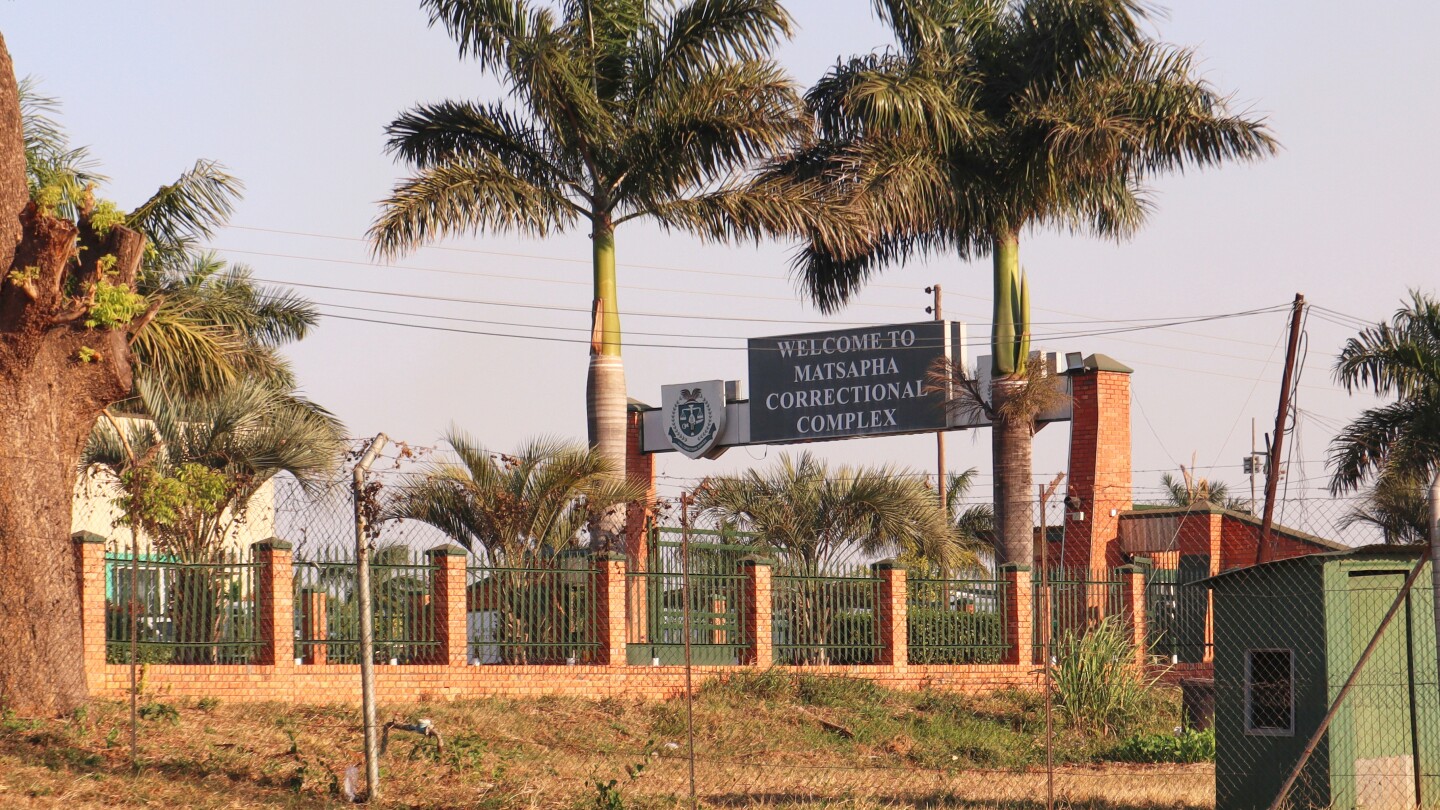
A Cuban national, Roberto Mosquera del Peral, deported by the United States to Eswatini, has initiated a hunger strike while detained in a maximum-security prison for over three months without charge or access to legal representation. This case highlights the contentious U.S. third-country deportation program, which has drawn criticism from human rights advocates for its alleged denial of due process and exposure of deportees to rights abuses. Mosquera’s U.S.-based lawyer, Alma David, expressed grave concerns over his health and demanded immediate updates on his condition and access to legal counsel. Mosquera is among five men from Cuba, Jamaica, Laos, Vietnam, and Yemen deported to Eswatini, an absolute monarchy accused of human rights violations. While the Jamaican deportee was repatriated last month, the others remain incarcerated, prompting legal challenges against the Eswatini government. The U.S. Department of Homeland Security asserts that these individuals were convicted of serious crimes, including murder and rape, and were in the U.S. illegally. However, their lawyers argue that they have completed their sentences and are now being held unlawfully in Eswatini. The Trump administration’s deportation program has expanded to include agreements with several African nations, with reports indicating that the U.S. is paying millions to these countries to accept deportees. Critics argue that the program prioritizes immigration enforcement over human rights, raising ethical and legal concerns.
标签: Africa
非洲
-
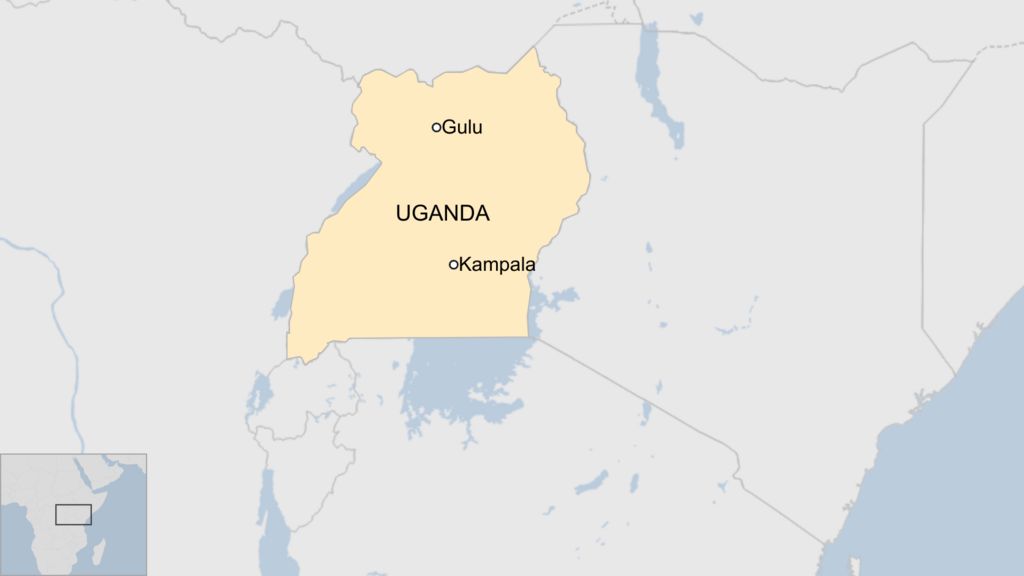
More than 60 dead after multi-vehicle crash in Uganda
A devastating collision involving multiple vehicles on Uganda’s Kampala-Gulu Highway has resulted in the deaths of 63 individuals, as confirmed by the Uganda Police Force on Wednesday. The incident occurred at approximately 00:15 local time (21:15 GMT) when two buses, traveling in opposite directions, collided head-on while attempting to overtake a lorry and a car. The collision triggered a chain reaction, causing several other vehicles to lose control and overturn. In addition to the fatalities, numerous passengers sustained injuries and were transported to various hospitals in Kiryandongo. Regional Police spokesperson Julius Hakiiza attributed the crash to reckless overtaking, emphasizing that such behavior remains a significant cause of accidents in the country. Authorities have launched an investigation into the incident and are urging motorists to exercise caution and avoid dangerous driving practices. The Kampala-Gulu Highway, a major thoroughfare connecting Uganda’s capital to the northern city of Gulu, is known for its heavy traffic and frequent accidents.
-
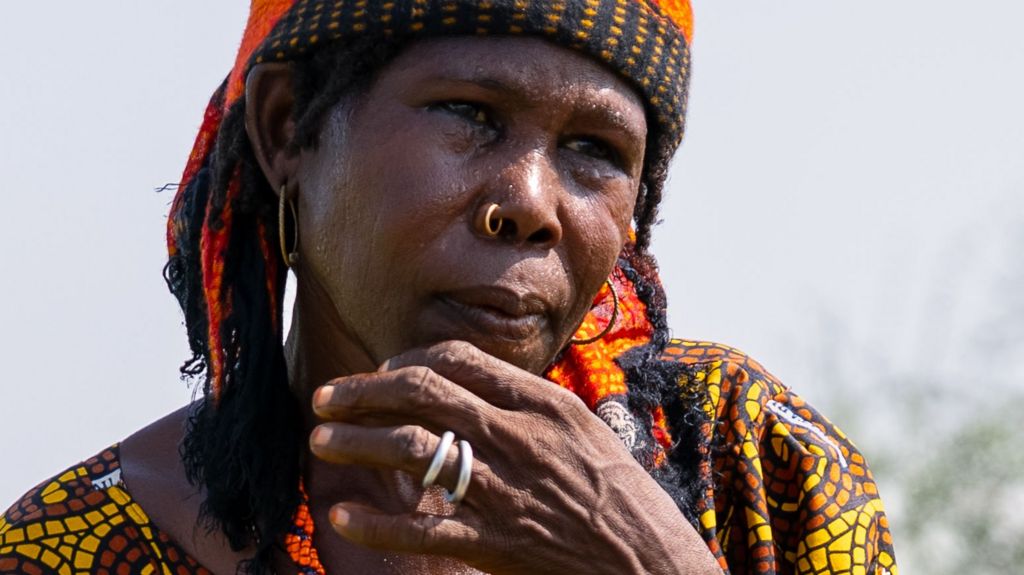
‘We fear for our souls’ – farmers on the frontline against Boko Haram
In the conflict-ridden region of north-eastern Nigeria, farmers like Aisha Isa face daily threats from jihadist groups such as Boko Haram and the Islamic State West Africa Province (Iswap). Despite the dangers, these farmers continue to cultivate their crops, relying on the protection of Agro Rangers, a government-established security unit. Escorted by armed guards and transported by bus from the state capital, Maiduguri, farmers like Isa risk their lives to feed their families. The military has designated safe farming zones, marked by trenches, but venturing beyond these borders remains perilous. Kidnappings and killings are rampant, with many farmers recounting harrowing experiences of captivity and loss. The Borno state governor is pushing for the reintegration of displaced farmers into their lands to stabilize food production, but aid agencies warn that this policy may be premature. The Agro Rangers scheme, while providing some security, is underfunded and insufficient to cover the vast farming areas. The Nigerian government plans to expand the program, but the escalating violence and civilian fatalities underscore the urgent need for a more comprehensive solution. For farmers like Adam Goni, the constant threat of violence has become an unbearable reality, with many calling for stronger military intervention to end the insurgency.
-
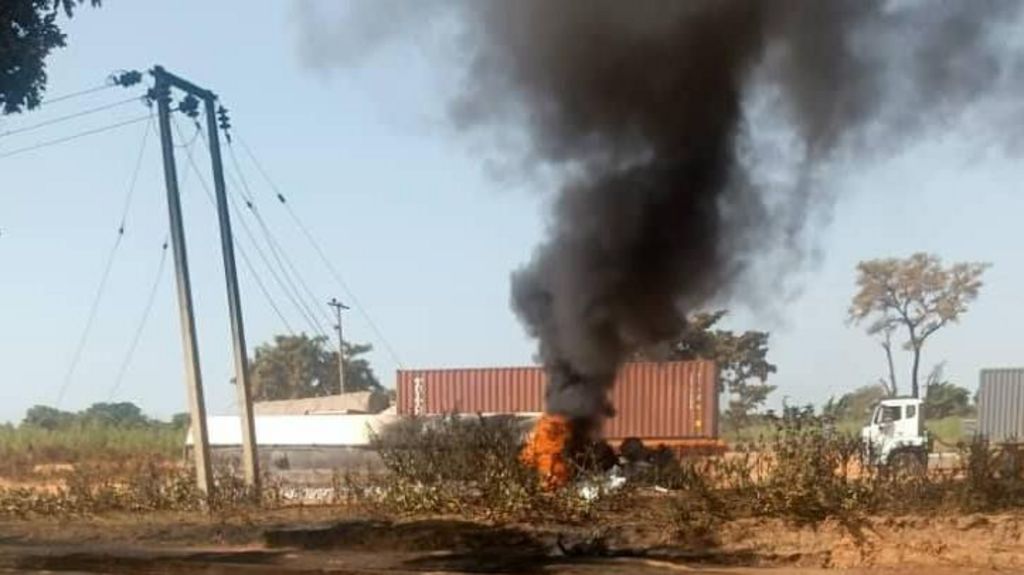
Dozens killed in Nigeria fuel tanker explosion
A devastating oil tanker explosion in Nigeria’s Niger state has claimed dozens of lives, underscoring a recurring and preventable tragedy in the region. The incident occurred when a tanker carrying petroleum products skidded off the poorly maintained Bida-Agaie road, spilling fuel. Villagers, ignoring repeated warnings, rushed to collect the spilled fuel, only to be engulfed in a massive explosion that killed approximately 30 people and injured at least 40 others. The intense blaze left many victims unrecognizable, with the injured rushed to nearby hospitals for treatment. Authorities, including the Federal Road Safety Corps and the National Emergency Management Agency (NEMA), provided conflicting casualty figures, highlighting the chaos surrounding the incident. Niger State Governor Mohammed Umaru Bago expressed his condolences, lamenting the persistent disregard for safety despite ongoing awareness campaigns. This tragedy is the latest in a series of similar incidents in Nigeria, where poor road conditions and the dangerous practice of scooping spilled fuel continue to claim lives. Last year, a fuel tanker explosion in Jigawa state killed 153 people, while another in Niger state earlier this year resulted in 86 deaths. These incidents underscore the urgent need for improved infrastructure and public safety measures to prevent future catastrophes.
-
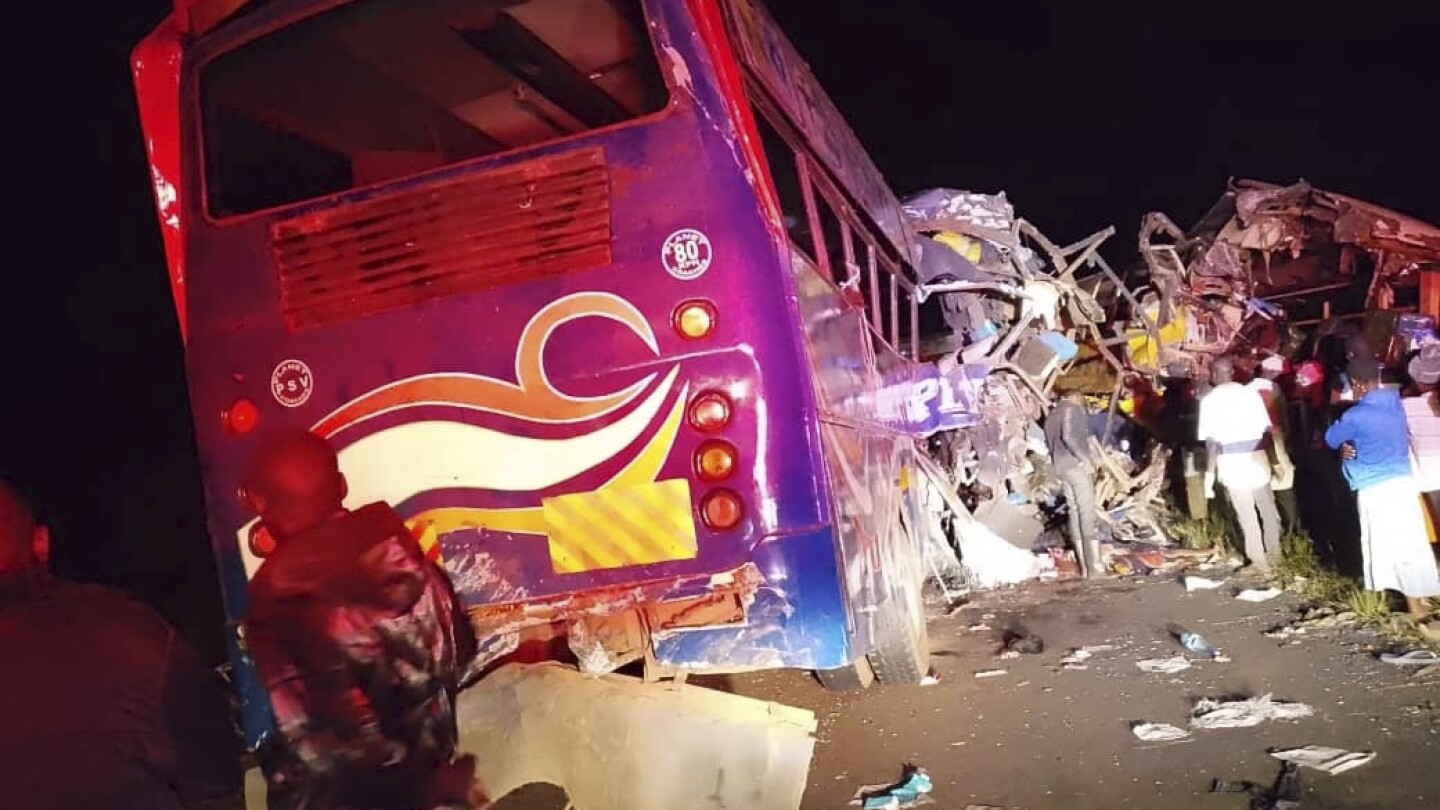
At least 63 people killed in a crash of buses and other vehicles in western Uganda
A devastating road accident in western Uganda has left at least 63 people dead and several others injured, marking one of the most severe traffic disasters in the country in recent years. The tragic incident occurred early Wednesday on the highway to Gulu, a major city in northern Uganda, near the town of Kiryandongo. According to police reports, two buses traveling in opposite directions attempted to overtake other vehicles and collided head-on. The crash happened after midnight, a time when fewer bystanders are present to assist victims, exacerbating the tragedy. Irene Nakasiita, a Red Cross spokeswoman, described the scene as gruesome, with victims suffering from severe injuries, including broken limbs and heavy bleeding. Most of the injured are now receiving treatment at a nearby government hospital. Uganda has seen a worrying increase in road fatalities, with 5,144 deaths recorded in 2024, up from 4,806 in 2023 and 4,534 in 2022. Police attribute 44.5% of crashes to reckless overtaking and speeding. Authorities have urged motorists to exercise extreme caution and avoid dangerous driving practices to prevent further tragedies.
-

Youth anger in Ivory Coast as the 83-year-old president seeks a fourth term
In the bustling capital of Abidjan, Ivory Coast, 33-year-old slam poet Placide Konan is using his art to voice frustration over President Alassane Ouattara’s controversial bid for a fourth term in Saturday’s election. Despite Ivory Coast’s status as West Africa’s economic powerhouse and the world’s largest cocoa producer, the country grapples with stark inequality and a 37.5% poverty rate. Over 75% of the population is under 35, and many, like Konan, struggle to make ends meet. “You have to be very lucky, or a bit of a magician, to live comfortably,” he remarked, highlighting the economic challenges in a city still reveling in its role as host of the 2024 Africa Cup of Nations. Analysts predict an easy victory for the 83-year-old Ouattara, whose rule began in 2011. However, the election is marred by controversy, with key opposition leaders, including former Credit Suisse CEO Tidjane Thiam, disqualified on legal grounds. Thiam, who renounced his French nationality in March, dismissed the decision as foul play. Ouattara faces a weakened opposition field, including former commerce minister Jean-Louis Billon and ex-first lady Simone Gbagbo. The election reflects a broader trend in Africa, where long-serving leaders often clash with a youthful populace. Concerns over violence loom large, with 8.7 million registered voters and heightened security measures in place. Protests against the disqualifications have been met with arrests and restrictions on public gatherings, resulting in at least three deaths. Critics accuse the government of exploiting legal loopholes to stifle opposition, undermining stability in a region already facing significant challenges. Ouattara, who assumed power after a deadly 2010-2011 political crisis, defends his fourth-term bid by citing the country’s “unprecedented security, economic, and monetary” challenges. He has pledged to support youth entrepreneurship and independence, yet critics argue that his administration has failed to translate economic growth into sufficient job opportunities for young people. Meanwhile, security concerns persist, particularly in the north, where Ivory Coast faces pressure from armed groups spilling over from conflict-ridden Mali and Burkina Faso. Despite having one of the region’s most sophisticated militaries, the country remains vulnerable to regional instability. As Ivory Coast heads to the polls, the election underscores the deep divisions and challenges facing the nation.
-
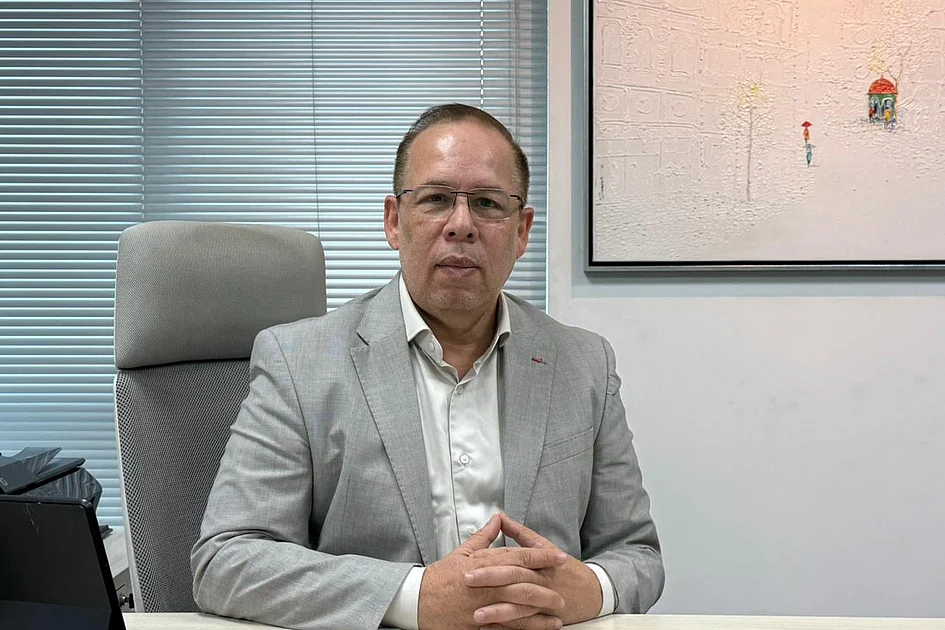
UAE’s e-commerce boom spurs business transformation amid soaring digital transactions
The United Arab Emirates is experiencing a transformative wave in consumer behavior, with digital transactions surpassing $60 billion in 2025, reflecting a nationwide embrace of e-commerce. Data from the UAE Central Bank reveals that retail transactions under the UAE Funds Transfer System (UAEFTS) surged by 22.57% in 2024, totaling 109.7 million transactions worth Dh7.4 trillion (approximately $2 trillion). This represents a 20.63% increase in transaction value compared to the previous year, highlighting the country’s accelerating digital transformation. Projections indicate that digital payment transaction values will grow at a compound annual growth rate (CAGR) of 14.4%, reaching nearly $118 billion by 2030. By then, the number of e-commerce users in the UAE is expected to hit 10.63 million, according to Statista. This digital boom is not only reshaping consumer habits but also compelling businesses to adapt. Blue Ocean Global Group, a Dubai-based distribution leader representing over 25 regional and international brands, has significantly reduced its offline retail operations to focus on becoming a fully technology-driven e-commerce distribution platform. Shahzad Ahmed, Chairman of Blue Ocean Global Group, noted that the company’s e-commerce distribution business has grown by 40% year-on-year, managing inventories for over 550 SKUs to meet rising demand for consumer and electronic goods online. Ahmed attributed this shift to the preferences of millennials and Gen Z consumers, who are driving the digital revolution. The company has also invested heavily in enhancing its supply chain, leveraging emerging technologies like Artificial Intelligence, Robotics, and Machine Learning to streamline B2B operations. Rohit Savara, CEO of Blue Ocean Global Group, emphasized that embracing the Fourth Industrial Revolution is essential for staying competitive in today’s rapidly evolving business landscape.
-
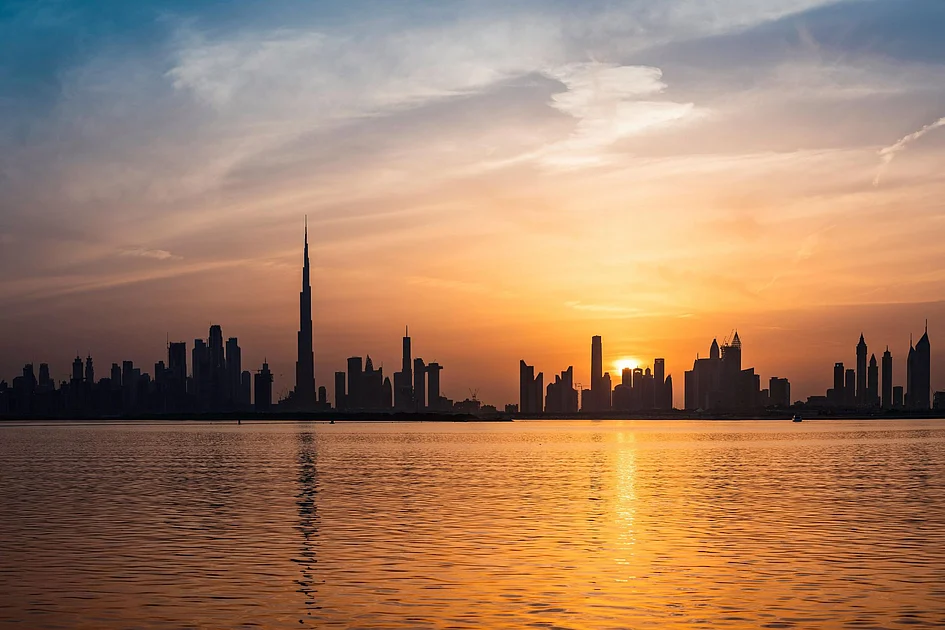
Dubai’s property market enters a phase of selective growth
Dubai’s real estate market is undergoing a significant transformation, transitioning from rapid expansion to a more measured, segment-driven growth phase, as revealed by Q3 2025 data. According to a report by Betterhomes, the city recorded 55,280 property transactions worth Dh139.7 billion, marking an 18% year-on-year increase in both volume and value. However, the market’s trajectory is far from uniform, with distinct trends emerging across different property types. Apartments, particularly off-plan units, emerged as the standout performers, with sales surging 35% quarter-on-quarter—the highest jump ever recorded. Studios and one- to two-bedroom units dominated 80% of apartment transactions, driven by investor demand for liquidity and rental returns. In contrast, the villa and townhouse segment experienced a downturn, with villa sales dropping 22% year-on-year and off-plan villa transactions plummeting 69%. Louis Harding, CEO of Betterhomes, noted that villas, especially off-plan ones, face pricing and design challenges that require recalibration. Meanwhile, Dubai’s rental market remained robust, with leasing transactions nearly doubling year-on-year (+92%). Apartments led the charge with a 42% quarter-on-quarter increase, while townhouses rose 36%. The average annual rent stood at Dh196,000, with apartments averaging Dh145,000. Investor activity continued to dominate, accounting for 63% of all purchases, up from 58% in Q2. Mortgage-backed transactions eased slightly to 51%, reflecting a balanced buyer mix. Christopher Cina, Director of Sales, highlighted the market’s strength and depth, with volumes surging 11% despite a 6% dip in values from Q2 highs. The average price per square foot reached Dh1,664, nearly double the 2020 level. Over 28,500 units were delivered in 2025, with 250,000 more scheduled through 2027, underscoring Dubai’s long-term development momentum. As Q4 begins, the market is expected to focus on mid- to upper-mid products, particularly apartments, while luxury property transactions show signs of pause. Harding concluded that the market’s narrative is shifting from runaway growth to realignment, with Q4 set to test the stability of these trends.
-
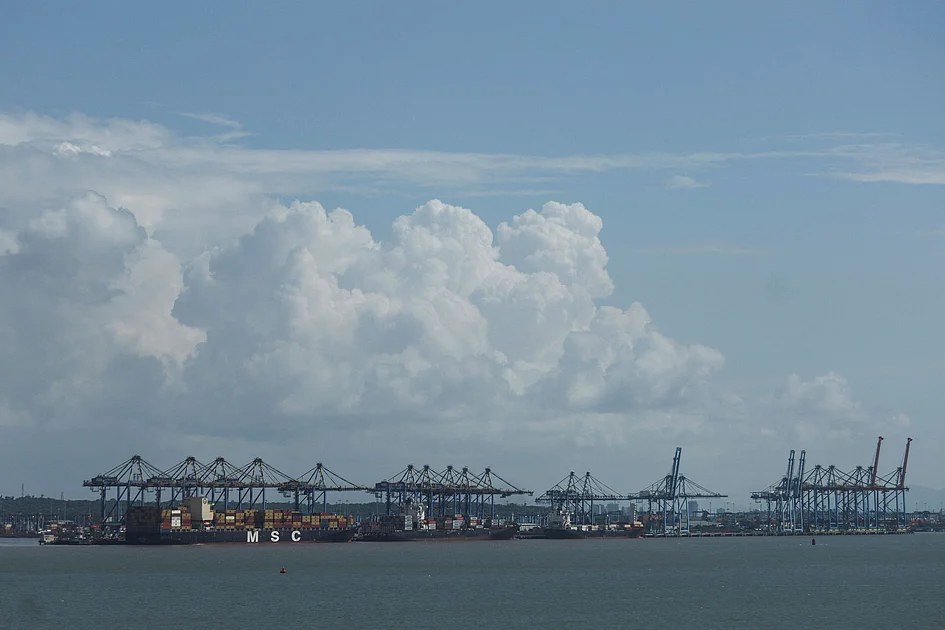
NRIs in UAE: Setting up a shipbuilding business in India after retirement
The Indian government has unveiled a transformative financial package worth approximately Rs700 billion to bolster the maritime sector, offering lucrative opportunities for Non-Resident Indians (NRIs) and global investors. This initiative, designed to address India’s minimal share in global shipbuilding output, focuses on four key areas: enhancing domestic capacity, improving long-term financing, promoting greenfield and brownfield shipyard development, and advancing technical capabilities and skilling. The package includes three major schemes: the Shipbuilding Assistance Scheme (Rs250 billion), the Maritime Development Fund (Rs250 billion), and the Shipbuilding Development Scheme (Rs200 billion). Collectively, these schemes aim to generate Rs4.5 trillion in investments, produce 2,500 vessels, and create a 4.5 million gross tonnage capacity, positioning India as a maritime self-reliant nation. Additionally, the initiative seeks to build resilient supply chains and reduce dependence on foreign ships. For NRIs like those in the UAE considering post-retirement ventures in India, this presents a promising opportunity to leverage their expertise in shipbuilding and related industries. Beyond maritime advancements, India has made significant strides in innovation, climbing from the 81st position in 2015 to the 38th in 2025 on the Global Innovation Index (GII). This growth is driven by robust ICT services exports, a vibrant venture capital landscape, and advancements in technology, including the development of semiconductors and 6G infrastructure. Furthermore, the Reserve Bank of India (RBI) is making progress in internationalizing the rupee, with plans to establish reference rates for cross-border trade transactions, starting with the Indonesian Rupiah and the UAE Dirham. These measures aim to enhance the rupee’s acceptability in global trade, though full implementation will require time and increased transaction volumes.
-

Armenia to host world tourism communication forum this month
Armenia is set to host the World Tourism Communication Forum from October 23 to 25, 2025, in Yerevan. Organized by the Tourism Committee of the Ministry of Economy, the event, titled “Tourism Talks: Connecting People, Places, and Perspectives,” aims to foster meaningful dialogue and collaboration between public and private sectors. The forum will bring together global leaders, policymakers, and communication experts to explore how strategic communication can shape the future of tourism. Lusine Gevorgyan, Chairman of the Tourism Committee of Armenia, emphasized the forum’s goal to highlight the role of communication in building trust, inclusion, and sustainable tourism growth. The event will feature keynotes, panel discussions, workshops, and interactive dialogues on themes such as intercultural communication, destination branding, and community-driven narratives. Distinguished moderators, including UN Tourism Regional Director Cordula Wohlmuther and BBC Studios’ Sergey Stanovkin, will lead the sessions, ensuring insightful discussions and actionable takeaways for participants.