标签: Africa

非洲

  • Spain fines Airbnb $75 million for unlicensed rental listings

    Spain fines Airbnb $75 million for unlicensed rental listings

    In a decisive move against unregulated tourism accommodations, Spanish authorities have levied a substantial €64 million ($75 million) fine against vacation rental giant Airbnb. The penalty was announced on Monday by Spain’s Consumer Rights Ministry following an extensive investigation into the platform’s advertising of unlicensed tourist rental properties.

    The enforcement action represents the second-largest consumer rights penalty in the ministry’s history, amounting to six times the profits Airbnb generated from the non-compliant listings. This development occurs amidst Spain’s broader crackdown on digital rental platforms, which many officials and citizens blame for exacerbating housing shortages and driving up living costs in popular tourist destinations.

    Consumer Rights Minister Pablo Bustinduy emphasized the connection between unregulated rentals and Spain’s housing crisis, stating: ‘Thousands of families live on the edge because of housing, while a few profit from business models that displace residents from their communities.’

    The sanction follows Airbnb’s removal of approximately 65,000 non-compliant listings in July 2025 after regulatory scrutiny. While the company has not issued an immediate response to the penalty, it retains the right to appeal the decision through Spain’s judicial system.

    This enforcement action mirrors previous regulatory measures against travel industry operators. In 2024, budget carrier Ryanair faced a €108 million penalty for imposing additional fees on cabin baggage, though the European Commission later questioned the compliance of such fines with EU regulations.

    The Spanish government, alongside regional and municipal authorities, continues to implement stricter controls on vacation rental platforms including Airbnb and Booking.com, aiming to balance tourism economics with residential housing needs.

  • Leonardo DiCaprio, awed by Martin Scorsese, would never turn director

    Leonardo DiCaprio, awed by Martin Scorsese, would never turn director

    At the prestigious A Year in TIME event in New York City, Hollywood icon Leonardo DiCaprio revealed he has permanently dismissed any aspirations to become a film director, attributing his decision to profound admiration for Martin Scorsese’s directorial mastery. The 51-year-old Oscar winner, currently collaborating with Scorsese on their seventh joint project, expressed unwavering reverence for the legendary filmmaker’s craft during their candid conversation.

    DiCaprio articulated his position with unmistakable clarity: ‘When people inquire about potential directing ambitions, my response remains unequivocal – I would never pursue that path. The cinematic excellence Martin Scorsese achieves is simply incomparable. Why would I attempt something I could never approximate?’

    The actor reflected on his professional evolution with notable introspection, acknowledging occasional regrets about not sufficiently observing the directorial process during earlier career stages. ‘As performers, we immerse ourselves in character psychology with intense dedication,’ DiCaprio noted. ‘In retrospect, I wish I had embraced more opportunities to simply observe Marty’s directorial techniques behind the camera.’

    Their distinctive collaborative methodology involves extensive preparatory work months before filming commences. DiCaprio emphasized their creative dynamic thrives on rigorous pre-production debates: ‘Our process involves continuous questioning and playing devil’s advocate to explore unconventional narrative approaches. This thorough preparation has constituted one of the most valuable educational experiences of my career.’

    DiCaprio traced his reverence for Scorsese to childhood exposure facilitated by his father, who identified the director and Robert De Niro as artistic benchmarks. Their professional partnership commenced with 2002’s Gangs of New York and has since produced critically acclaimed works including The Aviator, The Departed, and Killers of the Flower Moon.

    The duo is currently developing What Happens at Night, an adaptation of Peter Cameron’s novel co-starring Jennifer Lawrence, marking their seventh collaborative endeavor.

  • Elephant orphans. Goat’s milk. This safari reveals the impact of wildlife conservation in Kenya

    Elephant orphans. Goat’s milk. This safari reveals the impact of wildlife conservation in Kenya

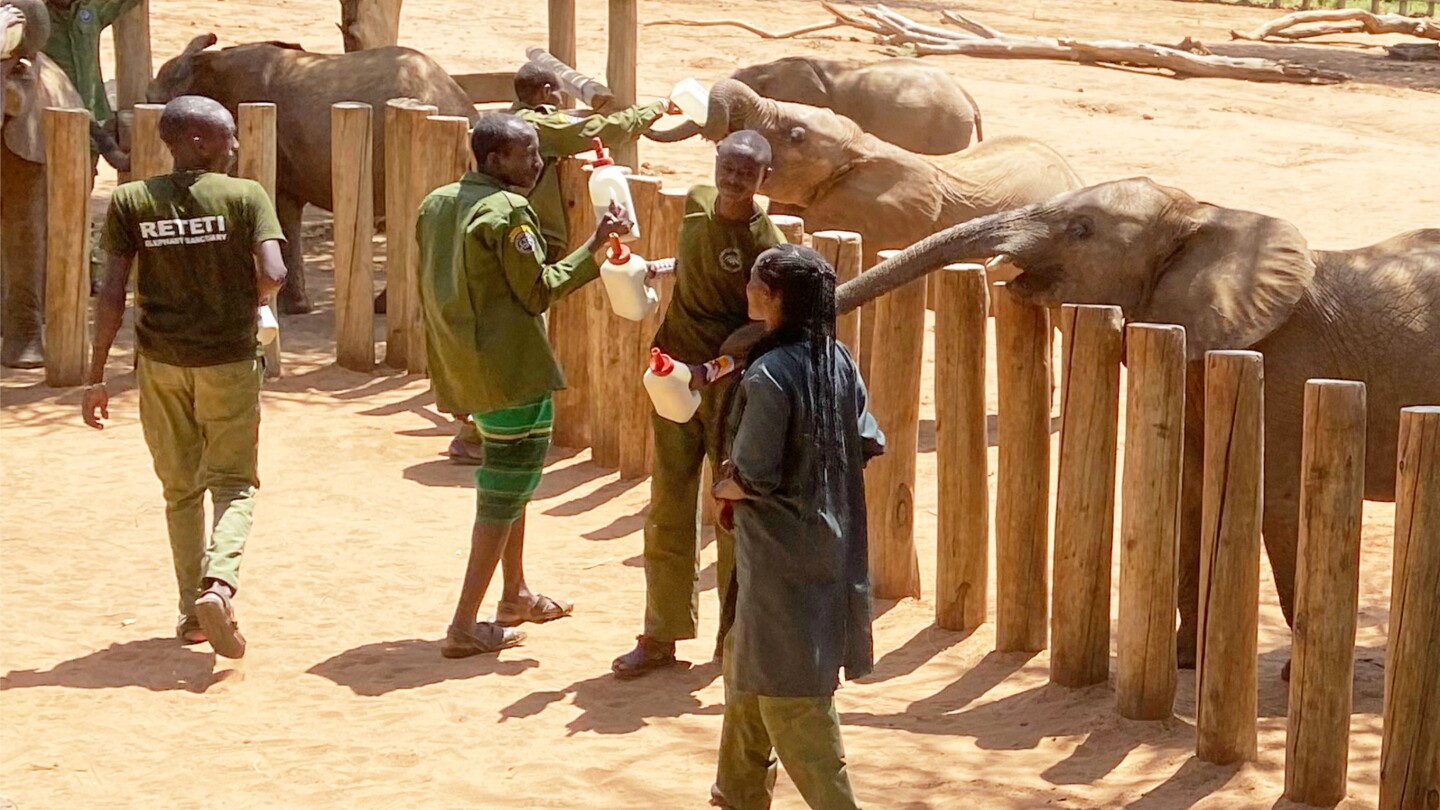
    At Kenya’s Reteti Elephant Sanctuary, a revolutionary conservation model is reshaping the relationship between wildlife protection and community development. Under the equatorial sun, Samburu tribespeople have established Africa’s first entirely Indigenous-run elephant sanctuary, creating an innovative symbiotic system that benefits both orphaned elephants and local communities.

    The sanctuary’s breakthrough came through an unexpected nutritional solution: goat’s milk. When manufactured formula proved costly and unsuitable, caretakers discovered that milk from local goat herds provided an ideal nutritional substitute for elephant milk. This revelation sparked an economic transformation—more than 1,200 Samburu women now supply nearly 700 liters of milk daily to the sanctuary, generating income that provides financial independence and improved living standards.

    Beyond milk production, Reteti employs approximately 100 Samburu people, making elephants what sanctuary spokesperson Dorothy Lowakutuk describes as “the keystone of the entire economy.” The model demonstrates how conservation efforts can directly benefit local populations, particularly women who have traditionally had limited economic opportunities.

    The sanctuary’s success reflects a broader trend in Kenyan conservation where tourism and wildlife protection increasingly support Indigenous communities. Organizations like Uplift Travel have emerged specifically to channel tourism revenue into local development projects, particularly those supporting women and girls. Founded by travel writer Kim Schneider and philanthropy partner Tanja Wittrock, the organization demonstrates how strategic tourism can significantly impact quality of life while providing immersive cultural experiences.

    Kenya’s conservation landscape includes multiple innovative approaches to human-wildlife coexistence. At the Ol Pejeta Conservancy, armed guards protect the last two northern white rhinos while scientists work on advanced reproductive technologies to save the species. In Masai communities, beehive fences create natural barriers that protect both crops and elephants through the insects’ buzzing and stinging deterrent effect.

    These initiatives represent a paradigm shift in conservation philosophy—moving from exclusionary protection models to integrated approaches that recognize Indigenous communities as essential partners in preserving Africa’s magnificent wildlife heritage.

  • Death toll climbs to 5 in South African temple building collapse

    Death toll climbs to 5 in South African temple building collapse

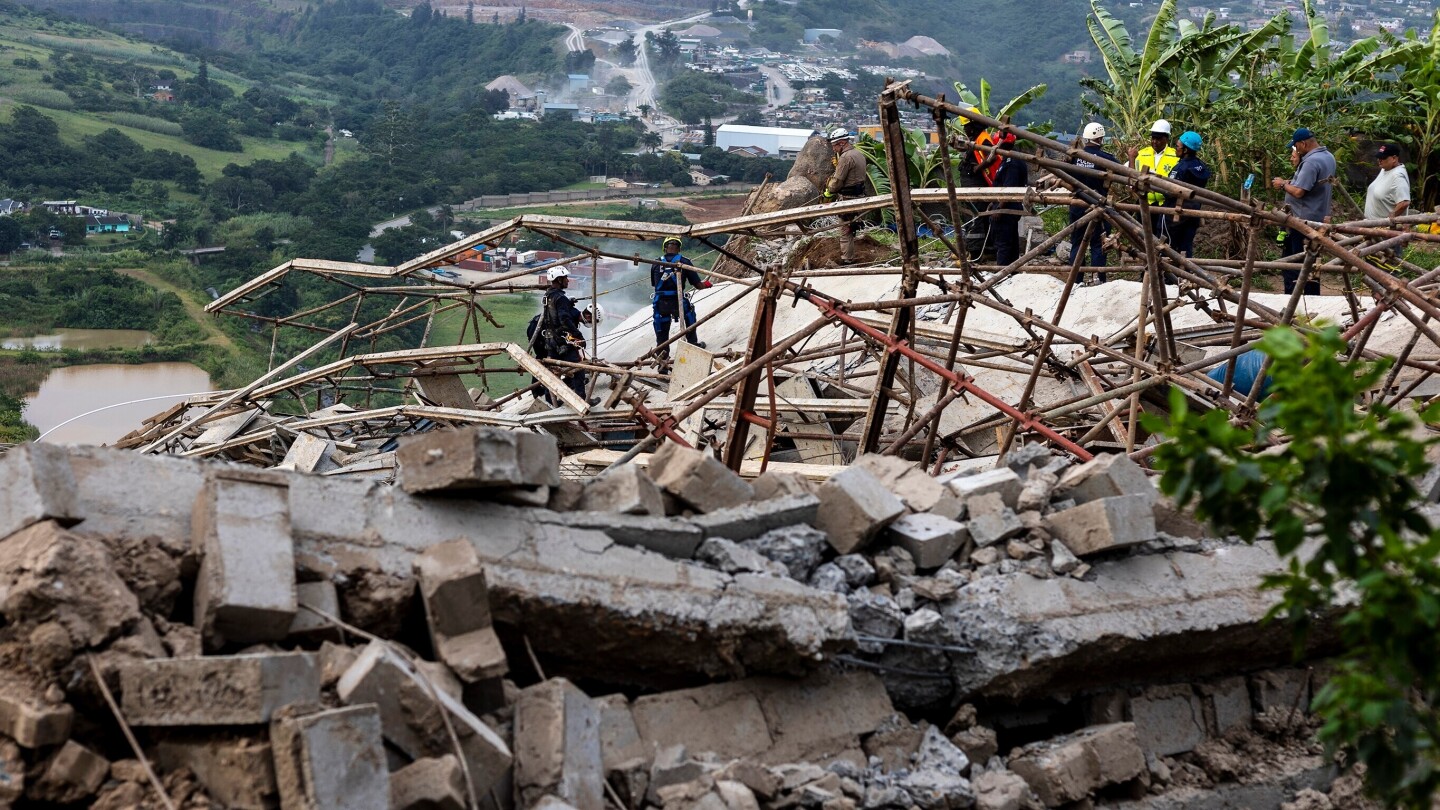
    South African authorities have confirmed the death toll from last week’s structural collapse at a Hindu temple construction site has reached five victims as investigative teams initiate a formal probe into the catastrophic incident. The multistory building, which was under illegal construction atop the Verulam temple complex approximately 25 kilometers north of Durban, catastrophically failed last Friday during expansion operations. Provincial police spokesperson Colonel Robert Netshiunda verified that search and recovery teams extracted four additional bodies from the wreckage over the weekend, supplementing the initial fatality confirmed at the scene. Officials have withheld victim identities and declined to specify how many individuals might remain trapped within the debris. Preliminary investigations by Durban’s regional government reveal the construction project lacked legally mandated building approvals, prompting Verulam law enforcement to open an official inquest. The temple complex, situated on a steep incline overlooking pastoral land, suffered sudden structural failure shortly before noon on Friday, with municipal photographs depicting horrifying scenes of twisted steel reinforcement, shattered concrete pillars, and massive rubble accumulation. Local government authorities emphasized that clearance operations will require extensive time due to necessary safety protocols for systematic debris removal. South Africa’s Commission for the Promotion and Protection of the Rights of Cultural, Religious and Linguistic Communities issued a statement acknowledging the profound trauma inflicted upon worshippers, families, and the broader community, noting that sacred spaces represent fundamental sanctuaries for spiritual practice and communal solidarity. Hinduism constitutes a minority faith practiced by under two percent of South Africa’s population, with its strongest presence in the KwaZulu-Natal region where this tragedy occurred.

  • Welcome to TÜRKİYE – A Global Hub for Health Tourism

    Welcome to TÜRKİYE – A Global Hub for Health Tourism

    Türkiye has strategically positioned itself as a global leader in health tourism, leveraging its unique geographical and cultural assets to create a comprehensive medical and wellness destination. The nation’s emergence in this sector is characterized by an innovative fusion of ancient therapeutic traditions and cutting-edge medical technology.

    Medical Infrastructure and Accreditation:
    The foundation of Türkiye’s health tourism success lies in its advanced medical infrastructure. The country boasts numerous Joint Commission International (JCI) accredited hospitals, including massive health campuses capable of accommodating up to 4,000 patients. These facilities employ AI-assisted diagnostics and robotic surgery systems, ensuring clinical precision that meets international standards.

    Comprehensive Patient Services:
    International patients benefit from significantly reduced waiting periods and all-inclusive treatment packages that streamline the healthcare experience. Türkiye’s visa-free entry policy for numerous nationalities, coupled with extensive flight connectivity, eliminates traditional travel barriers. Multilingual International Patient Units provide personalized support throughout the entire treatment journey.

    Wellness and Thermal Therapy:
    Beyond conventional medical treatments, Türkiye offers unique wellness experiences drawn from its natural resources. As one of the world’s most geothermal-rich regions, the country hosts over 1,500 therapeutic thermal springs. These natural assets are complemented by immersive wellness retreats set amidst forests, mineral-rich mud baths, and oxygen-rich highlands that promote holistic rejuvenation.

    Official HealthTürkiye® Platform:
    The Republic of Türkiye has officially launched HealthTürkiye® as the nation’s primary digital gateway for international healthcare access. Developed by USHAŞ in cooperation with the Ministry of Health and Ministry of Culture and Tourism, this comprehensive platform provides:
    – A verified database of accredited healthcare institutions and specialist physicians
    – Step-by-step guidance covering treatment planning, admission, accommodation, and follow-up care
    – Multilingual 24/7 call center support in English, Arabic, Russian, French, German, and Persian
    – Integrated visa assistance and flight planning tools
    – Transparent pricing guaranteed under the authority of the Ministry of Health

    Bursa: Model Health Tourism Destination:
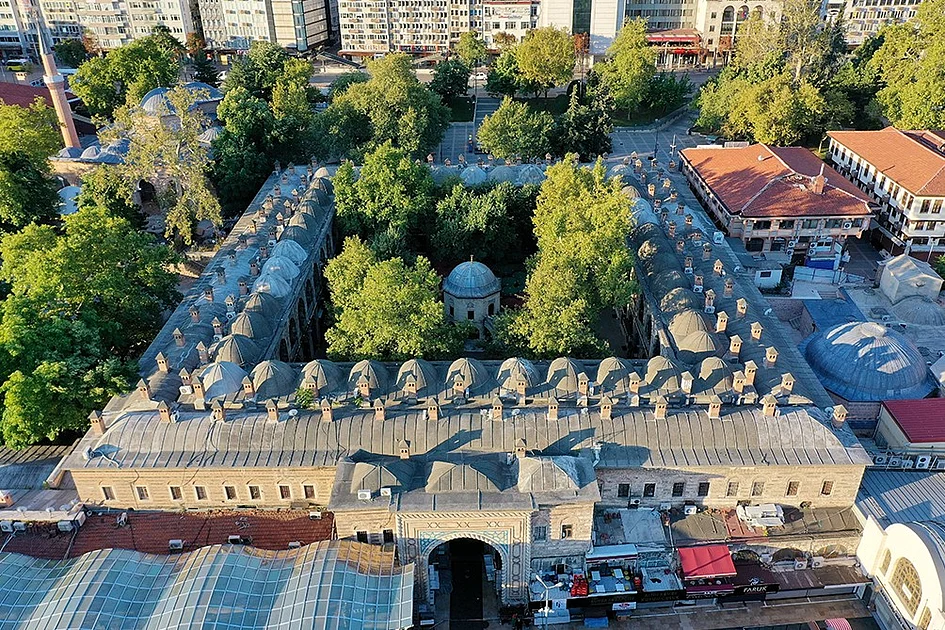
    The city of Bursa exemplifies Türkiye’s integrated approach to health tourism, blending ancient thermal heritage with modern medical infrastructure. Recognized since antiquity for its therapeutic hot springs, Bursa now offers mineral-rich thermal waters containing sodium, calcium, magnesium, and bicarbonate that are scientifically recognized for managing rheumatic conditions, dermatological disorders, and musculoskeletal ailments.

    The city’s medical infrastructure includes 42 hospitals (21 public), 8 medical centers, 33 dental and specialist clinics, and 15 facilitator institutions accredited to serve medical tourists. Under Türkiye’s Health Tourism Strategy, Bursa’s hospitals and wellness facilities collaborate to provide combined medical and thermal therapy packages across rehabilitation, orthopedics, dermatology, rheumatology, and weight management.

    Cultural and Tourism Integration:
    Bursa’s appeal extends beyond healthcare, offering visitors a rich cultural experience as the first capital of the Ottoman Empire. UNESCO World Heritage sites including the Ulu Mosque, Green Mosque, and Cumalıkızık Village provide historical context, while Uludağ National Park offers year-round recreational opportunities from skiing to eco-tourism.

    The city’s coastline along the Marmara Sea features peaceful seaside towns like Mudanya and Tirilye, known for their olive groves and historic architecture. Bursa’s culinary reputation, highlighted by signature dishes like İskender Kebab, and its annual cultural festivals further enhance its position as a multifaceted destination.

    Türkiye’s comprehensive approach to health tourism—combining medical excellence, wellness traditions, cultural richness, and official government support through the HealthTürkiye® platform—establishes the nation as a preferred choice for international patients seeking high-quality, accessible, and holistic care.


  • Global South storytelling takes centre stage at Abu Dhabi’s Bridge Summit

    Global South storytelling takes centre stage at Abu Dhabi’s Bridge Summit

    Abu Dhabi’s emergence as a pivotal media nexus was prominently showcased during the inaugural Global South Video News Awards, a cornerstone event of the Bridge Summit. Organized by Viory, a UAE-based video news agency, the ceremony served as a transformative platform for journalists who are fundamentally reshaping international perceptions of the Global South.

    The gathering attracted major media institutions from Asia, Africa, Latin America, and the Middle East, signaling a paradigm shift in how the global industry regards this increasingly influential media sector. The event balanced celebratory recognition with profound purpose, highlighted by opening remarks from media personality Mai Maxwell and an impactful address from Alex Kobia, Viory’s African Distribution Lead.

    Kobia’s declaration that “The Global South is not emerging – it has arrived” resonated throughout the summit, emphasizing the critical importance of verified, ground-level visual journalism. He detailed Viory’s extensive network of over 3,000 video journalists worldwide committed to bringing clarity and human depth to underrepresented stories.

    The awards gained substantial credibility through a distinguished judging panel comprising senior media representatives from Clarín (Argentina), Hindustan Times (India), Korean Broadcasting System (South Korea), TeleSUR (Venezuela), and the Zimbabwe Broadcasting Corporation.

    Recipients of the inaugural honors included Maximiliano Jonas (Best Camerawork), Enrique Ortiz (Most Creative Shot), Masoud Al Jarousha (Exclusive Lens), and Ernest Dela Aglanu (Vital Footage Award). Their work was celebrated for its courageous impact and ability to capture defining moments that strengthen global storytelling.

    The ceremony also featured poignant reflections from UAE youth representative Shahd Alabdouli, who shared insights from her humanitarian work in conflict zones, reminding attendees of the human experiences behind every journalistic piece and the responsibility to preserve truth.

    Viory concluded the event by reaffirming its commitment to supporting journalist communities and ensuring essential Global South stories receive deserved visibility. This initiative aligns with the UAE’s strategic investments in media innovation and its positioning as a bridge between global markets, marking a significant step toward more authentic and inclusive global narratives.

  • First IVF Dubai and Abu Dhabi earn JCI accreditation

    First IVF Dubai and Abu Dhabi earn JCI accreditation

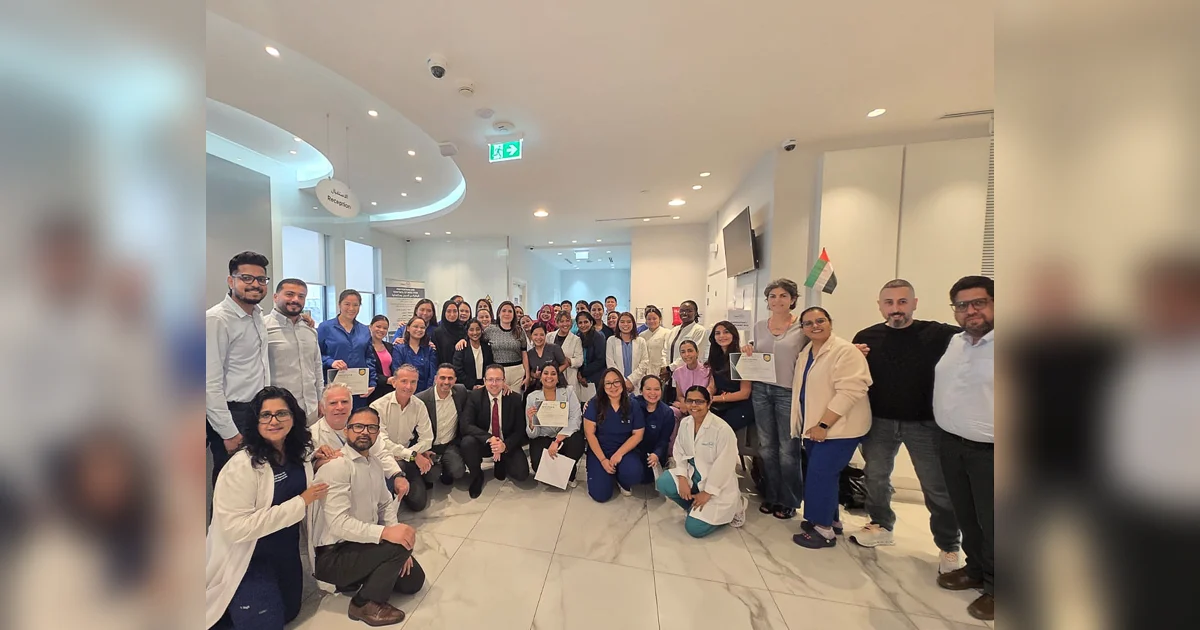
    First IVF, a prominent fertility treatment provider in the United Arab Emirates, has achieved a significant healthcare milestone by securing Joint Commission International (JCI) accreditation for both its Dubai and Abu Dhabi facilities. This prestigious recognition represents the global gold standard for patient safety and clinical quality in healthcare institutions worldwide.

    The accreditation process involved comprehensive on-site evaluations conducted by international JCI surveyors who meticulously examined all operational aspects. The assessment covered clinical protocols, laboratory processes, infection control measures, patient identification systems, communication pathways, governance structures, and staff competency standards.

    Dr. Michael Fakih, Founder and Chairman of First IVF and a recognized pioneer in reproductive medicine, emphasized the significance of this achievement: “This dual accreditation reaffirms our unwavering commitment to delivering safe, ethical, and world-class fertility treatments. Patients seeking reproductive care in the UAE rightfully expect the highest medical standards, and this recognition validates our consistent delivery of such excellence.”

    The clinics offer a comprehensive suite of fertility services including in vitro fertilization (IVF), genetic testing, family balancing options, male and female infertility treatments, and fertility preservation through egg and embryo freezing. These services are supported by advanced laboratory facilities and a multidisciplinary team of reproductive specialists.

    For prospective patients evaluating fertility clinics in the UAE, the JCI accreditation serves as a significant quality assurance marker, indicating adherence to international best practices with emphasis on safety protocols, personalized treatment approaches, and enhanced patient reassurance throughout the fertility journey.

    Dr. Fakih further noted: “Whether patients require IVF procedures, fertility assessments, or preservation services, our objective remains to provide scientifically advanced care within an emotionally supportive environment. This accreditation reinforces our dedication to maintaining leadership in UAE reproductive medicine.”

  • Indian expat honoured by UAE President for making donations despite modest income

    Indian expat honoured by UAE President for making donations despite modest income

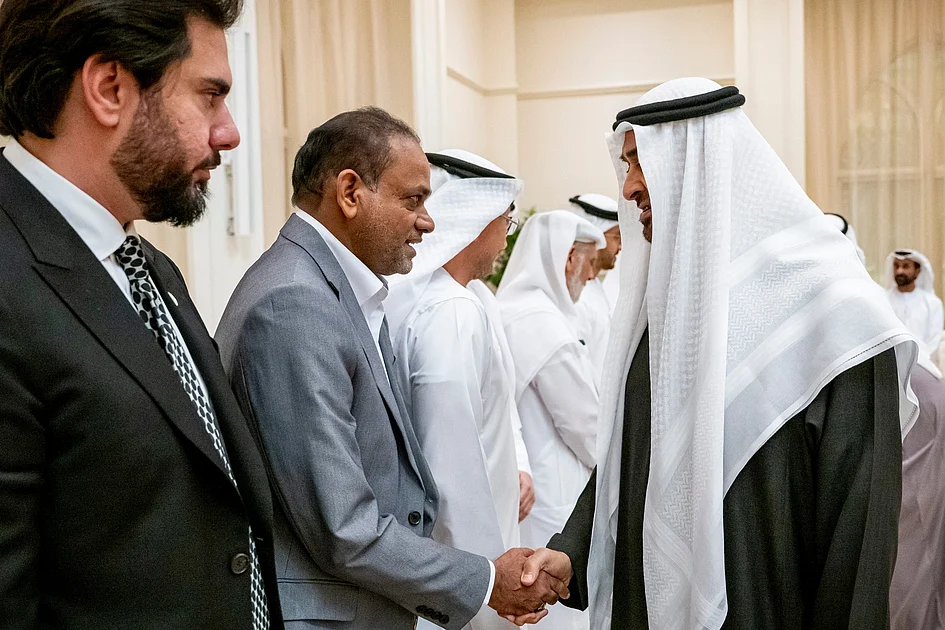
    In a remarkable ceremony at Qasr Al Bahr in Abu Dhabi, UAE President Sheikh Mohamed bin Zayed Al Nahyan presented honors to Sheikh Shakil, an Indian expatriate residing in Al Ain for 21 years, for his exceptional philanthropic contributions. Despite his limited financial resources, Shakil made 42 separate donations to the Life Endowment campaign, both in his name and on behalf of family members.

    The recognition ceremony, organized by the Authority of Awqaf and Minors’ Funds Affairs in Abu Dhabi (Awqaf Abu Dhabi), highlighted Shakil’s story to demonstrate that the endowment initiative receives support from donors across all socioeconomic backgrounds. ‘When Awqaf Abu Dhabi first contacted me about the recognition, I was truly surprised,’ Shakil expressed. ‘I never imagined that my contributions would lead to being honored by the President of the UAE. Attending the ceremony was an unforgettable moment that reminded me of the values this country was built upon—generosity, compassion and caring for one another.’

    Established in May 2023, Awqaf Abu Dhabi serves as the central authority promoting and developing the endowment sector through strategic investments and partnerships aligned with sustainability values. The organization manages endowment processes while also overseeing financial guardianship and wealth development for minors and other vulnerable groups, contributing to greater financial and social inclusion.

    The Life Endowment campaign specifically focuses on creating sustainable funding for medical treatment of chronic illness patients who cannot afford care costs. Beyond immediate medical support, the initiative works to enhance long-term healthcare services, improve community wellbeing, and build more resilient societies through endowment practices that transcend traditional charitable giving.

  • Economic milestone:Japan-UAE relations set to hit new peak

    Economic milestone:Japan-UAE relations set to hit new peak

    Japan and the United Arab Emirates are poised to elevate their bilateral relations to unprecedented heights as they approach the finalization of a Comprehensive Economic Partnership Agreement (CEPA). This groundbreaking pact represents a strategic evolution from traditional energy-based cooperation to a multifaceted economic alliance encompassing technology, clean energy, and innovation.

    The impending agreement aligns with the UAE’s ambitious target of achieving $1.1 trillion in foreign trade by 2031 while supporting Japan’s economic diversification objectives. By eliminating trade barriers and enhancing market access, the CEPA is expected to generate substantial opportunities across multiple sectors, potentially driving bilateral non-oil trade beyond Dh200 billion.

    Diplomatic engagement has intensified through the Comprehensive Strategic Partnership Initiative (CSPI), with both nations recently concluding their third subcommittee meeting in Tokyo. UAE Minister of Foreign Trade Dr. Thani bin Ahmed Al Zeyoudi confirmed that negotiations with Japan and the EU have reached advanced stages, signaling strong momentum toward finalization.

    Jun Imanishi, Consul-General of Japan in Dubai, emphasized the agreement’s significance: “The Japan-UAE Economic Partnership Agreement serves as crucial framework for enhancing our economic ties and unlocking new collaborative potentials.”

    Economic analysts identify several promising sectors for deepened cooperation, including hydrogen energy, artificial intelligence, robotics, and logistics. The partnership builds upon existing strong trade foundations—the UAE remains Japan’s primary Arab trading partner—while leveraging cultural connections through anime, arts, and growing tourism exchanges.

    Investment flows are expanding bilaterally, with Japan targeting ¥120 trillion in direct foreign investment by 2030. Nobuyuki Nakajima of JETRO Dubai noted: “UAE investors are increasingly attracted to Japan’s stable, innovation-driven economy, particularly in digital transformation, green growth, and healthcare innovation—sectors that mirror Emirati diversification goals.”

    The relationship has evolved significantly since its energy-focused beginnings in the 1970s. Today, collaboration extends into space exploration—exemplified by Japan’s launch of the UAE’s ‘Hope Probe’ and ‘KhalifaSat’—along with advanced technology, financial services, and cultural exchange.

    Tourism represents another growing dimension, with Japan National Tourism Organization reporting anticipated doubling of GCC visitors compared to pre-pandemic levels. Executive Director Daisuke Kobayashi highlighted efforts to promote Japan’s rural destinations, distributing tourist traffic while supporting sustainable development.

    Despite global economic volatility and yen fluctuations, bilateral trade has demonstrated remarkable resilience. Recent data reveals Japan’s exports to the UAE grew 24.8% year-on-year to ¥177 billion by September 2025, primarily driven by automobiles and commodities. Although imports declined 8.83% to ¥385 billion due to reduced raw aluminum and petroleum gas shipments, the overall trade relationship has expanded at an annualized rate of 33.2% over five years.

    The impending CEPA ratification establishes Japan and the UAE as a model of strategic international cooperation—anchored in shared values, mutual respect, and a common vision for sustainable economic transformation that benefits both nations and the global economy.

  • ‘Bandits’ kidnap worshippers during church service in Nigeria

    ‘Bandits’ kidnap worshippers during church service in Nigeria

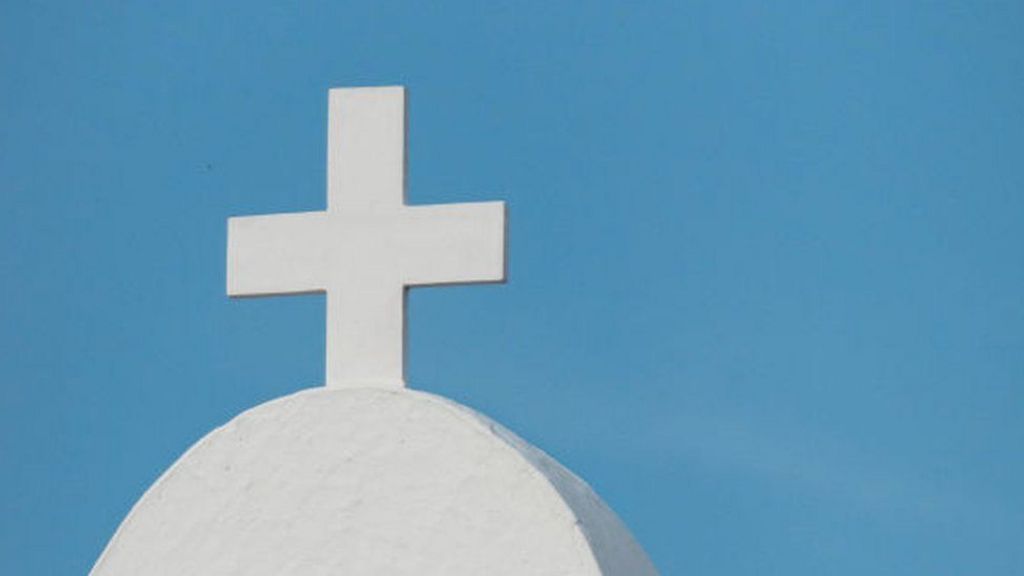
    In a disturbing recurrence of violence targeting religious institutions, armed assailants have abducted at least 13 worshippers from Evangelical Church Winning All in Nigeria’s central Kogi state. The attack occurred during Sunday morning services in the rural farming community of Aaaaz-Kiri, marking the second church kidnapping in the region within a fortnight.

    According to Kogi State Information Commissioner Kingsley Fanwo, security forces engaged the perpetrators, resulting in five gunmen fatalities while others escaped with injuries. The official described the attackers as ‘bandits’—a local term for criminal organizations that routinely conduct kidnappings for ransom payments.

    This incident follows a nearly identical abduction two weeks prior in nearby Ejiba, where gunmen captured a pastor, his wife, and several congregants who remain in captivity despite security intervention efforts. Commissioner Fanwo attributed the escalating violence to displacement effects from security operations in neighboring Niger and Kwara states, suggesting intensified pressure there is pushing criminal elements toward Kogi.

    These events highlight Nigeria’s deepening security crisis, particularly across northwestern and central regions where armed groups have executed numerous mass abductions, village raids, and assaults on religious venues. The most significant recent incident involved the reported kidnapping of over 250 children and 12 staff members from St. Mary’s Catholic School in Papiri, Niger state, during late November.

    While the Nigerian government frequently attributes such attacks to jihadist organizations like Boko Haram and Islamic State West Africa Province (ISWAP), independent analysts contest this narrative, providing evidence to the BBC that criminal gangs are primarily responsible.

    President Bola Tinubu has recently directed security chiefs to enhance intelligence-led operations against kidnappings, authorizing additional troop and police deployments to identified hotspots. Authorities report some success through joint military-police task forces in dismantling certain armed groups. Nevertheless, attacks persist with alarming frequency, especially in rural areas where security presence remains limited and response capabilities are inadequate.