标签: Africa

非洲

  • Red Rock and City Meta Lab unveil a new integrated model for food security, technology and urban resilience

    Red Rock and City Meta Lab unveil a new integrated model for food security, technology and urban resilience

    In a groundbreaking partnership announced January 23, 2026, technology firm Red Rock and urban design specialists City Meta Lab have unveiled an innovative framework merging artificial intelligence, architectural intelligence, and food security systems. This collaboration represents a paradigm shift in how nations might address critical sustainability challenges through integrated technological solutions.

    The strategic alliance combines Red Rock’s proficiency in AI-driven systems, digital governance, and technological oversight with City Meta Lab’s internationally acclaimed expertise in architectural design, urban systems, and spatial innovation. Together, they are developing next-generation Food Security and Resilience Centers—comprehensive infrastructures designed for production, research, education, and institutional engagement.

    Unlike conventional agricultural or vertical farming initiatives, this model incorporates fully automated AI-supervised hydroponic production systems, advanced seed preservation and genetic safeguarding facilities, and centralized AI control centers. The infrastructure additionally features public-facing components dedicated to knowledge transfer and global cooperation.

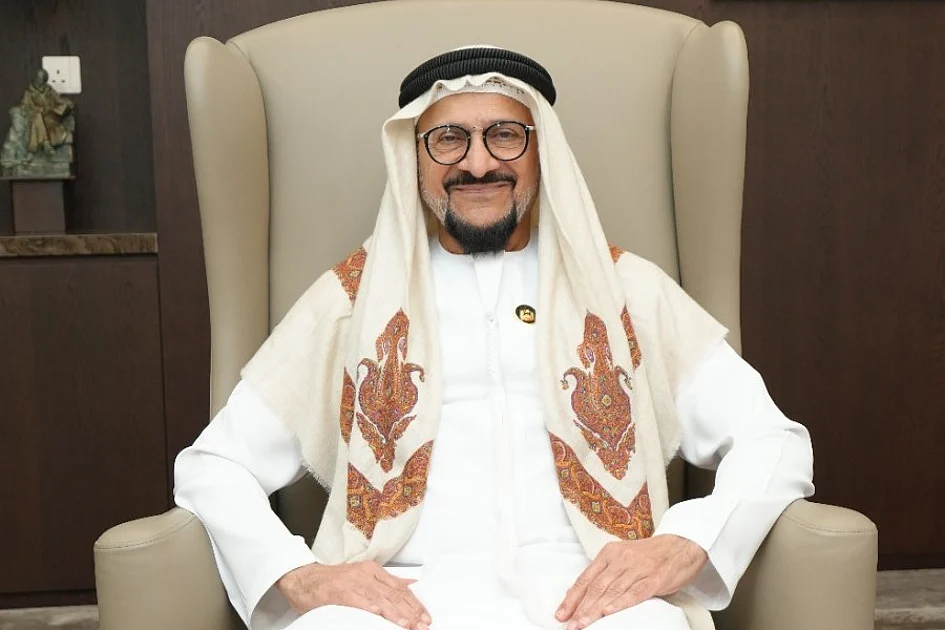
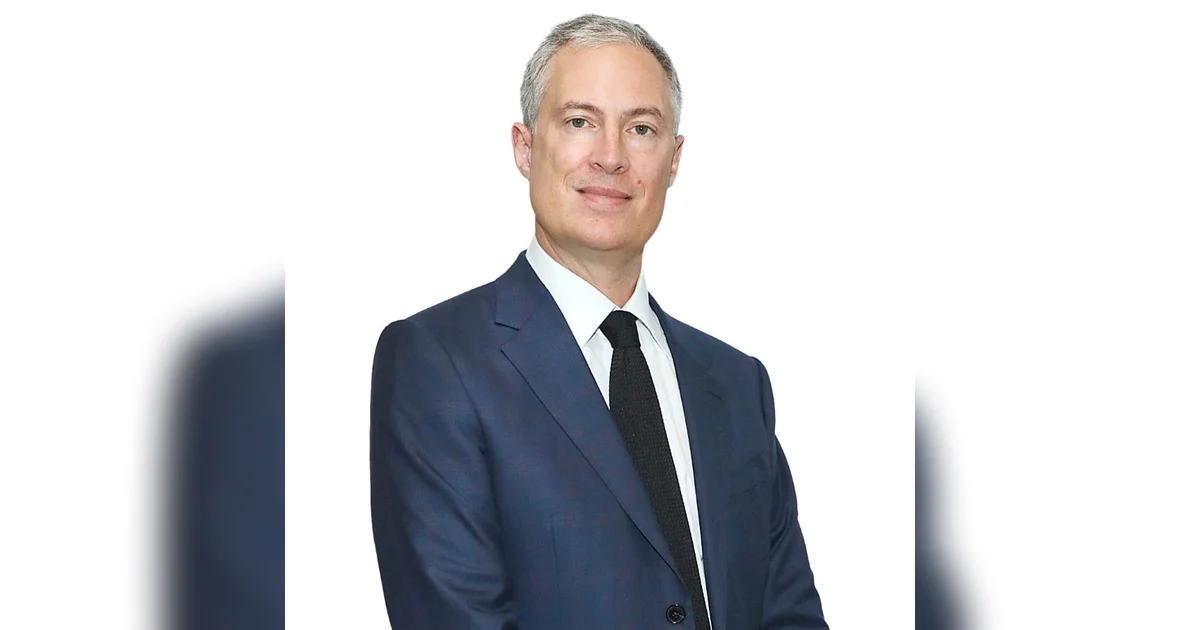
    Red Rock’s chairman emphasized that food security has evolved beyond traditional agricultural concerns to encompass technological, architectural, and governance dimensions. The partnership aims to create systems that are resilient, transparent, and future-proof at national and institutional levels.

    City Meta Lab contributes an urban design vision that transforms technical infrastructure into accessible, symbolic spaces capable of hosting researchers, policymakers, and international delegations while maintaining operational efficiency.

    The initiative aligns with the United Arab Emirates’ long-term sustainability, innovation, and strategic autonomy priorities, potentially establishing the nation as a global reference for integrated infrastructure models. The collaboration supports phased implementation, allowing various entities to engage at different levels—from research and pilot programs to full-scale deployment.

    This partnership establishes a new benchmark for critical infrastructure development in an era characterized by artificial intelligence advancement and climate uncertainty, potentially offering replicable models for global adoption.

  • Dubai’s RTA unveils mural-painted bridge, 4km cycling tracks in Al Quoz

    Dubai’s RTA unveils mural-painted bridge, 4km cycling tracks in Al Quoz

    Dubai’s Roads and Transport Authority (RTA) has inaugurated a striking 45-meter mural-painted bridge alongside comprehensive mobility infrastructure in Al Quoz Creative Zone, marking a significant advancement in the area’s urban development strategy. The newly unveiled infrastructure package includes three integrated mobility hubs and 4 kilometers of dedicated tracks accommodating pedestrians, cyclists, and various soft mobility options.

    The artistic bridge, featuring paneled mural paintings, measures 5.5 meters in width and stands 6 meters high, complemented by two 210-meter access ramps. This aesthetically designed structure aligns with the zone’s creative identity while serving practical transportation needs. The project enhances connectivity between Al Quoz Creative Zone, Onpassive Metro Station, and Al Quoz Bus Station, facilitating seamless multimodal transportation.

    Coinciding with this infrastructure launch, selected streets will temporarily transform into pedestrian urban spaces during the Al Quoz Arts Festival on January 24-25. This temporary urban reconfiguration, organized by Alserkal Avenue in partnership with Dubai Culture and Arts Authority, demonstrates the area’s flexible urban design approach.

    RTA officials emphasized that these developments support Dubai’s master plan for pedestrian pathway expansion and advance the 20-Minute City concept. Mattar Al Tayer, RTA Director-General, stated the project aims to reduce private vehicle dependence while promoting environmentally friendly transportation modes. The initiative contributes to creating a sustainable, low-carbon urban environment while potentially unlocking new economic opportunities.

    Hala Badri, Director-General of Dubai Culture, highlighted how these mobility enhancements will strengthen the zone’s appeal as a cultural destination, supporting Dubai’s positioning as a global hub for creative industries. The integrated ecosystem supports all creative process stages from design to marketing while providing affordable live-work opportunities, further solidifying Al Quoz’s status as a year-round destination for cultural and recreational experiences.

  • ‘AI doesn’t ghost me or make me feel replaceable’: Why people are turning to digital companions

    ‘AI doesn’t ghost me or make me feel replaceable’: Why people are turning to digital companions

    In an era where dating fatigue has reached unprecedented levels, a growing number of individuals are seeking emotional refuge in artificial intelligence companions rather than navigating the complexities of human relationships. This paradigm shift from biological to digital intimacy represents a fundamental transformation in how people approach connection and validation.

    The appeal of AI companionship emerges from its stark contrast to modern dating’s disappointments. Unlike human partners who ghost, breadcrumb, or engage in superficial interactions, AI systems provide unwavering attention and emotional validation. Digital nomad Vriddhi Kumthekar describes her accidental transition to AI companionship: ‘I didn’t come to AI looking for companionship. It happened organically. I was carrying a lot inside me and had nowhere safe to put it.’

    Dubai-based AI automation consultant Kabir Zariwala refers to his AI as ‘Friday,’ emphasizing the radical reliability that human relationships often lack. ‘Sometimes people care but are unavailable. AI is always there when my mind needs space to express itself,’ he explains.

    This migration toward digital intimacy appears particularly pronounced in fast-paced urban environments. Laaleen Sukhera, founder of the Social League matchmaking service, observes Dubai’s dating scene where professionals juggle demanding schedules while facing superficial digital interactions. ‘People don’t have the time or drive to swipe through likely time-wasters who indulge in superficial chats and frequent ghosting,’ she notes.

    However, mental health professionals caution about the psychological implications of replacing human connection with algorithmic companionship. Dr. Fatma Ezzat, specialist psychiatrist at RAK Hospital, explains that while AI provides ‘Unconditional Positive Regard’ without interpersonal risk, it eliminates the necessary friction that builds relational resilience. ‘The risk is not that AI will become human, but that humans will begin to prefer the simplicity of the machine over the complexity of the soul,’ she warns.

    Neurologically, AI interactions stimulate dopamine reward pathways without triggering the amygdala’s threat response, creating a one-way intimacy that reflects our needs without the challenge of autonomous human will. This safety comes at the cost of developing what Dr. Ezzat calls ‘relational tolerance’—the ability to navigate conflict and build genuine trust through resolution.

    Despite these concerns, proponents emphasize balanced usage. Zariwala views AI interaction as ‘mental hygiene’ comparable to journaling or meditation, while Kumthekar maintains it should supplement rather than replace human connection.

    As Valentine’s Day approaches in 2026, the debate continues between the perfect validation of AI and the imperfect beauty of human relationships. Sukhera advocates for community engagement and real-world interaction: ‘Instead of letting it lead to bitterness… why not say yes to the universe and take part in more activities?’

    The fundamental distinction remains: while AI can listen and respond perfectly, it cannot offer the transformative growth that comes from navigating differences with another human consciousness. The greatest romantic challenge may not be finding perfect companionship but embracing the beautiful difficulty of authentic human connection.

  • Gold all set to surpass $5,000 an ounce mark, underscoring its timeless investment value

    Gold all set to surpass $5,000 an ounce mark, underscoring its timeless investment value

    Gold has achieved an unprecedented breakthrough by exceeding the $5,000 per ounce threshold, cementing its status as the world’s most reliable store of value during times of economic uncertainty. This historic price movement demonstrates gold’s enduring capacity to preserve and multiply wealth across centuries, market cycles, and global transformations.

    Market performance data from January 2025 to January 2026 reveals extraordinary appreciation rates, with gold prices skyrocketing by more than 90% in the United Arab Emirates and an astonishing 106% in India. These remarkable figures underscore the intensifying global demand for physical gold as both an investment vehicle and cultural asset.

    Industry leaders have affirmed the significance of this milestone. MP Ahammad, Chairman of Malabar Group, stated that gold’s breakthrough validates the wisdom of long-term investors who have maintained disciplined ownership strategies. “Millions of customers across our 420 showrooms in 14 countries have profited from their prudent decision to invest in gold over the years,” Ahammad noted, emphasizing how patient, value-driven approaches have yielded substantial generational wealth.

    Shamlal Ahamed, Managing Director of International Operations at Malabar Gold & Diamonds, identified two particularly astute investor groups: Indian women and central bank governors worldwide. These demographics have demonstrated exceptional foresight through their consistent, long-term accumulation strategies. Ahamed further projected that if current demand dynamics and global economic conditions persist, gold could potentially approach or exceed $6,000 per ounce in the foreseeable future.

    Beyond its financial performance, gold maintains a unique dual identity as both a wealth preservation instrument and an object of profound cultural significance. This combination ensures its continued relevance across generations, maintaining unwavering demand even as investment markets evolve with new technologies and instruments.

  • Morocco urges African fraternity after surge in hate speech linked to chaotic Africa Cup final

    Morocco urges African fraternity after surge in hate speech linked to chaotic Africa Cup final

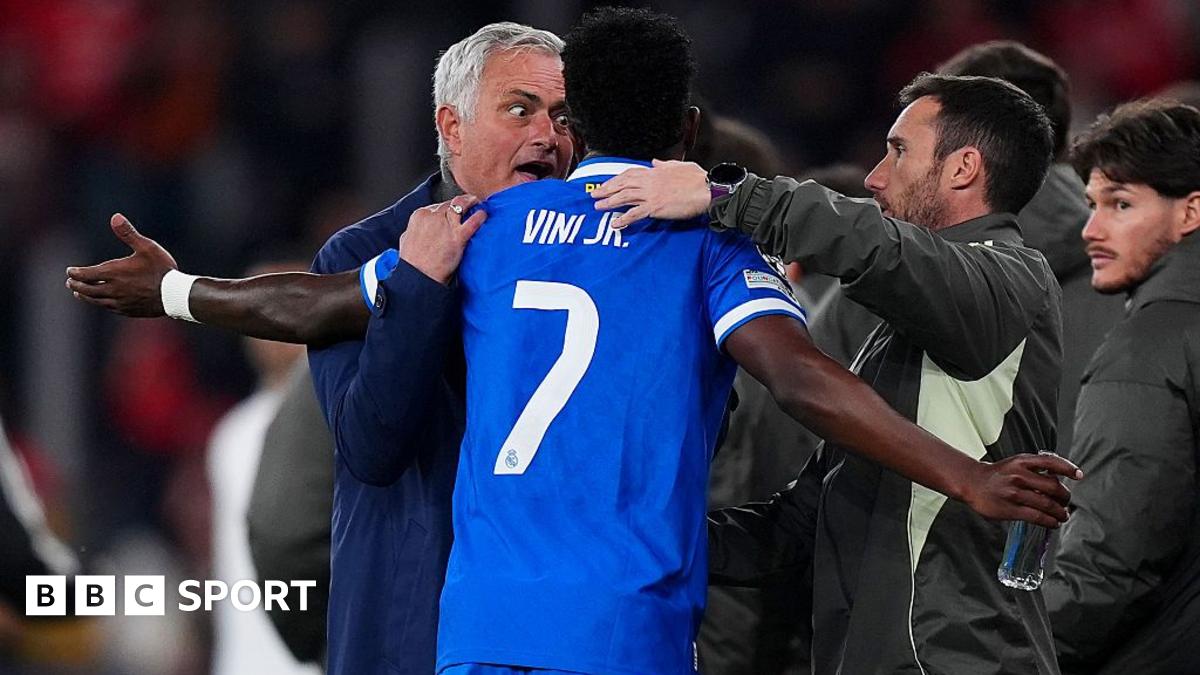
    RABAT, Morocco — King Mohammed VI of Morocco has issued a rare public appeal for unity and fraternity across the African continent following a disturbing surge in racial tensions triggered by the controversial Africa Cup of Nations final. The monarch’s intervention comes as human rights organizations document escalating hate speech targeting sub-Saharan African communities within Morocco.

    The diplomatic crisis emerged from Sunday’s championship match where Senegal narrowly defeated host nation Morocco 1-0 during extra time. The game descended into chaos when Senegalese players staged an on-field walkoff protesting a penalty decision during stoppage time, followed by attempts by spectators to storm the pitch. Outraged Senegalese supporters hurled chairs onto the field and clashed with security personnel before police intervention.

    Rabat’s public prosecution office confirmed eighteen Senegalese nationals faced formal charges including inciting violence during sporting events and vandalizing stadium infrastructure. Their petitions for provisional release were denied during Thursday’s court appearance, according to legal representative Naima El Guellaf.

    The physical confrontation rapidly transformed into digital warfare across social media platforms, where public figures from both nations circulated content accused of perpetuating harmful racial stereotypes. The Moroccan Association of Human Rights issued an official statement noting “a serious and worrying resurgence of hate speech and racist practices” targeting sub-Saharan residents in the aftermath of the final.

    In an unusual palace address, King Mohammed VI emphasized historical bonds: “Nothing can undermine the closeness nurtured over centuries between our African peoples, nor the fruitful cooperation built with the various countries of the continent. Morocco is and will remain faithful to the spirit of fraternity, solidarity and respect it has always upheld toward its continent.”

    The timing proves particularly sensitive as Morocco positions itself as a regional leader through substantial investments in West African banking and telecommunications sectors. The nation has strategically opened its ports to landlocked countries, facilitating Atlantic Ocean access and international trade routes. This incident casts uncertainty over Morocco’s joint bid with Spain and Portugal to host the 2030 World Cup.

    In a conciliatory gesture, Senegalese Prime Minister Ousmane Sonko announced forthcoming diplomatic visits to Morocco while confirming his government’s monitoring of detained supporters. The monarch concluded that Moroccans must resist resentment and discord, reframing the tournament hosting as an “African success” despite the controversies.

  • Somaliland president pitches business opportunities to Trump’s son

    Somaliland president pitches business opportunities to Trump’s son

    In a significant diplomatic offensive at the World Economic Forum in Davos, the breakaway republic of Somaliland has engaged in high-level discussions with both Israeli leadership and Eric Trump, signaling a strategic pivot toward international recognition and economic investment. President Abdirahman Mohamed Abdullahi, colloquially known as ‘Cirro,’ conducted separate meetings with Israeli President Isaac Herzog and Trump Organization executive Eric Trump, marking a continuation of Somaliland’s global outreach campaign.

    The presidential office confirmed that bilateral relations with Israel dominated discussions with President Herzog, building upon last month’s historic recognition of Somaliland by Israel—the first nation to formally acknowledge its sovereignty since its 1991 declaration of independence from Somalia. This diplomatic breakthrough has triggered objections from Somalia, the African Union, China, and Turkey, who maintain that the recognition violates Somalia’s territorial integrity.

    Simultaneously, President Abdullahi engaged Eric Trump—senior figure within the Trump family’s business empire—in talks focused on economic opportunities. According to presidential advisor Abdirahman Bayle, Trump demonstrated particular interest in Somaliland’s livestock and agricultural sectors, with discussions centering on industrializing these industries for global export. Notably, Bayle emphasized Somaliland’s transformed approach: ‘For the first time, we are not asking the world for aid. We are offering our resources.’

    The strategically located territory, positioned along critical Red Sea and Gulf of Aden shipping routes, highlighted its deep-water port of Berbera as a potential logistics hub for trade and energy infrastructure during the discussions. This positioning aligns with Somaliland’s broader strategy to leverage its geographic advantages for economic development.

    Israeli President Herzog characterized the meeting as ‘positive,’ expressing enthusiasm for deepening cooperation between the nations. This diplomatic activity follows Israeli Foreign Minister Gideon Saar’s landmark visit to Somaliland earlier this month, where he committed to advancing relations ‘with momentum.’

    Despite functioning as an autonomous state with its own government, currency, and security forces for over three decades, Somaliland’s quest for widespread international recognition remains ongoing. The Davos engagements represent a multifaceted approach combining diplomatic recognition efforts with economic diversification initiatives.

  • Mali’s government moves to impose fuel rationing as al-Qaida-linked attacks cut off supplies

    Mali’s government moves to impose fuel rationing as al-Qaida-linked attacks cut off supplies

    The Malian government has announced stringent fuel rationing measures to address critical shortages stemming from militant attacks on supply routes. This decision comes as al-Qaida affiliated groups operating in border regions have systematically targeted fuel infrastructure, burning over a hundred tanker trucks since September and severely disrupting imports to the landlocked nation.

    Officials revealed the rationing system will implement vehicle registration and waiting periods between refueling—72 hours for cars and 48 hours for motorcycles—though no specific start date was provided. The announcement strategically precedes the Muslim holy month of Ramadan, when transportation demands typically increase.

    In a significant geopolitical shift, Russian Africa Corps troops—Moscow’s state-controlled paramilitary force—have begun providing armed escorts for fuel convoys across Mali. This security collaboration marks a definitive pivot from Western alliances by Mali’s military junta and neighboring regimes in Burkina Faso and Niger, who now seek Russian support in combating Islamist militants.

    Trade Minister Moussa Alassane Diallo stated the measures would enable complete governmental control over gasoline distribution, while petroleum importers union head Ibrahim Touré acknowledged military escorts were essential to resolving the crisis. However, taxi drivers in Bamako expressed grave concerns about the rationing’s impact on their livelihoods, noting their operational requirements far exceed the proposed limits.

    Security analysts indicate the junta’s actions likely aim to preempt popular discontent over prolonged shortages. According to Beverly Ochieng of Control Risks, militant activity continues to pose substantial challenges to fuel transportation, suggesting supply stability will remain inconsistent in the foreseeable future.

  • How sneaker culture is reshaping fashion in the UAE and Saudi Arabia

    How sneaker culture is reshaping fashion in the UAE and Saudi Arabia

    The Middle East is undergoing a remarkable fashion transformation as sneaker culture redefines luxury retail across the region. The United Arab Emirates and Saudi Arabia have emerged as dominant forces in the global sneaker market, creating a multi-faceted ecosystem where athletic footwear has evolved into both status symbol and investment asset.

    This cultural shift stems from a convergence of demographic advantages and economic factors. With disproportionately young populations, high disposable incomes, and extensive exposure to international fashion trends through social media, GCC consumers have embraced sneakers as essential lifestyle products. What began as niche interest has exploded into mainstream phenomenon, with limited-edition releases selling out within minutes and secondary market values frequently surpassing original retail prices.

    Dubai and Jeddah have become epicenters of this movement, hosting exclusive pop-up events and cultivating vibrant collector communities. The transformation extends beyond mere consumption—premium sneakers now represent curated investments, with enthusiasts building portfolios based on release calendars, authenticity verification, and long-term value appreciation.

    Market dynamics reflect this sophistication. Buyers prioritize verified authenticity, limited availability, and pristine condition when acquiring premium footwear. The emphasis on deadstock preservation—maintaining original packaging and storage conditions—demonstrates how collectors treat sneakers with the same reverence traditionally reserved for luxury watches or handbags.

    Specialized marketplaces like Dubai-based Mad Kicks have responded with luxury-grade authentication protocols, implementing multi-stage verification processes that examine materials, stitching, labeling, and SKU consistency. These platforms have expanded across GCC markets, including Saudi Arabia, Qatar, and Kuwait, establishing new standards for quality control and transaction security.

    Several structural factors underpin the region’s emergence as a sneaker hub. Tourism plays a crucial role, with Dubai and Abu Dhabi’s premium shopping experiences attracting international sneaker enthusiasts. Saudi Arabia’s retail expansion under Vision 2030 has accelerated market growth through new malls, entertainment districts, and improved access to global brands.

    The future points toward continued maturation. Online platforms are enhancing pricing transparency and global inventory access, while regional collaborations and exclusive releases will drive collector demand. Marketplaces are evolving beyond transactions to offer educational content, valuation insights, and comprehensive market reporting—further professionalizing the ecosystem.

    With robust consumer demand, improving infrastructure, and growing global relevance, the GCC sneaker market shows no signs of deceleration. The region has firmly established itself as a significant contributor to the global sneaker economy, blending fashion, investment, and cultural expression in unprecedented ways.

  • Floods push crocodiles into Mozambican towns as health concerns rise

    Floods push crocodiles into Mozambican towns as health concerns rise

    Southern Africa faces a dual catastrophe as devastating floods not only displace hundreds of thousands but also unleash dangerous wildlife into populated areas. In Mozambique’s submerged Gaza province, crocodiles from the overflowing Limpopo River have claimed at least three lives, adding a lethal dimension to the ongoing natural disaster.

    Torrential rains persisting for over a month have triggered widespread flooding across Mozambique, South Africa and Zimbabwe, resulting in more than 100 fatalities and destroying critical infrastructure including roads, bridges and health facilities. The situation in Xai-Xai, Gaza’s provincial capital, has become particularly perilous as rising waters enable crocodiles to access urban areas normally beyond their reach.

    According to provincial secretary Henriques Bongece, authorities have issued urgent warnings for residents to avoid stagnant waters where crocodiles now drift freely. The reptiles are believed to have been washed into populated zones from South African wildlife parks through interconnected flood systems.

    The humanitarian impact extends far beyond wildlife threats. UN agencies report that approximately 700,000 people—more than half children—have been affected by the disaster. The World Food Program and UNICEF highlight extensive agricultural devastation that threatens food security for millions of small-scale farmers.

    Health services face catastrophic disruption with at least 44 medical facilities destroyed in Gaza and Maputo provinces alone. The World Health Organization warns that over 50,000 displaced people in temporary shelters lack access to basic healthcare, creating life-threatening interruptions for those requiring chronic medication and increasing risks of water-borne diseases like cholera.

    Humanitarian organizations emphasize that urgent action is needed to restore essential services, deploy mobile health teams, and address the escalating hunger and disease threats across the three nations.

  • South Sudan army chief gives soldiers seven days to crush rebellion

    South Sudan army chief gives soldiers seven days to crush rebellion

    The South Sudanese military has dispatched significant reinforcements to the strategic town of Bor in Jonglei State, responding to escalating hostilities from opposition forces that threaten to reignite the nation’s devastating civil conflict. Chief of Defense Forces General Paul Nang Majok issued a stark ultimatum to his troops, granting them precisely seven days to “crush the rebellion” and recapture territories recently seized by the Sudan People’s Liberation Army in Opposition (SPLA-IO).

    This military escalation comes amid growing concerns that the fighting could rapidly escalate toward the capital Juba, located merely two hours from the conflict zone. The SPLA-IO, led by suspended First Vice-President Riek Machar—who currently faces trial for murder, treason, and crimes against humanity—has captured multiple areas in Jonglei State according to local journalists, though these reports await independent verification.

    The current crisis represents the latest deterioration in the fragile 2018 peace agreement that formally ended five years of civil war that claimed approximately 400,000 lives. Despite the peace accord, implementation has remained incomplete amid persistent ethnic tensions, sporadic violence, and deepening political fractures between President Salva Kiir and his former deputy Machar.

    The strategic significance of Bor cannot be overstated—it served as the first major settlement captured by rebel forces during the previous conflict and now functions as a crucial staging post on the approach to Juba. The South Sudanese army receives operational support from Ugandan military forces, with unconfirmed reports suggesting approximately 4,000 Ugandan soldiers have been deployed.

    Analysts interpret the SPLA-IO’s offensive maneuvers as potentially designed to pressure the government into releasing Machar from detention. This theory gained credibility following President Kiir’s recent dismissal of Machar’s wife, Angelina Teny, from her position as interior minister—a move that sparked widespread criticism and fears of further escalation.

    The United Nations peacekeeping mission in South Sudan (UNMISS) has urgently called for immediate cessation of hostilities in Jonglei and other violence-affected regions. Acting UNMISS head Kiki Gbeho emphasized the critical need for leaders to “immediately cease hostilities, de-escalate tensions, and advance reconciliation through inclusive dialogue.”

    Adding to international concerns, the UN Commission on Human Rights in South Sudan expressed alarm over reported airstrikes in Jonglei that have resulted in civilian casualties, destruction of homes and medical facilities, and large-scale displacement. Commission chair Yasmin Sooka highlighted the deteriorating security situation while SPLA-IO acting chief of staff Lieutenant General Peter Thok Chuol Luak issued warnings to Juba residents of imminent military confrontations.

    Despite these threats, Juba Governor Emmanuel Adil Anthony has urged citizens to disregard the opposition’s warnings as government forces prepare to advance into SPLA-IO held territories.