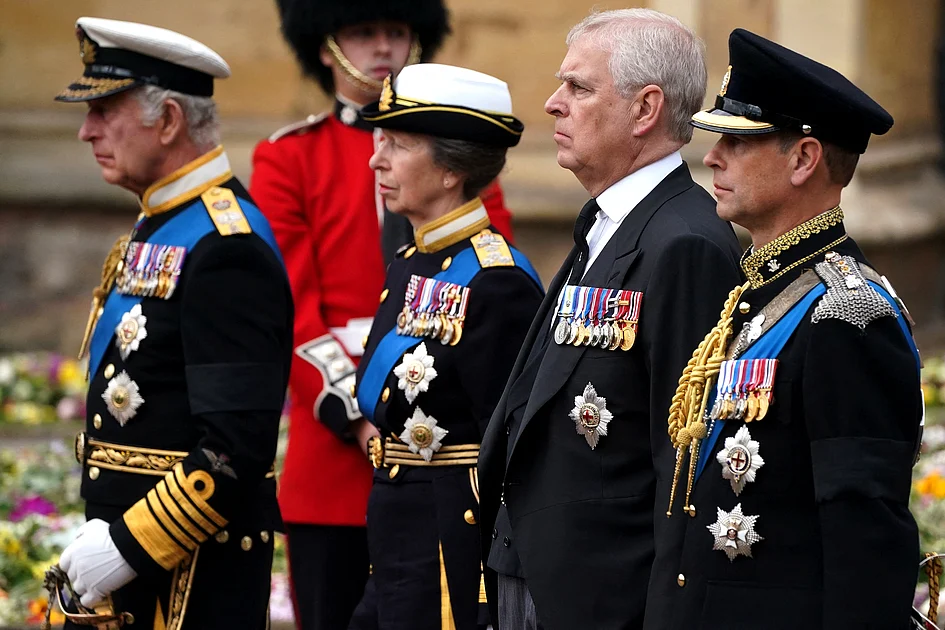
The UK government has announced its decision to strip former Prince Andrew of his last remaining military title, the honorary rank of vice-admiral. This move follows King Charles III’s recent decision to revoke all of Andrew’s remaining royal titles and honors, a response to growing public outrage over his association with convicted sex offender Jeffrey Epstein. Defence Minister John Healey confirmed the decision during an interview with the BBC, stating that the government is acting under the guidance of the king. He also hinted at the possibility of Andrew losing his military medals, though no final decision has been made. Andrew, once celebrated for his service as a Royal Navy helicopter pilot during the 1982 Falklands War, retired from active duty in 2001 after 22 years of service. His fall from grace began in 2022 when his mother, the late Queen Elizabeth II, stripped him of his honorary military titles after he was sued by Virginia Giuffre, Epstein’s primary accuser. Giuffre alleged in her memoir, published posthumously in October, that she was trafficked to have sex with Andrew on three occasions, including twice when she was just 17. Andrew has consistently denied these allegations. Buckingham Palace issued a strongly worded statement last Thursday, announcing that Andrew would no longer be referred to as a prince and would instead be known as Andrew Mountbatten Windsor. The statement emphasized that these measures were necessary and expressed the king and queen’s sympathy for victims of abuse. A friend of the royal couple described the statement as an unprecedented judgment on Andrew’s actions. Meanwhile, US President Donald Trump expressed sympathy for the royal family, calling the situation tragic. The scandal has cast a long shadow over the British monarchy, with concerns about reputational damage growing. Camilla, the queen consort, has been a vocal advocate for abuse victims, and the royal family has increasingly prioritized amplifying the voices of survivors. The controversy has also reignited discussions about Andrew’s 2019 BBC Newsnight interview, where he defended his ties to Epstein and showed little empathy for the women involved. The latest developments mark a significant chapter in the ongoing fallout from Andrew’s association with Epstein, further distancing him from his former roles and titles.
标签: Africa
非洲
-
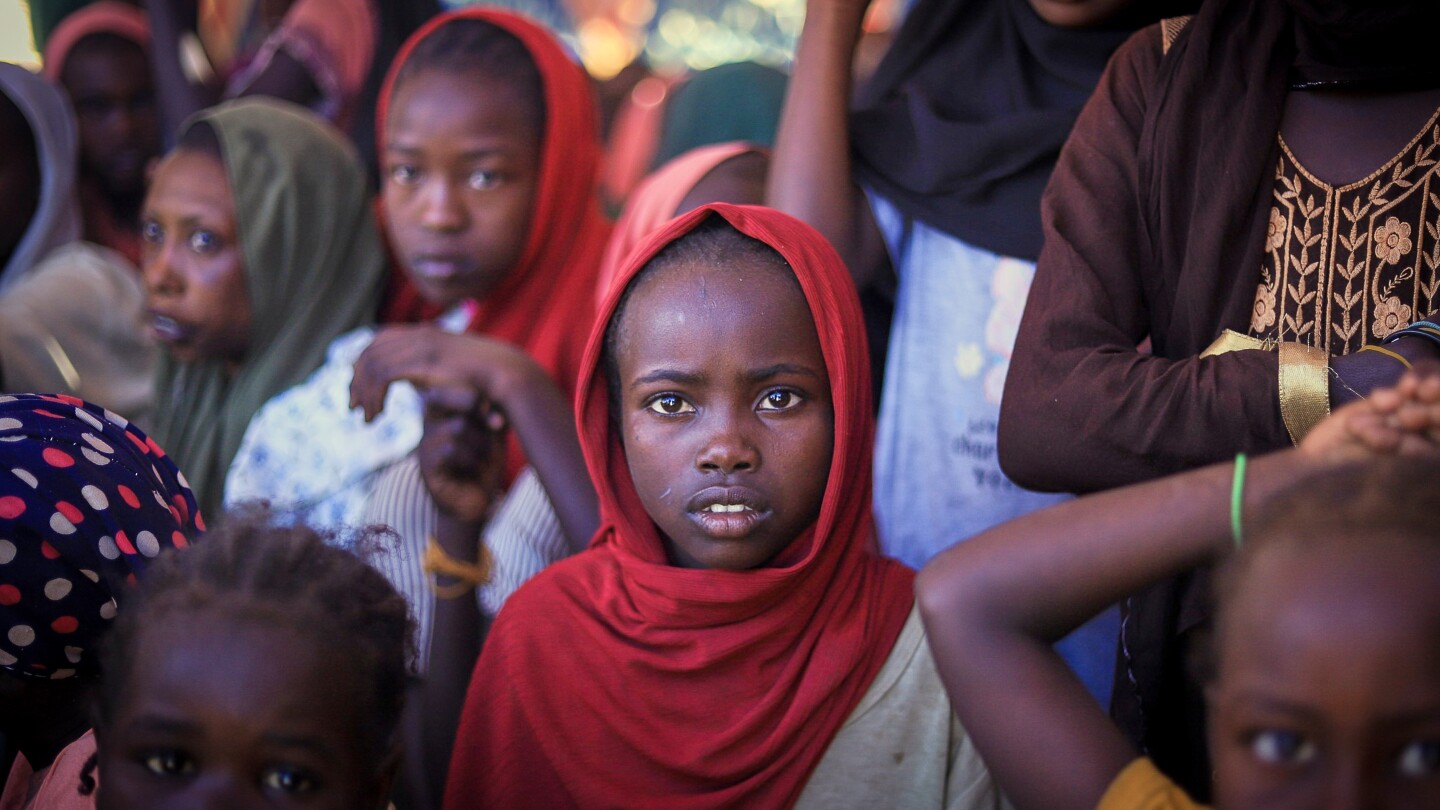
Famine spreads to two more areas in Sudan, global hunger authority says
The war in Sudan has plunged the nation into an unprecedented humanitarian catastrophe, with famine now declared in two regions, including the besieged city of el-Fasher in Darfur, according to a report released Monday by the Integrated Food Security Phase Classification (IPC), the leading global authority on hunger crises. The IPC confirmed that famine has been detected in el-Fasher and Kadugli in South Kordofan, with 20 other areas in Darfur and Kordofan also at imminent risk. The conflict, which erupted in April 2023, has claimed over 40,000 lives, displaced more than 14 million people, and fueled widespread disease outbreaks. The Rapid Support Forces (RSF), a paramilitary group, has been accused of blockading el-Fasher for 18 months, severing food and supply lines to tens of thousands. Last week, RSF fighters seized the city, reportedly killing hundreds in violent attacks. Kadugli has also been under siege for months, trapping thousands as the RSF seeks to expand its territorial control. The IPC report highlights ‘extremely high levels of malnutrition’ and a ‘total collapse of livelihoods’ in these regions, with famine conditions meeting stringent criteria, including acute malnutrition affecting 30% of children under five. The IPC has confirmed famine only a few times in recent history, including in northern Gaza earlier this year and in Somalia and South Sudan in previous years. The report warns that towns near el-Fasher, such as Tawila, Melit, and Tawisha, are also at risk. As of September, 375,000 people in Darfur and Kordofan were pushed into famine, with 6.3 million across Sudan facing extreme hunger. While improved humanitarian access in Khartoum and surrounding areas has slightly reduced acute food insecurity, the IPC emphasizes that only a ceasefire can prevent further loss of life and mitigate the crisis.
-
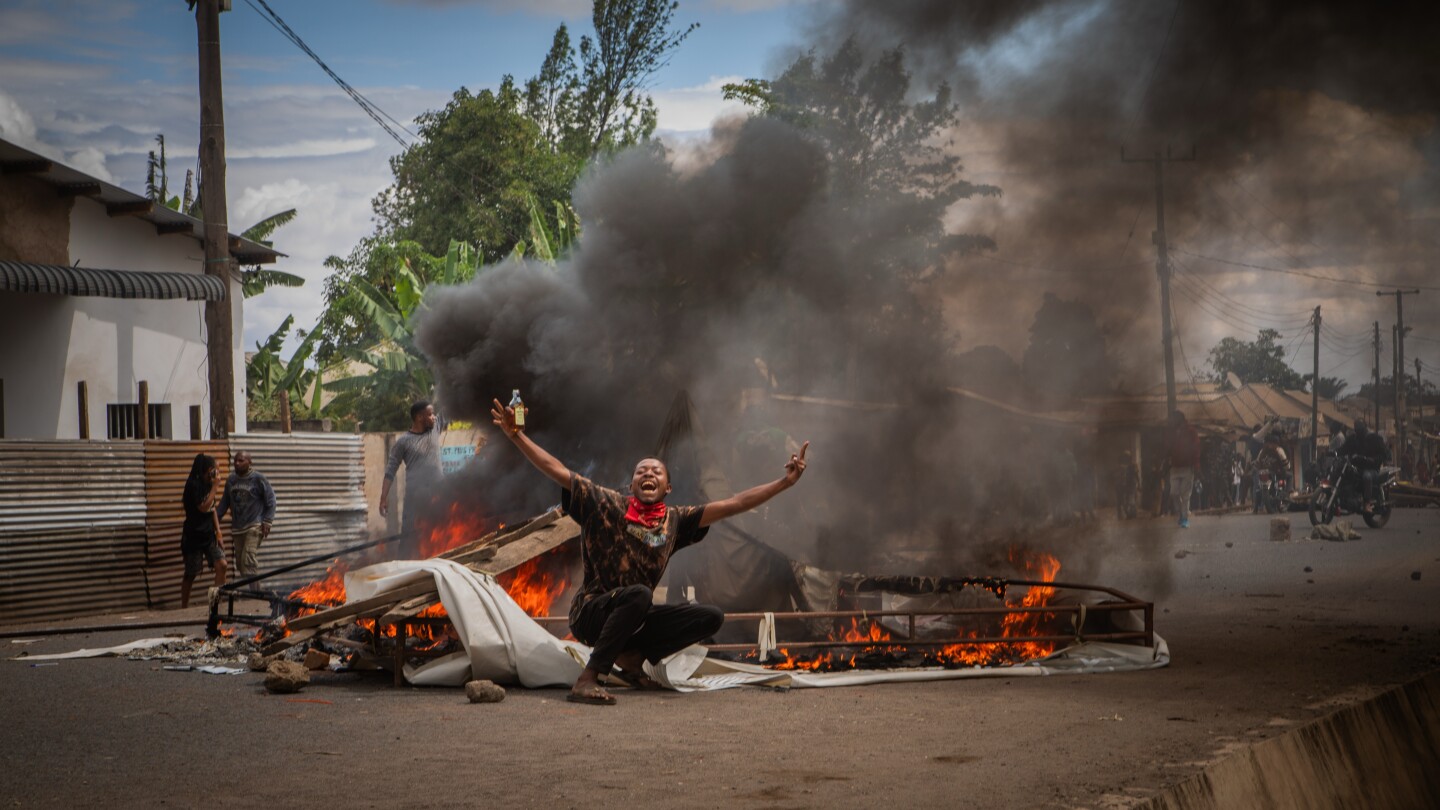
Africa’s latest elections end with crackdowns on opposition and disputed results
Recent elections across Africa have once again highlighted a troubling pattern: sidelined opposition candidates, disputed results, and widespread protests, particularly among the continent’s youthful population. Incumbents in Cameroon, Ivory Coast, and Tanzania have secured reelection, raising concerns about the erosion of democratic norms and the rise of authoritarianism.
In Cameroon, 92-year-old Paul Biya, the world’s oldest leader, has been reelected for an eighth term, extending his 43-year rule. Critics argue that his advanced age has diminished his capacity to govern, while protests against his victory have turned deadly. Similarly, Ivory Coast’s 83-year-old President Alassane Ouattara has secured a fourth term amid low voter turnout and the exclusion of his main challenger, Tidjane Thiam, due to dual nationality issues. Thiam has denounced the election as a sham, sparking further unrest.
In Tanzania, President Samia Suluhu Hassan, the country’s first female leader, initially inspired hope for change but has since been criticized for maintaining repressive policies akin to her predecessor. Her reelection was marred by violence, internet shutdowns, and the exclusion of opposition candidates.
Analysts warn that these disputed elections could further destabilize Africa’s fragile democracies, emboldening military takeovers and deepening public frustration. The continent, home to some of the world’s youngest populations and oldest leaders, faces a paradox of abundant natural resources yet unmet promises of basic amenities. Jeffrey Smith of Vanguard Africa notes that these elections reflect a broader trend of competitive authoritarianism, where incumbents exploit state resources and flawed legal processes to maintain power.
As protests continue and tensions rise, the future of democracy in Africa remains uncertain, with calls for genuine political competition and accountability growing louder.
-
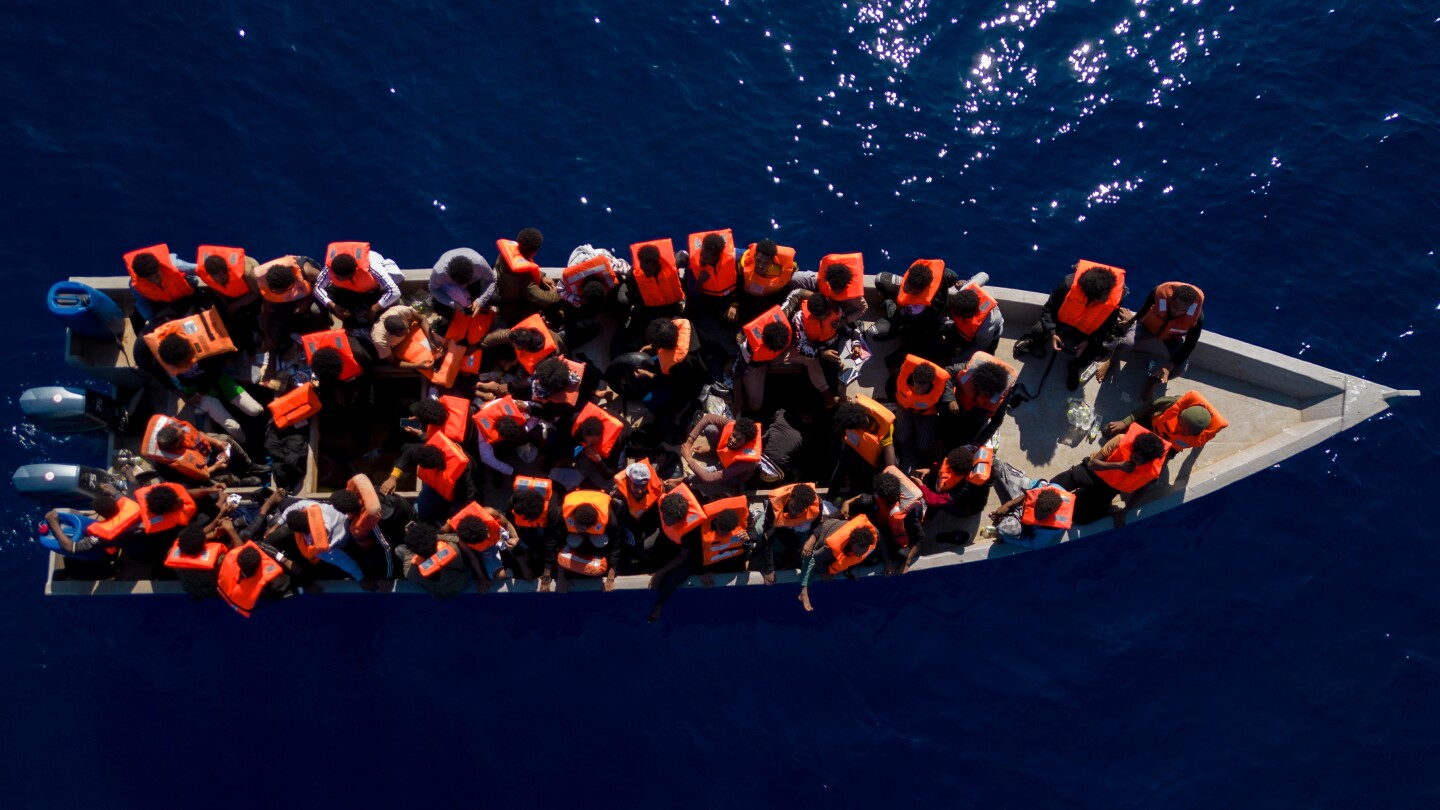
Dutch court tries an Eritrean man accused of brutal migrant smuggling
A high-profile trial commenced in Zwolle, Netherlands, on Monday, involving Tewelde Goitom, an Eritrean man accused of orchestrating a vast migrant smuggling network. Prosecutors allege that Goitom, also known as Amanuel Walid, facilitated the perilous journey of East African migrants to Europe under harrowing conditions, extorting exorbitant sums from their families to secure their release from Libyan detention camps. Goitom, who appeared in court wearing jeans and a blue puffer jacket, maintains his innocence, claiming a case of mistaken identity. He was extradited to the Netherlands in 2022 from Ethiopia, where he had been convicted of similar offenses. The trial, described as one of the largest human smuggling cases in Dutch history, is expected to span three weeks. The proceedings were delayed due to the extradition of another key suspect, Kidane Zekarias Habtemariam, a notorious human trafficker who escaped custody in Ethiopia in 2020. Habtemariam, currently detained in the United Arab Emirates, is set to be extradited to the Netherlands. Prosecutors aim to merge the two cases, while Goitom’s defense hopes Habtemariam’s testimony will exonerate their client. Dutch authorities assert jurisdiction, citing alleged crimes committed within the Netherlands, though defense lawyers argue the lack of a clear connection. The case highlights the plight of Eritrean migrants fleeing a repressive regime, with the Netherlands hosting approximately 28,000 people of Eritrean descent. The trial underscores the broader challenges of global migration and the exploitation faced by vulnerable populations.
-
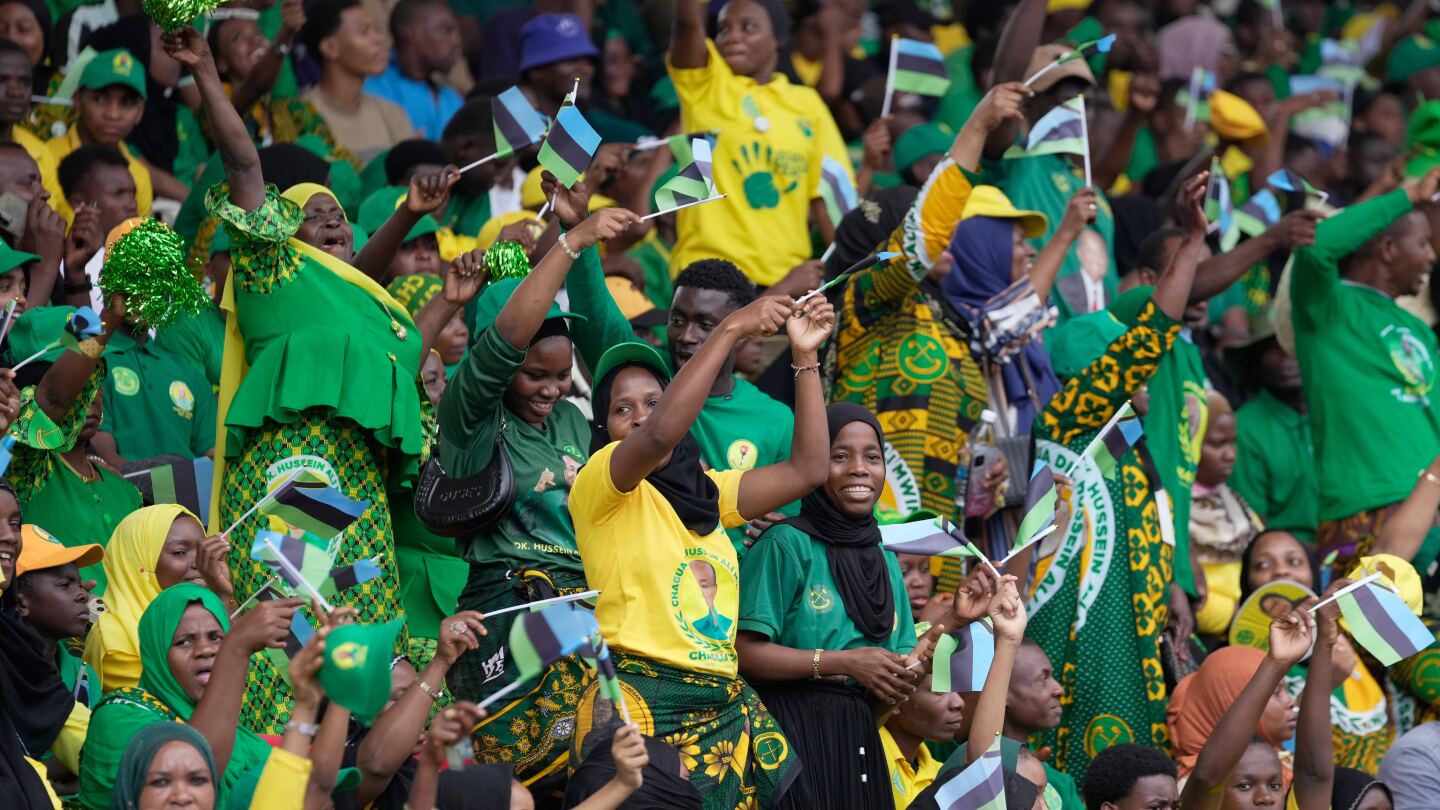
Tanzania’s president blames foreigners for deadly protests after disputed election
Tanzanian President Samia Suluhu Hassan has attributed last week’s deadly protests to foreign interference, following a contentious election that barred two key opposition candidates from challenging her re-election bid. In her inaugural address, Hassan acknowledged the loss of lives but claimed that those arrested were from other countries, without providing specifics. She pledged to unite the nation and urged security forces to restore normalcy. Her swearing-in ceremony, held in Dodoma, was notably subdued compared to her previous inauguration, reflecting the heightened tensions. The Southern African Development Community (SADC) criticized the October 29 election, stating it failed to meet democratic standards due to the exclusion of opposition candidates and delays in accrediting observers. The main opposition party, Chadema, rejected the results, calling them baseless. Meanwhile, internet restrictions persisted, disrupting daily life and economic activities. International leaders, including those from Mozambique, Zambia, Burundi, and Somalia, attended the ceremony, with Zambian President Hakainde Hichilema urging Tanzanians to avoid violence. Kenyan President William Ruto called for dialogue to ensure stability, as the election violence disrupted cross-border trade, leaving agricultural goods to rot at the Kenya-Tanzania border.
-
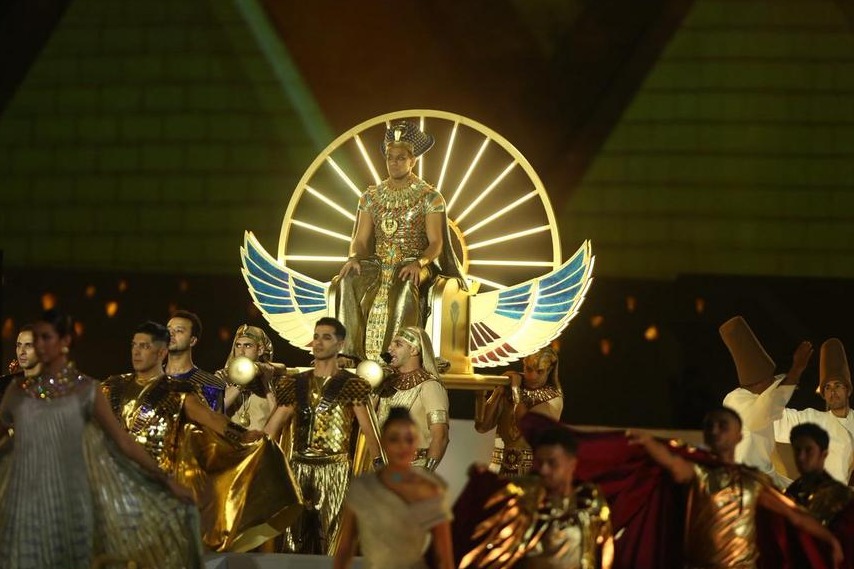
Egypt opens Grand Egyptian Museum, eyes tourism boom, economic lift
Egypt has officially unveiled the Grand Egyptian Museum (GEM), a monumental project poised to revitalize the nation’s tourism sector and stimulate economic growth. Situated on the Giza Plateau, a mere 2 kilometers from the iconic Pyramids and the Sphinx, the GEM spans an impressive 500,000 square meters, making it the largest museum dedicated to a single civilization globally. The inauguration ceremony, held on November 1, 2025, was graced by numerous international delegations, including heads of state and government, marking a significant cultural milestone.
The GEM houses over 100,000 artifacts that chronicle thousands of years of Egyptian history, including a towering 12-meter statue of King Ramses II, dating back 3,200 years. The museum’s design, which overlooks the Pyramids, symbolically bridges the ancient and modern worlds. Mohamed Othman, head of the Cultural Tourism Marketing Committee in Upper Egypt, emphasized the museum’s potential to extend visitor stays and boost cultural tourism, aligning with Egypt’s ambitious goal of attracting 30 million tourists annually.
The economic implications of the GEM are substantial. Tour operators are already crafting week-long itineraries centered around the museum, reflecting its significant impact on the tourism sector. The museum has also spurred job creation in Giza, generating tens of thousands of direct and indirect employment opportunities. Furthermore, it is encouraging visitors to explore other historical sites in Luxor and Aswan, thereby creating a new tourism flow from Cairo to Upper Egypt.
Tourism is a cornerstone of Egypt’s economy, contributing significantly to foreign currency earnings alongside remittances, Suez Canal revenues, and exports. Despite regional instability, the sector has shown resilience, with tourism revenues reaching $15.3 billion in 2024, a 9% increase from the previous year. The government aims to attract approximately 18 million visitors in 2025, with the GEM expected to draw around 15,000 visitors daily, or roughly 5 million annually.
The museum’s centerpiece is the complete collection of King Tutankhamun’s artifacts, including his iconic golden mask, gilded coffins, and royal chariots, displayed together for the first time since their discovery in 1922. Abdel Fattah al-Assi, a former assistant minister of tourism and antiquities, highlighted the GEM’s unique focus on ancient Egyptian civilization, which enhances Egypt’s competitive edge in global tourism. He likened the museum’s economic role to that of the Suez Canal, emphasizing its potential to inject much-needed foreign currency into the economy.
Infrastructure upgrades, such as new highways, hotels, and the Sphinx International Airport, further bolster the GEM’s appeal by simplifying travel and lodging. These developments are expected to encourage tour operators to combine Cairo trips with resort packages to destinations like Hurghada and Sharm el-Sheikh. ‘The GEM will reshape Egypt’s tourism map, especially in Cairo,’ al-Assi remarked. ‘Its impact on the country’s tourism industry and economy will be profound.’
-
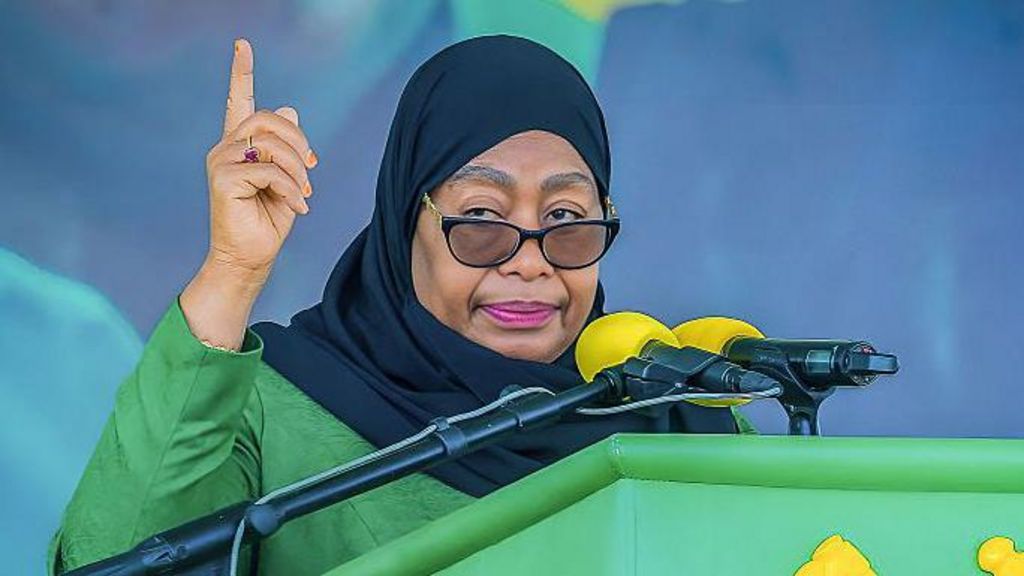
Tanzania president being sworn in after election marred by violence
Tanzanian President Samia Suluhu Hassan has been inaugurated for a second term following a contentious election marked by violent protests and allegations of electoral fraud. The swearing-in ceremony took place at a military parade ground in Dodoma, the capital, and was broadcast live by the state-run Tanzania Broadcasting Corporation (TBC). The event was closed to the public, underscoring the tense atmosphere surrounding the proceedings. Samia was declared the winner with an overwhelming 98% of the vote, a result that has been widely criticized by opposition groups and international observers. Key rival candidates were either imprisoned or disqualified from running, leaving little competition in the race. The election’s aftermath has been marred by significant violence, with reports of hundreds of casualties. Opposition leaders and activists claim that security forces were responsible for the deaths of at least 800 people, while diplomatic sources suggest the toll could be as high as 500. The United Nations has also reported credible evidence of at least 10 deaths in three cities. In her victory speech, Samia defended the election as “free and democratic” and labeled the protesters as “unpatriotic.” The Tanzanian government has sought to minimize the scale of the violence, but the situation remains unclear due to a nationwide internet shutdown that has hindered information flow and verification of the death toll. International observers have expressed concerns about the transparency of the electoral process and the violent crackdown on dissent. The inauguration comes at a critical juncture for Tanzania, as the country grapples with political instability and questions about the legitimacy of its leadership.
-

I built this ‘AI aunt’ for women after family tragedy in South Africa
Inspired by a tragic family incident, South African developer Leonora Tima has created Grit, a groundbreaking digital platform designed to address gender-based violence (GBV) in her country. The app, which features an AI chatbot named Zuzi, aims to provide support, gather evidence, and offer immediate assistance to abuse survivors. Leonora’s motivation stemmed from the brutal murder of her 19-year-old pregnant relative in 2020, a crime that went unnoticed in the media due to the alarming frequency of such cases in South Africa. Determined to challenge the normalization of violence against women, Leonora developed Grit with input from local communities and financial backing from organizations like Mozilla, the Gates Foundation, and the Patrick McGovern Foundation. The app includes three key features: a help button that records audio and alerts a rapid-response call center, a secure digital vault for storing evidence, and Zuzi, an AI chatbot offering guidance and support. Grit has already garnered 13,000 users and received 10,000 help requests in September alone. While the app has drawn international acclaim, experts caution that AI tools should complement, not replace, human empathy and professional counseling. Leonora emphasizes the importance of diverse representation in AI development to ensure technology reflects the realities of its users.
-

OPEC+ set to agree another modest oil output increase, sources say
In a life-changing moment, an Indian expatriate in the United Arab Emirates has clinched the Dh25-million grand prize in the latest Big Ticket draw. The winner, whose identity remains undisclosed, is now among the select few to have hit the jackpot in this highly anticipated lottery event. The Big Ticket draw, known for its massive cash prizes, continues to attract participants from across the globe, offering a chance to transform lives overnight. Meanwhile, Dubai has unveiled plans for an Education Expo, set to feature over 60 private schools and early learning centers. The expo aims to showcase the latest advancements in education and provide parents with comprehensive insights into the best learning environments for their children. This dual announcement highlights the UAE’s commitment to fostering both individual prosperity and educational excellence.
-
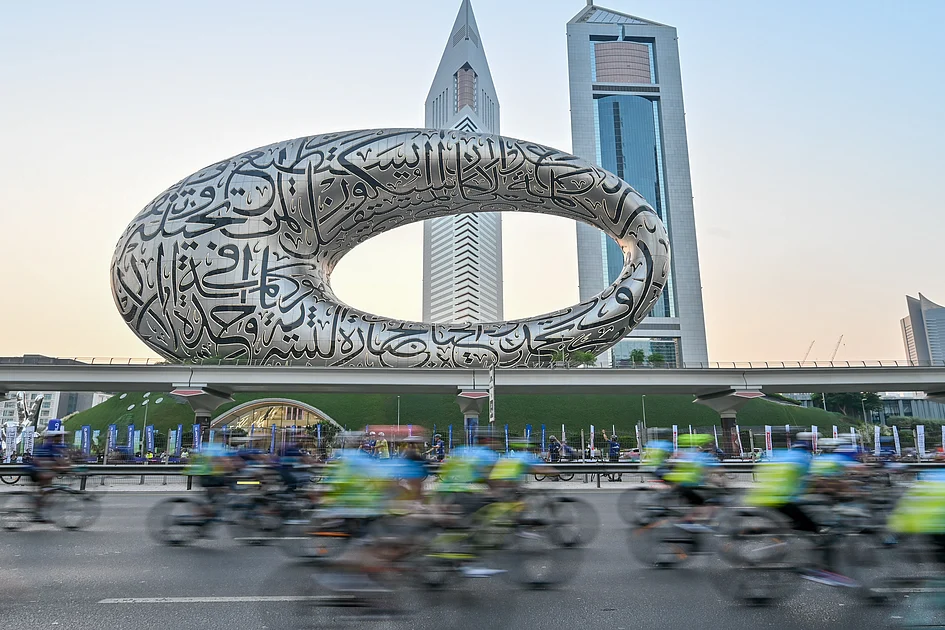
Dubai Ride 2025: Thousands take part as Sheikh Zayed Road turns into giant cycling track
On November 2, 2025, Dubai witnessed an extraordinary transformation as Sheikh Zayed Road became a sprawling cycling track for the sixth edition of Dubai Ride. This event, part of the Dubai Fitness Challenge, attracted a staggering 40,327 participants, ranging from amateur enthusiasts to professional cyclists, all eager to experience the city’s iconic landmarks on two wheels. Families, friends, and colleagues gathered to create lasting memories, with children particularly enjoying the morning of exercise and fun. The event kicked off at sunrise, led by Dubai Police supercars and Talabat delivery riders, setting the tone for an exhilarating day. Participants like 1-year-old Diana, who rode with her father Dmitrii, and 7-year-old Vihaan, accompanied by his father Sreeraj, highlighted the event’s inclusive and family-friendly nature. The Dubai Ride also featured speed laps for experienced cyclists, offering them the chance to whiz past the city’s skyline. With multiple routes catering to different skill levels, including the 12km Sheikh Zayed Road Route and the 4km Downtown Family Route, the event ensured accessibility for all. Yaqoub Al Zarouni, manager of Dubai Fitness Challenge, emphasized the event’s success in promoting wellness and fitness as a lifestyle. The day concluded with road closures in place until 10am, leaving participants eagerly anticipating next year’s edition.