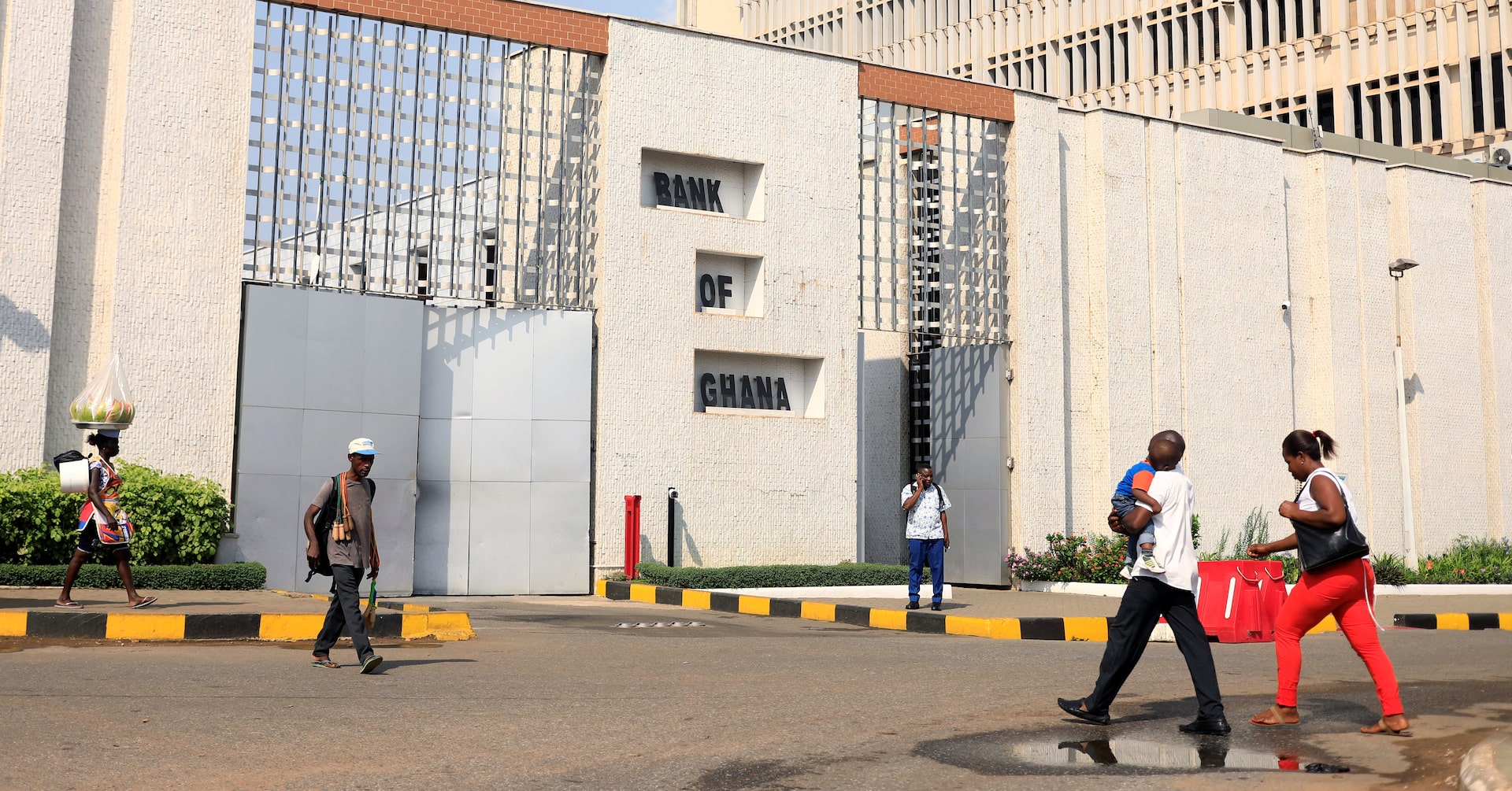
In a bold move signaling confidence in Ghana’s economic recovery, the Bank of Ghana announced a record-breaking interest rate cut of 350 basis points on Wednesday, reducing its main rate to 21.5%. This decision marks the second consecutive aggressive rate reduction, following a 300 basis point cut in July, bringing the cumulative reduction to 650 basis points over two meetings. The central bank’s decision reflects a sustained decline in inflation and an improving macroeconomic outlook in the West African nation, renowned for its gold and cocoa production. Economists had anticipated a more modest cut of 200 basis points, but the Monetary Policy Committee (MPC) opted for a more substantial reduction, citing favorable economic conditions. Leslie Dwight Mensah, an economist at the Institute for Fiscal Studies, praised the move, stating, ‘The MPC has been emboldened by the expectation that inflation will soon reach the target range of 8-10%. This is a positive development for the economy, particularly the real economy sector.’ Bank of Ghana Governor Johnson Asiama highlighted the nation’s robust economic growth, with GDP expanding by 6.3% year-on-year in the second quarter of 2025, up from a revised 5.7% in the same period last year. The services sector showed particularly strong improvement. Inflation has also been on a steady decline, dropping for the eighth consecutive month to 11.5% in August, the lowest since October 2021. Asiama expressed optimism that inflation would continue to ease, projecting it to fall within the bank’s target range of 8% (±2%) by the end of the fourth quarter. This rate cut is expected to stimulate economic activity, particularly in sectors sensitive to borrowing costs, further solidifying Ghana’s recovery trajectory.
标签: Africa
非洲
-

UNHCR in Libya says 13 people survived after vessel carrying 74 people capsized off Tobruk
In a devastating maritime incident off the coast of Tobruk, eastern Libya, a vessel carrying 74 individuals, predominantly Sudanese refugees, capsized on Wednesday. The United Nations High Commissioner for Refugees (UNHCR) in Libya confirmed that only 13 people survived the tragedy. Dozens remain unaccounted for, with rescue operations likely ongoing. The incident underscores the perilous journeys undertaken by refugees seeking safety and better opportunities, often risking their lives in overcrowded and unsafe vessels. The UNHCR shared the grim update via a post on X (formerly Twitter), highlighting the ongoing humanitarian crisis in the region. The Libyan coast has become a notorious route for such dangerous crossings, with similar incidents frequently reported. This tragedy adds to the growing list of maritime disasters in the Mediterranean, where refugees and migrants face life-threatening conditions. The international community continues to grapple with the complexities of migration and the urgent need for safer pathways for those fleeing conflict and hardship.
-
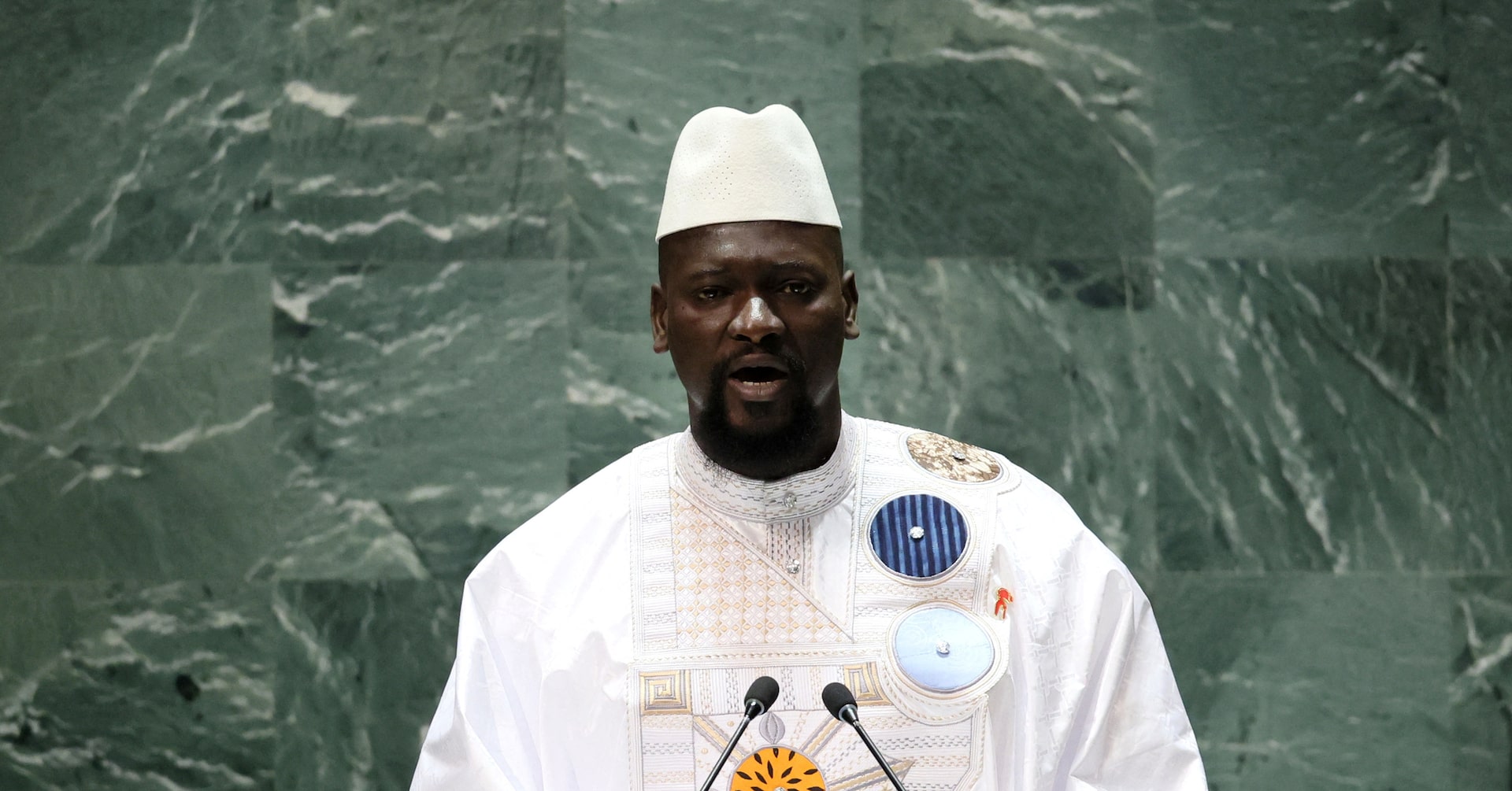
Guinea to vote on constitution that would let coup leader run for office
Guinea is poised to hold a pivotal referendum on Sunday, September 17, 2023, which could reshape its political future. The proposed new constitution, if approved, would allow junta leader Mamady Doumbouya to run for president—a move that contradicts his earlier pledge to abstain from seeking office after seizing power in 2021. This referendum marks another chapter in the turbulent political transitions across West and Central Africa, a region that has witnessed eight coups between 2020 and 2023. The transition charter adopted post-coup initially barred junta members from participating in elections, but the new constitution omits this restriction, raising concerns about a potential power consolidation. Opposition leader Cellou Dalein Diallo, currently in exile, has labeled the referendum a ‘masquerade’ and urged citizens to boycott it. His party, the Union of Democratic Forces, along with ousted President Alpha Conde’s Rally of the Guinean People, remains suspended for failing to meet administrative and financial disclosure requirements imposed by the junta. Human Rights Watch has accused Doumbouya’s government of targeting political opponents and suppressing media outlets, allegations the government denies. The new constitution proposes extending the presidential term from five to seven years, renewable once, and establishing a Senate, with one-third of senators directly appointed by the president. Over 6.7 million voters are registered, and the constitution will be adopted if more than 50% approve. While some, like civil servant Ibrahima Camara, support the referendum as a step toward normalization, others, such as Abdoulaye Diallo, view it as non-transparent and fear it will exacerbate tensions. The referendum’s outcome could significantly impact Guinea’s path to civilian rule, with the presidential election expected in December 2024.
-
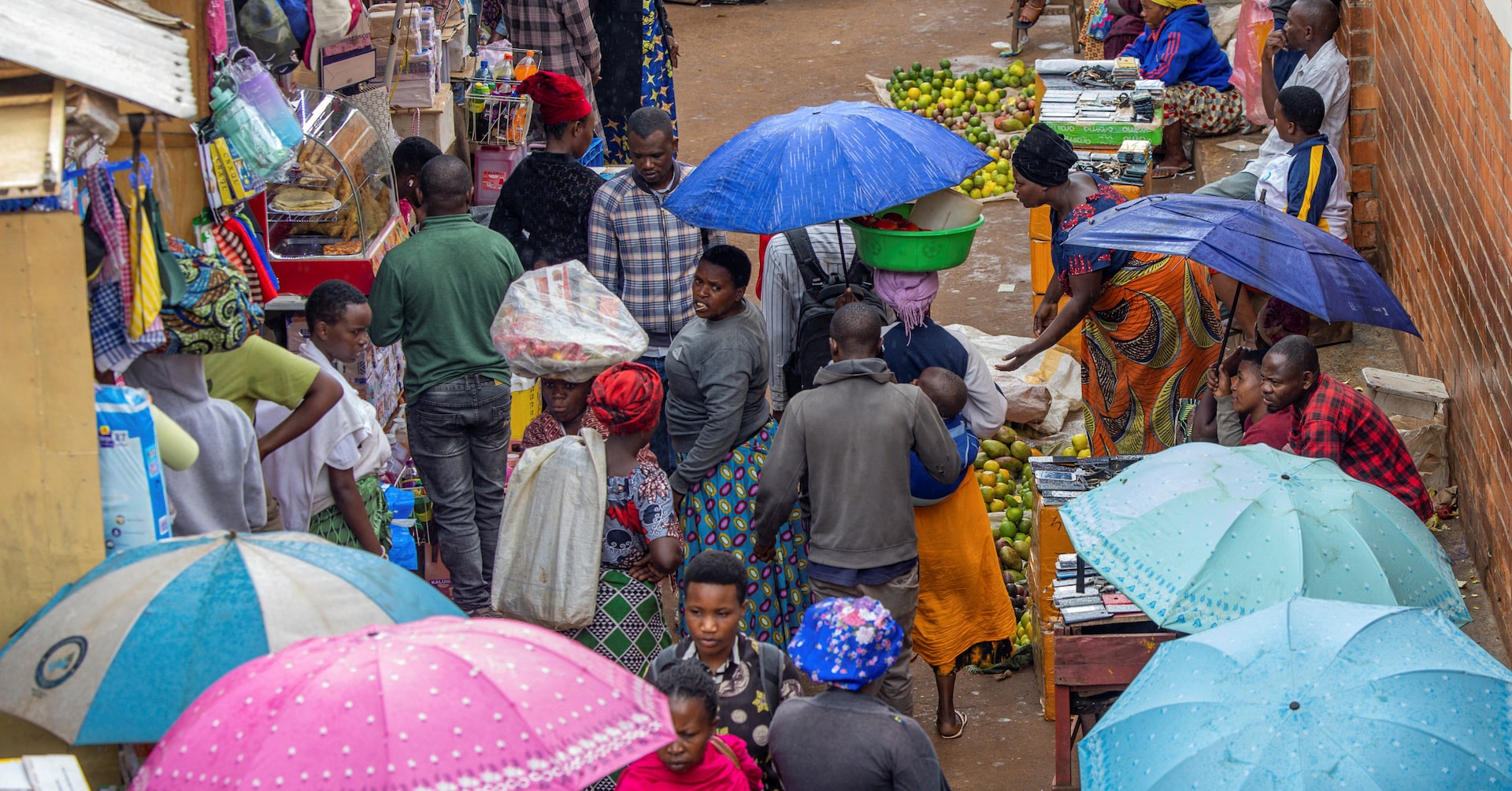
Rwanda’s economic growth slows in Q2 2025
KIGALI, Sept 17 (Reuters) – Rwanda’s economic expansion decelerated in the second quarter of 2024, primarily due to subdued performances in the industrial and services sectors, according to the national statistics office. The economy grew by 7.8% year-on-year during this period, a notable decline from the 10.2% growth recorded in the same quarter of the previous year. The statistics office highlighted that industrial output increased by 7%, a significant drop from the 13% growth seen in the second quarter of 2023. Similarly, the services sector expanded by 9%, down from 12% in the same period last year. In contrast, the agricultural sector showed resilience, growing by 8% compared to 4% in the previous year. Rwanda’s economy, heavily reliant on agriculture, tourism, and manufacturing, faces challenges as global economic uncertainties and domestic factors weigh on key sectors. Analysts suggest that targeted policy interventions may be necessary to sustain growth momentum in the coming quarters.
-
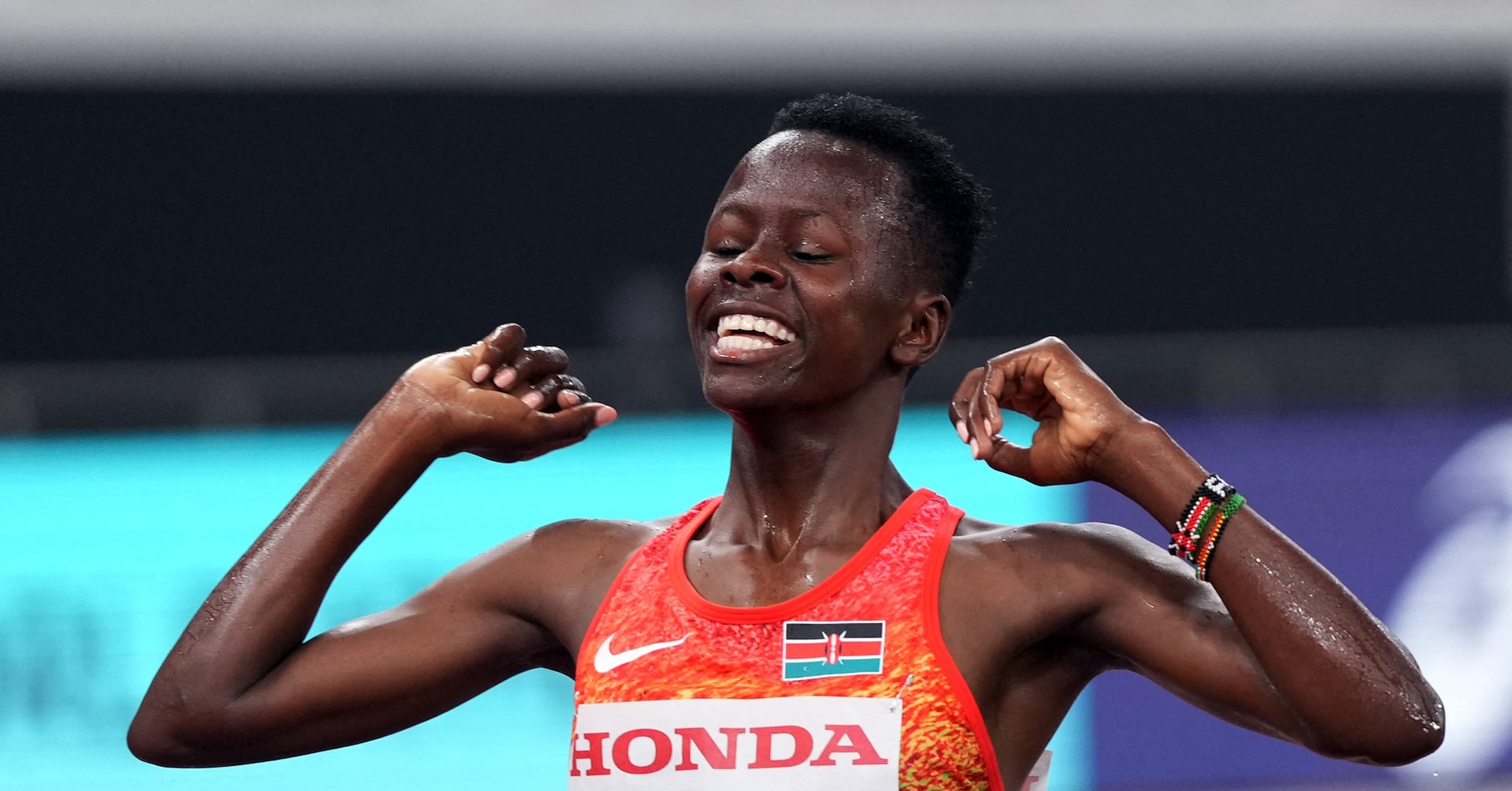
Cherotich overhauls Yavi to take women’s 3,000m steeplechase gold
In a dramatic and high-stakes finale at the World Athletics Championships in Tokyo, Kenya’s Faith Cherotich emerged victorious in the women’s 3000m steeplechase, securing her first world title. The 21-year-old athlete showcased her resilience and tactical brilliance, overtaking defending champion Winfred Yavi of Bahrain in a nail-biting final lap. Cherotich’s triumph was marked by a record-breaking time of 8 minutes 51.59 seconds, the fastest ever recorded at a world championship, despite the challenging humidity at Tokyo’s National Stadium.
Cherotich, who previously earned bronze medals at the 2023 World Championships and the 2024 Paris Olympics, demonstrated her growth as an elite athlete. Reflecting on her victory, she credited her coach’s guidance and her unwavering self-belief. ‘I believed in my kick. In the last 400 meters, I said, ‘This is my moment,” she shared. Her strategy of staying close to the leaders and unleashing her final sprint proved decisive.
Yavi, the Olympic champion, settled for silver with a time of 8:56.46, while Ethiopia’s Sembo Almayew claimed bronze in a personal best of 8:58.86. Yavi acknowledged her tactical misstep, admitting she pushed too early in the race. Meanwhile, Almayew expressed her pride in overcoming the grueling conditions to secure her first senior global medal.
The race was not without its setbacks, as Uganda’s Peruth Chemutai, a former Olympic gold medalist, suffered a fall and failed to finish. The intense pace set by the frontrunners hinted at the possibility of challenging Beatrice Chepkoech’s world record of 8:44.32, though the oppressive weather ultimately prevented such a feat.
Cherotich’s victory cements her status as one of steeplechase’s rising stars, while the competition highlighted the depth of talent in the event. With her eyes set on future championships, Cherotich’s journey from bronze to gold serves as an inspiring testament to perseverance and determination.
-

Spain arrests 19 on suspicion of torture and murder after 50 disappear from migrant boat
In a shocking development, Spanish National Police have apprehended 19 individuals linked to a harrowing migrant boat incident that resulted in multiple deaths and acts of torture. The vessel, which departed from Senegal en route to the Canary Islands, was carrying over 300 passengers, including individuals from Senegal, Guinea, Mali, Gambia, Sierra Leone, and Guinea-Bissau. However, only 248 survivors were rescued on August 24, with dozens reported missing. Authorities suspect that some victims were accused of witchcraft following a series of misfortunes during the journey, such as engine failure, severe weather, and food shortages. Survivors recounted horrific tales of fellow passengers attacking and abusing others, with some being thrown overboard alive. One male passenger succumbed to severe illness after being hospitalized. The suspects, now in pretrial detention, face charges including homicide, assault, torture, and facilitating irregular immigration. This incident underscores the perilous nature of irregular migration routes into Europe, with Spain being a primary entry point. While nearly 47,000 migrants reached the Canary Islands in 2024, marking a record high, this year has seen a significant decline in numbers, according to the Spanish Interior Ministry.
-
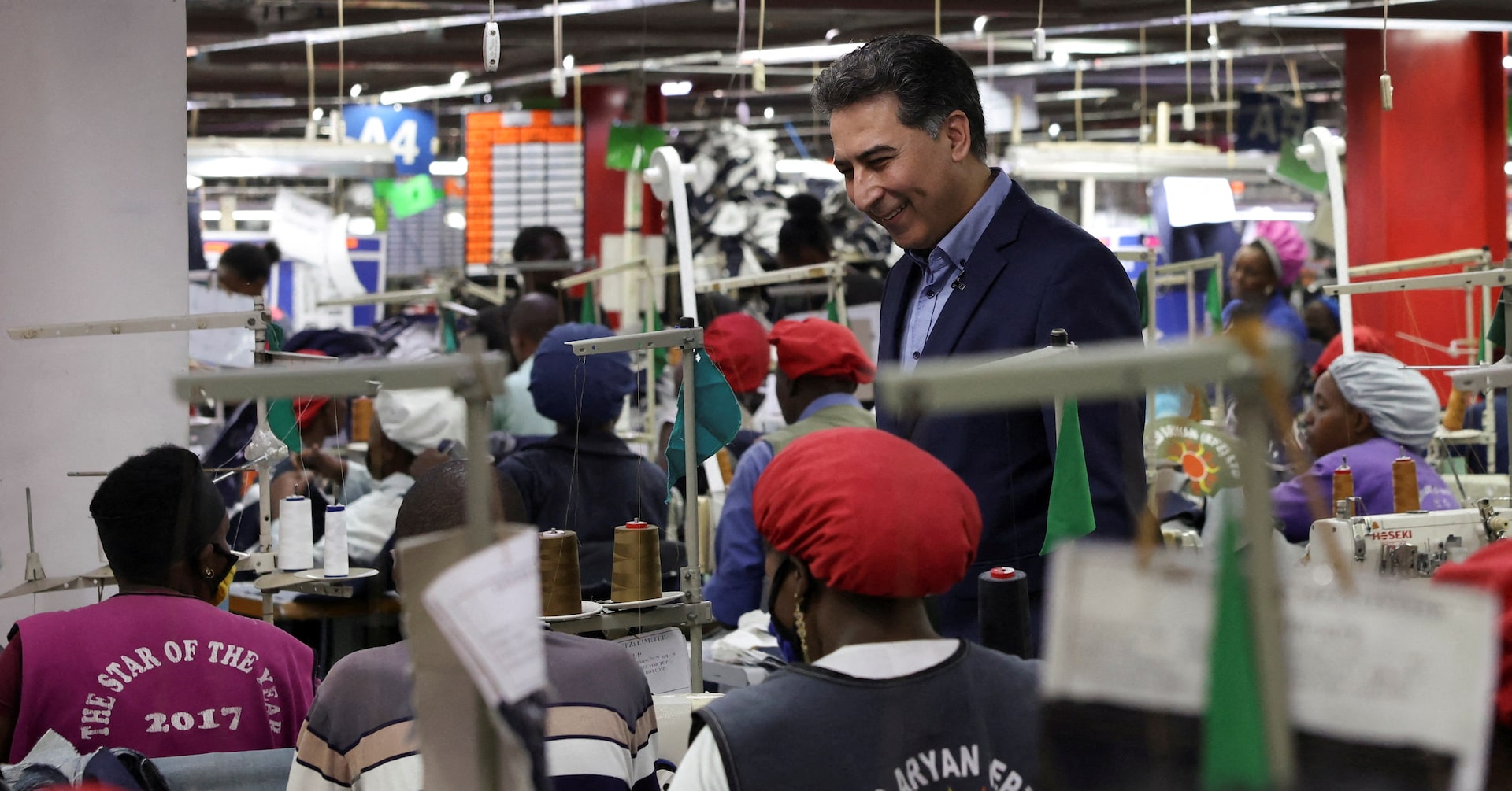
African manufacturers in last-ditch bid to extend US trade programme
African manufacturers are intensifying efforts to secure a temporary extension of the African Growth and Opportunity Act (AGOA), a pivotal trade initiative set to expire at the end of September. Pankaj Bedi, chairman of United Aryan, a Kenyan apparel company supplying major U.S. retailers like Target and Walmart, revealed that delegations from Kenya and four other AGOA beneficiary nations recently visited Washington to lobby for a one- to two-year extension. The program, established in 2000 under President Bill Clinton, grants duty-free access to the U.S. market for thousands of African products, fostering economic development and job creation across sectors such as textiles, automotive, and mining. However, the aggressive tariff policies of former President Donald Trump have cast uncertainty over its renewal. Despite bipartisan support, last year’s attempt to extend AGOA for 16 years failed to reach a Congressional vote. Bedi emphasized that without an extension, manufacturers face steep tariff hikes, potentially leading to mass layoffs and a shift in U.S. reliance back to Asian manufacturers, particularly China. The White House has yet to publicly endorse an extension, leaving the future of AGOA in limbo.
-
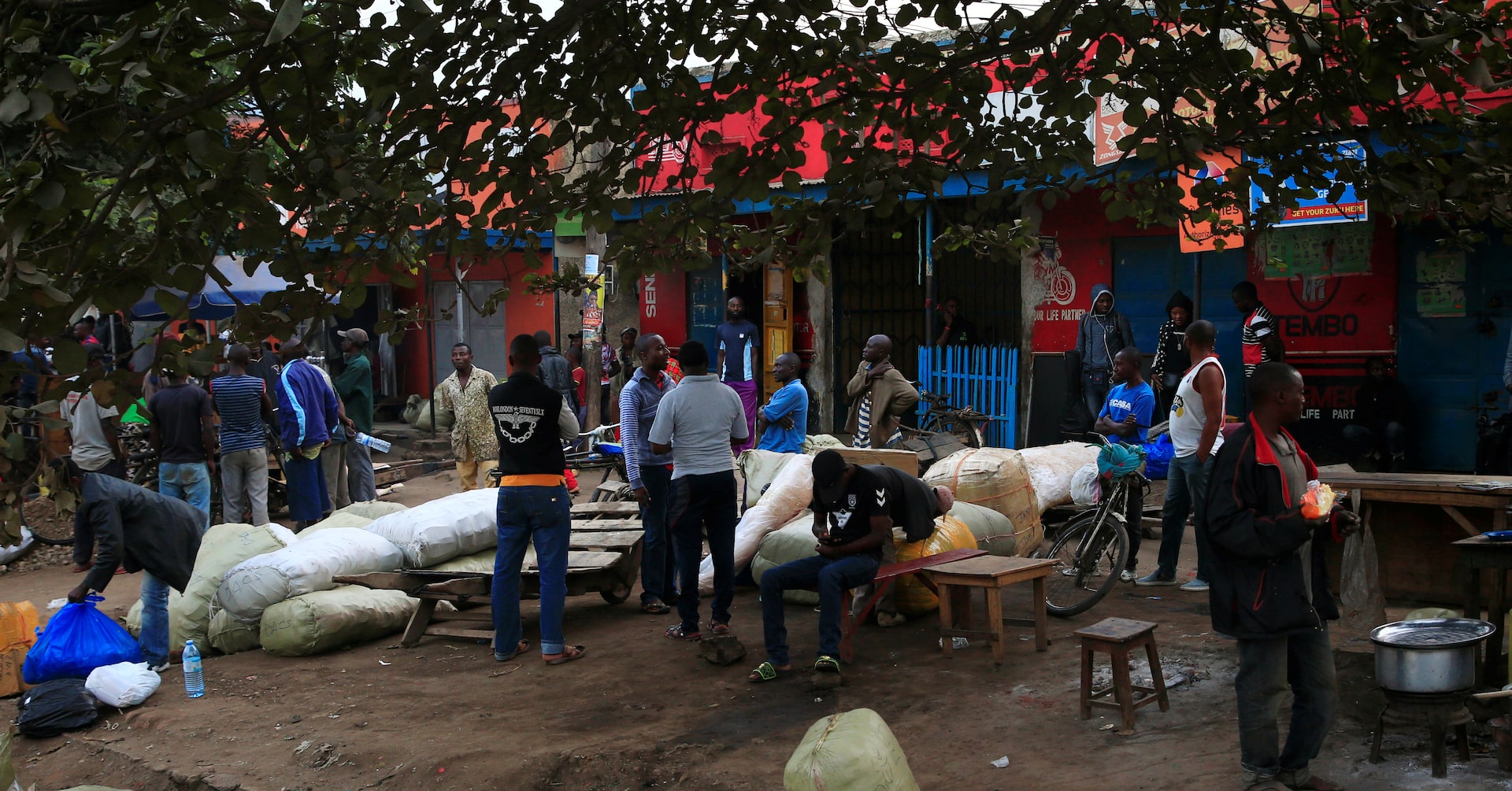
Uganda to cut public spending, domestic borrowing in 2026/27 FY
Uganda has unveiled plans to reduce its overall spending by 4.1% in the 2026/27 financial year, according to a Ministry of Finance document released on Wednesday. The East African nation projects its public expenditure for the 12 months starting July 2026 at 69.4 trillion Ugandan shillings ($19.9 billion), a decrease from 72.4 trillion shillings in the previous fiscal year. The government also aims to cut domestic debt issuance by 21.1%, lowering it to 9 trillion shillings, to manage interest payments and maintain sustainable debt levels. Key priorities for the upcoming fiscal year include completing the East African Crude Oil Pipeline (EACOP) to initiate crude oil production, advancing mineral quantification for iron ore, gold, and copper deposits, and continuing the development of a refinery and the standard gauge railway project. These measures reflect Uganda’s strategic focus on infrastructure development while ensuring fiscal discipline.
-
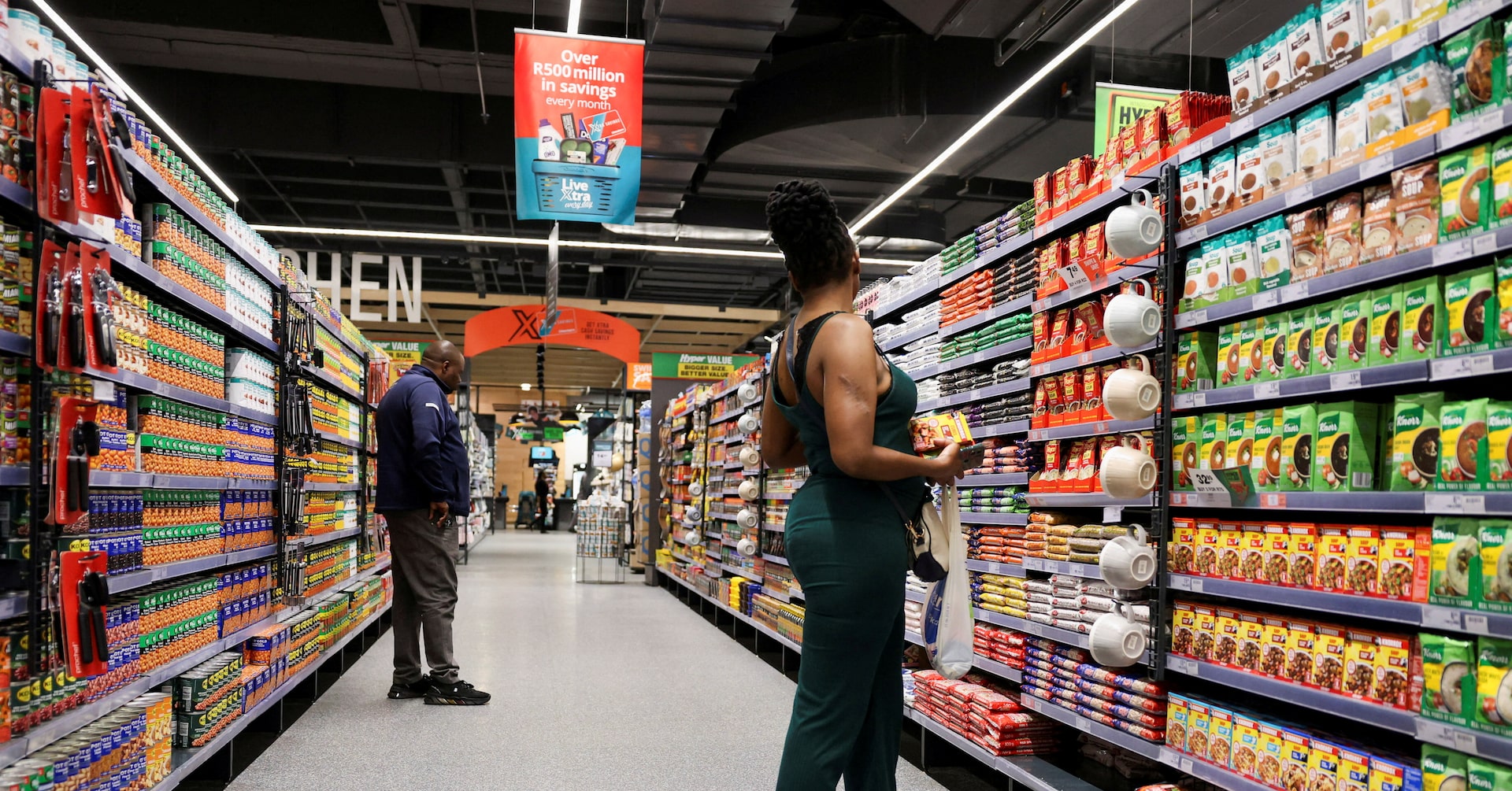
South African inflation surprise makes Thursday’s rate decision a close call
In a surprising turn of events, South Africa’s inflation rate for August 2024 fell to 3.3%, undershooting the 3.6% forecast by economists. This decline, attributed to softer fuel and food prices, has sparked speculation that the South African Reserve Bank (SARB) might implement another interest rate cut during its upcoming policy meeting on Thursday. The SARB has already reduced rates three times this year, with the latest cut in July, when it set a new inflation target of 3%. Prior to the release of the inflation data, the consensus was that the central bank would maintain the repo rate at 7%. However, the unexpected drop in inflation, coupled with falling bond yields and a stronger rand, has led some analysts to predict a 25 basis point cut. Razia Khan, chief economist for Africa and the Middle East at Standard Chartered, described the inflation release as a ‘game changer,’ suggesting that the September meeting could be pivotal. While some analysts remain cautious, citing potential price shocks from recent tariffs imposed by the U.S. on South African exports, others argue that a flagging economy provides additional justification for easing monetary policy. The SARB has acknowledged that the impact of these tariffs on growth and inflation could be modest, but this has yet to be reflected in official data. The central bank’s decision will be closely watched as it seeks to balance inflation control with economic stimulation.
-
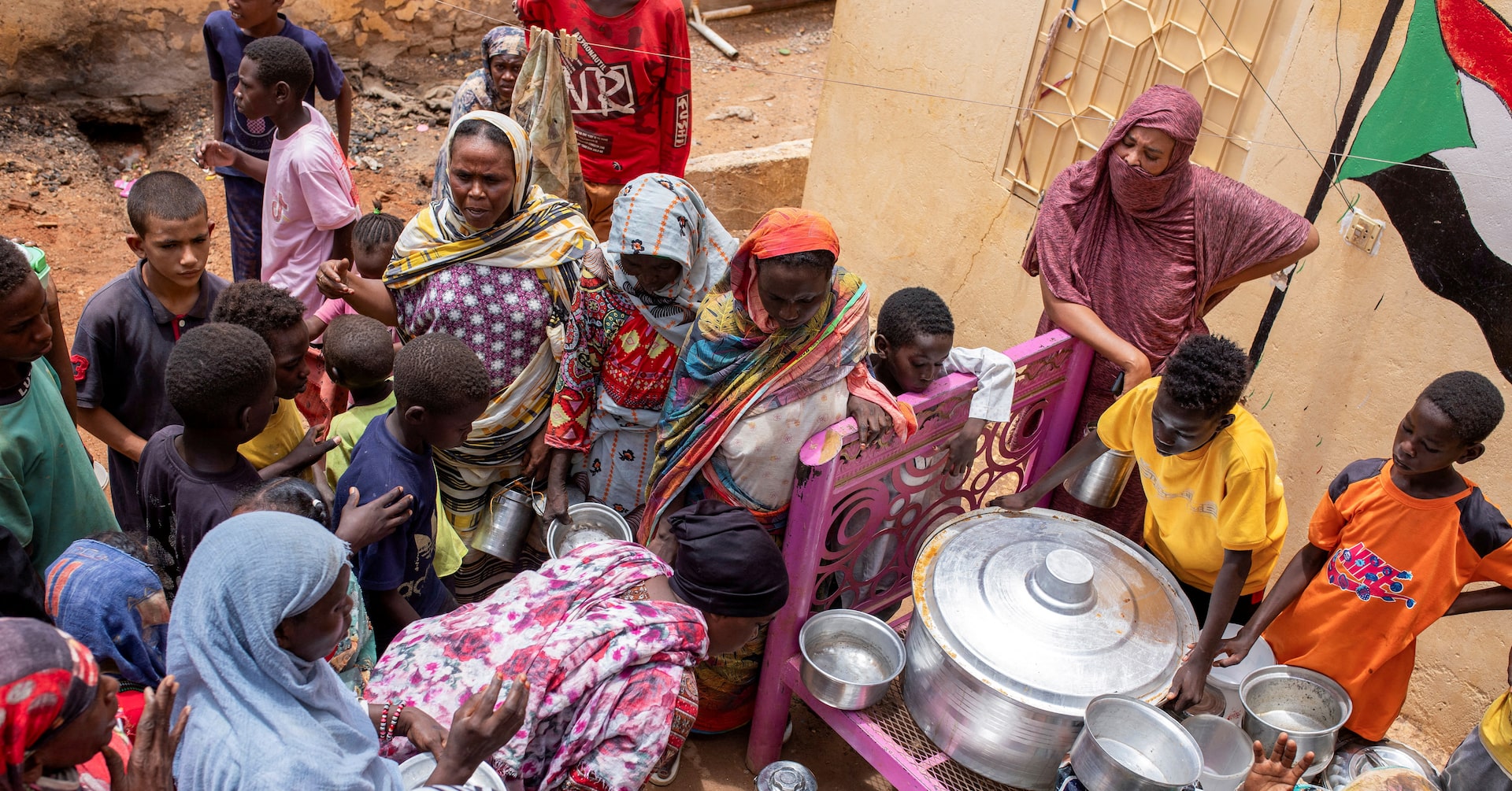
Sudanese network of volunteer aid groups wins Norwegian human rights award
In the midst of Sudan’s escalating humanitarian crisis, a network of community-driven initiatives known as the Emergency Response Rooms has been recognized for its extraordinary efforts to alleviate suffering. On September 17, 2024, the Norwegian Rafto Foundation awarded its annual prize to this grassroots organization, praising its commitment to preserving the fundamental right to life. The Emergency Response Rooms, which emerged during the civil war that erupted in 2023, have been instrumental in providing essential services such as food, water, and medical supplies to those displaced by the conflict. Comprising thousands of volunteers, the network operates in areas beyond the reach of international aid, often at great personal risk. The Rafto Foundation highlighted their innovative, community-driven approach as a beacon of hope in a country grappling with widespread famine and displacement. The Sudanese army’s ongoing conflict with the paramilitary Rapid Support Forces has exacerbated the crisis, leading the United Nations to label it the world’s worst humanitarian disaster. Despite these challenges, the Emergency Response Rooms continue to sustain basic services and uphold human dignity, offering a glimmer of hope for Sudan’s future. The Rafto Prize, which includes a diploma and $20,000 in prize money, has previously been awarded to notable figures who later received the Nobel Peace Prize, raising speculation about the network’s potential for further recognition.