标签: Africa

非洲

  • My grandfather encouraged me to play for Algeria, says Luca Zidane

    My grandfather encouraged me to play for Algeria, says Luca Zidane

    In a heartfelt revelation that bridges family legacy and international football, Luca Zidane has detailed the profound familial encouragement behind his decision to represent Algeria on the global stage. The son of French football icon Zinedine Zidane, Luca made the significant switch from French junior teams to Algeria’s senior squad at age 27, a choice he attributes to deep-rooted cultural ties and his grandfather’s unwavering support.

    Zinedine Zidane, celebrated for leading France to 1998 World Cup and Euro 2000 glory, fully endorsed his son’s autonomous decision. Luca recounted his father’s advice: ‘Be careful, this is your choice. I can give you advice, but the final decision is yours.’ This paternal guidance came after outreach from Algeria’s coach and federation president, which solidified Luca’s commitment to honor his Algerian heritage.

    The goalkeeper, who plays for Spain’s Granada CF after beginning his career at Real Madrid, has become Algeria’s first-choice keeper. His father witnessed his competitive debut for the Desert Foxes in their 3-0 Africa Cup of Nations victory over Sudan, where Luca made a crucial save to preserve a narrow lead.

    Luca emphasized that his grandfather’s pride remains a driving force, stating that each international call-up prompts celebratory calls from his elder relative. In a poignant tribute, Luca has opted to wear ‘Zidane’ on his national team jersey—a departure from his club custom of using ‘Luca’—specifically to honor his grandfather’s legacy and their shared Algerian identity.


  • Abu Dhabi: Five suffocate after using firewood, charcoal heating in homes

    Abu Dhabi: Five suffocate after using firewood, charcoal heating in homes

    Abu Dhabi police authorities have issued a critical public safety alert following multiple incidents of carbon monoxide poisoning from traditional heating methods. Five individuals required emergency medical attention after using firewood and charcoal heaters in poorly ventilated residential spaces during recent colder weather.

    Major General Mohammed Suhail Al Rashdi, Director of the Criminal Security Sector at Abu Dhabi Police, confirmed that rapid emergency response prevented fatalities in these cases. The incidents highlight a persistent public health challenge as some residents continue using traditional heating methods despite widespread availability of modern alternatives.

    Brigadier Saeed Humaid bin Dalmouj Al Dhaheri, Director of Al Ain Police Directorate, elaborated on the dangers: ‘The practice of lighting fires using firewood or charcoal inside enclosed spaces presents severe risks, particularly when safety measures are neglected.’ He specifically warned against overnight use of such heaters and sleeping in proximity to them due to dual threats of suffocation and fire hazards.

    Police recommendations include operating traditional heaters exclusively outdoors or ensuring they are equipped with specialized exhaust systems to direct smoke outside. Authorities emphasized the necessity of maintaining adequate ventilation in all living spaces and completely extinguishing heating devices outside residential areas after use.

    The warning comes during a period of increased heating needs in the region, with officials urging residents to prioritize modern, safe heating solutions over traditional methods that pose significant health and safety risks.

  • Abu Dhabi to allow pets in some restaurants, hotels under new law

    Abu Dhabi to allow pets in some restaurants, hotels under new law

    In a significant policy shift, Abu Dhabi has officially amended its municipal regulations to permit companion animals in designated hospitality venues across the emirate. The Department of Municipalities and Transport (DMT) announced the regulatory changes on December 25, 2025, marking a departure from previous restrictions that exclusively allowed certified service animals in food establishments.

    The amendments to Chairman’s Decision No. (4) of 2018, established under Law No. (2) of 2012, specifically enable hotels and restaurants holding tourism licenses to welcome pets alongside their owners. The revised legislation defines companion animals as domesticated pets that typically accompany owners outside residential settings, primarily encompassing cats and dogs.

    Under the new framework, participating establishments must implement specific zoning arrangements to accommodate animal companions. The regulations mandate designated pet-friendly areas, preferably in open-air environments such as outdoor terraces or balcony sections. For indoor accommodations, venues are required to create appropriately enclosed zones that comply with established health and safety protocols while ensuring animal welfare standards.

    The regulatory update emphasizes the importance of maintaining equilibrium between pet owners’ privileges and general public comfort. Establishments choosing to implement pet-friendly policies must ensure that their animal accommodation provisions do not compromise overall hygiene standards or disrupt the dining experience of other patrons. This balanced approach aims to foster a harmonious environment for all guests while progressively expanding pet accessibility in the emirate’s hospitality sector.

    The policy revision reflects Abu Dhabi’s ongoing efforts to modernize urban regulations in line with evolving societal trends and international best practices regarding animal companionship in public spaces.

  • Dubai cuts travel times by up to 20% with smart road message signs

    Dubai cuts travel times by up to 20% with smart road message signs

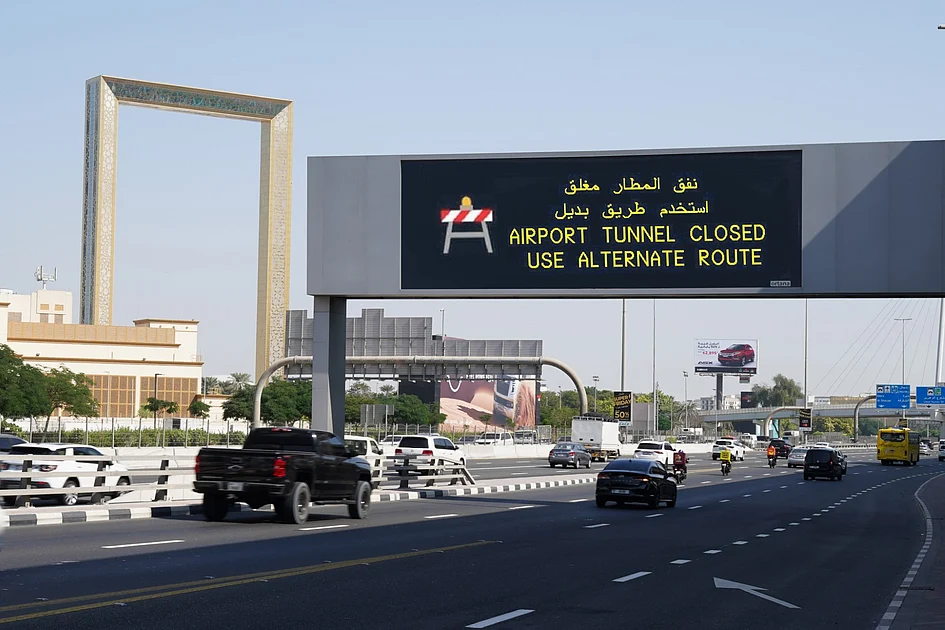
    Dubai’s transportation network has achieved remarkable efficiency gains through its advanced intelligent traffic management system, with real-time electronic signage reducing journey durations by up to 20% on major corridors. The Roads and Transport Authority (RTA) revealed that its network of 112 Dynamic Message Signs (DMS), integrated with artificial intelligence and big data analytics, has fundamentally transformed urban mobility across the emirate.

    During the first half of 2025, these intelligent displays generated 17,819 customized messages addressing various roadway conditions. Accident notifications constituted the majority of alerts, followed by real-time warnings about traffic congestion, vehicle breakdowns, road closures, adverse weather patterns, and ongoing construction activities.

    Salah Al Marzouqi, Director of Intelligent Traffic Systems at RTA’s Traffic and Roads Agency, explained the sophisticated operational methodology: “Our system implements sequential safety notifications beginning approximately two kilometers prior to incident locations. This multi-stage approach includes initial hazard warnings, subsequent congestion alerts, and finally strategic guidance messages to facilitate vehicle rerouting, significantly mitigating the risk of secondary accidents.”

    The infrastructure incorporates 22 specialized signs that provide live travel time estimates to key destinations including Dubai International Airport and Dubai Marina, empowering drivers to make informed routing decisions. The system processes real-time data from an extensive network of field sensors, traffic volume and speed detectors, travel time monitoring technologies, and meteorological stations.

    This comprehensive data ecosystem feeds into the central iTraffic platform, which utilizes advanced algorithms to generate immediate response protocols. These protocols can be manually authorized by traffic operators or automatically activated during emergency situations such as dense fog or heavy rainfall.

    The continuous enhancement of Dubai’s dynamic messaging infrastructure aligns with the emirate’s broader smart city initiative, which prioritizes the creation of safer, more efficient, and seamlessly integrated transportation experiences for both residents and international visitors.

  • Why the AI rally (and the bubble talk) could continue next year

    Why the AI rally (and the bubble talk) could continue next year

    The artificial intelligence sector continues to drive unprecedented market transformations while simultaneously fueling debates about potential economic overheating. According to financial analysts, 2025 marked a pivotal year where AI technologies fundamentally reshaped global markets and contributed significantly to economic expansion, potentially accounting for nearly half of U.S. GDP growth during the first half of the year.

    Market indicators reveal extraordinary performance within the technology sector. Nvidia achieved historic milestone by reaching a $5 trillion market valuation in late October, while the Morningstar Global Next Generation Artificial Intelligence index surged approximately 40% through mid-December, dramatically outperforming the tech-heavy Nasdaq Composite. The collective market dominance of the ‘Magnificent 7’ tech giants—Alphabet, Amazon, Apple, Meta, Microsoft, Nvidia, and Tesla—now represents 34% of the S&P 500’s total value.

    Despite these impressive metrics, concerns about potential market inflation persist. A Deutsche Bank Research survey indicates that 57% of global asset managers identify waning AI enthusiasm and declining tech valuations as the primary threat to the ongoing bull market. Analysts suggest the current environment might represent multiple overlapping bubbles in valuation, investment, and technology development rather than a single unified bubble.

    The infrastructure demands of AI development have triggered massive construction initiatives, particularly in data center expansion. This building boom has created substantial pressure on energy resources, with U.S. data center electricity consumption projected to more than double by 2030 according to International Energy Agency estimates. Major technology firms have committed hundreds of billions to data center leases, with Oracle alone pledging $248 billion—a commitment that recently triggered stock market concerns.

    OpenAI exemplifies both the enthusiasm and skepticism surrounding AI commercialization. While boasting 800 million active users for ChatGPT, only a small fraction are paying customers. The company projects a $20 billion annualized revenue run rate while simultaneously committing $1.4 trillion to data center development over the next eight years. Despite this financial disparity, OpenAI continues to attract massive investments, with recent funding rounds valuing the company at $500 billion and potential future valuations approaching $830 billion.

    Competition within the AI landscape intensifies as Google’s Gemini 3 outperforms ChatGPT in benchmark testing, Anthropic develops enterprise-focused autonomous systems, and open-source models from companies like DeepSeek and Alibaba gain traction. Market analysts suggest that 2026 may witness AI beginning to replace human workers in specific roles while delivering substantial efficiency improvements across various industries. The central question remains whether current investment patterns represent sustainable growth or an inflating bubble approaching its bursting point.

  • Holiday shopping 2025: Record online traffic meets a new era of budget‑driven consumers

    Holiday shopping 2025: Record online traffic meets a new era of budget‑driven consumers

    The 2025 holiday shopping season has emerged as a tale of two contrasting realities: unprecedented digital engagement alongside a fundamental transformation in consumer spending habits driven by economic pressures. According to comprehensive data analytics from Dynatrace and consumer research from Qlik, retailers navigated a landscape where soaring online traffic met increasingly budget-aware shoppers redefining traditional gift-giving practices.

    Cyber Week—encompassing Thanksgiving through Cyber Monday—shattered previous digital records with extraordinary web traffic metrics. Retail platforms monitored by Dynatrace witnessed an 80% surge in online traffic compared to typical weekend baselines, with Black Friday alone generating double the traffic of a standard Friday. The computational scale of this activity reached staggering proportions, exceeding 100 petabytes of processed data—triple the volume recorded in 2024—equivalent to approximately 5,000 years of continuous high-definition video streaming.

    Beneath this surface of digital prosperity, Qlik’s comprehensive consumer survey reveals a profound behavioral shift. A significant 83% of shoppers acknowledged adjusting their holiday spending strategies due to economic concerns, with 39% specifically citing inflation as their primary motivator. This financial pragmatism manifested through multiple channels: 40% of consumers planned to purchase fewer gifts, while 35% initiated their shopping earlier to distribute expenses across multiple pay periods.

    Generational analysis reveals particularly distinctive patterns among Gen Z shoppers, with 32% actively opting for lower-cost alternatives to premium brands. This demographic demonstrates a strategic approach to maintaining trend relevance while adhering to budgetary constraints, frequently selecting affordable activewear alternatives and economically priced toy options. The secondhand gift economy has likewise gained substantial traction across most age cohorts, with 31% of Gen Z, 23% of Millennials, and 21% of Gen X consumers planning thrifted purchases—though Baby Boomers remain comparatively hesitant at just 13% adoption.

    The returns process has evolved into a significant revenue opportunity for forward-thinking retailers. Twenty percent of consumers reportedly spend more during return transactions than the original product’s value, with Gen Z leading this ‘trade-up’ tendency at 30%. Remarkably, 54% of Gen Z shoppers admit to making online purchases with premeditated return intentions.

    According to Qlik CEO Mike Capone, retailers employing sophisticated data strategies and agentic artificial intelligence will be best positioned to optimize pricing structures, maintain profit margins, and transform return processes into profitable engagements. As the industry prepares for post-holiday sales and January clearance events, the 2025 season demonstrates that technological infrastructure resilience must be paired with nuanced consumer insight to succeed in this new era of value-conscious digital commerce.

  • Mashriq Elite breaks ground on Floarea Breeze at Dubai Islands

    Mashriq Elite breaks ground on Floarea Breeze at Dubai Islands

    Dubai’s real estate sector witnesses another significant milestone as Mashriq Elite Real Estate Developments commences construction on its premier waterfront project, Floarea Breeze, at the prestigious Dubai Islands. This landmark development marks the company’s sixth residential venture and first within the emerging island community, featuring 52 exclusive units comprising 48 apartments and 4 townhouses.

    The architectural blueprint reveals a sophisticated G+P+6+R structure spanning 26,975 square feet, offering diverse residential configurations. Prospective residents can select from 12 one-bedroom units (878-1,049 sq. ft), 24 two-bedroom apartments with study and maid rooms (1,316-1,711 sq. ft), 12 three-bedroom residences (1,474-1,697 sq. ft), and 4 townhouses (1,847-1,895 sq. ft). Pricing initiates at AED 1,799,000 for one-bedroom accommodations, with project completion anticipated by Q3 2027.

    Kamran Muhammad, Chairman of Mashriq Elite Developments, emphasized the project’s strategic significance: “Floarea Breeze embodies our commitment to delivering signature lifestyle experiences in Dubai’s most sought-after destinations. Dubai Islands uniquely combines premium coastal living with strategic accessibility, presenting compelling opportunities for both end-users and investors.”

    The development’s premium positioning is reinforced by its proximity to Dubai Islands Mall, beaches, marinas, and parks within five minutes’ access. Enhanced connectivity through new bridge infrastructure links residents to iconic Dubai landmarks including Downtown Dubai, Burj Khalifa, The Dubai Frame, and the Museum of the Future.

    Floarea Breeze will feature luxury amenities including a Grand Lobby, designer corridors, Italian floor-to-ceiling tiles, premium wood finishes, and integrated smart home technology, all curated for contemporary coastal living.

    This launch coincides with remarkable investment momentum in Dubai Islands, where DLD data records AED 6.1 billion in sales from approximately 2,000 transactions during H1 2025. The development aligns with Dubai’s 2040 Urban Master Plan, anticipating population growth beyond 7 million by 2040.

    Mashriq Elite’s expanding portfolio includes over 1,200 apartments across premium destinations, following recent launches of Floarea Skies in Jumeirah Village Circle and Floarea Oasis in Dubai Land Residential Complex. The developer maintains a global presence spanning Saudi Arabia, Singapore, Turkey, Indonesia, and the UAE, leveraging expertise in both real estate and telecommunications sectors.

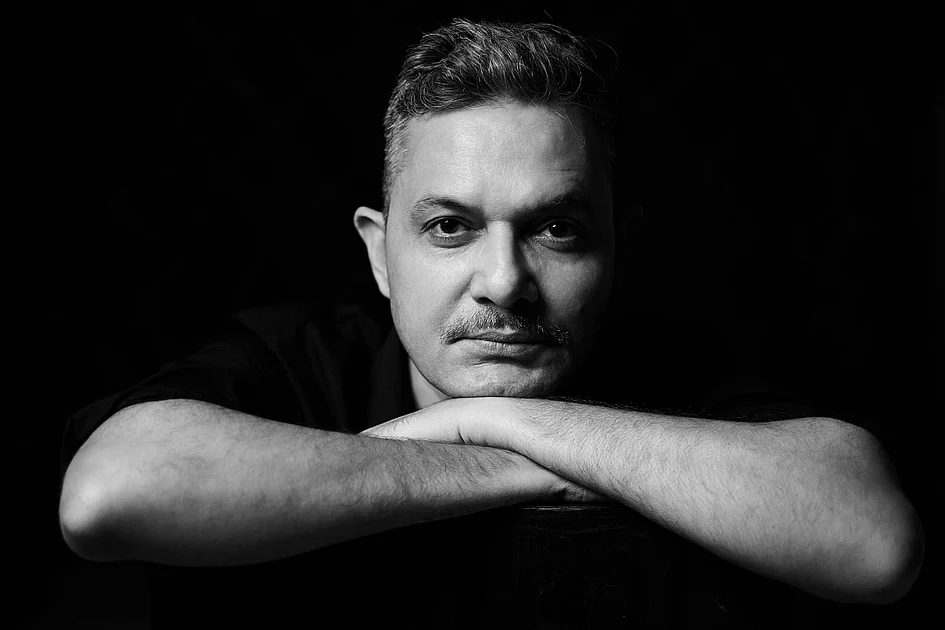
  • Bollywood lyricist and writer Neelesh Misra reflects on anger and  algorithms

    Bollywood lyricist and writer Neelesh Misra reflects on anger and algorithms

    Indian lyricist and storyteller Neelesh Misra, renowned for his poetic contributions to Bollywood hits like ‘Jadu Hai Nasha Hai’ from Jism and ‘Kyun na Hum Tum’ from Barfi, is redefining success through conscious refusal and mindful creation. During a recent family vacation in Dubai, Misra revealed that his most potent skill is the ‘art of saying no,’ a principle he has upheld even at personal financial cost.

    Misra vehemently declines projects that conflict with his sensibilities, particularly what he describes as ‘sleazy lyrics.’ He illustrates this by explaining that if a provided hook line is indecent, the accompanying verses would inevitably need to be worse, a compromise he refuses to make. This commitment to integrity extends beyond film; it is the cornerstone of his broader movement, ‘Slow,’ which advocates for a simpler, more deliberate lifestyle counter to modern frenzy.

    The power of language remains central to Misra’s philosophy. He asserts that teaching children the transformational power of words from an early age can be life-changing, enabling them to express ideas with profound impact. This belief is culminating in plans to launch the Neelesh Misra School of Creativity. He contends that even in the era of artificial intelligence, human command over language is paramount, as we ultimately instruct the AI engines.

    However, Misra warns of a societal crisis fueled by digital distraction and manufactured outrage. He observes that people now actively seek reasons to be angry, asking ‘Aaj kis se upset hona hai?’ (Who should I get upset with today?). This online angst, he argues, provides a strange, fake gratification, replacing genuine real-world engagement. He identifies ‘biased story-telling’ as a prominent and twisted voice in today’s discourse, where the loudest narratives are not necessarily the right ones.

    The antidote, according to Misra, is empathy—’the secret sauce’ that allows one to ‘become the other’ and see life from another’s perspective, even amidst disagreement. He laments that decency is no longer incentivized; in content creation, as on the road, the bully often dominates while good content is sidelined for not fighting back. He criticizes the industry’s obsession with quantitative metrics—a film’s billion-rupee collection or a book’s million copies sold—as a poor substitute for qualitative value, which often gets overshadowed by propaganda and vested interests.

    Through ‘Slow,’ Misra offers an alternative. He hosts celebrities in his village for long-form interviews not just for content, but to expose them to a mindful way of life. He expresses deep concern over the ‘great negativity’ shaping our world through the content we consume, noting that short-form videos have wasted the inventive potential of millions of bright minds at the expense of richer relationships and real conversation.

    Ultimately, Misra believes in the healing power of stories, a fact reinforced by parents who tell him his narratives reduce their children’s anxiety. His final measure for his lyrical work is deeply personal: would it inspire a person in a small town to sing it in the shower, in their most private, unmasked moment? For Misra, true success is making someone feel that the song is their own emotion, simply written by someone else.

  • Dubai’s biggest NY celebration, New Year Family Carnival 2026, is here

    Dubai’s biggest NY celebration, New Year Family Carnival 2026, is here

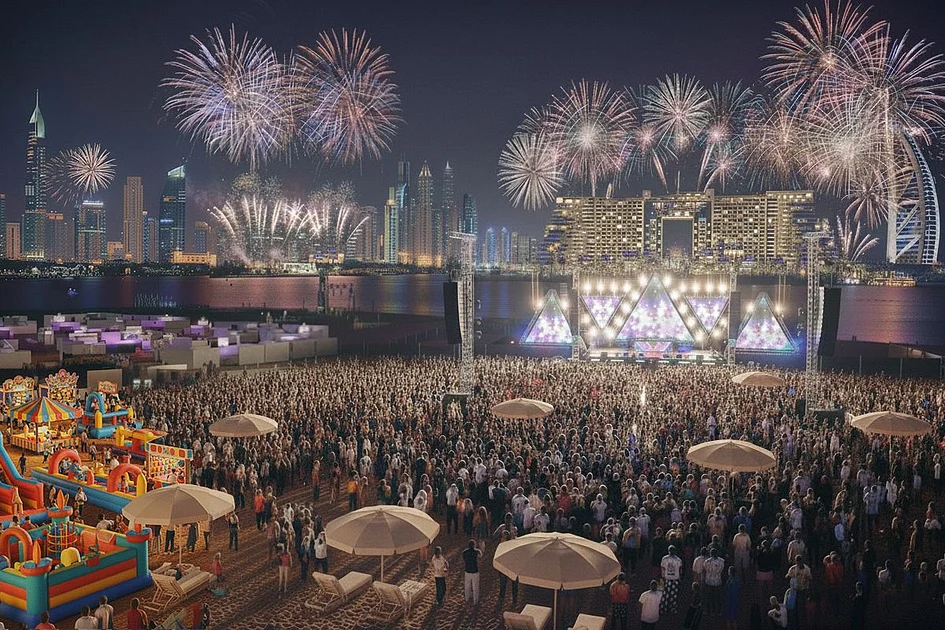
    Dubai is gearing up for its most expansive New Year’s Eve celebration to date with the announcement of the New Year Family Carnival 2026. Scheduled for December 31, 2025, at Horizon Beach and Lounge within Le Méridien Mina Seyahi Beach Resort & Waterpark, this event promises an unparalleled entertainment experience for all ages.

    The carnival represents a collaborative effort between prominent event organizers Nirvana Nightlife, Sahara, The Eventique, and Glitch. This beachfront extravaganza will feature more than 21 distinct entertainment zones, creating an electrifying atmosphere complemented by panoramic views of Dubai’s iconic New Year fireworks display.

    Attendees can anticipate world-class entertainment offerings including dedicated children’s play areas, interactive carnival games, and special character meet-and-greet sessions with Labubu. The musical lineup features acclaimed disc jockeys G2, Karan, Raahyl, Lathish, and Bloodshedder, alongside dynamic water drum and traditional dhol performances.

    The venue offers exceptional vantage points for viewing fireworks displays from Palm Jumeirah, Burj Al Arab, and JBR. The evening’s festivities will include continuous entertainment, a live countdown to midnight, and dancing under the stars.

    Gates open at 6:00 PM with complimentary admission for children under six years old. The dress code encourages casual chic attire. Tickets are currently available for purchase through Platinumlist, Dubai’s premier event booking platform.

  • At least seven killed in Nigeria mosque bombing during evening prayers

    At least seven killed in Nigeria mosque bombing during evening prayers

    A devastating explosion tore through a crowded mosque in Maiduguri, Nigeria, on Wednesday evening, resulting in the deaths of at least seven worshippers and injuring multiple others. The attack occurred around 6:00 PM local time (1700 GMT) at a mosque within the city’s Gamboru market, where Muslim faithful had gathered for Maghrib prayers.

    Witness accounts and security sources described a scene of chaos following the blast, with victims rushed to nearby medical facilities for emergency treatment. While no group immediately claimed responsibility, anti-militia leader Babakura Kolo characterized the incident as a suspected bombing. Conflicting reports emerged regarding the method of attack, with some witnesses suggesting a suicide bombing while others indicated an explosive device had been placed within the mosque premises.

    Maiduguri, the capital of Borno state, has historically been the epicenter of Nigeria’s prolonged conflict with jihadist groups, including Boko Haram and its offshoot, the Islamic State West Africa Province (ISWAP). Although the city has experienced relative calm in recent years, this attack marks a concerning resurgence of violence in urban areas.

    Security forces promptly cordoned off the area as explosive ordnance disposal teams commenced investigation operations. International NGOs operating in the region issued security alerts advising staff to avoid the Gamboru market vicinity following the incident.

    The bombing occurs against the backdrop of Nigeria’s ongoing counterinsurgency campaign, which according to United Nations estimates has resulted in approximately 40,000 fatalities and displaced nearly two million people since 2009. While violence had diminished from its peak a decade ago, recent months have seen increased militant activity across the northeast region, with growing concerns among analysts about a potential escalation in jihadist operations this year.