标签: Africa

非洲

  • AUC congratulates Seychelles president-elect Patrick Herminie

    AUC congratulates Seychelles president-elect Patrick Herminie

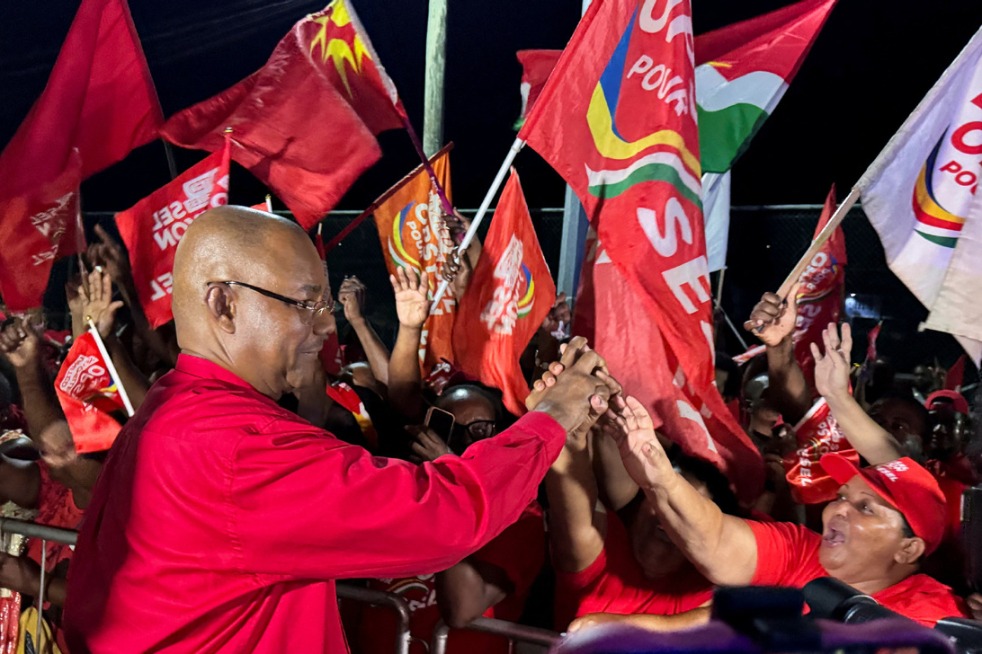
    The African Union (AU) has extended its congratulations to Patrick Herminie, the newly elected president of Seychelles, following his victory in the presidential runoff election on October 12, 2025. The AU has pledged its full support to the incoming administration, emphasizing its commitment to collaborating on the objectives outlined in Agenda 2063, the continent’s strategic framework for socio-economic transformation.

    Mahmoud Ali Youssouf, Chairperson of the African Union Commission, praised the citizens of Seychelles for their ‘peaceful and orderly participation’ in what he termed a ‘credible democratic process.’ In a statement released on Sunday, Youssouf highlighted the election as a testament to Seychelles’ dedication to the rule of law and democratic governance. He also lauded the outgoing president, Wavel Ramkalawan, and other candidates for their adherence to the principles of peaceful political competition.

    Official results from the Seychelles Electoral Commission revealed that Herminie, leader of the United Seychelles party, secured 52.7 percent of the votes, narrowly defeating incumbent Ramkalawan, who received 47.3 percent. The election proceeded to a second round after neither candidate achieved an outright majority in the initial ballot held two weeks prior.

    In his victory speech, Herminie expressed his commitment to unifying the nation, stating, ‘We are turning a new page for all Seychellois. I will be the president of all Seychellois, ending divisions and ensuring fairness and opportunity for everyone.’ His election marks a significant moment in Seychelles’ political landscape, signaling a shift towards inclusive governance and renewed regional collaboration under the AU’s guidance.
  • What to know about the events leading up to Madagascar’s military coup

    What to know about the events leading up to Madagascar’s military coup

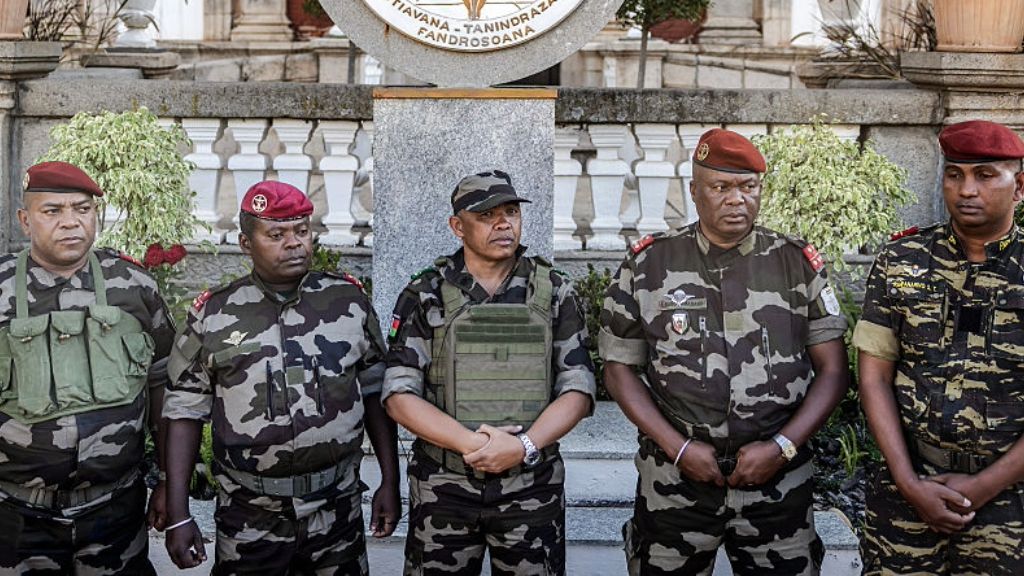
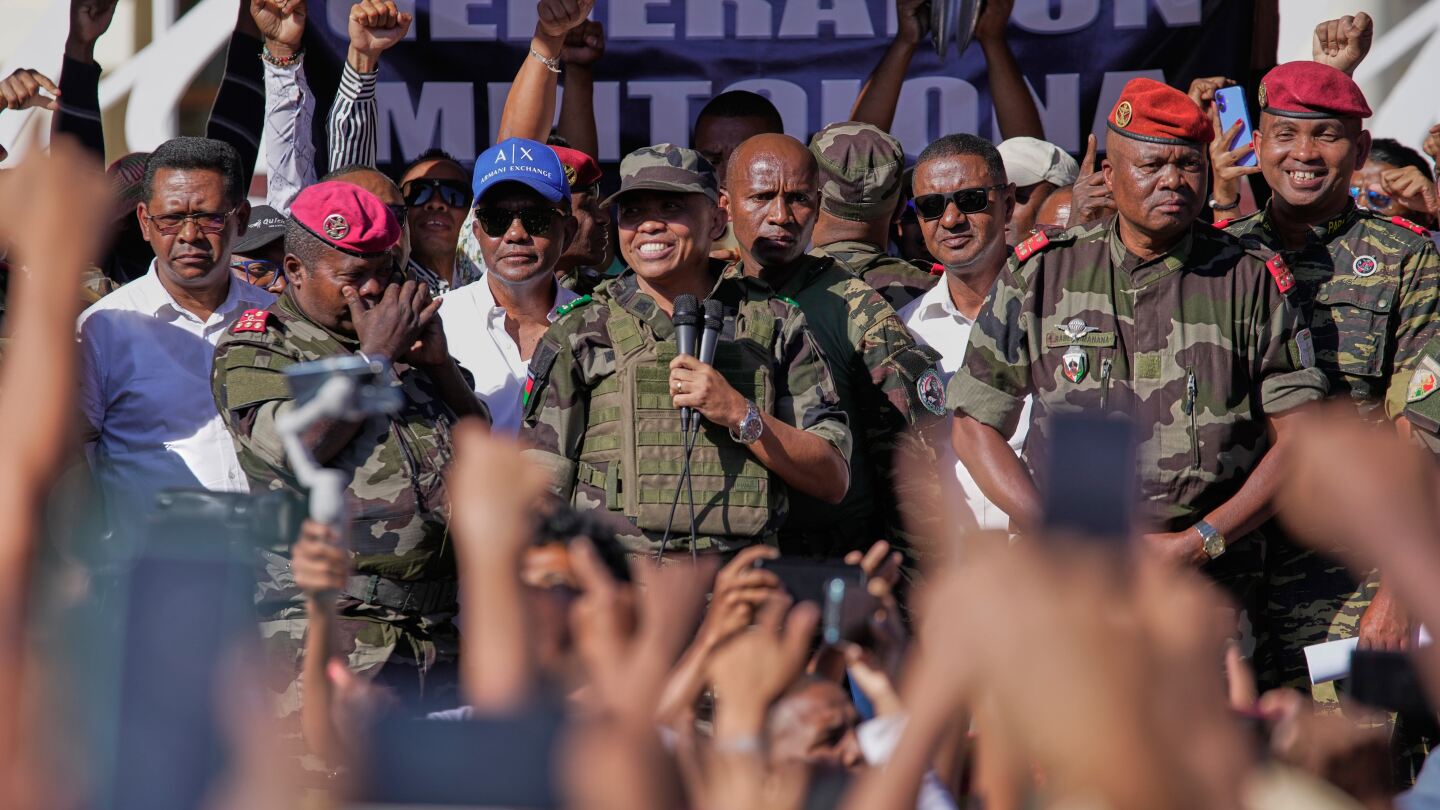
    Madagascar has plunged into political chaos as the military seized control from the civilian government on Tuesday, following weeks of escalating protests led by young citizens. President Andry Rajoelina, who fled the country for his safety, was ousted amid widespread dissatisfaction with chronic power and water shortages, persistent poverty, and alleged government corruption. Colonel Michael Randrianirina, commander of the elite CAPSAT military unit, announced the takeover, declaring, ‘We are taking power,’ as demonstrators celebrated alongside soldiers in the capital, Antananarivo. Rajoelina’s office condemned the coup as a ‘serious breach of the rule of law,’ but the military’s decisive action has shifted the balance of power. The protests, spearheaded by a group calling itself ‘Gen Z Madagascar,’ were inspired by recent youth uprisings in Nepal and Sri Lanka. The movement gained momentum when CAPSAT troops joined the demonstrators last weekend, clashing with security forces loyal to Rajoelina. The president’s attempts to reassert authority, including dissolving parliament, were ignored as lawmakers voted overwhelmingly to impeach him. The military has since announced plans to form a council to appoint a prime minister and establish a civilian government. Meanwhile, reports suggest France aided Rajoelina’s escape, raising questions about its involvement in the crisis. The former French colony, known for its biodiversity and vanilla production, continues to grapple with political instability and poverty, a legacy of its colonial past.

  • Kenyan family urges extradition of British national in death of woman after night out with soldiers

    Kenyan family urges extradition of British national in death of woman after night out with soldiers

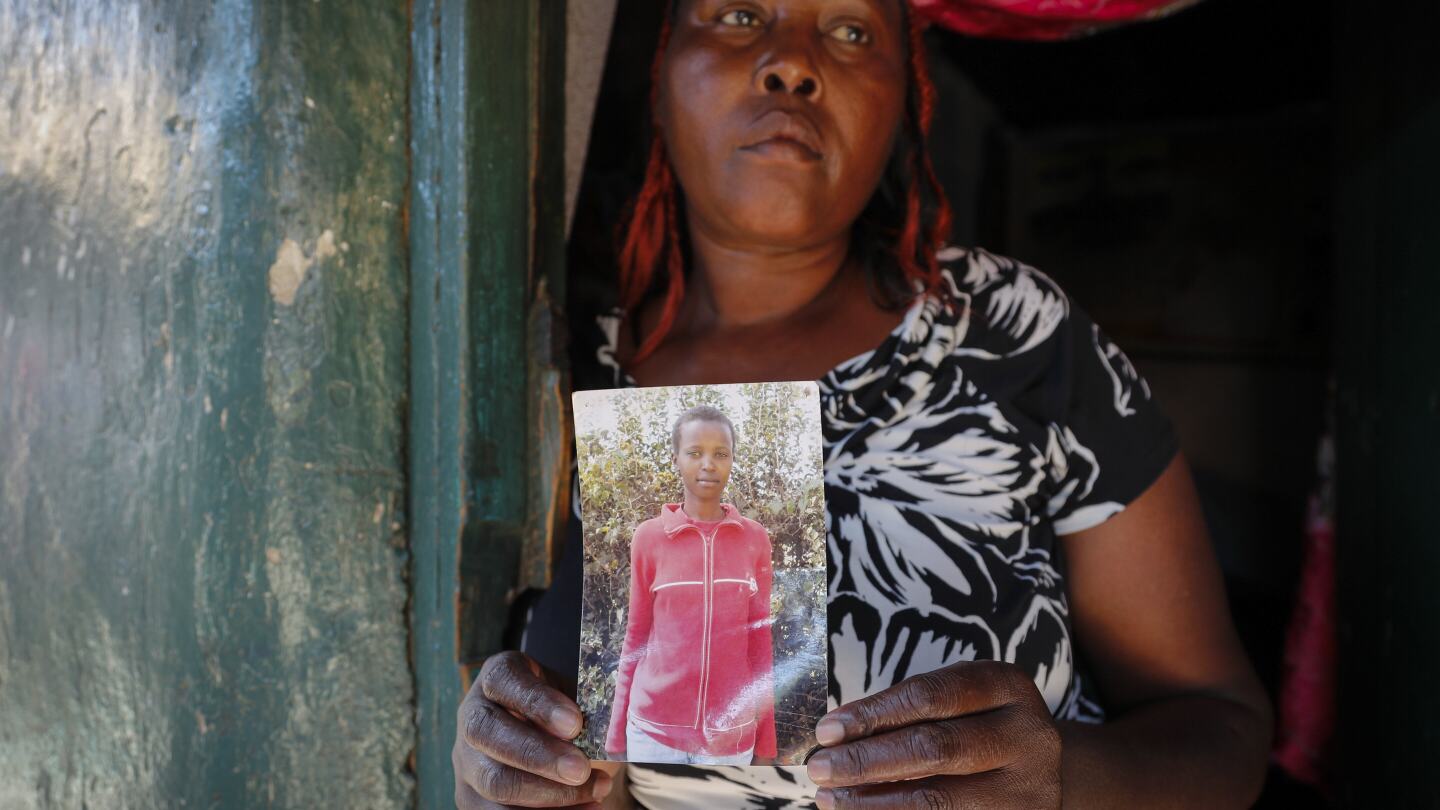
    Thirteen years after the tragic death of Agnes Wanjiru, a Kenyan woman whose body was discovered in a septic tank near a British army training ground, her family is intensifying calls for justice. On Tuesday, British Defense Secretary John Healey met with the family’s spokesperson, Esther Njoki, who described the meeting as pivotal. The family is urging the UK government to expedite the arrest and extradition of a British national implicated in Wanjiru’s murder, following a recent Kenyan High Court ruling.

  • Military says it has seized power in Madagascar after president moves to ‘safe place’

    Military says it has seized power in Madagascar after president moves to ‘safe place’

    In a dramatic turn of events, Madagascar’s elite military unit, CAPSAT, has declared the seizure of power from President Andry Rajoelina, following weeks of escalating youth-led protests. Colonel Michael Randrianirina, head of CAPSAT, announced the military’s intention to form a transitional government and hold elections within two years. Key democratic institutions, including the electoral commission, have been suspended. Randrianirina emphasized the importance of incorporating the demands of the Gen Z protesters, stating, ‘The movement was created in the streets, so we have to respect their demands.’ The apparent ousting of Rajoelina has been met with widespread celebration in the capital, Antananarivo, where thousands have taken to the streets waving flags and cheering. However, the constitutional court has recognized Randrianirina as the new leader, while the president’s office has denounced the move as an ‘attempted coup d’etat,’ asserting that Rajoelina remains in charge. Rajoelina’s current whereabouts are unknown, though he claims to be in a ‘safe place’ following an alleged assassination attempt by ‘military personnel and politicians,’ which CAPSAT denies. Unconfirmed reports suggest Rajoelina may have fled the country aboard a French military aircraft. The unrest began over two weeks ago, driven by youth-led protests against chronic water and power shortages, which quickly escalated to reflect broader dissatisfaction with Rajoelina’s government over issues such as high unemployment, corruption, and the cost-of-living crisis. Clashes between protesters and security forces have resulted in at least 22 deaths and over 100 injuries, according to the UN, though the Malagasy government disputes these figures. CAPSAT, which initially supported Rajoelina’s rise to power in 2009, joined the protesters on Saturday. Rajoelina, once hailed as a fresh start for Madagascar, has faced mounting criticism over allegations of cronyism and corruption. Despite efforts to dissolve the national assembly, lawmakers overwhelmingly voted to impeach him. The African Union has condemned military interference in Madagascar’s political affairs, while French President Emmanuel Macron expressed deep concern over the situation. Madagascar, one of the world’s poorest nations, continues to grapple with political instability and economic hardship.

  • South Africa’s health minister hails new HIV prevention jab but warns of limited supply

    South Africa’s health minister hails new HIV prevention jab but warns of limited supply

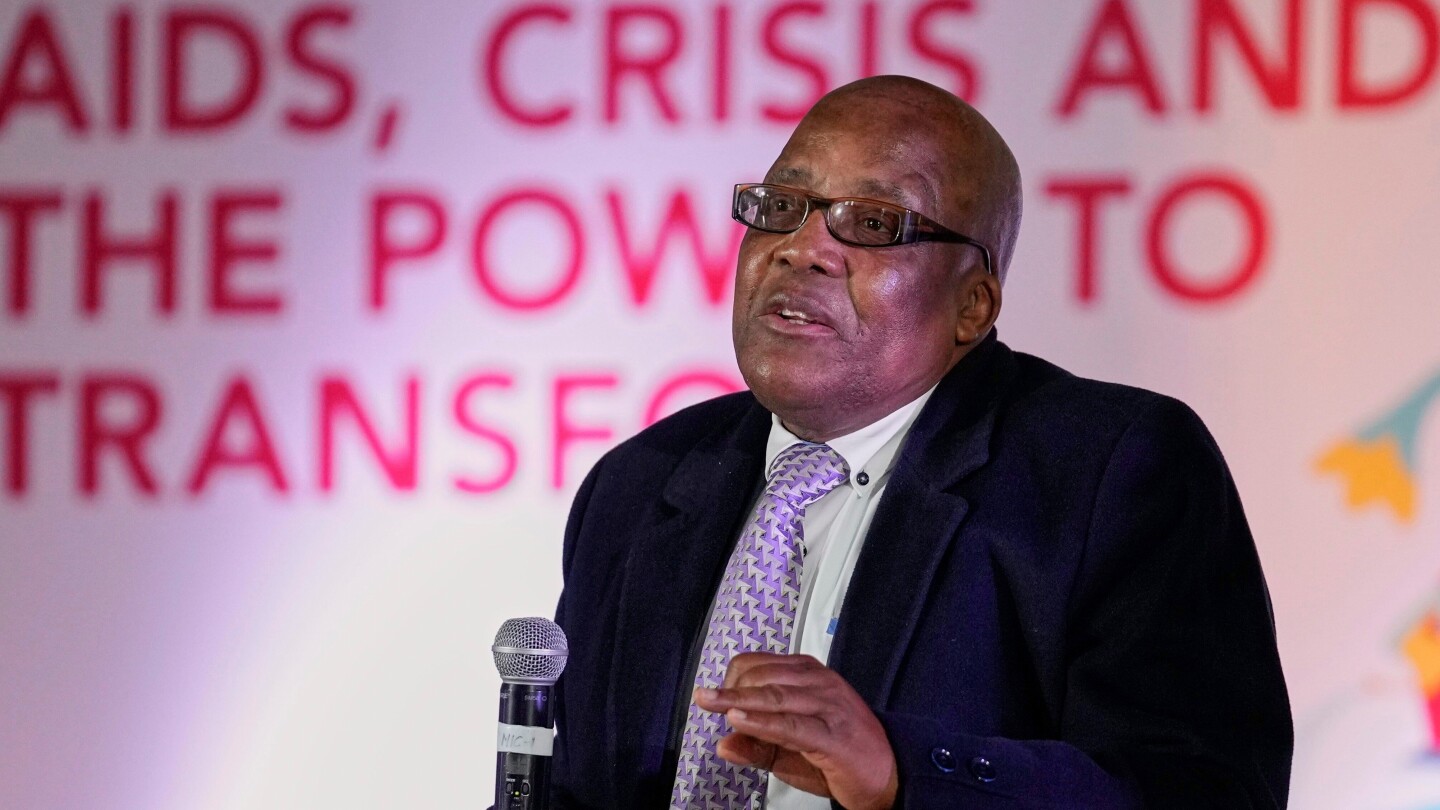
    South Africa’s Health Minister, Aaron Motsoaledi, has hailed the introduction of lenacapavir, the world’s first twice-yearly HIV prevention injection, as a groundbreaking development in the fight against the disease. However, he cautioned that the initial supply, funded by a $29.2 million Global Fund grant and an additional $5 million from the Networking HIV and AIDS Community of Southern Africa (NACOSA), will be limited to nearly half a million people in the country with the highest HIV prevalence rate. The rollout is scheduled to begin in April 2026, targeting 23 high-incidence districts across six provinces and 360 high-performing public clinics. Motsoaledi emphasized that prioritizing vulnerable populations in high-burden areas would maximize the impact in preventing new infections. The announcement follows the U.S. government’s recent pledge to purchase 2 million doses of the drug for low-income countries. Despite the optimism, Motsoaledi warned against complacency, citing the severe impact of abrupt funding cuts from USAID and other U.S. sources in early 2025 on HIV/AIDS and tuberculosis programs. While Gilead Sciences has reduced the annual cost of lenacapavir to $40 per person, South Africa aims to fund the program independently, with long-term sustainability dependent on integrating the drug into local systems. The World Health Organization has endorsed lenacapavir as an additional prevention option, and Gilead is expediting its registration in 18 high-incidence countries, including South Africa, until generic versions become available in 2027. However, the exclusion of South African manufacturers from Gilead’s voluntary licensing agreements has sparked criticism, with civil society leaders accusing the company of neglecting principles of fairness and inclusivity. Despite these challenges, UNAIDS has welcomed the investment, highlighting the potential of long-acting injectable medicines to reduce barriers to HIV prevention and expand choices for at-risk populations.

  • ‘Biggest thing since independence’ – Cape Verde celebrates World Cup spot

    ‘Biggest thing since independence’ – Cape Verde celebrates World Cup spot

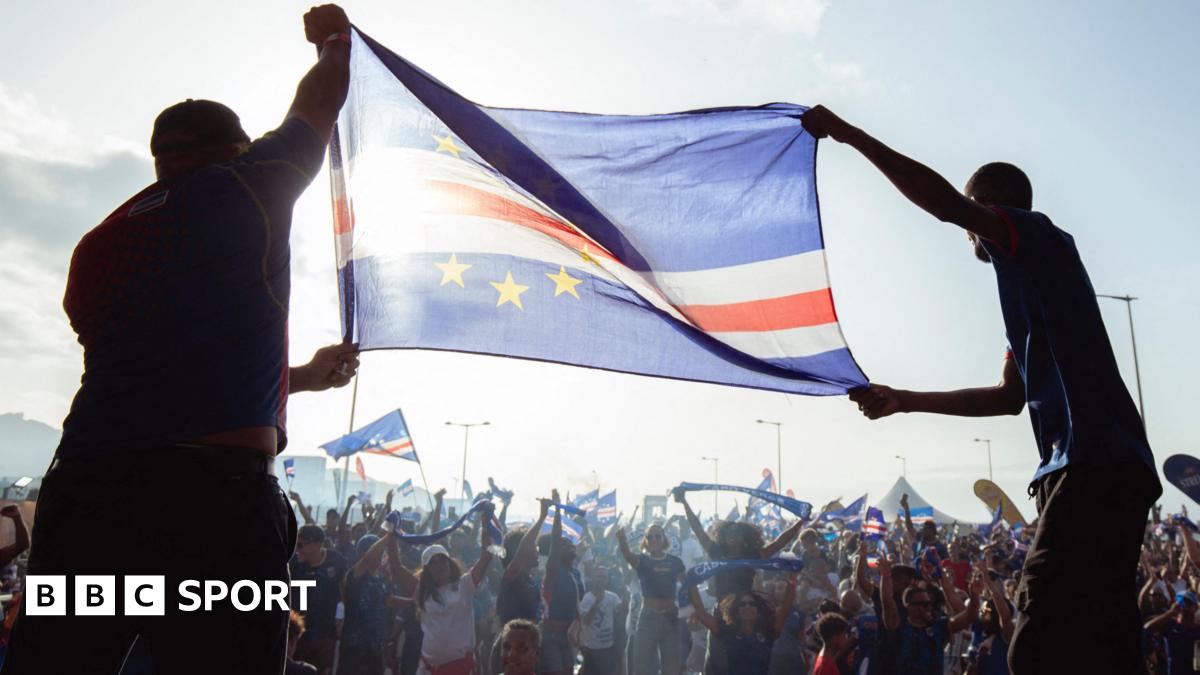
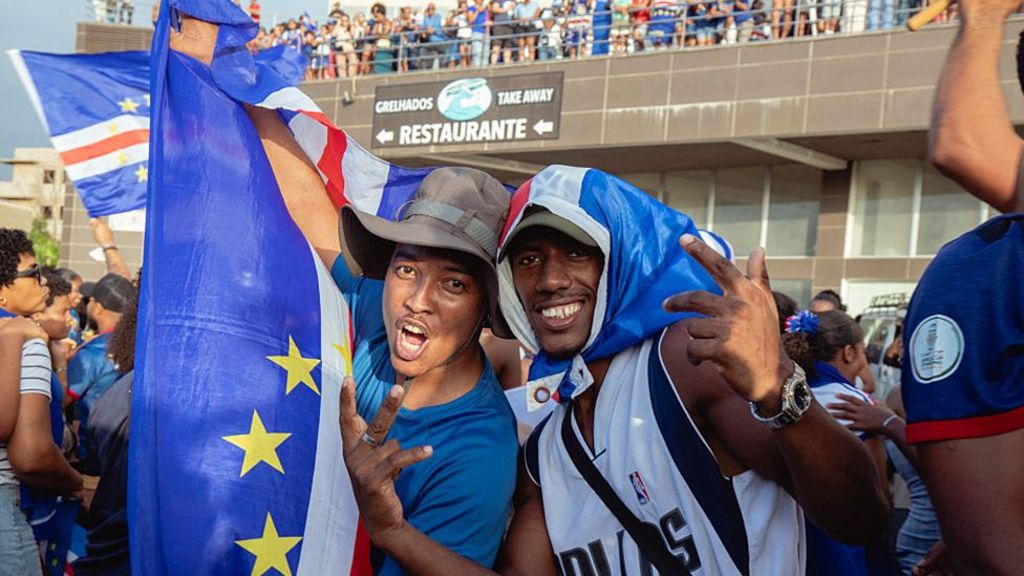
    In a historic moment for Cape Verde, the small Atlantic archipelago nation secured its first-ever qualification for the FIFA World Cup. The Blue Sharks achieved this milestone with a decisive 3-0 victory over Eswatini in their final qualifying match, sparking nationwide celebrations. The winning goal, scored by Stopira in the 91st minute, sent fans into a frenzy, with the National Stadium in Praia erupting in a sea of blue, red, and white flags. For Cape Verde, a former Portuguese colony with a population of just over half a million, this achievement is being hailed as the most significant event since gaining independence in 1975. Head coach Bubista described the moment as ‘enormous,’ emphasizing its importance during the nation’s 50th anniversary of independence. The celebrations extended beyond the stadium, with fans gathering at fan zones across the islands and the party continuing at the Estadio da Varzea, a venue steeped in historical significance. Cape Verde now joins the ranks of the smallest nations to qualify for the World Cup, following Iceland. The team’s success has ignited hope for future achievements, with technical director Rui Costa drawing parallels to other African nations that have used World Cup qualification as a catalyst for transformation. As Cape Verde prepares for its debut on the global stage, the nation is united in pride and anticipation, ready to showcase its talent and passion for football to the world.

  • Congo and M23 rebels agree to create body to oversee potential ceasefire

    Congo and M23 rebels agree to create body to oversee potential ceasefire

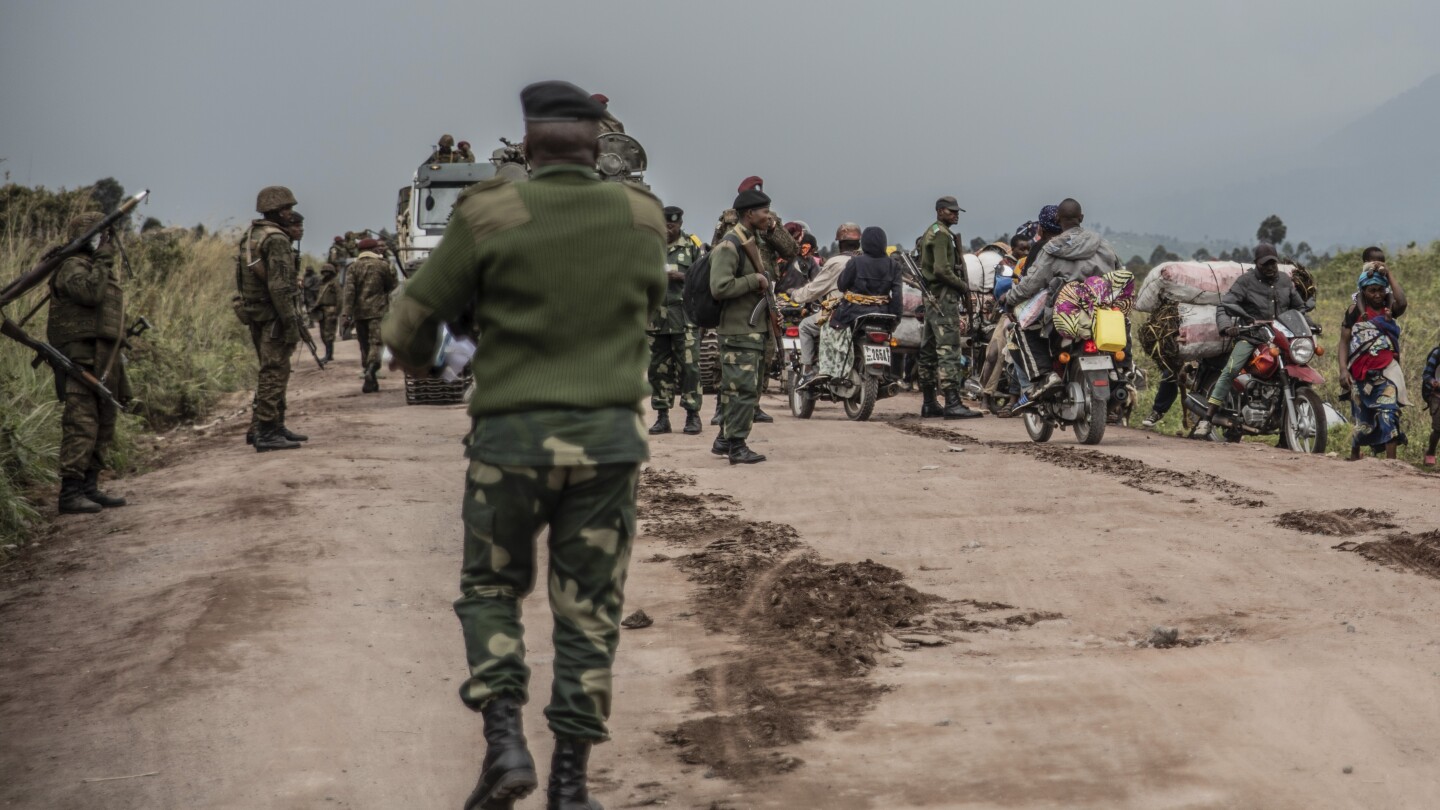
    In a significant development toward ending decades of conflict in eastern Congo, the Congolese government and the Rwanda-backed rebel group M23 have agreed to establish an oversight body to monitor a potential permanent ceasefire. The agreement, mediated by Qatar, was signed in Doha on Tuesday, as confirmed by Congolese government spokesperson Patrick Muyaya and M23 spokesperson Lawrence Kanyuka on social platform X. The oversight body will include representatives from Congo, M23, and the 12-country International Conference on the Great Lakes Region, with the U.N. peacekeeping mission MONUSCO providing logistical support. The body is tasked with investigating alleged ceasefire violations and is expected to convene within seven days of its formation. This marks a critical step in ongoing peace efforts, which had stalled in recent weeks after both sides missed an August 18 deadline to finalize a comprehensive peace deal. The conflict, fueled by control over Congo’s mineral-rich east, has displaced 7 million people and been described by the U.N. as one of the world’s most complex humanitarian crises. Earlier this year, M23 escalated tensions by seizing two key cities in eastern Congo, further complicating peace negotiations.

  • Suspect in the fatal stabbing of a Kenyan presidential guard will be assessed

    Suspect in the fatal stabbing of a Kenyan presidential guard will be assessed

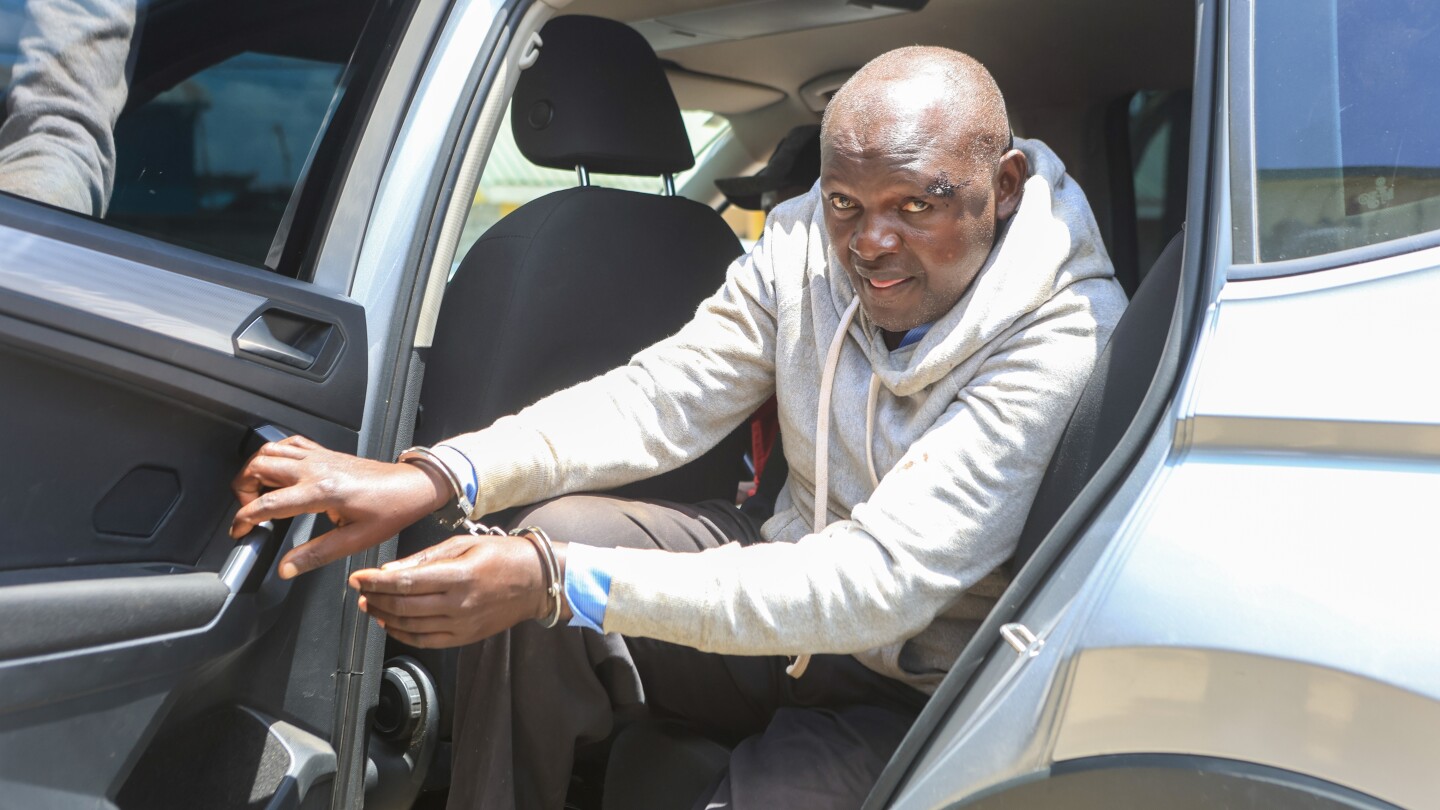
    NAIROBI, Kenya — A chilling security breach near Kenya’s presidential office has raised alarms after a man allegedly stabbed a guard to death on Monday. The suspect, Kithuka Kimunyi, reportedly approached the State House main gate disguised as a homeless person, armed with a bow and arrow. After fatally shooting the guard, Ramadhan Hamisi Matanka, Kimunyi was apprehended at the scene. The guard succumbed to his injuries at a nearby hospital.

  • Cape Verde’s fans jubilant following historic success

    Cape Verde’s fans jubilant following historic success

    In a momentous achievement for Cape Verde, the nation’s football team has etched its name in history by securing a place in the 2026 FIFA World Cup. The Blue Sharks triumphed over Eswatini with a commanding 3-0 victory on home soil, ensuring they topped their qualifying group. This remarkable feat makes Cape Verde the second-smallest nation ever to qualify for the prestigious tournament. The win also edged out Cameroon, a formidable opponent, in the race for the coveted spot. Fans across the archipelago erupted in jubilation, celebrating this historic milestone that underscores the growing prowess of African football on the global stage. The team’s success not only brings pride to the nation but also highlights the potential of smaller nations to compete at the highest levels of international sport.

  • ICE’s use of full-body restraints during deportations raises concerns over inhumane treatment

    ICE’s use of full-body restraints during deportations raises concerns over inhumane treatment

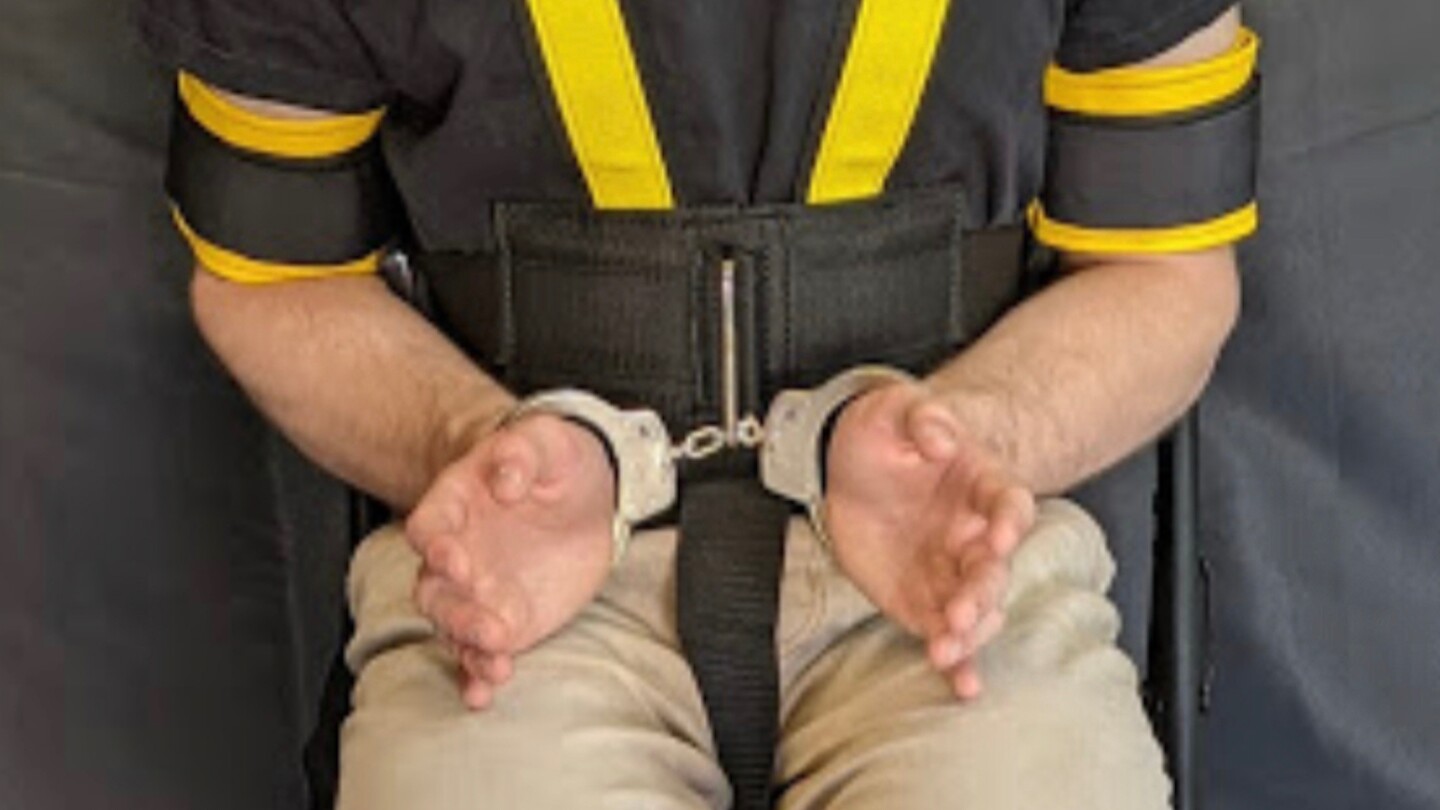
    A Nigerian man, part of a federal lawsuit, recounted a harrowing experience of being forcibly deported by U.S. Immigration and Customs Enforcement (ICE) officers in September. He described being awoken in the middle of the night, shackled, and strapped into a full-body restraint device known as the WRAP. Despite not being from Ghana, he and others were flown there on a 16-hour flight, denied access to their attorneys, and subjected to what he likened to a kidnapping. The WRAP, often referred to as “the burrito” or “the bag,” has become a controversial tool in ICE’s deportation process, with detainees alleging its use as a form of intimidation and punishment. The Associated Press (AP) investigation revealed multiple instances of ICE deploying the WRAP, despite internal concerns raised by the Department of Homeland Security’s (DHS) civil rights division. The device, originally designed as a safety measure for law enforcement, has been linked to fatalities and is now the subject of numerous lawsuits. Detainees claim they were restrained in the WRAP for hours, even when they posed no threat, leading to physical and psychological trauma. ICE and DHS have defended the use of restraints as standard protocol to ensure safety during deportations, but advocates argue the practice is inhumane and violates human rights. The AP’s findings highlight a growing debate over the ethical and legal implications of ICE’s deportation methods, particularly under the Trump administration’s aggressive immigration policies.