标签: Africa

非洲

  • Nigerian air force plane’s emergency landing puts Burkina Faso defense forces on high alert

    Nigerian air force plane’s emergency landing puts Burkina Faso defense forces on high alert

    A Nigerian Air Force aircraft was compelled to execute an emergency landing in Burkina Faso late Monday, triggering heightened military alerts across the Sahel region. The incident occurred when the Nigerian plane experienced an undisclosed in-flight emergency while en route to Portugal, necessitating an immediate diversion to the nearest available airfield in Bobo-Dioulasso, western Burkina Faso.

    The Alliance of Sahel States (AES), comprising Burkina Faso, Mali, and Niger, responded by elevating their collective air and anti-air defense systems to maximum alert status. Malian military junta leader General Assimi Goita issued a statement authorizing defensive forces “to neutralize any aircraft violating the confederation’s airspace,” characterizing the Nigerian plane’s entry as unauthorized.

    Nigerian military officials confirmed the emergency landing followed established international safety protocols. Air Force spokesman Ehimen Ejodame reported that the two crew members and nine passengers aboard received “cordial treatment” from Burkinabè authorities and remained safe throughout the incident.

    This aerial incident occurs against a backdrop of deteriorating regional relations. Nigeria, as a key member of the Economic Community of West African States (ECOWAS), recently supported intervention efforts that thwarted a short-lived coup in Benin on Sunday. The AES nations had previously withdrawn from ECOWAS, accusing the bloc of imposing inhumane sanctions and working against their citizens’ interests following recent military takeovers in the region. Burkina Faso shares a northwestern border with Benin, while Nigeria borders Benin to the east, creating complex geopolitical dynamics in the wake of these security developments.

  • Tanzania crackdown on planned protest leaves streets deserted

    Tanzania crackdown on planned protest leaves streets deserted

    Tanzanian cities remained under a veil of heightened security and palpable tension as authorities deployed police and military forces to patrol major urban centers. This significant security reinforcement comes in response to calls for anti-government demonstrations, strategically planned to coincide with the nation’s Independence Day celebrations, which have been officially cancelled.

    In an unusual departure from their typical weekday bustle, metropolitan hubs including Dar es Salaam, Arusha, Mbeya, and Mwanza reported markedly subdued activity. By midday, the anticipated protests had not materialized, with many citizens opting to remain indoors amid widespread uncertainty. BBC correspondents observed nearly deserted streets in the commercial capital, creating a stark contrast to the city’s normally vibrant atmosphere.

    The planned demonstrations stem from ongoing demands for political reforms following October’s post-election unrest, which resulted in an unspecified number of casualties. Authorities have acknowledged employing force against protesters, justifying their actions as necessary to prevent what they characterize as attempts to overthrow the current regime.

    Security vehicles were visibly patrolling major thoroughfares and intersections, while officers established strategic positions around critical public infrastructure. Motorists reported encountering frequent checkpoints where security personnel rigorously questioned travelers about their destinations.

    On digital platforms, activists encouraged supporters to maintain vigilance, suggesting that any protest activities would likely commence during afternoon hours—a pattern consistent with previous demonstrations in Tanzania. The government has refrained from issuing detailed statements regarding either the enhanced security measures or the banned protests.

  • China’s ‘mind-blowing’ green efforts welcomed

    China’s ‘mind-blowing’ green efforts welcomed

    UN Environment Programme Executive Director Inger Andersen has characterized China’s extraordinary acceleration in renewable energy deployment as a transformative force in global climate efforts. Speaking exclusively to China Daily ahead of the seventh UN Environment Assembly in Nairobi, Andersen emphasized that China’s unprecedented scale of clean energy installation—projected to reach 3,600 gigawatts by 2035—demonstrates remarkable achievements through strategic long-term planning, industrial capability, and coherent policy implementation.

    Andersen highlighted that China’s manufacturing dominance has produced significant global spillover effects, dramatically reducing renewable technology costs worldwide. Solar energy prices have plummeted to an average of 3.3 US cents per kilowatt-hour, making clean energy increasingly accessible, particularly across Global South nations. This cost reduction, coupled with expanded availability, represents what Andersen termed ‘magnificent progress’ in the worldwide transition to sustainable energy.

    Beyond energy generation, China’s rapidly evolving electric vehicle ecosystem—encompassing two-wheelers, buses, and passenger cars—is expanding throughout Asia, Africa, and Latin America. Local assembly operations in developing countries are already generating employment opportunities, improving urban air quality, and facilitating the transition to low-emission transportation networks.

    A recent UNEP report corroborates Andersen’s assessment, identifying China’s renewable energy expansion as one of the most decisive factors shaping global climate action. The report notes that China’s projected capacity—six times its 2020 level—could substantially narrow the emissions gap by accelerating clean energy deployment internationally. For developing economies, China’s model of scaling manufacturing, reducing costs, and enabling technology transfer offers a practical blueprint for enhancing South-South cooperation.

    Andersen concluded that China’s coordinated industrial policy provides a powerful example of how rapid, large-scale progress toward Paris Agreement goals can be achieved, offering valuable lessons for all nations committed to climate action.

  • Sudan air force bombing of towns, markets and schools has killed hundreds, report says

    Sudan air force bombing of towns, markets and schools has killed hundreds, report says

    A groundbreaking investigation by the Sudan Witness Project has documented systematic aerial attacks on civilian infrastructure that have resulted in at least 1,700 fatalities since the conflict began in April 2023. The comprehensive study represents the most extensive dataset compiled on military airstrikes in Sudan’s ongoing civil war, revealing disturbing patterns of violence against non-combatants.

    The research, conducted by the Center for Information Resilience with funding from the British foreign ministry, analyzed 384 airstrikes occurring between April 2023 and July 2025. The findings indicate that the Sudanese Armed Forces (SAF) have repeatedly employed unguided munitions in densely populated areas, including residential neighborhoods, marketplaces, educational institutions, and displacement camps.

    According to project director Mark Snoeck, the evidence demonstrates a clear failure by the SAF to implement adequate precautions to prevent civilian casualties. “The main patterns that emerge are repeated hits on residential neighbourhoods and markets,” Snoeck stated, “as well as a large number of alleged strikes on essential humanitarian and medical facilities.”

    The investigation employed rigorous open-source verification methodologies, cross-referencing social media footage, satellite imagery, and ground reports to establish attack credibility. Among the most troubling findings was the identification of an undetonated SH-250 bomb manufactured by Sudan’s Military Industry Corporation in the Zamzam displacement camp in North Darfur.

    Notable incidents documented include:
    – The bombing of Hamrat al-Sheikh Market in North Kordofan that killed 30 and injured 100 civilians
    – A August 2024 strike on a hospital in el-Daein that resulted in 16 fatalities including children and healthcare workers
    – February 2025 attacks in Nyala that struck residential areas near an eye hospital, killing 63 people
    – The October 2024 destruction of al-Kuma market in North Darfur that left 65 dead and 200 injured

    While the Rapid Support Forces (RSF) have faced international condemnation for ethnic violence in Darfur, the report highlights that the SAF’s aerial campaign has similarly caused extensive civilian suffering. Both conflict parties have increasingly incorporated drone warfare into their tactics, with recent months showing a shift toward unmanned aerial attacks.

    Justin Lynch of the Conflict Insights Group characterized the conflict as “a war against civilians,” noting that “air power and other heavy weapons disproportionately target civilian, more than military, sites.” International observers have condemned the pattern of attacks as potential war crimes, with a British foreign office official stating that perpetrators “must be held accountable” regardless of affiliation.

    The full Sudan Witness report, featuring an interactive map visualizing the scale and impact of airstrikes, is scheduled for publication on December 10.

  • Why some African countries are prone to military takeovers

    Why some African countries are prone to military takeovers

    DAKAR, Senegal — West Africa finds itself trapped in a disturbing cycle of military interventions, with Benin becoming the latest nation to experience an attempted coup this Sunday. Soldiers briefly appeared on state television claiming power, only to have President Patrice Talon announce the thwarting of their efforts hours later. This incident follows closely on the heels of Guinea-Bissau’s recent military takeover after a contentious presidential election.

    Since 2020, an alarming pattern has emerged across the continent with nine African nations experiencing successful or attempted coups. Analysis reveals this trend stems from compounding factors including deteriorating socioeconomic conditions, institutional fragility, and widespread dissatisfaction with civilian governments’ handling of security challenges.

    Beverly Ochieng of Control Risks Group explains: “Throughout West Africa, where military forces maintain significant political involvement, persistent crises like insurgencies and economic hardships frequently motivate soldiers to intervene when they perceive civilian leadership as ineffective.”

    The phenomenon extends beyond West Africa. Madagascar witnessed military leaders assuming control in October following youth-led demonstrations demanding President Andry Rajoelina’s resignation. Similarly, Gabon’s oil-rich government was toppled in 2023 when soldiers deposed long-ruling President Ali Bongo immediately after his contested electoral victory.

    Chad, Guinea, Sudan, Mali, Burkina Faso, and Niger have all experienced military takeovers in recent years. The Sahel region nations particularly struggle with extremist violence, with juntas often justifying their actions as necessary measures to restore security.

    A striking pattern emerges in the colonial origins of affected nations. With exceptions including former British colony Sudan and Portuguese-colonized Guinea-Bissau, most recent coups have occurred in former French territories.

    Bakary Sambe of the Timbuktu Institute notes: “Francophone Africa’s political systems, heavily influenced by France’s centralized presidential model combined with ongoing economic dependence, create conditions ripe for military intervention. Weak governance, corruption, and ineffective response to jihadist threats provide fertile ground for armies positioning themselves as national saviors.”

    Conversely, former British colonies generally demonstrate greater stability. Sambe attributes this to “more decentralized institutions, diversified economies, and reduced external monetary control” inherited from British colonial administration.

    Ochieng further elaborates: “Anglophone African nations typically maintain clearer separation between military, executive, and judicial powers. This institutional distinction creates more stable democratic transitions and reduces confusion about authority structures.”

    As military rulers increasingly participate in elections themselves—as seen in Guinea where coup leader Mamady Doumbouya plans to run for presidency—the region faces fundamental questions about democratic consolidation and civilian governance.

  • UN chief concerned by attempted coup in Benin

    UN chief concerned by attempted coup in Benin

    United Nations Secretary-General Antonio Guterres has expressed profound concern regarding an attempted unconstitutional seizure of power in the West African nation of Benin. The UN chief’s spokesperson, Stephane Dujarric, issued an official statement on Sunday condemning the destabilizing actions that threatened democratic governance in the country.

    Guterres emphasized the critical importance of maintaining constitutional order and the rule of law in Benin, warning that such attempts to undermine democratic institutions could have far-reaching consequences for regional stability throughout West Africa. The Secretary-General’s statement called for immediate respect for Benin’s constitutional framework and democratic processes.

    In a related development, Benin’s Minister of Interior and Public Security, Alassane Seidou, confirmed that national armed forces successfully thwarted an attempted mutiny designed to destabilize the state and its governing institutions. The coordinated response by security forces prevented what could have escalated into a full-scale political crisis.

    The attempted coup comes amid growing concerns about democratic backsliding in several West African nations, where military takeovers have recently occurred in neighboring countries. Benin, once celebrated as a model of democratic stability in the region, now faces heightened security tensions following this destabilizing attempt to seize power unconstitutionally.

  • New mpox strain identified in England

    New mpox strain identified in England

    Health authorities in the United Kingdom have confirmed the detection of a previously unidentified recombinant mpox strain in an individual who recently returned from travel in Asia. The UK Health Security Agency (UKHSA) identified this novel viral variant as a genetic amalgamation of two distinct mpox clades—Ib and IIb—marking a significant development in the virus’s evolution.

    The emergence of this hybrid strain occurs amidst ongoing global mpox transmission, with nearly 48,000 confirmed cases worldwide in 2025 alone, including approximately 2,500 reported in the past month, predominantly concentrated in central Africa. Health officials emphasize that viral evolution remains a natural phenomenon, though the specific implications of this recombinant strain require further assessment.

    Vaccination continues to be the primary defense strategy against severe mpox manifestations, with current vaccines demonstrating 75-80% efficacy against known strains. While no specific studies have evaluated vaccine effectiveness against this new variant, health experts anticipate a substantial degree of cross-protection.

    Dr. Katy Sinka, UKHSA’s head of sexually transmitted infections, highlighted the role of advanced genomic surveillance in detecting the strain: ‘Genomic testing has enabled this detection. While viral evolution is expected, comprehensive analysis will provide deeper insights into mpox’s transformation patterns.’

    Professor Trudie Lang, Director of the Global Health Network at the University of Oxford, noted that this development underscores mpox’s continuous global circulation and adaptive evolution. She acknowledged the UK’s robust systems for case identification and infection control while expressing concern about vulnerable populations in regions with limited vaccine access and surveillance capabilities.

    Health authorities maintain their recommendation for high-risk groups—including gay, bisexual, men who have sex with men, individuals with multiple sexual partners, and those attending sex-on-premises venues—to ensure vaccination status is current. The NHS advises anyone suspecting mpox infection to contact NHS 111 for immediate guidance.

    Mpox transmission occurs through close physical contact, respiratory droplets, and contact with contaminated materials. Symptoms typically include skin lesions, rash, fever, and muscle aches, persisting for two to four weeks.

  • More than 100 people killed in attack on hospital in Sudan, WHO chief says

    More than 100 people killed in attack on hospital in Sudan, WHO chief says

    In a devastating escalation of Sudan’s civil conflict, drone strikes targeted a kindergarten and hospital in the town of Kalogi, South Kordofan, resulting in 114 fatalities including 63 children according to United Nations figures. World Health Organization Director-General Tedros Adhanom Ghebreyesus denounced the Thursday attack as “senseless” while revealing that emergency responders faced secondary attacks during rescue operations.

    The Rapid Support Forces (RSF), engaged in a brutal power struggle with the national army since April 2023, faces accusations from both military authorities and the Sudan Doctors’ Network for executing the assault. Local official Essam al-Din al-Sayed described to AFP how drones struck first a kindergarten, then a hospital, and again as rescuers attempted to evacuate children.

    Simultaneously, the RSF announced capture of Sudan’s largest oil field at Heglig near the southern border, describing it as a “pivotal” strategic achievement. Army sources told Reuters that government forces withdrew to protect oil infrastructure, with some personnel reportedly crossing into South Sudan. The Heglig facility processes most of South Sudan’s oil, representing critical revenue for both nations.

    The Kordofan region—comprising North, South, and West Kordofan with nearly eight million residents—has become a central frontline as army forces advance toward RSF-controlled Darfur. WHO confirmed survivors were transferred to Abu Jebaiha Hospital amid urgent calls for blood donations and medical support.

    Tedros, who previously accused RSF of killing hundreds at el-Fasher hospital in October, stopped short of directly attributing blame for the Kalogi attack but demanded immediate ceasefire through social media: “Sudanese have suffered far too much. Ceasefire now!” The organization’s Attacks on Health Care monitoring system documented 35 additional injuries alongside the 114 fatalities.

  • Hunt under way for Benin coup plotters and their hostages

    Hunt under way for Benin coup plotters and their hostages

    Benin’s government has successfully suppressed a military mutiny after rebel soldiers attempted to seize power in the West African nation on Sunday. The crisis unfolded when armed insurgents stormed the national television station, appearing on state broadcasts to declare their takeover while gunfire erupted near the presidential residence in Cotonou.

    President Patrice Talon confirmed the situation was ‘totally under control’ following intervention by regional ally Nigeria, whose fighter jets assisted in dislodging coup plotters from strategic locations. The operation included targeted airstrikes in Benin’s largest city, where substantial explosions were reported throughout Sunday afternoon.

    Government spokesperson Wilfried Leandre Houngbedji disclosed that 14 individuals have been apprehended in connection with the attempted overthrow, including 12 who assaulted the television station headquarters. Among those detained is a previously dismissed soldier, while the alleged ringleader, Lieutenant Colonel Pascal Tigri, remains at large with an unknown number of hostages.

    In his national address, President Talon commended loyalist forces for clearing ‘the last pockets of resistance’ and vowed that ‘this treachery will not go unpunished.’ The 67-year-old leader expressed condolences to victims affected by the violence while reassuring citizens that stability had been restored.

    The coup attempt reflects broader regional instability, occurring just one week after Guinea-Bissau’s presidential overthrow. Benin had previously been regarded as one of Africa’s more stable democracies despite recent criticisms of Talon’s authoritarian tendencies and suppression of political opposition.

    Rebel soldiers justified their actions by citing grievances over national security deterioration along Benin’s northern border with Niger and Burkina Faso, where jihadist militants have expanded their influence. Additional complaints included inadequate support for military families, healthcare reductions, and recent tax increases.

    International responses included condemnations from ECOWAS and the African Union, while foreign embassies issued security alerts advising citizens to avoid Cotonou’s government district. The incident highlights growing regional security challenges as military regimes gain traction in neighboring Sahel states.

  • All you need to know about Afcon 2025

    All you need to know about Afcon 2025

    Morocco prepares to stage an unprecedented Christmas edition of the Africa Cup of Nations as the continent’s premier football tournament kicks off on December 21st at Rabat’s Prince Moulay Abdellah Stadium. The 35th edition marks the first time Afcon will be contested during the festive period, creating both excitement and logistical challenges across the football world.

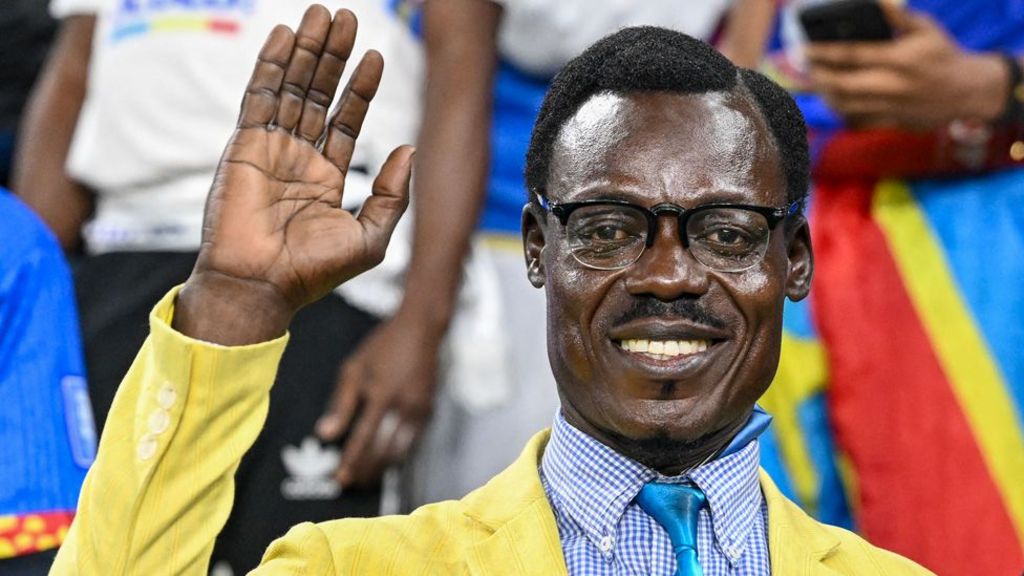
    The tournament structure features 24 nations divided into six groups, with hosts Morocco heading Group A alongside Mali, Zambia, and Comoros. Defending champions Ivory Coast face a formidable challenge in Group F against five-time winners Cameroon, while Group D presents an intriguing clash between Senegal and DR Congo. Egypt’s Mohamed Salah continues his quest for continental glory in Group B against South Africa, Angola, and Zimbabwe.

    Significant infrastructure investment precedes the tournament, with Morocco utilizing nine renovated stadiums across six host cities. The capital Rabat boasts four venues, including the 69,500-capacity Prince Moulay Abdellah Stadium that will host the final on January 18th. These developments serve as preparation for Morocco’s co-hosting of the 2030 World Cup alongside Spain and Portugal.

    Controversy surrounds player availability, with FIFA mandating a December 15th release date – seven days later than standard tournament protocols. Mali coach Tom Saintfiet condemned the decision as “catastrophic” for preparation time, accusing European clubs of disrespect toward African football. Premier League clubs face particular challenges, with players like Manchester United’s Bryan Mbeumo (Cameroon), Amad Diallo (Ivory Coast), and Noussair Mazraoui (Morocco) potentially missing critical domestic fixtures.

    Morocco enters as overwhelming favorites, riding an unprecedented 18-match winning streak in international football. The Atlas Lions have scored 50 goals while conceding only four during their 20-month unbeaten run. Other contenders include Senegal (2021 champions), Algeria, Egypt, and a resurgent DR Congo squad that impressed during World Cup qualifying.

    The tournament format will see the top two teams from each group plus four best third-placed sides advance to knockout stages beginning January 3rd. Daily fixtures throughout the group stage promise a football-filled holiday season, with matches scheduled at 12:30, 15:00, 17:30, and 20:00 GMT through December 31st.