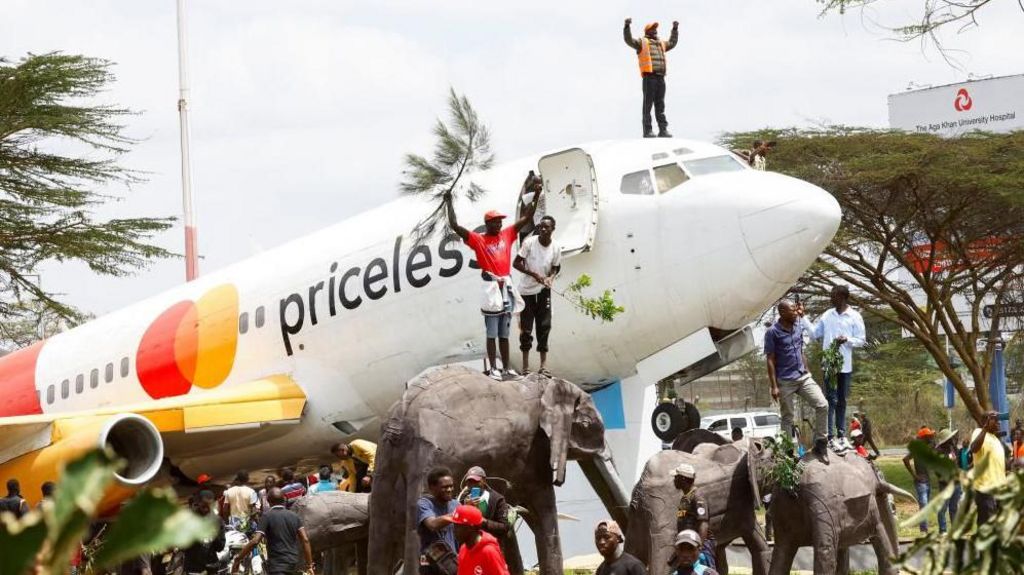
Kenya’s Jomo Kenyatta International Airport (JKIA) temporarily halted operations on Thursday following a massive influx of mourners who breached security to pay their respects to the late former Prime Minister Raila Odinga. Odinga, a pivotal figure in Kenya’s multi-party democracy, passed away in India on Wednesday after suffering a cardiac arrest. His body was flown back to Kenya, where thousands of grieving citizens, carrying twigs and palm branches, overwhelmed airport security, gaining access to restricted areas. Authorities declared a ‘precautionary closure’ to restore order and ensure safety, advising the public to avoid the airport until further notice. The unexpected turnout has also led to the relocation of the public viewing ceremony from Parliament to Nairobi’s Moi International Sports Centre. Kenyan President William Ruto announced a seven-day mourning period and a state funeral with full military honors, honoring Odinga as a ‘beacon of courage’ and ‘father of our democracy.’ Tributes poured in from global leaders, including Indian Prime Minister Narendra Modi, who hailed Odinga as a ‘towering statesman.’ Odinga, who contested five presidential elections, leaves behind a legacy of resilience and democratic advocacy.
标签: Africa
非洲
-
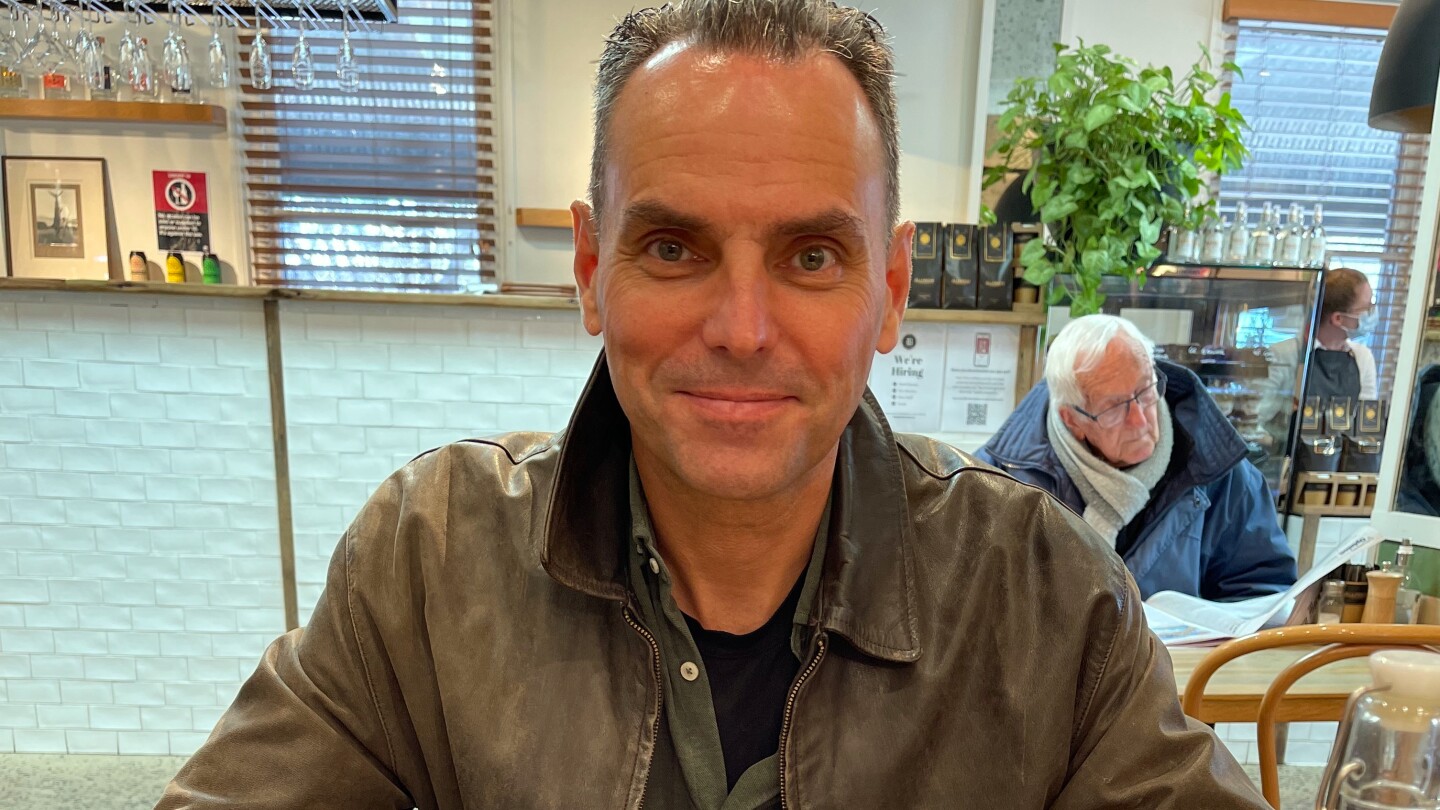
Ex-marine Daniel Duggan appeals extradition to US over claims of training Chinese pilots
In a high-profile legal battle, former U.S. Marine Corps pilot Daniel Duggan has appealed his extradition from Australia to the United States, where he faces allegations of illegally training Chinese military aviators over a decade ago. Duggan, who worked as an instructor at the Test Flying Academy of South Africa in 2012, is accused of providing training to Chinese pilots without obtaining the necessary licenses. The charges stem from a 2016 indictment unsealed in late 2022, which claims Duggan conspired with others and received approximately 88,000 Australian dollars ($61,000) for his services. Duggan appeared in the Australian Federal Court in Canberra to file his appeal, traveling 350 kilometers from a maximum-security prison in Wellington, New South Wales. Justice James Stellios will announce the verdict at a later date. Duggan has vehemently denied the allegations, calling them politically motivated and asserting that he broke no Australian laws. His wife, Saffrine Duggan, has accused the Australian government of complicity in what she describes as an ‘ideological war’ between the U.S. and China. Duggan’s lawyer, Christopher Parkin, argued that it is ‘extraordinary’ for someone to face extradition from Australia for actions allegedly committed in South Africa. Duggan, who became an Australian citizen in 2012 after renouncing his U.S. citizenship, has been in custody since his arrest in 2022. The case continues to draw significant attention amid escalating tensions between the U.S. and China.
-
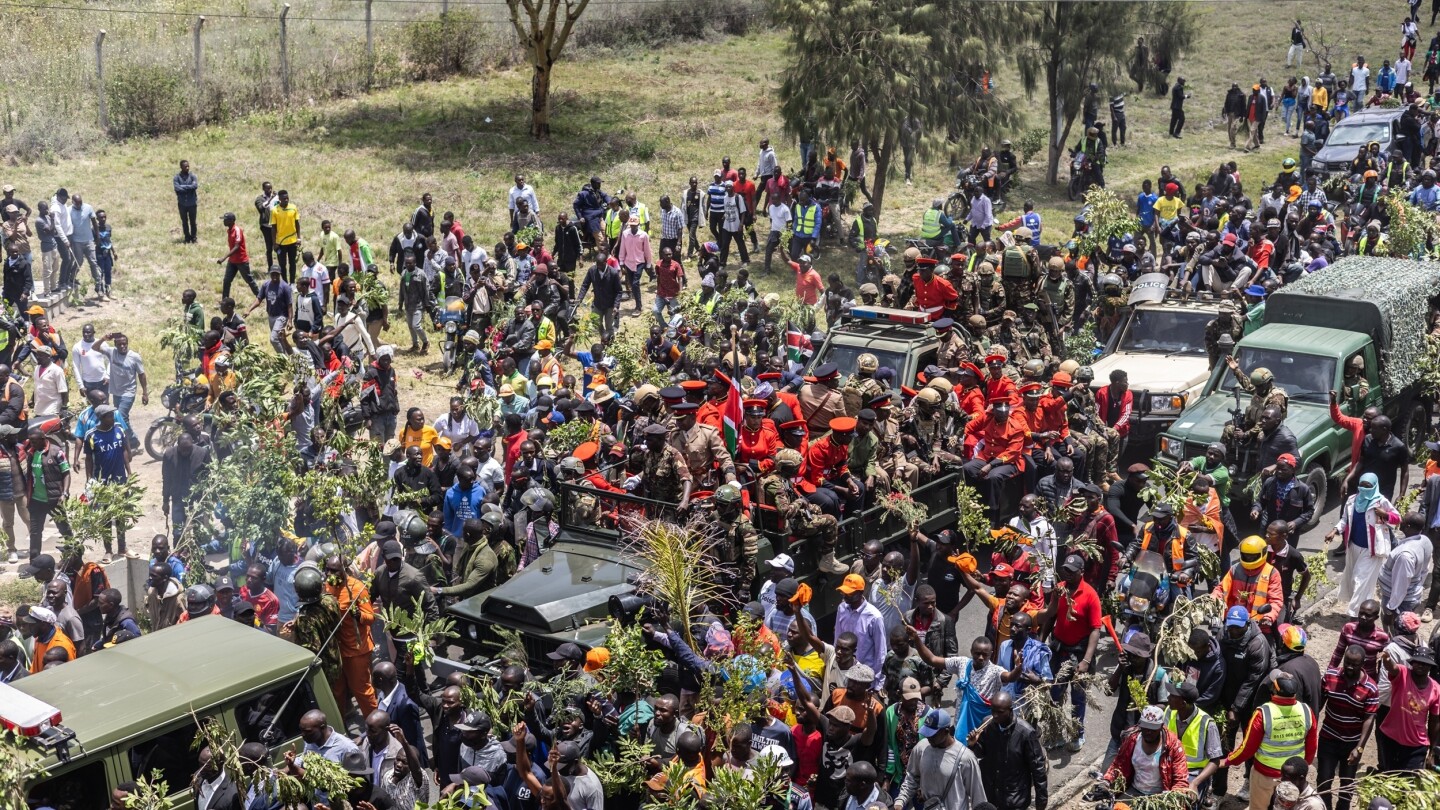
Thousands turn out to receive body of former Kenyan PM Raila Odinga
NAIROBI, Kenya — The nation of Kenya is in deep mourning following the death of Raila Odinga, a towering figure in African politics and former Prime Minister of Kenya. Odinga passed away on Wednesday at the age of 80 in India after collapsing during a morning walk. His body was repatriated to Kenya on Thursday, where thousands of grieving citizens gathered at Jomo Kenyatta International Airport to pay their respects. The airport operations were temporarily halted as mourners lined the runway to witness the arrival of the chartered plane carrying his remains, which was honored with a water cannon salute. Odinga, affectionately known as “Baba” (father) by many, was celebrated for his relentless advocacy for democracy and his role in shaping Kenya’s multiparty system. His death has prompted an outpouring of grief across the nation, with President William Ruto declaring seven days of national mourning. Odinga’s state funeral will be held on Sunday in his rural hometown of Bondo, following public viewings in Nairobi and Kisumu. Despite never securing the presidency, Odinga’s legacy as a unifier and champion of democratic ideals remains indelible. His family has requested a swift burial, adhering to his wishes to be laid to rest within 72 hours.
-
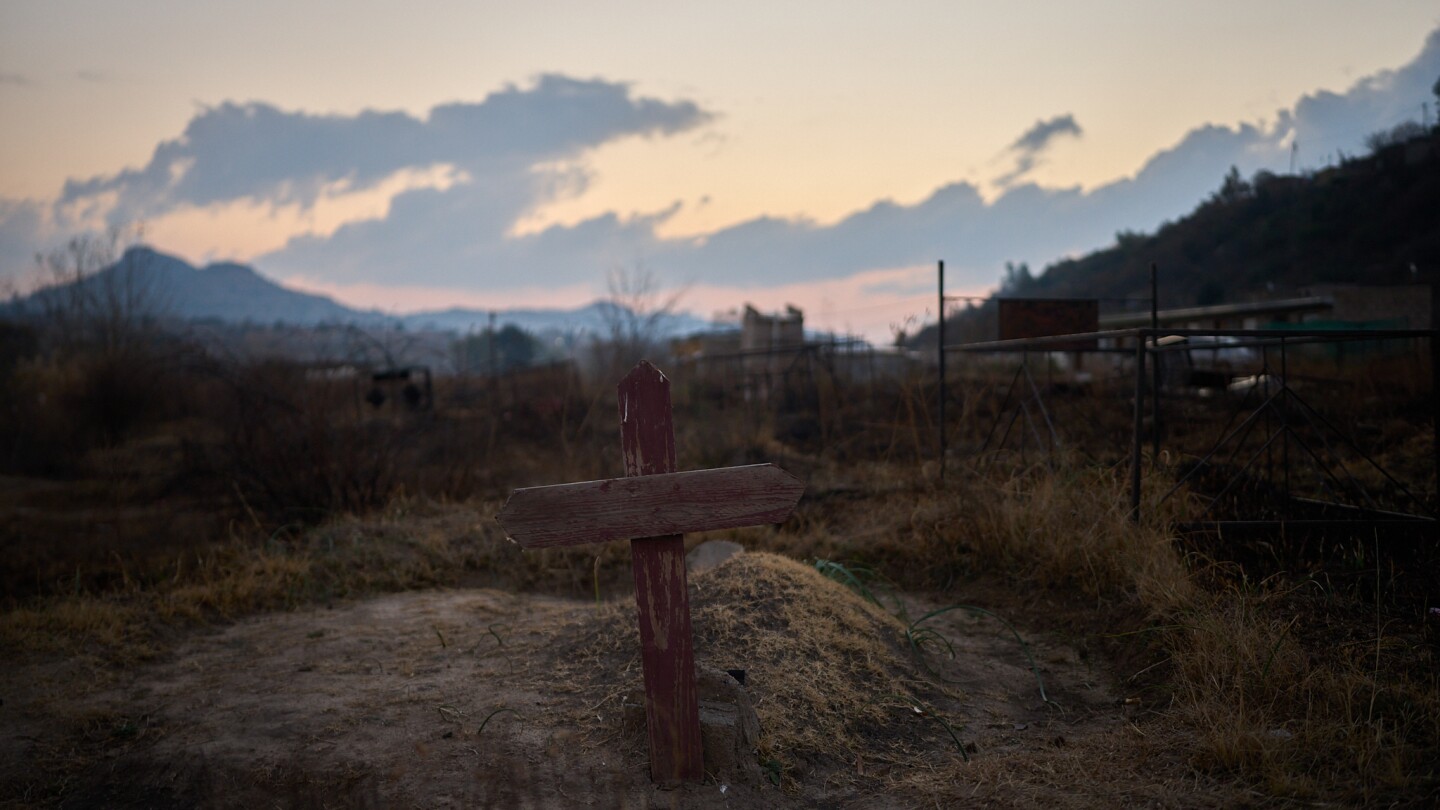
US aid cuts deal a massive blow for the small African nation of Lesotho: Takeaways from AP’s report
The small southern African nation of Lesotho, long plagued by one of the world’s highest HIV infection rates, is grappling with a deepening crisis following significant cuts to U.S. foreign aid. For years, nearly $1 billion in American assistance helped Lesotho build a robust health network that effectively slowed the spread of HIV. However, the decision by former U.S. President Donald Trump to freeze foreign aid and dismantle the U.S. Agency for International Development (USAID) has left the country in chaos. Clinics have shut down, healthcare workers have been laid off, and patients have abandoned treatment, leading to a crumbling healthcare system. Despite the temporary reinstatement of some U.S.-funded programs, the damage has been severe, with experts warning of a potential resurgence of the epidemic. The impact of these cuts is felt most acutely by Lesotho’s 260,000 HIV-positive residents, who now face uncertainty and fear for their futures. Key prevention programs, such as those targeting mother-to-child transmission and high-risk groups, have been halted, and healthcare workers are struggling to provide care through informal networks. The situation has been described as a ‘crime against humanity’ by some advocates, who stress that the progress made over the past two decades is at risk of being undone. While Lesotho’s government has been urged to move toward self-reliance, the immediate need for international support remains critical to prevent further loss of life and to sustain the fight against HIV.
-
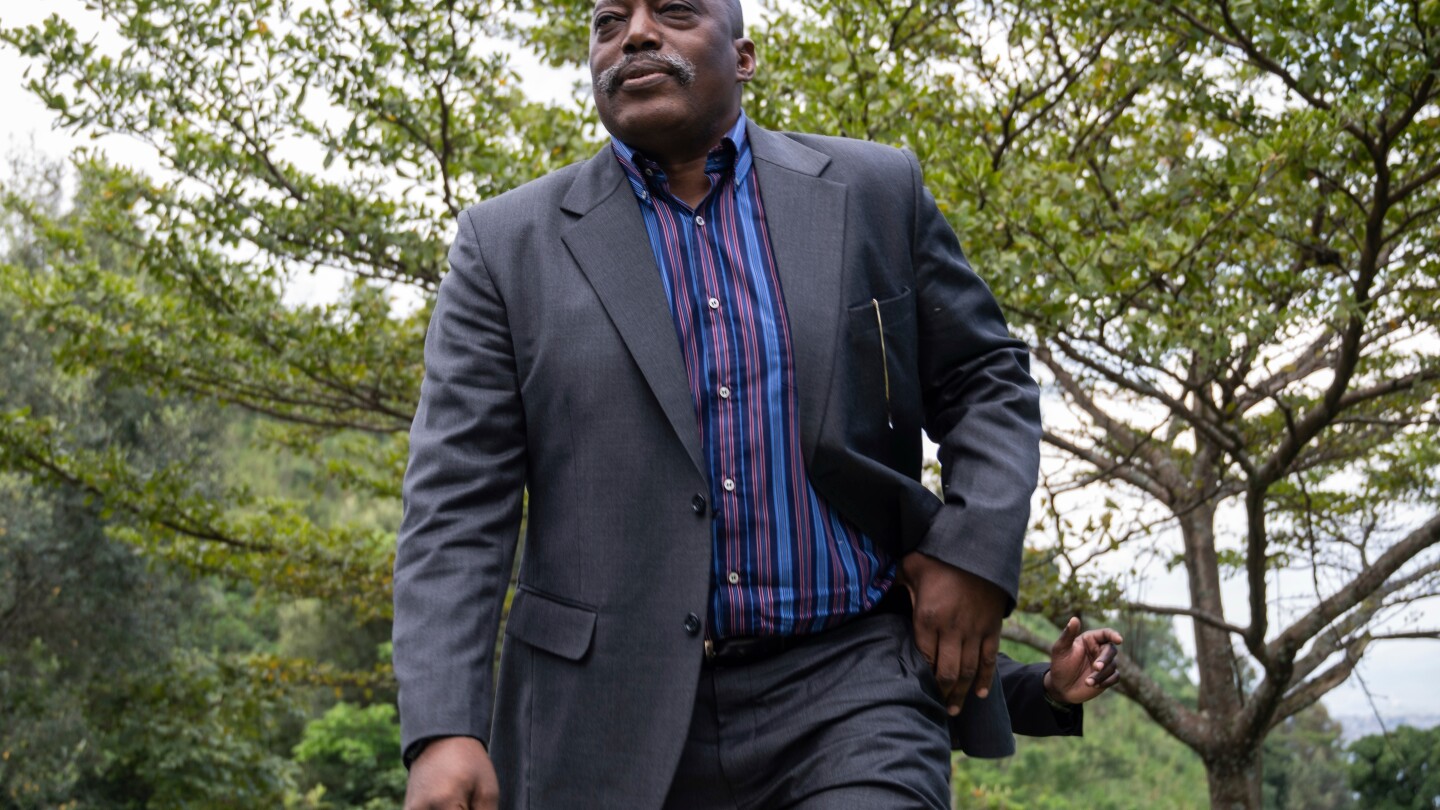
Former Congo leader Kabila appears at Kenya political meeting despite absentia death sentence
In a significant political development, former Democratic Republic of Congo (DRC) President Joseph Kabila made his first public appearance in Nairobi, Kenya, since being sentenced to death in absentia for treason and war crimes. The event, attended by a dozen Congolese opposition leaders, marked the establishment of a new political movement aimed at challenging the current DRC President Felix Tshisekedi. Kabila’s presence in Kenya is anticipated to provoke diplomatic tensions, as the DRC government has previously accused Kenya of supporting the M23 rebel group. The newly formed political coalition declared its mission to unite Congolese citizens against what they described as a dictatorship, with goals to restore democracy, state authority, and national reconciliation. The DRC government in Kinshasa has accused Kabila of collaborating with Rwanda and the Rwanda-backed M23, which seized control of key cities in Congo’s mineral-rich eastern region earlier this year. Kabila, who led the People’s Party for Reconstruction and Democracy from 2001 to 2019, has denied the allegations, calling the death sentence politically motivated. His tenure, marked by delayed elections and extended rule, ended in 2019 with Tshisekedi’s election, which was the first peaceful transition of power since Congo’s independence in 1960. However, the relationship between the two leaders deteriorated, culminating in Kabila’s departure from the DRC earlier this year.
-
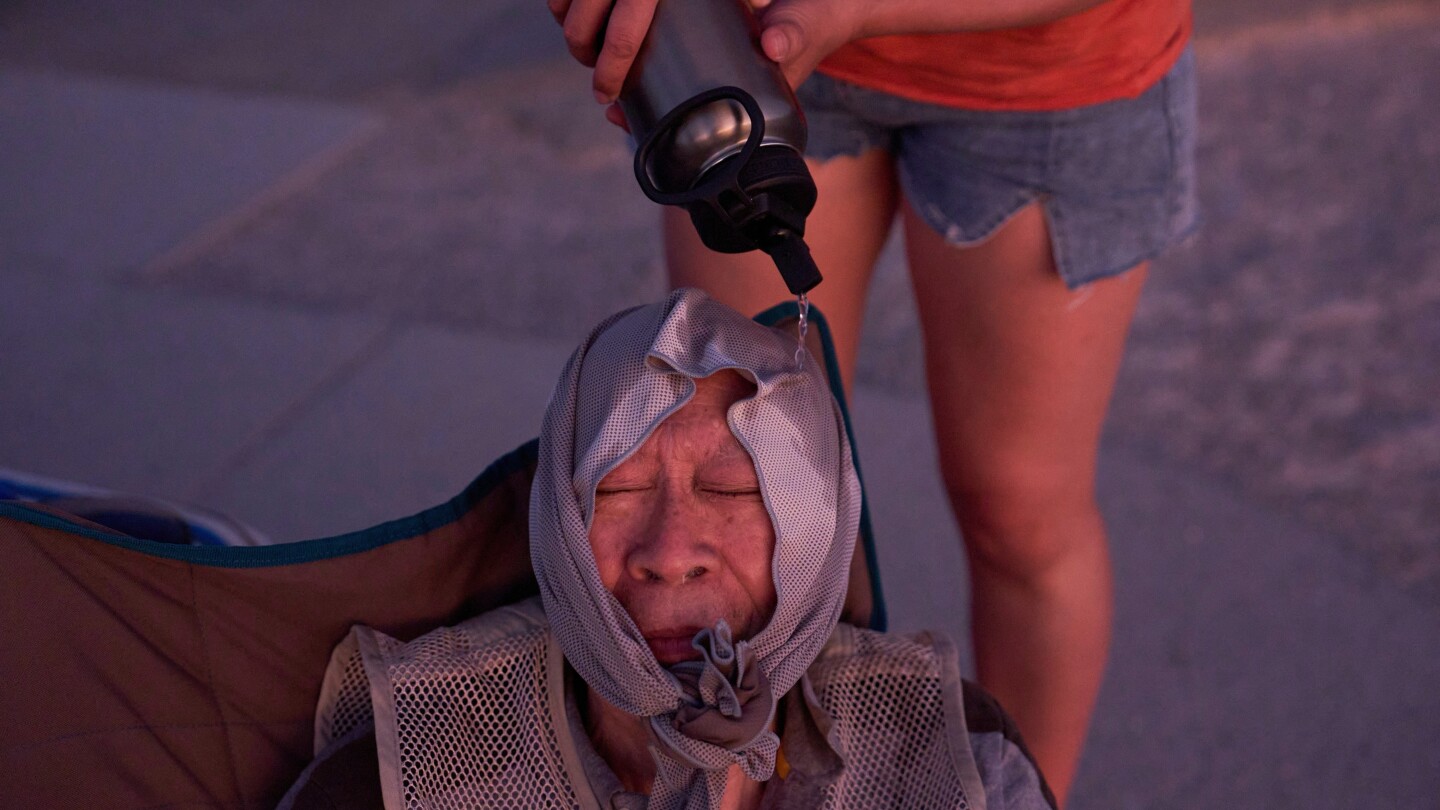
The world is heading to add 57 superhot days a year, but study indicates it could have been worse
A groundbreaking study released on Thursday reveals that the world is on track to experience nearly two additional months of dangerously superhot days annually by the end of the century. The research, conducted by the international climate science group World Weather Attribution and U.S.-based Climate Central, highlights the disproportionate impact on smaller, poorer nations compared to major carbon-emitting countries. Using advanced computer simulations, the study underscores the critical role of the Paris climate agreement in mitigating the crisis. Without the emissions reductions initiated a decade ago, Earth would face an additional 114 days of extreme heat annually. The report, though not yet peer-reviewed, employs established climate attribution techniques to project future scenarios. If current emissions pledges are met, global temperatures will rise by 2.6°C (4.7°F) by 2100, adding 57 superhot days. However, the pre-Paris trajectory of 4°C (7.2°F) warming would double this figure. The study defines superhot days as those exceeding 90% of temperatures recorded between 1991 and 2020. Since 2015, the world has already gained an average of 11 such days annually. The report warns of severe health impacts, with heat waves already causing thousands of deaths yearly. Small, ocean-dependent nations like the Solomon Islands, Samoa, and Panama are projected to bear the brunt, experiencing up to 149 additional superhot days despite contributing only 1% of global emissions. In contrast, major polluters like the U.S., China, and India will see far fewer additional days. The findings underscore the inequities of climate change, with developing nations facing disproportionate suffering. Experts emphasize the urgent need for increased climate action to avert a catastrophic future.
-
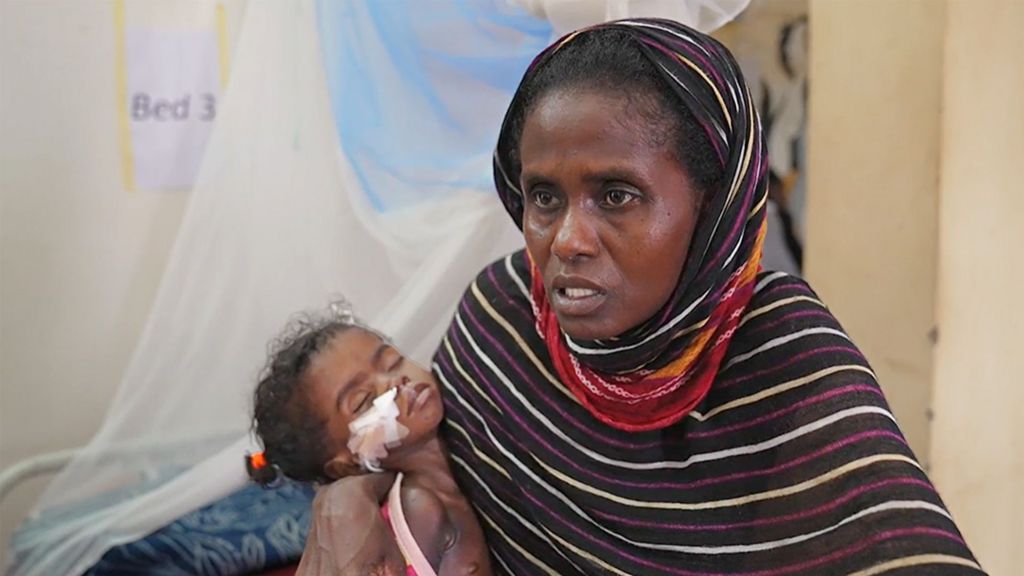
‘I can’t afford to save both twins’: Sudan’s war left one mother with an impossible choice
The ongoing civil war in Sudan has left a trail of devastation, with countless lives shattered and families torn apart. Among the victims is Touma, a 25-year-old mother whose life has been irrevocably altered by the conflict. Sitting in the malnutrition ward of Bashaer Hospital in Khartoum, Touma cradles her three-year-old daughter, Masajed, who is severely malnourished and too weak to cry. ‘I wish she would cry,’ Touma whispers, her voice filled with despair. The hospital, one of the few still operational in the capital, is overwhelmed with children suffering from acute malnutrition, their mothers helplessly watching over them. Touma and her family were forced to flee their home after the Rapid Support Forces (RSF) looted everything they owned, leaving them with nothing but their lives. ‘We had livestock, milk, and dates. Now, we have nothing,’ she recalls, her voice trembling. The war has plunged Sudan into one of the world’s worst humanitarian crises, with three million children under five acutely malnourished, according to the UN. Despite the hospital’s free basic care, lifesaving medicines must be paid for by families, leaving many, like Touma, to make impossible choices. She could only afford antibiotics for one of her twin daughters, choosing Manahil over Masajed. ‘I wish they could both recover,’ she sobs, cradling her dying child. The war has left families with nothing, no means to save their children, and little hope for survival. The conflict, which began in April 2023 between the Sudanese army and the RSF, has turned Khartoum, once a vibrant cultural and commercial hub, into a battlefield. The city is now littered with the remnants of war—burnt-out cars, tanks, and shattered homes. Amid the destruction, 12-year-old Zaher wheels himself through the wreckage, singing softly, ‘I’m coming home.’ Zaher, who lost both legs in a drone strike, dreams of prosthetic limbs so he can play football again. His mother, Habibah, recounts the horrors of living under RSF control, where they were constantly under threat. ‘We couldn’t switch on our lights at night,’ she says. The war has robbed children of their childhoods, leaving them to navigate a world of violence and loss. Ahmed, a 16-year-old who works clearing debris, has found human remains in a playground where he once played with his brothers. ‘I have been certain that I was destined to die,’ he says, his voice devoid of hope. Yet, amidst the despair, moments of resilience shine through. Zaher, despite his injuries, drags himself across a scarred football pitch, determined to play the game he loves. ‘Football and my friendships have saved me,’ he says, smiling for the first time. The war has left an indelible mark on Sudan’s children, but their spirit and determination offer a glimmer of hope in a land ravaged by conflict.
-
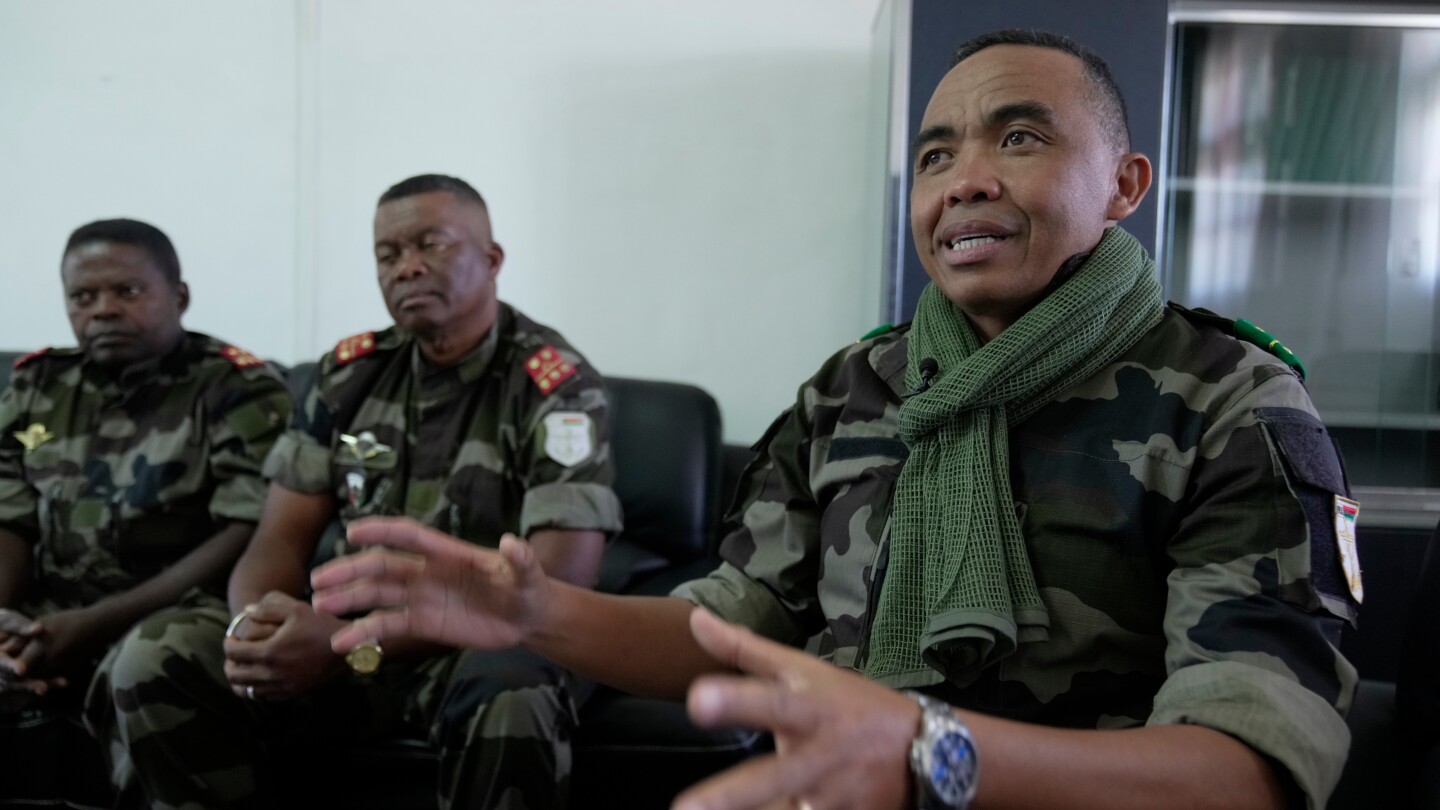
‘You’ve been calling a lot!’: How 2 AP reporters landed an interview with Madagascar’s coup leader
In a dramatic turn of events, Madagascar witnessed a military coup led by Col. Michael Randrianirina, who toppled President Andry Rajoelina following weeks of widespread protests. The unrest, driven by issues such as water and power shortages, soaring living costs, and pervasive poverty, culminated in the ousting of the president. Randrianirina, head of the elite CAPSAT military unit, confirmed his intention to assume the presidency in an exclusive interview with The Associated Press (AP). The interview, conducted shortly after the coup, revealed his plans to be sworn in as the nation’s new leader within days. The AP’s coverage of the coup began with a chance encounter between Randrianirina and AP photographer Brian Inganga during an anti-government protest in the capital, Antananarivo. Inganga’s persistence in securing the interview provided a rare glimpse into the inner workings of the coup. The interview took place at the CAPSAT barracks, where Randrianirina, surrounded by his officers, outlined his vision for Madagascar’s future. Despite the tense atmosphere, the colonel maintained a calm demeanor, assuring the journalists of his intentions to stabilize the country. This coup marks a significant shift in Madagascar’s political landscape, raising questions about the nation’s future stability and governance.
-
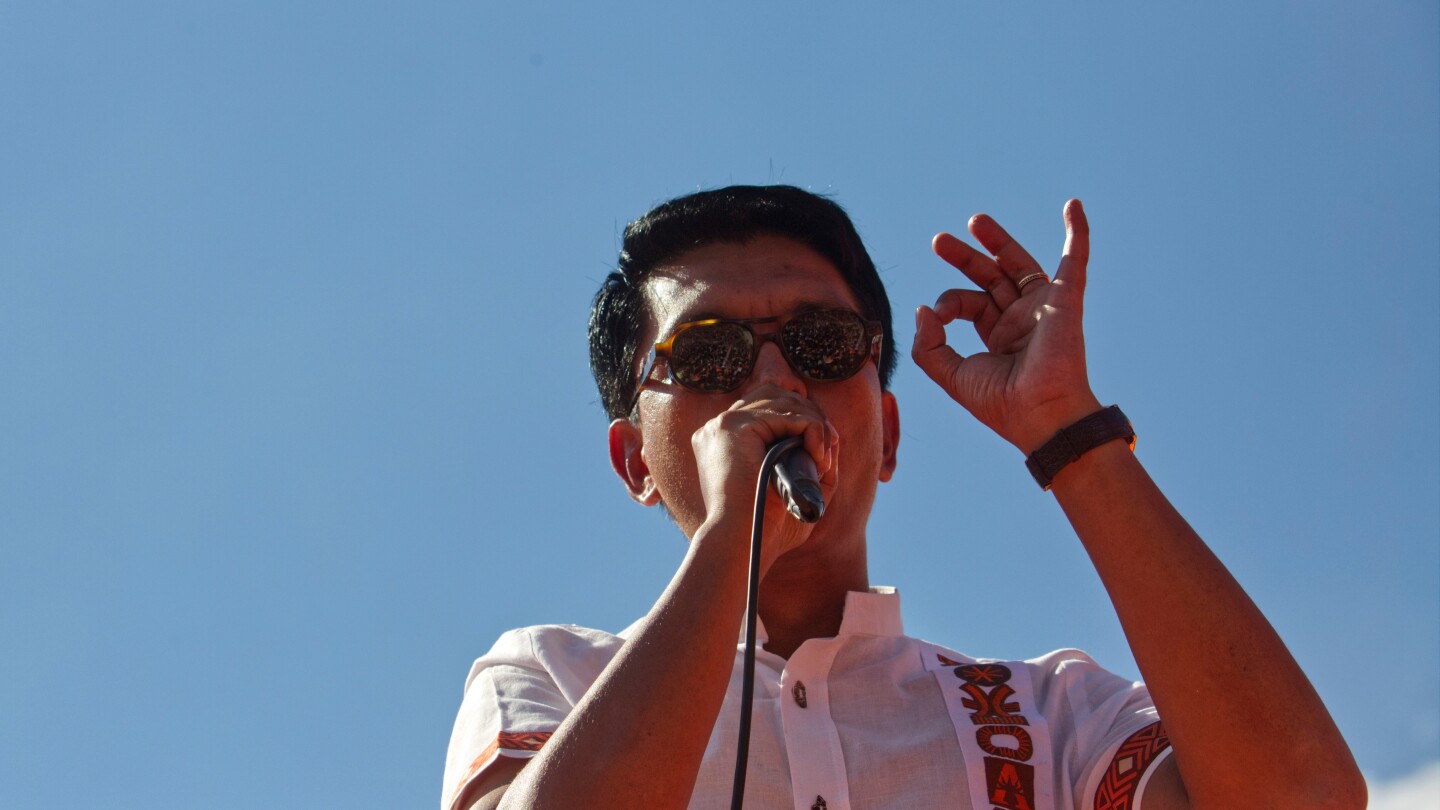
Madagascar’s president rose to power off youth discontent and was taken down by it
Andry Rajoelina, once a youthful and charismatic mayor, rose to prominence in Madagascar 16 years ago by leading popular protests against the government. These demonstrations culminated in a military-backed coup, propelling him to the role of transitional president at just 34 years old. After stepping down in 2014, Rajoelina returned to power in 2019 through democratic elections. However, on Tuesday, the same military unit that once supported his ascent declared it was ousting him following weeks of youth-led protests against his administration. This marks a dramatic turn in Rajoelina’s political journey, underscoring the pivotal role of both the military and the youth in his rise and fall. Rajoelina’s early career began as a radio DJ and entrepreneur, where he leveraged his media influence to form the Determined Malagasy Youth party. His anti-establishment message resonated with Madagascar’s disenfranchised youth, leading to his election as mayor of Antananarivo in 2007. By 2009, he led protests against then-president Marc Ravalomanana, accusing the government of corruption and authoritarianism. Backed by the military, these protests forced Ravalomanana into exile, and Rajoelina assumed the presidency. His tenure, however, was marked by international isolation and sanctions. After a brief hiatus, Rajoelina returned to power in 2019 but faced mounting criticism for failing to improve living standards. His controversial promotion of an unproven COVID-19 remedy further eroded public trust. Recent protests, fueled by issues like water and power shortages, corruption, and nepotism, saw widespread participation from civil society groups, unions, and government workers. The military’s support for the protesters ultimately sealed Rajoelina’s fate, highlighting the cyclical nature of political power in Madagascar.
-
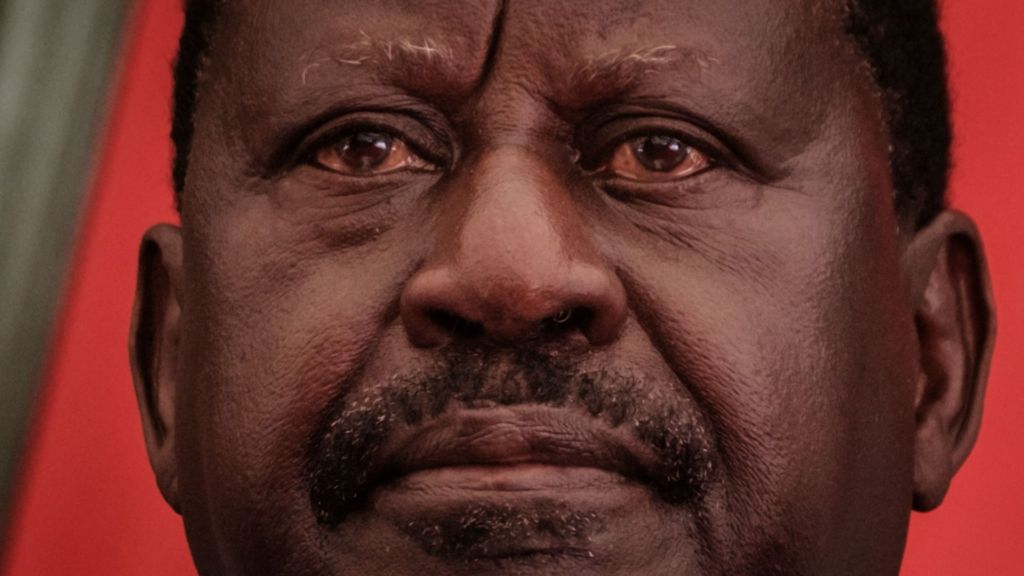
Who was the man who shaped Kenyan politics?
Raila Odinga, a towering figure in Kenyan politics, has left an indelible mark on the nation’s political landscape despite never clinching the presidency. Over the course of his storied career, Odinga contested the presidency five times, each bid ending in defeat. Yet, his influence remained undiminished, cementing his status as one of Kenya’s most pivotal political leaders. Odinga’s journey is a testament to resilience and unwavering commitment to democratic ideals. His advocacy for constitutional reforms and social justice has reshaped Kenya’s governance framework, earning him both fervent supporters and staunch critics. While his presidential aspirations remained unfulfilled, his legacy as a transformative force in Kenyan politics endures, inspiring future generations to strive for a more equitable society.