标签: Africa

非洲

  • Nigerian homicide police investigate death of singer Destiny Boy at 22

    Nigerian homicide police investigate death of singer Destiny Boy at 22

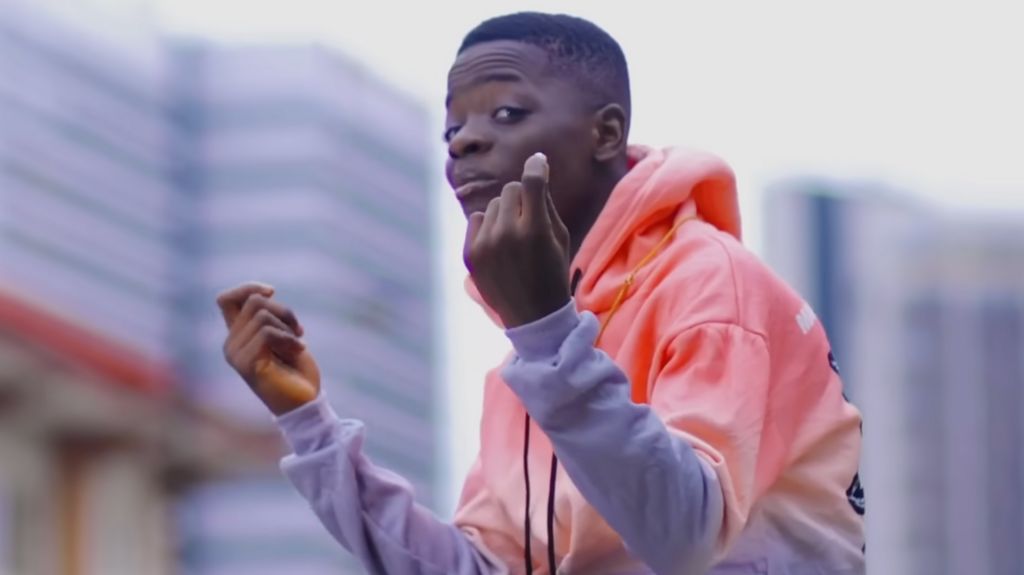
    Nigerian authorities have launched an investigation into the untimely death of 22-year-old music sensation Destiny Boy, born Afeez Adesina, whose passing has sent shockwaves through the nation’s entertainment community. The Ogun State Police Department’s homicide unit has confirmed one arrest made in connection with their ongoing probe, though specific details regarding the detainee remain undisclosed.

    The emerging Afrofuji artist, celebrated for his innovative fusion of traditional Yoruba Fuji rhythms with contemporary Afrobeats, passed away unexpectedly last Sunday. While official causes remain undetermined, family representatives have disclosed his prolonged battle with a severe medical condition that reportedly caused recurrent seizures. His remains were promptly interred following Islamic funeral customs, precluding any pathological examination.

    Destiny Boy first captured national attention through his 2019 viral reinterpretation of pop icon Davido’s chart-topping single ‘If,’ which propelled him from backup dancer for Fuji legend Pasuma at T2 Boys Studios to mainstream recognition. He subsequently developed an original discography while continuing to produce acclaimed covers of popular tracks.

    Social media platforms have become inundated with tributes and speculative content since his death, including disturbing footage purportedly showing his body being transported to a mortuary. This has fueled widespread public debate regarding the circumstances surrounding his demise. Notable among the reactions was fellow artist Ruger’s online expression of frustration over the absence of autopsy procedures, stating Nigerians must simply ‘accept that he’s dead.’

    In emotional testimonies, family members described extensive efforts to manage his condition through both conventional medical treatment and traditional healing practices. His mother, Saida, recounted harrowing episodes where relatives physically restrained him during seizures to prevent self-harm, noting the illness ‘had almost run him mad.’

    The tragedy arrives barely a year after Destiny Boy welcomed his first child with partner Iremide in November 2024, compounding the personal loss for his surviving family. The music industry mourns a promising talent whose innovative sound represented the vibrant evolution of Nigeria’s cultural exports.
  • South Sudan president fires interior minister in a move threatening peace agreement

    South Sudan president fires interior minister in a move threatening peace agreement

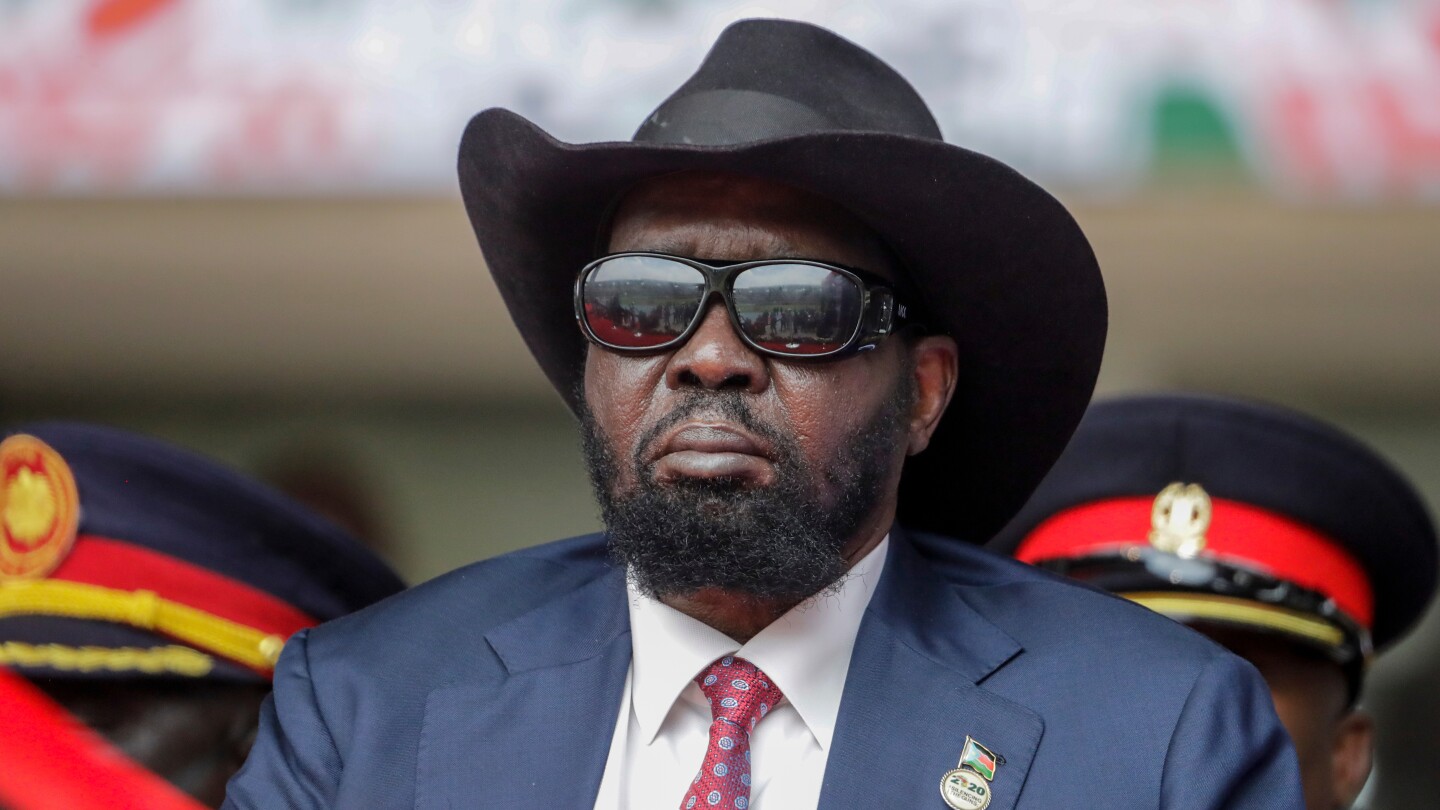
    In a move that significantly undermines South Sudan’s fragile peace agreement, President Salva Kiir has abruptly dismissed Interior Minister Angelina Teny, a prominent opposition figure and wife of detained First Vice President Riek Machar. The Monday evening dismissal, executed without public explanation, represents a serious breach of the 2018 power-sharing arrangement that had allocated the Interior Ministry portfolio to the opposition.

    President Kiir immediately appointed Aleu Ayieny Aleu, a veteran loyalist who previously held the interior minister position from 2013 to 2015, signaling a consolidation of power within the presidential circle. This political maneuver occurs against a backdrop of escalating military tensions across multiple regions, including Jonglei state where Machar-aligned forces alongside White Army fighters have captured strategic territories including Pajut town in Duk County, threatening the approach to the state capital Bor.

    The dismissal further exacerbates the already precarious security situation, with fresh clashes reported in Unity, Upper Nile, and parts of Central and Eastern Equatoria states. International observers and regional peace guarantors have expressed growing alarm at the systematic unraveling of key provisions from the 2018 peace accord, particularly regarding security sector reforms and the unification of forces which remain largely unimplemented.

    Teny’s removal follows her effective marginalization from the Interior Ministry since March 2025, when security agents confiscated her communication devices and her husband was placed under house arrest on treason charges related to violence in Upper Nile state. Opposition spokesperson Pal Mai Deng characterized the dismissal as ‘a clear sign of desperation’ from a government ‘crumbling under pressure’ as security conditions deteriorate nationwide.

  • Anthony Joshua’s driver appears in court after crash that killed two

    Anthony Joshua’s driver appears in court after crash that killed two

    The chauffeur operating the vehicle carrying heavyweight boxer Anthony Joshua during a catastrophic collision that claimed two lives has made his initial court appearance in Nigeria. Adeniyi Kayode, 46, arrived at Sagamu Magistrates Court in Ogun state on Tuesday facing multiple criminal charges.

    The December 29th incident occurred on the heavily traveled Lagos-Ibadan expressway when the Lexus SUV driven by Kayode collided with a stationary lorry. The crash resulted in the immediate deaths of Joshua’s personal trainer Latif Ayodele and strength coach Sina Ghami. Joshua sustained injuries requiring hospital treatment but was discharged within two days.

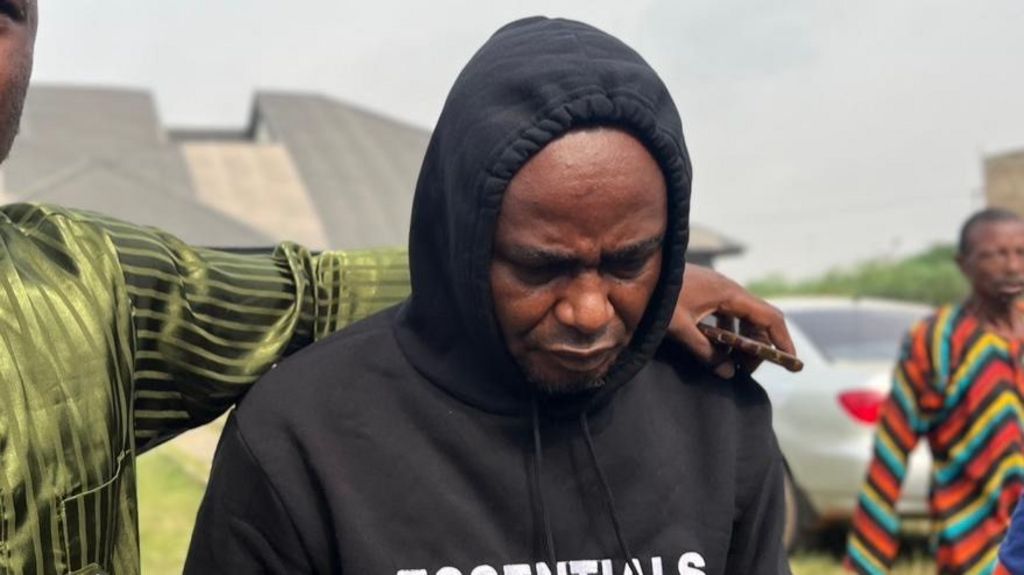
    Kayode, who appeared in court dressed entirely in black attire including a hoodie, trousers, and shoes, remains charged with four offenses: death by dangerous driving, reckless and negligent driving, operating a vehicle without due care, and driving without a valid license. The case has been adjourned until February 25th after prosecutors requested additional time to obtain comprehensive legal counsel.

    Following the tragedy, Joshua posted an emotional tribute on Instagram honoring his deceased team members, acknowledging the profound impact of their loss while recognizing the greater suffering experienced by their families. The boxer had been traveling to visit relatives in Sagamu, his ancestral hometown, for New Year celebrations when the accident occurred.

    Kayode had previously been released from custody after posting bail set at 5 million naira (approximately $3,500). The legal proceedings continue as authorities pursue justice for the victims of this devastating roadway incident.

  • UAE weather: Rains likely; temperatures to dip to 15°C in Abu Dhabi

    UAE weather: Rains likely; temperatures to dip to 15°C in Abu Dhabi

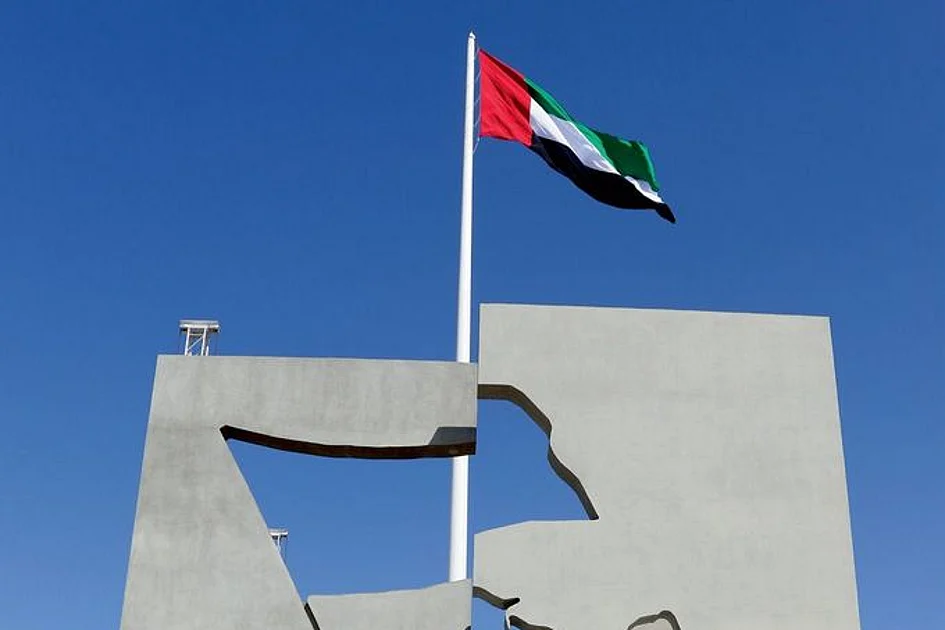
    Meteorological authorities in the United Arab Emirates have forecasted a period of moderate weather conditions with a noticeable temperature decline across western regions. The National Centre of Meteorology (NCM) indicates possible light rainfall on Tuesday morning, particularly affecting coastal and northern territories.

  • Bobi Wine tells the BBC from hiding he will not contest Uganda election results in court

    Bobi Wine tells the BBC from hiding he will not contest Uganda election results in court

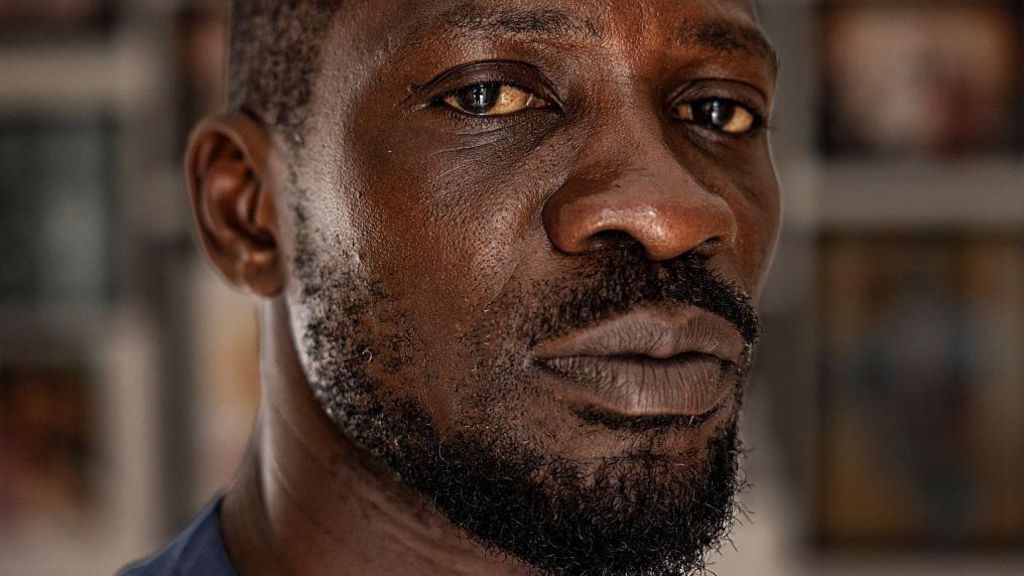
    Ugandan opposition leader Bobi Wine has declared he will not pursue legal avenues to contest the results of last Thursday’s presidential election, citing a compromised judiciary. Instead, the 43-year-old former pop star, whose real name is Robert Kyagulanyi, is urging his supporters to engage in peaceful street protests to defend their democracy.

    Speaking to the BBC from an undisclosed location while in hiding, Wine dismissed the official election results as ‘fake,’ alleging widespread ‘ballot stuffing’ without providing specific evidence. Official results gave President Yoweri Museveni a landslide victory with 72% of the vote, while Wine trailed with 25%.

    The political tension has escalated significantly since the election. Wine claims he was forced to flee his home in a Kampala suburb during a security forces raid on Friday night, leaving behind his wife and relatives who he says are effectively under house arrest. He alleges security personnel have blocked food deliveries to his property and installed signal jammers preventing communication.

    Uganda’s army leadership has intensified the confrontation. General Muhoozi Kainerugaba, who is both the country’s army chief and President Museveni’s son, publicly threatened Wine on social media, giving him ‘exactly 48 hours to surrender himself to the police’ or face treatment as ‘an outlaw/rebel.’

    International observers from the African Union reported seeing ‘no evidence of ballot stuffing’ but condemned the days-long internet shutdown that persisted until hours after Museveni was declared winner on Saturday. Meanwhile, the Uganda Human Rights Commission acknowledged ‘technical and procedural’ challenges but maintained they didn’t undermine the overall fairness of the vote.

    The human cost continues to mount. Wine alleges a ‘silent massacre’ of political activists, claiming more than 100 people have been killed in election violence, though he provided no evidence. Local media reports indicate over 100 youths have been remanded in prison on various election-related charges across Kampala.

    This marks Wine’s second failed presidential challenge against Museveni, who first came to power in 1986 and has now won seven elections. Uganda has never witnessed a peaceful transfer of presidential power since gaining independence.

  • UAE denies claims of secret prisons in Yemen’s Hadramout province

    UAE denies claims of secret prisons in Yemen’s Hadramout province

    The United Arab Emirates Ministry of Defence has issued a formal rebuttal against allegations made by the Yemeni government regarding purported secret detention facilities in Yemen’s Hadramout province. The claims, presented during a recent press conference in Yemen, suggested Emirati forces maintained covert prisons and stored weapons at Riyan Airport in Mukalla.

    In an official statement, the UAE defense establishment characterized these accusations as “deliberate fabrications and misinformation” designed to construct false narratives lacking both accuracy and professional integrity. The ministry emphasized that the referenced facilities constitute standard military infrastructure—including operational accommodations, command centers, and reinforced shelters—with some underground components typical of military installations worldwide.

    Further complicating the diplomatic situation, the UAE referenced its complete military withdrawal from Yemen on January 2, 2026, asserting that all equipment, weapons, and assets were transferred according to established military protocols. This withdrawal, the ministry stated, eliminates any possibility of continued Emirati military, logistical, or technical presence on Yemeni territory.

    The defense ministry expressed concern that these allegations represent a coordinated effort to advance political agendas while undermining the UAE’s decade-long security contributions to Yemen. The statement concluded with strong language condemning what it characterized as an unacceptable attempt to distort facts, mislead public opinion, and tarnish the reputation of the UAE Armed Forces and their documented military commitments.

  • Jailed Ugandan opposition figure Besigye’s health is failing, his party says

    Jailed Ugandan opposition figure Besigye’s health is failing, his party says

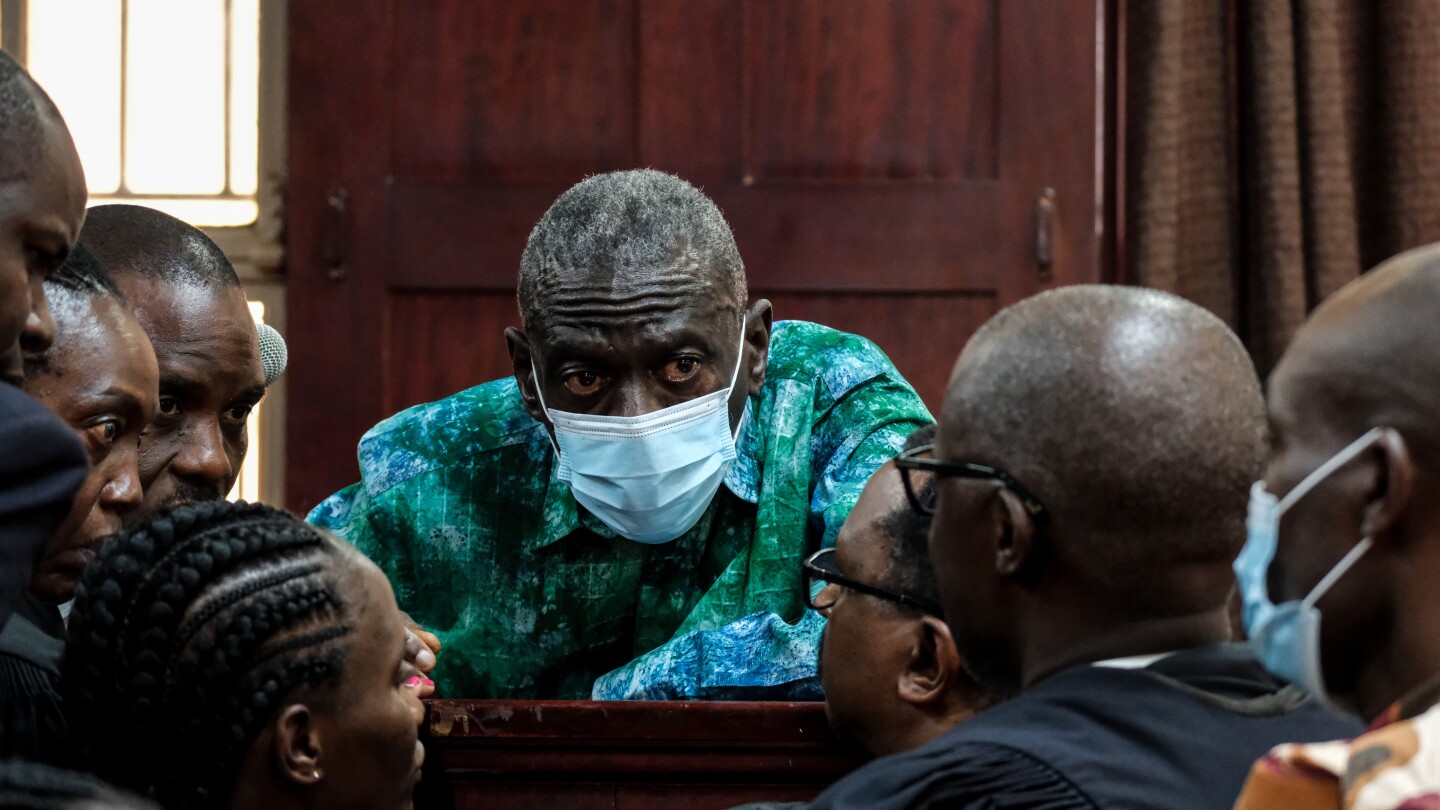
    KAMPALA, Uganda — Concerns over the deteriorating health condition of imprisoned Ugandan opposition leader Kizza Besigye have escalated after he was transported overnight to a medical facility in the capital. His political party, the People’s Front for Freedom, issued an urgent statement Tuesday warning that Besigye’s health “has reached a critical and deteriorating state” while demanding immediate access for his personal physicians and family members.

    The veteran politician, who previously served as Uganda’s primary opposition figure before the emergence of Bobi Wine, remains confined in a high-security Kampala prison awaiting trial on treason charges that his supporters claim are politically motivated. “It is a tragedy that a man who has dedicated his life to the health and freedom of others is being denied his own right to medical dignity,” the party’s statement asserted, holding “the regime and prison authorities fully accountable for his well-being.”

    Contradicting these assessments, Uganda’s prison system spokesman Frank Baine characterized the medical visit as routine, stating: “It was a general checkup. This morning he was doing his exercises.”

    This development occurs against the backdrop of Uganda’s contentious political landscape. President Yoweri Museveni, who has maintained power since 1986, recently secured re-election with 71.6% of the vote according to official results—figures immediately rejected by challenger Bobi Wine as fraudulent. The electoral process was marred by a multi-day internet blackout and malfunctioning biometric voting systems originally implemented to prevent electoral fraud.

    Besigye, a physician and retired military colonel who once served as Museveni’s personal doctor, has evolved into one of the president’s most persistent critics. His current detention since November 2024 stems from allegations of plotting government overthrow. Museveni’s son, army chief General Muhoozi Kainerugaba, has further accused Besigye of planning presidential assassination and previously suggested the opposition leader should face execution.

    The case highlights growing concerns about Uganda’s political future, with many anticipating an unstable transition as Museveni, now 81, has systematically removed constitutional obstacles to his prolonged rule while potential successors remain uncertain within the ruling National Resistance Movement party.

  • Nigeria remembers master wood carver

    Nigeria remembers master wood carver

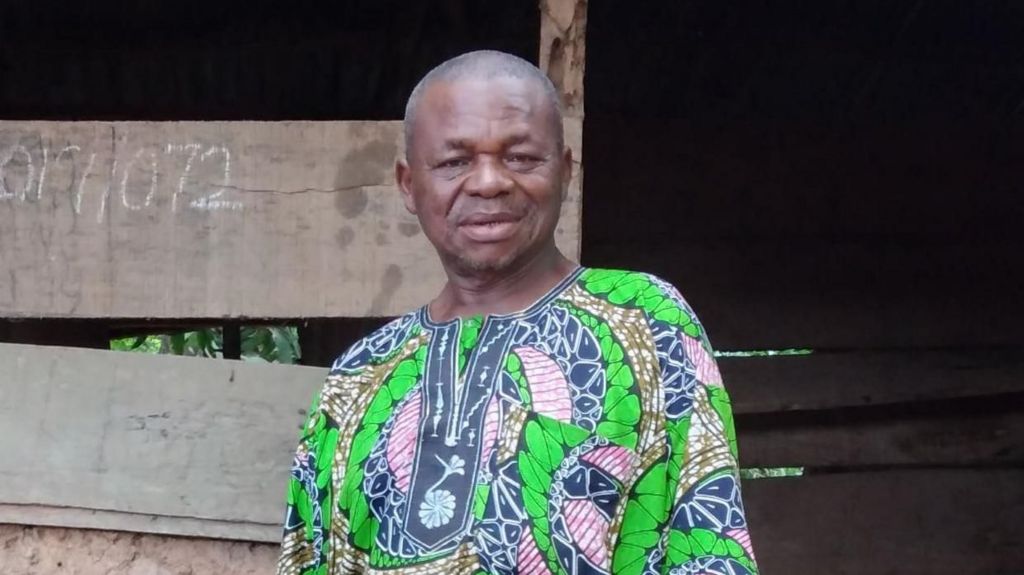
    The global art community mourns the passing of Kasali Akangbe Ogun, the renowned Nigerian wood carving master who transformed Yoruba cultural traditions into monumental artistic achievements. Ogun, who died recently after a brief illness, was laid to rest this week, leaving behind a legacy that bridges sacred art practices and contemporary cultural preservation.

    Hailing from Osogbo in southwestern Nigeria, Ogun emerged from a long lineage of Yoruba wood carvers, revitalizing a family tradition that had skipped two generations before his birth around 1945. Despite receiving only one week of formal education due to his father’s early death, Ogun’s innate talent propelled him to international recognition, eventually lecturing university students in the United States through his artistic mastery.

    Ogun became a pivotal figure in the New Sacred Art Movement, founded by Austrian-Nigerian artist and Yoruba priestess Susanne Wenger in the 1960s. This collective dedicated itself to protecting the 75-hectare Osun Forest and its sacred river, which gained UNESCO World Heritage status in 2005 for its profound cultural significance in Yoruba cosmology. The forest is regarded as the abode of Osun, the goddess of fertility in the Yoruba pantheon.

    The artist developed a distinctive style characterized by lean, elongated faces and dynamic, flowing forms that transformed traditional Yoruba devotional practice into contemporary artistic expression. His craftsmanship is visible throughout the Osun Grove in ritual figures, majestic pillars, and exquisitely crafted shrine roofs that blend spiritual depth with visual poetry.

    Beyond his local impact, Ogun achieved international acclaim with exhibitions at prestigious venues including Iwalewa Haus in Germany (1989), Africa Centre in London (1990), Edinburgh Fringe (1994), and throughout the 1990s at the National Black Theatre in Harlem, New York. In 2013, he served as Distinguished Africana Artist-in-Residence at the University of North Carolina at Charlotte.

    Despite his global recognition, Ogun maintained a simple life among the people of Osogbo, committed to preserving his living environment as a model of traditional Yoruba culture. He actively safeguarded the sacred forest, sometimes confronting those attempting to fish in the prohibited waters of the Osun River.

    The artist’s legacy continues through his children, who have inherited his wood carving tradition, and through his works currently featured in the landmark Nigerian Modernism exhibition at Tate Modern. His influence extended unexpectedly to popular culture, with tributes coming from figures including Wayne Barrow, manager of hip-hop legend The Notorious B.I.G.

    As Ogun himself poignantly described his role: “I am a dot, just a dot, connecting the past to the present, and the future.” His artistic vision has ensured that Yoruba cultural heritage remains vibrantly alive for generations to come.

  • Congolese soldiers reenter key eastern city after M23 rebels’ withdrawal, army and residents say

    Congolese soldiers reenter key eastern city after M23 rebels’ withdrawal, army and residents say

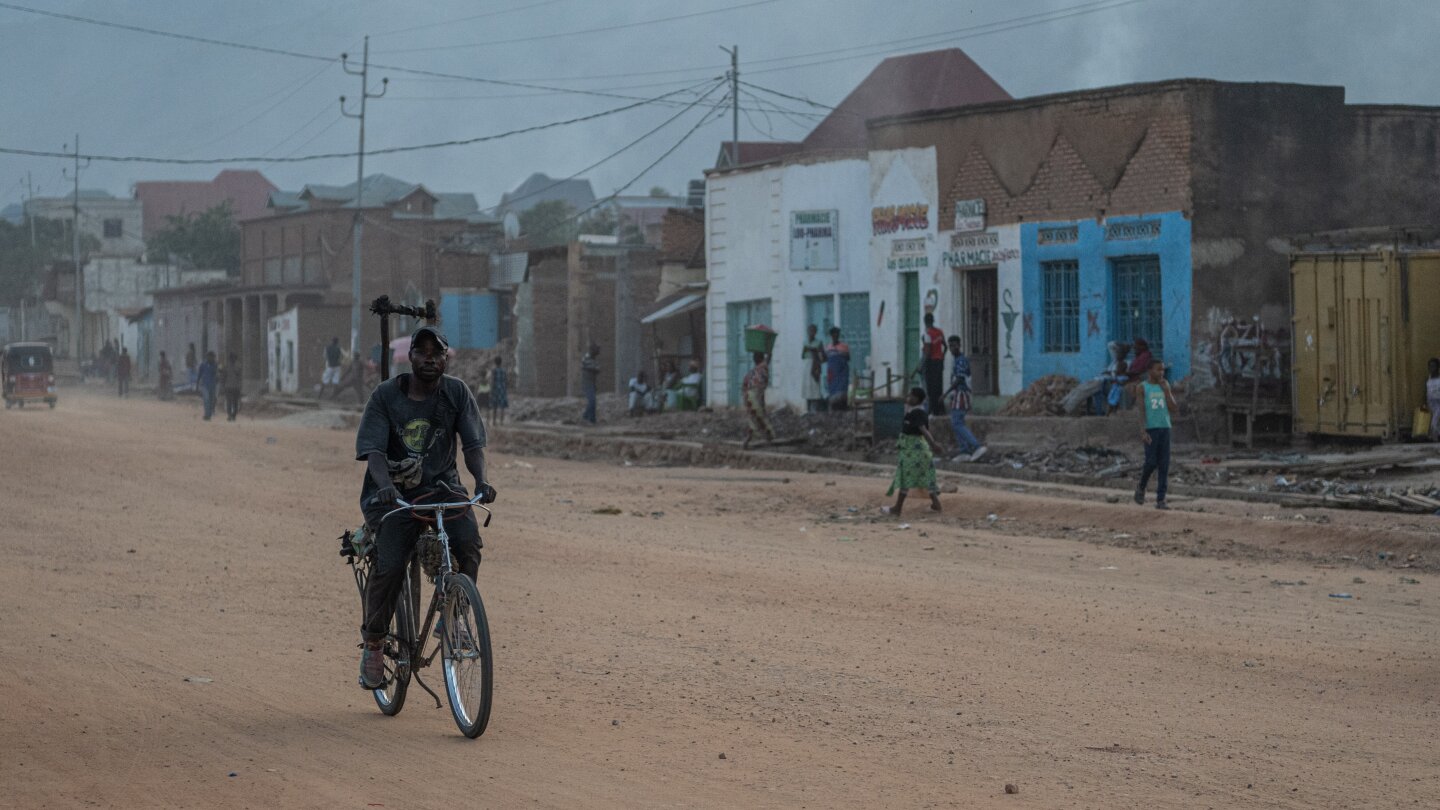
    DR Congo military forces, alongside pro-government Wazalendo militia fighters, have successfully reoccupied the strategic eastern town of Uvira following a month-long occupation by Rwanda-backed M23 rebels. The retaking of this crucial territorial foothold in South Kivu province marks a significant development in the ongoing conflict that continues to destabilize the mineral-rich region despite internationally-mediated peace efforts.

    Army spokesperson Mak Hazukay confirmed in an official statement that governmental forces initiated deployment throughout Uvira and surrounding areas on Sunday, aiming to consolidate defensive positions and ensure civilian security. This military advancement occurred precisely one month after M23 rebels captured the town during a rapid offensive that displaced approximately 300,000 residents and claimed over 1,500 lives according to government spokesperson Patrick Muyaya.

    Local resident Alain Ramazani reported witnessing the return of Congolese soldiers after their prolonged absence, noting their coordinated presence with Wazalendo militia members. However, Observatory for Human Rights director Ghislain Kabamba, based in Uvira, observed that despite military patrols circulating through the town Monday morning, sporadic gunfire persisted amid concerns about widespread weapon proliferation among various armed groups and civilians.

    The rebel group had previously announced their withdrawal as a “unilateral trust-building measure” requested by United States mediators to facilitate peace negotiations. This development occurs against a complex geopolitical backdrop where Congo, supported by U.S. intelligence and UN experts, alleges Rwandan sponsorship of M23—a rebel force that has expanded from hundreds to approximately 6,500 combatants since 2021 according to United Nations assessments.

    The capture of Uvira had carried particular strategic significance as it represented the final major government stronghold in South Kivu province following February’s fall of provincial capital Bukavu. Its seizure had enabled rebels to establish a consolidated corridor of influence across eastern Congo while bringing the conflict to the doorstep of neighboring Burundi, raising concerns about potential regional escalation given Burundi’s longstanding military presence in the area.

    This military shift unfolds despite high-level diplomatic efforts, including recent meetings between Congolese President Félix Tshisekedi and Rwandan leader Paul Kagame with U.S. mediators in Washington to reaffirm peace commitments. The persistent violence underscores the profound challenges in resolving a conflict involving over 100 armed groups vying for control in eastern Congo, which has created one of the world’s most severe humanitarian crises with more than 7 million displaced persons according to UN refugee agencies.

  • AU hails Senegal’s AFCON triumph as symbol of African unity

    AU hails Senegal’s AFCON triumph as symbol of African unity

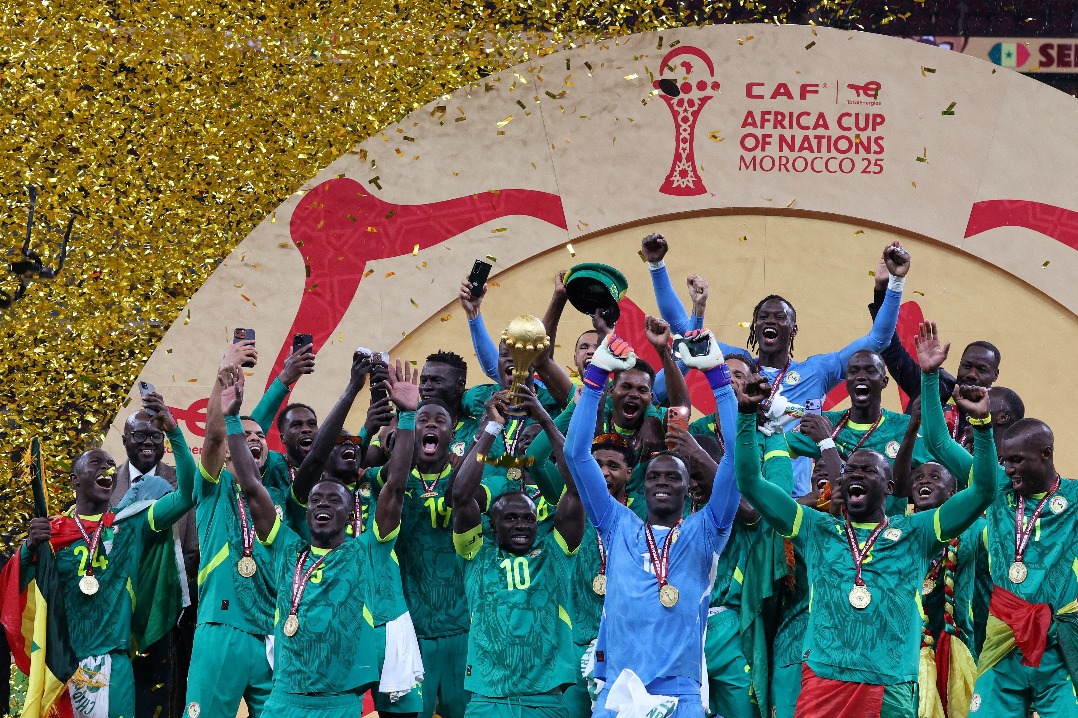
    The African Union Commission has officially celebrated Senegal’s Africa Cup of Nations championship, characterizing the football triumph as a powerful demonstration of pan-African solidarity and athletic excellence. Commission Chairperson Mahmoud Ali Youssouf extended formal congratulations following Senegal’s 1-0 victory against host nation Morocco in Sunday’s intensely contested final held in Rabat.

    Youssouf emphasized that the tournament transcended mere athletic competition, serving instead as a unifying force that bridged cultural divides and generational gaps across the continent. “AFCON has once again demonstrated that the beautiful game is a powerful force for unity,” he stated, acknowledging the tournament’s role in strengthening continental bonds through shared sporting passion.

    The Commission Chairperson particularly highlighted the championship’s technical quality and organizational excellence, noting that the event showcased Africa’s growing capability to host world-class sporting spectacles. While recognizing the natural tensions inherent in high-stakes competition, Youssouf emphasized that sportsmanship and fair play ultimately prevailed throughout the tournament.

    Special appreciation was extended to Morocco’s monarchy, government, and citizens for their hospitality and professional tournament management. Youssouf also commended all participating nations for elevating African football standards and displaying the continent’s remarkable depth of athletic talent.

    Looking toward global competitions, the Chairperson expressed confidence in African teams’ readiness to represent the continent with pride, specifically referencing the upcoming World Cup. Senegal’s victory marks their second AFCON championship, reinforcing their status as a football powerhouse following their inaugural title in 2021.