标签: Africa

非洲

  • I’m not retiring, I’m evolving – Kipchoge

    I’m not retiring, I’m evolving – Kipchoge

    In a definitive statement addressing his future in athletics, Kenyan marathon icon Eliud Kipchoge has proclaimed he is not stepping away from competition but rather entering a new phase of evolution. The two-time Olympic gold medalist and world record holder, who has secured every major honor in long-distance running, is now channeling his focus toward ambitious new objectives beyond personal accolades.

    Kipchoge’s remarkable career includes breaking the mythical two-hour barrier in an unofficial marathon and dominating major events like the Berlin and London Marathons. While he continues to train and compete at the elite level, his vision has expanded to include broader contributions to the sport. This strategic shift involves mentoring emerging athletes, promoting global running initiatives, and advocating for health and wellness through physical activity.

    The athlete’s statement signals a transformative period where his role transcends athletic performance to encompass ambassadorial and inspirational leadership. This evolution reflects a growing trend among veteran athletes who leverage their platform to create lasting impact beyond competition. Kipchoge’s approach demonstrates how sporting legends can redefine their careers while maintaining connection to their core discipline.

    His continued involvement in competitive running will now coexist with developmental projects aimed at strengthening athletics infrastructure in Kenya and internationally. This dual approach ensures his expertise benefits both future generations of runners and the broader sporting community, marking a new chapter in one of distance running’s most celebrated careers.

  • Gunmen abduct 28 Muslim travellers in central Nigeria

    Gunmen abduct 28 Muslim travellers in central Nigeria

    In a troubling escalation of Nigeria’s security crisis, 28 individuals traveling to an annual Islamic gathering in central Plateau State were violently abducted by armed assailants on Sunday night, according to local sources reporting to the BBC. The victims, comprising women and children among other passengers, were ambushed while their bus traversed between rural villages.

    This latest incident occurs merely 24 hours after Nigerian authorities secured the release of 130 students and educators from a Catholic boarding school in Niger State, where they had been held captive since last month. A Plateau-based journalist confirmed that families of the newly kidnapped victims have already begun receiving ransom demands from the perpetrators, whose identities remain unknown. Official authorities have not yet issued any public statement regarding the abduction.

    Criminal factions referred to locally as ‘bandits’ have increasingly employed kidnapping-for-ransom as a primary revenue strategy throughout northern and central Nigeria. While official policy prohibits monetary payments to secure hostages’ freedom, such transactions have become the de facto resolution method in numerous cases, effectively bankrolling these criminal enterprises.

    Notably, security analysts emphasize that these bandit operations remain distinct from the protracted Islamist insurgency raging in Nigeria’s northeast, where jihadist organizations have engaged in armed conflict with government forces for over a decade.

    The persistent security challenges have drawn international scrutiny, particularly after controversial remarks from former US President Donald Trump in November threatened military intervention. Recent diplomatic engagements between Nigerian Information Minister Mohammed Idris and US officials have reportedly eased tensions, with Idris announcing that bilateral relations have been ‘largely resolved’ and strengthened.

    Concurrently, Nigeria’s federal government unveiled new security measures including the deployment of specially trained forest guards to secure remote areas and forest hideouts used by criminal organizations, augmenting existing military operations across affected regions.

  • Afrobeats star Asake ‘devastated’ after fan dies in Kenya stadium crush

    Afrobeats star Asake ‘devastated’ after fan dies in Kenya stadium crush

    Nigerian Afrobeats sensation Asake has issued a heartfelt response following a deadly crowd crush at his Nairobi concert that resulted in the death of 20-year-old fan Karen Lojore. The tragic incident occurred Saturday evening at Nyayo National Stadium where excessive queues and entry delays, exacerbated by heavy rainfall, led to dangerous overcrowding near stadium gates.

    In an emotional Instagram statement released Monday, Asake expressed being ‘devastated by the tragic incident’ and extended condolences to Lojore’s family and friends. The artist, whose real name is Ahmed Ololade, emphasized that music should represent ‘love and joy’ and stated it ‘breaks my heart that anyone had to experience such loss.’ He explicitly called for accountability, asserting that ‘those responsible should be held accountable’ while pledging support for investigation efforts.

    The victim’s family has launched impassioned appeals for justice, with a woman believed to be Lojore’s mother directly addressing concert organizers and Asake via social media: ‘What happened to my child? Why her? I want justice for my child.’

    Kenyan police spokesperson Michael Muchiri confirmed to BBC that comprehensive investigations are underway to determine precisely how and why the incident occurred. Event organizers Tukutane Entertainment, known for hosting major African music events featuring stars like Tems and Rema, stated they are cooperating fully with authorities.

    Eyewitness accounts from attending journalists describe significant problems with crowd management and stadium entry procedures. This tragedy echoes a similar 2022 incident at London’s Brixton Academy where an Asake performance resulted in two fatalities and multiple injuries.

    Asake, celebrated as one of Nigeria’s most prominent musical exports since his breakthrough in 2022, has received multiple accolades including Grammy nominations and BBC Radio 1 recognition.

  • Nigeria ready to win ‘dream’ Afcon – Osimhen

    Nigeria ready to win ‘dream’ Afcon – Osimhen

    Nigerian football sensation Victor Osimhen has positioned the upcoming 2025 Africa Cup of Nations (AFCON) as a critical redemption opportunity for the Super Eagles, following consecutive international disappointments. The 26-year-old striker, now with Galatasaray, acknowledges the team’s recent setbacks but emphasizes their collective determination to claim continental glory.

    The Super Eagles’ journey has been marked by recent frustrations: a heartbreaking loss to Ivory Coast in the 2023 AFCON final followed by a penalty shootout defeat against DR Congo that eliminated them from 2026 World Cup qualification. This marks the second consecutive World Cup cycle where Nigeria will be absent from the global stage.

    Osimhen, who has scored an impressive 31 goals in 45 international appearances, reflects philosophically on the team’s challenges: “The penalty is a game of luck. Life has happened, we just have to keep it moving.” His perspective underscores the team’s resilience as they prepare for their Group C opener against Tanzania in Fes, with subsequent matches against Tunisia and Uganda.

    The striker expressed profound gratitude to Nigerian supporters worldwide, stating: “I want to thank Super Eagles fans everywhere who have stood by us through good times and bad. AFCON represents our opportunity to win back our fans and actualize our dream of tournament victory.”

    While Osimhen’s importance to the squad is undeniable—Nigeria failed to win any of the five World Cup qualifiers he missed—he emphasizes the team’s collective strength. With attacking alternatives including Akor Adams, Paul Onuachu, and Cyriel Dessers, Osimhen believes the squad possesses depth and versatility: “We have so many talented players. If some aren’t available, others can step up—that’s one of our qualities.”

    Defensively, the team adjusts to the retirement of veteran leader William Troost-Ekong, the 2023 AFCON Most Valuable Player. Defender Calvin Bassey of Fulham acknowledged Ekong’s departure as a significant loss but expressed confidence in new captain Wilfred Ndidi’s leadership capabilities. Bassey highlighted the existing chemistry between himself, Alex Iwobi, and Samuel Chukwueze as potentially beneficial for Nigeria’s campaign.

    Head coach Eric Chelle will rely on Osimhen’s fitness and goal-scoring prowess as Nigeria seeks their first AFCON title since 2013. Osimhen characterizes his approach simply: “I try to give everything—running, scoring, fighting for my teammates. There’s mutual respect between us all.”

  • Sudan’s prime minister takes his peace plan to the UN, but US urges humanitarian truce now

    Sudan’s prime minister takes his peace plan to the UN, but US urges humanitarian truce now

    In a significant diplomatic move at the United Nations, Sudanese Prime Minister Kamil Idris presented an ambitious peace initiative aimed at resolving the devastating 1,000-day civil war that has ravaged the Northeast African nation. The proposal, unveiled during a Security Council session on Monday, outlines a structured framework for ceasefire implementation, paramilitary disarmament, and international monitoring mechanisms.

    The comprehensive plan calls for the United Nations, African Union, and Arab League to jointly supervise an immediate cessation of hostilities. Central to the initiative is the complete withdrawal of the paramilitary Rapid Support Forces (RSF) from occupied territories, their relocation to supervised camps, and subsequent disarmament. Idris emphasized that his government’s proposal represents an indigenous solution rather than externally imposed conditions, indirectly referencing the Quad initiative supported by the United States, Saudi Arabia, Egypt, and the United Arab Emirates.

    Despite the proposal’s comprehensiveness, diplomatic observers expressed skepticism regarding its acceptance by the RSF, which would effectively necessitate their military capitulation. The conflict originated in April 2023 from a power struggle between Sudan’s regular military and the RSF, escalating into widespread violence that international organizations have classified as involving war crimes and crimes against humanity.

    U.S. Deputy Ambassador Jeffrey Bartos urged both warring factions to immediately accept the humanitarian truce without preconditions, while strongly condemning the horrific violence across Darfur and Kordofan regions. UAE Ambassador Mohamed Abushahab, representing the Quad mediators, cautioned that unilateral efforts by either party would prove unsustainable and only prolong the devastating conflict.

    UN Assistant Secretary-General for Political Affairs Khaled Khiari highlighted escalating concerns about the continuous flow of sophisticated weaponry to both sides, criticizing external backers for prioritizing oil revenues over civilian protection. The conflict has created the world’s largest humanitarian crisis, with UN figures indicating over 40,000 fatalities and 14 million displaced persons, though aid organizations suggest actual numbers may be substantially higher.

  • Drones and AI to accelerate the UAE’s $17 billion e-commerce market

    Drones and AI to accelerate the UAE’s $17 billion e-commerce market

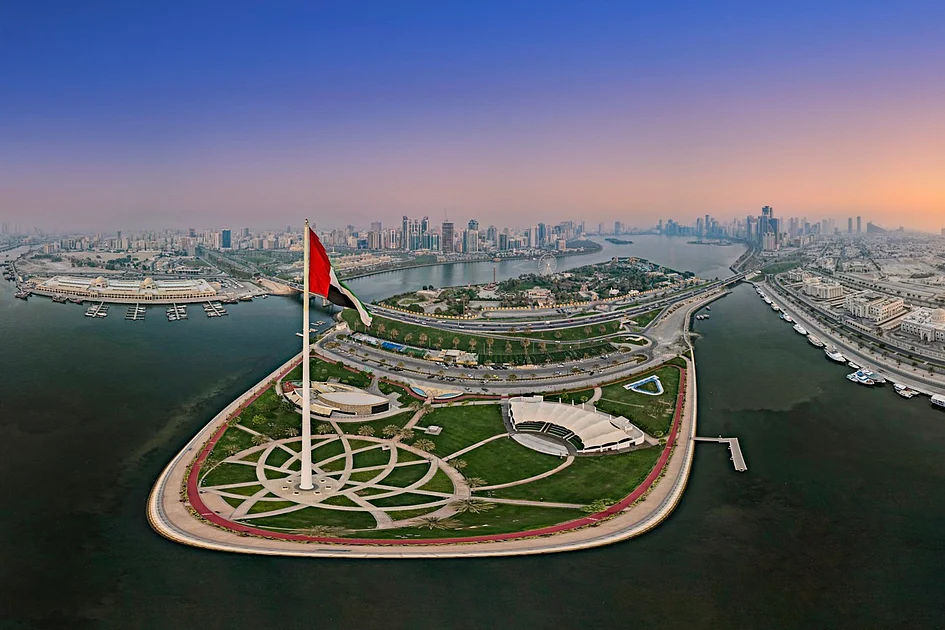
    The United Arab Emirates’ rapidly expanding e-commerce sector, projected to reach $17 billion by 2025, is embracing cutting-edge technological solutions to revolutionize last-mile delivery systems. Industry leaders are increasingly turning to AI-powered drones and unmanned aerial systems (UAS) to meet growing consumer expectations for speed and convenience.

    According to market intelligence from Statista, the UAE’s successful economic diversification efforts have created a robust ecosystem conducive to digital innovation. The country’s exceptionally high social media penetration rate, with approximately 11.03 million active users forecasted by 2026, has further accelerated e-commerce adoption.

    Blue Ocean Global Group, through its subsidiary Blue Infinity LLC, is pioneering this transformation by providing comprehensive distribution services for both global and regional FMCG brands. Under the guidance of industry veterans Shahzad Ahmed and Ravi Narayan, the company has developed a data-driven approach that analyzes consumer behavior patterns to optimize inventory management and delivery efficiency.

    Global projections from PriceWaterhouseCoopers indicate dramatic growth in drone-assisted deliveries, expected to surge from 5 million in 2024 to 808 million within the next decade. The economics of drone delivery are becoming increasingly favorable, with current costs of $6-$25 per delivery anticipated to drop by over 70% in the coming years, potentially falling to around $2 by 2034.

    This technological shift is particularly significant for the MENA region, where Saudi Arabia’s e-commerce market is similarly booming—valued at $27 billion in 2024 and projected to exceed $50 billion by 2030. Millennials and Generation Z consumers, driven by digital-native lifestyles and seamless payment systems, are increasingly preferring online shopping for its convenience and efficiency.

    Seasonal shopping events including White Friday, Yellow Friday, Singles’ Day, and traditional holiday periods create additional opportunities for brands to implement innovative promotional strategies and bulk deals. Blue Infinity’s approach emphasizes rapid market execution, adaptive pricing strategies, and enhanced product visibility across both traditional e-commerce and quick-commerce (q-commerce) platforms.

    The convergence of AI analytics with advanced delivery systems represents a fundamental shift in regional retail dynamics, potentially serving 67% of the global population according to PwC estimates. This transformation promises to bridge accessibility gaps particularly for suburban and rural residents while creating new paradigms in customer satisfaction and operational efficiency.

  • Gates Foundation, UAE’s ADQ to invest $40 million for AI in education in Africa

    Gates Foundation, UAE’s ADQ to invest $40 million for AI in education in Africa

    In a landmark partnership announced during Abu Dhabi Finance Week, the Bill & Melinda Gates Foundation and Abu Dhabi’s strategic investment holding company ADQ have committed $40 million to harness artificial intelligence for educational transformation across sub-Saharan Africa. The four-year initiative, unveiled during a visit by Microsoft co-founder Bill Gates to the UAE, represents a concerted effort to address Africa’s critical learning deficit, where currently nine out of ten children lack basic literacy and numeracy skills by age ten.

    The collaboration will deploy two complementary mechanisms: the existing AI-for-Education global initiative, which develops practical AI-enabled learning models and provides governmental expertise, and the newly established EdTech and AI Fund. This multi-investor vehicle, scheduled for launch next year, will be the first dedicated fund specifically focused on national-level expansion of evidence-based interventions that enhance foundational learning. ADQ has pledged up to $20 million in matching funds to anchor the partnership.

    The timing of this investment is particularly significant as demographic projections indicate Africa will be home to one-third of the world’s youth population by 2050. Mohamed Hassan Alsuwaidi, Managing Director and CEO of ADQ, emphasized the strategic importance of digital infrastructure, stating that ‘the systems that support learning, data, and intelligent technologies are becoming equally important to national development’ alongside traditional physical assets.

    This initiative builds upon the Gates Foundation’s recent $240 million expansion of its Global Education Programme, which aims to support 15 million children across sub-Saharan Africa and India through evidence-based, cost-efficient solutions. The UAE brings to the partnership its demonstrated leadership in technological innovation and deployment capabilities, positioning the emirates as a key enabler of educational transformation in the Global South.

    Bill Gates acknowledged the UAE’s pioneering role, noting that ‘the UAE has shown leadership in using innovation to expand opportunity, and together we’ll build on that momentum to help children develop the foundational skills that shape their futures.’ The partnership represents a significant convergence of philanthropic vision and strategic investment aimed at creating sustainable, technology-driven educational ecosystems.

  • $500b Stargate project, first tech-driven legal system: UAE’s top 10 AI milestones in 2025

    $500b Stargate project, first tech-driven legal system: UAE’s top 10 AI milestones in 2025

    The United Arab Emirates has cemented its status as a global digital powerhouse in 2025, achieving an unprecedented 97% adoption rate of artificial intelligence tools across government entities—the highest worldwide. This remarkable milestone accompanies the nation’s growing tech workforce, which now exceeds 450,000 programmers.

    Among the year’s most significant achievements was the launch of the groundbreaking ‘Stargate UAE’ project, a $500 billion supercomputing collaboration involving industry giants G42, OpenAI, Oracle, Cisco, SoftBank, and Nvidia. This initiative will deploy NVIDIA Grace Blackwell GB300 systems, with its initial phase scheduled for 2026 deployment.

    The UAE’s AI advancements extended beyond infrastructure to include revolutionary applications across multiple sectors. The nation introduced the world’s first AI-driven legislative analysis system and an AI-powered HR assistant serving over 50,000 government employees while automating 108 public services.

    In education, Hamdan Bin Mohammed Smart University reported a transformative 95% reduction in faculty workload through AI implementation, accompanied by substantially improved student outcomes. The cybersecurity domain saw equal innovation with the establishment of a Cybersecurity Excellence Centre in partnership with Google Cloud, projected to generate more than 20,000 specialized jobs.

    Technological breakthroughs included the debut of Jais 2, a sophisticated 70-billion-parameter language model trained on 600 billion Arabic tokens—creating the largest Arabic-first dataset ever developed. The UAE also unveiled K2 Think, an open-source system designed for advanced AI reasoning.

    International cooperation formed a crucial component of the UAE’s AI strategy, with the establishment of a 5-gigawatt UAE-US AI Campus in Abu Dhabi—the largest supercomputing cluster outside the United States. Additional partnerships with France included a dedicated 1-gigawatt data center and joint ventures in renewable energy and semiconductor research.

    Financial commitments reached extraordinary levels, with total AI-related investments surpassing AED 543 billion during 2024-2025. The UAE further demonstrated global leadership by pledging $1 billion to the ‘AI for Development’ initiative at the G20 summit and partnering with the Gates Foundation on a $200 million AI ecosystem for agricultural innovation.

    To ensure cultural alignment in technological development, the UAE pioneered the ‘AI in the Ring’ index—the world’s first measurement system evaluating how closely AI models align with national cultural values and principles.

  • Nigerians welcome 130 schoolchildren and teachers released after mass abduction

    Nigerians welcome 130 schoolchildren and teachers released after mass abduction

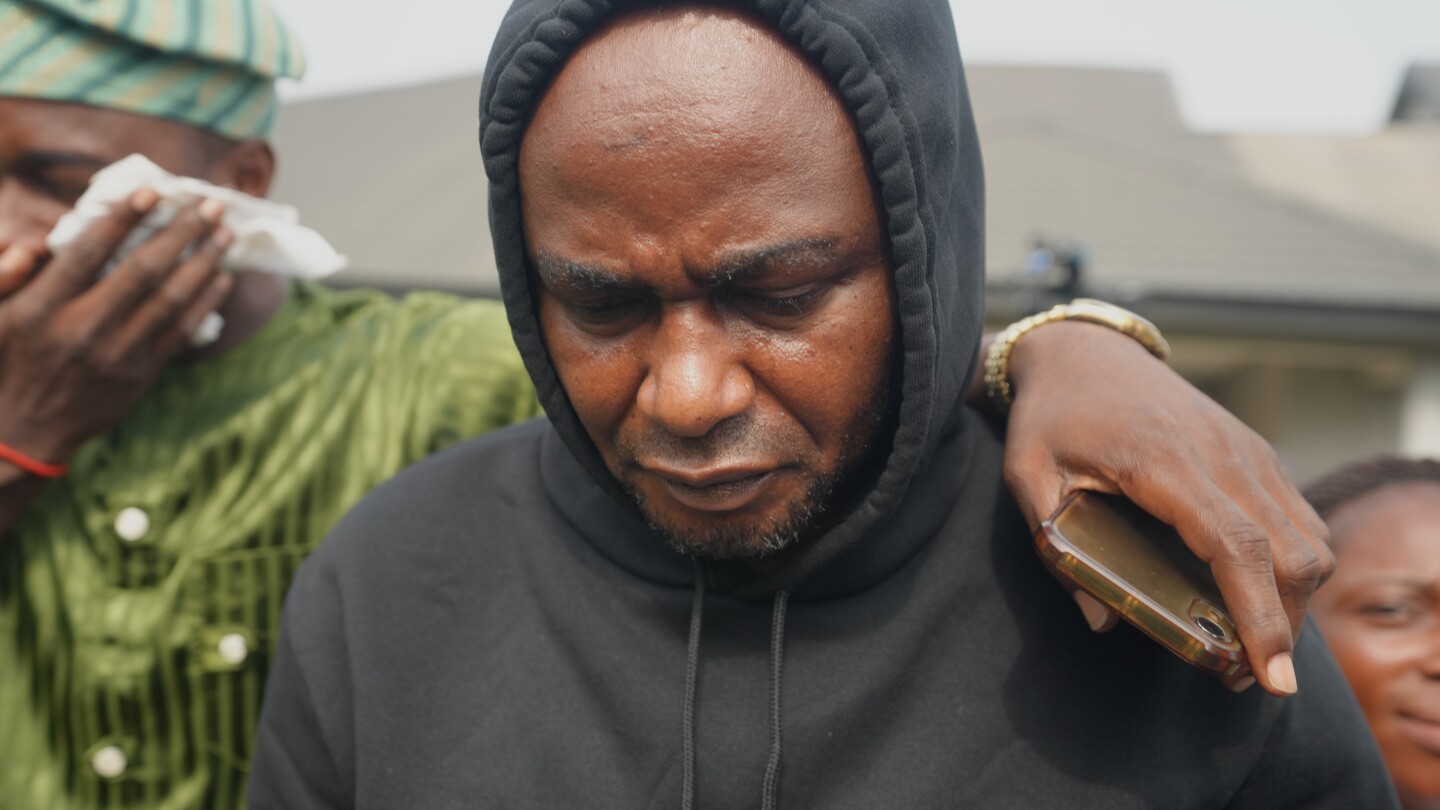
    In a significant development addressing Nigeria’s pervasive security crisis, 130 students and educators have been successfully liberated following their abduction in one of the nation’s most extensive mass kidnapping incidents. The victims, who endured captivity for approximately one month, made their first public appearance at a government-organized ceremony in Minna on Monday.

    The released individuals exhibited visible signs of physical distress and psychological trauma upon their return, with many showing symptoms of malnutrition and shock. According to official statements from Nigerian police authorities, the rescue operation concluded successfully on Sunday, exactly one month after armed assailants stormed a Catholic educational institution in Niger state’s Papiri community during pre-dawn hours.

    Initial reports indicated 303 students and 12 teachers were taken during the assault, with approximately 50 managing to escape shortly after the incident. However, Niger state Governor Mohammed Bago provided revised figures, confirming 230 individuals were originally abducted and all have now been released. Government officials announced coordinated efforts to reunite the victims with their families before Christmas celebrations commence.

    While no organization has claimed responsibility for the kidnapping, local residents attribute the attack to armed criminal factions that routinely target educational institutions and travelers throughout Nigeria’s conflict-ridden northern territories. These groups typically employ kidnappings as a primary mechanism for extorting ransom payments. Officials remained silent regarding whether financial demands were met to secure the victims’ release.

    According to school administration records, most abducted students ranged between 10 and 17 years old. One previously released victim disclosed to Associated Press correspondents that captors threatened to shoot hostages during the initial attack.

    Major General Adamu Garba Laka, National Coordinator at Nigeria’s Center for Counter Terrorism, addressed the ceremony and outlined future security enhancements. The official emphasized strengthened collaboration with community leadership to reinforce protection measures in high-risk regions, acknowledging that school kidnappings have become emblematic of Nigeria’s broader security challenges.

  • US signs new health deals with 9 African countries that mirror Trump’s priorities

    US signs new health deals with 9 African countries that mirror Trump’s priorities

    The United States has initiated a fundamental restructuring of its global health assistance through newly negotiated bilateral agreements with at least nine African nations. This strategic shift, implemented under the Trump administration’s ‘America First’ foreign policy doctrine, replaces previous USAID-managed programs with government-to-government compacts emphasizing mutual benefits over traditional aid.

    Kenya, Nigeria, Rwanda, Cameroon, Eswatini, Lesotho, Liberia, and Mozambique have entered these pioneering health partnerships that tie funding to specific policy conditions and domestic financial commitments. The arrangements mark a dramatic departure from conventional assistance models by requiring recipient nations to substantially increase their own health expenditures while accepting reduced American funding—averaging a 49% decrease compared to previous allocations according to the Center for Global Development.

    Notably, Nigeria’s agreement includes specialized provisions emphasizing support for Christian-based health facilities despite the country’s slight Muslim majority, with the State Department explicitly linking this funding to Nigeria’s efforts in protecting Christian populations from violence. Several signatory nations—including Rwanda and Uganda—have separately accepted controversial U.S. deportation agreements, though officials deny direct linkage between these arrangements.

    Conspicuously absent from the partnerships is South Africa, which lost approximately $436 million in annual HIV funding following diplomatic tensions with the administration. The new compacts prioritize disease surveillance, HIV treatment, and malaria prevention while demanding increased financial self-sufficiency from recipient nations, fundamentally redefining the terms of U.S. global health engagement.